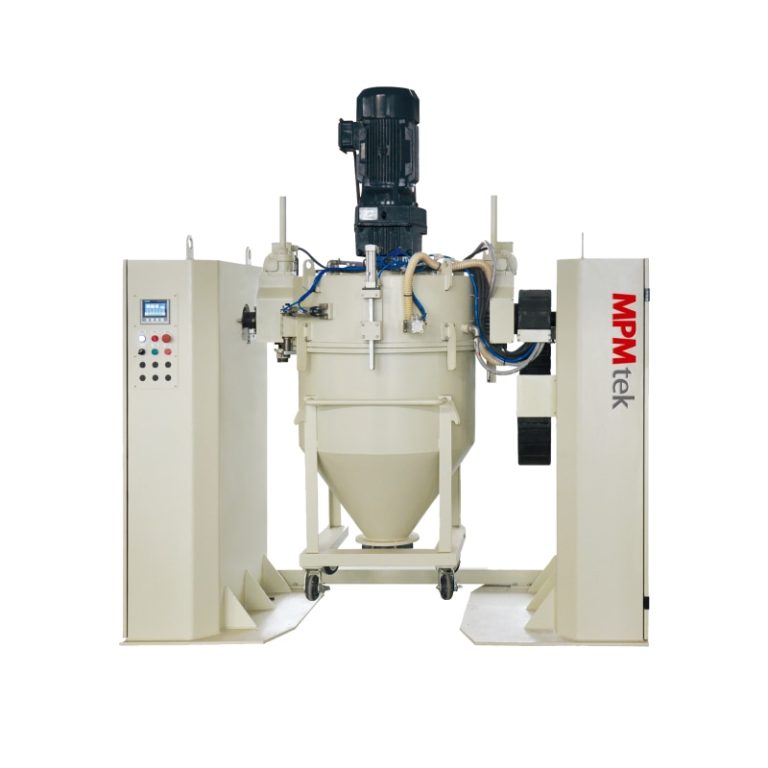
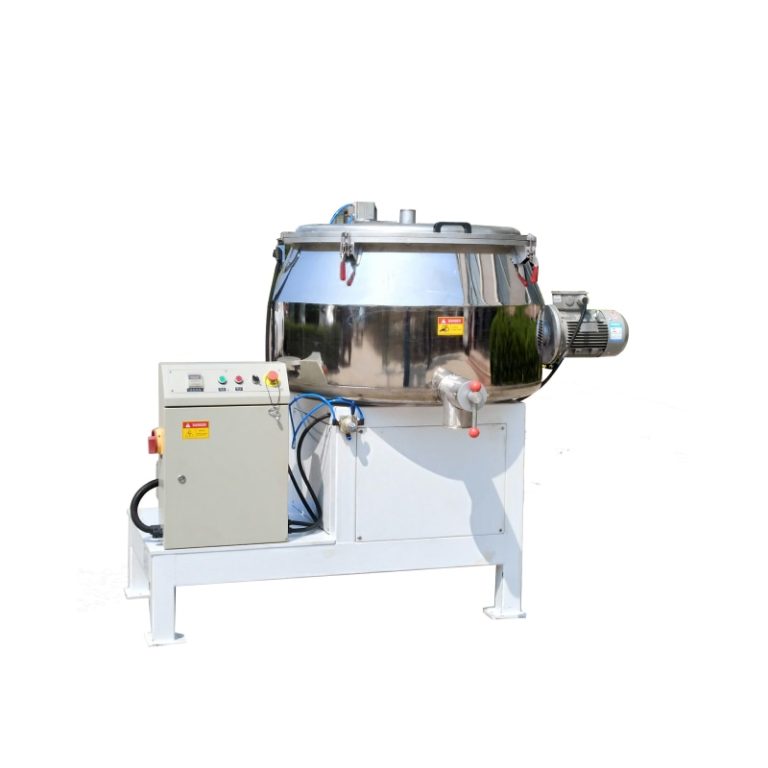
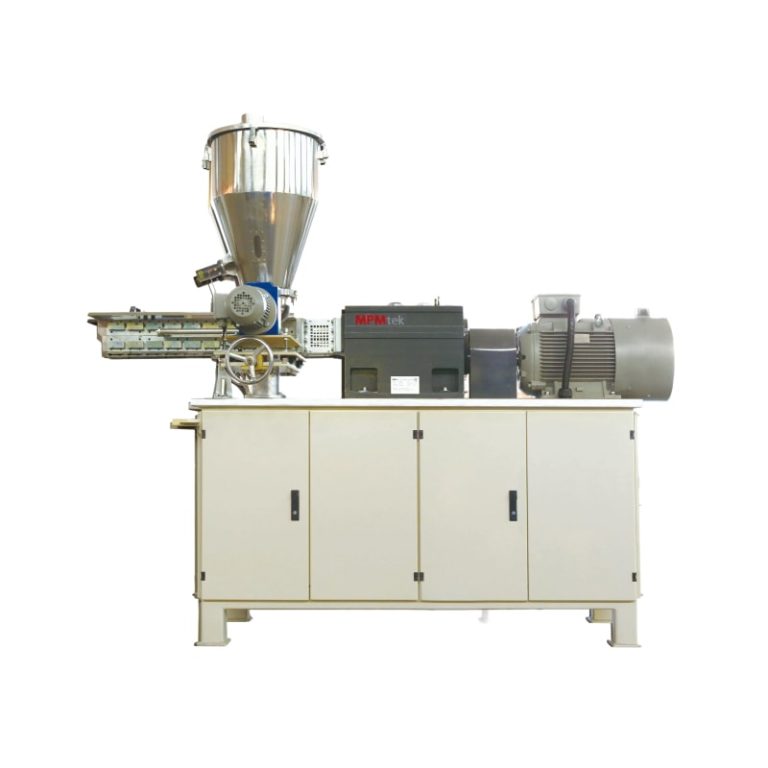
الحصول على التفريغ الكامل في خلاط مخروطي مزدوج أمر حيوي للحفاظ على نقاء الدفعة ، وتقليل النفايات ، ووقف الخلطات - خاصة في أعمال مسحوق صعبة مثل حواف طلاء مسحوق. الفكرة الرئيسية هي خلط إعداد آلة جيدة ، وطرق التشغيل الصحيحة ، ومعرفة كيفية تصرف الأشياء. من خلال التعامل مع هذه الأجزاء معا، يمكن للصناع الحصول على عمل أكثر سلاسة ونظافة مع جودة العنصر الثابتة.
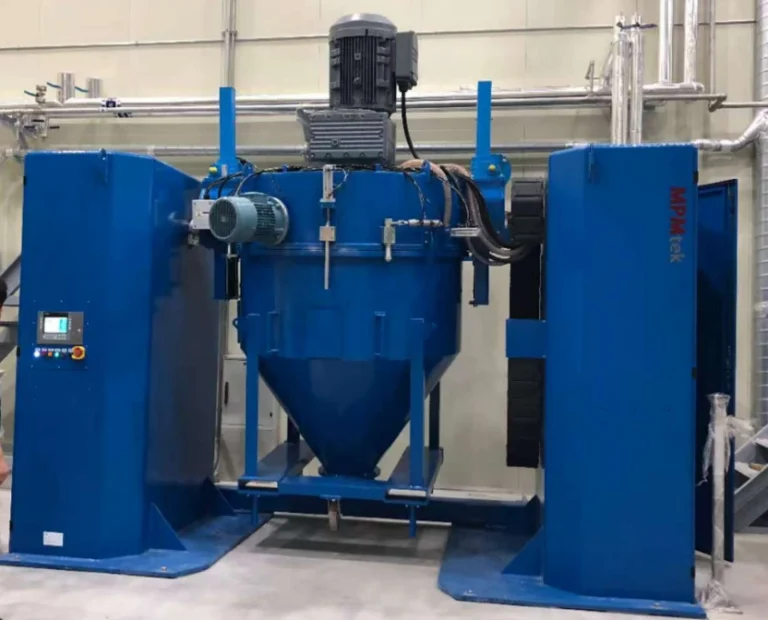
خلاط مخروط مزدوج وآلية التفريغ
المكونات الرئيسية لخلاط مخروط مزدوج
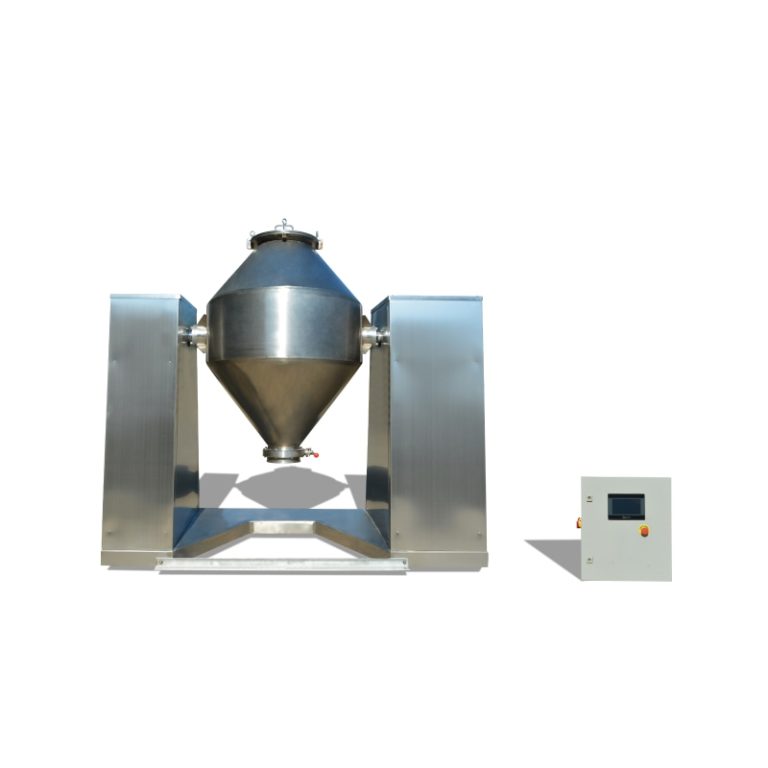
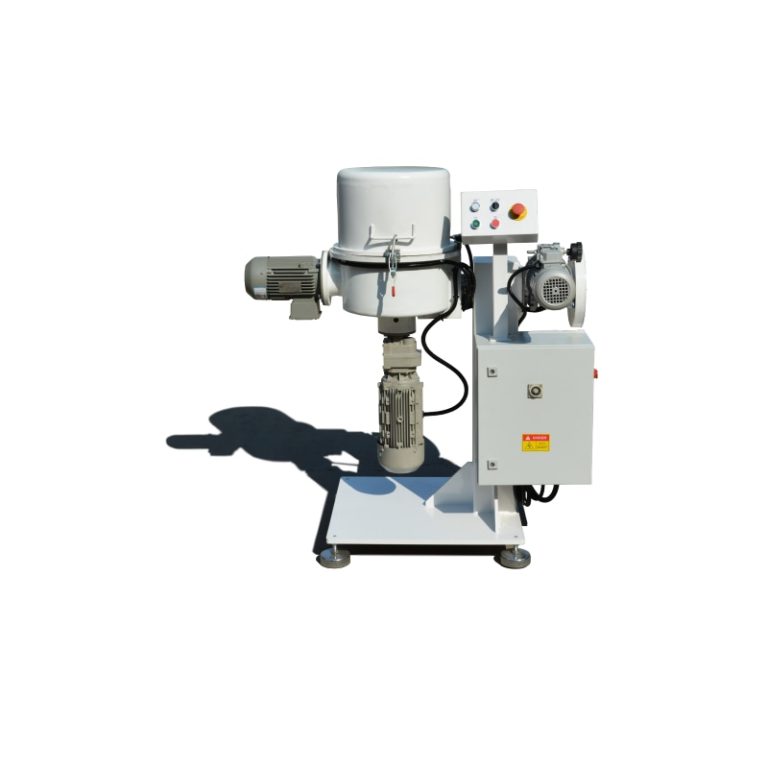
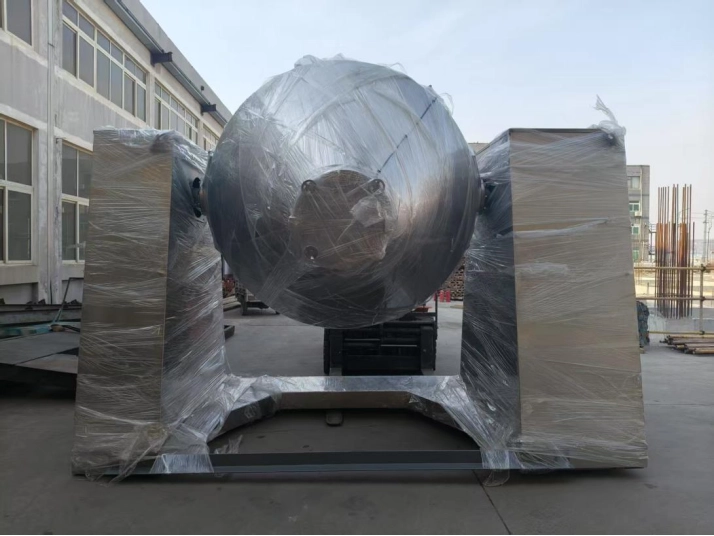
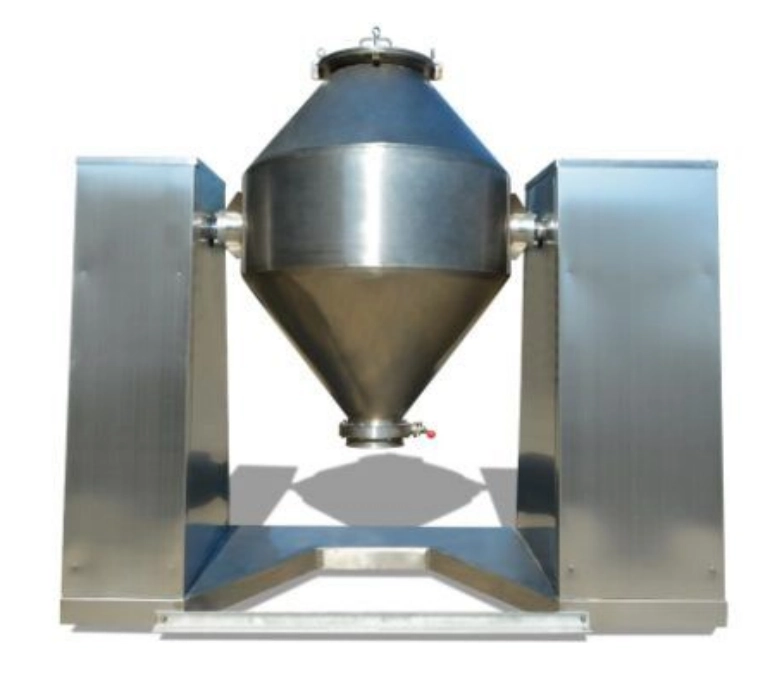
مباشرة في وسط خلاط مخروط مزدوج يجلس شكل مخروطين. هذا التصميم حتى يساعد على خلط ثابت. كما يؤدي المادة إلى نقطة الخروج في الوسط السفلي أثناء التحول. الجانبين الميلين من المخروطات يقلل من المناطق الثابتة. يساعدون على السحب من الجاذبية ، وخاصة عند التفريغ.
يمكن إضافة الحواجز الداخلية لتعزيز الخلط عن طريق جعل التدفق الخام كما تدور الحاوية. خط الدوران الوسطى يضمن حركة متساوية. هذا يساعد على خلط موثوق وتحويل المساحيق إلى الطريق الخروج.
الصمامات في نقطة الخروج - غالبا ما تكون من أنواع الفراشة أو بوابة الشريحة - تدير إطلاق الأشياء. بقعتهم وقربهم الضيق مفتاح لتجنب قطرات أو عقبات.
سمة كبيرة أخرى هي البولندية السطحية. "حجم كبير وسهولة التنظيف" و "أوتوماتيكا عالية" هي إيجابيات تأتي من المناطق الداخلية الناعمة والأشياء الراقية مثل الفولاذ المقاوم للصدأ. هذه تعمل مع العديد من المساحيق ، بما في ذلك المواد الكيميائية الآمنة للأغذية أو الحية.
التطبيقات الشائعة في معالجة المسحوق
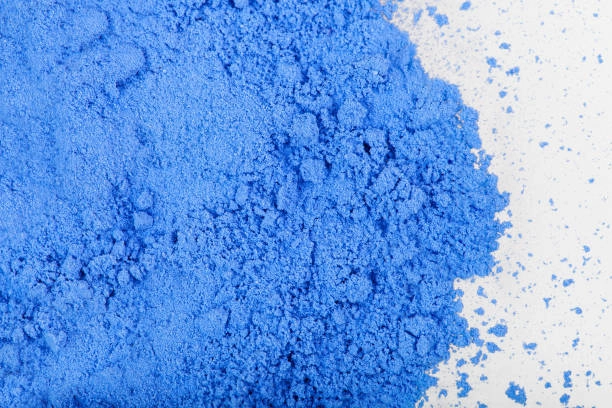
خلاط مخروط مزدوج يمكن أن يخلط بين المواد الحارة والمنحنة والفضفاضة والخفيفة. يستخدم كثيرا في مجالات مثل طلاء المسحوق والطب والصبغة والكيمياء الدقيقة والسيراميك الدقيق وهلم جرا. هذه المرونة تجعلها رائعة للمساحيق والقطع التي تتدفق بسهولة. في وظائف مثل طلاء مسحوق متقدم، حيث حتى انتشار القطع هو المفتاح - على سبيل المثال في صنع الوهم انتهاءات طلاء مسحوق أرجواني - هذا النوع من الخلاط يعطي نتائج قوية.
تحركة الخلط الناعمة تبقي القطع الهشة كاملة. ومع ذلك، لا يزال يعطي ما يكفي من الخلط حتى الخلاطات.
العوامل التي تؤثر على كفاءة التفريغ
دور الخصائص المادية
تغير نوع المسحوق مدى تدفقه من الخلاط:
- المساحيق التي تتدفق بشكل جيد فارغة بسرعة.
- الأشياء اللاصقة تميل إلى التجمع. قد تحتاج إلى مساعدة آلة.
- انتشار حجم البت مهم: يمكن أن تسبب الانتشارات الواسعة الانقسام ، في حين قد تتعلق البتات الصغيرة بالأسطح.
- كمية الماء تزيد من خطر الالتصاق والحجب.
- الشحنة الثابتة هي مشكلة كبيرة في المساحيق الدقيقة مثل تلك الخاصة بحواف طلاء المسحوق - فهي تجعل القطع تلتصق بالمناطق الداخلية.
يجب التحقق من هذه الميزات قبل اختيار أو تشغيل خلاط.
تأثير معايير تصميم الخلاط
تصبح عملية التفريغ أفضل بكثير عندما يتم ضبط عوامل الإعداد بشكل صحيح:
- مخروط ميل: الميلات الحادة تعزز سحب الجاذبية إلى ميناء الخروج.
- حجم عقديجب أن يتناسب مع احتياجات العمل - يؤدي الكامل للغاية إلى خلط بقع. فارغ جدا خفض الناتج.
- بقعة صمام الخروج: أسفل الوسط طرق الخروج تأكد حتى التدفق.
- شكل داخلي"الشعاعي / المحاور والخلط الجانبي" يضمن انتشار المستوى في المخروط.
- صدمة السطح: الداخل اللامع فرك أقل والأشياء التراكم. التحولات السليكة بين أجزاء المخروط تتجنب الأشياء التي تتعلق.
كل من هذه القطع تعتبر في الحصول على إفراغ نظيف.
تأثير الإعدادات التشغيلية
يمكن لتشغيل الإعدادات إصلاح أو حطم إخراج التفريغ. يجب أن تكون سرعة الدوران صحيحة تماماً - ليس سريعة جداً لصنع طبقات الحلقة ، وليس سريعة جداً لمنع التدفق الجيد. يجب أن يكون وقت الخلط كافياً للتجانس دون الحصول على أجزاء ساخنة أو طحن كثيرة.
يجب أن تبقى كمية الملء في 40-70٪ من الحجم الكامل لأفضل عمل لف. الضوابط المحيطة مثل الحرارة والرطوبة تؤثر على أعمال المسحوق. مفتاح جداً عند التعامل مع طلاءات حساسة للرطوبة مثل معطف مسحوق أرجواني الوهم.
تقنيات لتحقيق التفريغ الكامل
تعديل خصائص المواد لتحسين التدفق
في بعض الأحيان، تحتاج التحضيرات المبكرة. تجفيف المساحيق قبل وضع في قطع تجميع. يضيف وضع مساعدين التدفق أو مضاد للحزمة تعزيز أعمال التفريغ في الأشياء اللاصقة.
هذا يساعد طنا مع طلاءات خاصة باهظة الثمن مثل معطف مسحوق الأرجواني الوهم الذي يتجمع في البقع الرطبة.
تحسين ميزات بناء الخلاط
تعزيزات أو تغييرات الإعداد يمكن رفع الناتج:
- مناطق داخلية لامعة تقطع قليلا اللصق وجعل التنظيف بسيط.
- الميول المخروطية الحادة تسمح للجاذبية الأفضل تساعد التدفق.
- منافذ الخروج الكبيرة أو المدفوعة بالهواء أقل الأشياء عقد في الصمام.
بالنسبة للصانعين الذين يتعاملون مع المساحيق الملتصقة أو المحمولة الثابتة ، يمكن أن تعني هذه التحولات عمل أكثر نظافة مع وقت توقف أقل.
تحسين معايير العملية أثناء التشغيل
بعض النصائح يمكن أن تغير الأشياء كثيرا. تغيير جولات الدوران قبل التفريغ يدفع تحول المسحوق إلى الطريق الخروج. تساعد عمليات البدء والتوقف المدارة على تحرير القطع العالقة ، بشكل رئيسي في الحواف أو جوانب الصمام.
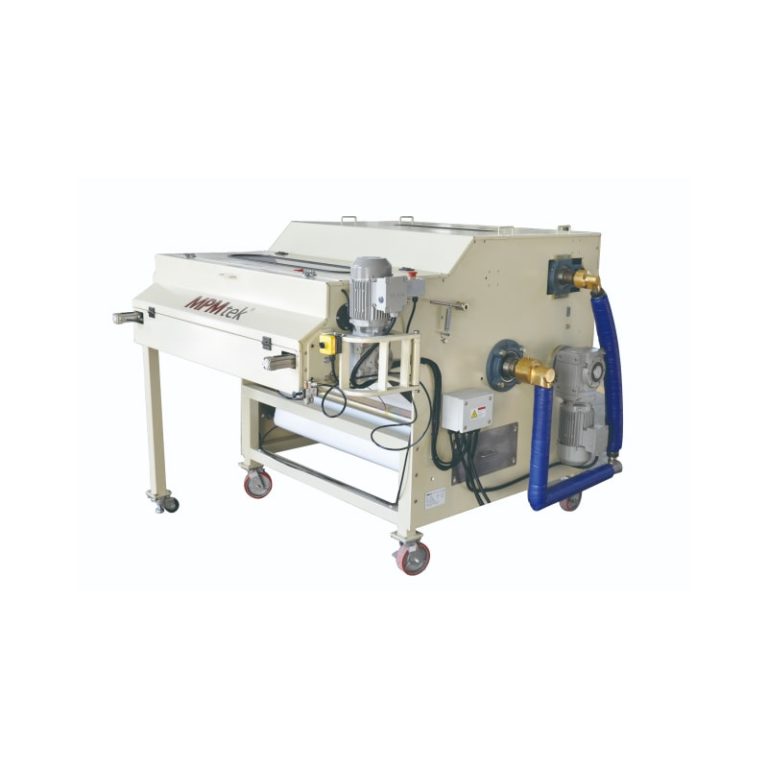
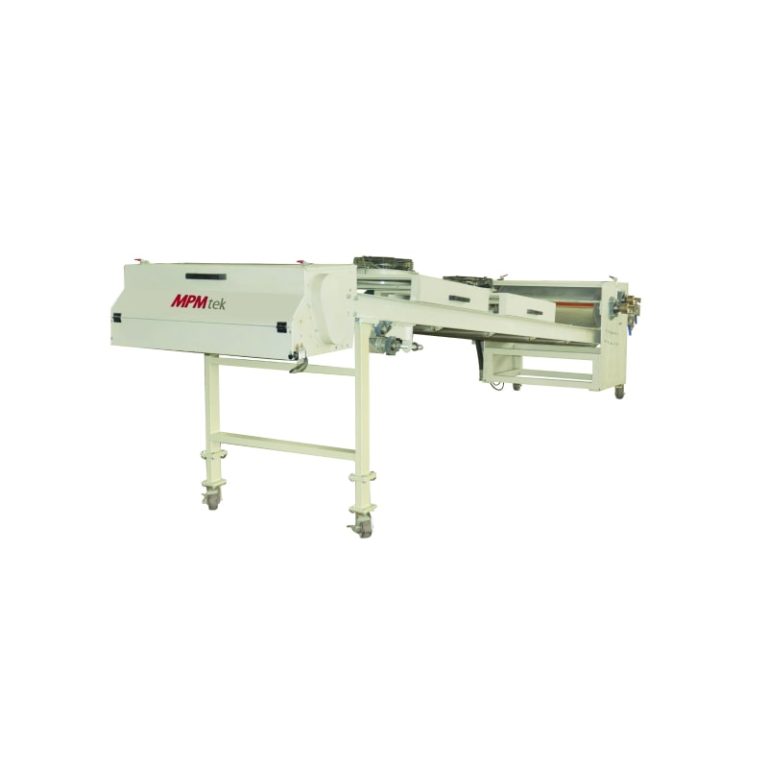
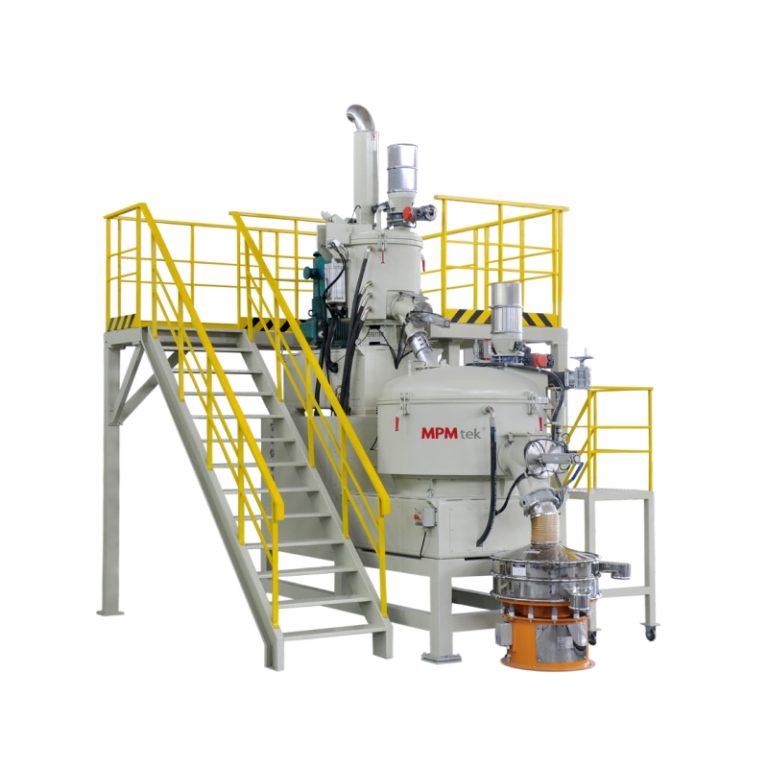
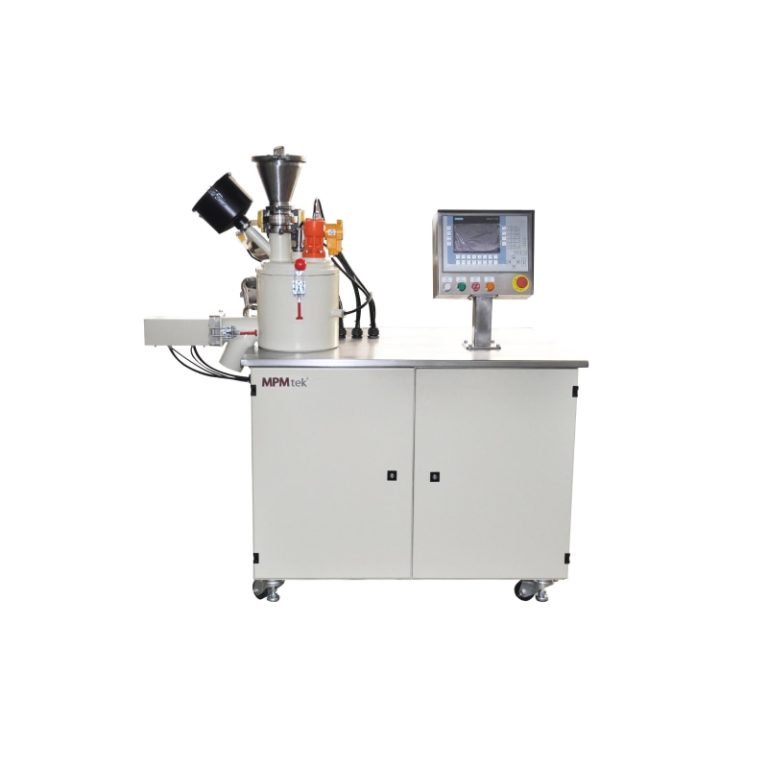
في الإعدادات التلقائية مثل تلك من MPMtek، أجهزة التحكم PLC القابلة للتعديل تجعل من السهل إجراء هذه التغييرات بشكل صحيح. يضيف التحكم في شاشة اللمس PLC الانحناء في العمل في الموقع.
طرق مساعدة لتحسين أداء التفريغ
تطبيق أنظمة الاهتزاز الخارجية
وضع على محركات هزة أو وسائد يمكن جيدا ضرب الأشياء اليسار:
- هذه يمكن أن تجلس على ساقين الخلاط أو الجانبين.
- تتأكد البقع الذكية من انتشار الاهتزاز بشكل جيد دون الإضرار بقوة بناء.
هذا يعمل بشكل رائع عند تفريغ المساحيق الدقيقة الفائقة المستخدمة في الوظائف العليا مثل حواف طلاء المسحوق.
تطبيق الأنظمة الهوائية أو بمساعدة الفراغ
هذه الإعدادات تجعل اختلافات الدفع في منفذ الخروج:
- انفجارات الهواء المضغوط تدفع آخر قطع للخروج.
- تمص السحب يساعد على إزالة الأشياء الصعبة دون خدش اليد.
كلتا الطريقتين يقطعان العمل ويرفعون النظافة في الحقول المحكومة مثل المخدرات أو صنع الأغذية.
أهمية ممارسات الصيانة الروتينية
الصيانة المنتظمة تبقي الإعدادات تسير بسلاسة:
- التحققات المعتادة توقف كومة التي يمكن أن تعثر طرق الخروج.
- الخطوات النظيفة تمسح مخاطر الخلط بين الأحمال.
- تظهر ملابس تتأكد من أن الصمامات والختم تبقى تعمل بشكل جيد.
الخطوات السهلة - التي يتم القيام بها في كثير من الأحيان - يمكن أن توقف المشاكل الكبيرة في وقت لاحق.
التكامل مع عمليات الطلاء المسحوقي
التوافق مع مواد طلاء مسحوق متقدمة
يتطلب التعامل مع المساحيق الخاصة العناية. معطف مسحوق الأرجواني الوهم ، على سبيل المثال ، هو حساس للأوساخ والماء. التأكد من التفريغ الكامل يعني أن كل حمولة تحافظ على ظل اللون المخطط له وانتشار القليل.
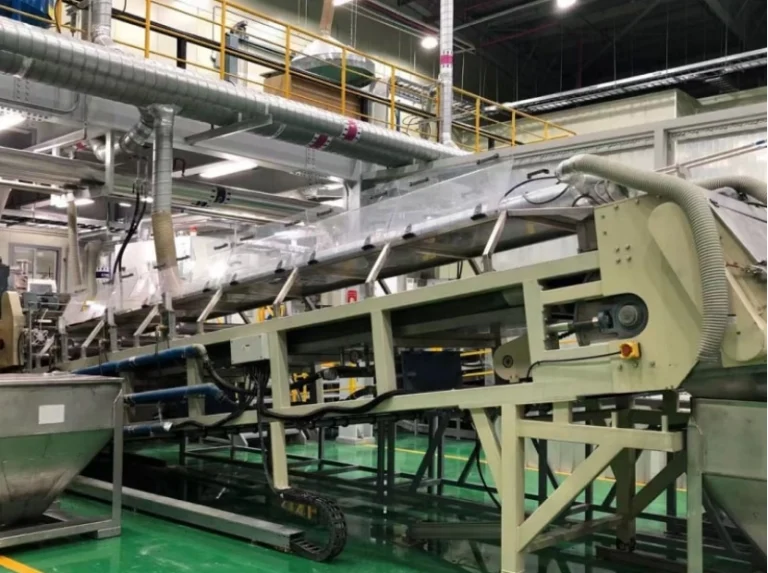
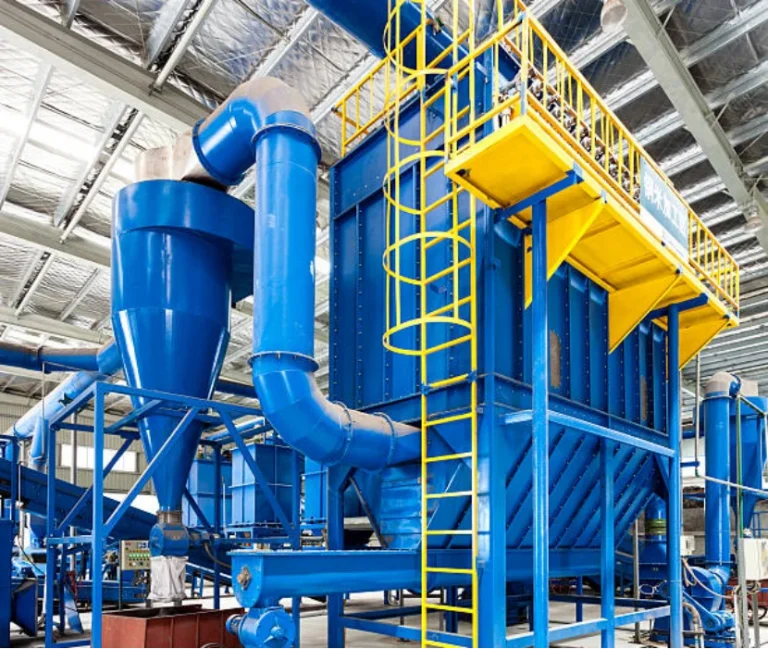
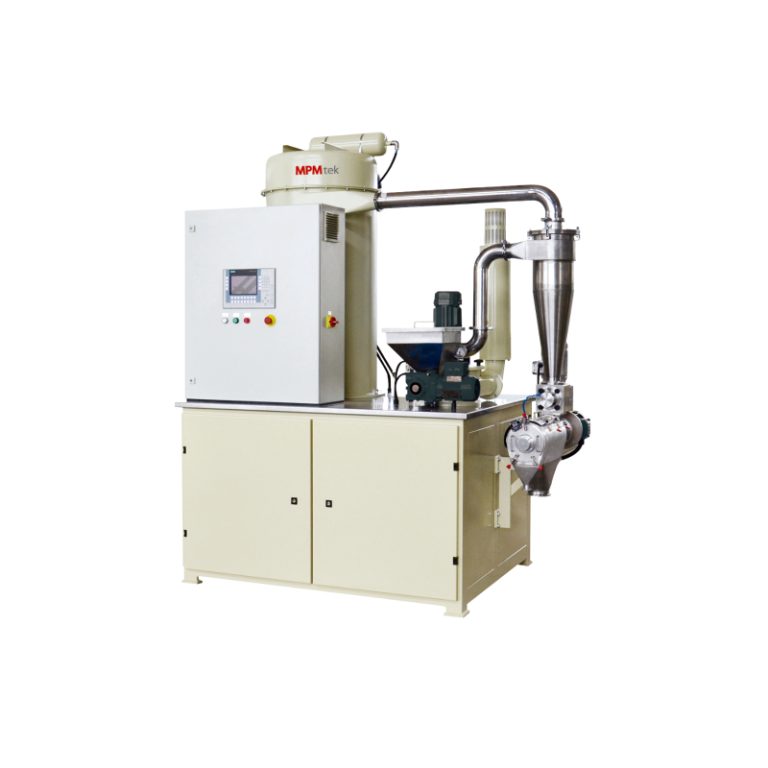
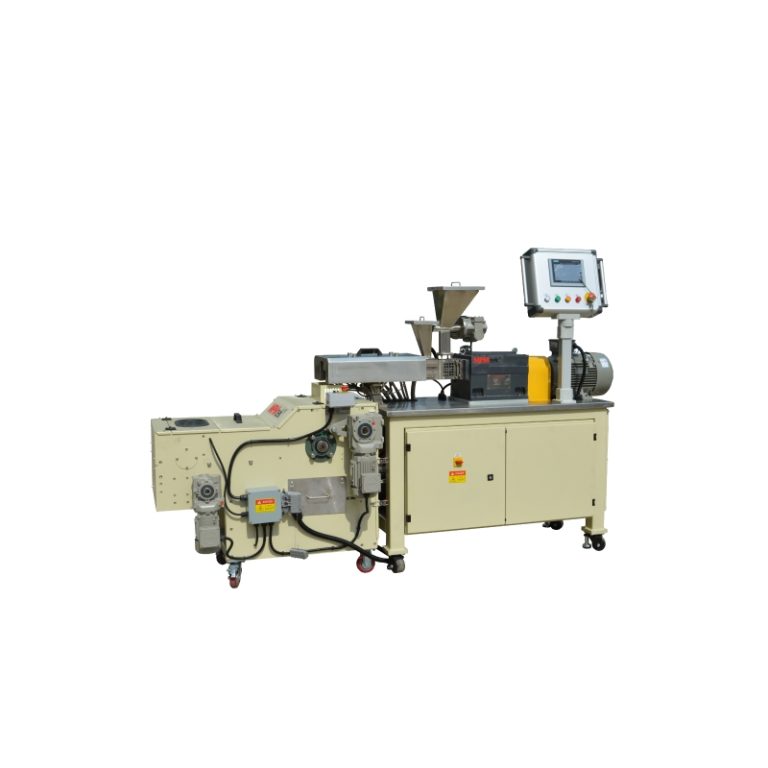
MPMtek ، كمورد آلات صناعية مركزة تركز على معدات طلاء مسحوق يعطي التصنيع إجابات مناسبة لإدارة هذه الأشياء بشكل جيد عبر جميع الخطوات - من الخلط إلى الدفع إلى الأنظمة بعد الصلبة.
تحسين جودة المنتج من خلال الخلط الفعال والتفريغ
عندما تكون الخلاطات فارغة طوال الطريق:
- يصبح صحة الوصفة أفضل بسبب العودة الكاملة للأجزاء المختلطة.
- تبقى تتبع الحمل كاملًا - ضروريًا في الحقول المحكومة.
- نقص نفايات البند، وزيادة المكاسب.
بالنسبة للوظائف مثل حواف الطلاء المسحوقية حيث يكون مظهر السطح وتجانس اللون أمرًا رئيسيًا ، كل بت مهمًا.
الأسئلة الشائعة
س: ما الذي يسبب التفريغ غير الكامل في خلاط مخروط مزدوج؟
الأشياء التمسك، التدفق السيئ، سرعة الدوران الخاطئة، أو شكل خلاط غير كبير يمكن أن تضيف إلى ذلك.
س: هل يمكنني معالجة المساحيق اللاصقة في خلاط مخروط مزدوج؟
نعم، ولكن قد تحتاج إلى استخدام مساعدات التدفق، أو إضافة مساعدة هزة، أو تغيير المناطق الداخلية لتحسين الإنتاج.
س: كم مرة يجب علي تنظيف الخلاط؟
أفضل بعد كل حمولة - وخاصة عند تغيير الأشياء - لوقف القذارة والكومة.
س: هل التفريغ بمساعدة الفراغ آمن لجميع المواد؟
في الغالب نعم ، ولكن تأكد من أن مسحوقك ليس حيويًا أو حساسًا لدفع التحولات. تحقق من ورقة الأمان الخاصة بك.
س: لماذا تختار MPMtek لمعدات طلاء المسحوق؟
تركز MPMtek على بناء آلات موثوقة تدعم كل خطوة من خطوات صنع الطلاء المسحوقي - من الخلط إلى التصلب - مع المعرفة الميدانية.