الطلاء المسحوقي هو عملية دقيقة تعتمد بشكل كبير على دقة المواد الخام وتكنولوجيا المعالجة. يجب اختيار كل مكون - الراتنج، عامل التجفيف، الصبغة، الحشو، والإضافات - والتعامل معه مع مراقبة صارمة لضمان ليس فقط جاذبية الجمال ولكن أيضا متانة طويلة الأجل للتشطيب.
خصوصا في البيئات الصناعية حيث تواجه الطلاءات التجوية أو التعرض الكيميائي أو الإجهاد الميكانيكي ، يعتمد طلاء مسحوق الدقة على التآزر بين الصياغة والمعدات.
أنواع الراتنج الأساسية المستخدمة في طلاء المسحوق
حرارية الراتنجات البوليستر
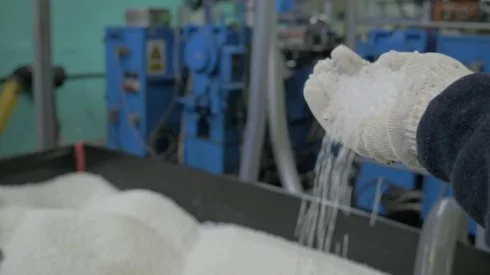
مثالية للتطبيقات في الهواء الطلق ، توفر راتنجات البوليستر الحرارية قابلية ممتازة للتكيف مع الطقس. يعتمد أدائها إلى حد كبير على اتساق حجم الجسيمات ، مما يؤثر مباشرة على سلاسة الفيلم وتوحيد التجفيف.
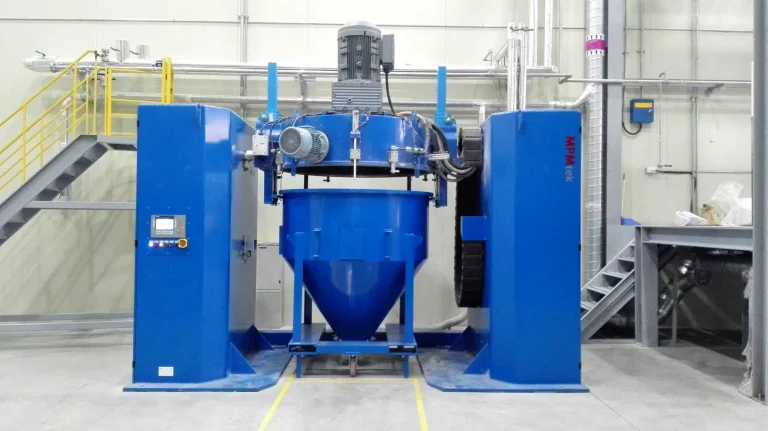
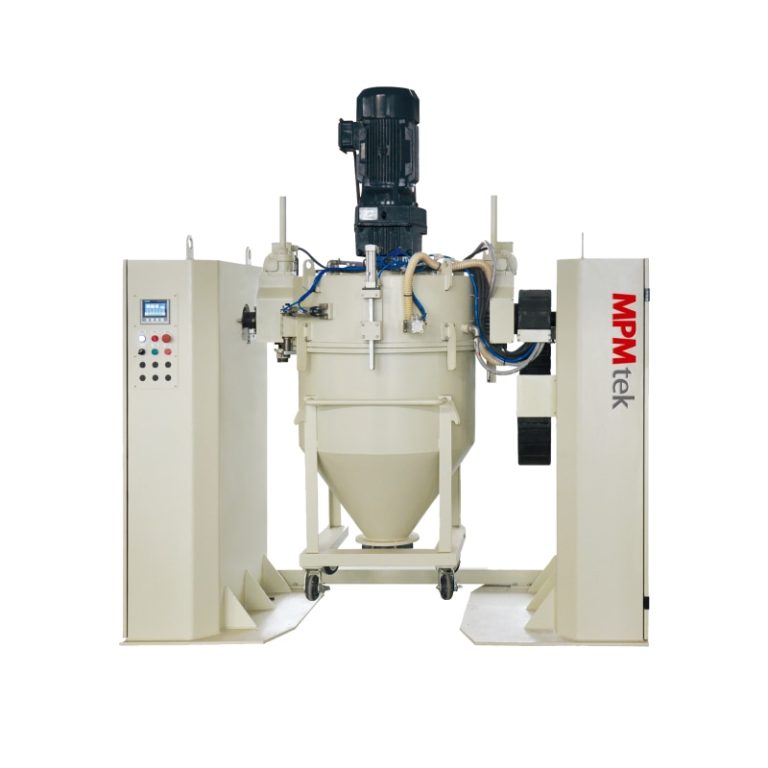
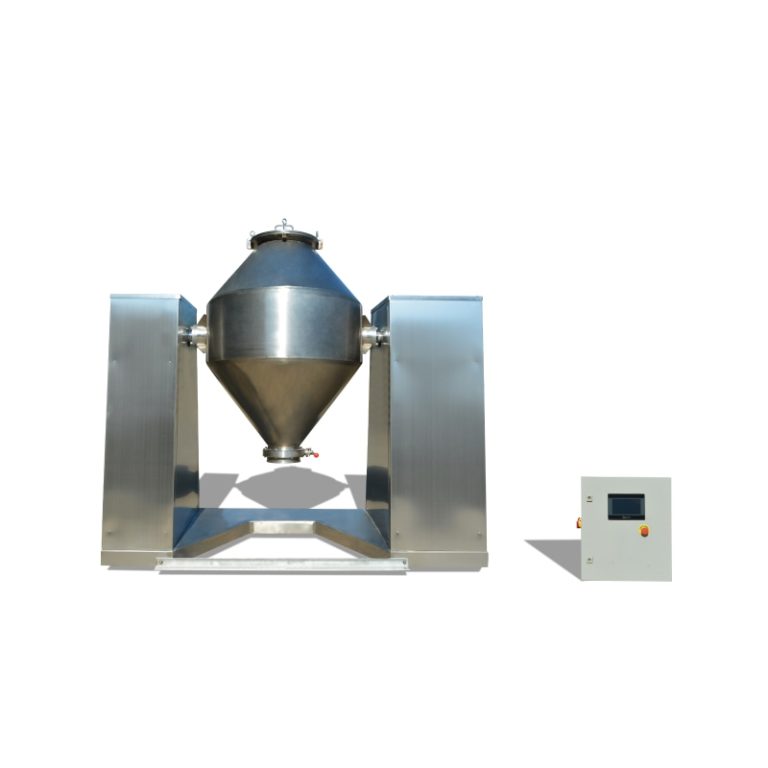
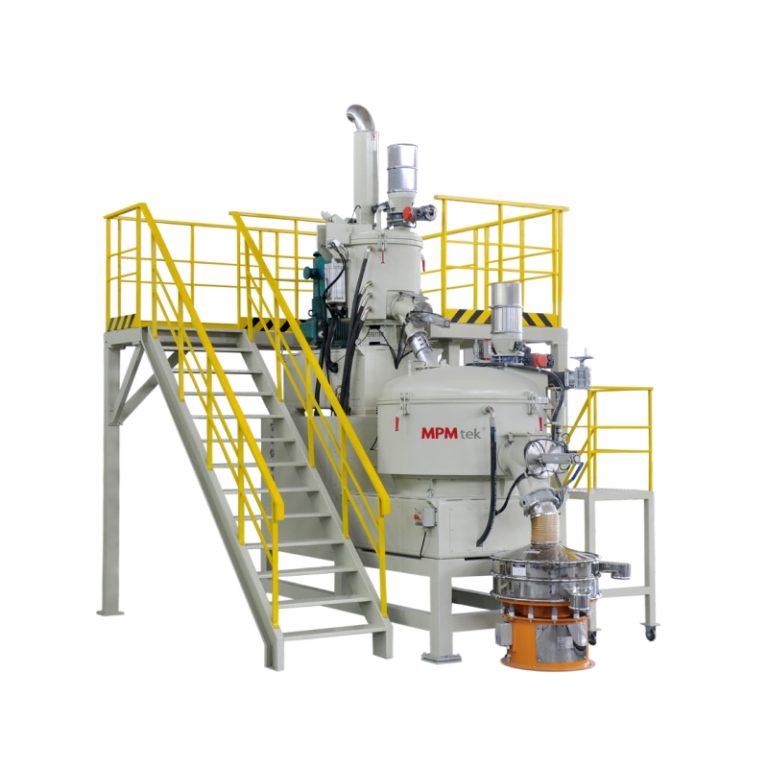
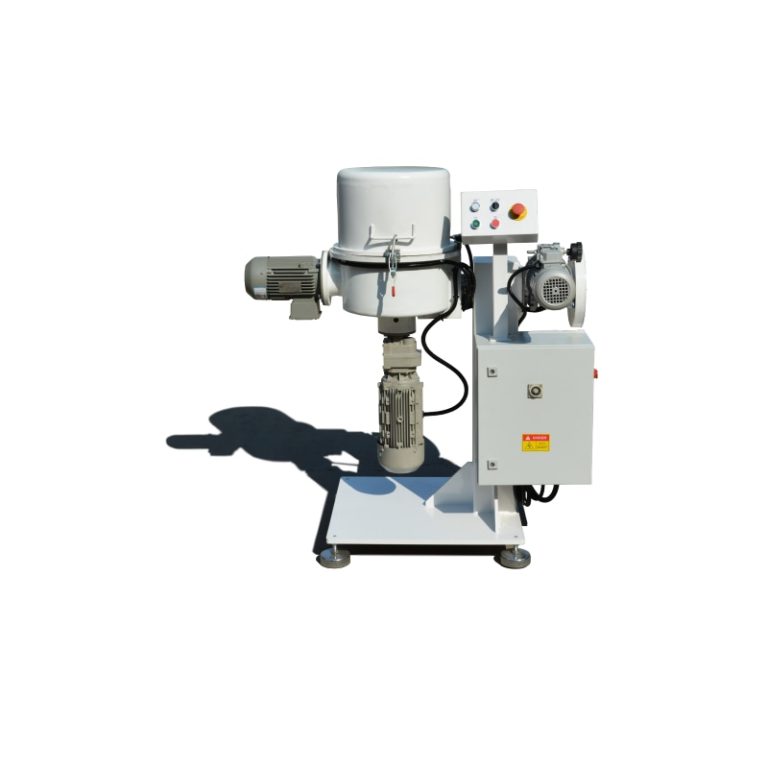
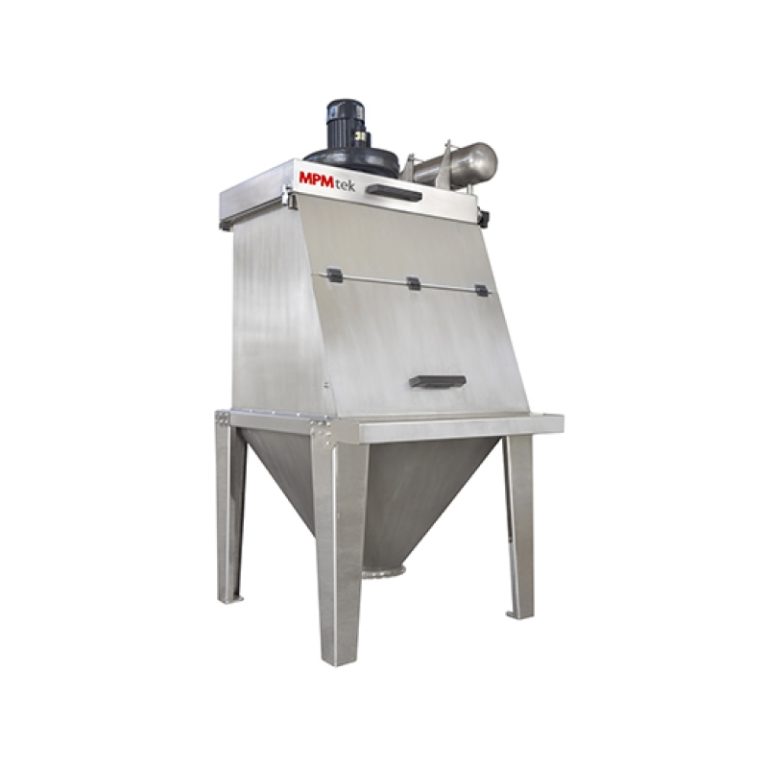
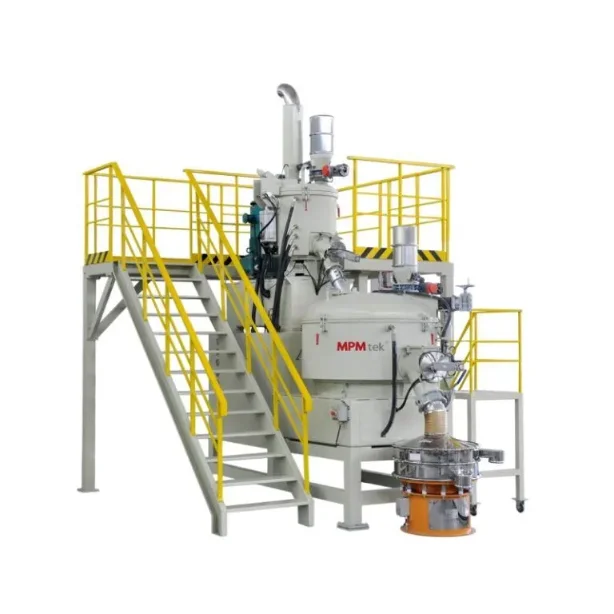
لضمان التشتت الأمثل ، خلاطات الحاويات مثل خلاط الحاويات هو آلة خلط خارج الإنترنت مع حاويات متنقلة ، باستخدام خلط المواد الخام. هذا الإعداد يسمح لخلط الراتنج الموحد قبل البثق. بالإضافة إلى ذلك ، هناك حاجة إلى الميكرونيزيشن لتنقية حجم الجسيمات لتحسين النقل الكهربائي.
الراتنجات القائمة على الايبوكسي
يفضل الراتنجات الإيبوكسي للبيئات الداخلية بسبب الالتصاق المتفوق والمقاومة الكيميائية. تغطية الحافة، وخاصة في الهندسة المعقدة، تتحسن مع التحكم في حجم الجسيمات.
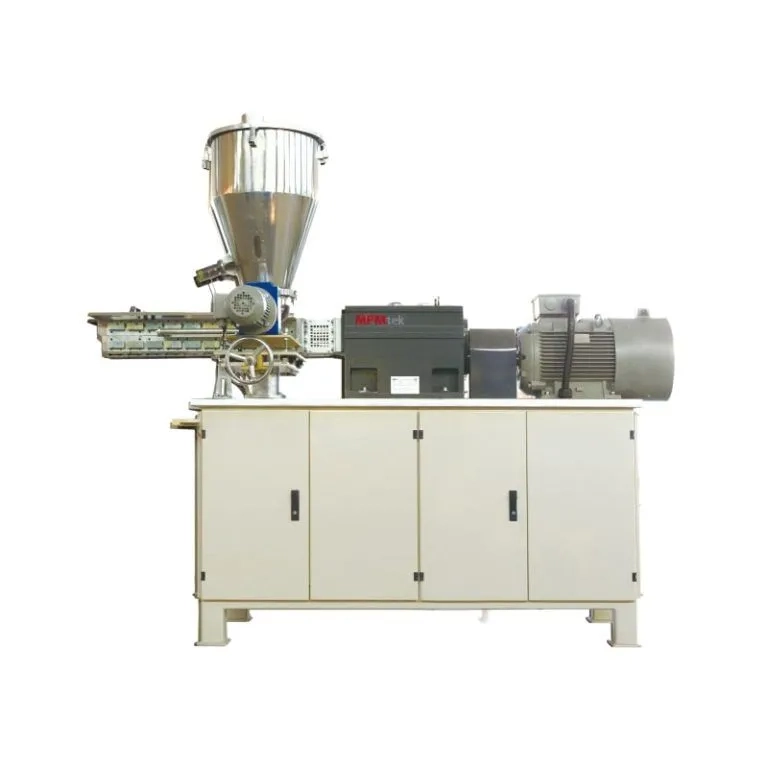
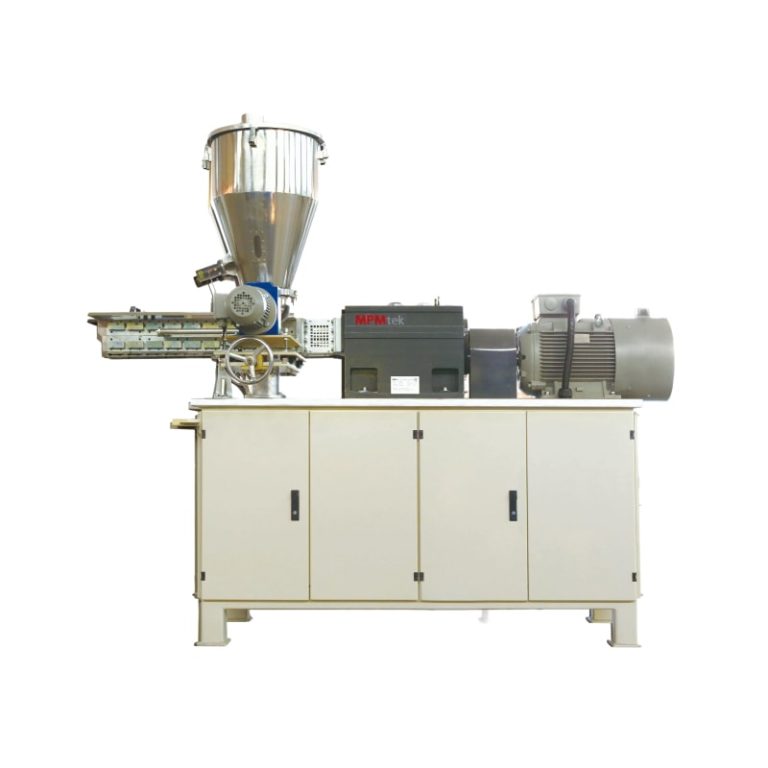
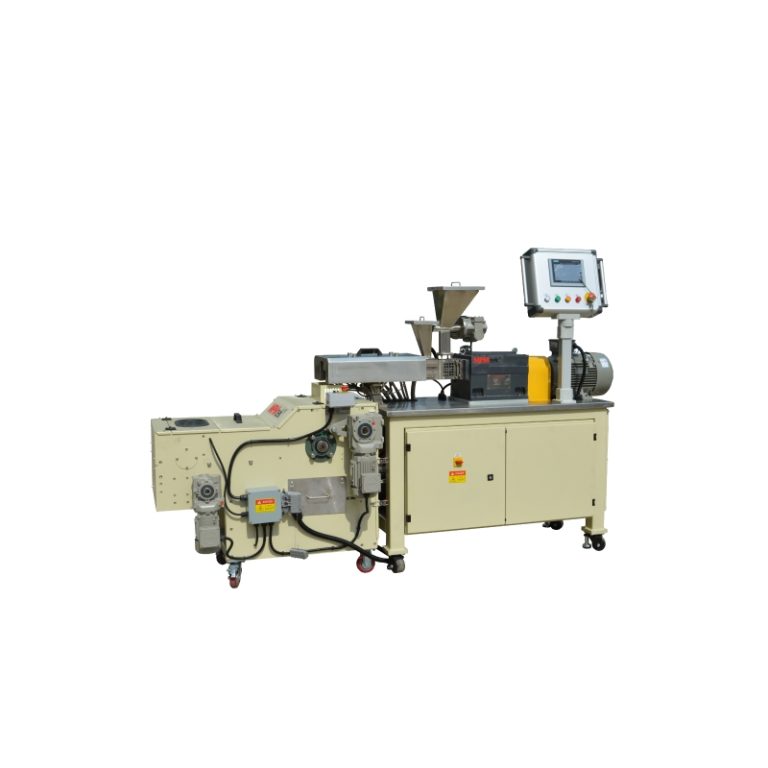
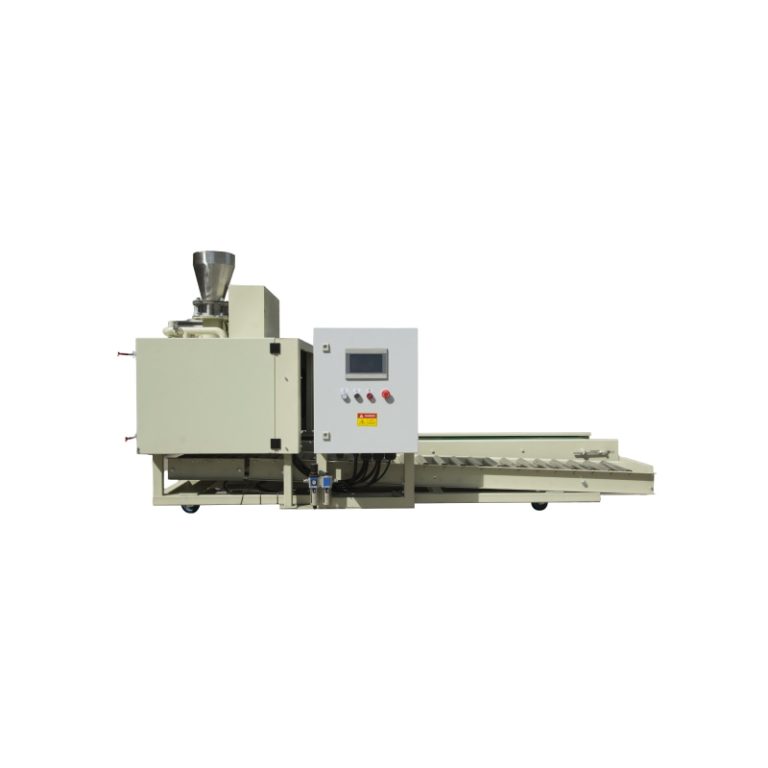
أثناء المعالجة ، يعد الاستقرار الحراري مصدر قلق. إن مزدوج المسمار الطارد هو معدات مهمة جدا لمعالجة طلاء مسحوق لأنه يضمن خلط الذوبان المتجانس في درجات حرارة مسيطرة بدقة، وتجنب التدهور.
أنظمة الراتنج الهجينة
الجمع بين البوليستر والراتنجات الإيبوكسي يؤدي إلى خصائص ميكانيكية متوازنة مناسبة للطلاء للأغراض العامة. التشتت المتسق مهم هنا - وخاصة عبر دفعات الإنتاج المختلفة.
الخلط بكفاءة وتجانس، كما يتم تحقيقه من خلال خلاطات الحاويات، يحافظ على التوحيد. من أجل كفاءة التطبيق ، يجب ضبط توزيع حجم الجسيمات بشكل دقيق لتقليل الخسائر أثناء الرش الكهربائي.
عوامل علاج في صيغ طلاء مسحوق
Dicyandiamide ومشتقات الأمين
وتستخدم هذه عادة مع أنظمة الإيبوكسيد وتسمح بتصليب درجات الحرارة المعتدلة. يمكن لأحجام الجسيمات الأصغر تسريع تفاعلات الترابط المتقاطع ، ولكن يجب أن تكون مختلطة بالتساوي لمنع عدم الاتساق في العلاج.
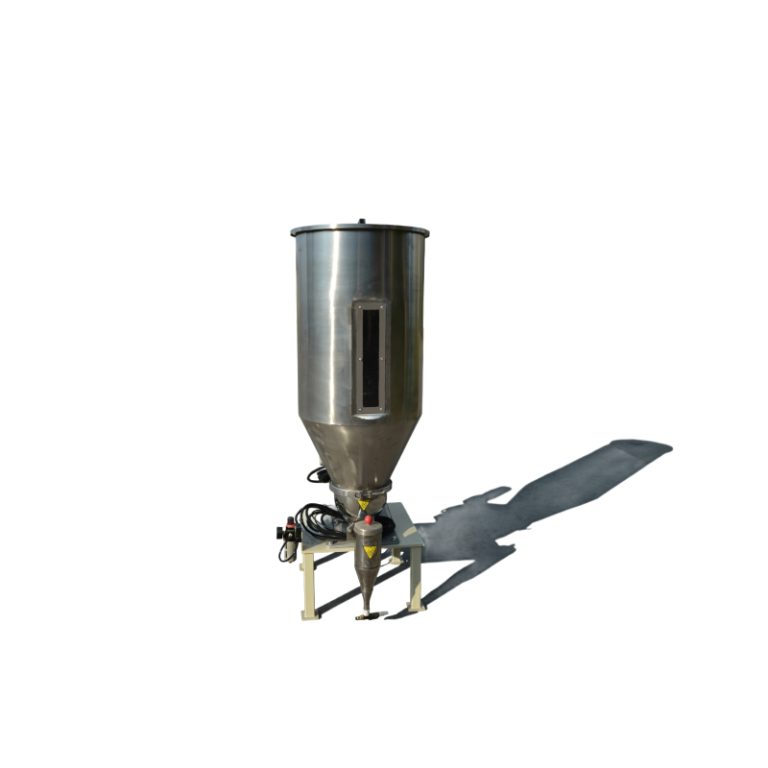
يضطر المغذية المزدوجة إلى تغذية المواد ذات السوائل السيئة والجاذبية المحددة المنخفضة ، مما يجعلها مثالية لتحقيق توزيع متسق لهذه العوامل.
مركبات TGIC و HAA
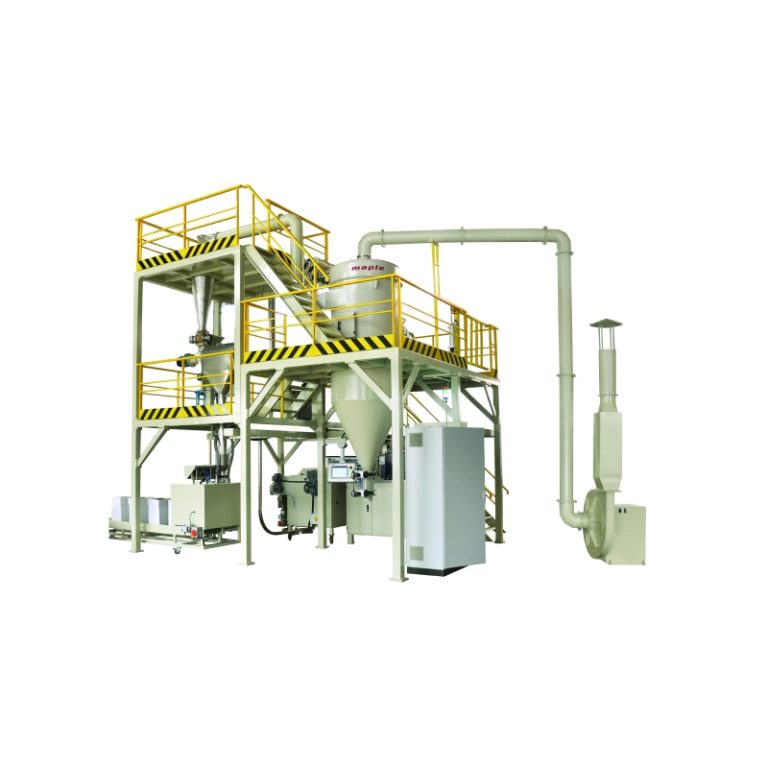
تستخدم مع راتنجات البوليستر، هذه عوامل التجفيف توفر مقاومة عالية للأشعة فوق البنفسجية والمرونة. الميكرونيزيشن المناسب يعزز التحكم في اللمعان. تدعم أنظمة التغذية المتكاملة لـ MPMtek دمج العوامل بدقة في صيغة القاعدة ، مما يقلل من التغير ويضمن خصائص الفيلم المتسقة عبر عمليات الإنتاج.
Uretdione القائمة على الصلبات
هذه الصلبات تميز وظيفة Isocyanate محجوزة ومفيدة في عمليات التجفيف في درجات الحرارة المنخفضة. تتطلب توحيد الجسيمات المستقر لتجنب التفاعل المبكر أثناء التخزين.
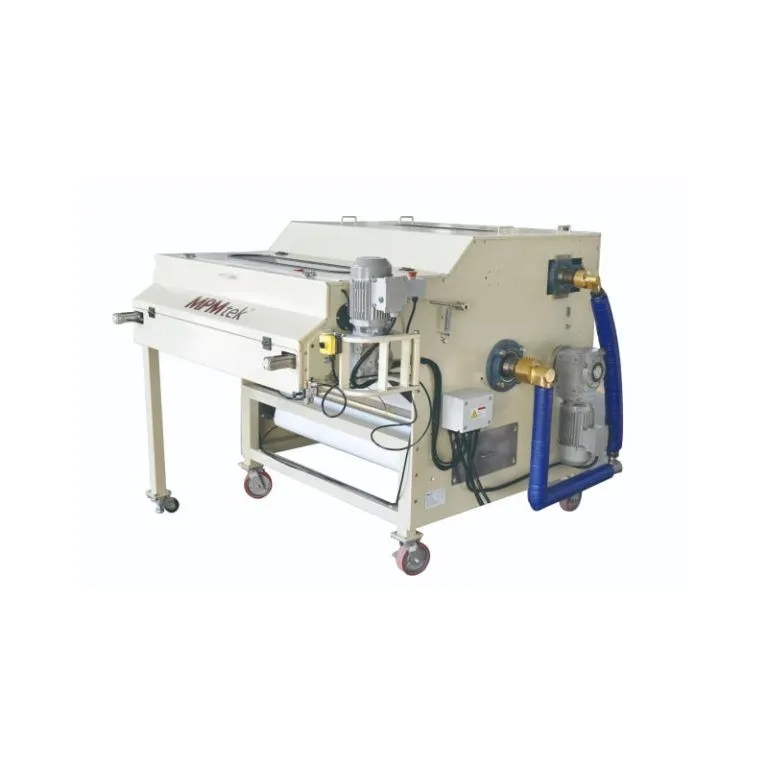
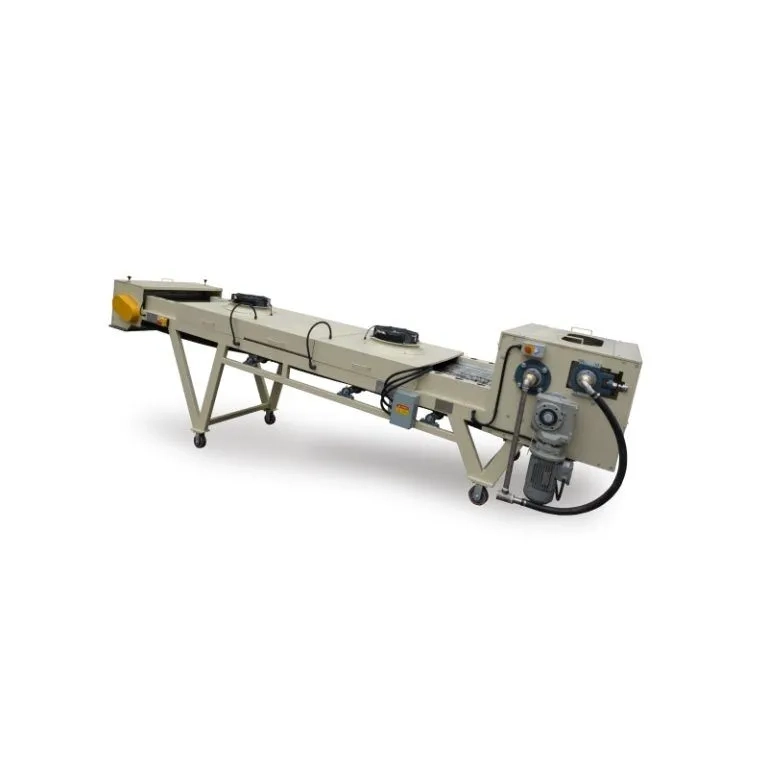
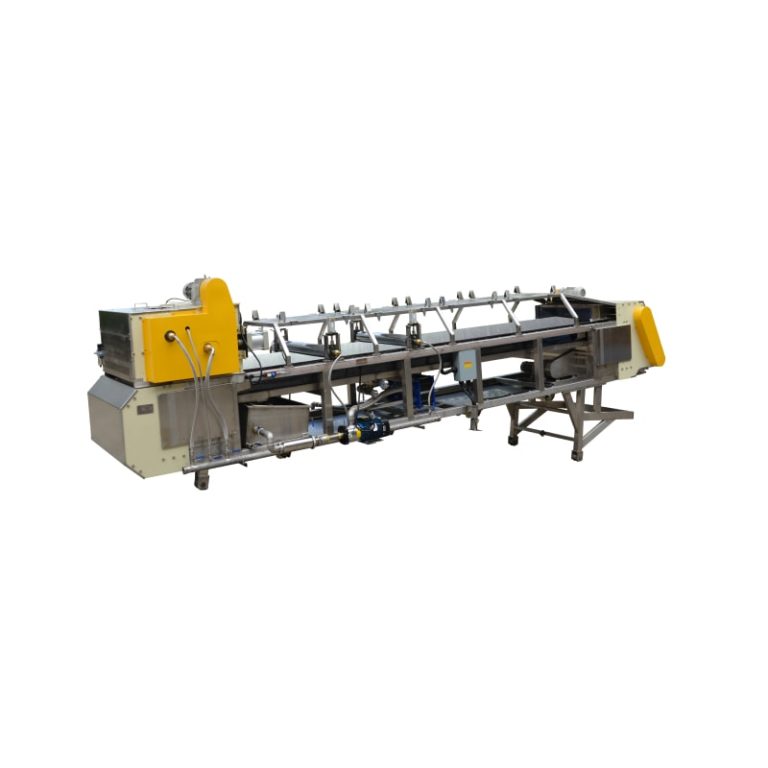
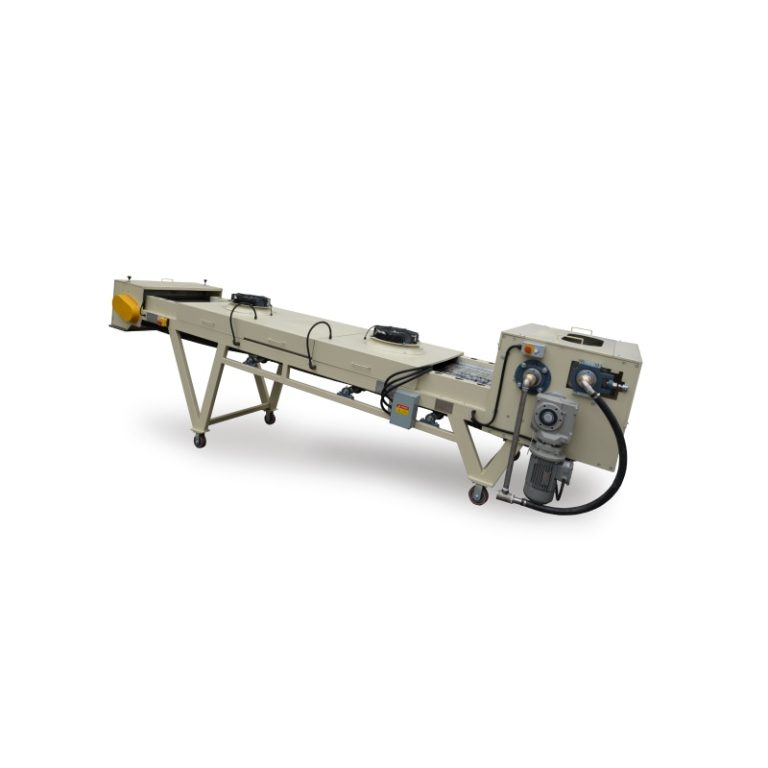
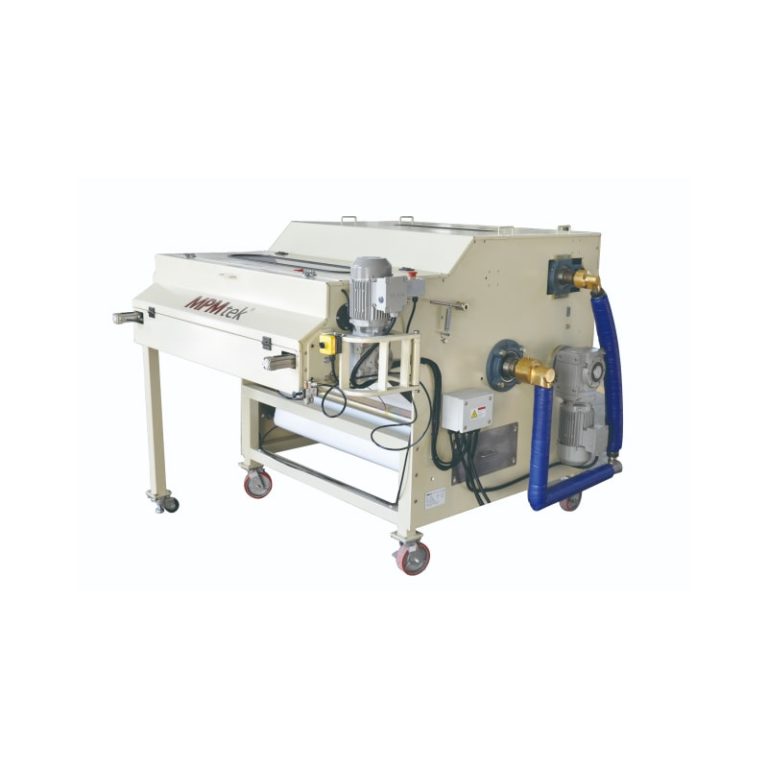
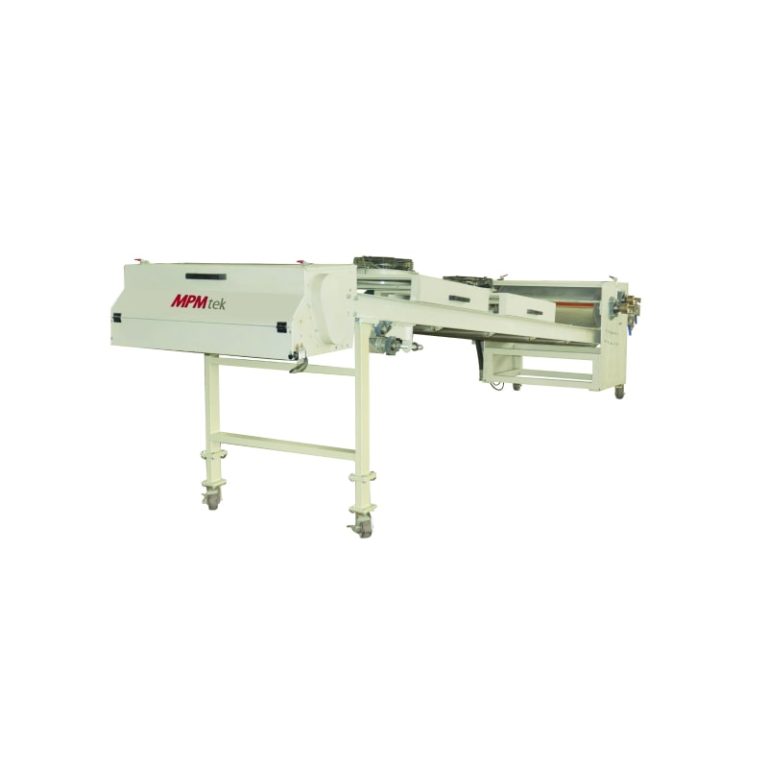
أنظمة التبريد مثل حزام تبريد الهواء يتكون من بكرات التبريد، ناقل سلسلة الفولاذ المقاوم للصدأ، كسارة ونظام الهواء التبريد ضمان معالجة المواد تحت عتبات التحلل.
الصبغات في أداء طلاء المسحوق
الصبغات غير العضوية
معروفة بالغموض ومقاومة الحرارة، الصبغات غير العضوية هي مركزية للطلاء الصناعي الصف. التجمع أثناء البثق يمكن أن تدمر مستويات اللمعان.
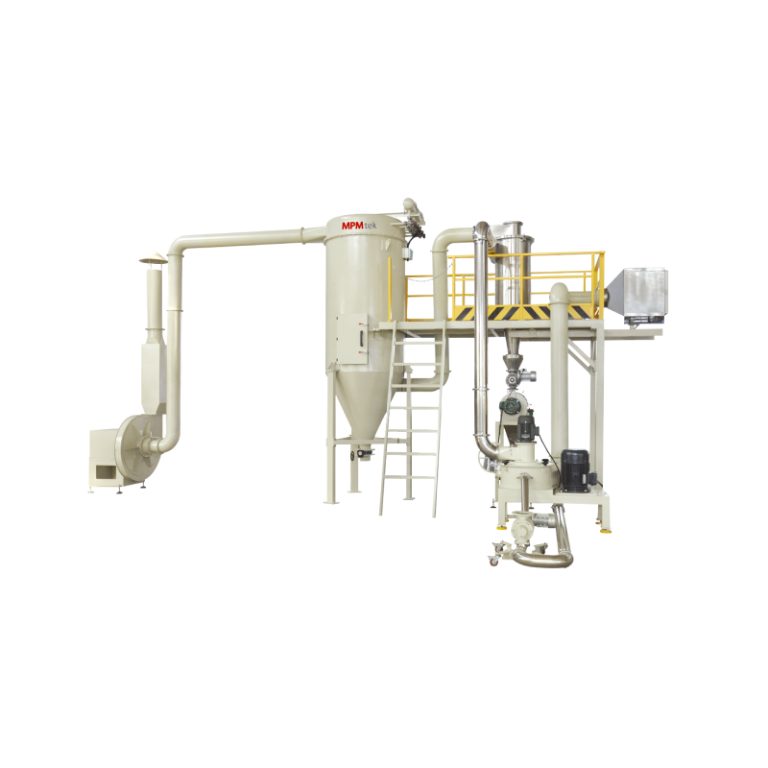
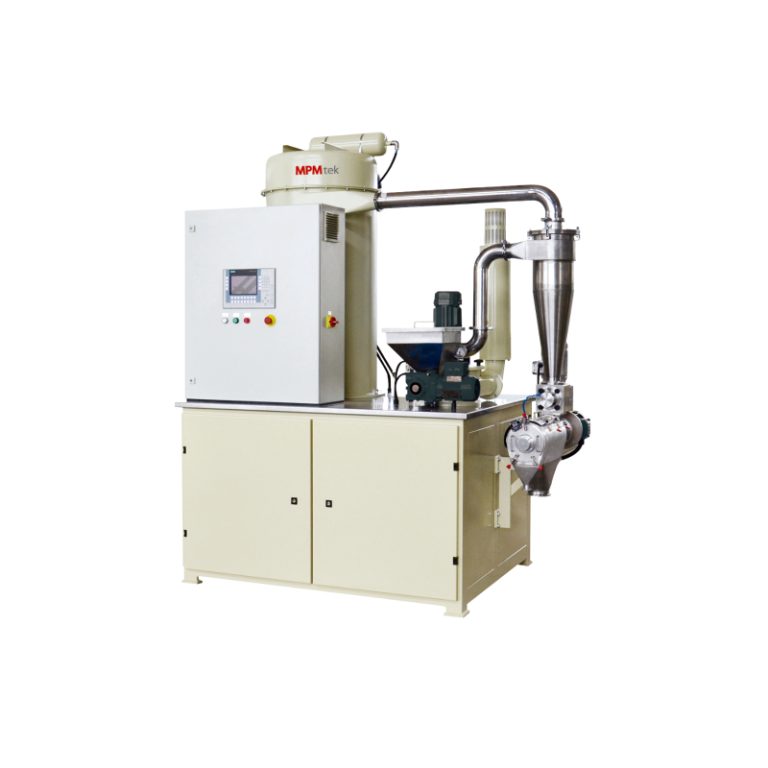
هذا هو السبب في أن نظام الطحن الصغير ACM يتكون من طاحونة تصنيف الهواء عالية السرعة ، مما يوفر سيطرة صارمة على تشتت الصبغة دون التضحية بجودة التشطيب.
الصبغات العضوية
هذه الصبغات توفر ألوان زاهية لكنها أكثر حساسية أثناء المعالجة. التحكم في كثافة القص ضروري للحفاظ على قوة اللون دون تدهور سلامة الصبغة.
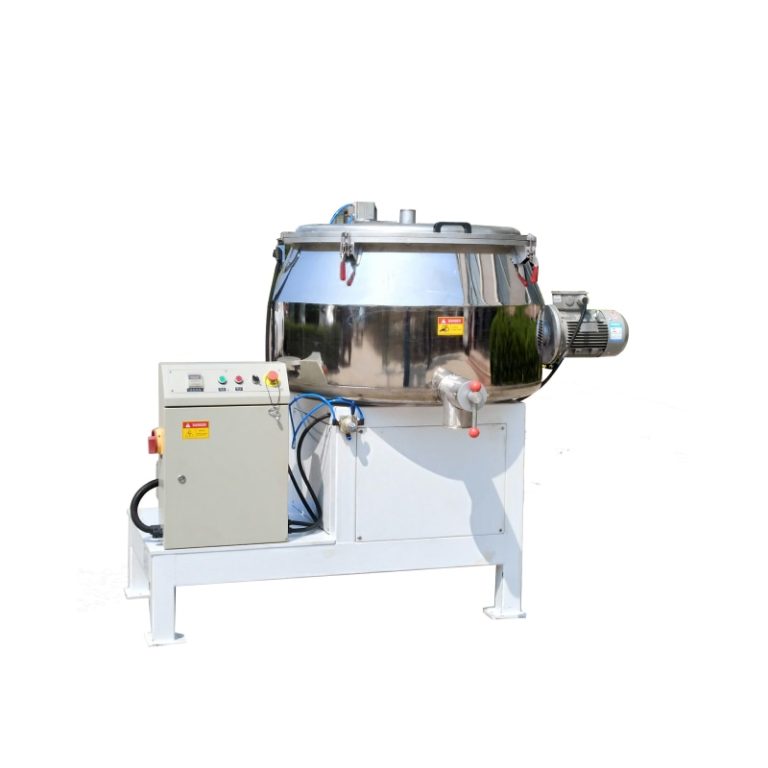
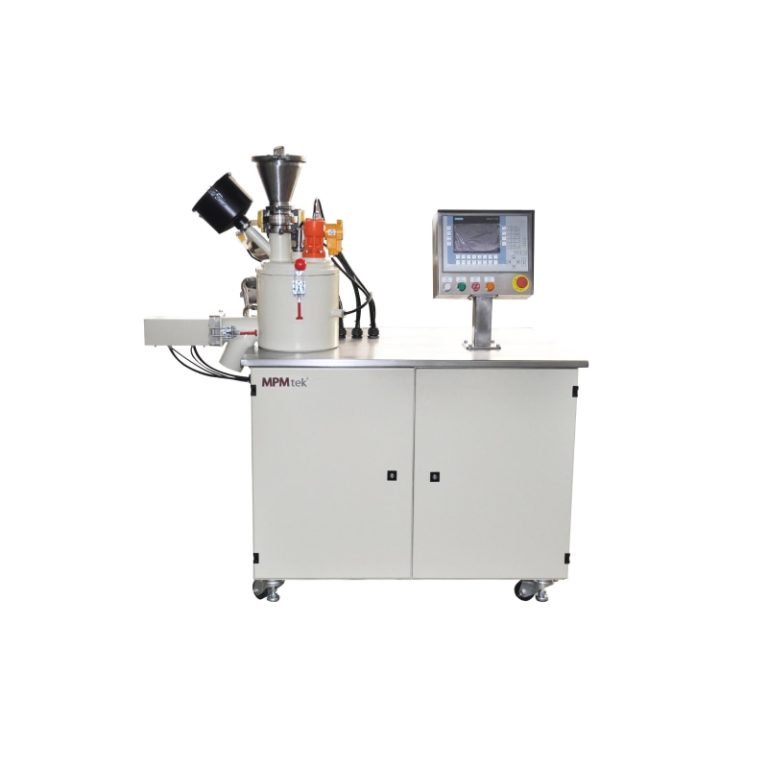
توفر المعدات مثل خلاط الحاويات ، الذي يستخدم الخلط والكسارة عالية السرعة بينما يميل رأس الخلط 180 درجة إلى موقف العمل ، المرونة اللازمة في التعامل مع هذه المواد الحساسة.
صبغات التأثير (المعادن واللؤلؤة)
بالنسبة للتطبيقات التي تتطلب العمق البصري أو اللمع المعدني، يجب ربط الصبغات التأثير بشكل موحد على جزيئات المسحوق لمنع الفصل أو التلوث. إن خلاط الارتباط المعدني يعمل لربط الطلاء المعدني على سطح جسيمات طلاء مسحوق مع لامع معدني.
هذه التكنولوجيا تضمن التوزيع المتساوي للصبغات المعدنية مع حماية خصائصها العاكسة.
حشوات تعديل خصائص طلاء المسحوق
حشوات كبريتات الباريوم وكربونات الكالسيوم
هذه الحشوات تعزز صلابة وتقليل تكاليف الصياغة. ومع ذلك، فإن تأثيرها على اللزوجة يجعل التغذية الدقيقة ضرورية. وتعزز أجهزة تغذية الحجم من MPMtek التحكم في الإنتاجية ، مما يسمح بجرعات دقيقة تحافظ على تدفق الطلاء.
الحشوات القائمة على السيليكا (غير معدنية أو مدخنة)
تستخدم لمكافحة التعقيق وتعديل السطح ، يجب أن تكون حشوات السيليكا دقيقة جدا وتشتت باستمرار. تساعد أنظمة الحلقة المغلقة المجهزة بمراقبة الوقت الحقيقي على منع التجمع وضمان السلوك الموحد عبر الدفعات.
وظائف المضافات في أنظمة الطلاء المسحوقي
تعديلات التدفق وعوامل إزالة الغازات
هذه العوامل تمنع العيوب البصرية عن طريق التحكم في ديناميكيات الذوبان أثناء التجفيف. يجب جرعة المضافات على نطاق النانومتر بعناية. يوفر جهاز تغذية المسمار المزدوج للتغذية الإضافية دقة تصل إلى أحجام صغيرة مع الحفاظ على اتساق التدفق عن طريق محرك داخلي.
وكلاء التحكم في الشحن
هذه المضافات تنظم مدى تماسك مسحوق الركائز المعدنية خلال التطبيق الكهربائي. تساعد خطوط الخلط المتكاملة على الحفاظ على التوزيع المتساوي لهذه العوامل دون المساس بالمواد الخام الأخرى.
مثبتات الأشعة فوق البنفسجية ومضادات الأكسدة
الحماية من أشعة الشمس والأكسدة مهمة للطلاء الطويل العمر. بالنسبة للمضافات الحساسة مثل هذه ، قد تكون هناك حاجة إلى ظروف معالجة خاملة - يتم التحكم في المعالجة بأكملها بواسطة نظام تقدير ومراقبة ذكي في MPMtekنظام ربط المختبر يدعم هذا النوع من البيئة المسيطرة عليها.
التحكم في حجم الجسيمات في إنتاج طلاء المسحوق
يؤثر حجم الجسيمات على كل مرحلة تقريبا من مراحل عملية طلاء المسحوق:
| منطقة التأثير | أهمية حجم الجسيمات |
| الترسب الكهربائي | الحجم الموحد يعزز كفاءة النقل. الجسيمات الكبيرة تقلل من معدل التراسب |
| الانتهاء من السطح | حتى تدفق ذوبان الجسيمات يؤدي إلى التشطيبات أكثر سلاسة. عدم الاتساق يسبب قشرة البرتقال |
| التخزين تدفق | الحجم الصحيح يتجنب التكتل. يساعد على الحفاظ على التنقل أثناء التخزين |
يمكن أيضًا استخدام نظام الطحن الصغير ACM لطحن الصبغة. يمكن الحصول على توزيع حجم الجسيمات المثالي لطلاء المسحوق عن طريق تنظيم معايير التشغيل.
اختيار المعدات التي تؤثر على معالجة المواد الخام
- التجانس قبل الخلط أمر حيوي. يضمن أن جميع العمليات اللاحقة تعمل على صياغة قاعدة مستقرة.
- تتطلب المكونات الحساسة مثل عوامل الشحن أو مضادات الأكسدة بيئات خلط مسيطرة للحفاظ على الوظائف.
- الميكرونيشن من خلال أنظمة ACM يحدد جودة المسحوق النهائي ويضمن اتساق النقل أثناء التطبيق. الطلاء المسحوقي الدقيق يتطلب أكثر من مجرد المكونات الصحيحة - إنه رقص معقد بين علوم المواد وتكنولوجيا التصنيع. مع الإعداد الصحيح ، يصبح الأداء قابل للتنبؤ وقابل للتوسع وموثوق به.
أسئلة متكررة
س: ما هي العوامل التي تؤثر على اختيار الراتنج في طلاء مسحوق؟
يعتمد اختيار الراتنج على الخصائص الميكانيكية المطلوبة، والقدرة على التصدي للأحوال الجوية، والمقاومة الكيميائية، وتوافق الركيزة.
س: كيف تؤثر المعدات على جودة طلاء المسحوق؟
تضمن المعدات المناسبة تشتت المواد بشكل متسق، والجرعات الدقيقة، وملفات درجات الحرارة التي يتحكم فيها، وحجم الجسيمات المثالي - كل ذلك ضروري لتحقيق طلاء عالي الجودة.
س: لماذا تختار مزود آلات متخصصة مثل MPMtek؟
مع الخبرة في جميع مراحل إنتاج طلاء المسحوق - من الخلط المسبق إلى التصميم الدقيق - تقدم MPMtek حلول آلات مصممة خصيصا لتعزيز جودة المنتج مع تحسين الكفاءة التشغيلية للمصنعين في جميع أنحاء العالم.