The cost range for a twin screw extruder changes a lot based on its size, make, and planned use. Lab versions might begin at just a couple thousand bucks. On the flip side, big factory twin screw extruder machines can climb right up to six digits or more. Figuring out what pushes these prices up lets shoppers pick better buys.
Understanding Twin Screw Extruders
Overview of Twin Screw Extruders
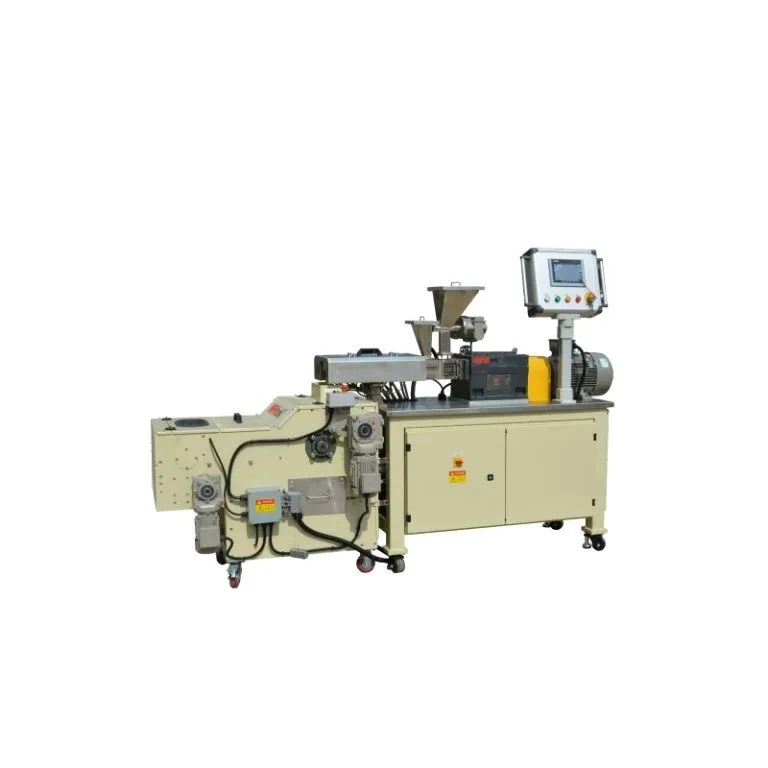
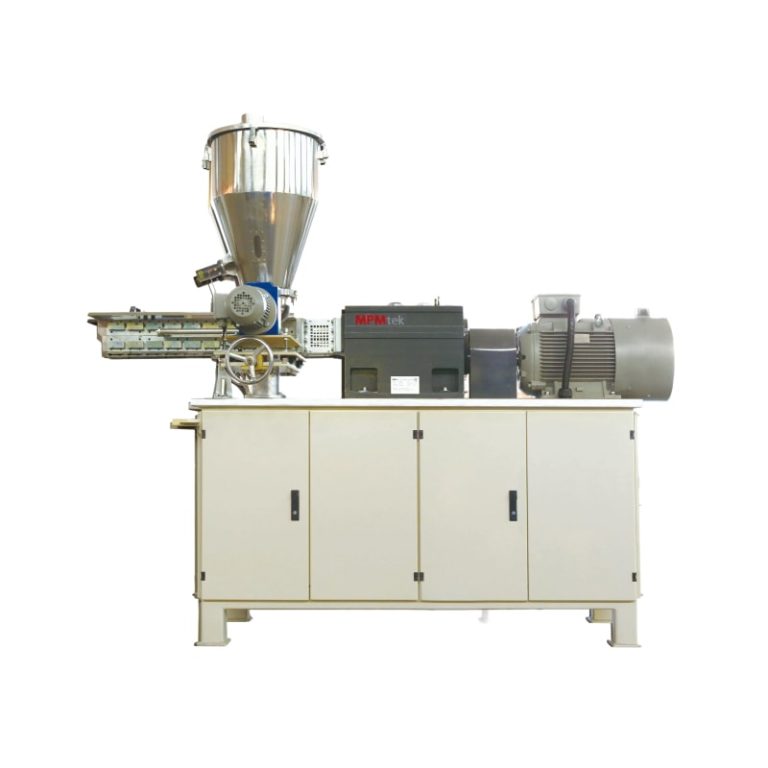
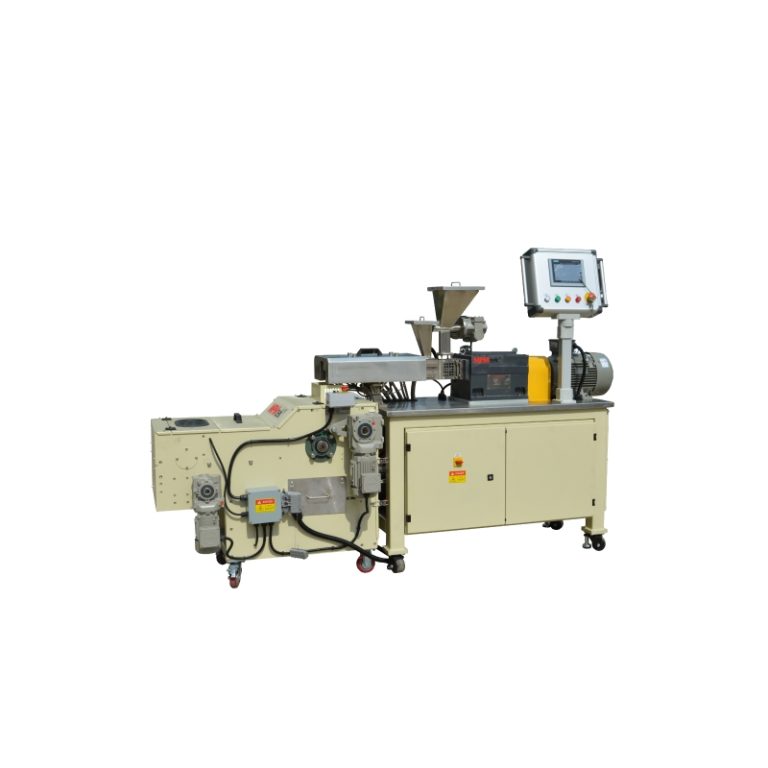
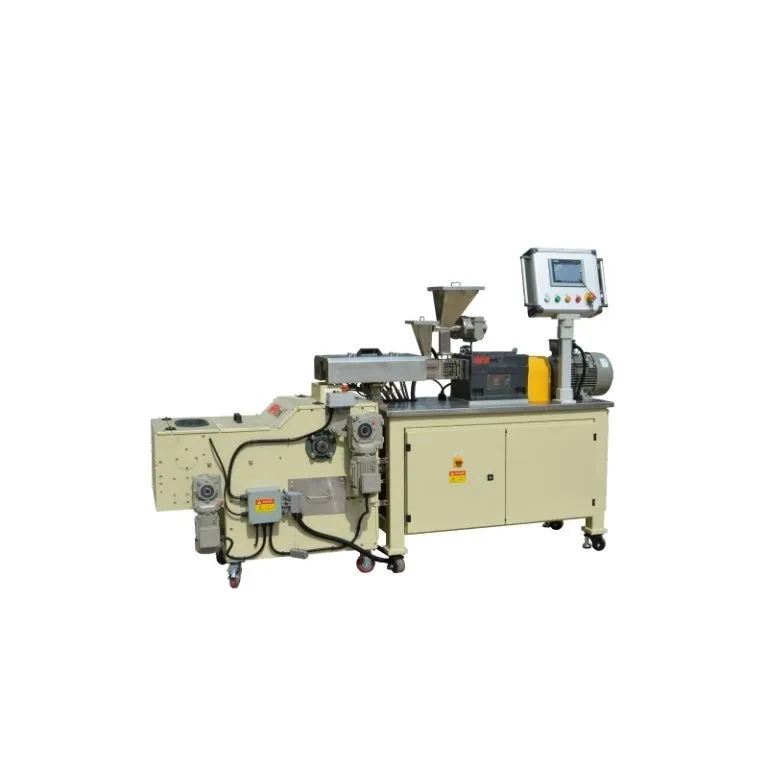
ألف مطردة المسمار المزدوج counts as one kind of gear for handling stuff. It employs a pair of turning-together screws. These mix, squeeze, and push items along inside a warm tube. Twin Screw Extruder is designed with two co-rotating screw-shafts, Raw materials are perfectly to be dispersed and distributed by precise kneading-elements with high speed in the barrel. Such a setup guarantees even blending and smooth handling of stuff.
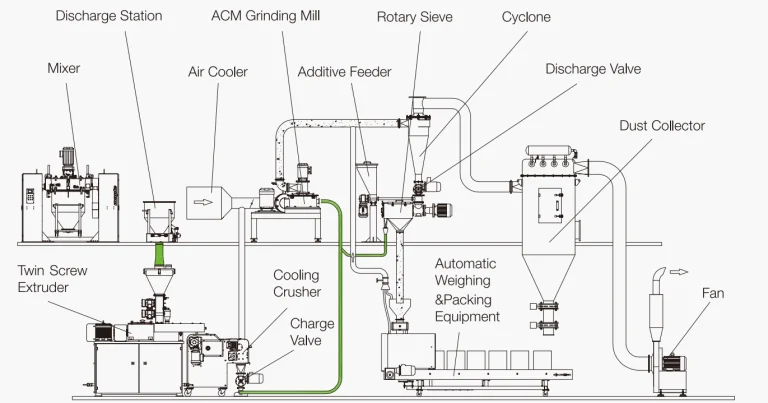
Folks use these devices a bunch in fields like plastics work, food prep, drug making, and powder finishes. For lines making powder coatings, they prove key to getting even spread of colors and gums.
Types of Twin Screw Extruders
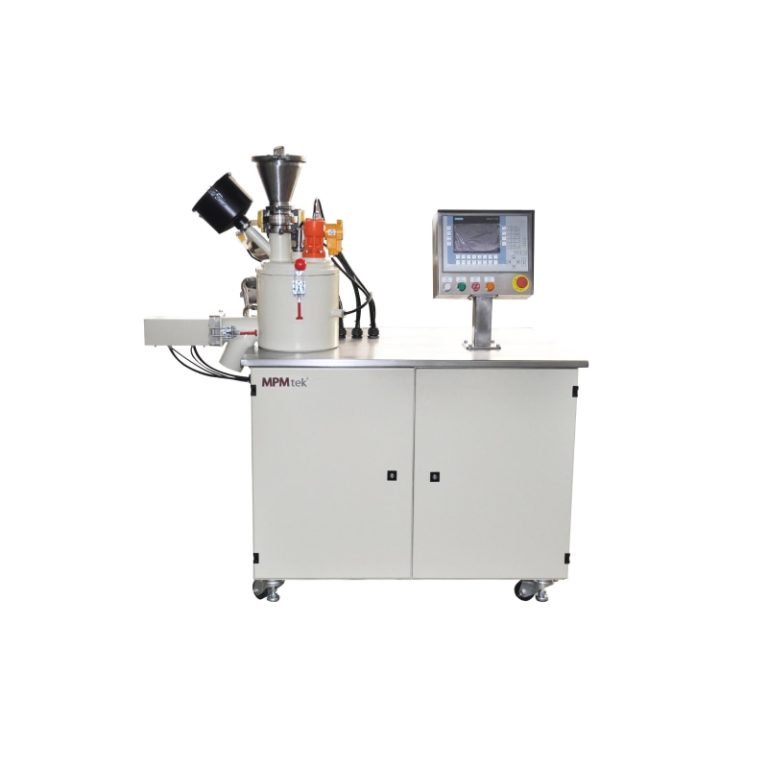
You got two basic kinds: small lab ones and big factory ones. Laboratory twin screw extruders make up tidy setups. They aim at study and trial work. The TSE-26 stands out as a fine twin screw extruder for laboratory R&D work to obtain optimal formula and production parameters. It copies the work settings of MPMtek’s production extruders spot on. Factory types get made for steady big-batch runs. Plus, they handle more flow per hour.
Lab sorts usually come with swap-out parts. That helps check fresh mixes quick. Factory sorts zero in on toughness, auto features, and steady output.
Factors Affecting the Price of Twin Screw Extruders
Size and Capacity
Machine size hits the price straight. Tiny lab pieces like the TSE-26B or TSE-26C put out about 40 kg/h. Factory sorts like TSE-70D handle as much as 1200 kg/h. Bigger size calls for stronger engines. It needs sturdier parts too. And more power draw. Each bit ups the tab.
| نموذج | Output (Kg/h) | Screw Diameter (mm) | Main Motor (kW) |
| TSE-26C | 40 | 26 | 5.5 |
| TSE-48C | 300 | 48 | 30 |
| TSE-70D | 1200 | 70 | 110 |
جودة المواد والبناء
Stuff put into building them shapes the price big time. Screw segments, kneading blocks, liners and shafts are made of high-quality alloy steel with heat-treatment and precisely machined. That setup lasts long even in tough spots. Units from top metals or rust-proof layers run pricier. Yet they give solid payback. Less fix-up keeps it that way.
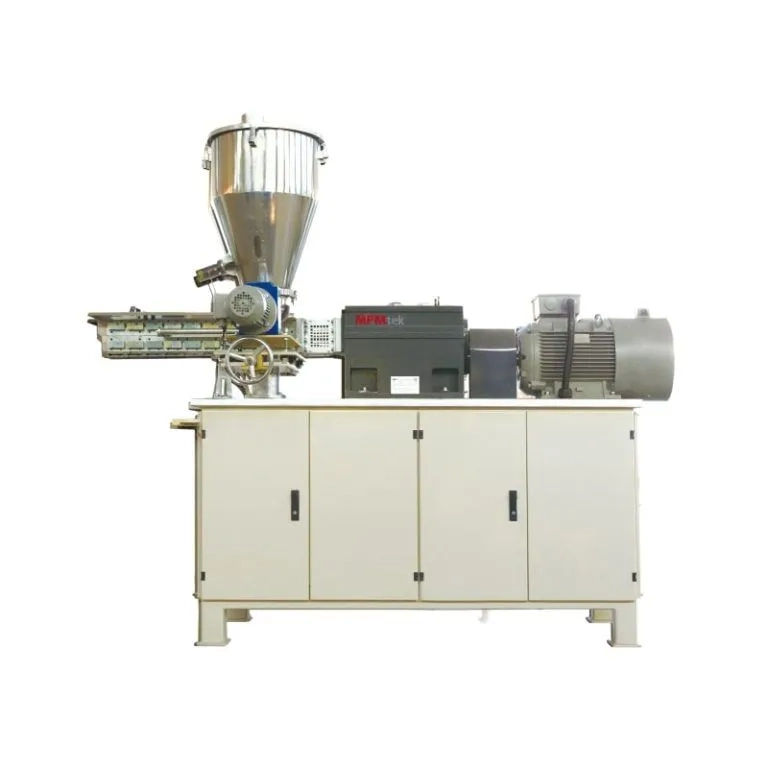
Make quality sways how well it runs day to day. A strong gear box or exact heat guide boosts worth. It keeps goods steady for years on end.
Technology and Features
Newer twin screw extruders mix in smart guide setups often. Think PLC links or touch screens for simple use. PLC control with simple touchscreen interface allows operators to monitor temperature zones and motor speeds precisely.
Fancy sorts might pack auto feeders. Or split liners easy to wipe. Even software to save mix notes. Such extras hike the bill natural like. But they bump up work speed a ton.
Brand and Reputation
Brand name sways price too. Long-time makers with solid track records charge extra. They back it with good build rules and help after buy. Take MPMtek—a professional twin screw extruder manufacturer. It gained worldwide faith by sticking to global rules like ISO9001 and CE certification. MPMtek was founded in 2006. It is a high-end customized series under Yantai Yuanfeng Electromechanical Equipment Co., Ltd. The company’s focus on safety, automation, efficiency, and environmental protection reflects its commitment to long-term performance rather than short-term savings.
Price Range of Twin Screw Extruders
Typical Price Range for Laboratory Models
Laboratory twin screw extruders usually fall between USD 10,000 to USD 50,000. That hinges on setup. Adding bits like split barrels or built-in cool rollers nudges costs up. Clamshell barrel for easy access to the screws and shafts for cleaning and maintenance adds convenience but also cost due to precision engineering requirements.
Little trial spots pick these. They mimic full runs true. And skip needing heaps of stuff.
Typical Price Range for Industrial Models
Factory-level gear swings way wider. From near USD 60,000 to past USD 300,000. It depends on flow rate (100–1200 kg/h), engine strength (22–110 kW), and auto smarts. Big outfits in MPMtek’s line got several heat spots. They hold steady at ±2°C for even batches every time.
Stronger twist gears or blast-proof builds lift prices more. But safety boosts or EU rule fits make it worth it often.
Comparison with Other Extruder Types
Twin Screw vs Single Screw Extruders
Biggest split shows in blending power. Twin screw extruders run meshed screws. They beat single-screw kinds at mixing. Those lean on drag along one line mostly. Single-screw gear costs less at start. It’s easier to fix too. But tricky mixes need exact spread. Like for powder coatings or melt plastics. They falter there.
Twin sorts give sharper heat hold and clean-self moves. Thanks to their turn-together way. They cost more sure. Yet when evenness counts, they push more output per go.
Making an Informed Decision on Purchasing a Twin Screw Extruder
Evaluating Needs and Budget
Before grabbing a twin screw extruder machine, check your aims careful. You making fresh stuff? Or growing old ones? Lab gear fits trials. Factory fits big runs.
Money plans ought to weigh quick buys against future saves. Shell out a tad extra early on tough stuff or sharp guides. It cuts fix bills down the road big.
Groups chasing sure work over cheap tags. Special in powder coat making. MPMtek brands offer a top spot to look. Their smart builds match EU safe ways.
الأسئلة الشائعة
Q: What industries commonly use twin screw extruders?
They’re used in plastics compounding, pharmaceuticals, chemical processing, and powder coatings manufacturing.
Q: How does a laboratory twin screw extruder differ from an industrial one?
Lab models focus on testing formulations at smaller scales; industrial units handle continuous large-scale production with higher power ratings.
Q: What maintenance does a twin screw extruder require?
Regular cleaning of screws and barrels plus lubrication checks ensure stable performance over time.
Q: Why choose a co-rotating design?
It enhances mixing uniformity by ensuring both screws intermesh effectively without dead zones where material could stagnate.
Q: Is investing in a high-end brand worth it?
Yes—reputable manufacturers like MPMtek provide certified equipment built for long-term stability and compliance with global standards.