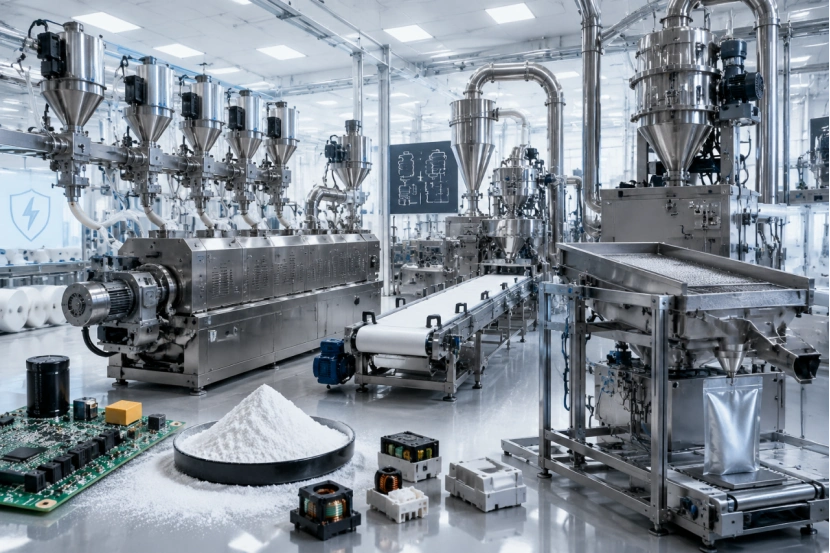
La producción de polvo para el sector electrónico es muy diferente a la de recubrimientos arquitectónicos o decorativos. Al trabajar con polvo electrónico aislante, el margen de error es prácticamente nulo. Una sola partícula conductora puede provocar un cortocircuito en una placa de circuito impreso, causando una falla catastrófica.
Consideraciones clave para la producción de polvo electrónico aislante
Las líneas de producción estándar de recubrimiento en polvo están diseñadas para lograr volumen y uniformidad de color, pero carecen del rigor necesario para aplicaciones electrónicas. Los polvos de grado electrónico requieren mayor rigidez dieléctrica y conductividad térmica que los recubrimientos decorativos. No se trata solo de una buena apariencia; el polvo debe actuar como una barrera funcional contra altos voltajes, a la vez que, con frecuencia, ayuda a disipar el calor.
El control de la contaminación es fundamental; incluso partículas metálicas microscópicas pueden provocar fallos en el aislamiento en la aplicación final. He visto lotes rechazados por la presencia de unas pocas micras de limaduras de hierro que los filtros de una línea estándar no detectaron. Además, el proceso de producción debe manejar resinas específicas como el epoxi o la silicona, que presentan comportamientos únicos de curado y fusión. Estas resinas suelen ser más sensibles al calor y químicamente reactivas, lo que implica que todo el historial térmico durante la producción debe controlarse rigurosamente.
Características críticas del equipo para alta Polvos aislantes de alto rendimiento
El hardware en planta determina si la formulación química funciona correctamente en condiciones reales. Si el equipo no puede manejar la alta concentración de relleno típica de estos productos, el lote resulta prácticamente inservible.
Sistemas de alimentación y premezcla de precisión
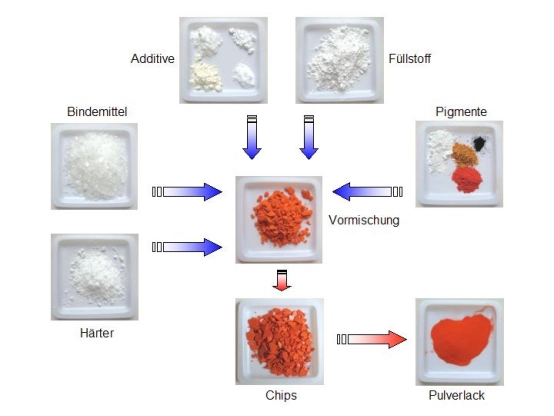
Todo comienza en la fase inicial. Si la proporción de resina y aditivo varía, aunque sea mínimamente, las propiedades eléctricas se modifican. Una dosificación gravimétrica precisa garantiza la proporción exacta de resina y cargas funcionales como la alúmina o la sílice. Estas cargas son pesadas y abrasivas, a diferencia de los pigmentos ligeros utilizados en las pinturas convencionales.
Alta intensidad mezcladores Evitar la aglomeración de aditivos finos de grado electrónico. No se pueden formar grumos de sílice; deben estar perfectamente distribuidos antes de llegar a la extrusora. Además, los entornos de mezcla con temperatura controlada previenen la reacción prematura de componentes químicos sensibles. Si la mezcladora genera demasiado calor por fricción, la resina epoxi podría comenzar a curarse parcialmente en el recipiente de mezcla, lo cual representa un grave problema para el flujo posterior.
El papel de la alta Extrusoras de doble husillo de corte
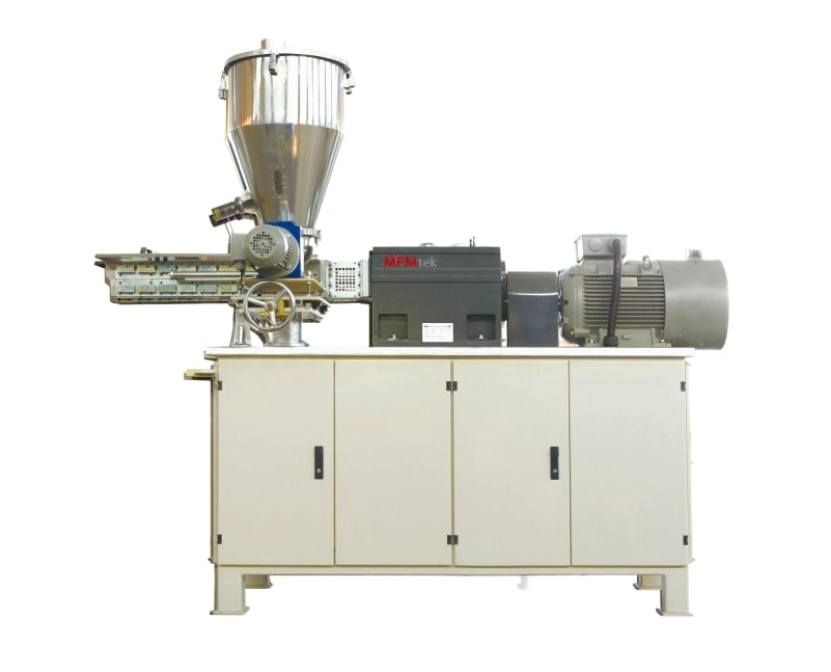
El extrusora Es el núcleo del proceso. Se requieren perfiles de tornillo especializados para lograr una dispersión óptima de los rellenos aislantes sin degradar la cadena polimérica. Si la fuerza de cizallamiento es demasiado baja, los rellenos no se dispersarán; si es demasiado alta, se romperá la estructura molecular de la resina, perjudicando las propiedades físicas del recubrimiento.
El control preciso de la temperatura en múltiples zonas evita el sobrecalentamiento localizado, lo cual es fundamental para mantener propiedades dieléctricas uniformes. Generalmente, buscamos máquinas con refrigeración líquida en todas las zonas. Los revestimientos y tornillos resistentes al desgaste son esenciales al procesar cargas abrasivas termoconductoras. La alúmina, por ejemplo, corroe el acero nitrurado estándar en cuestión de semanas. En estos casos, se requieren recubrimientos de carburo de tungsteno o aleaciones especializadas.
Cómo lograr la distribución ideal del tamaño de partícula para componentes electrónicos.
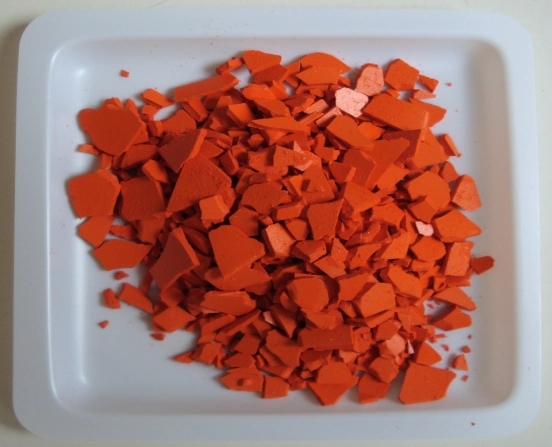
Una vez que el extruido se enfría y se corta en virutas, la etapa de fresado define el rendimiento de la aplicación. En electrónica, en lo que respecta a tamaños en micras, "suficientemente preciso" nunca es suficiente.
¿Cómo afecta el pulido fino a la calidad del aislamiento?
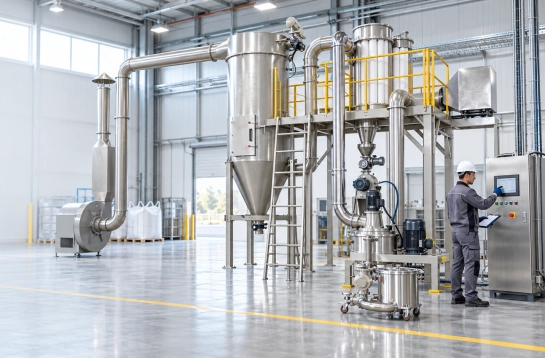
Los componentes electrónicos a menudo requieren recubrimientos de película delgada, lo que exige una distribución de tamaño de partícula (PSD) muy fina y estrecha. Si las partículas son demasiado grandes, no se puede obtener el espesor de 20-30 micras requerido para dispositivos compactos. Integrado ACM (Molino clasificador de aire) Los sistemas deben permitir un ajuste rápido para cumplir con diferentes especificaciones a nivel de micras.
Un enfriamiento eficiente durante el proceso de molienda evita que el polvo se ablande y obstruya el sistema. Dado que estas resinas están diseñadas para fundirse y fluir rápidamente sobre un componente caliente, tienden a volverse pegajosas en el molino si la temperatura del aire aumenta. El aire frío de alto volumen es indispensable, no opcional.
Manteniendo Ultra Entornos de producción limpios
En este contexto, la limpieza no se refiere a barrer el suelo, sino a la calidad del aire y la pureza de los materiales. Los sistemas especializados de recolección de polvo y filtración de aire evitan la contaminación cruzada entre diferentes lotes de producto. En una planta de fabricación de polvo electrónico aislante, no se puede permitir que el exceso de pulverización de una línea cercana se filtre en la mezcla.
Los diseños de fácil limpieza para la extrusora y el molino reducen el tiempo de inactividad durante los cambios de color o formulación. Preferimos las extrusoras de "barril dividido" que se abren como una concha para una total confirmación visual de la limpieza. Finalmente, los separadores magnéticos y las cribas vibratorias deben colocarse estratégicamente para eliminar cualquier impureza conductora. Recomendamos imanes de tierras raras tanto en la etapa de premezcla como en la de envasado final para atrapar cualquier partícula metálica.
¿Cómo evaluar a un proveedor de líneas de producción de polvos de grado electrónico?
Elegir un proveedor es un compromiso a largo plazo. Estás comprando tanto su conocimiento del proceso como su acero.
Soporte técnico y personalización de procesos
No compre productos estándar. Busque fabricantes que ofrezcan configuraciones de tornillos personalizables, adaptadas a la composición química específica de la resina aislante. El proveedor debe comprender la diferencia entre un polvo de interfaz térmica a base de silicona y un polvo de encapsulado epoxi estándar.
Evalúe la capacidad del proveedor para realizar pruebas a escala de laboratorio antes de comprometerse con líneas de producción a gran escala. Es necesario comprobar cómo se comporta su formulación específica en sus equipos. Pregunte sobre la integración de sistemas de control automatizado (PLC) para el registro de datos y la trazabilidad de lotes, algo frecuente en la industria electrónica. Si un cliente experimenta una falla en campo, debe poder acceder a los registros de datos de la temperatura de extrusión de ese lote en particular.
Largo Término Fiabilidad y Mantenimiento
Se requiere una construcción robusta para manejar la alta densidad de los rellenos funcionales utilizados en los polvos electrónicos. Estas máquinas trabajan más que las líneas decorativas debido a que los materiales son más densos y abrasivos.
La disponibilidad de repuestos de ingeniería de precisión garantiza una calidad de producción constante a lo largo de los años. Si un segmento de tornillo se desgasta, el perfil de corte cambia y la calidad del aislamiento disminuye. El soporte técnico local y las capacidades de diagnóstico remoto minimizan las interrupciones en la producción. En este sector, una parada de dos días puede interrumpir la cadena de suministro.
¿Necesita una línea de producción dedicada a recubrimientos en polvo de grado electrónico?
Contacte con MPMtek para obtener una solución personalizada..
Preguntas frecuentes
P: ¿Puedo utilizar mi línea de polvos decorativos actual para polvos de grado electrónico?
R: En general, no. El riesgo de contaminación metálica y la falta de un control preciso de la temperatura suelen generar altos índices de desperdicio y posibles problemas de responsabilidad.
P: ¿Por qué es tan importante la “PSD estrecha”?
A: Una distribución estrecha del tamaño de las partículas garantiza una fusión y un espesor de película uniformes. Las partículas grandes provocan microperforaciones en el aislamiento de película delgada, que son puntos de fallo eléctrico.
P: ¿Cuál es la causa más común de fallo en los polvos aislantes?
A: Contaminación. Incluso una pequeña cantidad de negro de humo o polvo metálico procedente de un entorno de producción estándar puede crear un puente en un aislante y provocar un cortocircuito.