Knowing what impacts mixing evenness in powder coating gear matters a lot for getting steady product quality. Bad blending can cause clear color differences, weak coating results, and production waste. The main point is to manage raw material traits, improve machine setup, and keep good working conditions all through the job.
Physical Properties of Raw Materials
Before looking at machine parts, you need to see how raw material types change mixing results.
Impact of Particle Size and Shape
Powder coatings usually have bits of various sizes and forms. Changes in bit size change mixing steadiness. That’s because tiny bits might bunch up or split off unlike big ones. Odd forms can make spread uneven. This brings spotty buildups that hurt coating smoothness. In an industrial powder mixing machine, steady bit shape gives better flow and sameness in fast blending.
Influence of Material Density
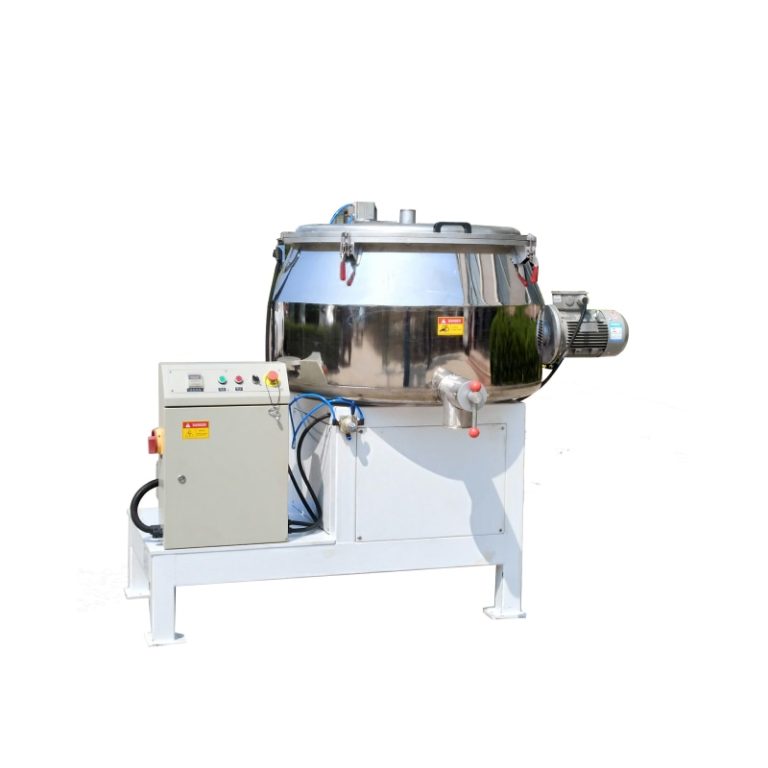
Weight gaps between pigments, fillers, and resins can make splitting happen in mixing. Light parts like to float up as heavy ones drop down. This shows up most under shakes or long stirring. Such weight based split cuts batch sameness. And it brings uneven coating depth or shine. So, keeping close weight levels in parts—or tweaking mixing settings to fit—is key for solid outcomes in an industrial powder mixer.
Color and Gloss Consistency Between Batches
Color evenness stands as a top sign of mixing good work. Tiny flaws show up quick after powder goes on and hardens.
Factors Leading to Color Variation
Uneven pigment spread causes color shifts across batches. This usually comes from spotty mixing in early steps. Or from raw stuff changes from sellers. With a powder mixing machine that has auto controls, exact time and speed tweaks cut these problems. They do it by making sure pigments mix fully.
Achieving Uniform Gloss Levels
Shine changes happen when top layer varies over painted spots. Uneven top layer hits shine evenness. It does this by altering light bounce from the set film. Good mixing ways—like adding extras in steps—keep shine steady. Mixing well and evenly matters a bunch here. A smart mixer makes sure every part adds the same to the end shine.
Mechanical Force and Impeller Design
After handling material traits, machine parts become the focus for how well powders join.
Role of Mechanical Force in Mixing
Enough push makes full mixing of powders. It breaks clumps and boosts bit to bit touch. Too little push can leave mixing unfinished. Then some parts stay unblended at small scales. Fast impellers in an industrial powder mixer make cut forces. These need to fully blend without heating touchy stuff too much.
Importance of Advanced Impeller Design
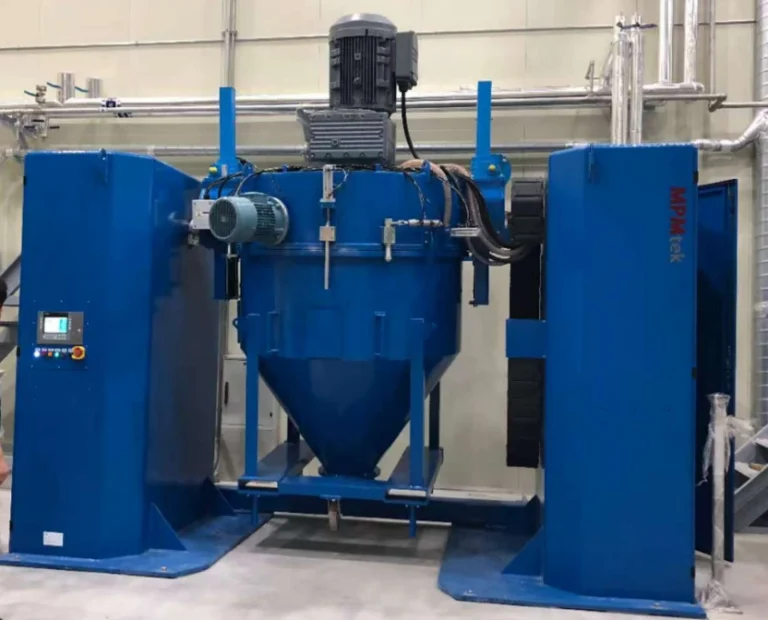
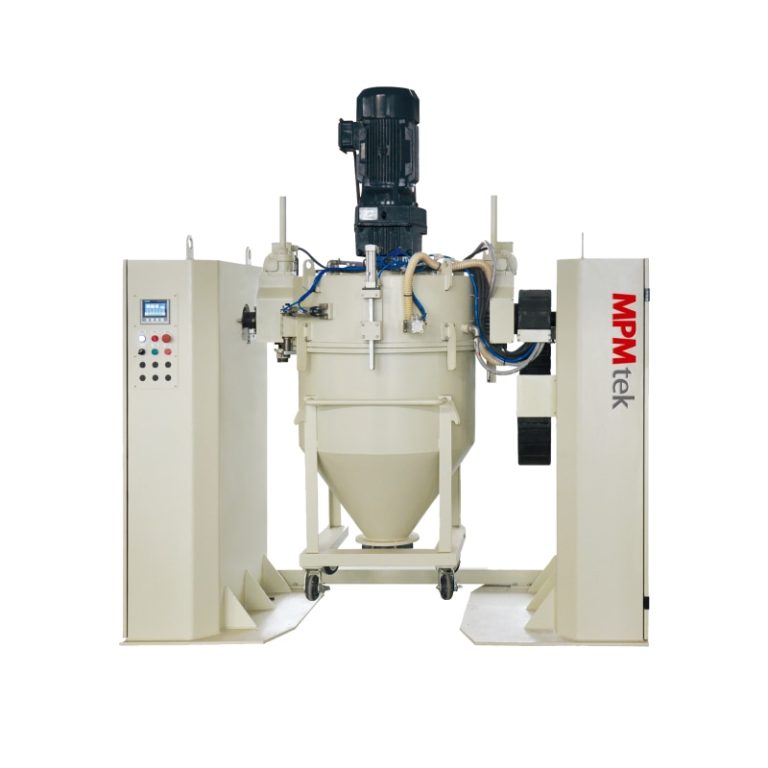
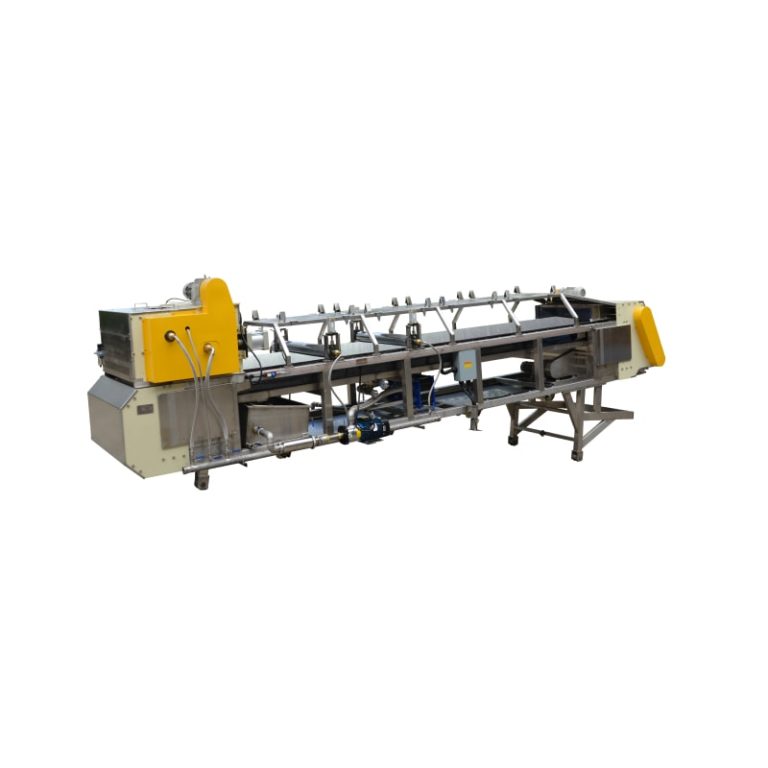
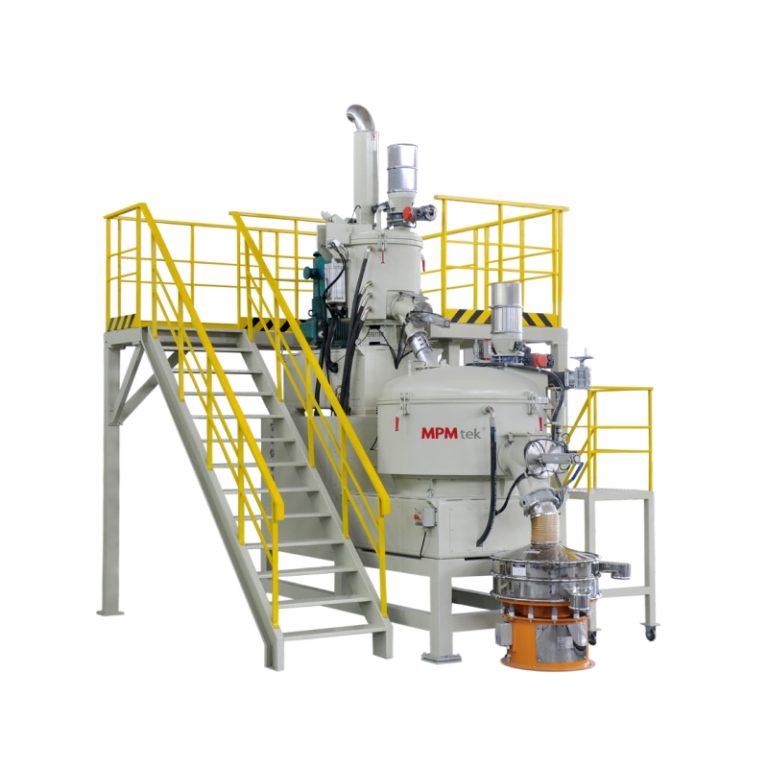
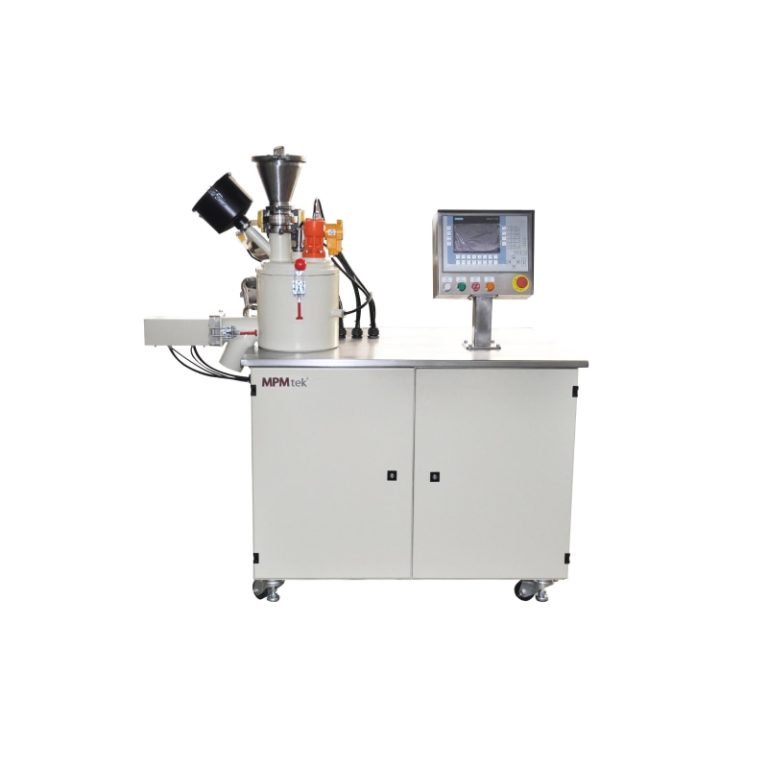
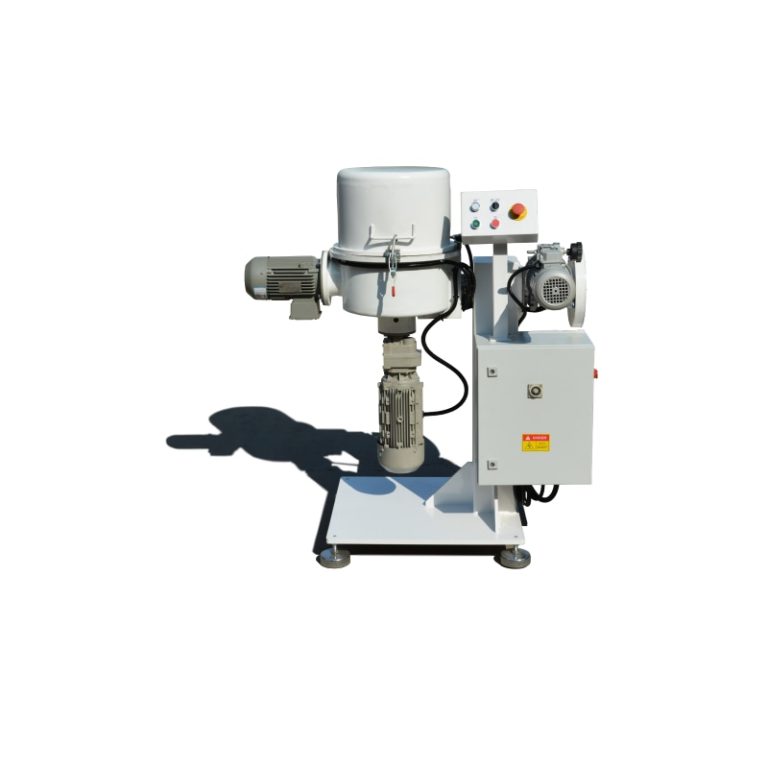
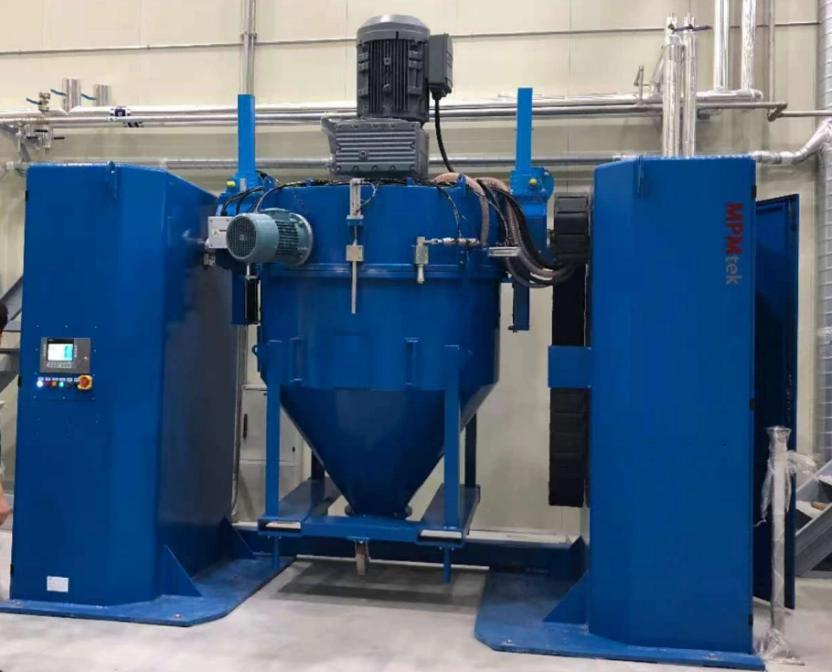
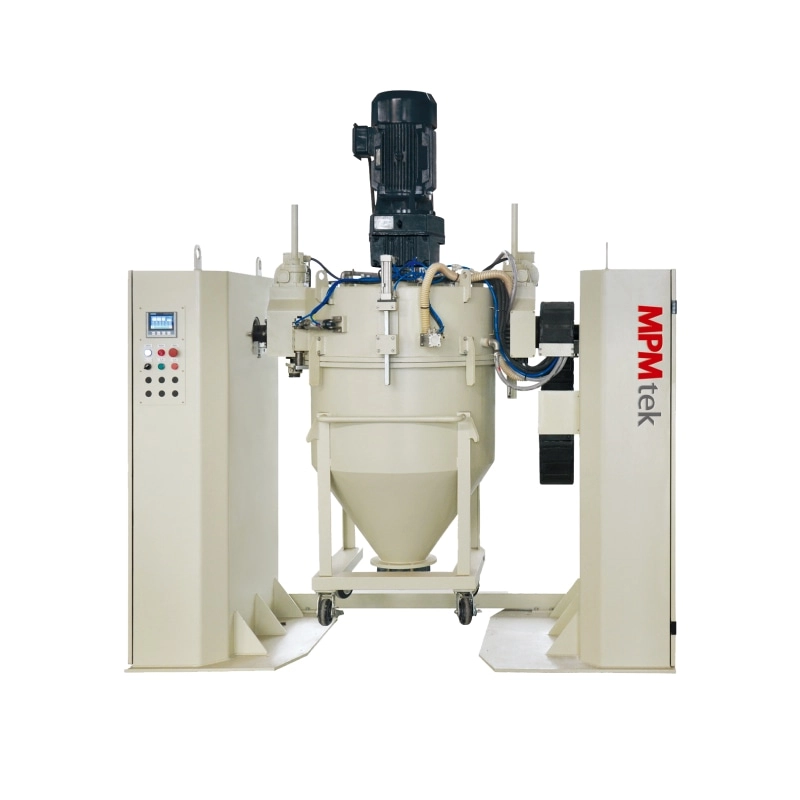
Impeller shape sets how power moves in the mix. A bad impeller might make still spots. There powders pile up unmixed. The container loaded with raw materials is pushed to the original work station, to be lifted, connected and locked to the mixing head automatically. This auto setup lets impeller sit best for top work. Plus, the container mixer is flexible equipment for production with high utilization. It lets impeller setups change based on batch kind or thickness.
Powder Leakage and Workshop Contamination
Even with great mixing machine work, keeping stuff in place helps hold product wholeness.
Causes and Prevention of Powder Leakage
Bad seals cause powder spills in mixing—a usual issue that loses stuff and dirties nearby gear. Double seals for shaft, no powder leakage, no solidified particle show how build fixes stop these wastes well. Regular check times should cover seal looks and swaps. This keeps tight seals going long.
Managing Workshop Contamination Risks
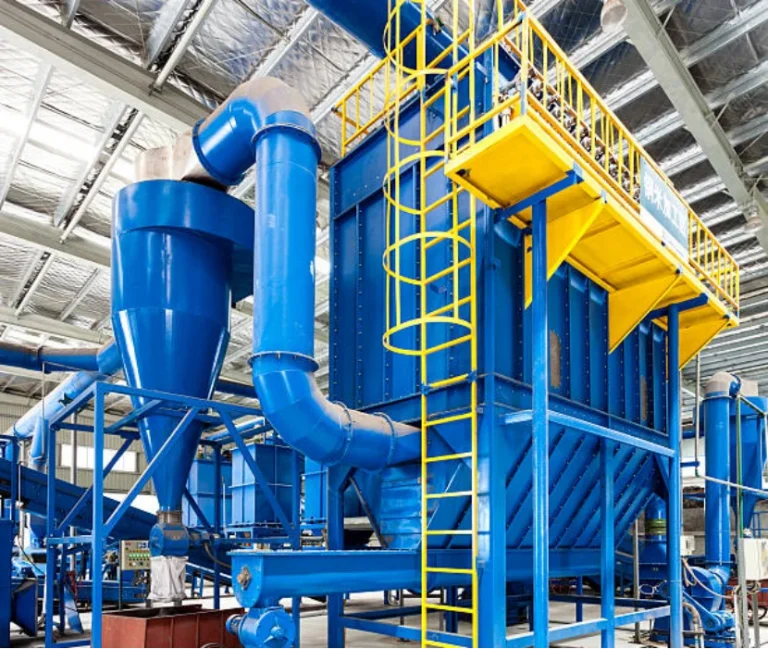
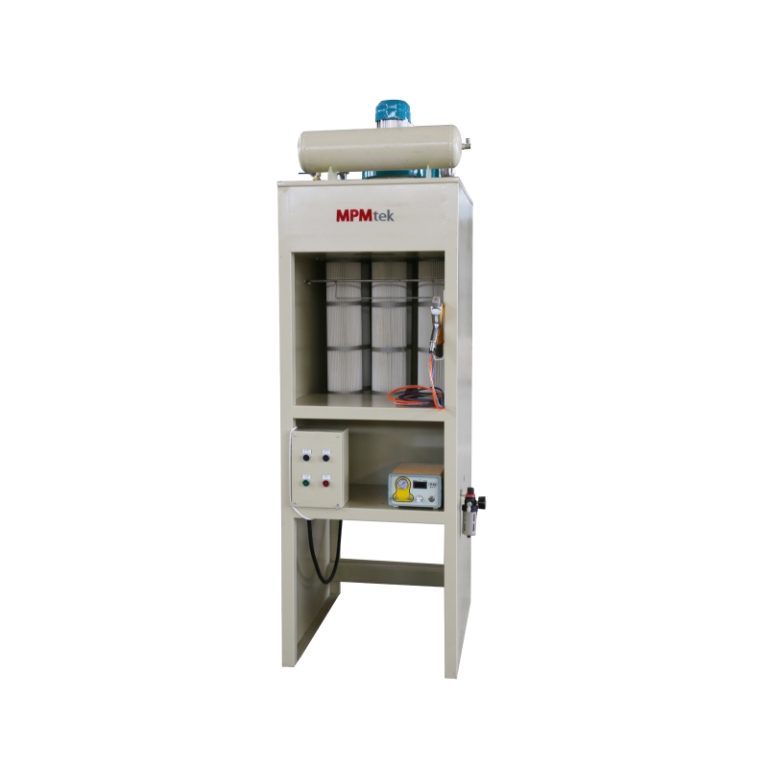
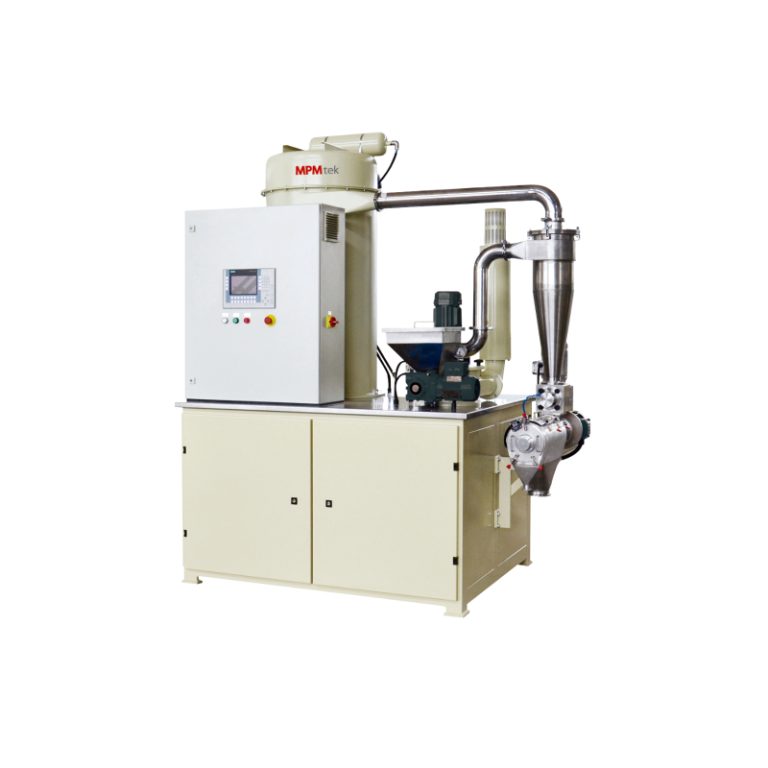
Dirt harms product good and steadiness. It adds odd bits or color leftovers to next batches. Setting firm clean rules cuts dirt chances a lot. Auto setups with automatic dust vacuum jobs keep areas clean. They also cut hand work mistakes—a big plus for big powder coating sites.
Scaling from Laboratory to Industrial Production
Moving from small test runs to big making brings special hurdles. You have to adjust with care.
Challenges in Scaling Up Mixing Processes
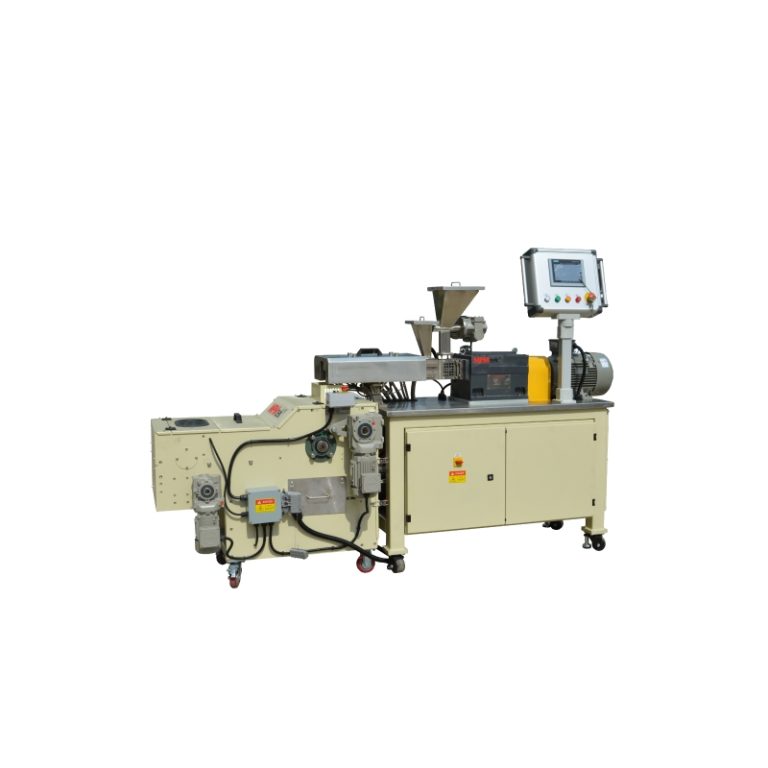
Lab ways might not move straight to big setups. That’s from gaps in size to edge math or power spread in mixers. You need changes to hold evenness in bigger amounts—mostly when growing from 100 kg/h trials to 1000 kg/h steady lines common in business work.
| Scale | Typical Capacity | Adjustment Focus |
| Lab | 50–200 kg/h | Impeller speed & time |
| Pilot | 300–600 kg/h | Control de temperatura |
| Industrial | 700–1000 kg/h | Power input & sealing integrity |
Techniques for Ensuring Consistent Production Quality
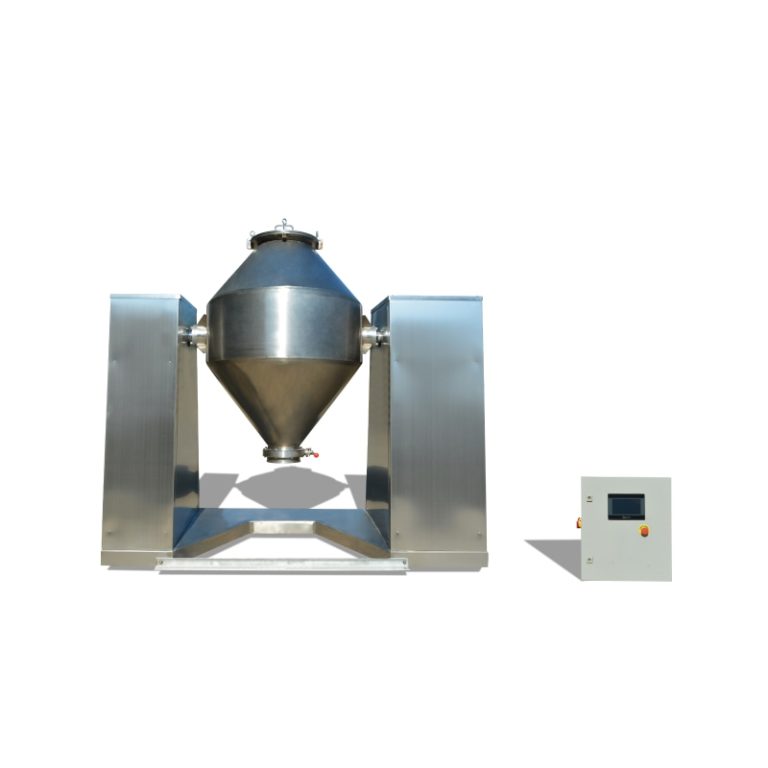
Job tweaks help get wanted evenness in big runs. They use set factors like turn speed, lean angle, and load order. The mezclador contenedor is automatically controlled by PLC & HMI. Such auto work lets ongoing watch and fixes. These matter for quality watch over many shifts or item types.
Final Takeaway
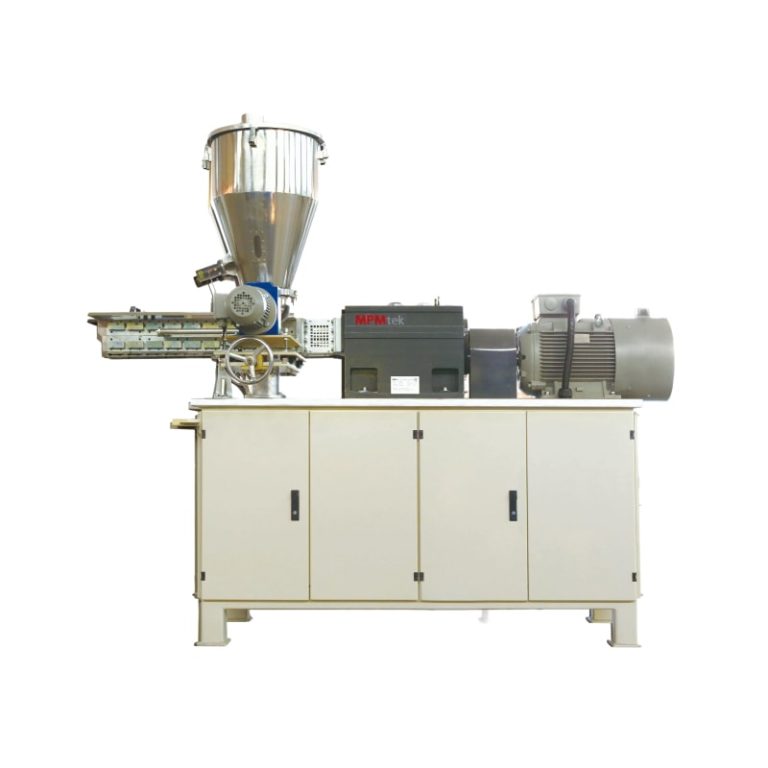
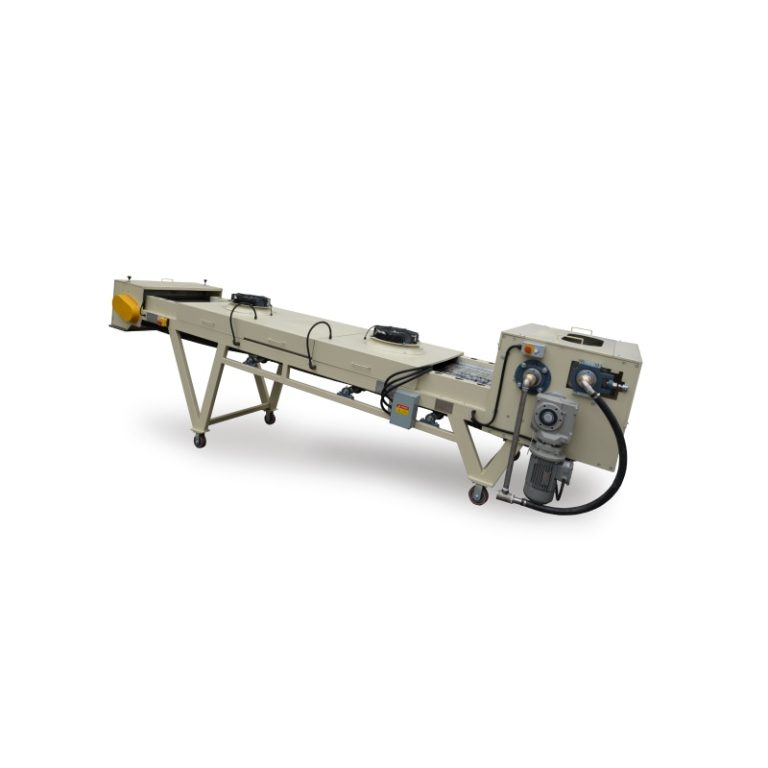
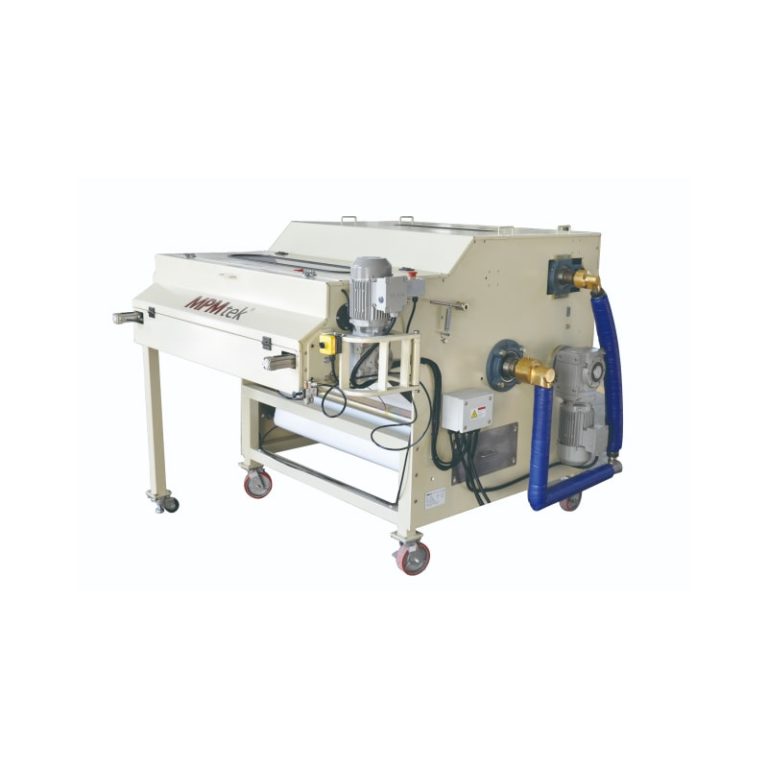
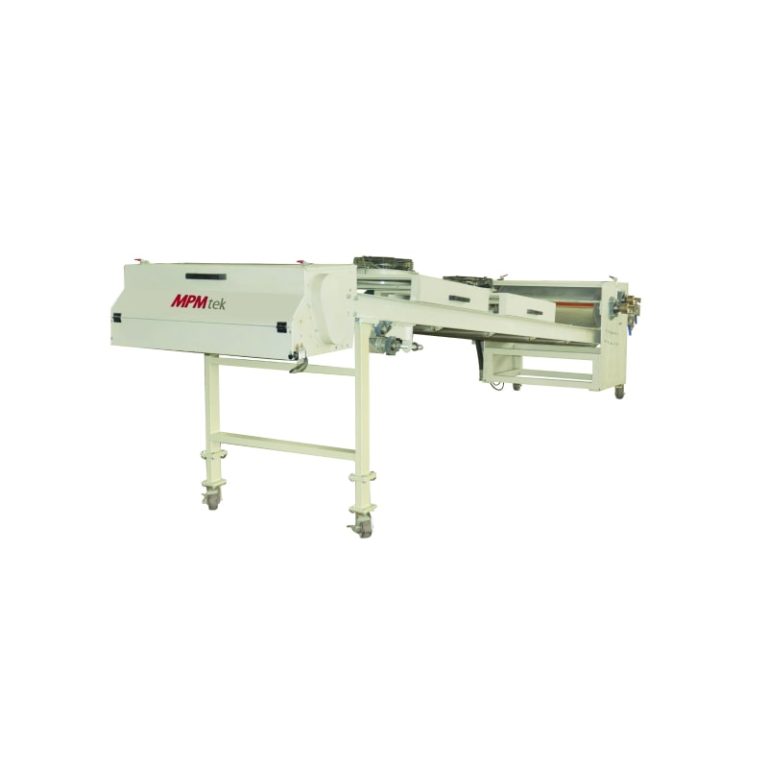
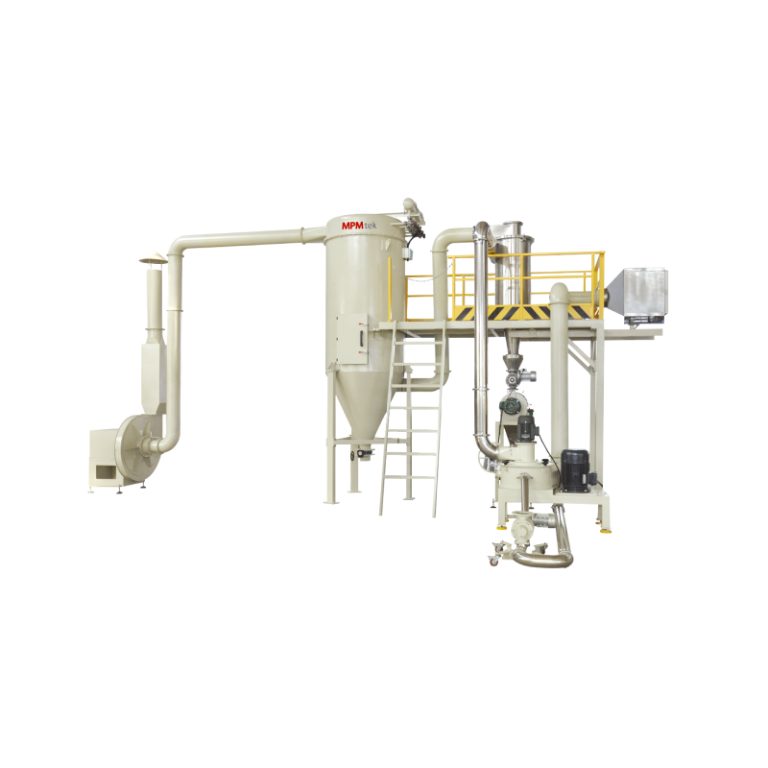
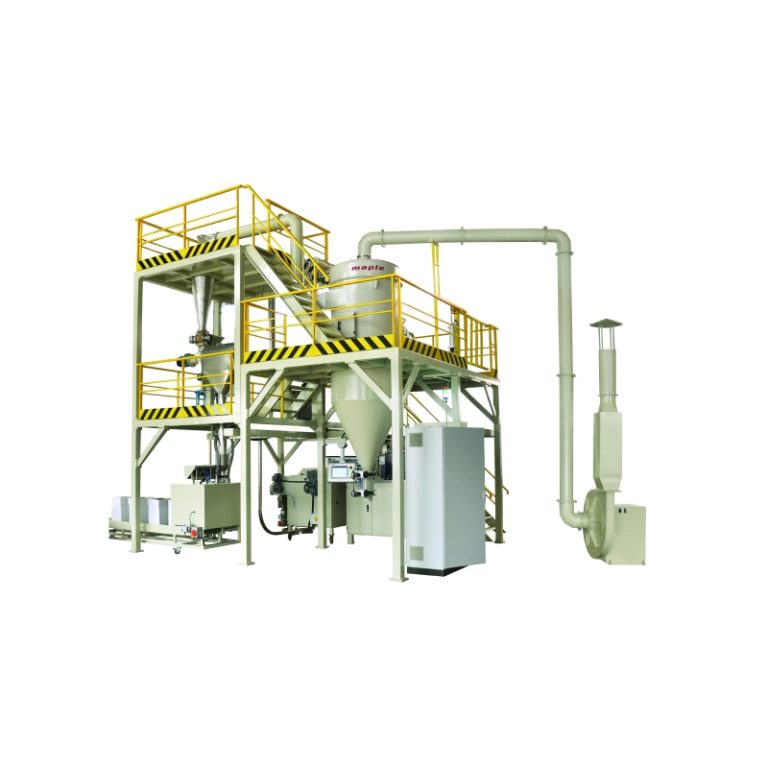
MPMtek stands out as a professional developer and manufacturer specializing in powder coating production equipment and integrated lines that serve every stage of the manufacturing process—from raw material preparation to final packaging. Their container mixers exemplify precision engineering: Flexible off line equipment for production with high utilization, designed specifically for efficient cleaning, color changeovers, and reliable performance demanded by modern industrial powder processing plants seeking long term consistency.
Preguntas frecuentes
Q: What causes uneven color in powder coatings?
Uneven pigment dispersion or inconsistent raw materials often cause visible color variation between batches.
Q: How does particle size affect mixing?
Different particle sizes influence flow behavior; smaller particles may segregate or clump more easily than larger ones.
Q: Why is impeller design important?
Proper impeller geometry ensures uniform energy distribution inside the mixer, reducing dead zones where powders remain unmixed.
Q: How can I prevent powder leakage during mixing?
Using double shaft seals and regular maintenance checks prevents leaks that waste material or contaminate the workspace.
Q: What benefits do automated PLC controlled mixers offer?
They allow precise control over timing, speed, and sequence adjustments—ensuring repeatable quality across all production scales.