اگر آسیاب پوشش پودر شما صدای بیش از حد ایجاد می کند یا خیلی لرزه می کند، مشکل احتمالاً به یک یا چند دلیل مکانیکی، فرآیند یا ساختاری معمول می آید. این موضوعات’ فقط ناراحت کننده آنها می توانند عمر تجهیزات را کاهش دهند، کیفیت محصول را کاهش دهند و خطرات ایمنی را افزایش دهند. بگذارید’ به دلایل اصلی زیر نگاه کنید. ما’ همچنین راهنمایی هایی را برای شناسایی و حل این مشکلات به اشتراک بگذارید.
علل مکانیکی رایج سر و صدا و لرزش در آسیاب های پوشش پودر
عدم تعادل در اجزای چرخشی
یکی از دلایل اصلی لرزش وزن نابرابر در قطعات چرخشی مانند روتور یا طبقه بندی کننده است. وقتی وزن بد گسترش می یابد، نیروهای چرخش زیاد افزایش می یابند. این منجر به مکانیک لرزان می شود. این نه تنها باعث لرزش می شود بلکه بر کل تنظیم فشار می گذارد. با گذشت زمان، این می تواند منجر به آسیب پایدار شود.
در سیستم های سریع مانند آسیاب های ACMحتی مشکلات کوچک تعادل می تواند اوضاع را بدتر کند. بنابراین، دقت و بررسی های منظم بسیار مهم است. آنها به کاهش این مشکلات کمک می کنند.
قطعات مکانیکی شل یا فرسوده شده
با استفاده ثابت، چیزهایی مانند پیچ ها، کانکتورها و یاتاقان ها آزاد می شوند یا می شوند. یاتاقان های فرسوده شده اضافه کردن حرکت اضافی. این امر باعث افزایش صدا و آشفتگی با تنظیم و دقت آسیابی می شود.
صداهای عجیب و غریب آسیابی، مانند ضربه زدن یا جیغ زدن، اغلب به این معنی است که یک بخش است ’ T دیگر درست است. یا بیش از حد از دست رفته است. اگر آن را نادیده بگیرید، مشکلات می تواند به قسمت های نزدیک گسترش یابد.
عدم هماهنگی اجزای سیستم درایو
هنگامی که شفت های موتور و قطعات آسیاب don’ t خط در سیستم درایو، آن را ایجاد می کند تکان های پیچ و پیچ. اگر شفت ها’ t مستقیم با هم یا زاویه خاموش، قدرت به بدی حرکت می کند. سپس آغاز میشود و به حرکت میرود.
این نوع آفلاین همچنین سرعت فرسایش بر روی یاتاقان ها و مهر و موم ها را افزایش می دهد. با شکستن مهر و موم، کثافت می تواند به نقاط کلیدی وارد شود. این باعث می شود که فرسایش مکانیکی بدتر شود و سر و صدا را در طول کار افزایش دهد.
تاثیر رسانه های آسیابی بر عملکرد آسیاب
اندازه یا نوع نامناسب رسانه های آسیابی
رسانه های آسیاب در یک آسیاب پودر واقعا شکل می دهد که چقدر خوب کار می کند و چقدر سر و صدا می شود. اگر رسانه برای اندازه اتاق یا نوع مواد بیش از حد بزرگ یا کوچک باشد، جریان قدرت را خراب می کند. بنابراین، شما با ضربه های بلندتر و اندازه ذرات نابرابر به پایان می رسید.
علاوه بر این، رسانه هایی با اشکال عجیب و غریب یا چیزهای اشتباه منجر به فرسایش ناخوشایند در داخل اتاق می شوند. این امر بر مکانیک ها فشار می دهد. و این تبدیل به لرزش شما احساس در سراسر آسیاب’ بدن
فرسایش بیش از حد رسانه های آسیابی
به عنوان رسانه های سنگ زنی پوشیده می شود، آن را تبدیل به توده ای و کمتر خوب در حفظ حتی فشار در طول اجرا. این فشار نابرابر باعث نتایج خراب آسیابی می شود. همچنین نیروهای شگفت انگیز را در داخل اتاق به ارمغان می آورد.
این نیروها به برابری محصول آسیب می رسانند. آنها همچنین صداهای عجیب و غریب ایجاد می کنند، به ویژه زمانی که رسانه ها به طریق وحشی به سمت اتاق ضربه می زنند.
پارامترهای فرآیند که به سر و صدا و لرزش کمک می کنند
نرخ جریان هوا و نوسانات فشار در آسیاب های ACM
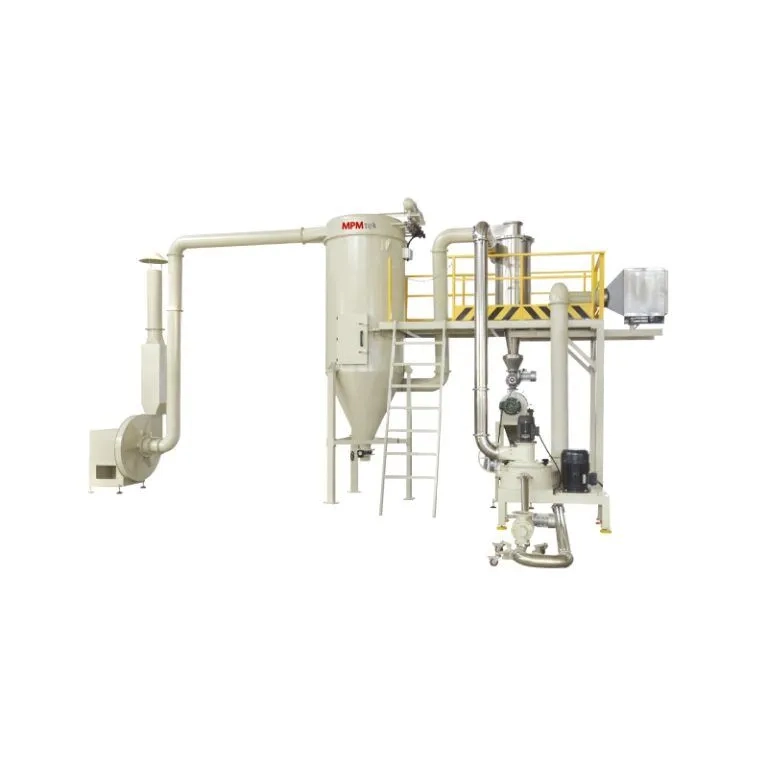
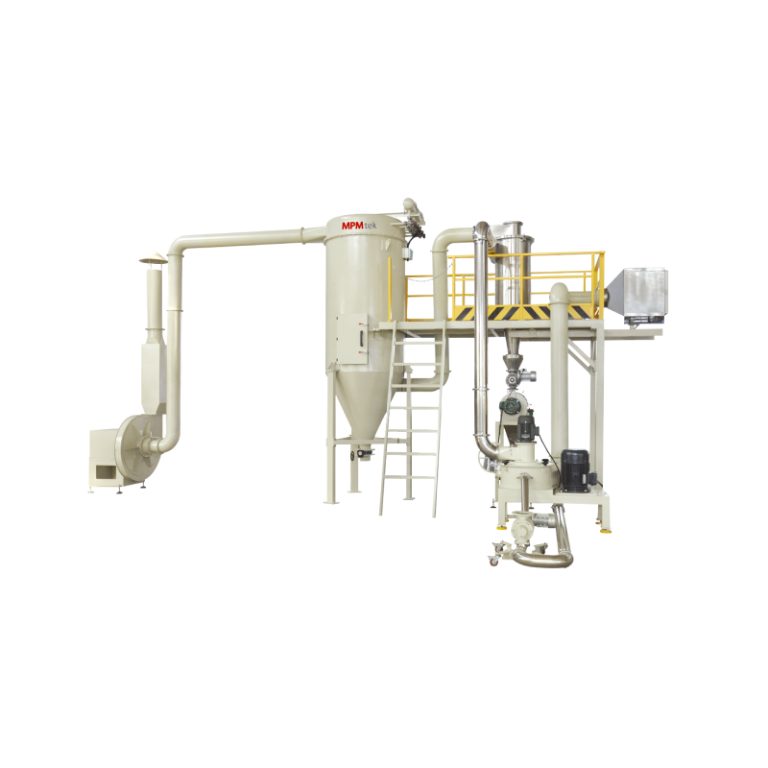
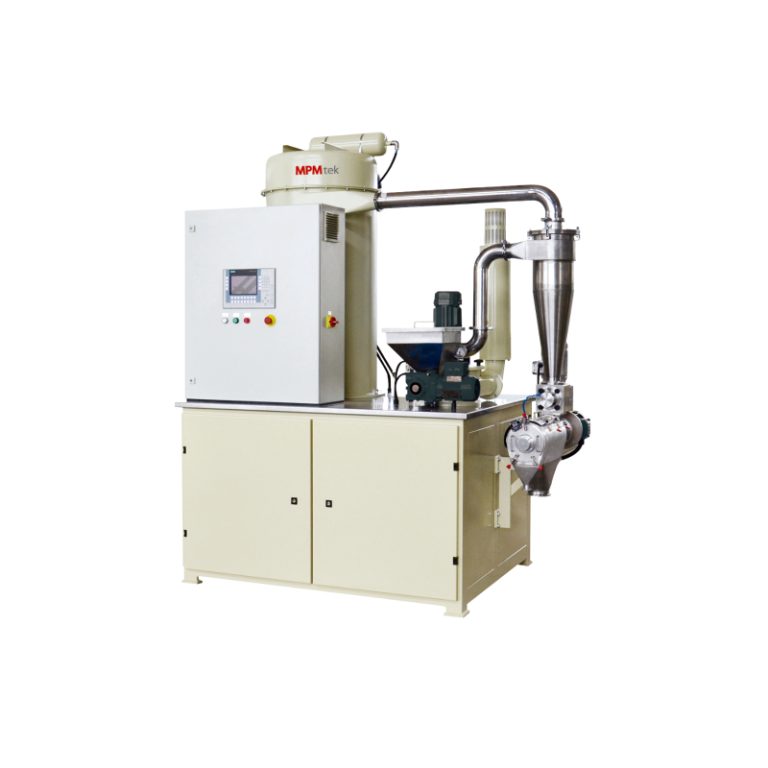
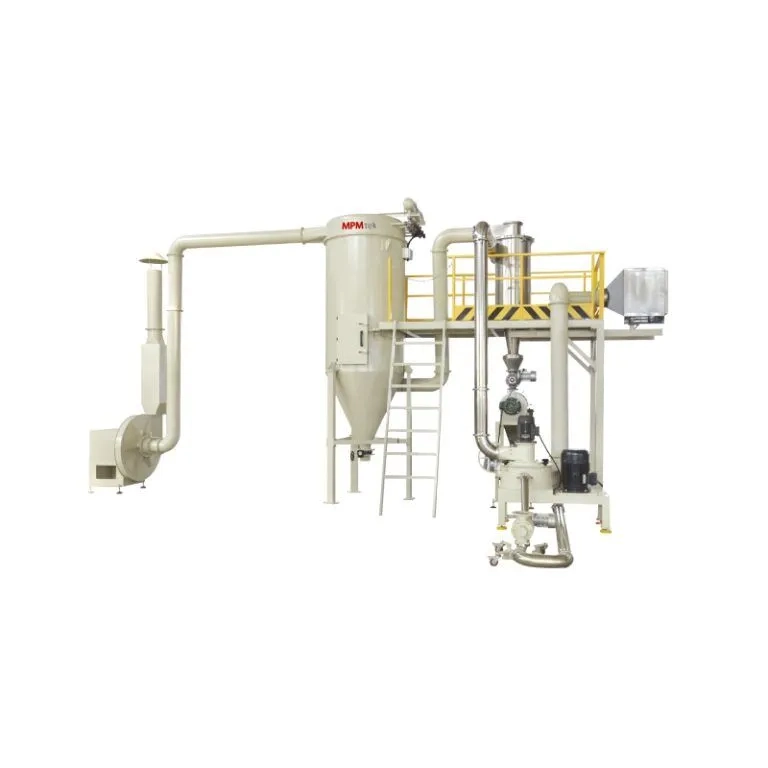
در یک آسیاب ACM که برای دستگاه طبقه بندی هواجریان هوا کلید آسیابی و مرتب کردن است. سیستم میکرو آسیابی ACM از آسیاب طبقه بندی هوا با سرعت بالا، سیکلون، غربال چرخشی (غربال سانتریفیوژ) / غربال لرزش، جمع کننده پودر فوق العاده ظریف و فن تشکیل شده است. اگر جریان هوا از طریق تنظیمات اشتباه یا فرسایش قطعات، ناخوشایند شود، هوای خشن در منطقه آسیابی ایجاد می شود. این حرکت ذرات را از بین می برد. و می تواند لرزش را قوی تر کند.
پرش فشار نگرانی دیگری است. افزایش سریع ضربه ای ایجاد می کند که با دقت مرتب سازی آشفته می شود. آنها همچنین باعث تکان لرزش می شوند که می توانید در سراسر دستگاه احساس کنید.
نانظمی های نرخ تغذیه
حفظ سرعت تغذیه ثابت مهم است. خوراک بیش از حد باعث انباشت و فشار داخلی بالا می شود. خوراک خیلی کم باعث می شود که نقاط بارگذاری سبک در جایی که روتورها وحشی هستند. به هر حال، بار از ضربه خارج می شود.
این تغییر چگونگی عمل روتورها را از بهترین نقاط اجرا تغییر می دهد. این صدای مکانیکی را به ارمغان می آورد، عمدتاً در قسمت های حساس مانند طبقه بندی کننده ها و غربال ها.
عوامل ساختاری و نصب که بر ثبات آسیاب تاثیر می گذارند
سختی بنیاد و کیفیت نصب
مردم اغلب از دست می دهند که چگونه آسیاب ساخته می شود. پایه های نرم اجازه می دهند که لرزش های کاری به جای غرق کردن آنها از طریق آنها عبور کنند. با گذشت زمان، این باعث می شود که چگونه اجرا شود. حتی می تواند به ساختمان های نزدیک آسیب برساند.
سطح بندی بد در شروع می تواند باعث مشکلات خط بندی شود که ماشین’ تمام زندگی این ساخت اگر شما don’ T آنها را اصلاح کنید.
اقدامات عایق صوتی و تخفیف
اگر محل شما’ t موانع صوتی خوب در اطراف آسیاب، سر و صدای هوا بیشتر برجسته می شود. همچنین، مسدود کننده های لرزش ضعیف اجازه می دهند که نوسانات به دنده های نزدیک یا قطعات ساختمان گسترش یابد.
پد های نرم زیر پایه و تخته های سر و صدا در اطراف دستگاه می توانند آنها را بسیار پایین نگه دارند.
شیوه های تعمیر و نگهداری که بر سطح صدای عملیاتی تاثیر می گذارند
روانکاری ناکافی قطعات متحرک
روغن یا چربی برای اجرای آسان ضروری است. اگر این’ به اندازه کافی نیست یا به طور نابرابر قرار داده می شود، مالش بین بیت های چرخشی مانند یاتاقان یا جعبه دنده رشد می کند. این باعث ایجاد گرما و صدای شگفت انگیز کار می شود.
هیچ روغنی نیز خراش را در لکه های فلزی سرعت می دهد. منجر به خرابی های اولیه می شود.
چرخه های بازرسی و جایگزینی تاخیر
ظاهر منظم کلید تشخیص علائم فرسایش اولیه مانند رسانه های آسیابی تراشه ای، محفظه های ترک شده یا پیچ های شل است. اگر آنها را از دست بدهید، مشکلات کوچک به شکست های بزرگ تبدیل می شوند. این صدا را افزایش می دهد و زمان زیادی را می لرزد.
مبادله سریع بیت های فرسوده شده قدرت مکانیکی را در تمام قسمت ها حفظ می کند.
ملاحظات طراحی برای کاهش سر و صدا در آسیاب های پودر
بهینه سازی طراحی روتور برای عملیات صاف
روتور’ شکل S به طور مستقیم به تعادل در حرکت ضربه می زند. برنامه های روتور خوب وزن را حتی گسترش می دهند و هوای خشن داخل را برش می دهند. توزیع اندازه ذرات کامل پوشش پودر را می توان با تنظیم پارامترهای اجرا از سیستم ACMبنابراین، با لرزش کمتر، حتی در سرعت های سریع، صاف تر اجرا می شود.
ساختمان دقیق اینجا از طریق استفاده بهتر از انرژی و اجرای آرام تر برگشت می دهد.
استفاده از مواد پیشرفته برای تخفیف صدا
آسیاب های پودر جدید از مواد هوشمند مانند مواد مخلوط یا مخلوط فولاد نرم برای خیس کردن انرژی لرزش استفاده می کنند. این ها به پوشش ها، تیغه های روتور یا تخته های خارجی برای کاهش سر و صدا از ضربه های رسانه ای می روند.
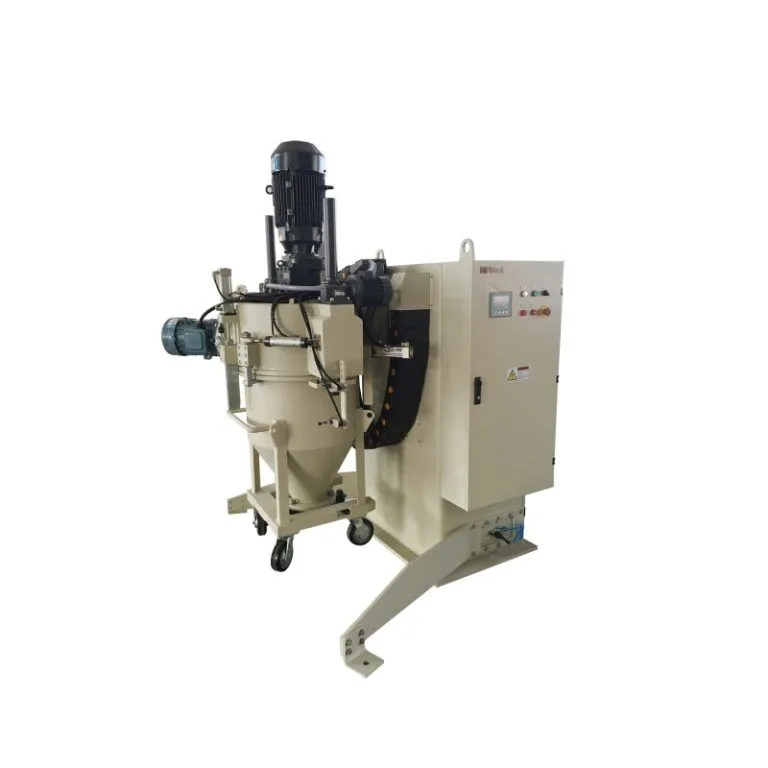
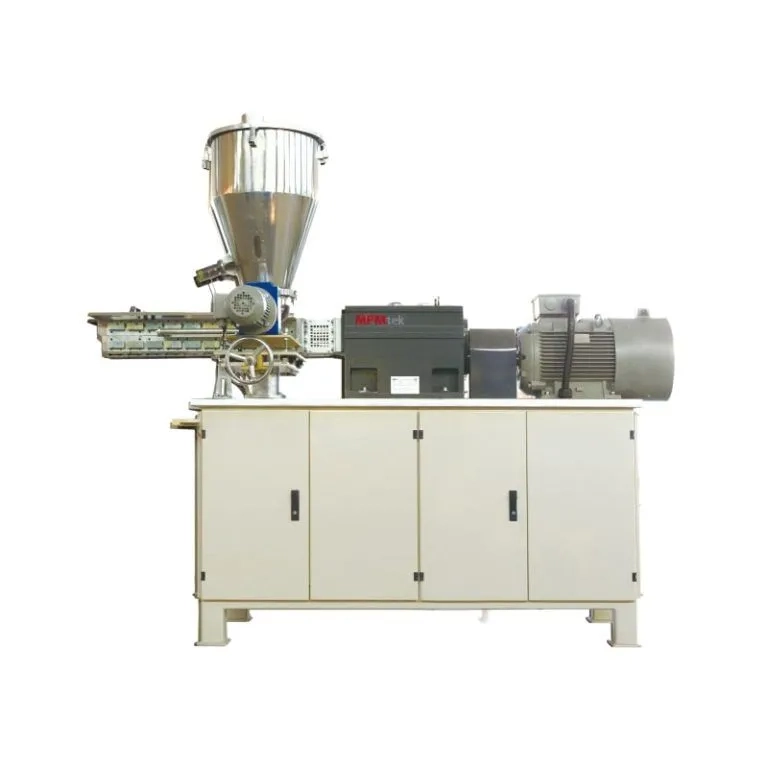
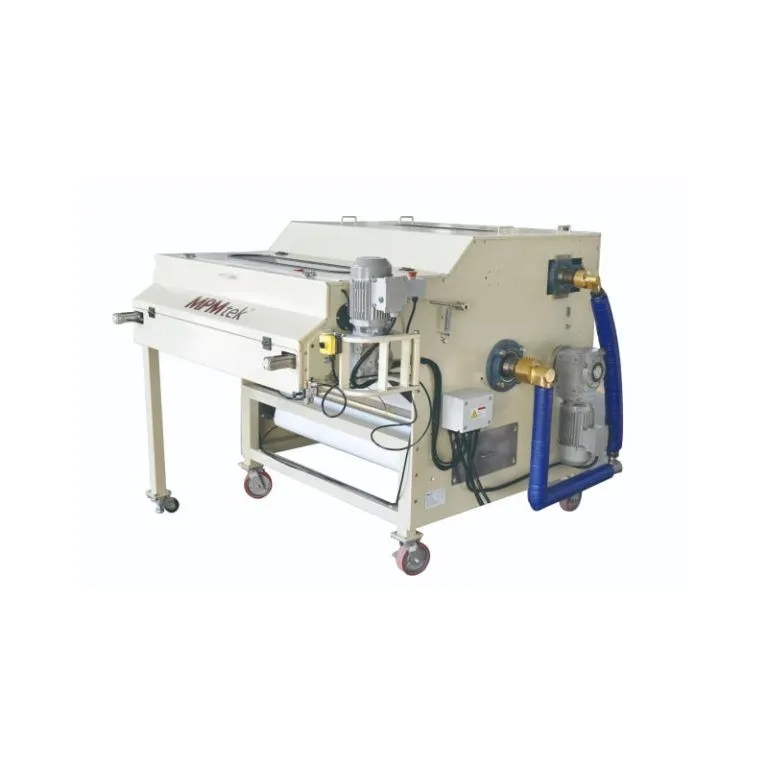
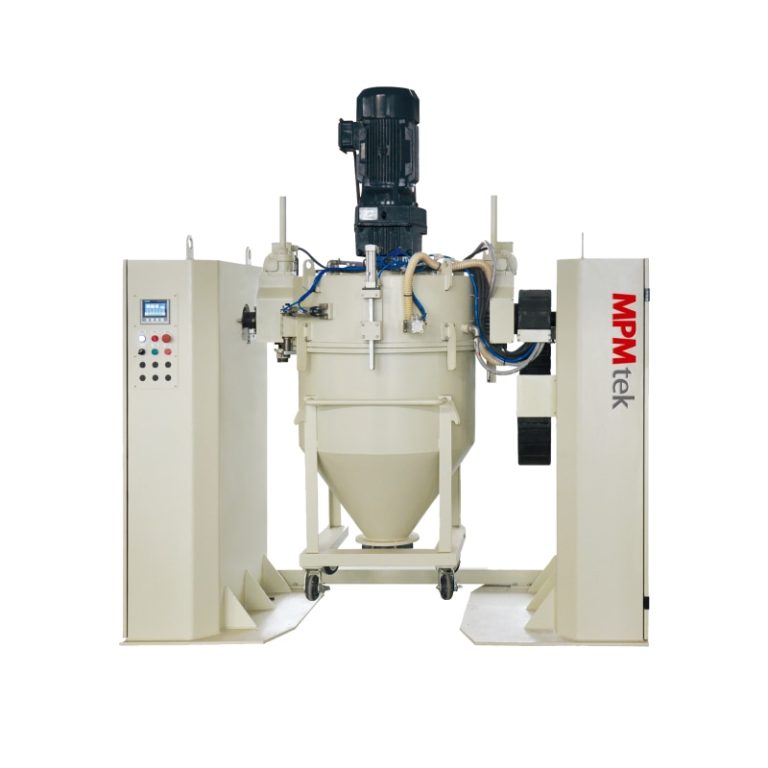
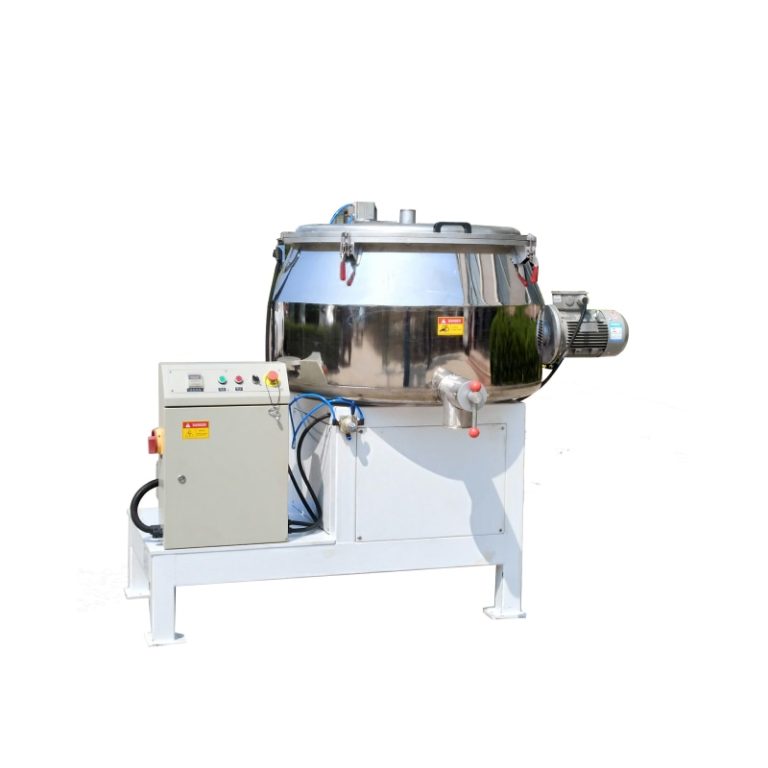
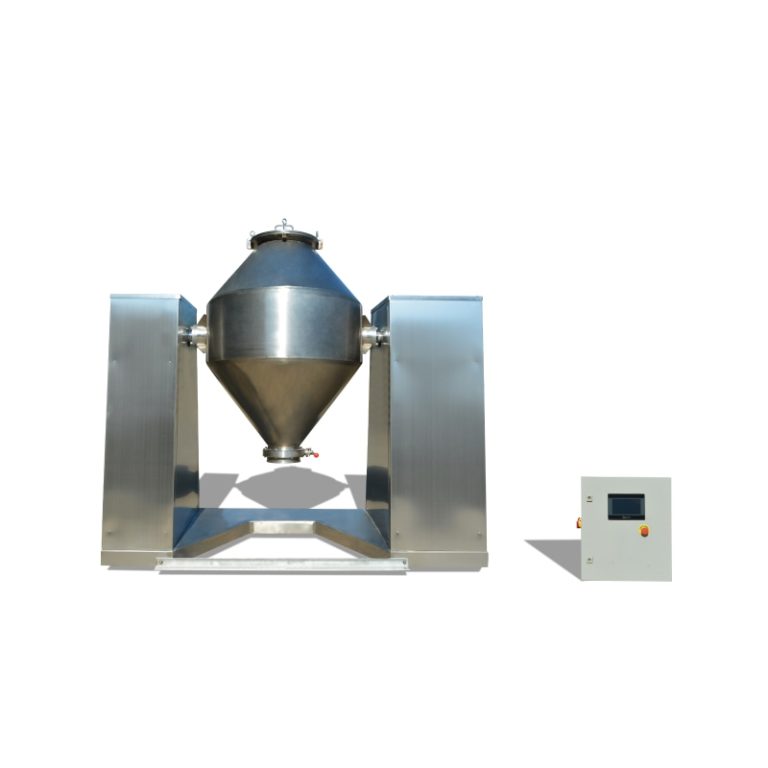
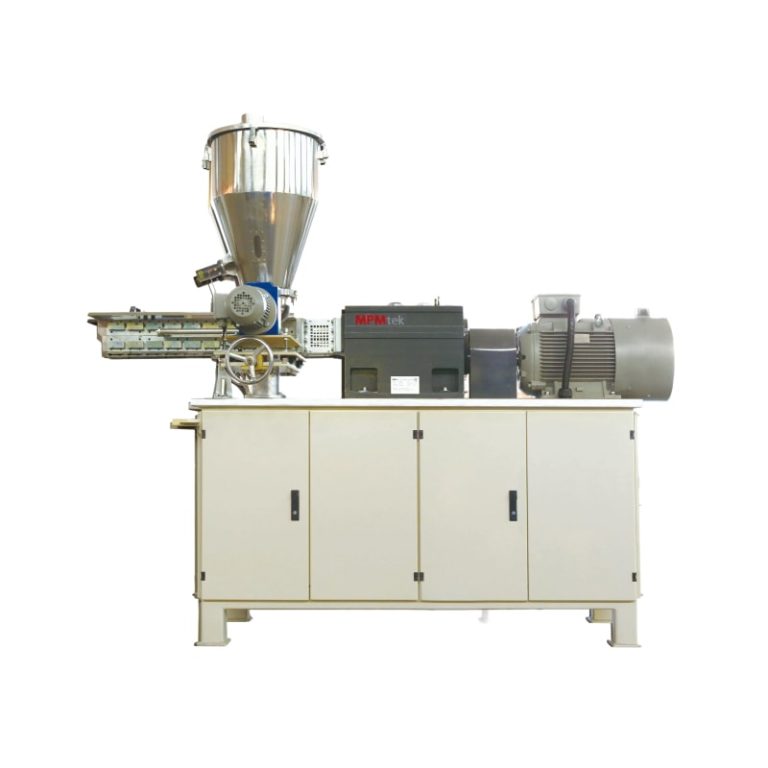
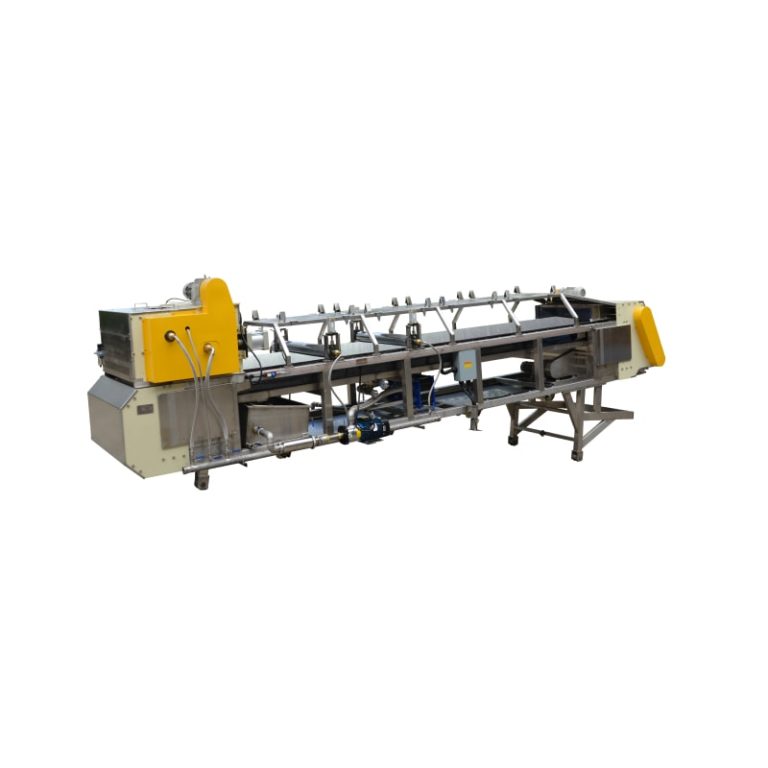
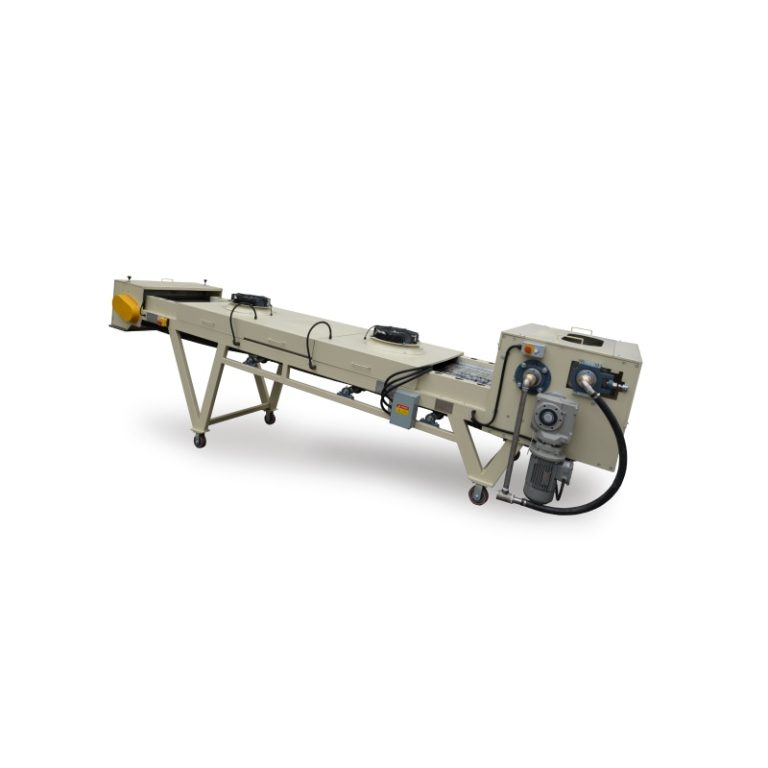
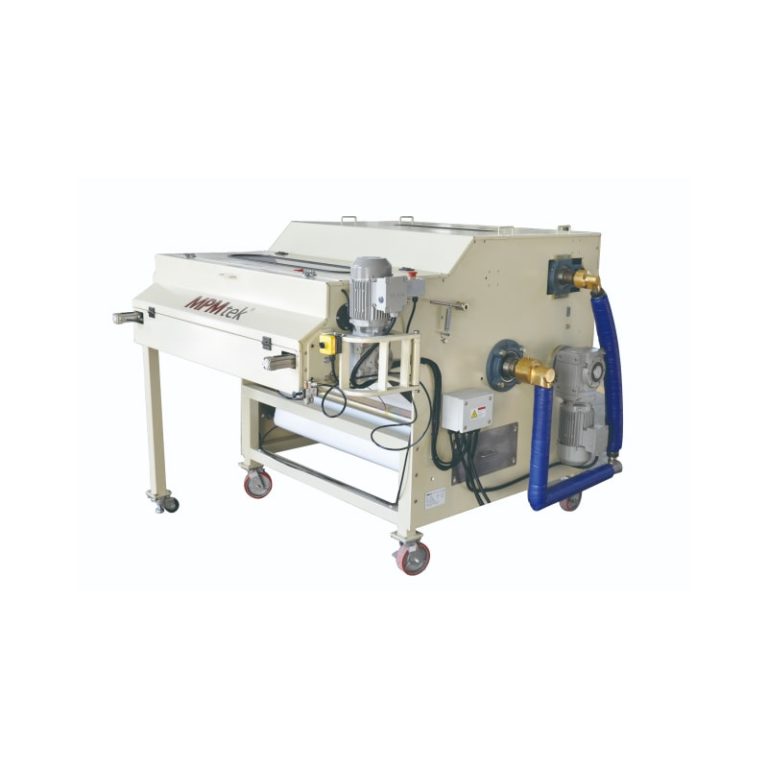
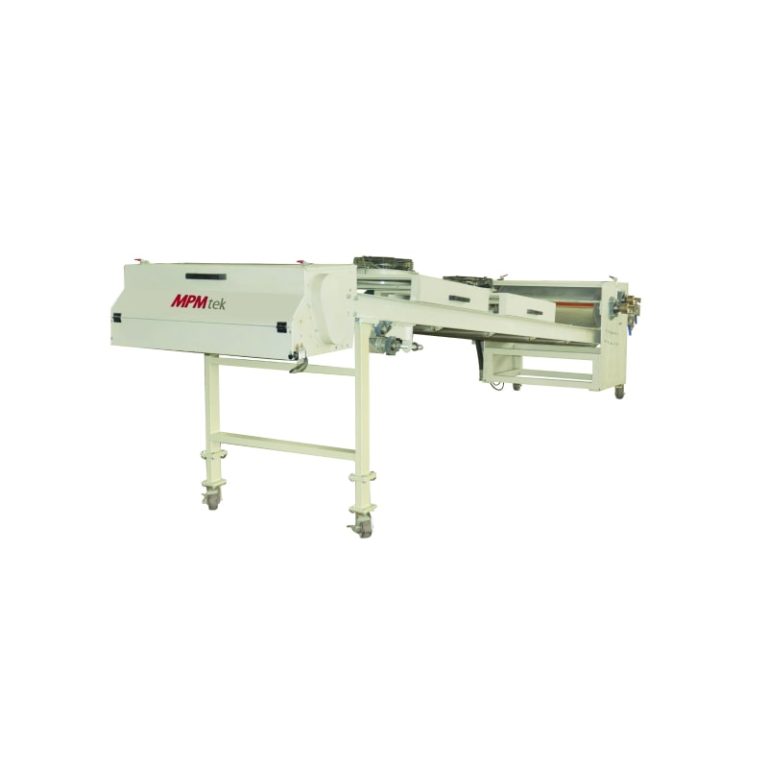
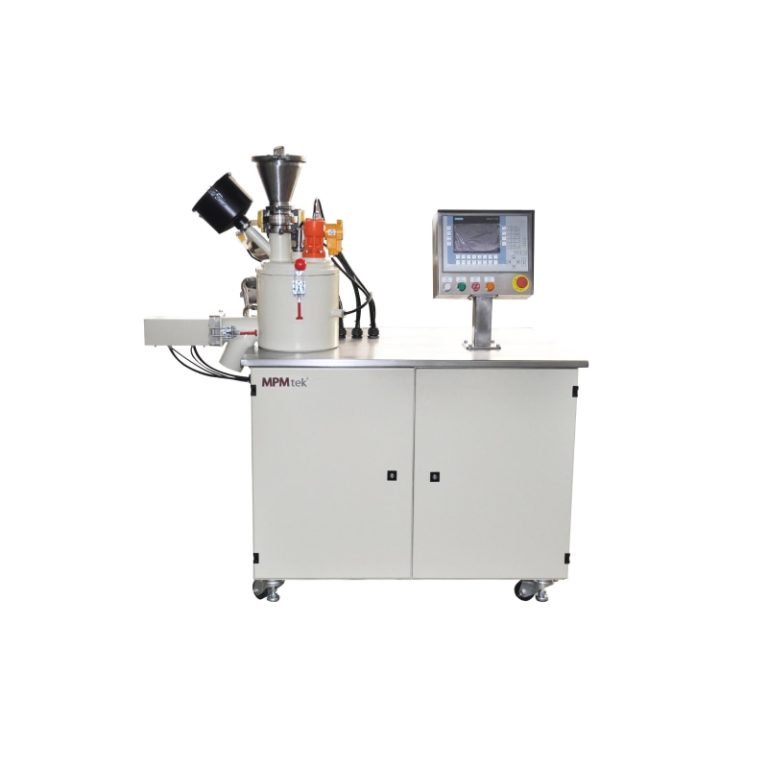
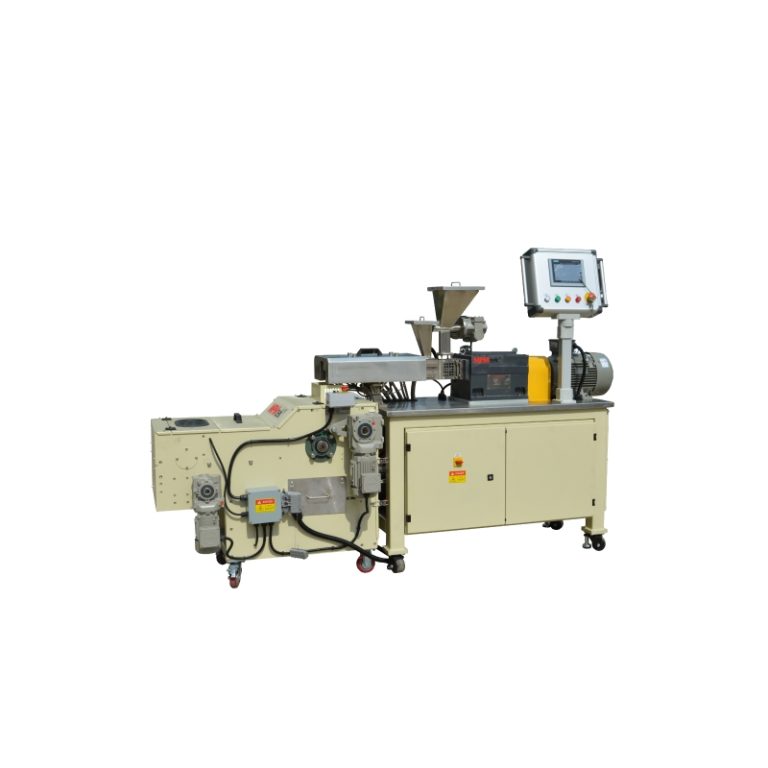
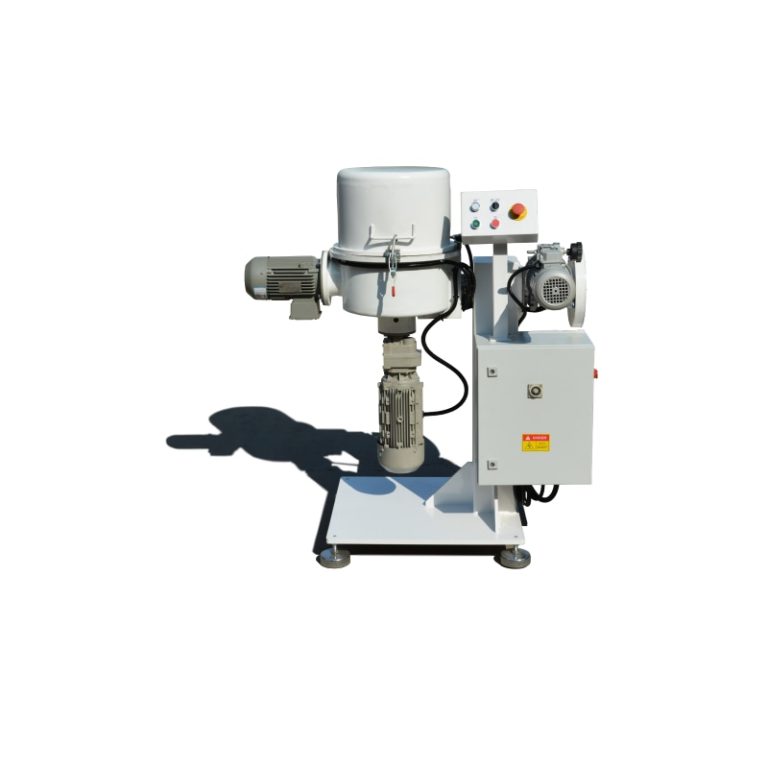
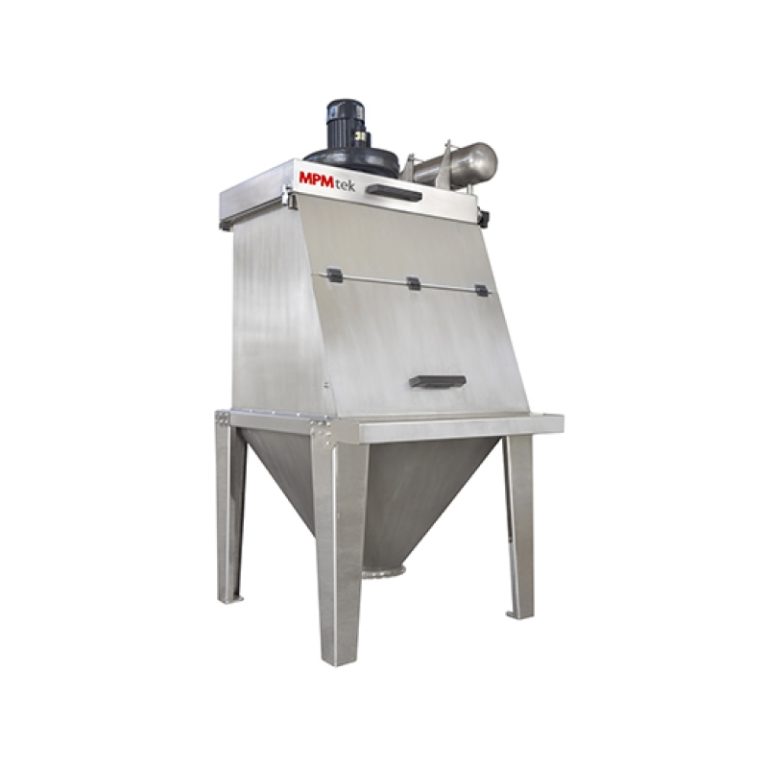
سیستم های تولید پوشش پودر MPMtek این رویکرد را از طریق طراحی ساختاری و انتخاب مواد منعکس می کند. در MPMtek سری از شهرت بالایی در میان مشتریان داخلی و خارجی به دلیل عملکرد عالی، عملکرد فوق العاده بالا هزینه و ثبات پایدار برخوردار است.
به عنوان یک تولید کننده حرفه ای تجهیزات تولید پوشش پودر از سال 2006، MPMtek متعهد به تحقیق و توسعه تجهیزات تولید پوشش پودر دقیق، هوشمند، کارآمد و انسانی است. از تنظیمات آزمایشگاهی تا خطوط تولید در مقیاس کامل، ماشین های آنها با حداقل سر و صدا و خروجی لرزش طراحی شده اند.
سوالات متداول
س: چه چیزی باعث می شود آسیاب پودر من در هنگام شروع لرزش کند؟
عدم تعادل در اجزای چرخشی یا اتصال دهنده های شل می تواند باعث لرزش های اولیه شروع شود که پس از رسیدن به سرعت عملیاتی حل می شود.
سوال: آیا نوع رسانه سنگ زنی واقعا می تواند بر سطح سر و صدا تاثیر بگذارد؟
بله اندازه نامناسب یا رسانه های فرسوده شده نیروهای آسیابی نابرابر ایجاد می کنند که سر و صدا را در طول عملیات تقویت می کنند.
س: چقدر باید آسیاب ACM خود را برای پوشیدن بازرسی کنم؟
چک های ماهانه بر روی یاتاقان ها، روتورها و سیستم های جریان هوا توصیه می شود - اغلب در عملیات با throughput بالا.
سوال: آیا کیفیت پایه واقعاً بر سر و صدا تأثیر می گذارد؟
مطمئنا پایه های ضعیف به عنوان تقویت کننده برای لرزش های عملیاتی به جای جذب آنها به طور موثر عمل می کنند.