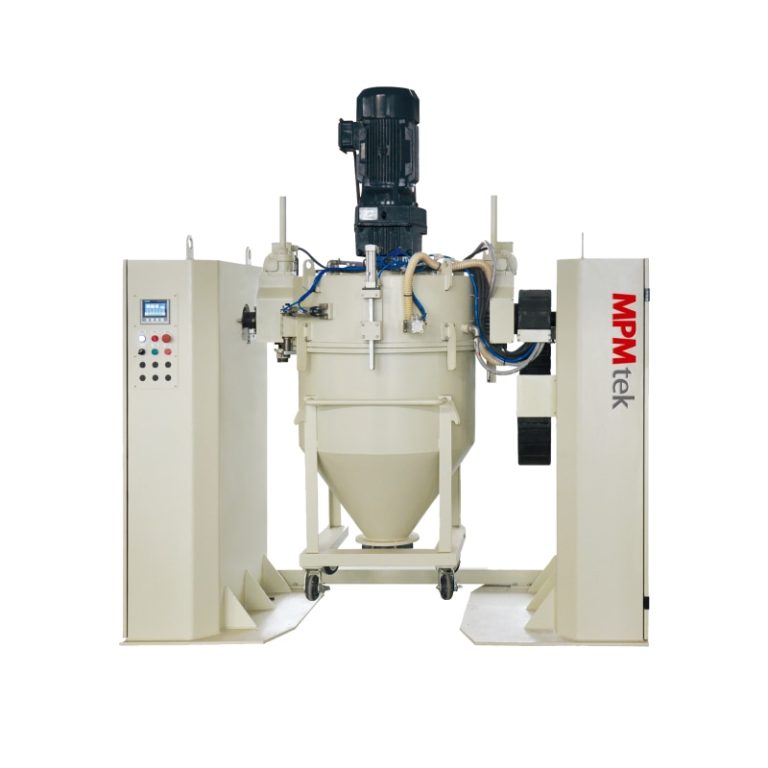
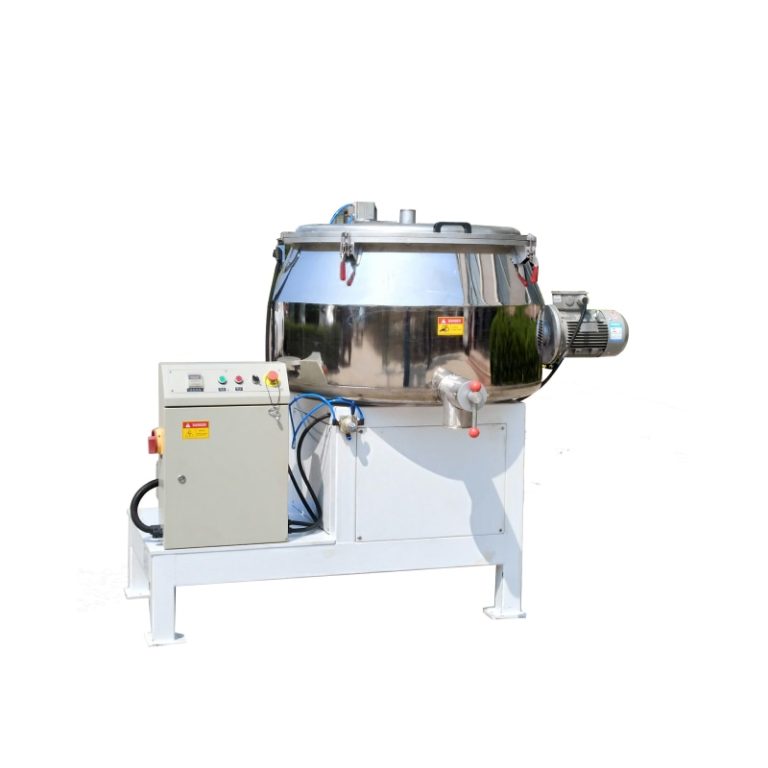
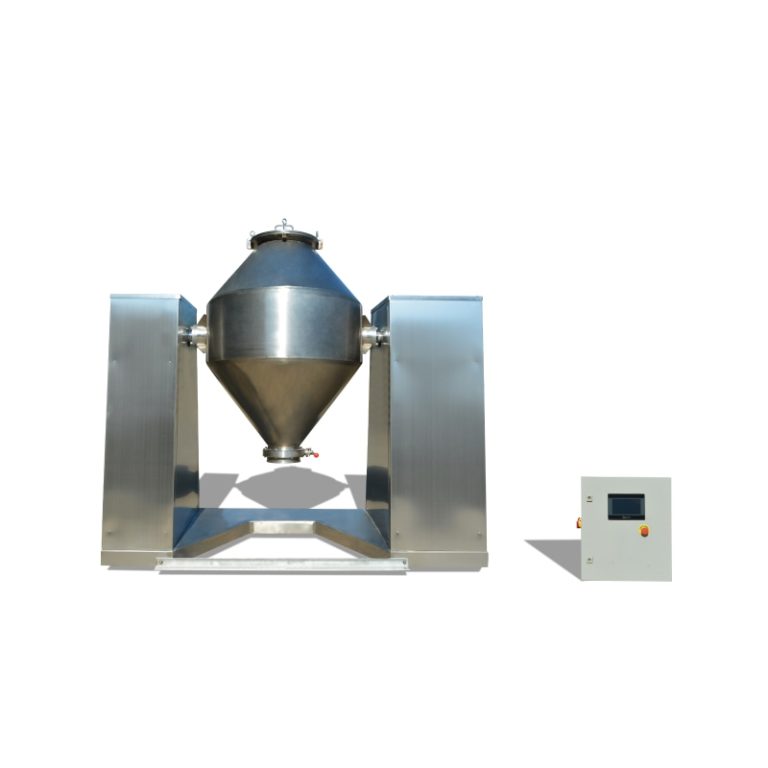
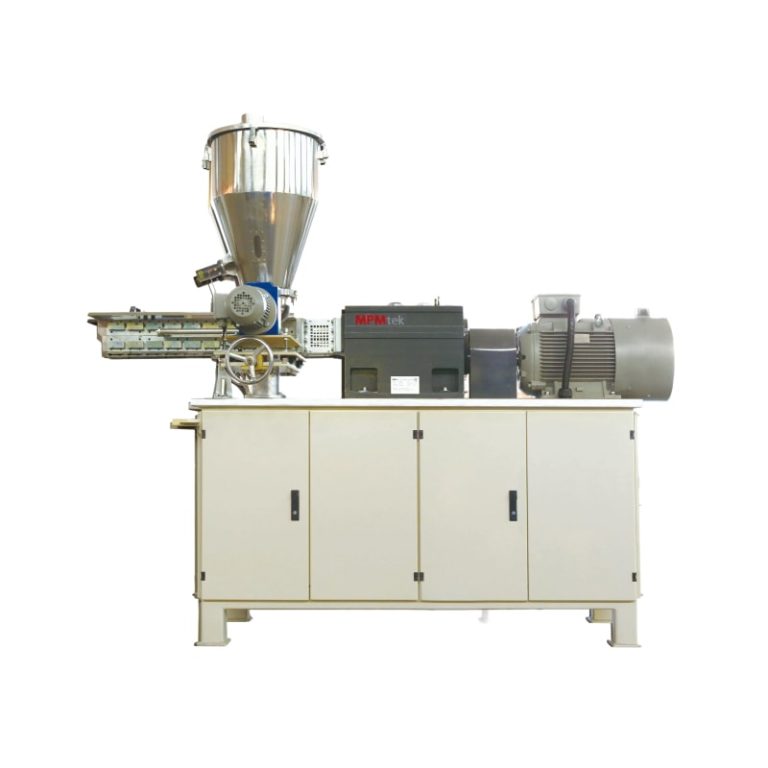
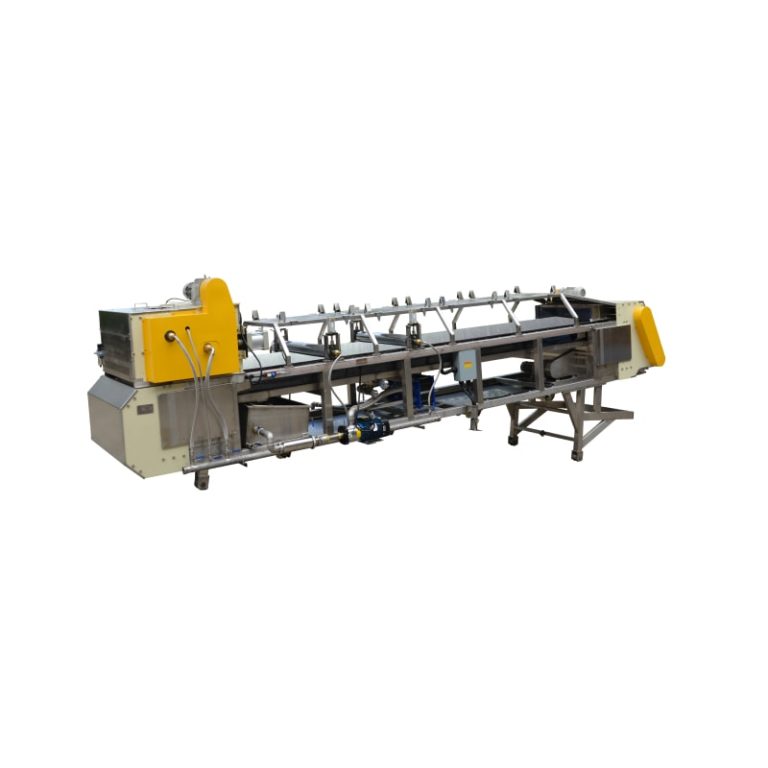
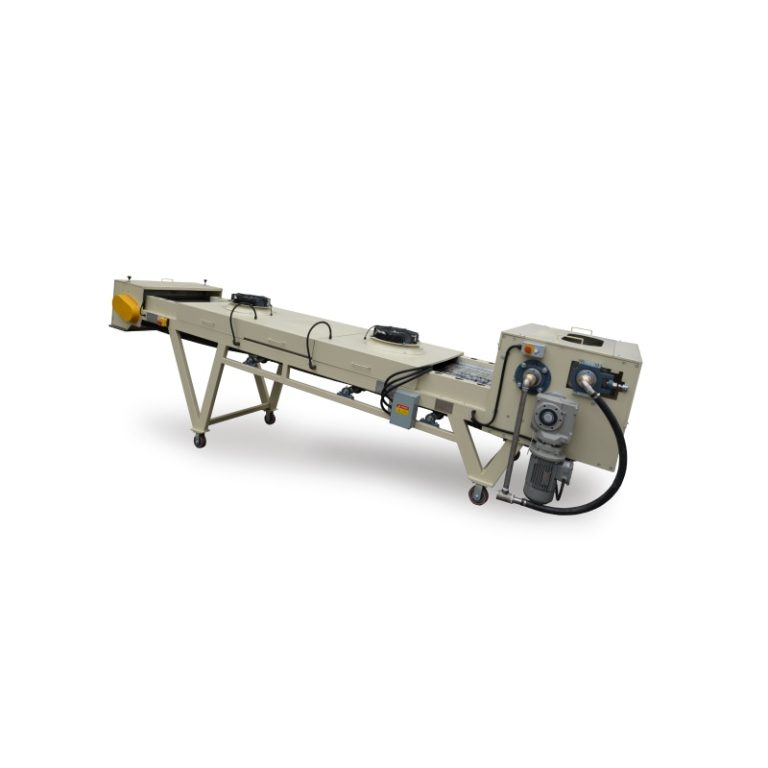
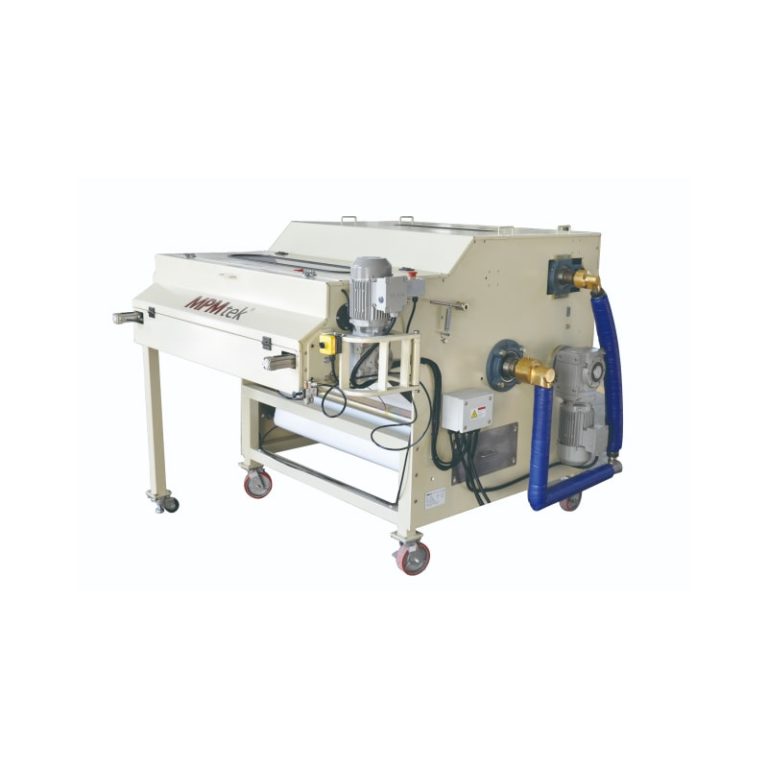
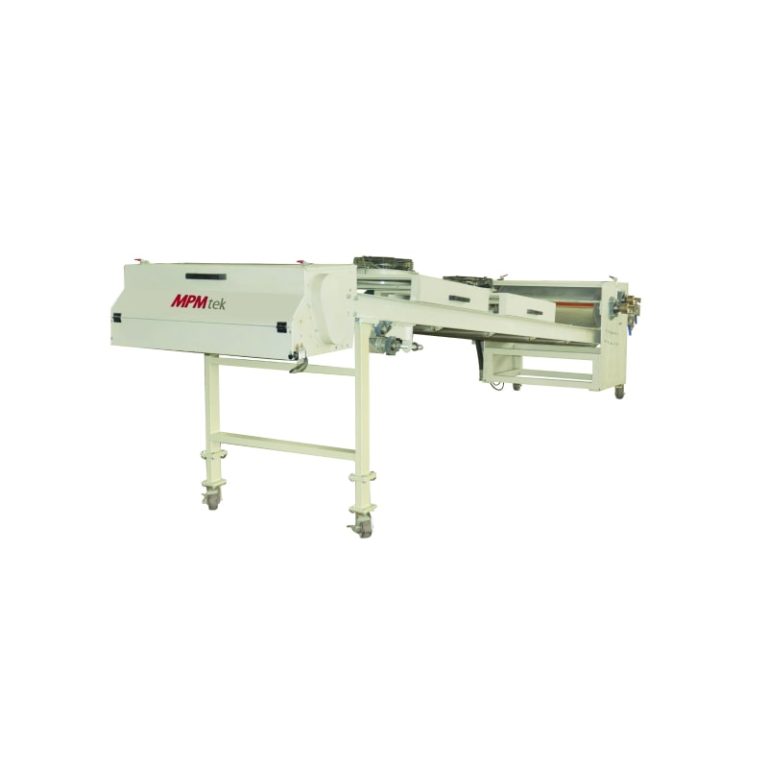
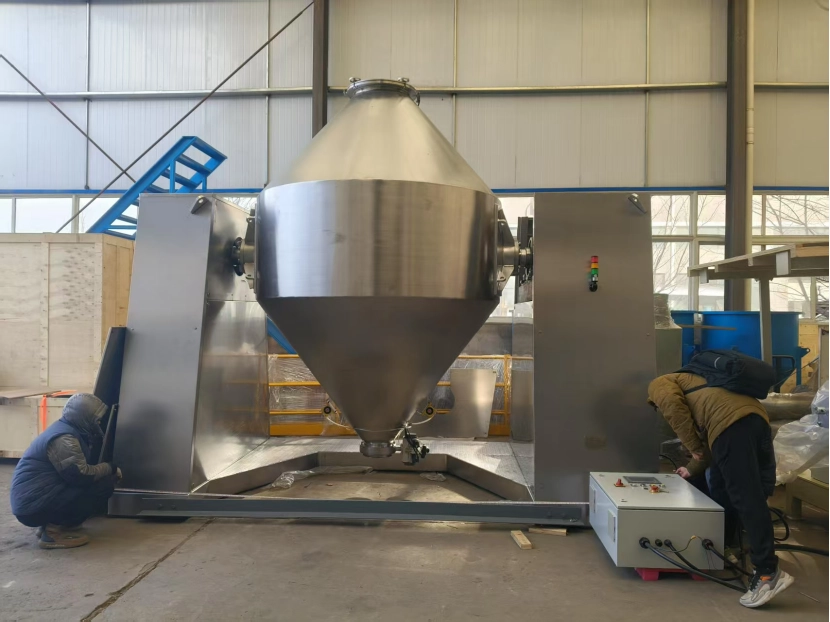
Mélangeurs à cônes, également connus sous le nom de mélangeurs à double cône ou mélangeurs à coquilles jumelles, sont des chevaux de travail dans des industries allant des produits pharmaceutiques aux produits chimiques et aux plastiques. Si la sécurité est’ t intégré à chaque étape de leur conception, les dangers peuvent rapidement dépasser les gains. De l'arrêt des explosions de poussière à la coupe du contact des travailleurs et des pannes de machine, les mesures de sécurité appropriées ne sont pas seulement des règles à suivre - elles ’ re vital pour un travail stable au fil du temps et pour maintenir les produits en bonne forme.
Aperçu des mélangeurs à double cône dans les applications industrielles
Rôle fonctionnel dans le traitement des poudres
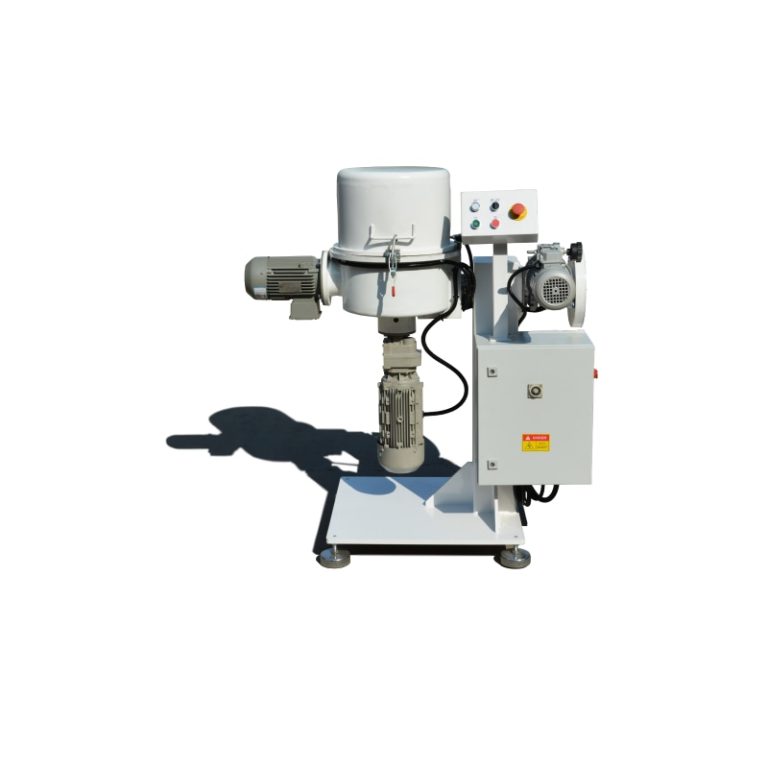
Les mélangeurs à double cône sont couramment utilisés pour mélanger des poudres sèches et des granules dans des domaines qui ont besoin de précision et de stabilité, tels que les médicaments, le travail chimique et le revêtement en poudre. Leur forme de cône filateur permet un mélange complet côte à côte et haut et bas. Cela fonctionne bien pour les objets qui sont fragiles, flexibles, libres ou pas lourds.
Mélangeurs à cônes peut mélanger des matériaux croustillants, ductiles, lâches et légers. Ce mélange régulier assure la répartition uniforme des particules. Et ça’ s clé pour les étapes suivantes comme le pressage, la poussée ou le recouvrement. Par exemple, dans le revêtement en poudre, un mauvais mélange peut provoquer des différences de couleur ou des couches inégales.
Défis opérationnels communs
Même avec leurs avantages, les mélangeurs à double cône apportent certains problèmes:
- Risques de mélange de lots faux si le nettoyage est’ t suffisant.
- L'accumulation de poussière pendant le remplissage et le vidage soulève les dangers respiratoires et crée des taches à risque.
- L'usure due au tournage constant et aux matériaux rugueux peut affaiblir la construction au fil du temps.
Ces questions montrent pourquoi il’ s clé pour ajouter des équipements de sécurité industrielle et des étapes directement dans la configuration du mélangeur.
Caractéristiques de sécurité structurelle dans les mélangeurs à double cône modernes
Matériaux de construction renforcés
Pour traiter les poudres brutes ou réactives, les mélangeurs actuels utilisent de l'acier inoxydable de haute qualité ou des alliages qui luttent contre la rouille. Ces matériaux durent longtemps et sont faciles à nettoyer.
Lissez les surfaces internes pour minimiser l'accumulation de résidus et faciliter le nettoyage. Cette finition même réduit le collage du matériau - une cause courante de saleté et de lots inégaux.
Systèmes de soulagement de pression et d'intégrité sous vide
De nombreux travaux de mélange utilisent des configurations sous vide pour arrêter l'oxydation ou améliorer la qualité du mélange. Les unités modernes disposent de vannes de soulagement de pression pour éviter trop de pression et maintenir l'équilibre interne en sécurité. Vannes de soulagement intégrées pour éviter la surpression lors du mélange sous vide.
De plus, les conceptions scellées protègent la résistance au vide en empêchant l'entrée d'air indésirable. C'est un gros problème lorsqu'il s'agit de poudres qui détestent l'humidité ou peuvent prendre feu.
Mesures de sécurité de l'opérateur intégrées à la conception du mélangeur
Mécanismes d'interverrouillage pour le contrôle d'accès
Pour protéger les travailleurs de frapper des pièces mobiles par erreur, les serrures de sécurité sont un must. Ces configurations assurent que les portes restent fermées jusqu'à ce que la rotation s'arrête complètement et que l'électricité soit éteinte.
Les portes ou les trappes restent verrouillées jusqu'à ce que le mélangeur soit complètement arrêté et désactivé. Ces pièces sont particulièrement importantes lors du nettoyage ou des réparations, quand un démarrage soudain pourrait entraîner de grands problèmes.
Systèmes d'arrêt d'urgence et remplacements manuels
Les paramètres d'arrêt d'urgence sont maintenant de base dans les équipements de sécurité industrielle. Placer où les travailleurs peuvent les atteindre rapidement, ils vous permettent d'arrêter les choses immédiatement si quelque chose d'étrange se produit ou en crise.
Les remplacements manuels ajoutent plus de contrôle lors des corrections ou des coupures d'alimentation, de sorte qu'aucun travailleur ne se trouve coincé sans choix.
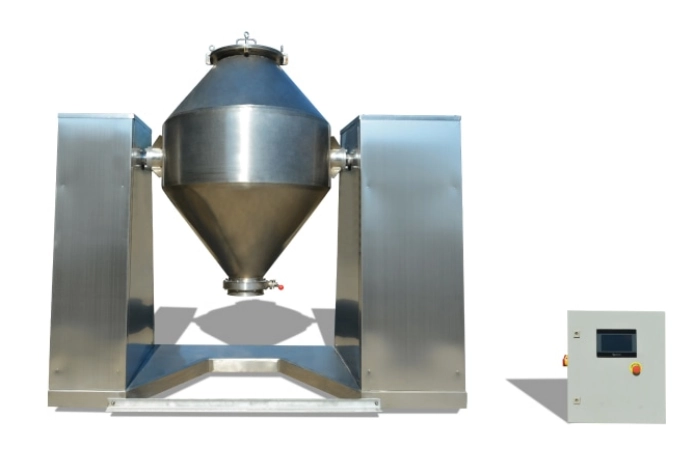
Automatisation et systèmes de contrôle
Contrôleurs logiques programmables (PLC) avec protocoles de sécurité
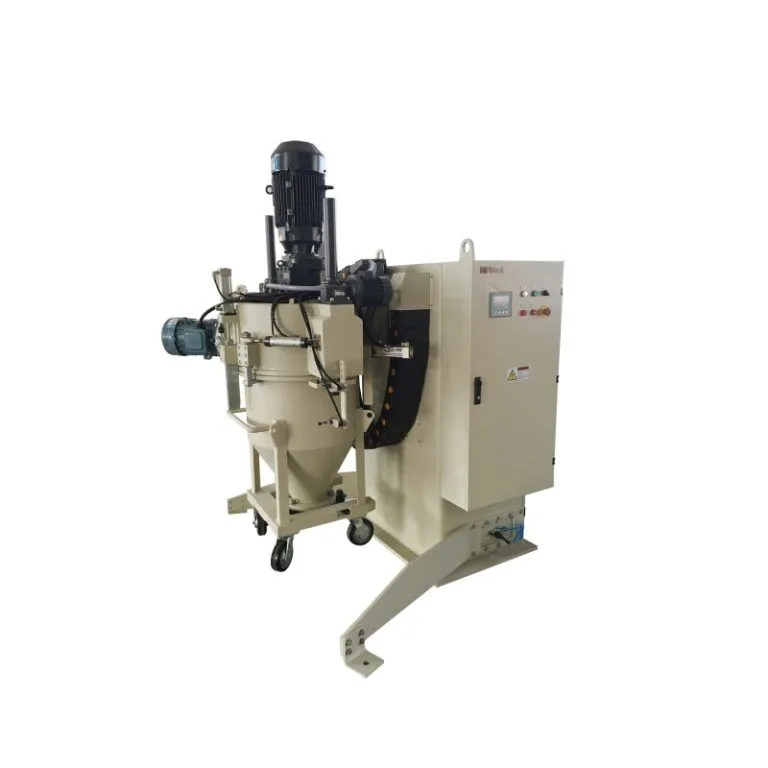
Aujourd'hui’ s mélangeurs à coquilles jumelles sont souvent livrés avec des PLC qui surveillent les détails de mélange tels que la vitesse, la force et la chaleur. Si un détail dépasse les limites définies, les étapes d'arrêt automatique commencent immédiatement pour arrêter les dommages ou les points dangereux.
Interface homme-machine (HMI) avec fonctions d'alarme
Les avertissements en direct sur les écrans HMI informent les travailleurs de problèmes tels que les erreurs de porte, les surcharges de moteur ou les secoussements étranges. Le contrôle PLC à écran tactile rend ces avertissements plus faciles à obtenir tout en guidant le personnel à travers des étapes sûres du début à la fin.
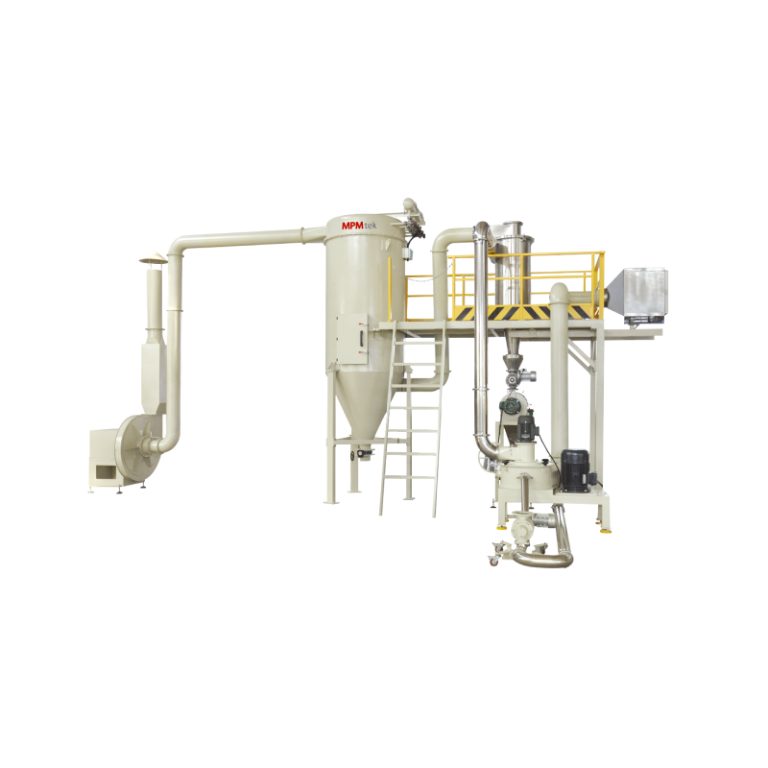
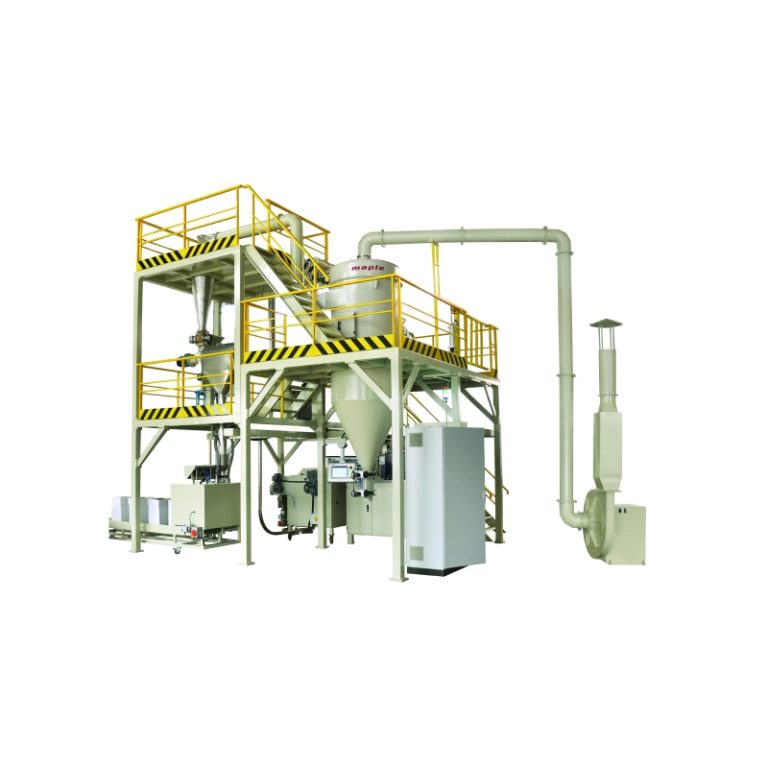
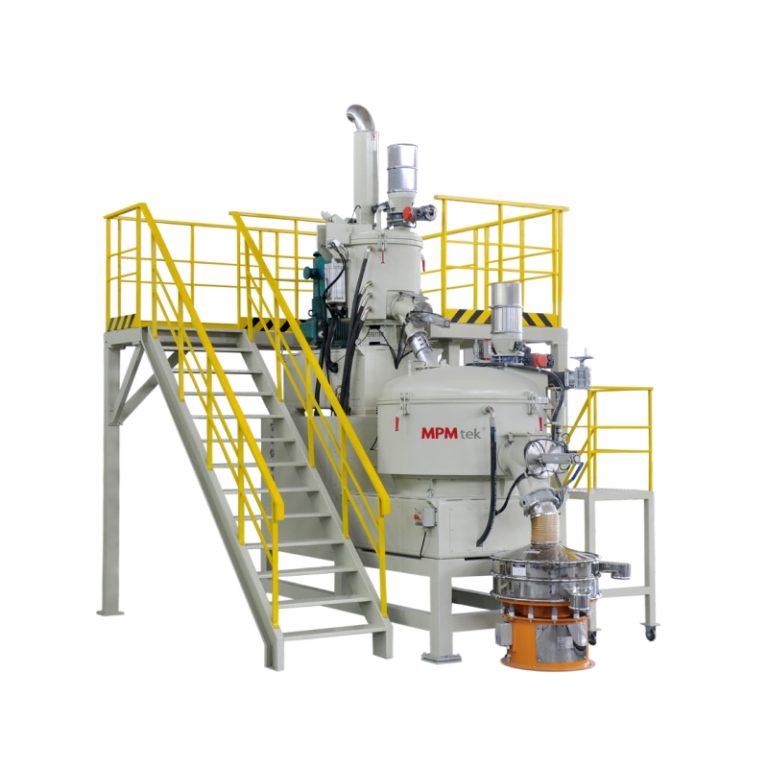
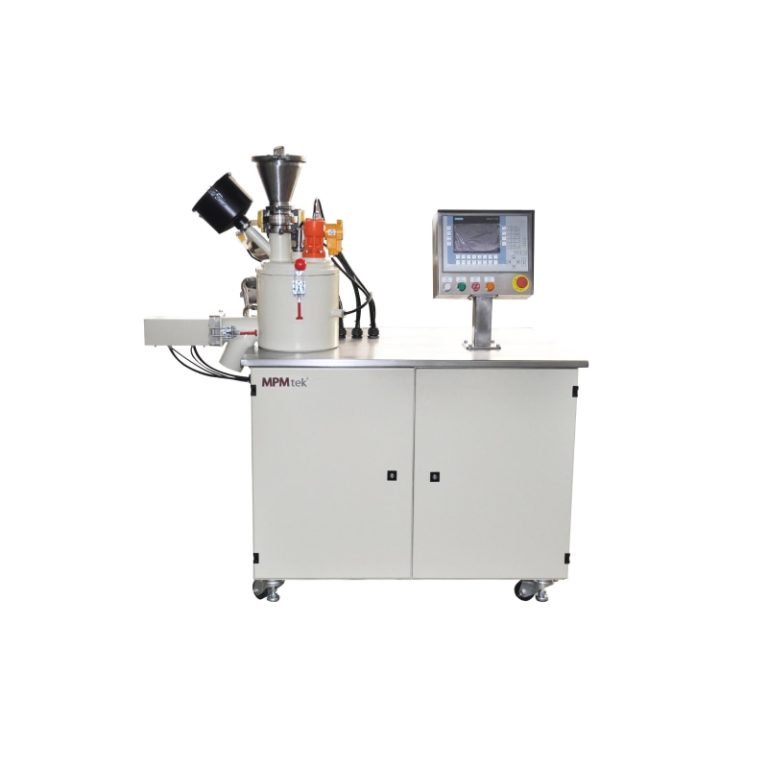
Marques comme MPMtek, un fournisseur professionnel d'équipements de production de revêtement en poudre, ont incorporé ces normes dans leurs lignes de machines haut de gamme.
Caractéristiques de contrôle de la poussière et de prévention des explosions
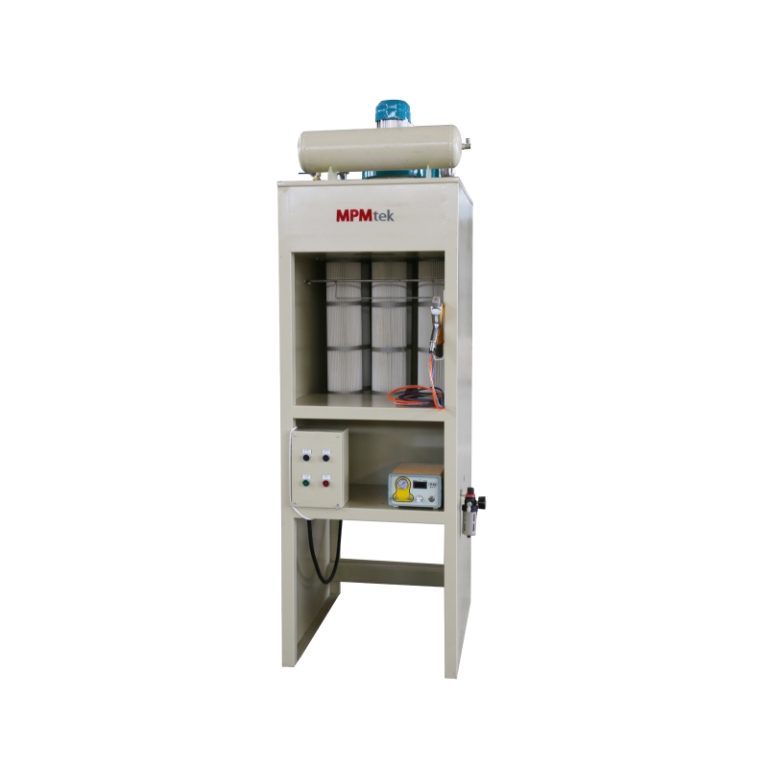
Systèmes de chargement/déchargement scellés avec ports d'extraction de poussières
La poussière est’ t juste un désordre—it’ C'est un danger. Systèmes fermés avec des taches d'extraction réduisent la propagation des particules lors du remplissage et du vidage.
Cela réduit le contact des travailleurs et arrête l'accumulation de poussière qui peut brûler dans la zone de travail - un véritable coup de pouce pour la sécurité au travail.
Conformité aux normes ATEX ou NFPA pour les poudres combustibles
Lors du travail avec des poudres qui peuvent brûler, il est indispensable de suivre les règles ATEX (UE) ou NFPA (États-Unis). Cela signifie utiliser des moteurs qui ont gagné’ t exploser et mettre à la terre tous les morceaux métalliques pour éviter les étincelles statiques.
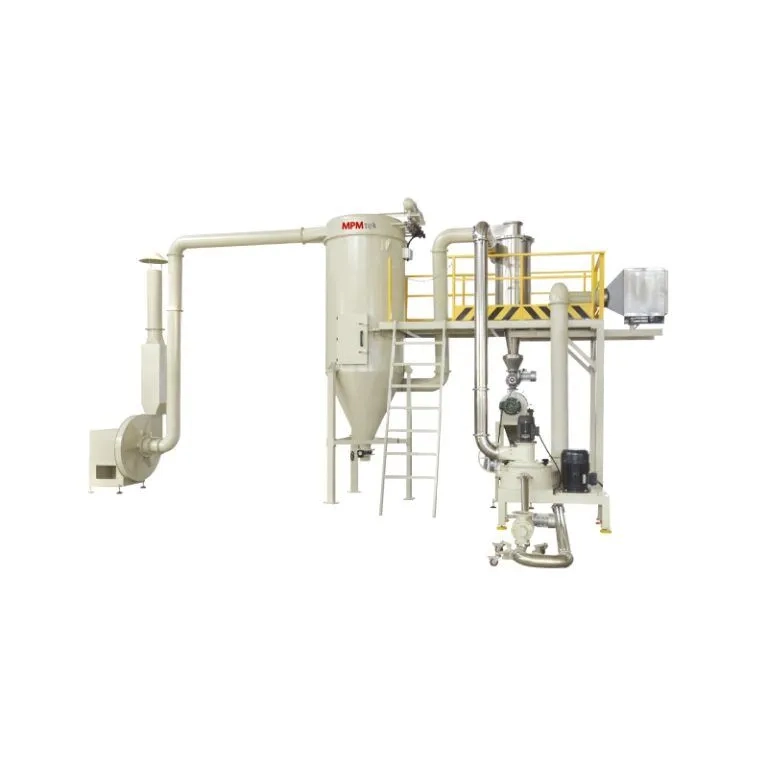
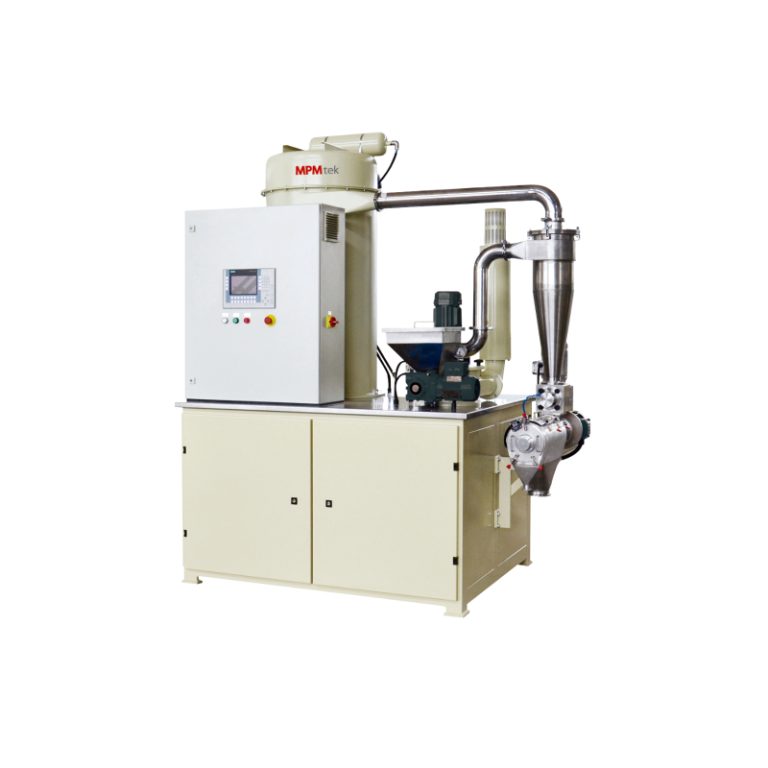
Le système de pulvérisation de micro poudre résistant à l'explosion PSR11 de la série PSR d'ACM est conçu et fabriqué selon les normes pertinentes de la Chine (GB) et de l'UE (EN), et répond aux normes pertinentes de la résistance aux chocs de pression PSR11.
MPMtek’ Son engagement envers la sécurité, l’automatisation, l’efficacité et la protection de l’environnement reflète son accent sur la conformité sur les marchés internationaux.
Nettoyage, entretien et prévention de la contamination
Compatibilité Clean-In-Place (CIP) pour les opérations hygiéniques
Pour éviter le nettoyage des mains, qui place souvent les travailleurs près des restes de bagages, de nombreuses unités disposent de systèmes Clean-In-Place. Les buses de pulvérisation intégrées lavent bien les surfaces intérieures sans démonter les choses.
Cela ne maintient pas seulement les lots propres, mais réduit également beaucoup le temps de réparation.
Composants de démontage sans outil pour un accès sécurisé à l'entretien
Là où vous devez démonter, les systèmes sans outils avec pinces rapides le rendent plus sûr et plus rapide. Les travailleurs peuvent retirer des pièces pour des contrôles sans équipement spécial ou beaucoup de formation.
Encore une fois, ces fonctionnalités aident à réduire les temps d'arrêt tout en respectant les règles de sécurité - un petit gain qui s'accumule.
Considérations relatives à la conformité réglementaire et à la certification
Conformité aux lignes directrices de sécurité OSHA, CE et ISO
Les machines dans les milieux de travail doivent respecter les règles de zone telles que les normes OSHA (États-Unis), CE (UE) ou ISO. Ceux-ci s'assurent que la construction est forte et fonctionne en toute sécurité dans des cas normaux ou étranges.
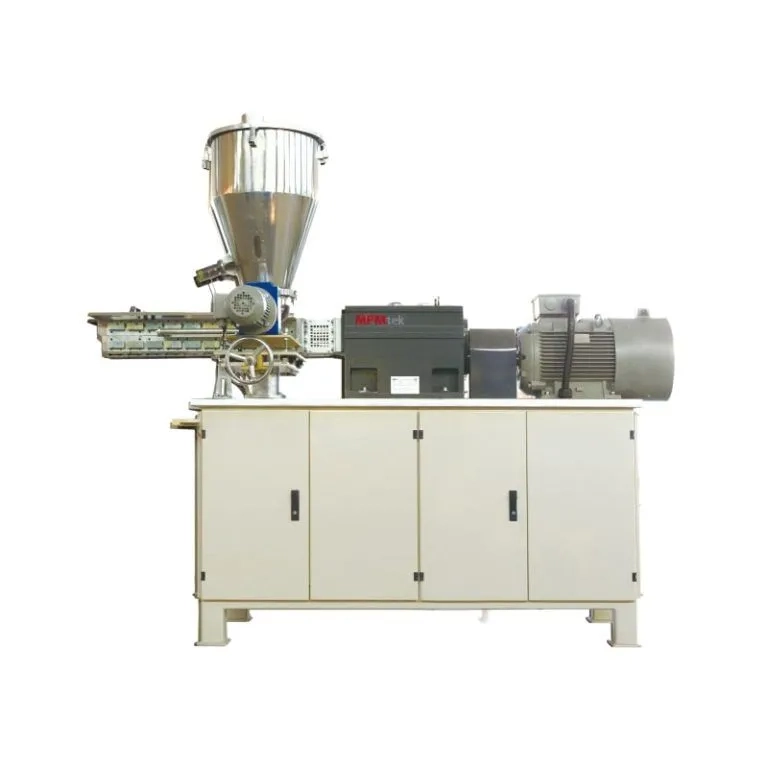
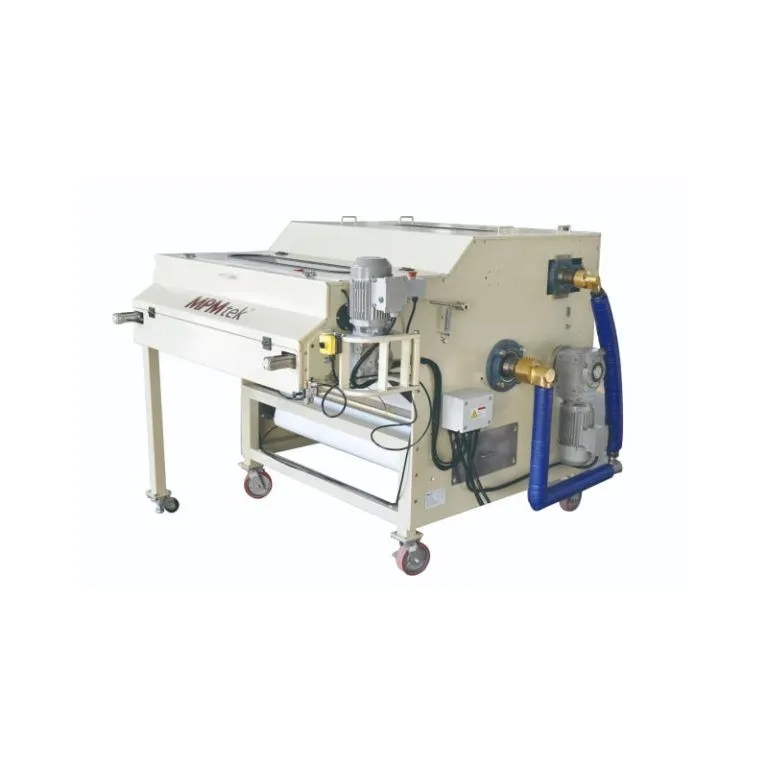
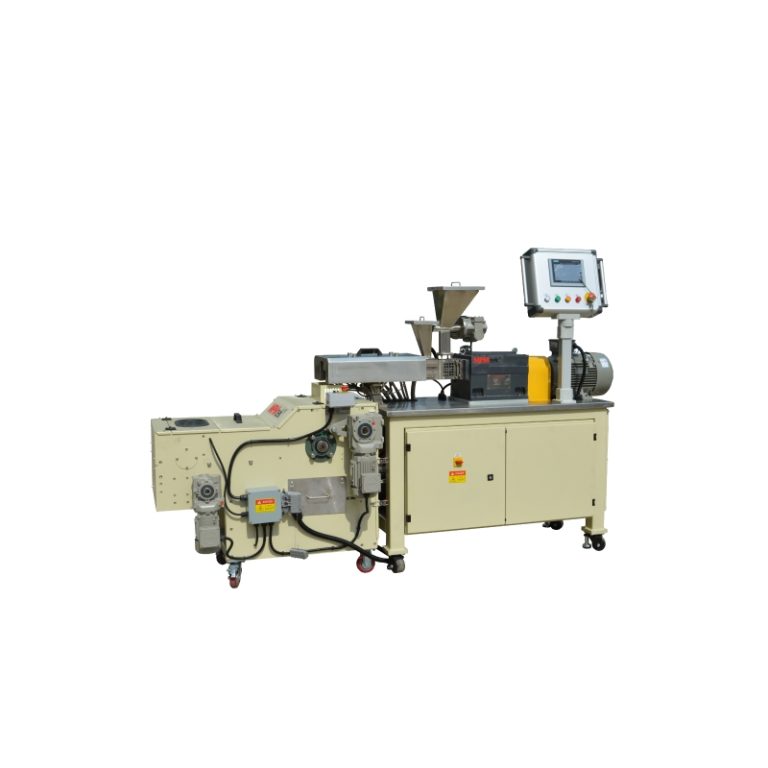
La conception et la structure du prémélangeur, de l'extrudeuse, de la presse à comprimés, du système de pulvérisation de micro poudre ACM et de la machine de collage répondent aux exigences des normes de l'UE pertinentes (directive électrique à basse tension 2014/35/UE, directive machines 2006/42/CE).
Documentation et support de formation fournis par les fabricants
Une bonne documentation, y compris des guides d'utilisateur complets, et une formation planifiée aident les travailleurs à savoir comment utiliser toutes les fonctionnalités en toute sécurité. Ceci est la clé pour réduire les risques sur la machine’ toute la vie.
Questions fréquentes
Q: Quels matériaux conviennent pour le mélange dans un mélangeur à double cône?
Poudres et granules secs, y compris des matériaux croustillants, ductiles, lâches ou légers, couramment utilisés dans les industries pharmaceutique, alimentaire et de revêtement en poudre.
Q: Comment un mélangeur à double cône empêche-t-il la contamination croisée?
Grâce à des surfaces internes lisses, des systèmes Clean-In-Place et un démontage sans outils qui permettent un nettoyage approfondi entre les lots.
Q: Les mélangeurs modernes sont-ils à l'épreuve d'explosions?
Oui, lors de la manipulation de poudres combustibles, les conceptions certifiées comprennent des moteurs anti-explosion et des composants mis à la terre conformes aux normes ATEX ou NFPA.
Q: Quel rôle jouent les PLC dans la sécurité du mélangeur?
Les PLC surveillent les paramètres opérationnels tels que la vitesse et le couple; ils déclenchent automatiquement des arrêts si des conditions dangereuses sont détectées.
Q: MPMtek fournit-il un soutien après l'installation de l'équipement?
- Oui, oui. Ils fournissent une documentation détaillée et des programmes de formation des opérateurs qui soutiennent l'utilisation sûre de l'équipement tout au long de son cycle de vie.