Il prezzo per iniziare una linea di produzione di rivestimento a polvere differisce molto. Esso va da una spesa di base per piccole operazioni a una grande quantità per configurazioni automatizzate complete. Il problema principale va oltre la fattura iniziale: devi capire cosa spinge i prezzi e come le scelte influenzano le prestazioni in corso. Le persone che ottengono questi punti fanno acquisti più intelligenti. Esfuggono i costi sorpresa che emergono lungo la strada.
Cosa include una linea di produzione di rivestimento a polvere
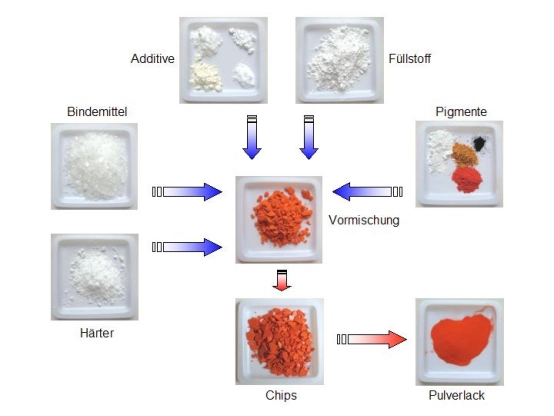
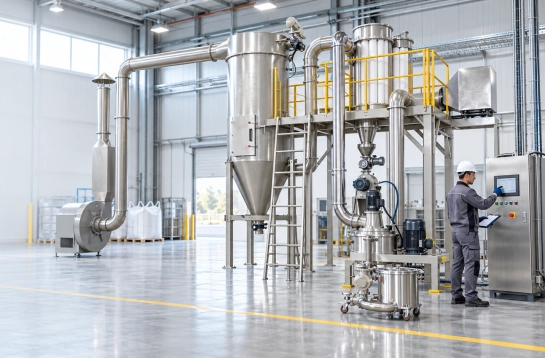
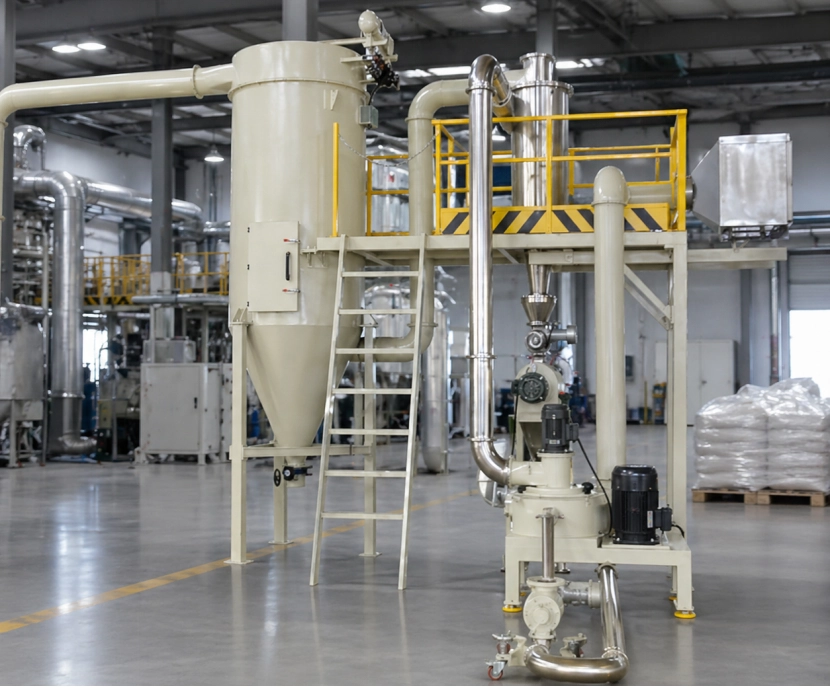
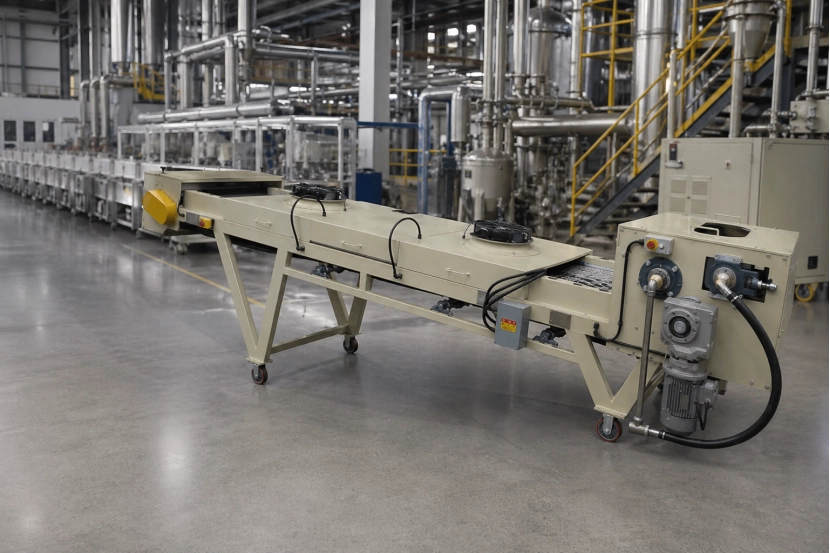
Una linea di produzione standard di rivestimento a polvere dispone di strumenti chiave. Questi includono miscelatori, estrusori, nastri di raffreddamento, macinatori (o mulini), classificatori e sistemi di imballaggio. Ogni passo si occupa di un determinato compito. Ad esempio, la miscelazione gestisce ingredienti grezzi. L'estrusione scioglie e diffonde la resina. Il raffreddamento indure la miscela. La macinazione la trasforma in polvere fine. Classificazione delle dimensioni delle particelle. Imballaggio avvolge per la spedizione.
La configurazione varia in base ai tuoi obiettivi di output. Le linee semiautomatiche richiedono lavoro pratico, ma costano meno per iniziare. I sistemi completamente automatici collegano alimentazione, miscelazione, estrusione, raffreddamento e imballaggio. Utilizzano i controlli centrali. Ciò è adatto ai grandi produttori che vogliono risultati costanti e meno lavoratori.
Fattori che influenzano l’investimento totale
Alcune cose modellano il prezzo completo di una linea di produzione di rivestimento a polvere:
- Capacità di produzione: Le linee più grandi con più output richiedono un ingranaggio più grande e energia extra.
- Qualità del materiale: Le unità realizzate in acciaio superiore o parti straniere sono più costose. Ma resistono meglio nel tempo.
- Livello di automazione: I controlli PLC intelligenti aumentano la precisione. Tuttavia, aumentano il prezzo di partenza.
- Personalizzazione: Miscoli unici o interruttori di colore rapidi spesso richiedono build personalizzati o componenti aggiuntivi.
Comprendere questi elementi ti consente di scegliere se un outfit di base o una sofisticata piattaforma automatica corrisponde alla tua configurazione.
Scomporre i principali componenti dei costi
Con le parti chiave in mente, puoi individuare dove i tuoi fondi si dirigono per lo più.
Costi delle attrezzature
Gli strumenti principali come estrusori, miscelatori e mulini occupano circa il 60-70% della spesa totale. Le versioni di base funzionano per le polveri di tutti i giorni. Tuttavia, le opzioni su misura - pensate agli estrusori a doppia vite o alle configurazioni combinate di raffreddamento e macinazione - aumentano il prezzo. Scegliere marchi solidi sembra ripido all'inizio. Ma taglia le interruzioni e risolve più tardi. Molti lo trovano’ è più saggio andare per l'attrezzatura dura in anticipo che affrontare regolazioni costanti.
| Tipo di attrezzatura | Funzione | Cost Share approssimativa |
| Mixer & Alimentatore | Prepara le materie prime | 10–15% |
| estrusore | Fuse & dispersa resina | 20–25% |
| Cintura di raffreddamento | Solidifica il materiale | 10% |
| ACM Mulino | Produce polvere fine | 25–30% |
| Sistema di imballaggio | Imballaggio finale | 5–10% |
Spese di installazione e messa in servizio
Dopo aver ottenuto l'attrezzatura, le spese di installazione si accumulano. Questi coprono i piani di layout dell'impianto, il cablaggio, i progetti di flusso d'aria e il posizionamento della macchina. Un buon avvio controlla le impostazioni di sintonia come i livelli di calore, i giri della vite e i flussi d'aria. Dovresti addestrare i lavoratori proprio allora. Le squadre addestrate individuano rapidamente i problemi e mantengono le corse senza problemi. Un'installazione solida solleva l'output e soddisfa le regole di sicurezza.
Costi operativi da considerare
La configurazione finisce, ma le fatture giornaliere continuano a modellare i tuoi guadagni:
- Elettricità: Le esecuzioni non-stop di estrusori e macinatrici utilizzano molta potenza.
- Lavoro: Le caratteristiche auto riducono le esigenze del personale. Ma vuoi ancora che i tecnici guardino le cose.
- Manutenzione: I controlli di routine impediscono i fallimenti. L'accesso rapido alle parti di backup riduce il tempo perso.
Ottieni il miglior valore corrispondendo i livelli automatici per eseguire la fluidità.
Confronto delle diverse configurazioni della linea di produzione
Le diverse dimensioni delle piante richiedono disposizioni diverse. Vedere come la produzione influenza i prezzi e i risultati aiuta i passi futuri.
Linee di piccole vs. grandi capacità
Le piccole linee producono 100-300 kg all'ora. Si adattano a nuove imprese o produttori focalizzati che provano ricette fresche. Le grandi piante gestiscono 500 kg all'ora o tonnellate alla volta. Alta produzione significa più contanti in anticipo. Eppure riduce i costi per unità grazie ai risparmi massicci.
Se la domanda sembra tremente, inizia con modestia. Ma costruisci la tua base per crescere più tardi senza scambiare tutto.
Linee di produzione automatizzate vs. autonome
Le impostazioni automatiche legano tutti i passaggi tramite i pannelli principali con il tracciamento in diretta. Limitano gli errori e i lotti costanti. Le macchine separate offrono spazio per prove o piccoli lavori. Ma richiedono più collegamento manuale tra le parti. Scegli in base a se si variano i prodotti o mantenere i volumi costanti.
I costi nascosti gli acquirenti spesso trascurano
Alcune fatture saltano le quotazioni. Eppure colpiscono forte se li salti nei piani.
Requisiti strutturali e esigenze infrastrutturali
Una linea di produzione di rivestimento a polvere richiede spazio sufficiente. Questo riguarda non solo le macchine, ma anche percorsi chiari per le merci e l'accesso fisso. I sistemi di aria bloccano l'accumulo di polvere. I collettori mantengono l'aria pulita per soddisfare le regole ecologiche. La potenza costante è importante poiché le immersioni possono danneggiare i controlli. Impostare tubazioni di pressione dell'aria e linee di raffreddamento dell'acqua proprio prima dell'inizio.
Attrezzature di controllo della qualità e strumenti di prova
Controlli costanti in ogni punto. Attrezzature extra come miscelatori di laboratorio, forni di prova, tester di lucentezza o controllori di dimensioni potrebbero sembrare extra all'inizio. Ma si dimostrano vitali mentre crescete. Buoni strumenti di controllo della qualità garantiscono una sensazione uniforme della polvere, modelli di cura e abbinamenti di tonalità. Questi mantengono gli acquirenti felici lotto dopo lotto.
Come valutare i fornitori per l'efficienza dei costi
La scelta del fornitore determina la spesa iniziale e la stabilità della gestione futura.
Valutare le capacità e l'esperienza dei fornitori
Fai squadra con un produttore esperto in attrezzature di rivestimento a polvere per la tecnologia solida fin dall'inizio. Guarda gli elenchi dei clienti dei lavori precedenti come il tuo in dimensioni. I timbri ISO9001 mostrano che aderiscono alle norme di costruzione. La cronologia del servizio mostra le soluzioni rapide quando colpisce un problema, un punto che la gente spesso perde fino a quando non morde.
Richiedere preventivi dettagliati e proposte tecniche
Un preventivo completo elenca gli elementi dell'ingranaggio con dettagli (come la forza del motore, la velocità di uscita). Copre garanzie, tempi di spedizione, gamma di configurazione, formazione, elenchi di ricambio, fatti sull'uso di energia e assistenza di follow-up. Quando si confronta, non’ t solo occhio il tag. Verifica il risparmio energetico, la resistenza della costruzione (come i punti touch in acciaio), i vantaggi automatici come i PLC dello schermo e le opzioni di aiuto nelle vicinanze.
Strategie per ottimizzare il vostro investimento in una linea di produzione di rivestimento a polvere
Conoscere i punti di spesa ti consente di acquistare taglienti, non solo economici.
Bilancio con valore a lungo termine
Top gear allunga i portafogli presto. Ma risparmia sulle correzioni e mantiene la produzione per anni. Le costruzioni flessibili consentono di aggiungere bit in seguito, come un altro macinatore o alimentatore automatico, senza scambi completi. Questo controlla il denaro contante mentre supporta l'espansione.
Collaborazione con produttori affidabili come MPMtek
Link con produttori di fiducia che offrono pacchetti completi. Facilitano la gestione dai piani alla configurazione e alle lezioni del personale. Inoltre, le parti mesh bene. I loro consigli sono personalizzati per i tipi di polvere (epossidi o poliestere), le uscite di obiettivo o le esigenze di sicurezza locali. Quindi ogni dollaro aumenta il lavoro, non le correzioni o i componenti aggiuntivi.
Una linea di produzione intelligente per rivestimenti a polvere va oltre gli strumenti di presa. Crea una configurazione fluida che pesa l'output contro l'uso duraturo.
Domande frequenti
Q1: Quanto costa una piccola linea di produzione di rivestimento a polvere?
Una piccola linea semiautomatica può iniziare intorno a decine di migliaia di dollari a seconda della capacità e del livello di automazione.
Q2: Qual è la durata di vita tipica delle attrezzature di rivestimento a polvere?
Con manutenzione regolare e condizioni di funzionamento adeguate, la maggior parte delle macchine di base dura da 8 a 15 anni prima che siano necessarie grandi ristrutturazioni.
Q3: Posso espandere la mia linea esistente in seguito?
Sì, i sistemi modulari consentono aggiunte incrementali come estrusori extra o macinatrici aggiornate senza sostituire completamente le unità esistenti.
Q4: Quanto è importante l'automazione nel controllo dei costi?
L'automazione riduce i bisogni di manodopera e migliora la coerenza; Sebbene i costi iniziali aumentino leggermente, i risparmi operativi di solito li compensano entro pochi anni.
Q5: Cosa dovrei controllare prima di scegliere un fornitore di attrezzature?
Valutare la competenza tecnica, i riferimenti di progetti passati simili in scala alla tua, la reattività del supporto post-vendita, la durata della garanzia e la disponibilità dei ricambi a livello locale.