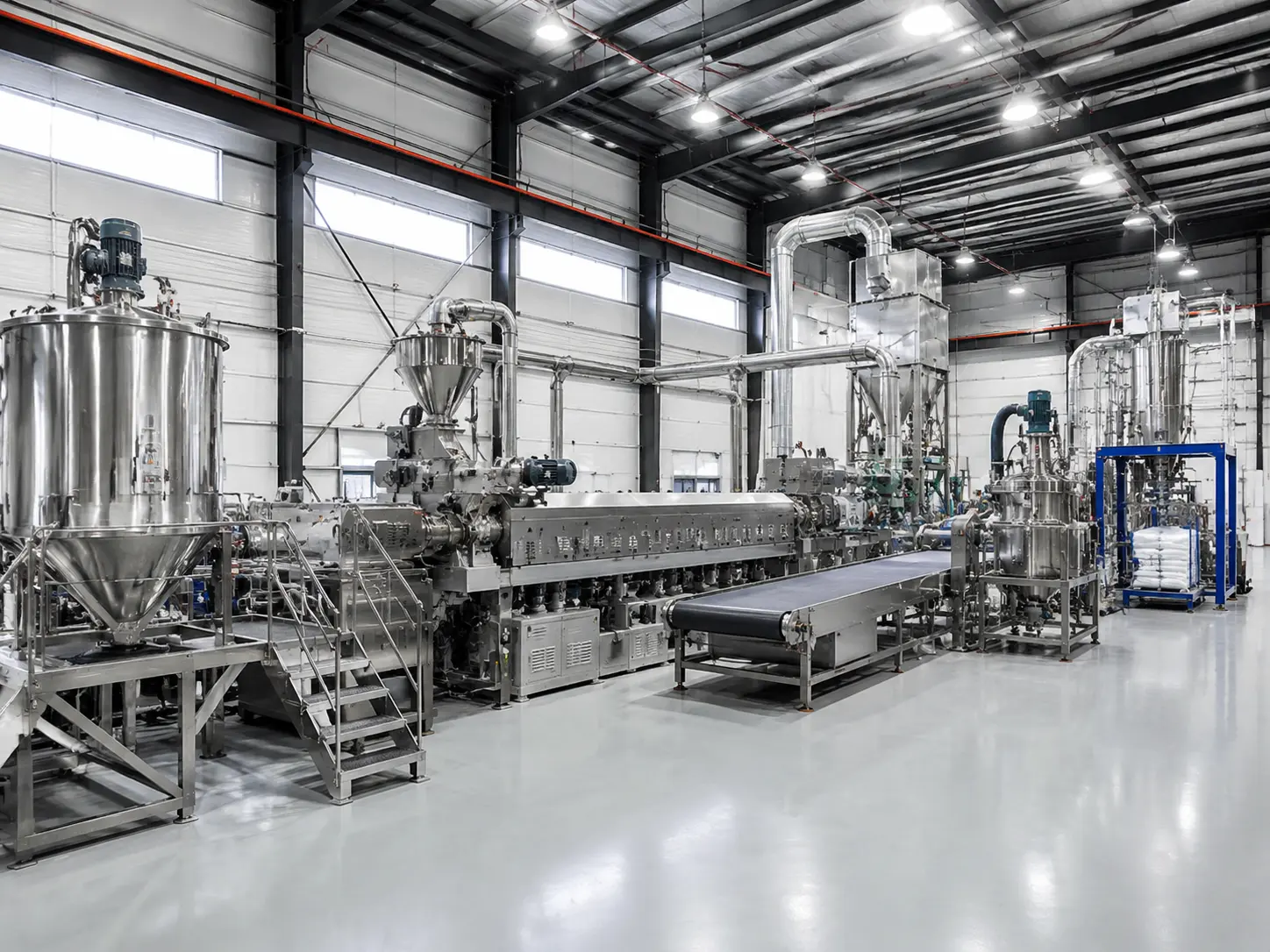
Un Linea di produzione di verniciatura a polvere da 500 kg/h Offre un buon equilibrio. Unisce una produzione costante a una solida qualità del prodotto. La progettazione di un sistema di questo tipo richiede più che semplici macchinari. È necessario valutare come ogni fase si integri con le altre, dall'alimentazione delle materie prime fino al confezionamento. L'obiettivo rimane lo stesso: vernici in polvere uniformi e ad alte prestazioni che superino i controlli industriali.
Cos'è una linea di produzione di verniciatura a polvere?
Una linea di produzione di verniciatura a polvere è un sistema completo che produce polveri termoindurenti o termoplastiche. Queste polveri vengono applicate sulle superfici per ottenere una finitura di qualità. La linea trasforma materiali di base come resine, pigmenti e agenti indurenti in polvere finissima. Tale polvere viene poi utilizzata per la spruzzatura elettrostatica su metallo e altri supporti.
L'importanza della pianificazione della capacità produttiva
Definire una capacità produttiva precisa, ad esempio 500 kg/h, è fondamentale. Influisce sulle spese, sulla disposizione degli impianti e sulla fluidità del lavoro quotidiano. Se le vendite previste non corrispondono alla capacità installata, si rischia di avere macchinari inattivi o colli di bottiglia nel flusso produttivo.
Anche la capacità influenza questi ambiti:
- Dimensionamento delle apparecchiature – la coppia sull'estrusore e la larghezza dell' cintura di raffreddamento entrambi crescono con la produzione.
- Utilizzo energetico – le linee più grandi necessitano di scelte intelligenti in termini di motori e di metodi per riutilizzare il calore.
- Stabilità della qualità – una portata stabile mantiene inalterati colore e dimensione delle particelle da un lotto all'altro.
Bisogna bilanciare gli obiettivi di produzione con i controlli di qualità. Lavorare a pieno regime serve a poco se la polvere inizia a variare.
Componenti principali di una linea di produzione di verniciatura a polvere da 500 kg/h
Ogni componente della linea ha una funzione specifica. Insieme, mantengono costanti le proprietà della polvere.
Sistema di alimentazione e premiscelazione delle materie prime
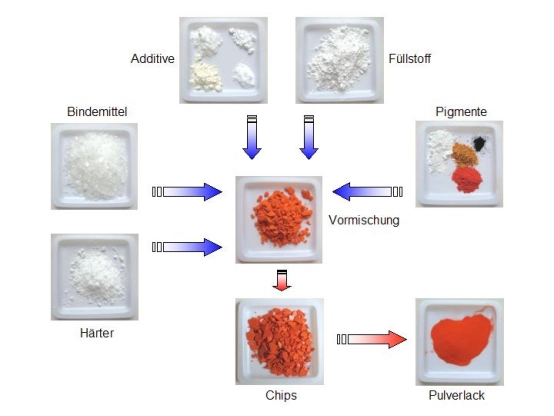
Gli ingredienti comuni sono resine epossidiche o poliestere, agenti indurenti come TGIC o HAA, pigmenti colorati, additivi fluidificanti e riempitivi come solfato di bario o carbonato di calcio.
I premiscelatori miscelano questi ingredienti prima dell'estrusione. Una buona miscelazione previene la formazione di striature di colore in seguito. Gli impianti più recenti spesso utilizzano alimentatori automatici con celle di carico per un dosaggio preciso. Inoltre, rimangono chiusi per ridurre la polvere, contribuendo così alla sicurezza e alla pulizia.
Processo di estrusione e raffreddamento
L'estrusore bivite si trova al centro della linea. Fonde e distribuisce la miscela a temperature preimpostate, solitamente tra 90 e 120 °C. La velocità delle viti e il carico vengono regolati in modo che la miscela si amalgami completamente senza bruciarsi.
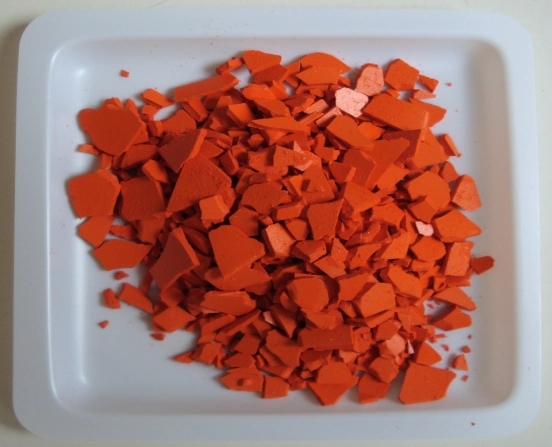
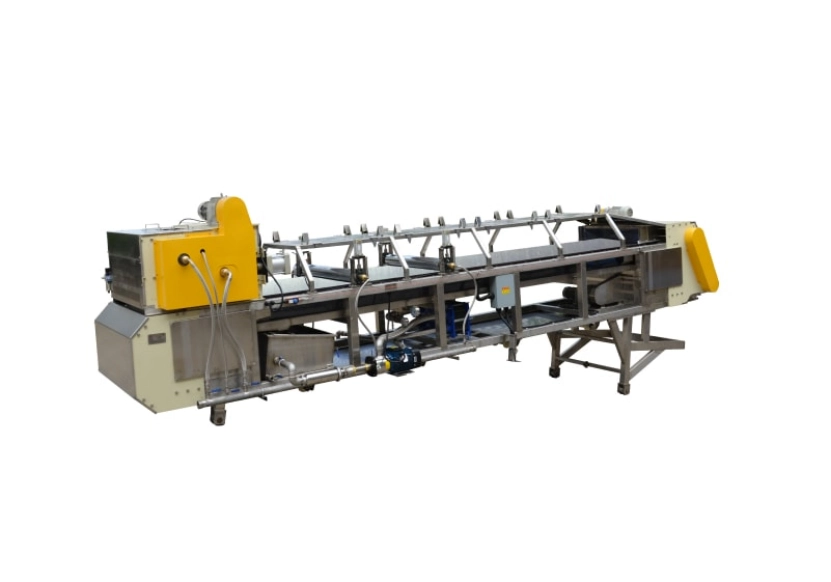
La miscela calda cade quindi su un nastro di raffreddamento. Si solidifica in sottili lamine e viene frantumata in scaglie pronte per la macinazione.
| Processo di produzione | Apparecchiature di lavorazione | Specifiche |
| Miscelazione | Mixer per contenitori | CMR-1000 |
| Estrusione | Estrusore a vite doppia | TSE-58D |
| raffreddamento | Cintura di raffreddamento in acciaio inossidabile | CCB-600 |
| Molatura | ACM Mulino | ACM-30 |
| Confezione | Pesatura e confezionamento automatici | AWP-30 |
Sezione di macinazione e classificazione
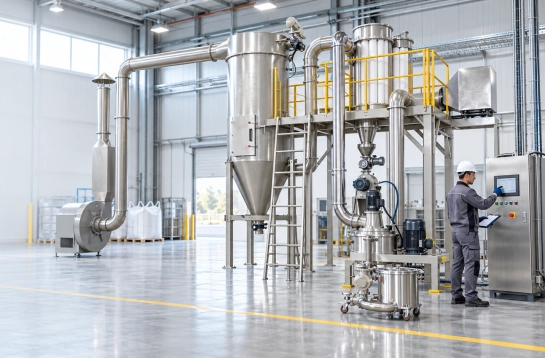
Dopo il raffreddamento, i chip vanno in un mulino ACM o mulino a perni. La granulometria target è generalmente compresa tra 20 e 100 µm. La classificazione ad aria separa le particelle più fini, lasciando indietro quelle più grossolane. Solo la polvere che soddisfa le specifiche passa alla fase successiva.
I sistemi di aspirazione delle polveri mantengono l'aria pulita e riducono il rischio di esplosione in questa zona a polveri sottili.
Unità di vagliatura, miscelazione e confezionamento
La setacciatura elimina eventuali pezzi di dimensioni eccessive o materiali estranei sfuggiti al mulino. La polvere di migliore qualità viene quindi miscelata in modo che il colore rimanga uniforme da un lotto all'altro.
Le linee di confezionamento automatiche riempiono sacchi o grandi contenitori, riducendo al minimo il rischio di contaminazione. Questa fase è fondamentale quando si lavorano molti colori diversi nello stesso impianto.
Progettazione di un layout efficiente per una produzione di 500 kg/h
Il modo in cui vengono posizionate le macchine influisce sia sulla produttività che sulla sicurezza.
Pianificazione degli spazi e ottimizzazione dei flussi di lavoro
Mantenere il flusso dei materiali in un'unica direzione. Le materie prime entrano da un'estremità e la polvere finita esce dall'altra. Ridurre al minimo gli incroci di traffico. Separare le zone pulite da quelle polverose. Garantire agli operatori percorsi liberi per la manutenzione senza interrompere la linea.
Strategie di disposizione delle attrezzature
Una disposizione verticale consente di risparmiare spazio a terra, ma rende più difficile il servizio. Una disposizione orizzontale facilita l'accesso, ma richiede più spazio. Una buona pratica si presenta così:
- L'estrusore alimenta direttamente il nastro di raffreddamento.
- Trasportatori chiusi portano i fiocchi frantumati al mulino.
- La polvere classificata passa alla fase di setacciatura e confezionamento senza ulteriori manipolazioni.
Instradate condotti, tubi e cavi in modo che non creino accumuli di polvere. Questo semplificherà anche eventuali aggiunte future.
Considerazioni sul controllo e l'automazione dei processi
L'automazione determina quanto il processo rimanga stabile e tracciabile nel tempo.
Livelli di automazione nelle moderne linee di verniciatura a polvere
I PLC gestiscono autonomamente temperature, velocità della vite, velocità di avanzamento e carichi della fresatrice. La registrazione dei dati tiene traccia della produzione e del consumo energetico, consentendo una successiva messa a punto. Integrando il sistema con SCADA o MES, è possibile monitorare i trend da qualsiasi luogo.
Sistemi di controllo qualità in tutte le fasi di produzione
Prelevare campioni durante l'estrusione per verificare la qualità della massa fusa. Dopo la macinazione, eseguire test granulometrici con strumenti laser o setacci. Verificare il colore con uno spettrofotometro confrontandolo con un campione di riferimento. Piccole variazioni in questa fase possono far risparmiare ingenti costi di rilavorazione in seguito.
Efficienza energetica e gestione ambientale nelle linee di produzione di verniciatura a polvere
Il risparmio energetico e la riduzione degli sprechi sono ormai parte integrante di qualsiasi piano aziendale solido.
Misure di risparmio energetico nei processi chiave
Le unità di recupero del calore prelevano il calore di scarto dalle camicie degli estrusori o dall'aria di scarico per riscaldare il materiale in ingresso. Gli azionamenti a frequenza variabile sui mulini interrompono l'alimentazione quando il carico diminuisce. Una buona progettazione delle tubazioni nei sistemi pneumatici riduce il consumo di aria compressa.
Soluzioni per la raccolta delle polveri e il controllo delle emissioni
Le zone in cui vengono lavorate polveri fini devono rispettare le normative antideflagranti. I filtri a sacco o a cartuccia catturano la polvere e mantengono bassa la caduta di pressione. Le vernici in polvere non contengono solventi, quindi le normative sui COV (composti organici volatili) sono facili da rispettare. Ciononostante, una buona pulizia quotidiana rimane fondamentale.
Selezione del fornitore di attrezzature più adatto per un progetto di linea da 500 kg/h
Collabora con produttori che conoscono bene la verniciatura a polvere, come MPMtekComprendiamo come si comportano le diverse resine all'interno degli estrusori e dei mulini ACM. Cercate fornitori che adattino la linea alle condizioni meteorologiche locali o alle resine speciali e che offrano formazione agli operatori dopo l'installazione.
Non fermatevi al prezzo di acquisto. Verificate il consumo energetico per tonnellata, le scorte di pezzi di ricambio e gli intervalli di manutenzione. Tutti questi fattori influiscono sul ritorno sull'investimento a lungo termine. I pacchetti "chiavi in mano" spesso riducono i tempi di avviamento perché ogni componente è già compatibile.
Ampliamento o modifica di una linea di produzione di verniciatura a polvere esistente
Pianifica la crescita anche quando le vendite appaiono stabili al momento.
Pianificazione dell'espansione futura da 500 kg/h a capacità superiori
Una configurazione modulare consente di aggiungere in seguito estrusori o frese extra senza dover smontare tutto. L'aggiornamento del solo classificatore può aumentare la produzione mantenendo inalterato il resto della linea.
Ammodernamento delle linee di produzione più datate con l'automazione moderna
Le linee di produzione manuali più datate traggono grande vantaggio dagli aggiornamenti con PLC o SCADA. Questi sistemi mantengono stabili le impostazioni senza la necessità di continue regolazioni manuali. L'aggiunta di sensori online consente di individuare tempestivamente l'usura dei cuscinetti. Anche i nuovi sistemi di aspirazione delle polveri migliorano la sicurezza e le condizioni di lavoro quotidiane.
Le linee di produzione di verniciatura a polvere, se progettate in modo efficiente, combinano la precisione ingegneristica con la flessibilità necessaria per l'innovazione futura: un equilibrio che ogni produttore di successo si sforza di mantenere per decenni di attività.
Domande frequenti
D1: Cosa comprende una linea di produzione completa per la verniciatura a polvere?
In genere comprende unità di alimentazione/pre-miscelazione, sistema di estrusione bivite, frantumatore a nastro di raffreddamento, mulino ACM con classificatore, unità di vagliatura, miscelatore, sistema di aspirazione delle polveri e apparecchiature di confezionamento automatico.
D2: Di quanto spazio ha bisogno un processo di produzione di polveri da 500 kg/h?
A seconda della tipologia di layout (orizzontale o verticale), una separazione efficiente dei flussi di lavoro richiede in genere una superficie di circa 400-600 m², comprese le aree di stoccaggio delle materie prime.
D3: Come posso garantire una distribuzione uniforme delle dimensioni delle particelle?
Utilizzare mulini a classificazione pneumatica combinati con una precisa regolazione del flusso d'aria; l'analisi granulometrica regolare verifica la consistenza della finezza tra i lotti.
D4: Le emissioni di VOC rappresentano un problema negli impianti di verniciatura a polvere?
No, le vernici in polvere non contengono solventi; tuttavia, il controllo delle emissioni di polvere rimane fondamentale attraverso adeguati sistemi di filtrazione.
D5: È possibile potenziare le linee esistenti anziché sostituirle?
Sì, molti impianti ammodernano le linee più vecchie aggiungendo l'automazione PLC o sostituendo mulini/estrusori obsoleti, mantenendo intatti gli elementi strutturali, per aumentare l'efficienza senza dover effettuare ricostruzioni complete.