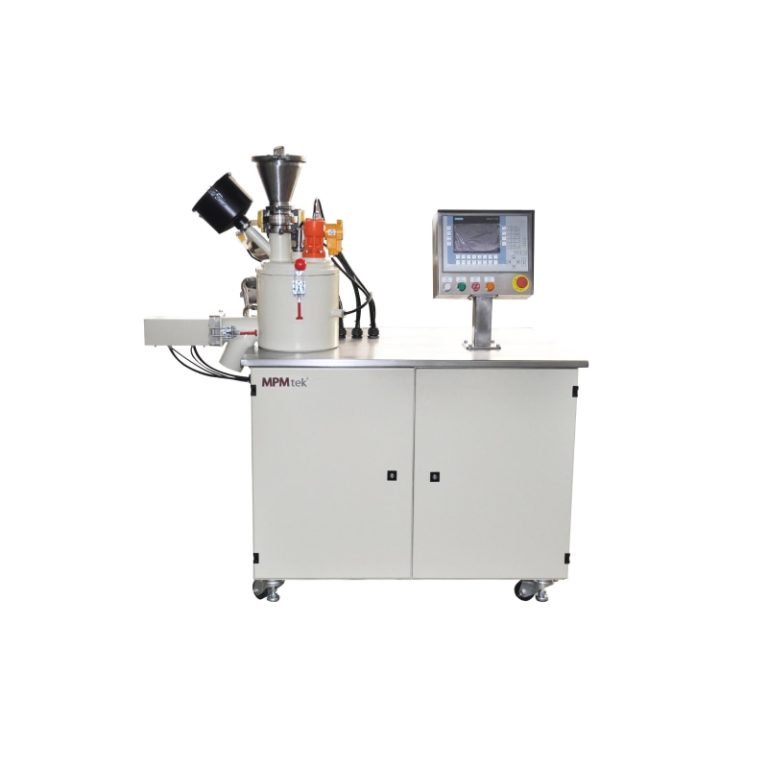
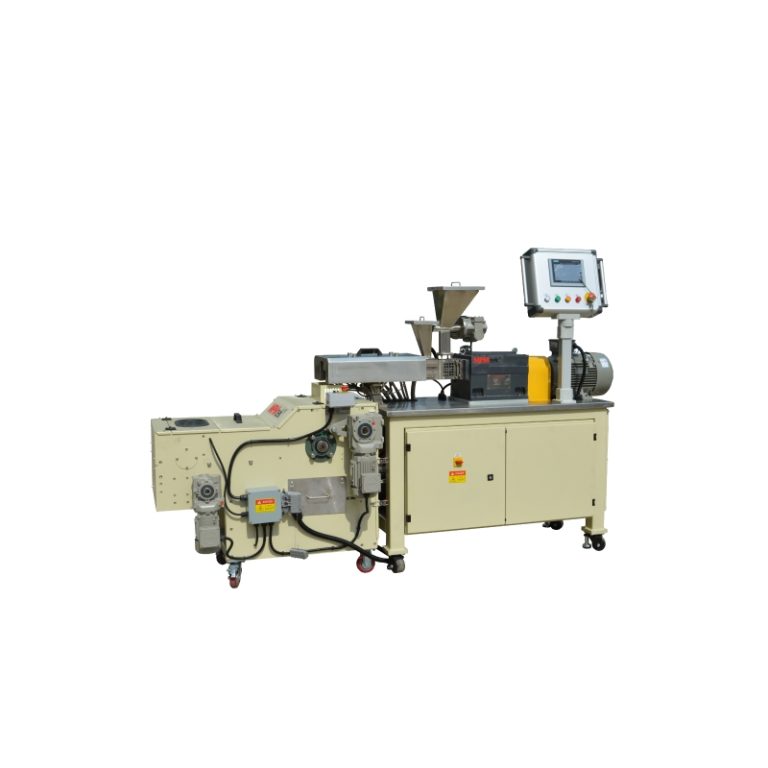
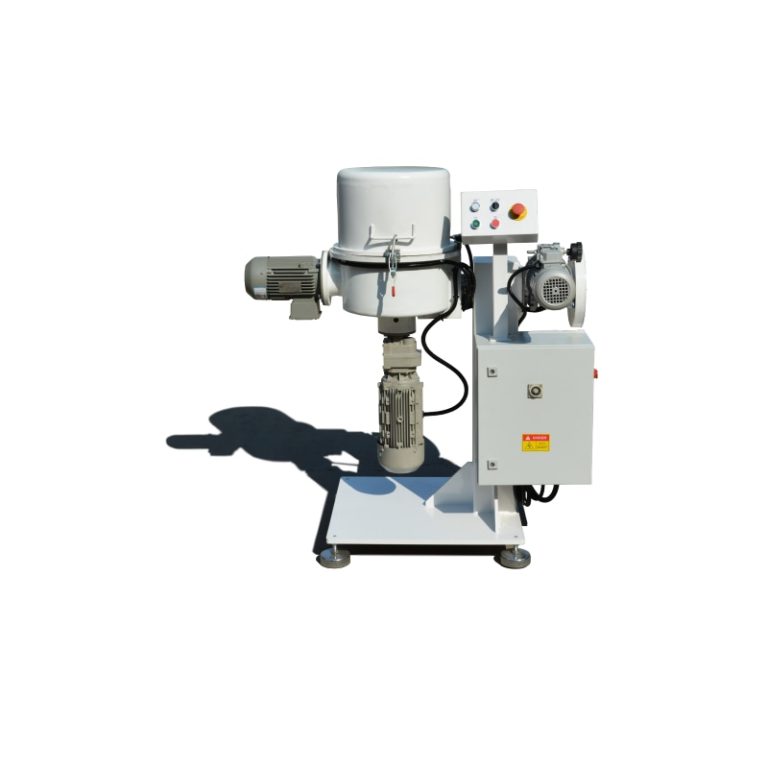
Scegliere il miglior mulino di rivestimento a polvere va oltre il semplice abbinamento di una macchina alle vostre attuali esigenze di produzione. Si tratta di comprendere come diversi materiali agiscono mentre vengono macinati. Devi anche pensare a quanto da vicino devi gestire le dimensioni delle particelle. Inoltre, considera se il tuo equipaggiamento può crescere o adattarsi con i cambiamenti della tua attività.
Una cattiva scelta può influenzare tutti i tipi di cose, dal funzionamento del rivestimento al rispetto delle regole di sicurezza. Quando si tratta di esigenze legate a materiali specifici e risultati di rivestimento a polvere solida, è necessario guardare a più che solo i dettagli di base. Pensate a quanto bene il mulino si adatta all'intera configurazione.
Fattori chiave nella scelta di un mulino per rivestimento a polvere
Compatibilità con diversi materiali di rivestimento
Il primo elemento da controllare è se il mulino può gestire tutti i tipi di materiali nel vostro lavoro. Le termoplastiche richiedono una cura speciale a differenza delle polveri termoindurabili. Anche gli additivi metallici portano problemi extra.
- Le polveri termoimpermeabili come epossidi e poliestere reagiscono al calore. Troppo calore durante la fresatura potrebbe iniziare la curatura precoce.
- I pigmenti metallici, principalmente quelli con alluminio o zinco, presentano rischi di esplosione se gestiti in modo sbagliato senza misure di sicurezza.
- Le termoplastiche richiedono mulini in grado di gestire i loro punti di fusione morbidi. Dovrebbero smettere di smazzare o bloccare la micronizzazione.
Un'altra grande preoccupazione è la miscelazione dei lotti. Se le tue linee cambiano i tipi di materiale, assicurati che il mulino ti permette di pulire bene. Oppure ha configurazioni di macinazione distinte per le cose rischiose.
Requisiti di distribuzione delle dimensioni delle particelle
Un buon rivestimento a polvere dipende fortemente dall'ottenimento di una stretta e costante diffusione delle dimensioni delle particelle. Dimensioni irregolari causano strati di film ingombranti. Essi portano a cattiva tenuta della carica e difetti sulle superfici.
Per ottenere finiture ottimali:
- Impostare la dimensione delle particelle obiettivo, di solito nella zona 10-100 micron per i lavori di rivestimento comuni.
- Pick Mills famosi per “La distribuzione delle dimensioni delle particelle è concentrata, stabile e regolabile”.
- Scopri come i tweaks del classificatore e il ritmo del rotore cambiano la finezza finale. Gli strumenti di orologio dal vivo possono aumentare il controllo molto qui.
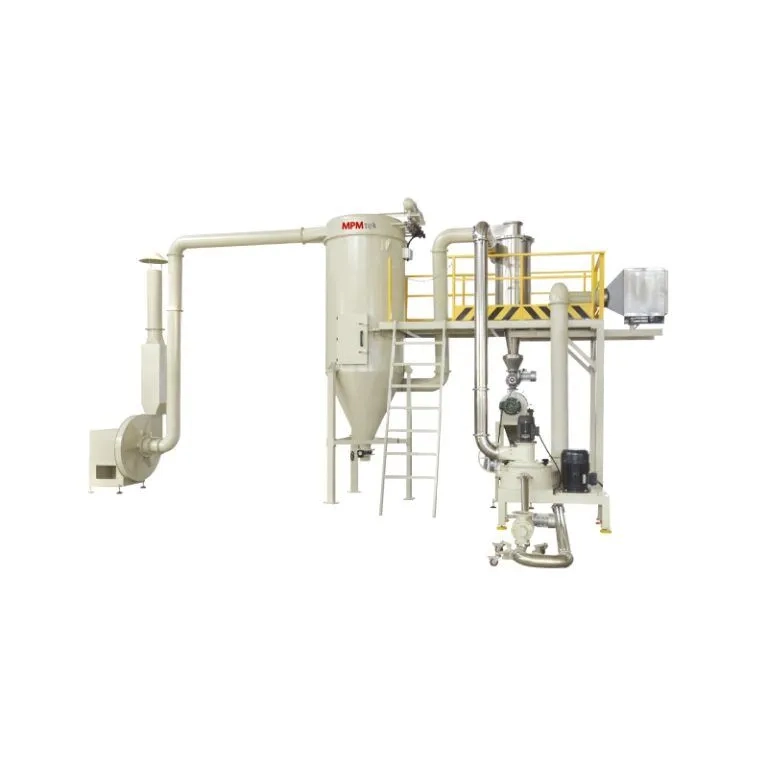
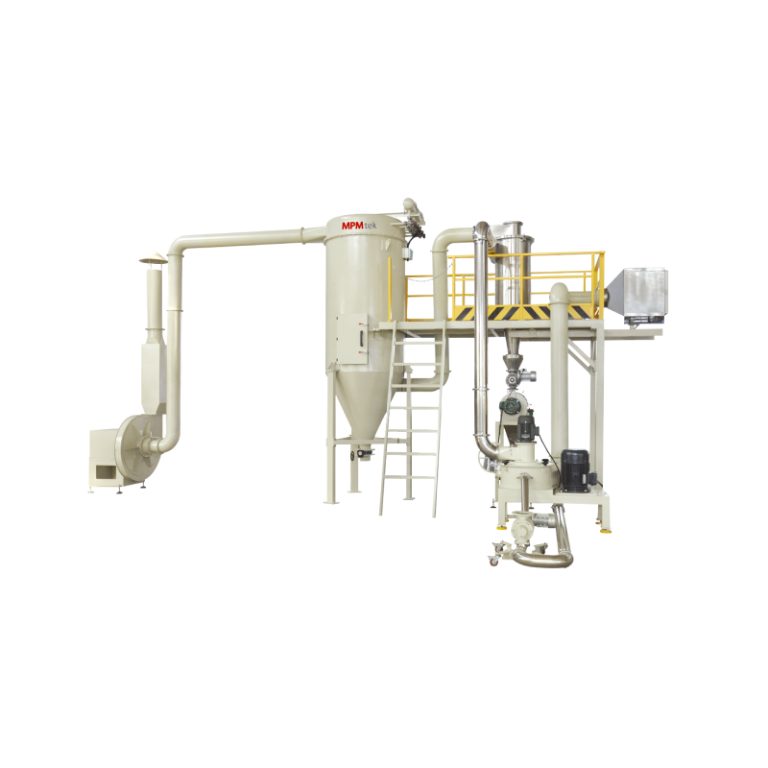
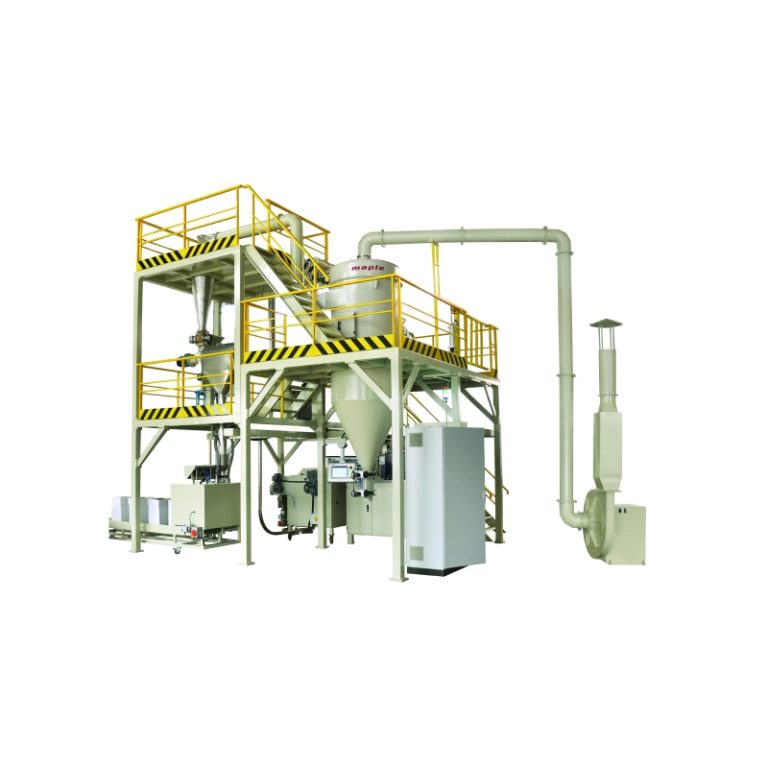
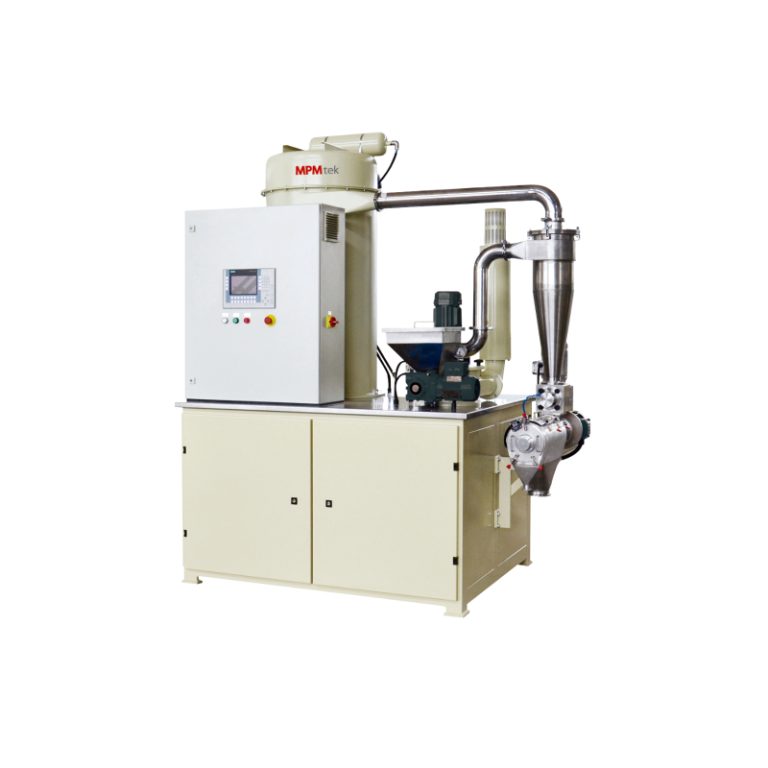
Il Sistema di micromacinazione ACM si trova qui fuori. Miscela la macinazione rapida con la selezione a aria integrata. Così gli operatori possono modificare la dimensione delle particelle proprio nella linea, senza fermare il lavoro.
Capacità di produzione e esigenze di throughput
Collegando il tuo mulino’ Il rendimento degli obiettivi giornalieri o orari è di base. Mulini deboli rallentano il flusso. I grandi sprecano potere e spazio.
La capacità abituale per i mulini ACM di fabbrica va da 100 kg/h a 1000 kg/h. MPMtek ha opzioni come 100-200KG/H per 1000 kg/h configurazioni per molti livelli di necessità.
Ricorda il potenziale di crescita. Il mulino dovrebbe supportare aumenti della dimensione del classificatore o della forza del motore se ti aspetti più affari. Controllare anche l'uso di potenza: alcune impostazioni forniscono una potenza più forte per unità di potenza.
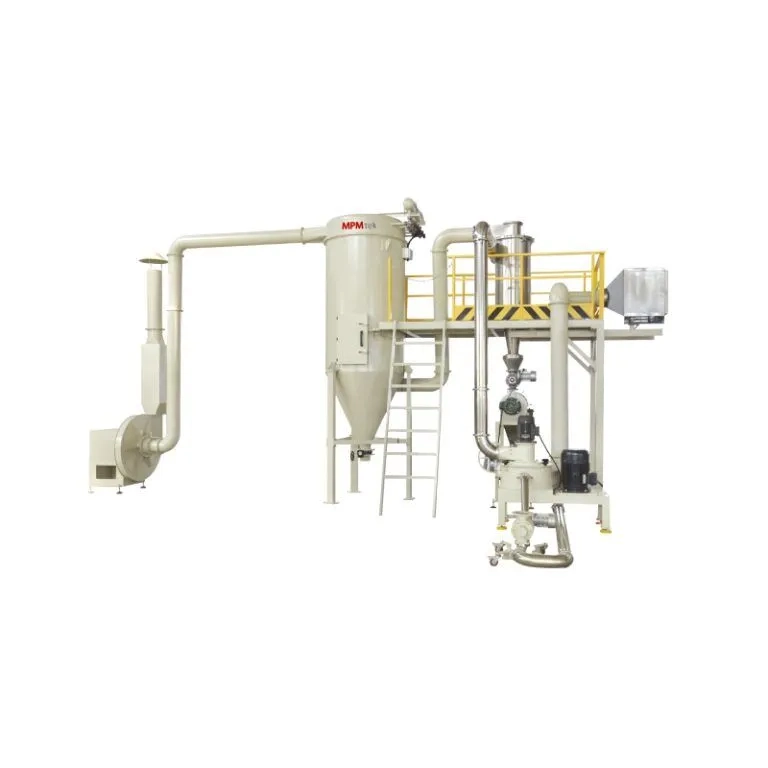
Caratteristiche prestazionali dei mulini ACM in applicazioni di rivestimento a polvere
Efficienza operativa e consumo energetico
Split di risparmio energetico è un segno chiave di smart Mulini ACMUtilizzano la selezione dell'aria interna, non la selezione manuale, che riduce l'usura della parte e lo spreco di energia.
Il sistema di micromacinazione ACM è composto da mulino di classificazione ad aria ad alta velocità, ciclone, setaccio rotativo (setaccio centrifugo) / setaccio vibrato, collettore di polveri super fine e ventilatore.
Il raffreddamento integrato mantiene la polvere in buona forma - vitale per le cose che odiano il calore. La configurazione del flusso d'aria influenza l'uscita; quelli cattivi fanno cadere la pressione che feriscono il lavoro di macinazione.
Precisione nel controllo delle dimensioni delle particelle
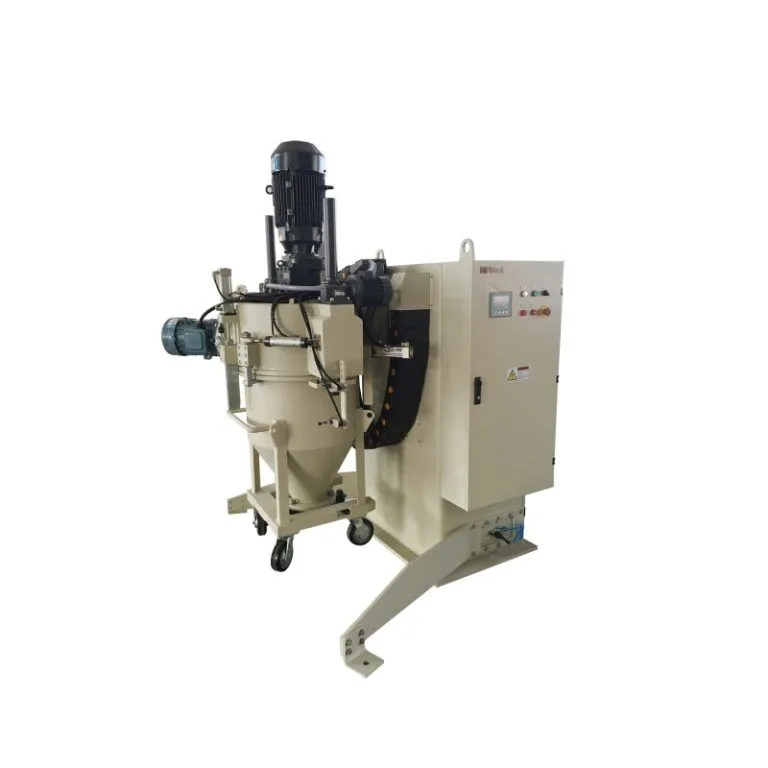
I nuovi mulini ACM garantiscono esattezza tramite funzionalità automatiche. Il ritmo del classificatore e i giri del rotore modellano direttamente il taglio delle particelle. Costumi come MPMtek‘ s utilizzano SIEMENS PLC e HMI facili da usare.
Ciò consente ai lavoratori di cambiare le impostazioni sul posto. Risultati costanti su lotti provengono da questi controlli tecnici. Copiano le migliori impostazioni da lavori passati. Che si tratti di esecuzioni veloci o flusso costante, tale comando salta il lavoro e lo scarto.
Considerazioni di manutenzione e downtime
Ogni bit di tempo di fermata colpisce il portafoglio. Scegli un mulino e pesa quanto sia semplice la manutenzione. Cerca mulini senza ingresso degli utensili nelle parti interne. Prova la resistenza all'usura per materie ruvide come anidride di titanio o pigmenti metallici.
Considerazioni specifiche del materiale durante la scelta di un mulino
Requisiti di fresatura per polveri termoinduttive
Le polveri termoinduttive hanno bisogno di un orologio di calore fermo. Salta il calore tagliato che potrebbe scatenare reazioni precoce. I piani basati sul raffreddamento di MPMtek aiutano a questo: un minor aumento della temperatura nel mulino è fondamentale per epossidi o tipi misti. Assicurarsi che il mulino funzioni con diverse miscele di leganti in termoimpianti.
Manipolazione di pigmenti e additivi metallici
I metallici aggiungono punti duri. Vai per mulini con forme interne che bloccano la piegatura dei fiocchi. Impostare regole pulite per evitare di miscelare lotti metallici e semplici.
Per un lavoro sicuro, trovare parti a prova di esplosione come il sistema di pulverizzazione di micro polvere resistente all'esplosione PSR11 della serie PSR ACM soddisfa gli standard pertinenti della resistenza alla pressione agli urti PSR11.
Trattamento di materiali sensibili al calore o reattivi
Per le cose che si rompono o prendono fuoco dal calore:
- Potrebbe essere necessario fresare a freddo o aggiungere azoto liquido.
- I coperchi di raffreddamento incorporati sono essenziali.
- Alcune miscele vivaci dovrebbero macinare in gas senza aria per fermare la ruggine o il fuoco.
Valutazione delle caratteristiche di controllo della qualità nei mulini di rivestimento a polvere
Sistemi di monitoraggio in linea e integrazione di automazione
Gli attuali lavori di rivestimento a polvere guadagnano dai cerchi di risposta istantanea:
- I controllori diretti delle dimensioni delle particelle aiutano a fissare rapidamente le impostazioni di macinazione.
- La combinazione con configurazioni SCADA o MES consente il controllo principale su molte linee.
Lavorare in auto significa più che semplicità. Mantiene merci costanti sotto turni.
Raccolta polveri e misure di sicurezza ambientale
Il rivestimento a polvere si occupa di piccoli pezzi. La cattura di polvere non è extra—it’ S necessari:
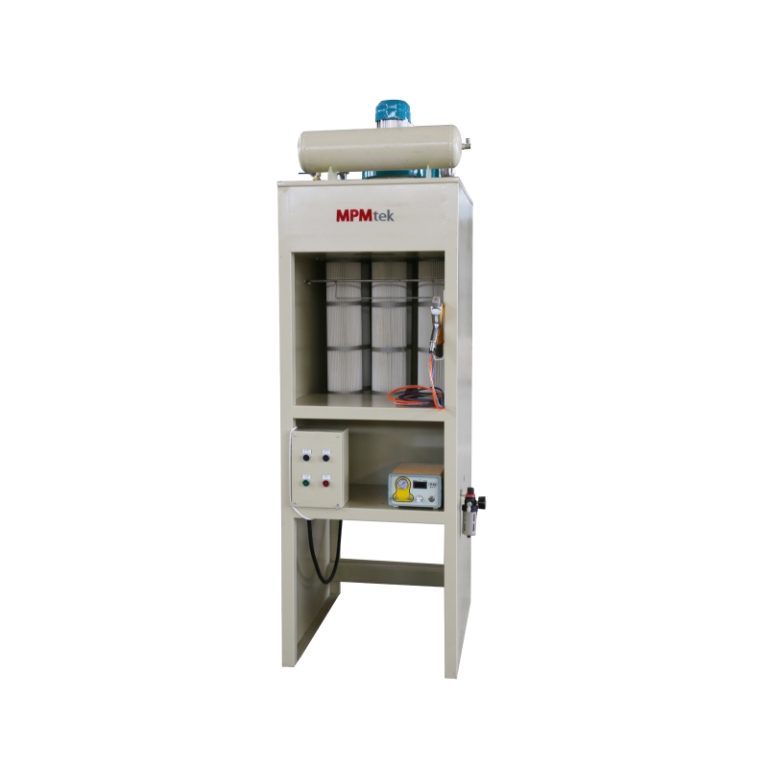
- Trova mulini con unità di separazione della polvere costruite per le regole di sicurezza.
- Verifica la corrispondenza con le leggi verdi sull'area sui rilasci di bit.
MPMtek gestisce questo bene. Costruiscono sistemi conformi ai requisiti delle norme UE pertinenti (direttiva elettrica a bassa tensione 2014/35/UE, direttiva macchinari 2006/42/CE).
Criteri di valutazione dei fornitori per l'acquisto di attrezzature per rivestimento a polvere
Supporto tecnico e opzioni di personalizzazione disponibili dai produttori
Fatti dell'ingranaggio passato, aiuto conta:
- Il produttore fornisce assistenza tecnica all'avvio?
- Possono regolare le impostazioni per le esigenze di materiale strano?
MPMtek è stata fondata nel 2006 impegnata nella ricerca e nello sviluppo di attrezzature di produzione di rivestimenti a polvere precise, intelligenti, efficienti e amichevoli per l'uomo. La loro abilità nelle correzioni personalizzate ha guadagnato loro un buon nome con gli acquirenti del mondo.
Affidabilità a lungo termine e disponibilità dei ricambi
Prima dell'acquisto:
- Chiedi sul lavoro costante passato in usi simili.
- Verifica la portata mondiale dei pezzi chiave. Un fornitore con ISO9001 come MPMtek di solito ha qualità uniforme su esecuzioni.
Domande frequenti
Q1: Qual è la dimensione ottimale delle particelle per il rivestimento a polvere di qualità?
La maggior parte delle applicazioni mira a 10-100 micron, a seconda del substrato e del metodo di spruzzo.
Q2: Posso usare un mulino sia per polveri metalliche che non metalliche?
Sì, ma è necessario pulire accuratamente tra i lotti per evitare la contaminazione.
Q3: I mulini ACM sono adatti per materiali sensibili al calore?
Sì, soprattutto i modelli con sistemi di raffreddamento integrati che mantengono basse le temperature della polvere durante la macinazione.
Q4: Come monitoro la dimensione delle particelle durante la produzione?
I mulini avanzati offrono monitoraggio in tempo reale tramite controllo della velocità del classificatore e sensori integrati.
Q5: Quali certificazioni dovrei cercare in un mulino di rivestimento a polvere?
Cerca CE, ATEX, ISO9001 e conformità alle direttive UE sulla sicurezza delle macchine.