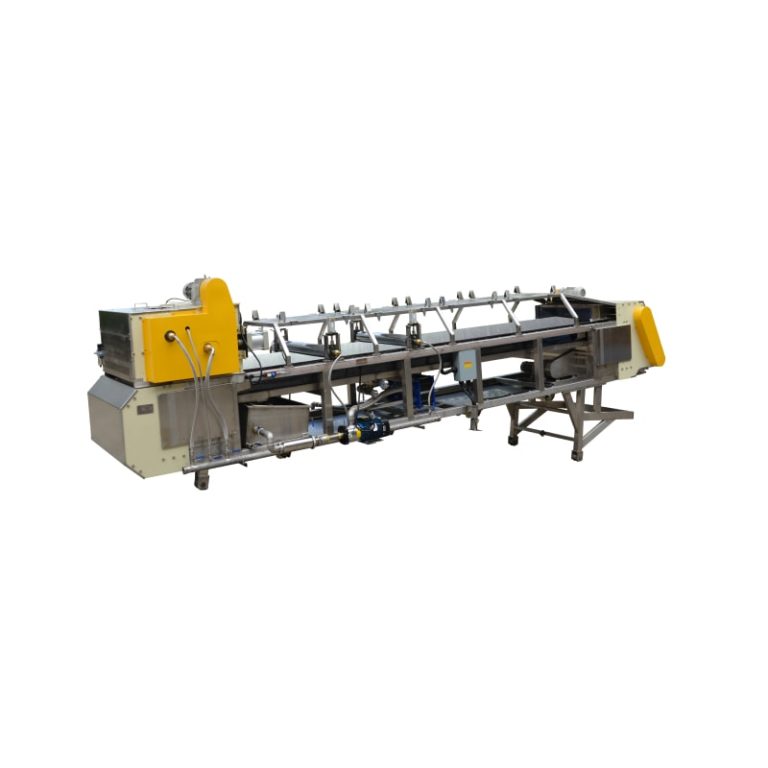
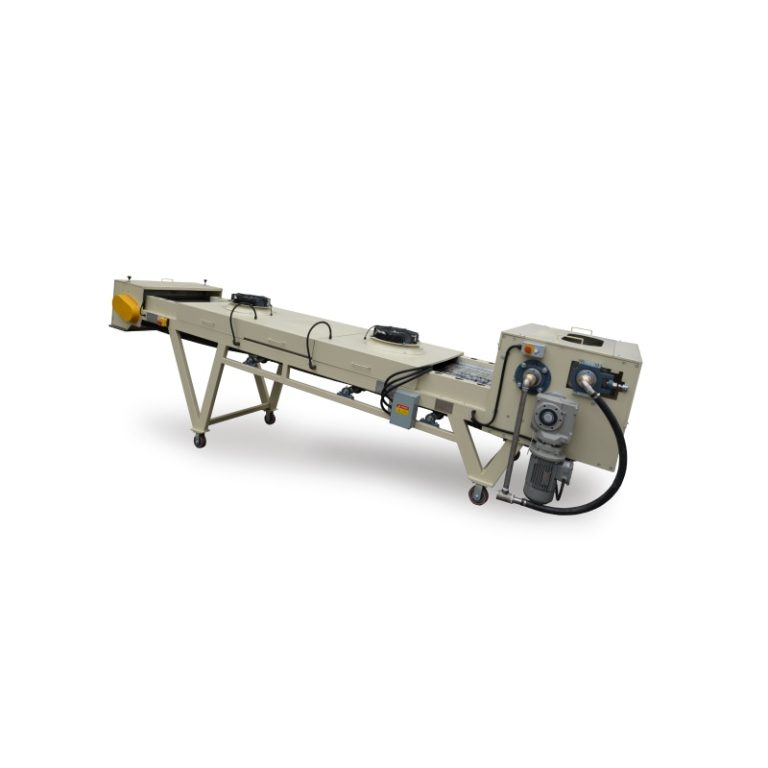
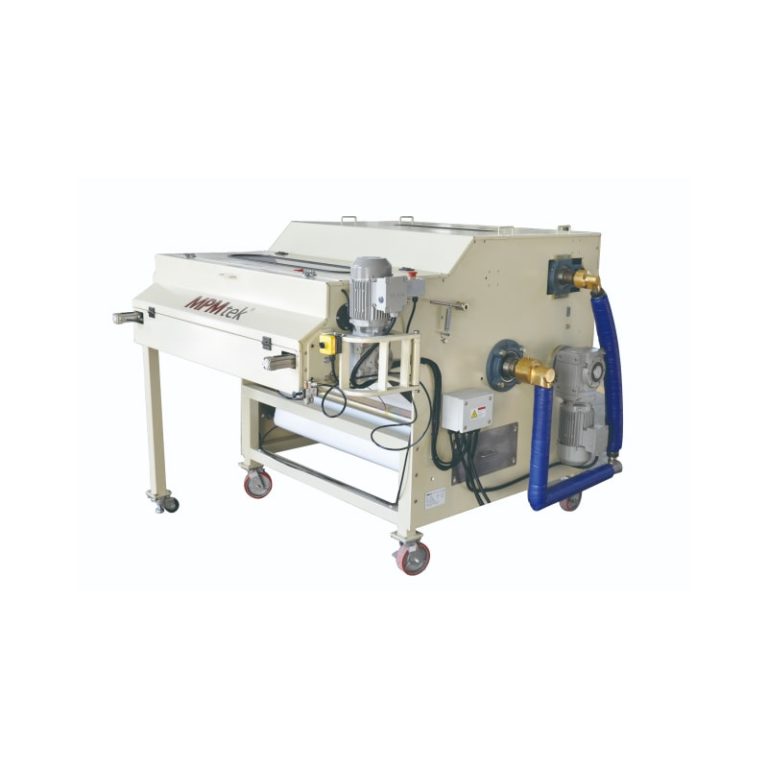
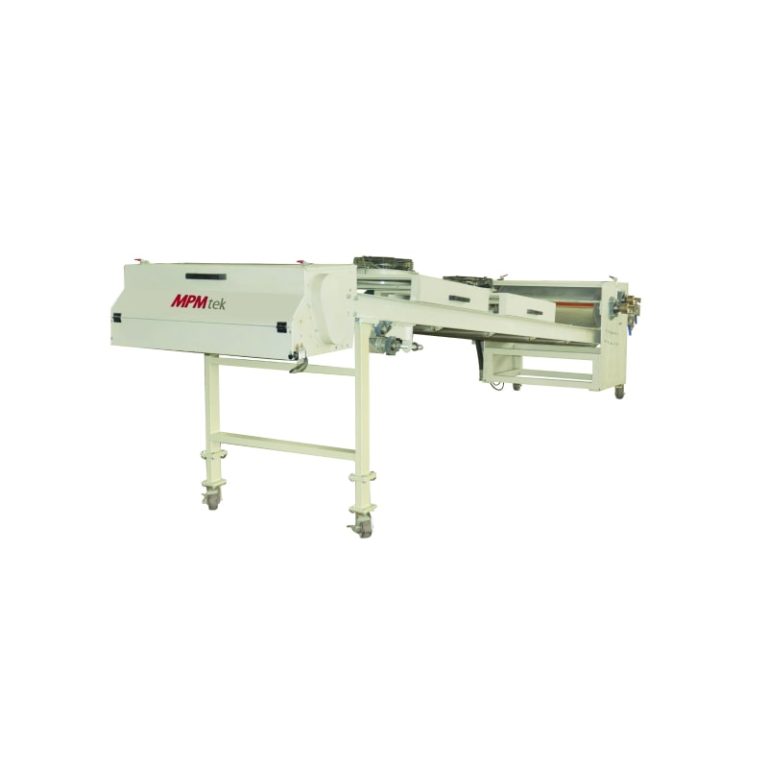
To get steady, top-notch spreading in a twin screw extruder, workers need to grasp how machine setup, stuff actions, and job settings work together. The main point is to balance rubbing forces and stay time. This way, all bits spread out evenly without breaking down. It is not only about strength or heat. It is about care and command at each mixing step.
Understanding the Basics of Dispersion in Twin Screw Extruders
The Role of Twin Screw Extruders in Material Processing
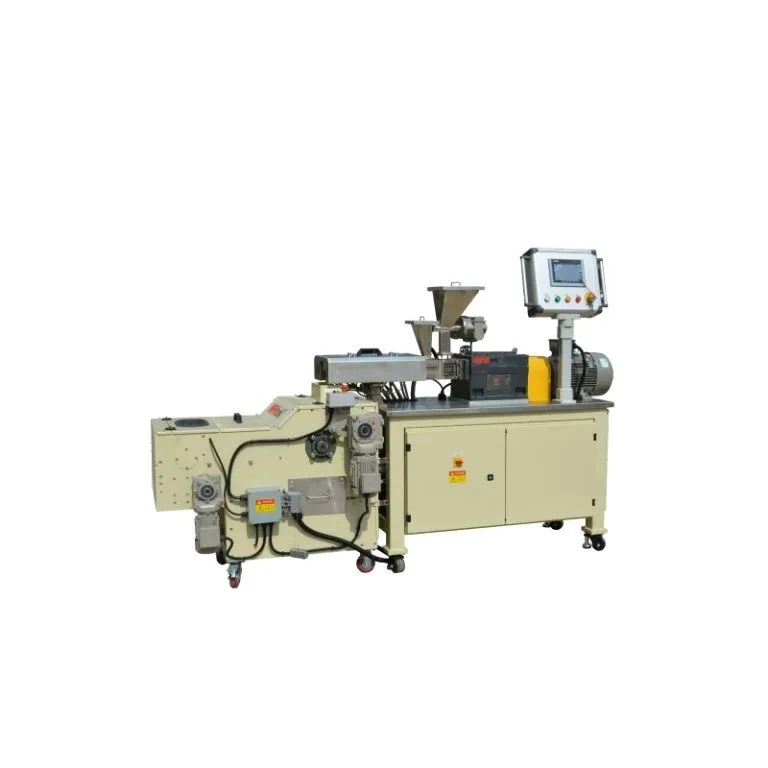
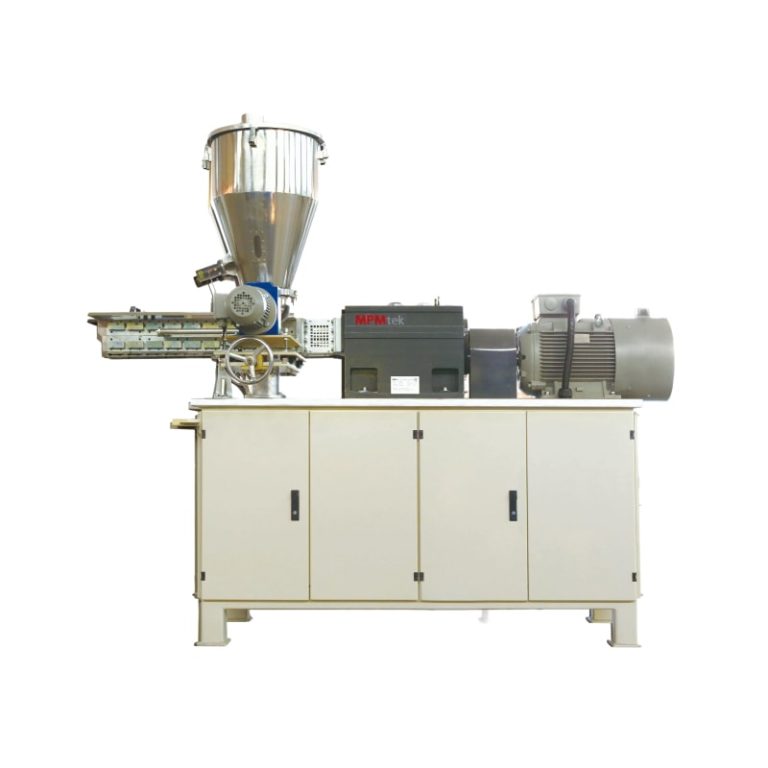
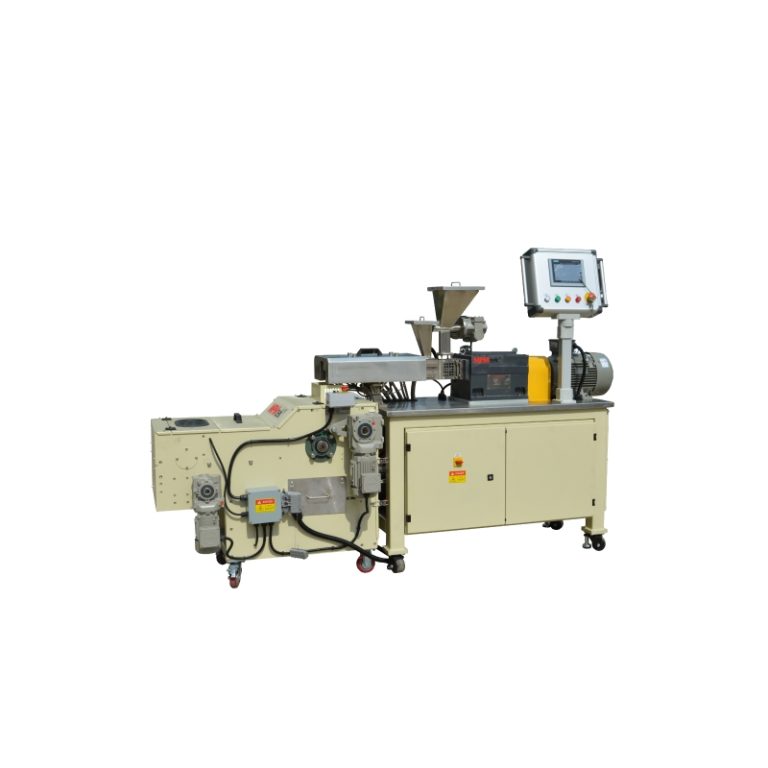
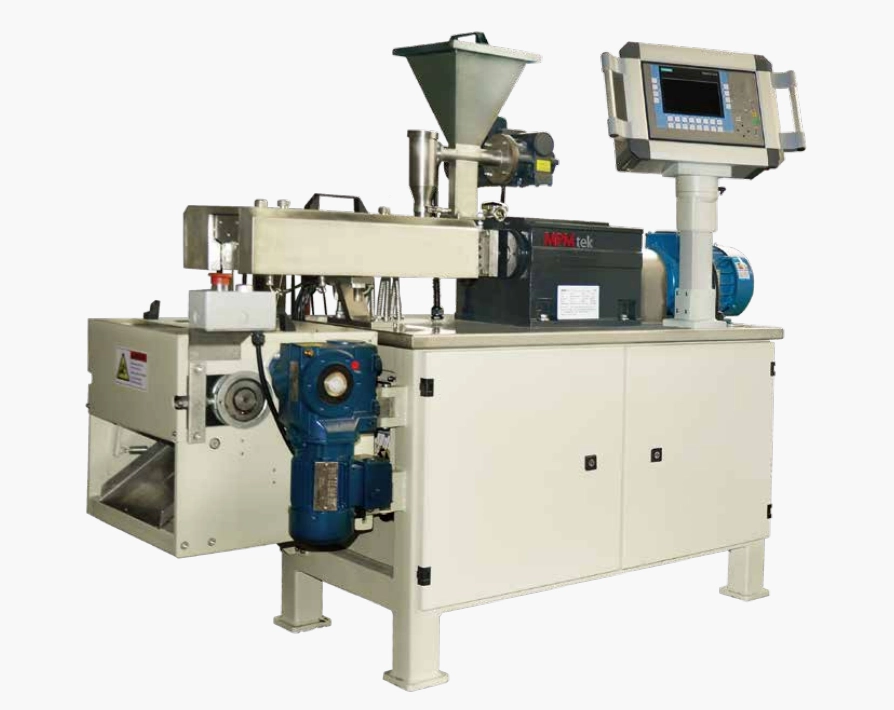
Un Estrusore a vite doppia has two turning-together screw shafts. Raw stuffs mix well and spread by exact kneading parts at fast speed in the tube. This setup makes sure that stuffs face both spreading and splitting mixing. As a result, the mix stays the same all through the handled group. In making powder coatings or mixing polymers, this evenness right away changes product worth and steadiness.
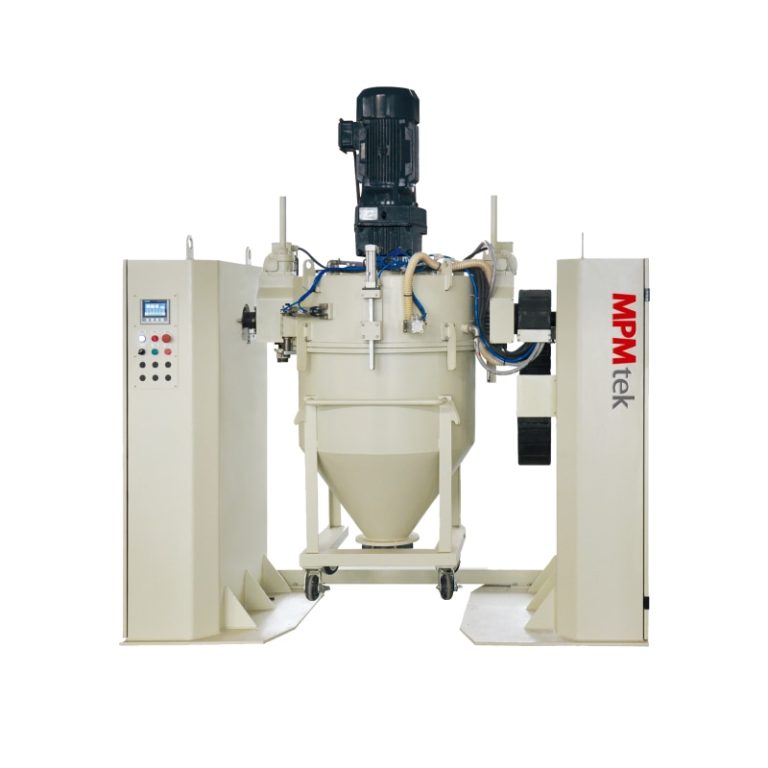
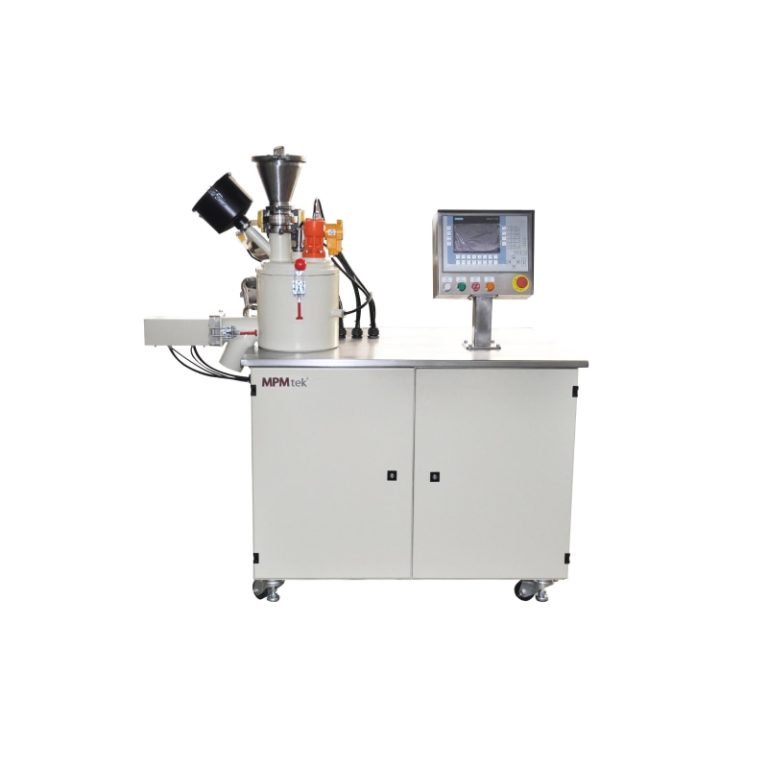
MPMtek, a professional twin screw extruder manufacturer, puts smart building into its devices to reach these outcomes. Screw parts and kneading lumps are built and made to have even fitting gaps (from the center, along the length, and straight) between the two screw shafts and screw shafts to the tube while running. They use 3D-CAD & CAM for this. Such exact machine fit makes sure that spreading mixing stays spot-on and even.
Importance of Dispersion Quality in Manufacturing
Dispersion worth decides how good extras, colors, or stuff-ins spread in the main stuff. Bad spreading can bring clear flaws, uneven shades, or soft strength traits. In fields like powder coatings or plastics mixing, even small uneven spots can make whole groups fail worth checks. So, keeping steady spreading is not a choice. It is key for work trust.
Factors Affecting Dispersion Quality
Influence of Screw Design on Dispersion
The shape of the screws has a big part in handling rub strength and flow ways. Kneading lumps with different slants can be set up to boost mixing work or cut stay time based on stuff feel. Screw parts and kneading lumps on screw shafts can be set best as per tech needs of powder coating work. This bend lets users shape the extruder plan for varied mixes without losing steadiness.
Impact of Processing Temperature on Material Mixing
Heat handling changes thickness and action speeds during pushing out. Too little heat can mean not full melting. Too much might break down touchy parts. The tube has a good heating/cooling setup. Heat in many areas is held exact within ±2 C. This care cuts heat differences across areas. It makes sure smooth flow and steady spreading all through the job.
How Feed Rate Affects Dispersion Efficiency
Feed speed changes stay time inside the tube. A faster feed cuts show time for mixing parts but raises output. A slower rate boosts mixing. Yet it might cause too much rubbing or too much heat. Steady feeding is vital. Changes make uneven spreading strips. Even feed amount and small changing load of the extruder can keep the product steady. Twin-screw feeders help hold this match even with stuffs that flow poorly.
Material Properties and Their Role in Dispersion
Stuff thickness, bit size spread, and filler amount all change how easy parts spread under rub stress. For instance, very thick polymers need harder kneading than thin resins. Knowing these traits lets workers fine-tune screw setups right.
Tips for Improving Dispersion Quality
Benefits of Pre-blending Materials
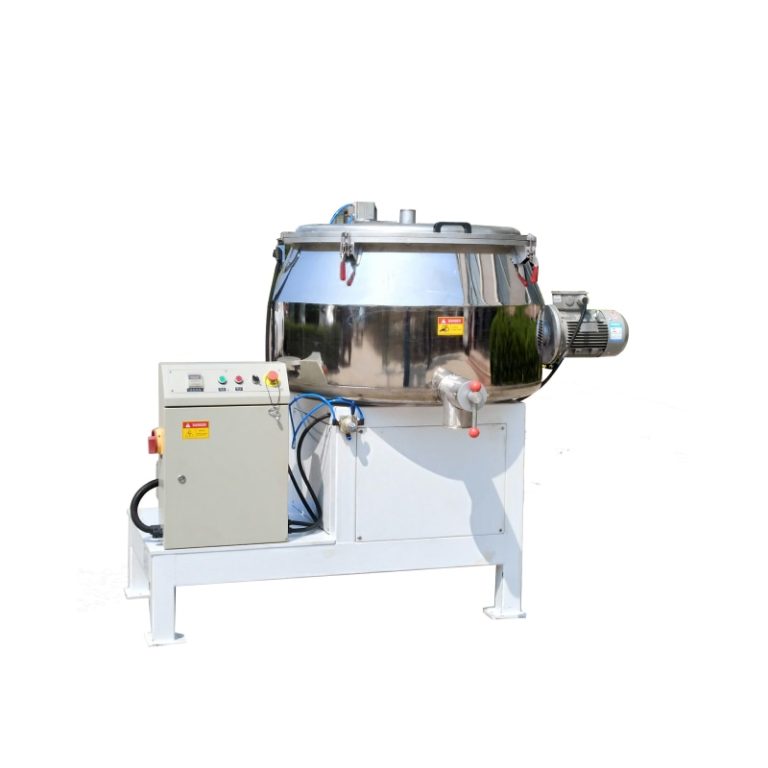
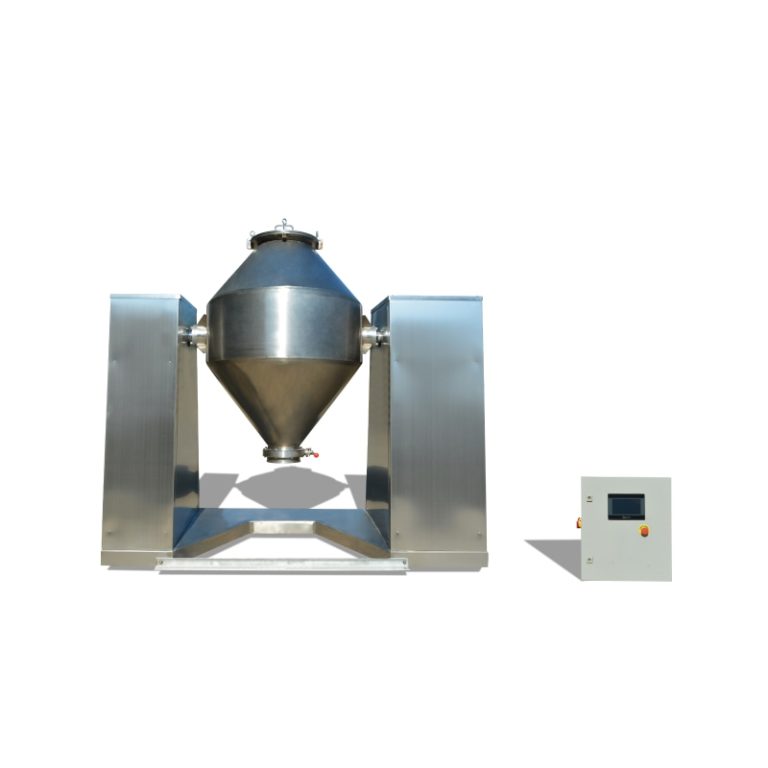
Mixing raw stuffs before pushing out cuts split risk at the feed spot. It also makes sure extras spread evenly right from the beginning. This lessens the task on the extruder. The step helps a lot with colors or fine dusts that clump easy.
Importance of Using High-Quality Raw Materials
Dirt or uneven bit sizes can mess up flow paths inside the extruder tube. Top-grade starts promise known actions under rub forces and steady color growth in coatings jobs.
MPMtek stresses this rule in its system build way of thinking. Safety, auto-work, work rate, and green guard are the bases of MPMtek’s product build, making, and selling. They are also our promise to buyers. Using such sure gear goes with high-grade raw stuffs for best outcomes.
Regular Maintenance Practices for Optimal Performance
With time, wear on screws or tubes changes gaps and cuts mixing work. Steady checks stop work slip. Oil systems need close watch too. The gear box has high-turn, low-sound, with turn limiter (optional). It uses center oiling and oil heat handle / warning system. These parts help keep steady machine states that right away change spreading steadiness.
Strategies for Process Optimization
Users should note job settings like turn load, melt push, heat shapes, and output evenness after each go. By matching these numbers over time, small drifts can show up early. Many new devices make this easy through number links. PLC and HMI are used for handle with kind face, easy to use. Recipe-way handle lets quick call-back of good settings for repeat groups.
Choosing the Right Twin Screw Extruder Machine
Key Features to Look for in a Laboratory Twin Screw Extruder
For test spots where mixes change often, bend is main. A laboratory twin screw extruder should let easy clean between tests. It must back exact handle over heat areas and screw speed changes. Data note skills also help testers link job changes with end product traits fast.
| Feature | Importance | Example Specification |
| Controllo della temperatura | Prevents degradation | ±2°C accuracy |
| Modular Screws | Tailored shear profile | Quick-change design |
| Digital Interface | Process repeatability | PLC + HMI system |
How to Select a Reliable Twin Screw Extruder Manufacturer
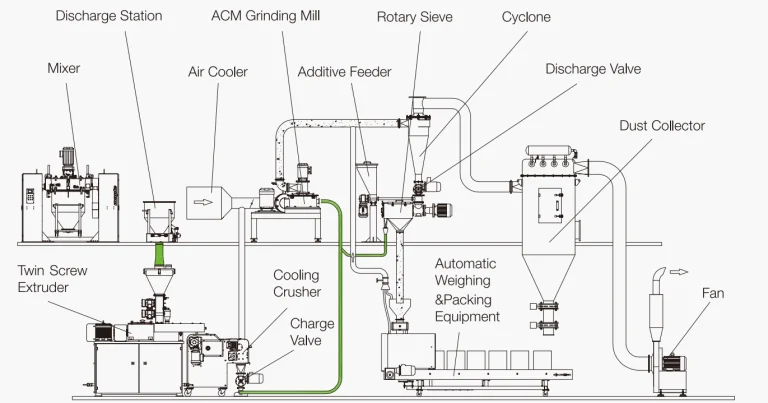
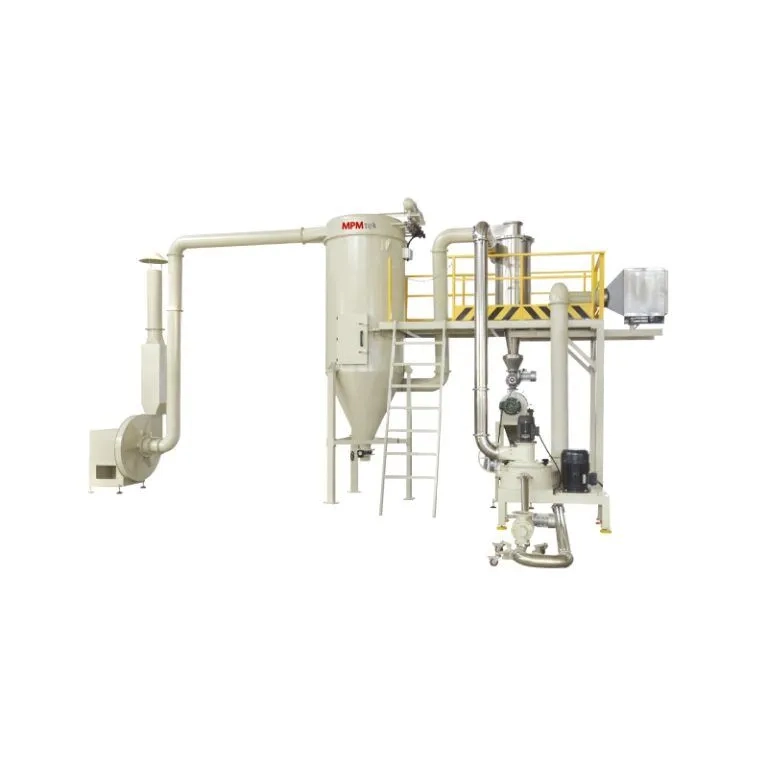
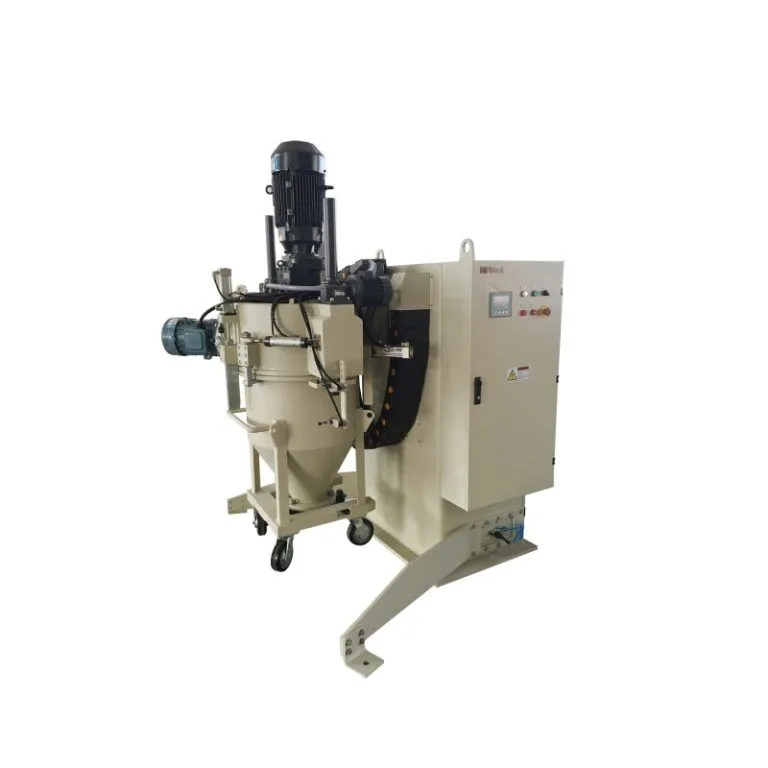
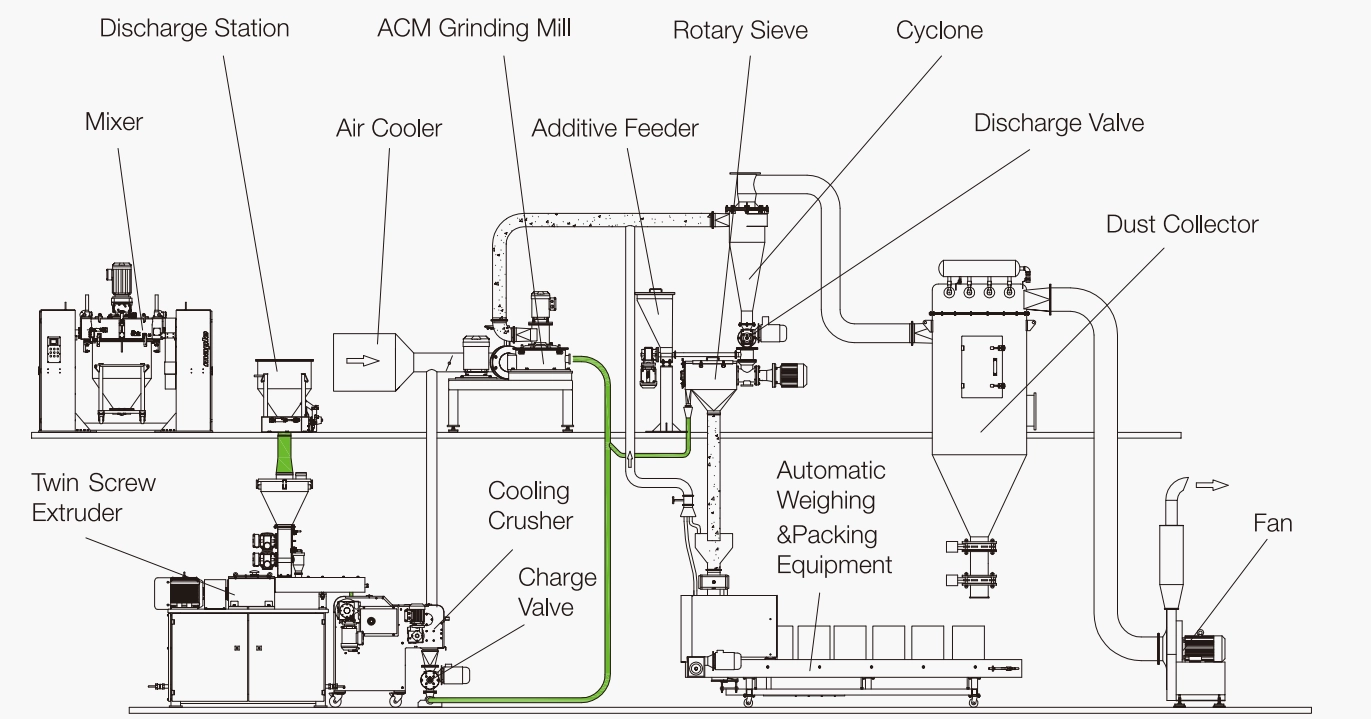
When checking sellers, think about their know-how in special jobs like powder coatings or polymers. Do not just look at plain pushing machines. MPMtek shows up as one such helper. The firm got ISO9001 and CE papers. It keeps strong test skills across pre-mixers, extruders, crushing systems, and bond machines. All built on exact build rules matched with EU safety marks.
Domande frequenti
Q: What causes poor dispersion in twin screw extrusion?
Uneven feed rates, worn screws, incorrect temperature settings, or incompatible material viscosities often lead to poor dispersion quality.
Q: How often should an extruder be cleaned?
After each formulation change or production cycle involving reactive materials; frequent cleaning prevents contamination buildup.
Q: Can laboratory twin screw extruders simulate industrial production?
Yes—when equipped with modular screws and accurate control systems—they replicate full-scale conditions effectively at smaller volumes.
Q: Why does temperature uniformity matter so much?
Because even minor fluctuations can alter viscosity locally, leading to inconsistent shear forces across zones.
Q: What advantage does co-rotating design provide?
It enhances distributive mixing by ensuring continuous material transfer between screws without stagnation zones or dead spots.