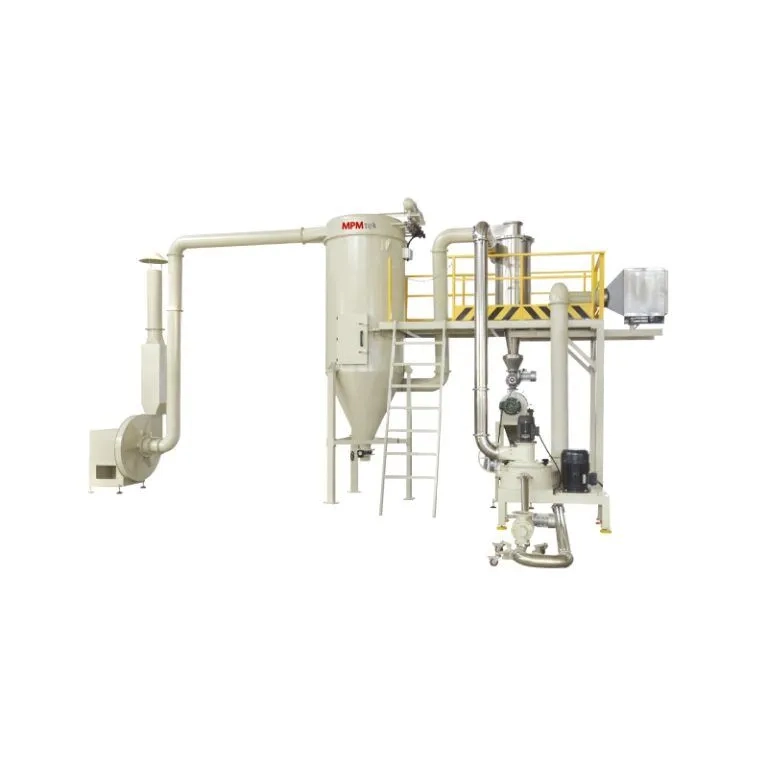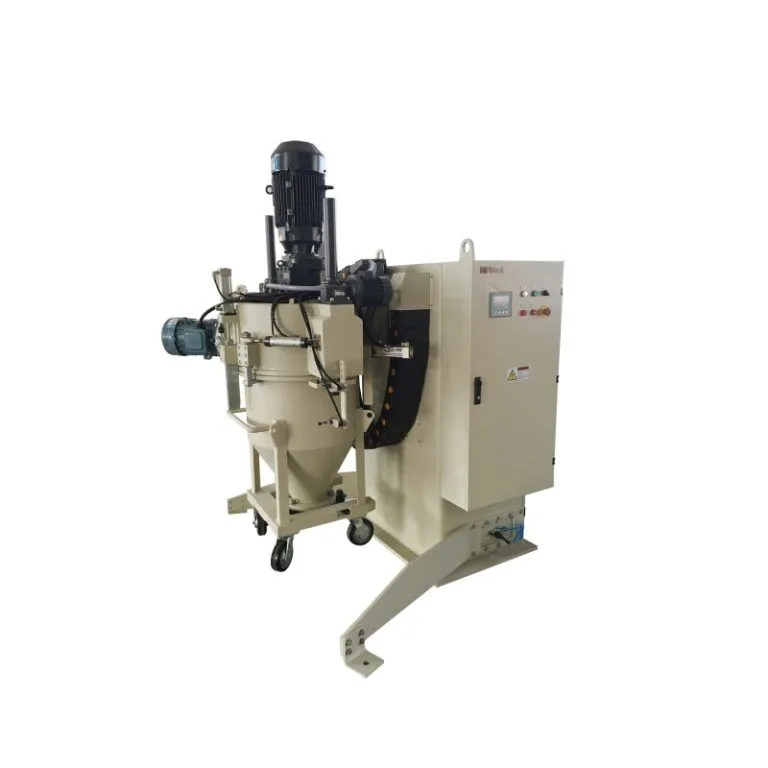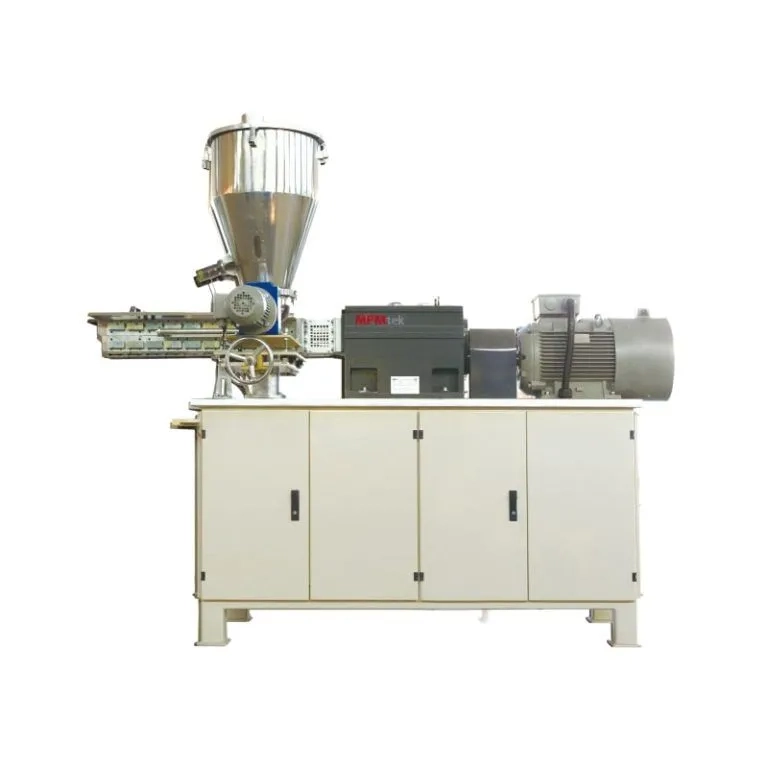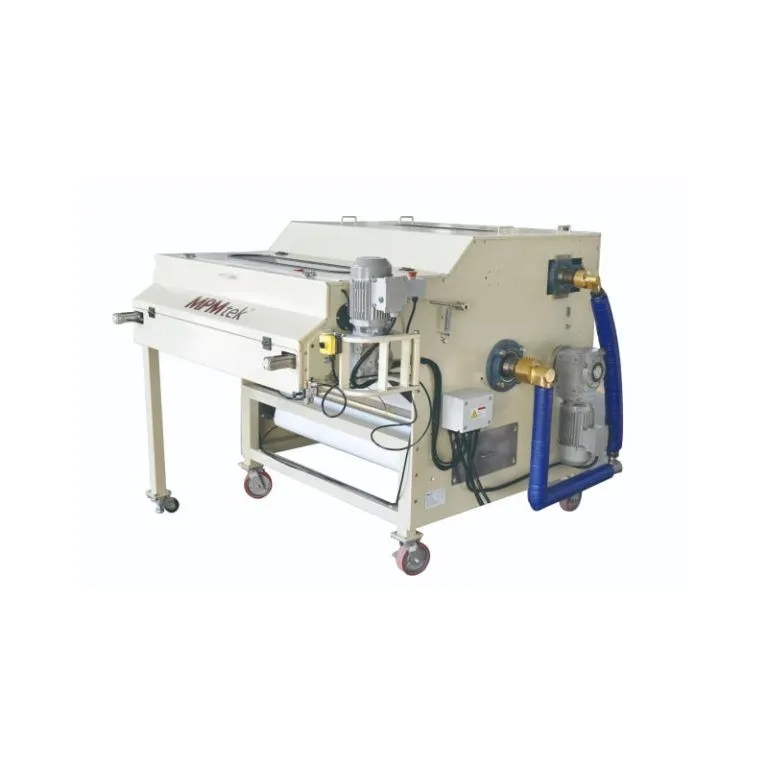
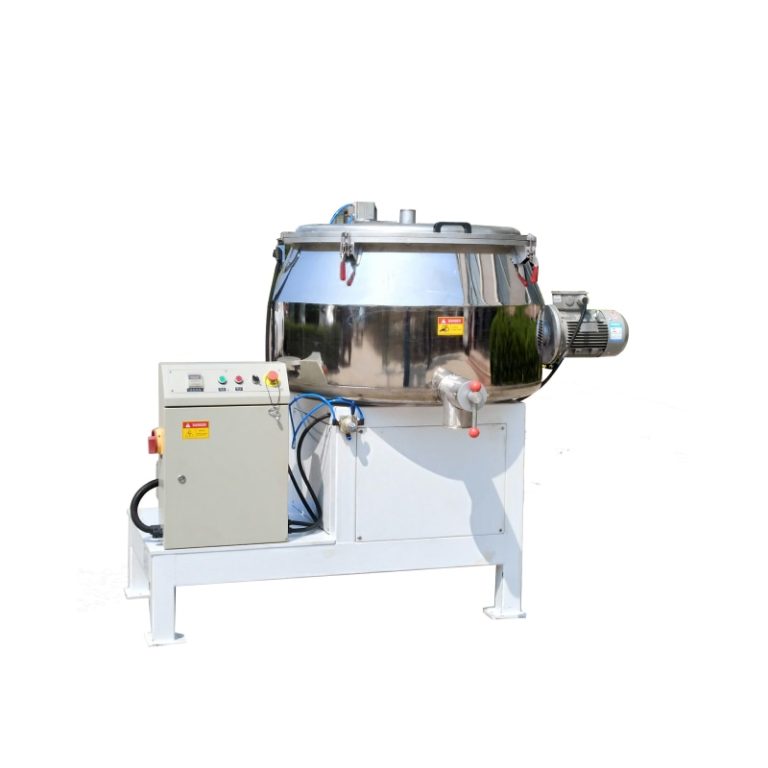
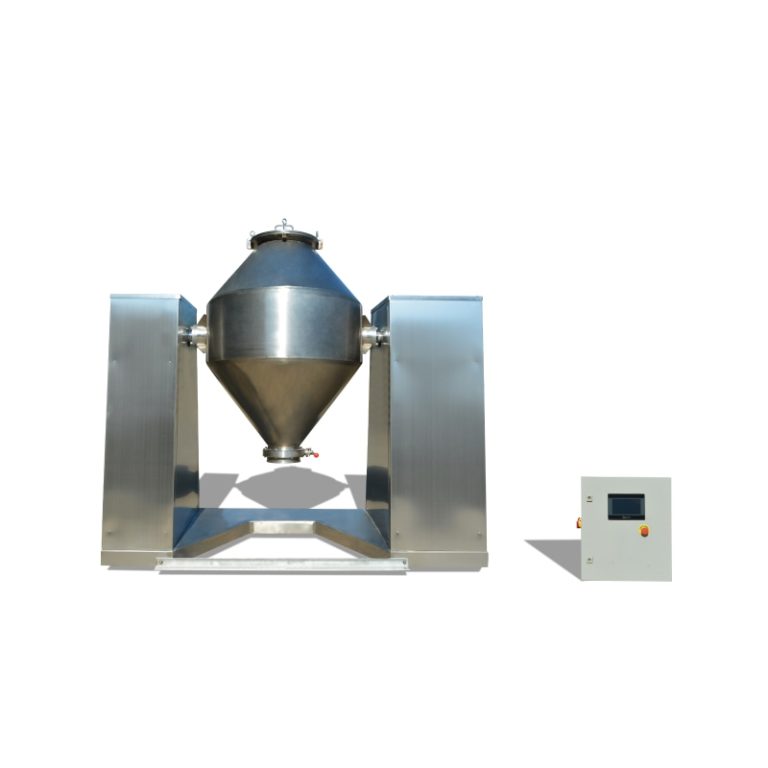
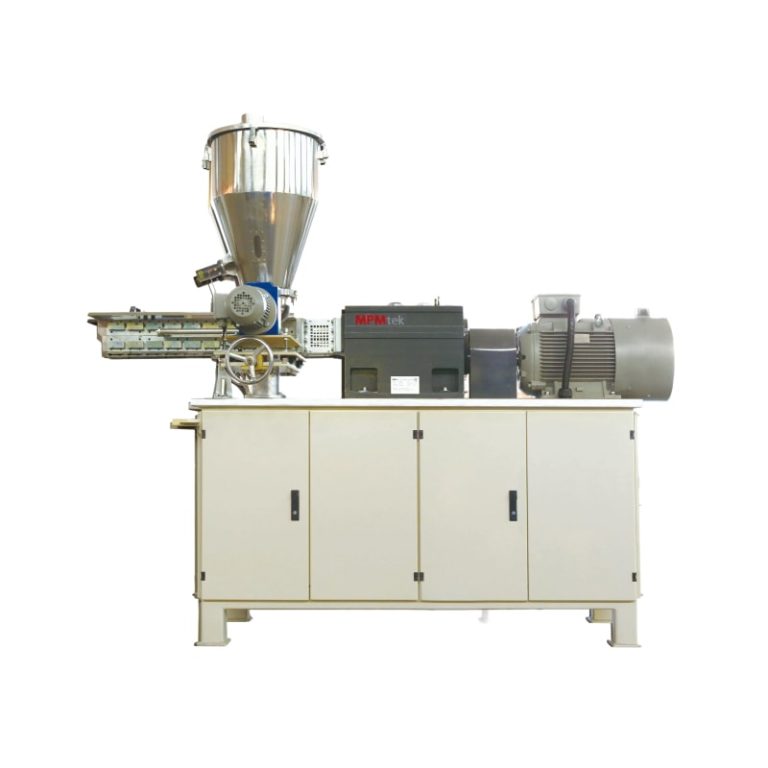
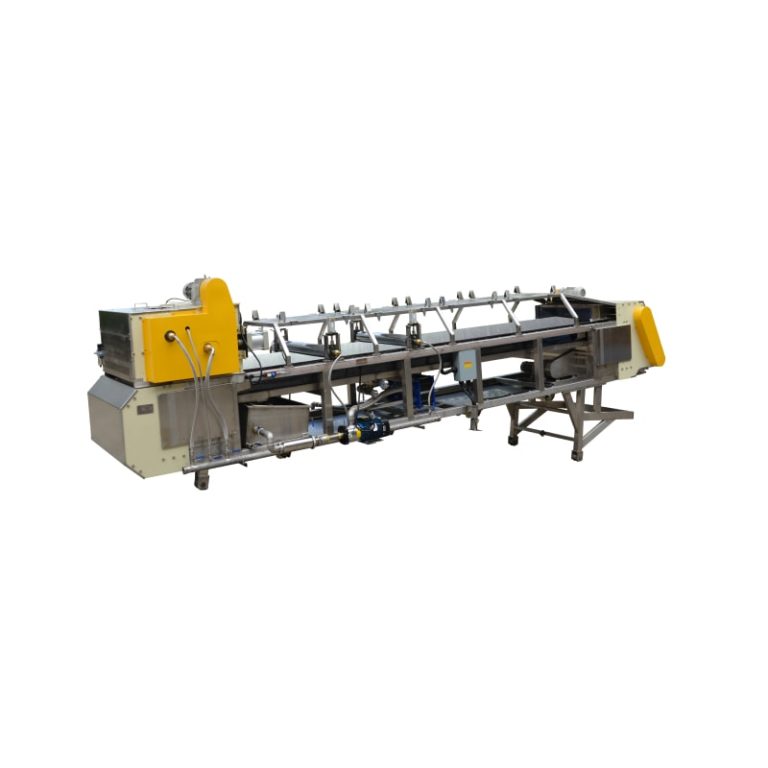
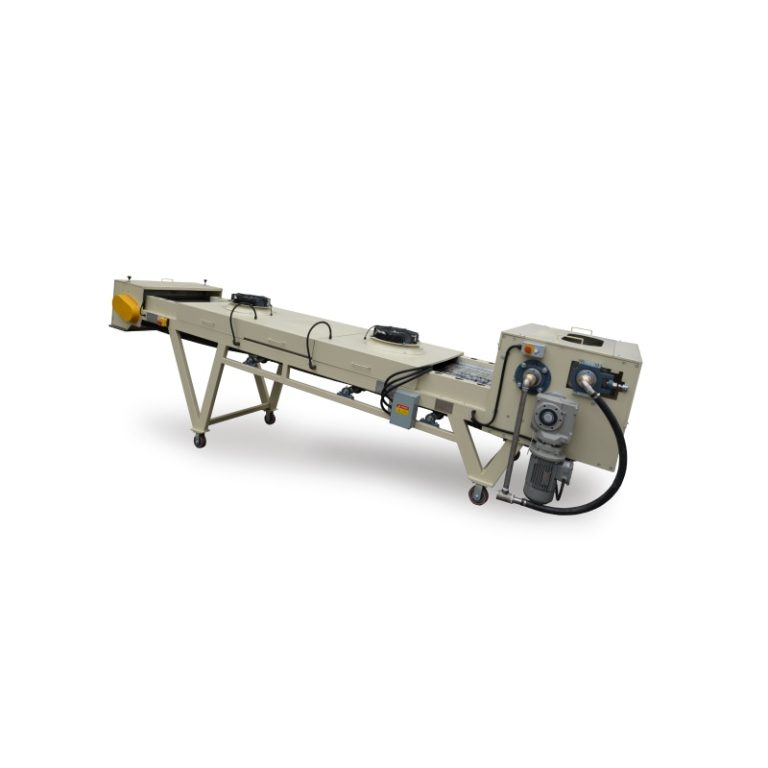
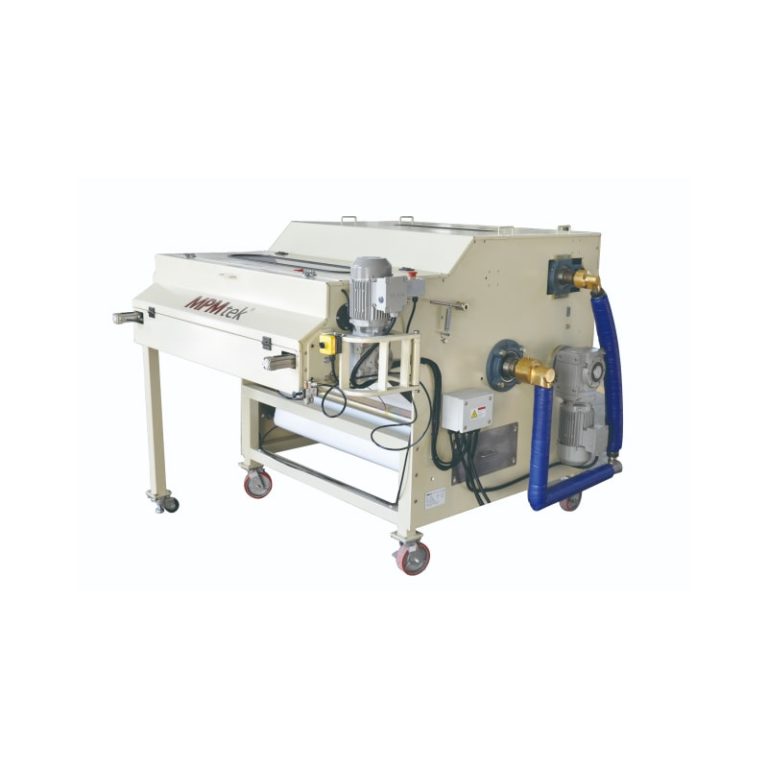
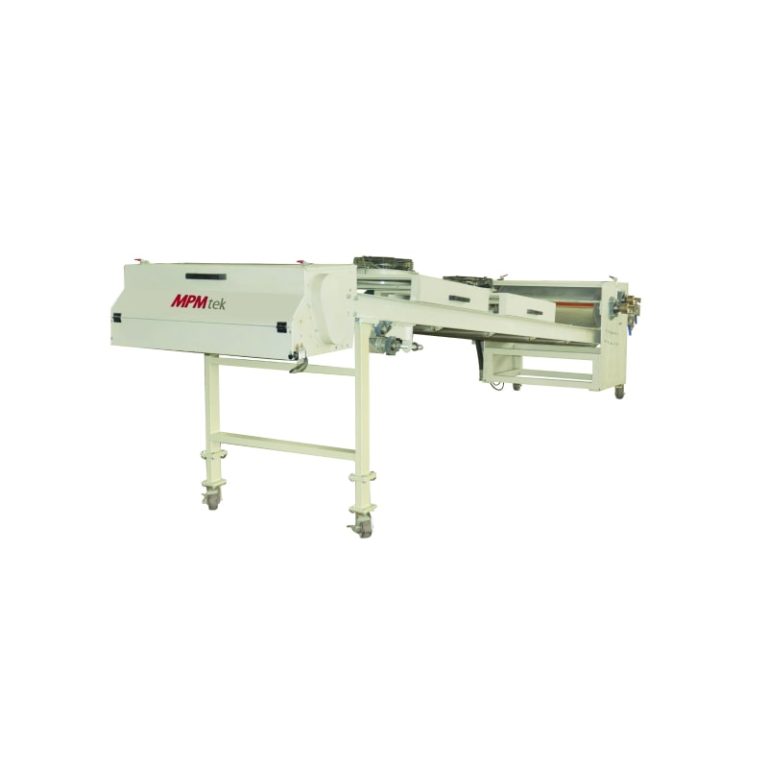
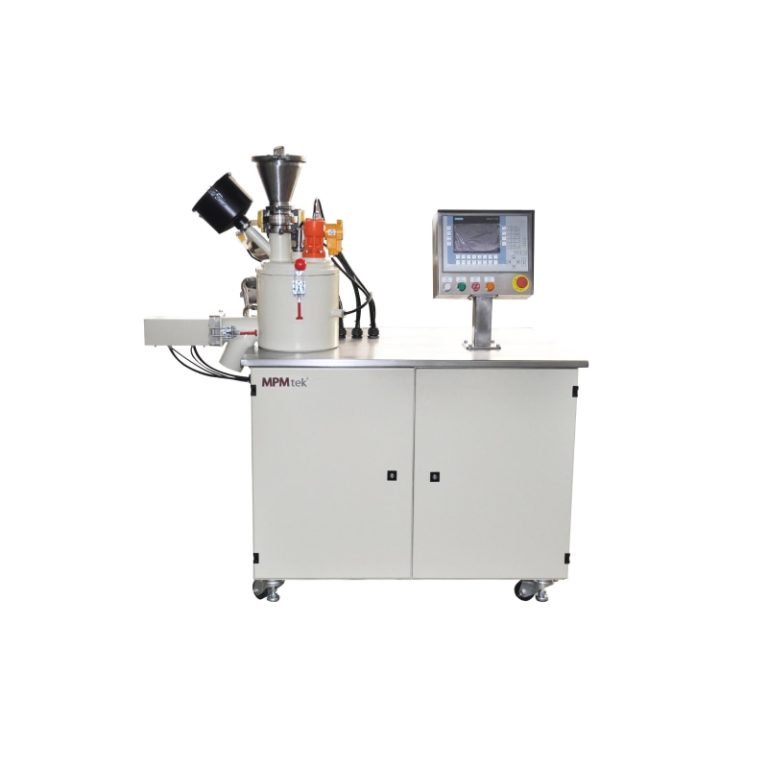
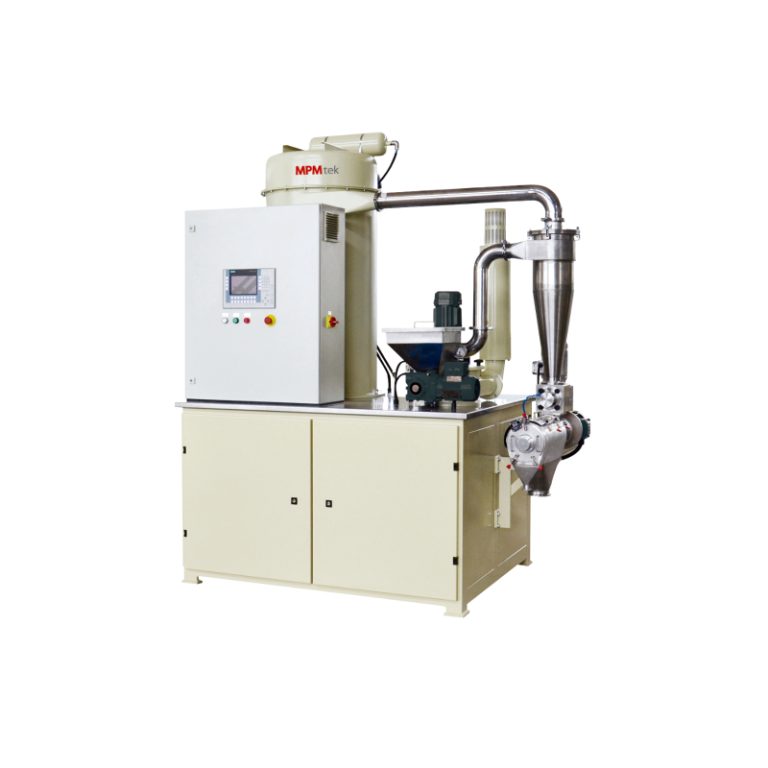
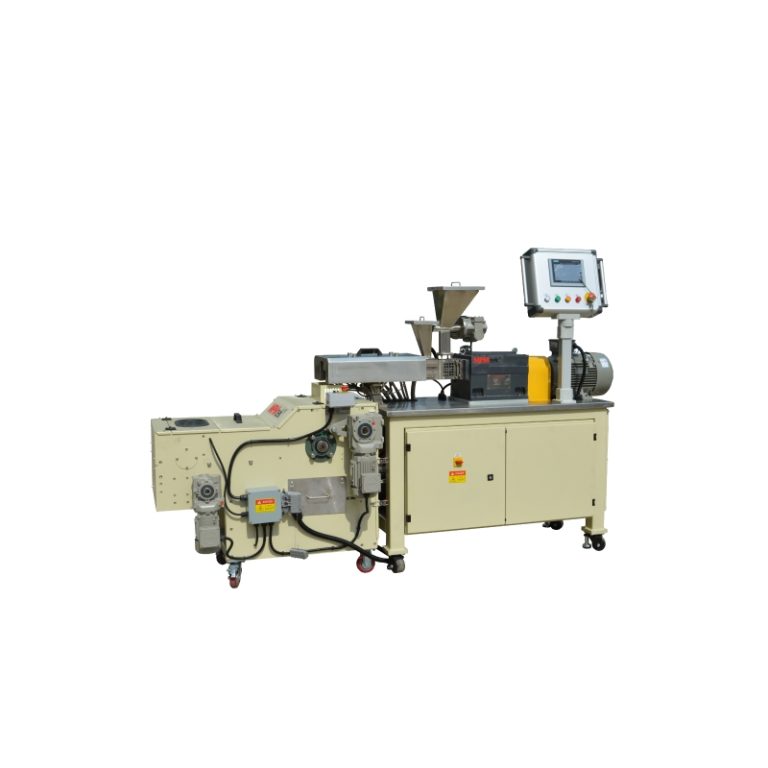
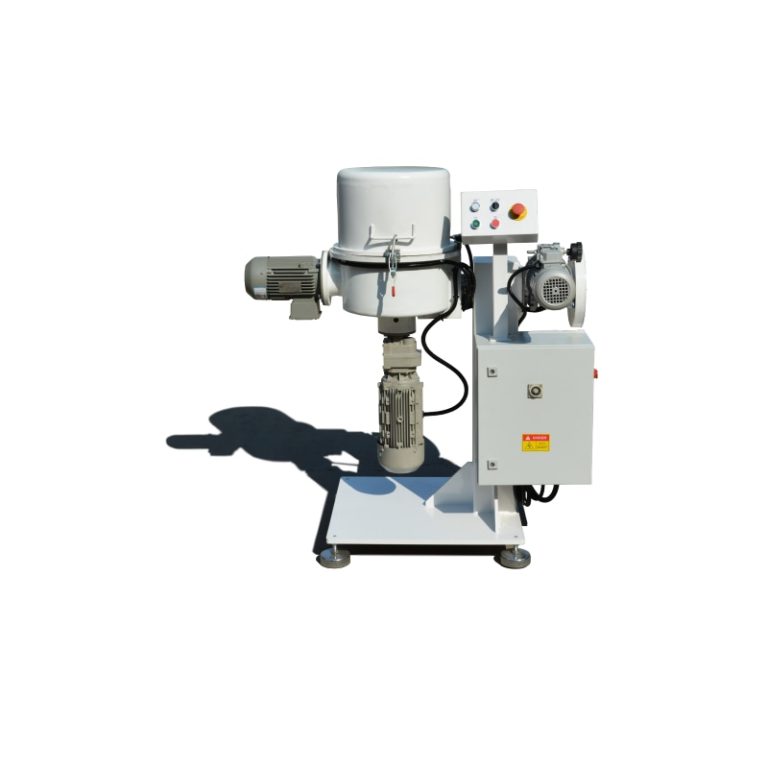
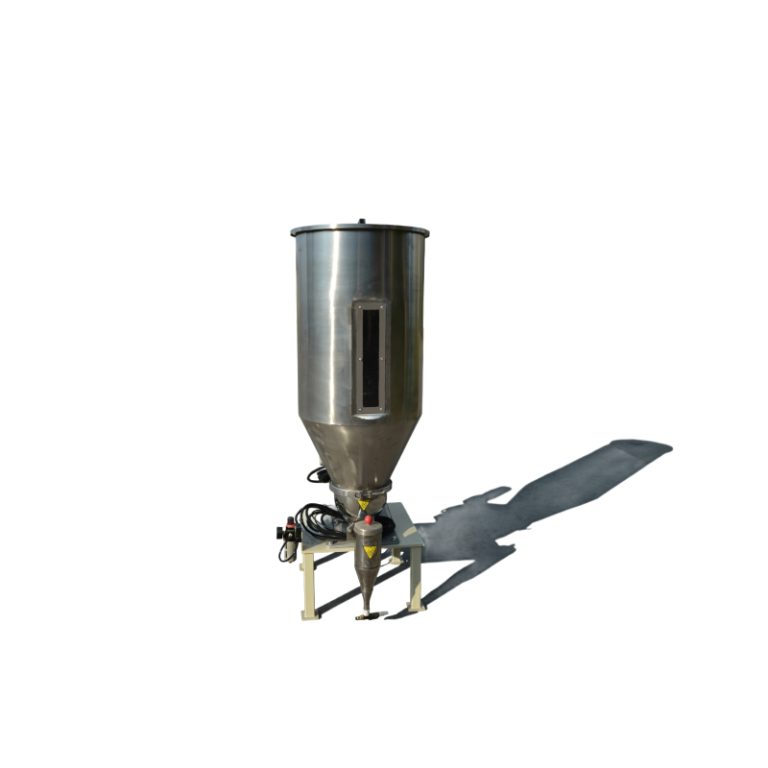
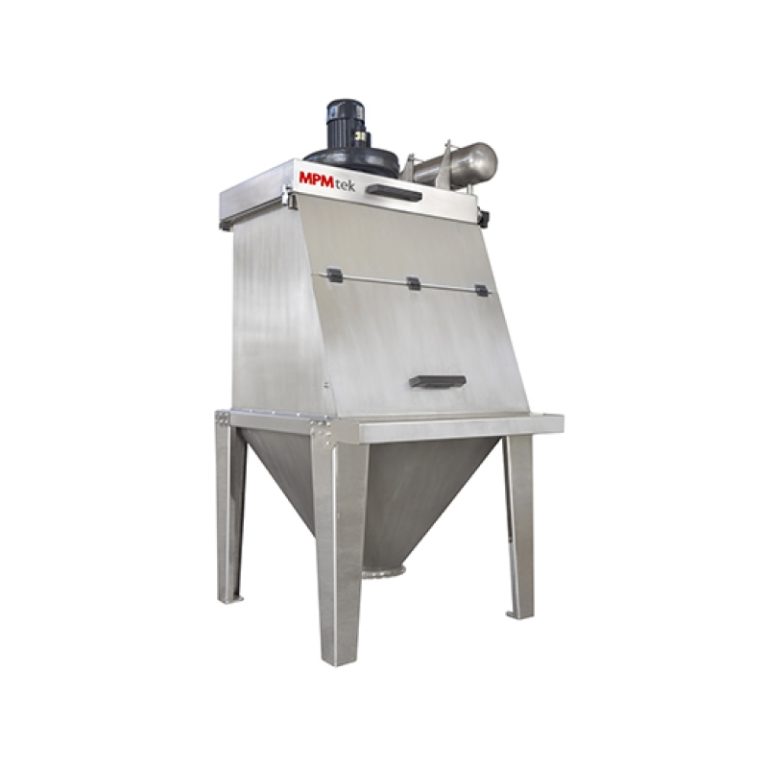
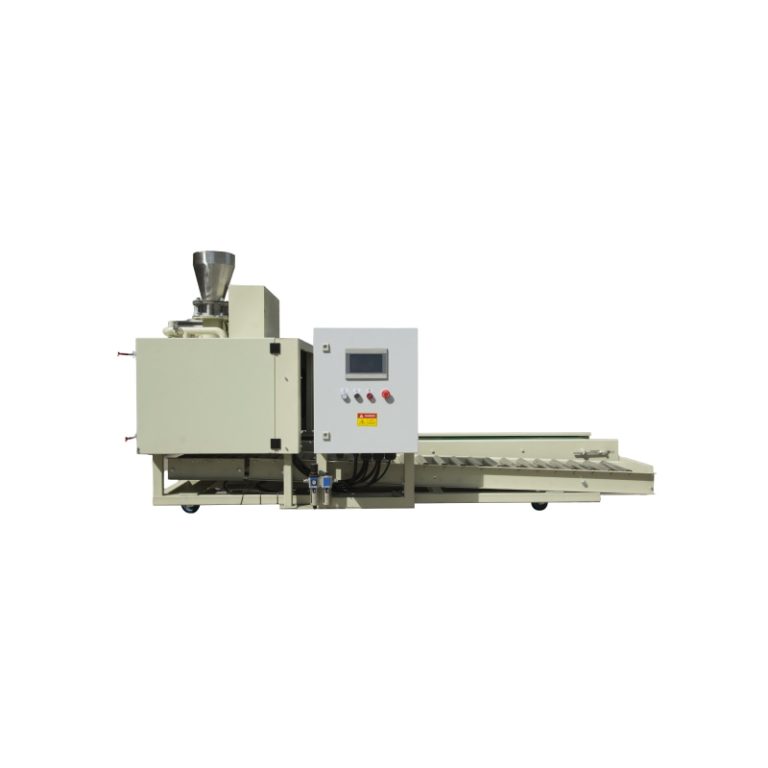
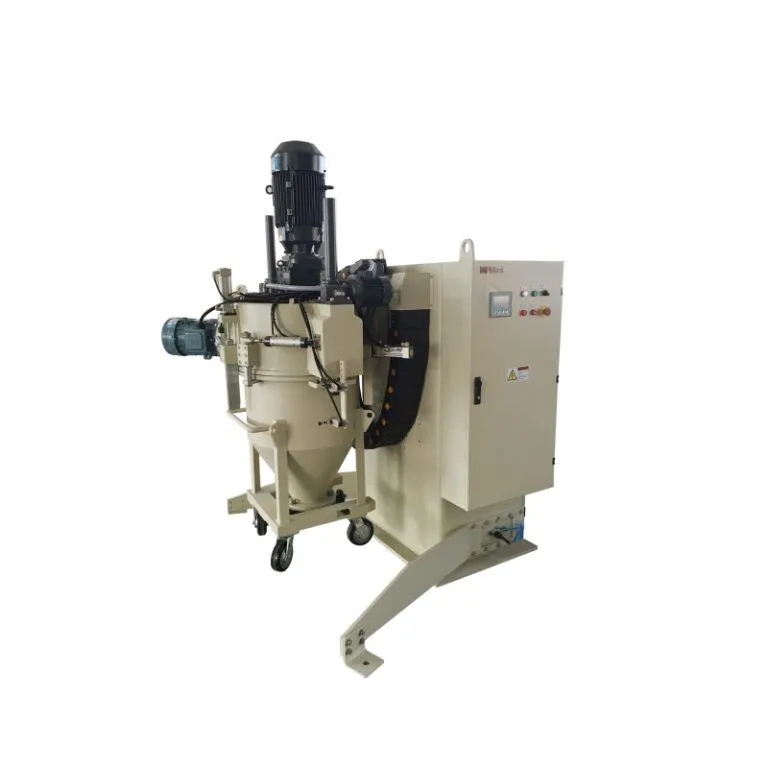
Industrial dry powder mixers are built to meet tough design, performance, and safety rules. Container mixers, in particular, have become a top choice for being flexible and good at their job in industrial powder mixing. The main point is their strong build, automatic controls, and simple cleaning. All of this helps keep product quality steady. It also matches today’s production needs.
General Design and Construction Standards
Key Features of Industrial Dry Powder Mixers
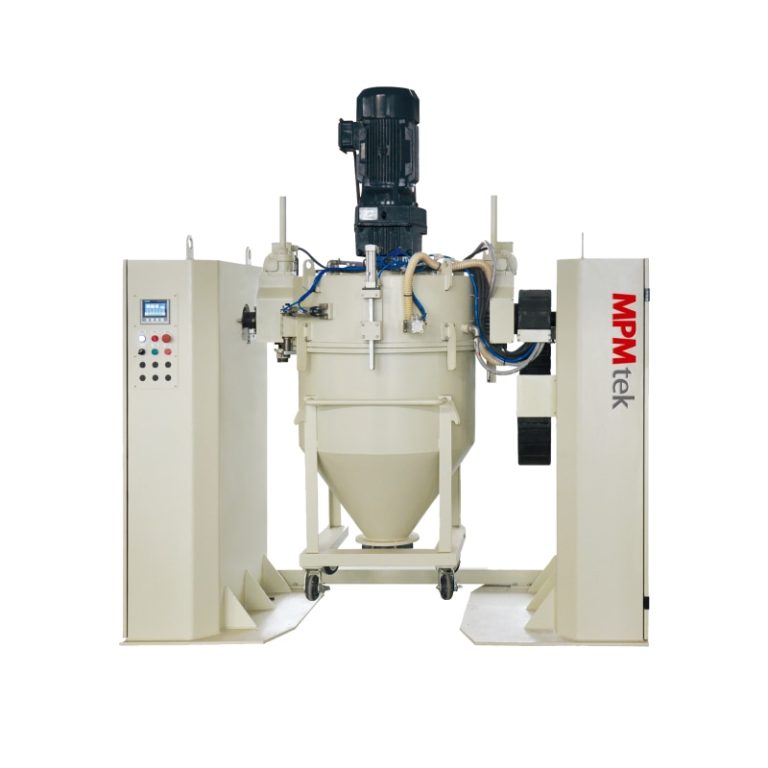
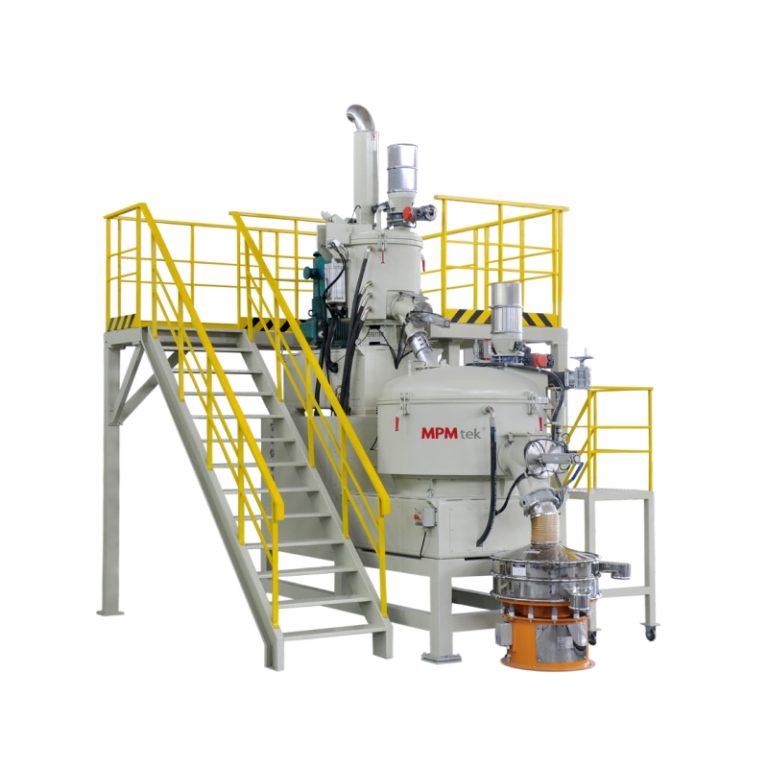
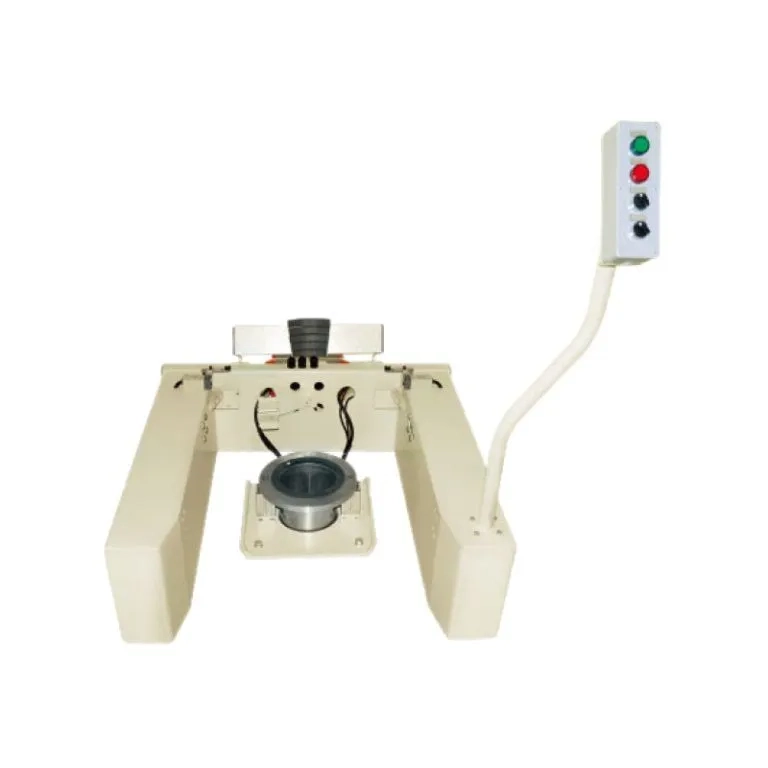
A container mixer is designed as an offline mixing machine with movable containers that allow efficient handling of various materials. 컨테이너 컨테이너 컨테이너 is an offline mixing machine with movable containers, using for mixing raw materials.
The process starts with loading the container with raw materials. Then, you push it to the working spot. Next, it locks to the mixing head on its own. The mixer stirs the contents evenly. At the same time, the head turns 180 degrees for the best blending.
Durability is key because industrial settings need machines that last under steady use. Good quality stainless steel or alloy materials are often picked to stop rust and dirt buildup.
Design options, such as upright versus side-to-side setups, get chosen based on the powder kind and batch amount. For instance, upright mixers work well for powders that flow easily. But side-to-side designs fit sticky materials better.
Considerations for Industrial Powder Mixers
The choice of an industrial powder mixer relies a lot on size and how much it can hold. Production lines that deal with many recipes or colors gain from systems that can switch containers fast. This avoids mixing up batches.
Shape matters a bunch too. Things like blade form, tilt degree, and chamber space affect how well everything mixes. In container mixers, the 180-degree tilt action makes sure particles spread out evenly in the batch.
Mixing Performance Standards
Evaluating Efficiency in Industrial Mixers
Mixing efficiency gets checked by how evenly ingredients spread out in a set time. Tests for evenness often mean taking samples from different spots in the batch. This confirms everything is consistent.
Speed and power savings depend on stuff like motor strength, blade setup, and how materials move. A smartly built industrial mixer cuts down on spots where nothing happens. It also boosts contact between particles.
Techniques for Optimizing Mixing Processes
To boost product steadiness, workers can tweak spin speed or mixing time based on what the materials are like. Automation brings a big plus here. The container mixer is automatically controlled by PLC & HMI. This setup gives the same results every time. And it needs little hands-on work.
Lately, new ideas include drives that change speed. There are also smart controls that watch changes in force or thickness during the run. They adjust things on the fly to improve how it works.
Safety Standards
Essential Safety Features in Mixer Design
Safety stays a main focus in industrial mixer design. Current machines have locks that stop them from running when covers or doors are open. They also have quick-stop buttons that operators can reach easily.
Dust handling is another big worry because fine powders can lead to blast risks.
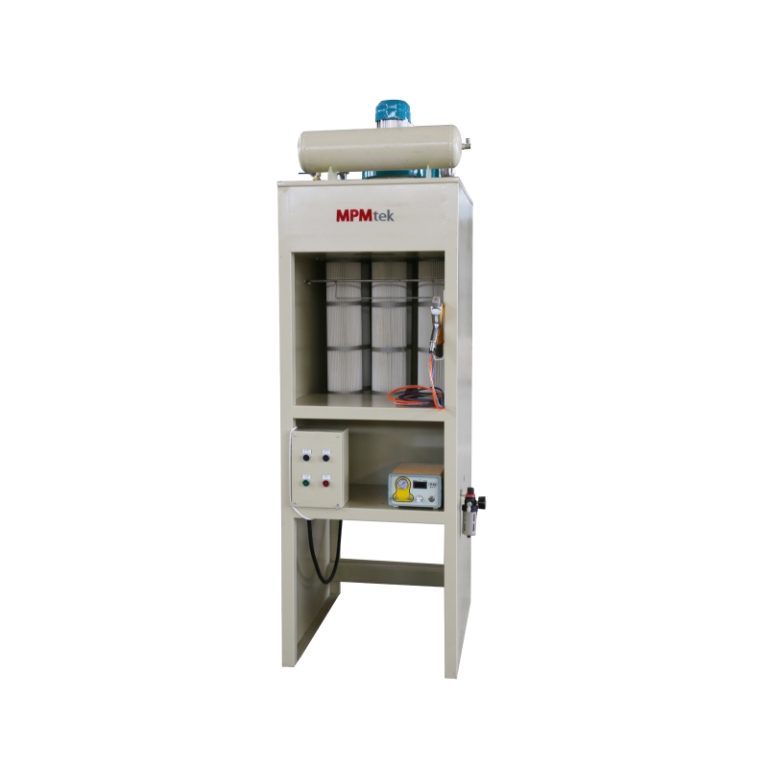
Automatic dust vacuum systems help keep work areas safe. They stop dust from floating around during loading or emptying.
Compliance with Industry Regulations
Industrial mixers must follow global safety rules like ISO 12100 for machine safety design. They also meet ATEX rules for places with explosion dangers when needed. Manufacturers stick to local health laws too. This protects workers from machine dangers or bad dust exposure.
Companies like MPMtek의, a professional manufacturer specializing in powder coating production equipment including container mixers, incorporate comprehensive safety protection systems into their designs to meet these global standards.
Cleaning and Maintenance Standards
Routine Maintenance Procedures for Industrial Mixers
Good upkeep makes equipment last longer. It also avoids expensive stops. Workers usually do planned checks on seals, bearings, and drive parts. Double-seals for shaft, no powder leakage, no solidified particle features reduce wear while keeping internal components clean.
Recommended maintenance includes:
- Checking lubrication levels weekly.
- Inspecting electrical connections monthly.
- Verifying PLC system calibration quarterly.
Common problems like shaking or uneven mixing often come from loads that aren’t balanced or blades that are worn out. You can fix both with regular looks.
Effective Cleaning Techniques for Container Mixers
Cleaning between batches is important when you switch colors or mixes.
Multi-containers used to operation, easy to clean and change color. Workers often use forced air first. Then they wipe with cleaners that match the materials. Some machines have containers you can take off.
This lets you wash them outside without stopping the whole line. That’s handy in busy places. Cleanliness not only keeps product quality high. It also stops mix-ups that could mess with later steps or make customers unhappy.
Comparison with Other Mixer Types
Advantages of Container Mixers Over Other Types
Container mixers give great flexibility compared to fixed-bowl kinds:
- They handle many mixes without long cleaning times.
- Containers can be changed out quick between batches.
- Automatic lifting and locking cut down on hard work.
The container mixer is flexible equipment for production with high utilization.
This makes them really good for fields like powder coatings. There, recipe switches happen often each day. Another plus is saving money. Less time off means more work done per shift.
Limitations Compared to Alternative Mixing Solutions
Even with their good points, container mixers might not suit very fine powders that need nonstop handling. Or huge operations where ongoing systems give better control over flow. In those spots, ribbon blenders or steady screw mixers could offer more even rates over long periods.
Still, many manufacturers—including MPMtek—keep improving container mixer tech. They do this through better automatic controls (PLC & HMI) and add-on cooling parts. These expand how you can use them in areas beyond coatings, like plastics or chemicals.
FAQ는
Q: What makes a container mixer different from other industrial dry powder mixers?
It uses removable containers allowing separate batch handling without cross-contamination risks.
Q: How does automation improve mixing quality?
Automated PLC & HMI systems ensure consistent timing and motion control across all batches.
Q: How often should an industrial powder mixer be cleaned?
After every batch change involving different materials or colors to maintain purity levels.
Q: What safety features should I check before operating a mixer?
Confirm functional interlocks, emergency stops, dust extraction systems, and proper grounding against static buildup.