뉴스

What Are the Raw Materials for Powder Coating

내용표


Thermosetting Polyester Resins

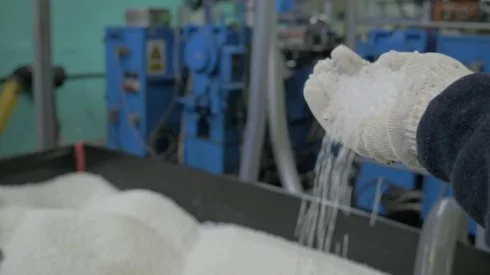
Powder coating is a finely tuned process that depends heavily on raw material precision and processing technology. Each component—resin, curing agent, pigment, filler, and additive—must be selected and handled with strict control to ensure not only aesthetic appeal but also the long term durability of the finish.

Especially in industrial settings where coatings face weathering, chemical exposure, or mechanical stress, precision powder coating hinges on both formulation and equipment synergy.

Primary Resin Types Used in Powder Coating

Thermosetting Polyester Resins

Ideal for outdoor applications, thermosetting polyester resins deliver excellent weatherability. Their performance depends largely on particle size consistency, which directly affects film smoothness and curing uniformity.

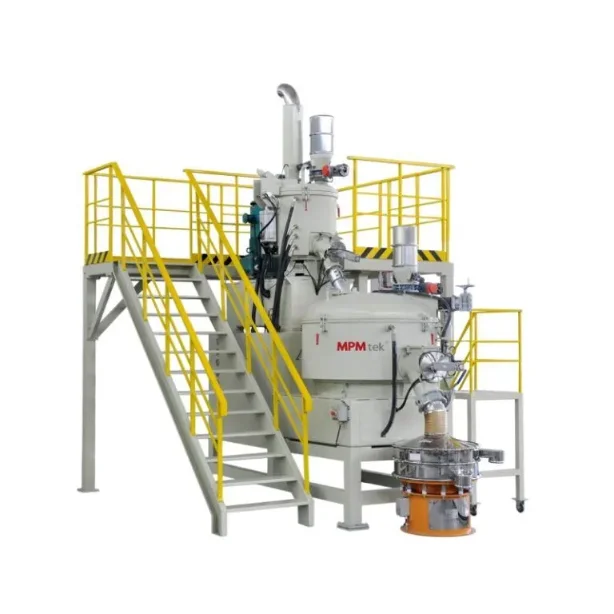
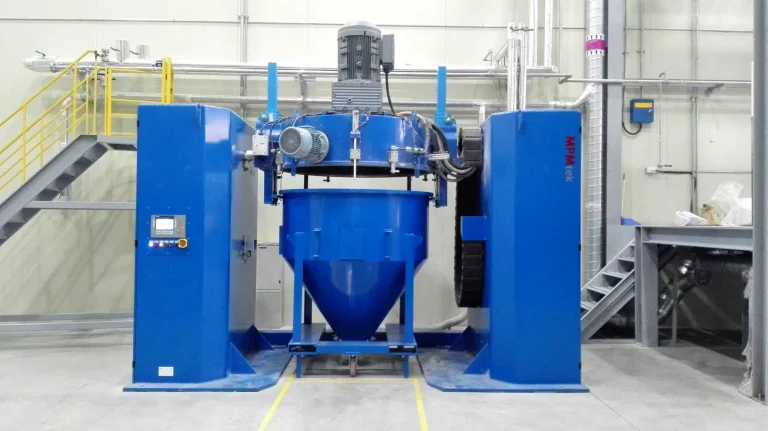
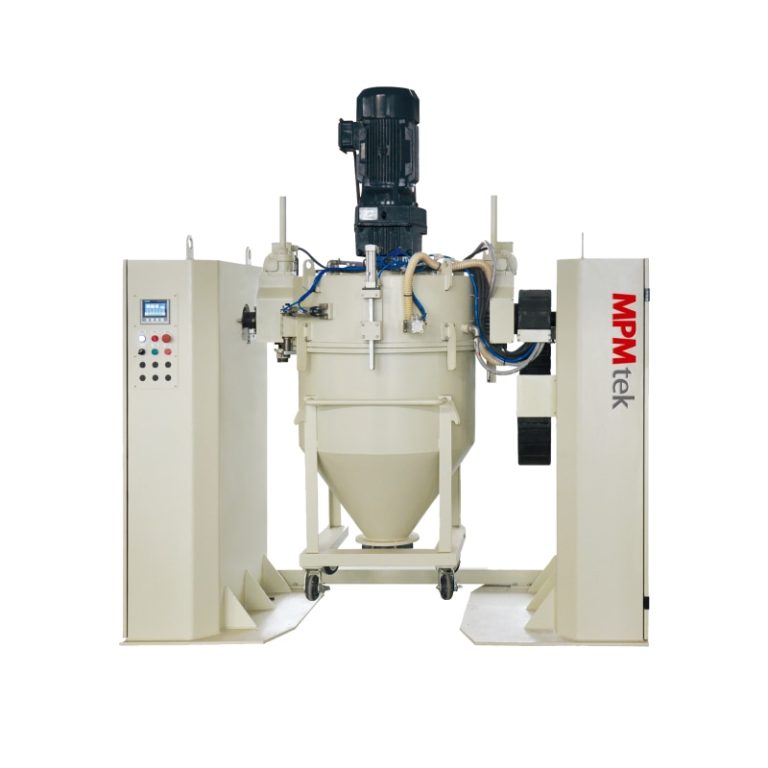
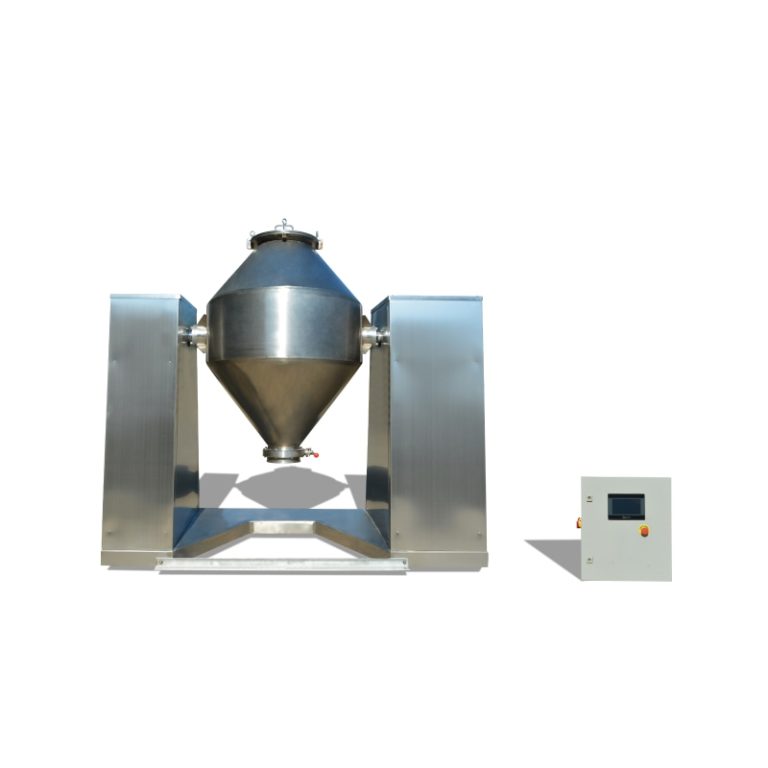
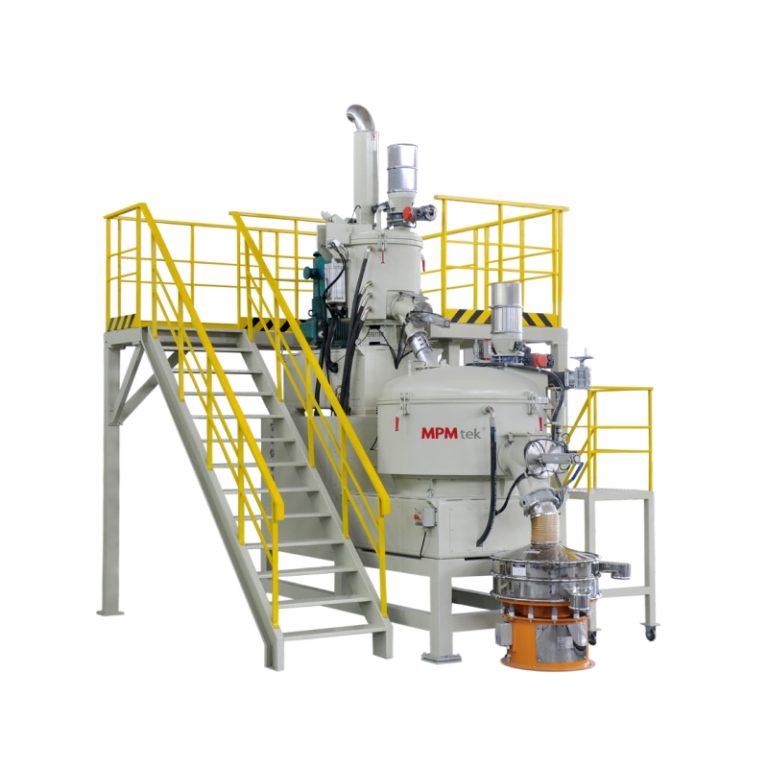
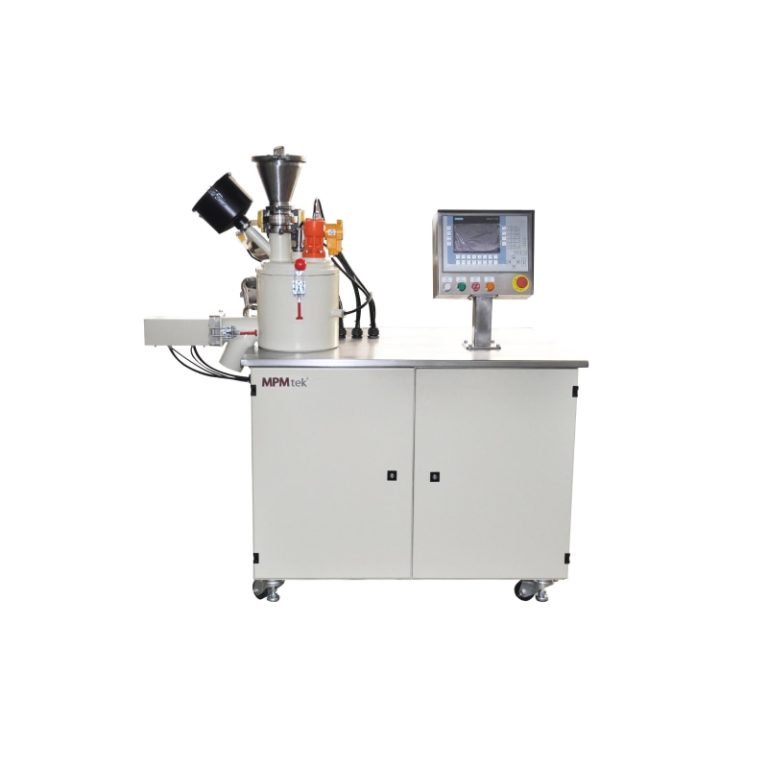
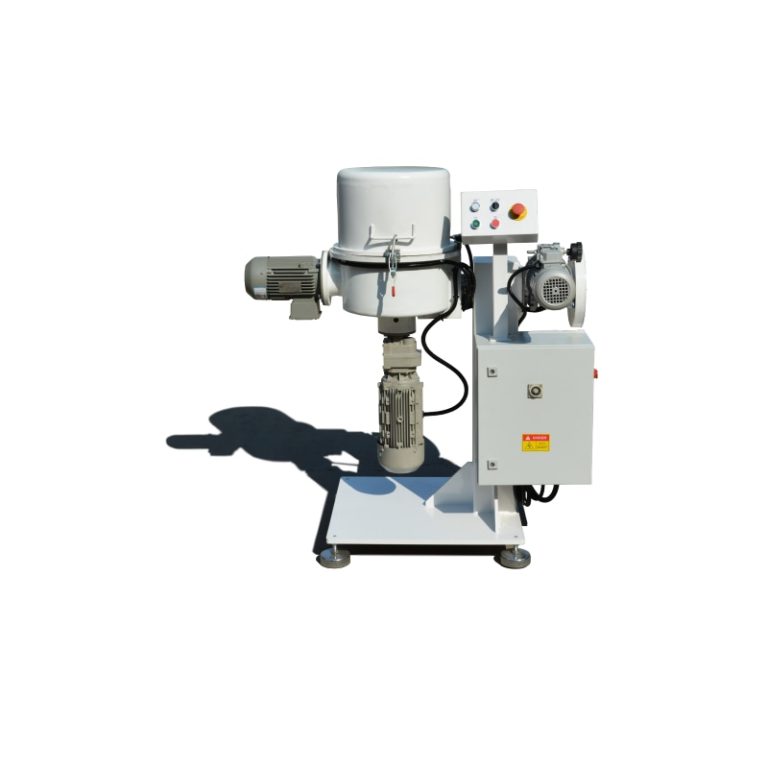
To ensure optimal dispersion, container mixers such as the 컨테이너 컨테이너 컨테이너 is an offline mixing machine with movable containers, using for mixing raw materials. This setup allows for uniform resin blending prior to extrusion. Additionally, micronization is necessary to refine particle size for better electrostatic transfer.

Epoxy Based Resins

Epoxy resins are preferred for interior environments due to their superior adhesion and chemical resistance. Edge coverage, especially in complex geometries, improves with controlled particle sizing.

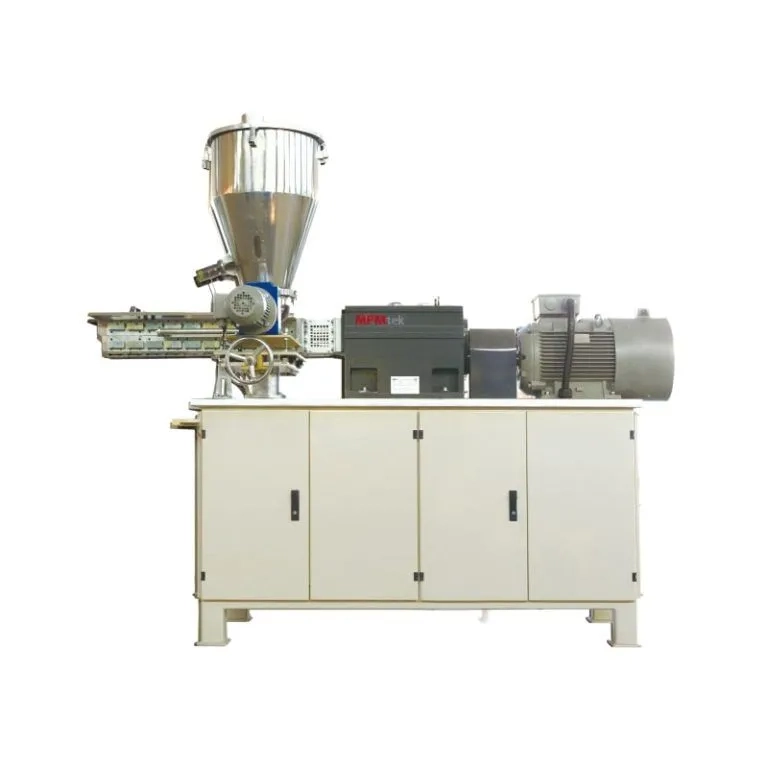
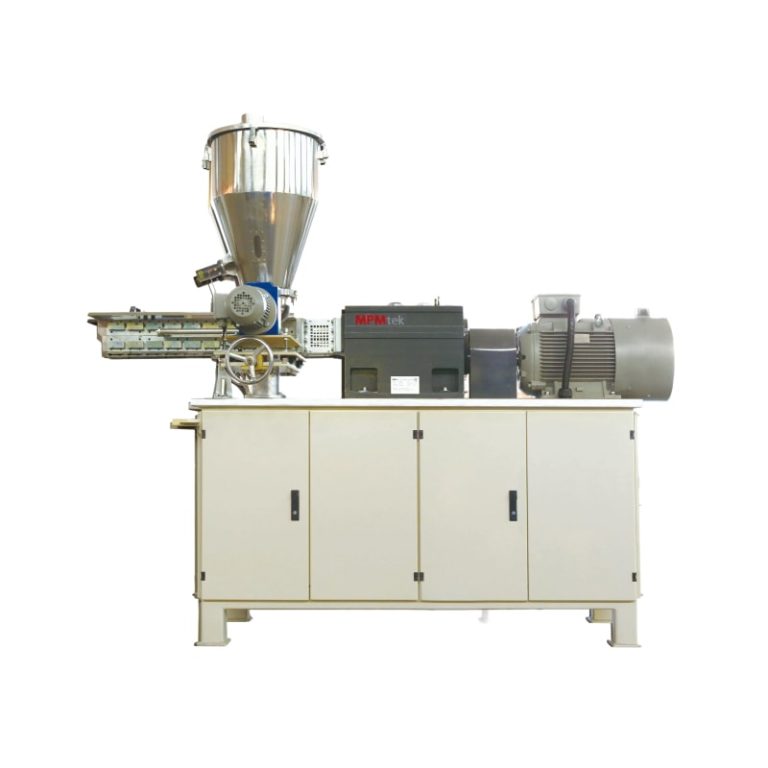
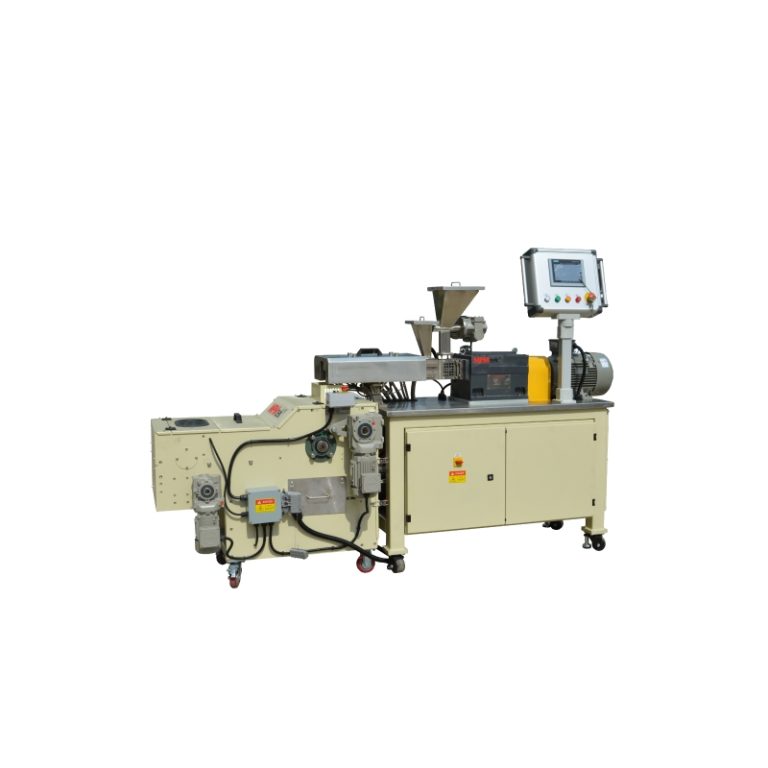
During processing, thermal stability is a concern. The 트윈 나사 압출기 is very important equipment for powder coatings processing because it ensures homogeneous melt mixing at precisely controlled temperatures, avoiding degradation.

Hybrid Resin Systems

Combining polyester and epoxy resins results in balanced mechanical properties suitable for general purpose coatings. Consistent dispersion is critical here—especially across different production batches.

Mixing efficiently and homogeneously, as achieved through container mixers, maintains uniformity. For application efficiency, particle size distribution must be fine tuned to reduce losses during electrostatic spraying.

Curing Agents in Powder Coating Formulations

Dicyandiamide and Amine Derivatives

These are typically used with epoxy systems and allow moderate temperature curing. Smaller particle sizes can accelerate crosslinking reactions, but they must be evenly mixed to prevent cure inconsistencies.

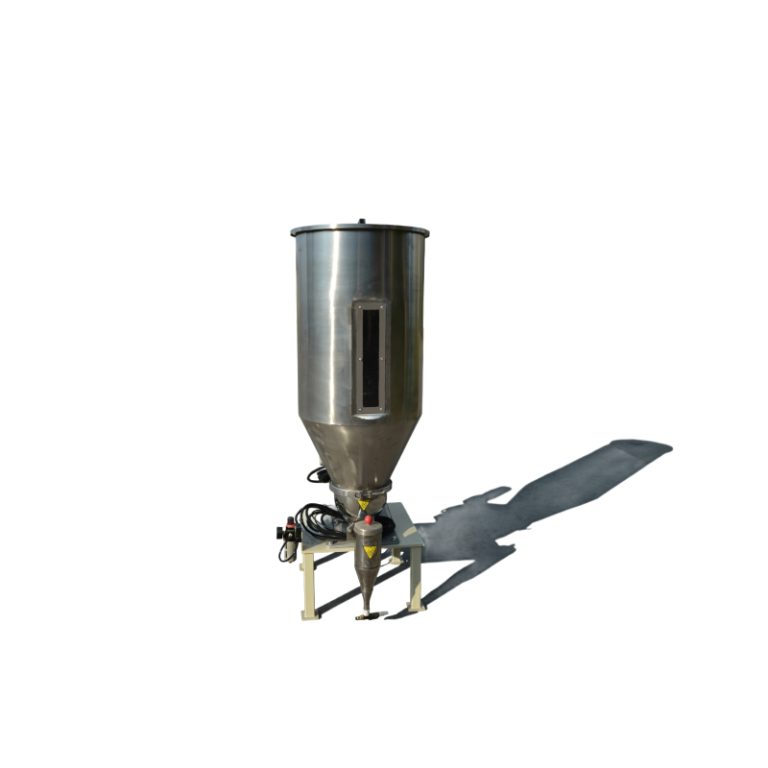
Twin screw feeder is forced to feeding materials of bad fluidity and low specific gravity, making it ideal for achieving consistent distribution of these agents.

TGIC and HAA Compounds

Used with polyester resins, these curing agents offer high UV resistance and flexibility. Proper micronization enhances gloss control. MPMtek’s integrated feeding systems support precise agent incorporation into the base formulation, minimizing variability and ensuring consistent film properties across production runs.

Uretdione Based Hardeners

These hardeners feature blocked isocyanate functionality and are useful in low temperature curing processes. They require stable particle uniformity to avoid premature reaction during storage.

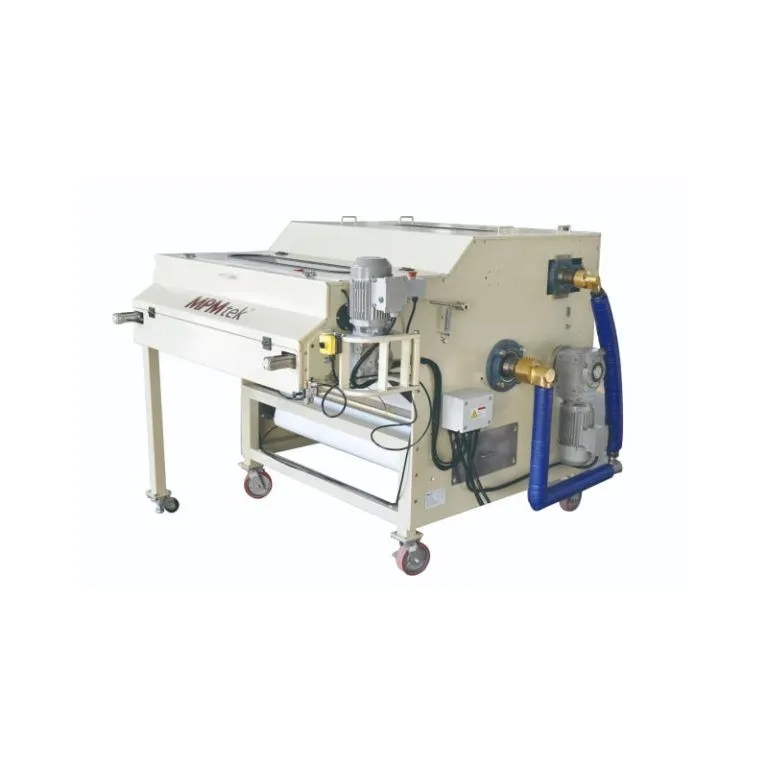
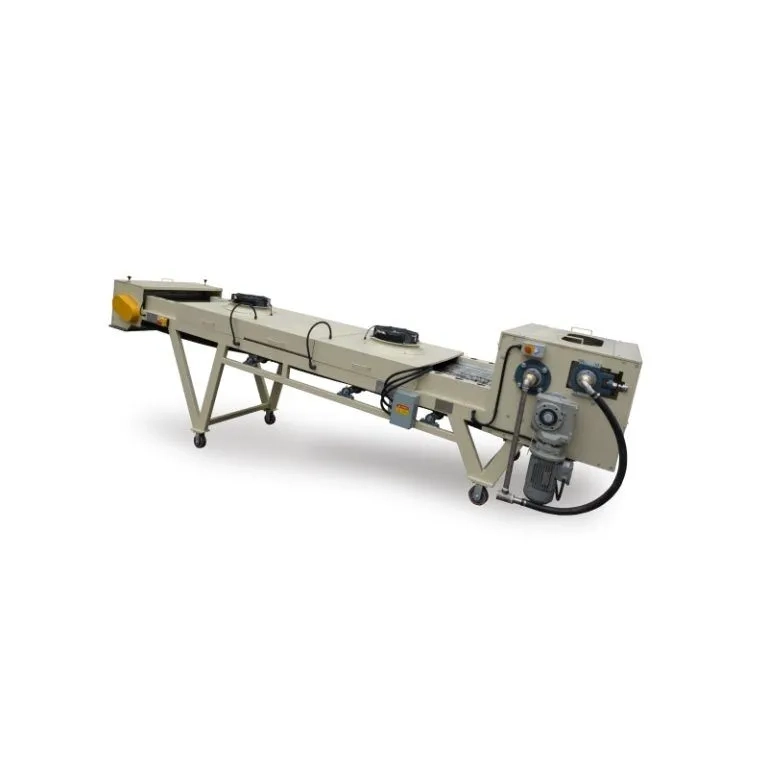
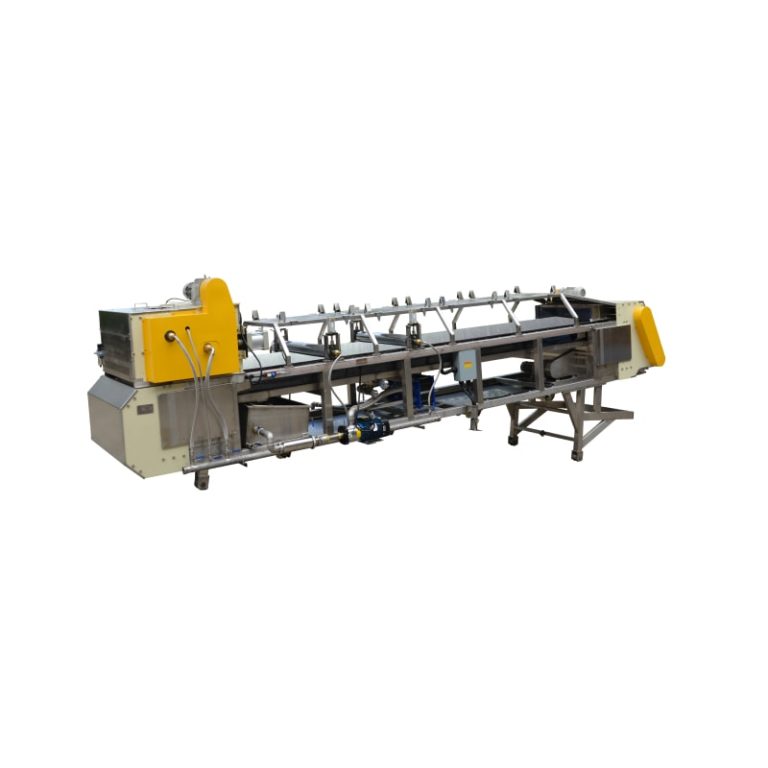
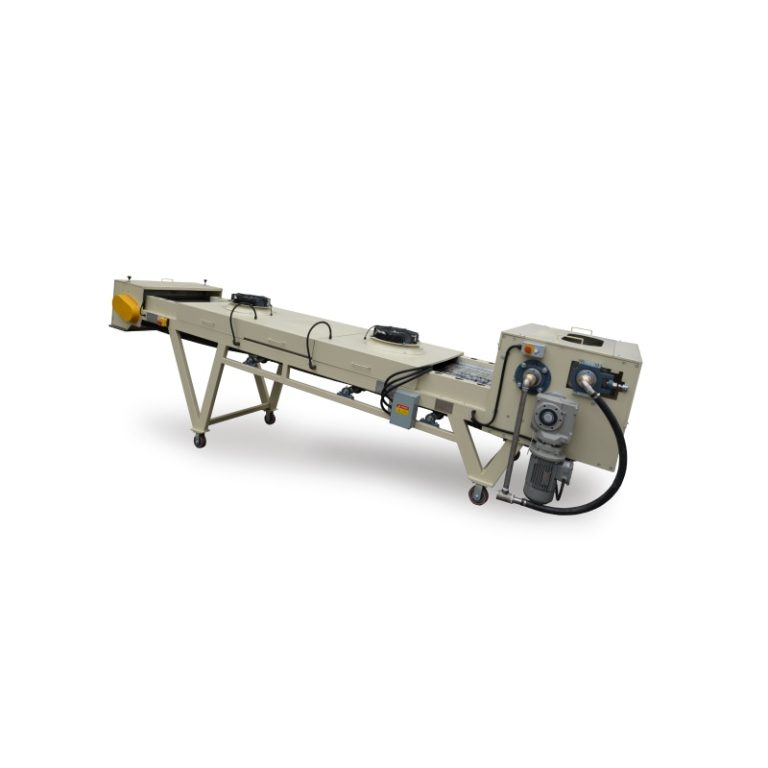
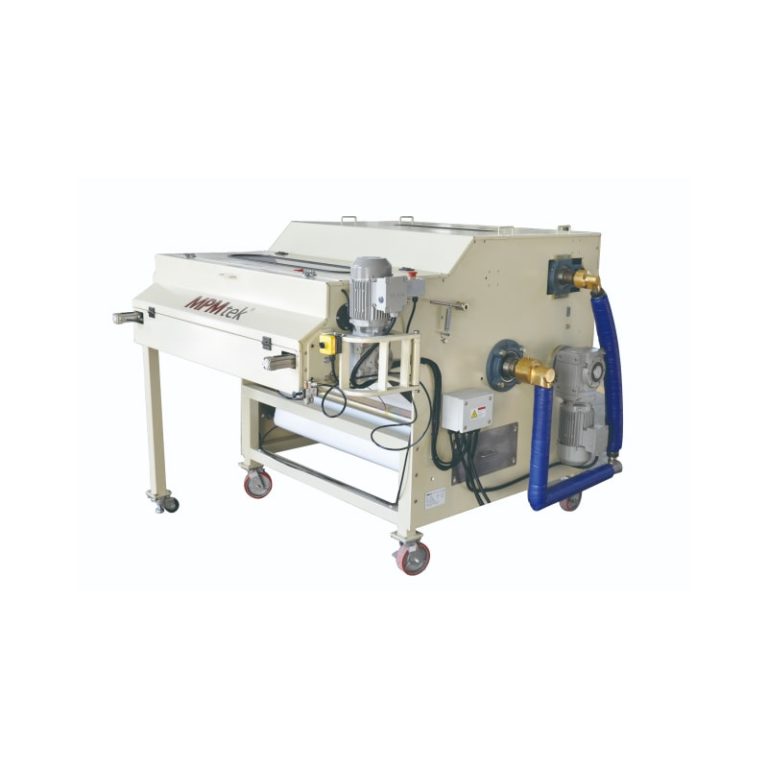
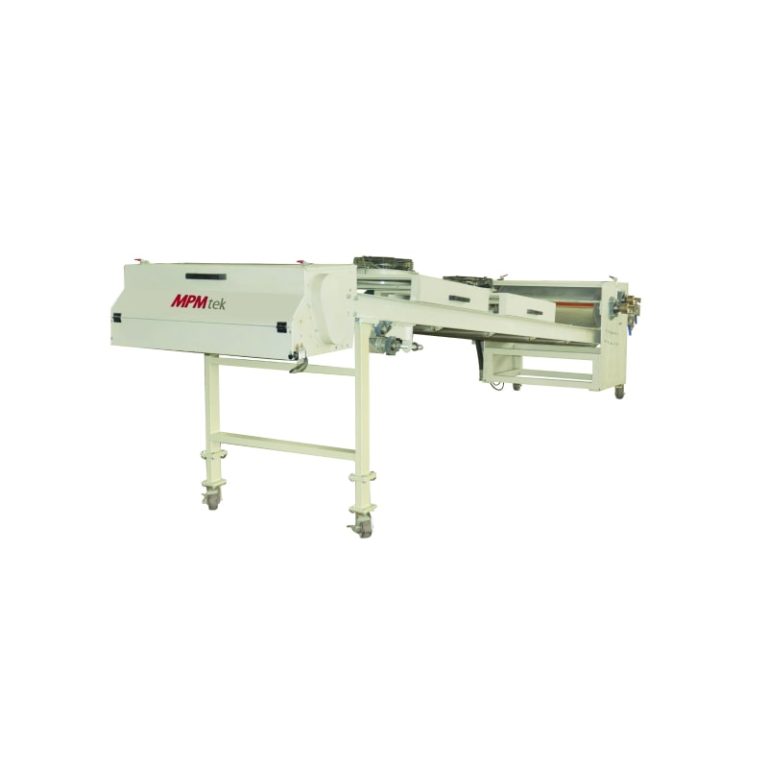
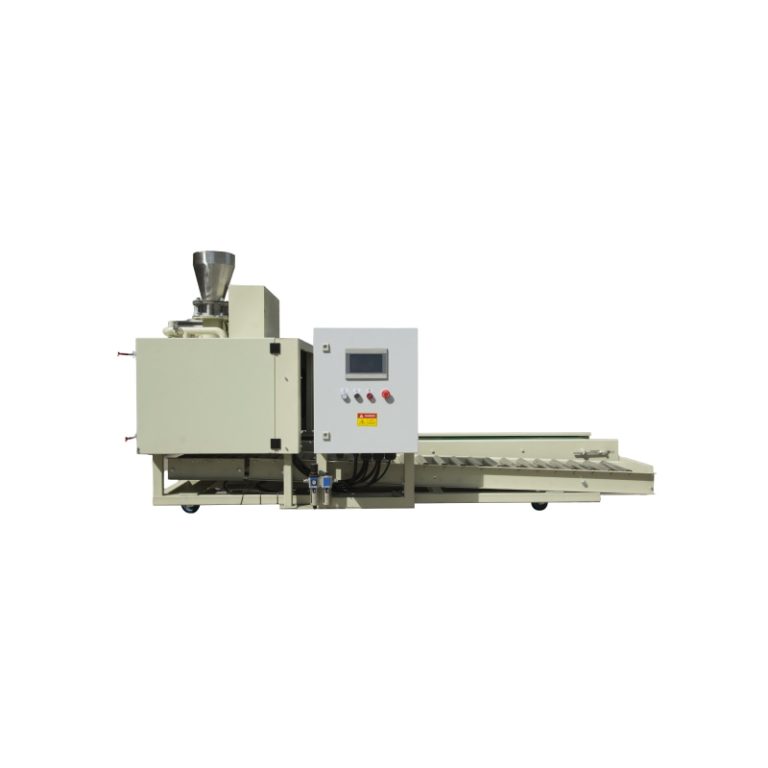
Cooling systems like 공기 냉각 벨트 is composed of cooling rollers, stainless steel slat chain conveyor, crusher and cooling air system ensure that the material is processed below decomposition thresholds.


금속 결합 혼합기

Pigments in Powder Coating Performance

Inorganic Pigments

Known for their opacity and heat resistance, inorganic pigments are central to industrial grade coatings. Agglomeration during extrusion can ruin gloss levels.

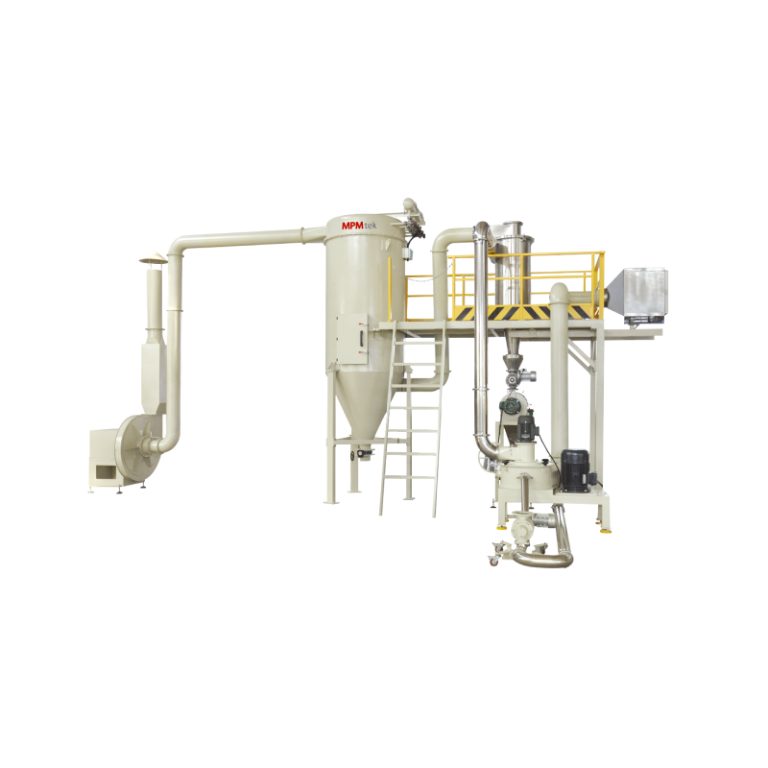
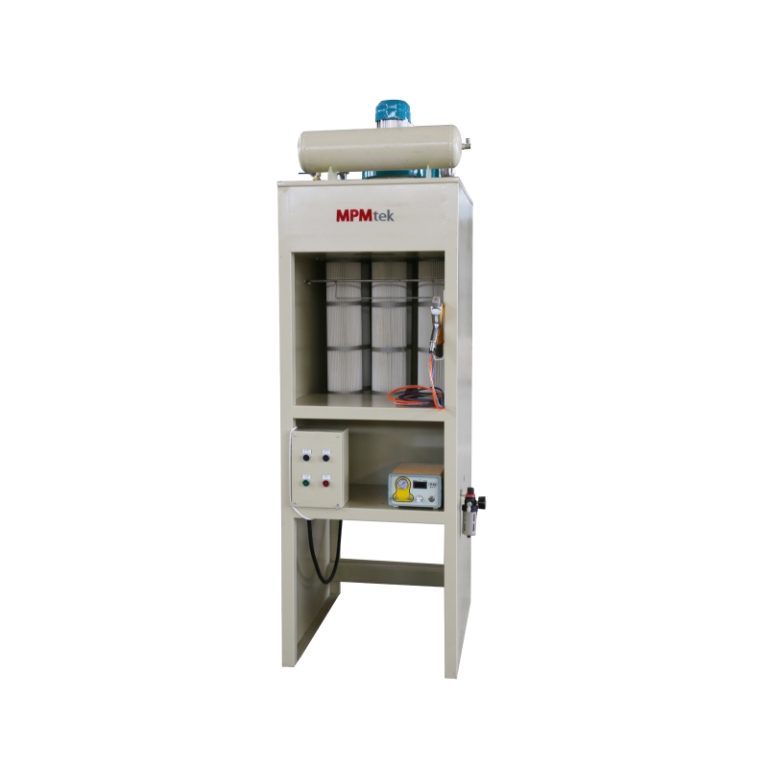
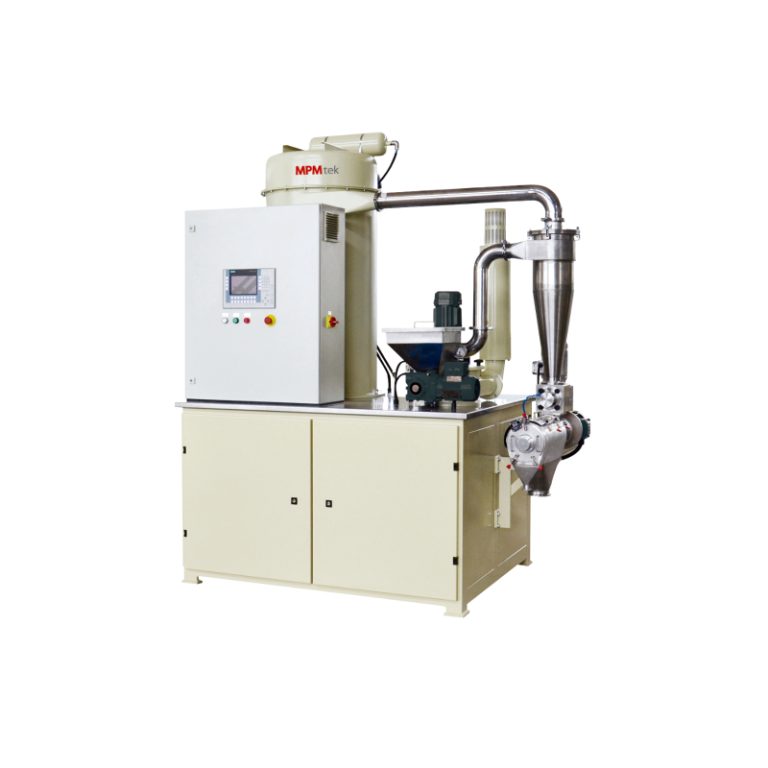
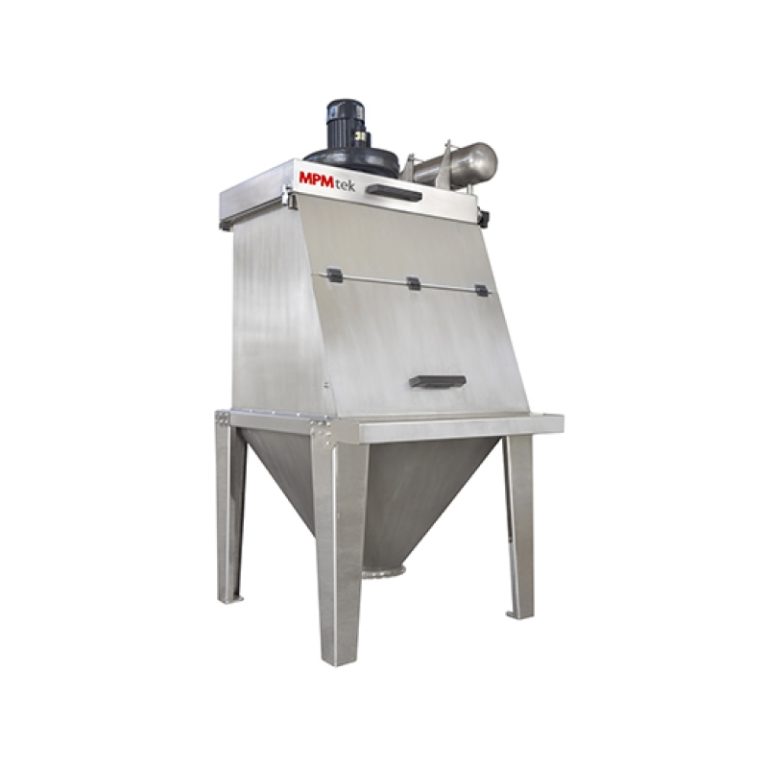
That’s why ACM Micro Grinding System is composed of high speed air classifying mill, offering tight control over pigment dispersion without sacrificing finish quality.

Organic Pigments

These pigments provide bright colors but are more sensitive during processing. Shear intensity control is essential to maintain color strength without degrading pigment integrity.

Equipment like the container mixer, which uses stir and high speed crusher while the mixing head tilts 180 degree to the working position, provides the needed flexibility in handling these delicate materials.

Effect Pigments (Metallics & Pearlescents)

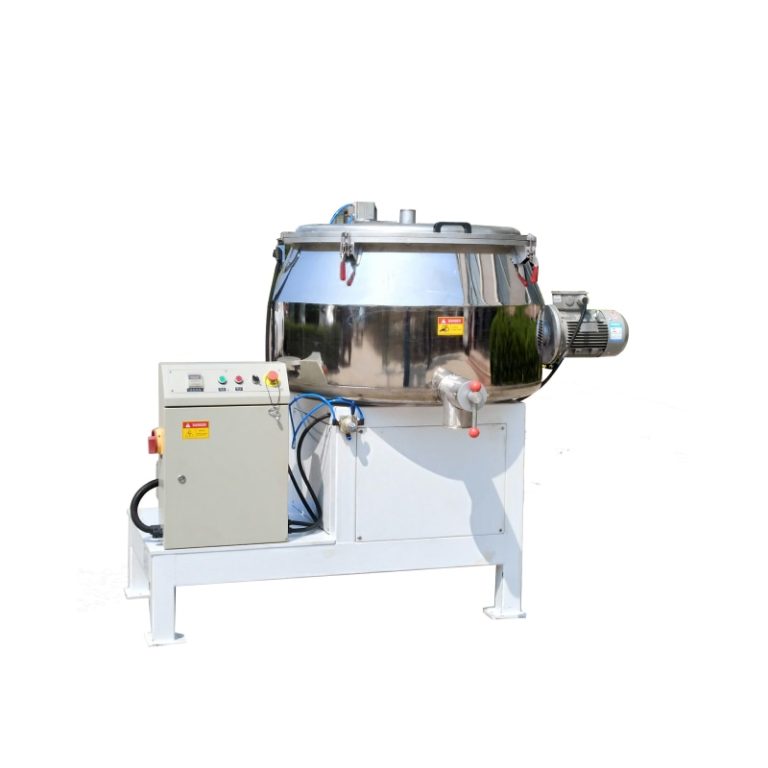
For applications requiring visual depth or metallic sheen, effect pigments must be uniformly bonded onto powder particles to prevent separation or mottling. The 금속 결합 혼합기 is functioning for bonding the metallic paint to the surface of particle of powder coatings with metallic gloss.

This technology ensures even distribution of metallic pigments while protecting their reflective properties.

Fillers Modifying Powder Coating Properties

Barium Sulfate and Calcium Carbonate Fillers

These fillers enhance hardness and reduce formulation costs. However, their impact on viscosity makes precision feeding essential. Volumetric feeders from MPMtek enhance throughput control, allowing for accurate dosing that maintains coating flowability.

Silica Based Fillers (Amorphous or Fumed)

Used for anti caking and surface modification, silica fillers must be ultra fine and consistently dispersed. Closed loop systems equipped with real time monitoring help prevent clumping and ensure uniform behavior across batches.

Functions of Additives in Powder Coating Systems

Flow Modifiers and Degassing Agents

These agents prevent visual defects by controlling melt dynamics during curing. Nanometer scale additives must be dosed with care. The Twin screw feeder for additive feeding offers accuracy down to small volumes while maintaining flow consistency via an internal stirrer.

Charge Control Agents

These additives regulate how well powder sticks to metal substrates during electrostatic application. Integrated blending lines help maintain even distribution of these agents without compromising other raw materials.

UV Stabilizers and Antioxidants

Protection against sunlight and oxidation is critical for long life coatings. For sensitive additives like these, inert processing conditions might be needed—The whole processing is controlled by intelligent estimate and control system in MPMtek의’s lab bonding system supports this kind of controlled environment.

Particle Size Control in Powder Coating Production

Particle size impacts nearly every stage of the powder coating process:

Impact Area Importance of Particle Size
Electrostatic Deposition Uniform size enhances transfer efficiency; large particles reduce deposition rate
Surface Finish Even particle melt flow leads to smoother finishes; inconsistency causes orange peel
Storage & Flow Proper sizing avoids clumping; helps maintain mobility during storage

ACM micro grinding system could be also used to grind pigment A perfect particle size distribution of powder coating can be obtained by regulating the running parameters.

Equipment Selection Affecting Raw Material Processing

  • Pre mixing homogeneity is vital; it ensures all subsequent processes operate on a stable base formulation.
  • Sensitive ingredients like charge agents or antioxidants require controlled blending environments to retain functionality.
  • Micronization through ACM systems defines final powder quality and ensures transfer consistency during application.Precision powder coating requires more than just the right ingredients—it’s a complex dance between material science and manufacturing technology. With the right setup, performance becomes predictable, scalable, and reliable.

FAQ는

Q: What factors influence resin choice in powder coatings?

Resin selection depends on desired mechanical properties, weatherability, chemical resistance, and substrate compatibility.

Q: How does equipment impact powder coating quality?

Proper equipment ensures consistent material dispersion, accurate dosing, controlled temperature profiles, and optimized particle sizing—all essential for achieving high quality coatings.

Q: Why choose a specialized machinery provider like MPMtek?

With expertise across all stages of powder coating production—from pre mixing to micronization—MPMtek offers tailored machinery solutions that enhance product quality while improving operational efficiency for manufacturers worldwide.

공유하기

Share on facebook
페이스북
Share on twitter
트위터
Share on linkedin
LinkedIn은

관련 뉴스

How to Choose a Lab Mixer That Reduces Powder Coating Defects
What Are the Raw Materials for Powder Coating
트윈 스크류 압출에서 스크류 속도 비율 조정에 대한 주요 고려사항
적절한 윤활 유지 보수를 통해 분말 밀 수명을 연장하는 방법