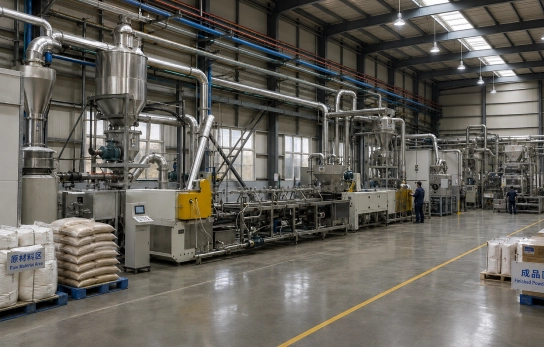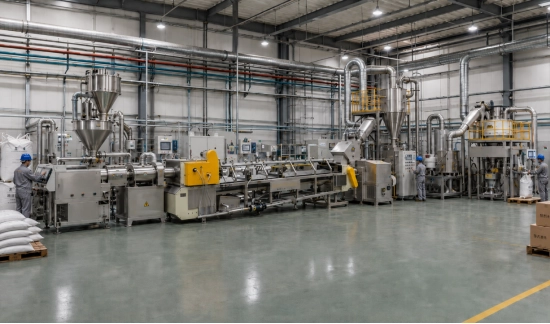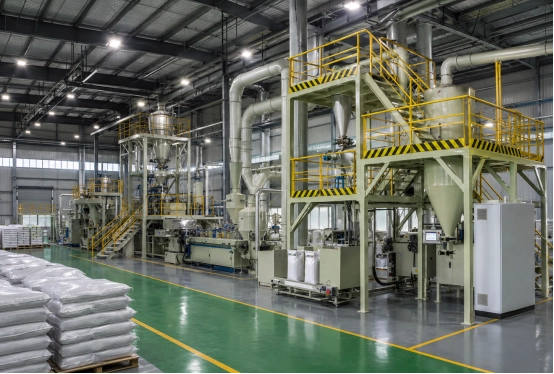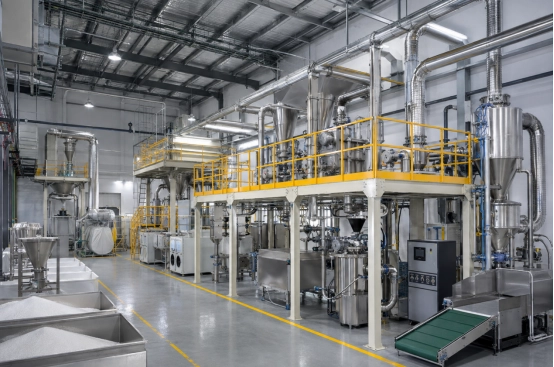
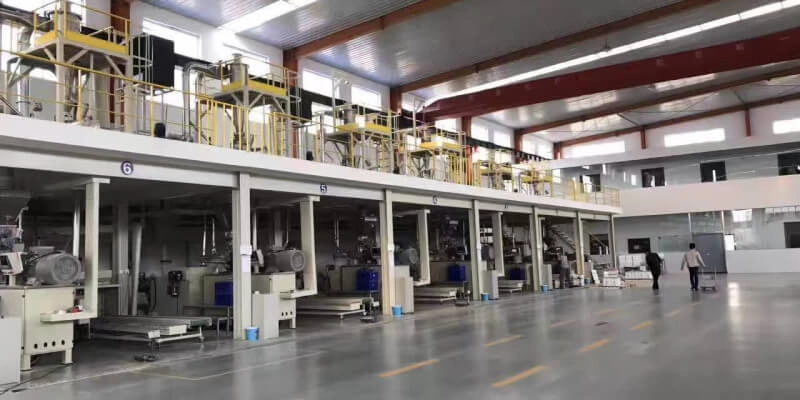
Выбор между 100 кг/ч и 1000 Линия производства порошкового покрытия в кг/ч - это не только производство, это приведение ваших производственных целей в соответствие с правильным уровнем автоматизации, инвестиций и гибкости. Для некоторых компаний меньшие линии обеспечивают гибкость и снижение затрат. Для других, крупномасштабные непрерывные системы открывают эффективность и последовательность в больших объемах.
Что означает производственная мощность в производстве порошкового покрытия
Выпускная мощность определяет, сколько готового порошкового покрытия может производить линия в час, измеряемая в килограммах в час (кг/ч). Это отражает пропускную способность системы - общую массу обрабатываемого и охлаждаемого продукта, покидающего экструдер и охлаждающий конвейер в течение определенного периода времени. Правильная мощность напрямую влияет на эффективность затрат, масштабируемость и беспрепятственную эксплуатацию.
Например, МПМтек предлагает полные производственные линии от 100 кг/ч до 1000 кг/ч, каждый оптимизирован для различных бизнес-масштабов. Правильно выбранная мощность обеспечивает гармоничную работу экструдера, смешителя и системы охлаждения без узких мест или проблем с избыточной мощностью.
Факторы, влияющие на производственную мощность
Несколько переменных определяет, сколько может производить линия производства порошкового покрытия:
- Тип сырья - смолы, пигменты и добавки - влияет на скорость обработки.
- Дизайн оборудования играет важную роль. Двухвинтовый экструдер спроектирован с двумя совместно вращающимися винтовыми валами. Эта конструкция обеспечивает последовательную дисперсию даже при высокой пропускной способности.
- Уровень автоматизации и системы управления процессом также имеют значение. ПЛК и HMI используются для управления с дружелюбным интерфейсом, простым в эксплуатации.
Сравнение 100 кг/ч и 1000 кг / ч порошковое покрытие производственные линии
Разница между малыми и большими системами выхода выходит за рамки простых чисел — она влияет на планирование макета, потребление энергии, потребности в рабочей силе и доходность инвестиций.
Основные различия между небольшими и большими выходными линиями
А 100 кг/ч линия обычно подходит изготовителям на заказ или R& D лаборатории, производящие ограниченные партии. Он предлагает низкое потребление энергии и гибкую работу. Напротив, 1000 Система кг/ч построена для производства порошкового покрытия в промышленном масштабе, где непрерывная работа имеет важное значение.
| Особенность | 100 кг/ч Линия | 1000 кг/ч Линия |
| Смешатель | CMR-300 | CMR-1000 |
| Экструдер | ТСЕ-48Б | ТСЕ-70С |
| Конвейер охлаждения | ККД-200 | ККБ-1000 |
| мельницы | АКМ-15 | АКМ-50 |
| Весование & Упаковка | АВП-30 | АВП-30 |
| Добавочный кормильник | FTSE-28 | FTSE-28 |
Компоненты оборудования в различных линиях мощности
Каждый диапазон мощностей использует аналогичные основные технологии, но масштабируется по-разному, чтобы соответствовать требованиям к пропускной способности.
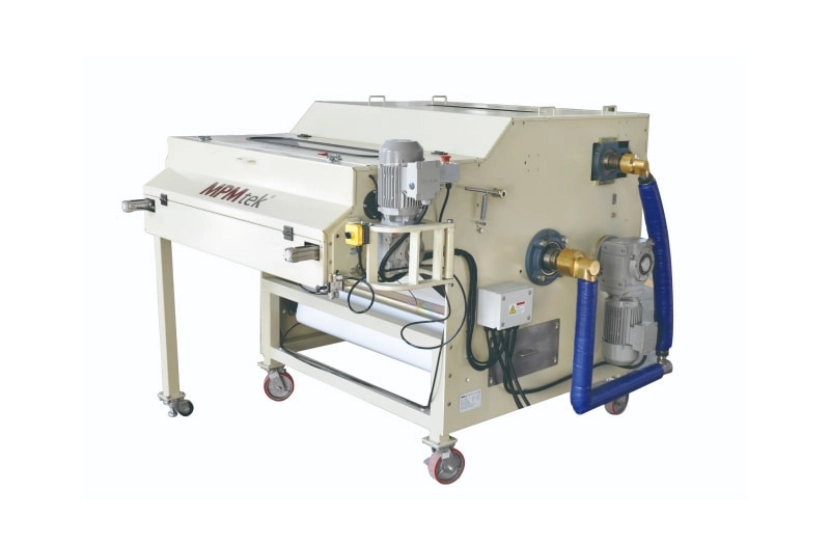
Основные компоненты 100 кг/ч Линия
Установка с небольшой мощностью часто включает в себя компактные версии стандартного оборудования:
- Контейнерный миксер - это офлайновая смешивальная машина с подвижными контейнерами. Смешивание эффективно и однородно, легко чистить.
- Двухвинтовый экструдер является очень важным оборудованием для обработки порошковых покрытий.
Эти компактные системы позволяют ручное подачу через добавочный кормильник, где кормильник установлен на раму с кольцами для простой чистки и обслуживания. Они идеально подходят при тестировании новых составов или производстве специальных покрытий в небольших сериях.
Основные компоненты 1000 кг/ч Линия
Большие линии интегрируют высокомощные машины, разработанные для стабильности при тяжелых нагрузках:
- Двухвинтовые экструдеры высокой мощности, такие как модель TSE-70C, обеспечивают до 1000 kg/h с основной мощностью двигателя 90 kW.
- Автоматизированные подаватели добавок поддерживают последовательные скорости дозирования.
- Конвейеры охлаждения Например, CCB-1000 использует расширенные ремни из нержавеющей стали — термоплавляющий материал из экструдера прокатывается в лист на 1-2 мм путем охлаждения роликов, затем дробленных на чипы и разряженных.
- Интегрированное управление на основе ПЛК обеспечивает синхронизацию всех параметров на различных этапах.
Выбор правильной линии выхода для ваших бизнес-потребностей
Выбор потенциала зависит как от текущих операций, так и от долгосрочной стратегии.
Оценка ваших потребностей в объеме производства
Начните с расчета среднего ежемесячного спроса. Рассмотрим потенциальное расширение в течение трех-пяти лет. Если вы ожидаете частых изменений цвета или различных типов продуктов, меньшие линии предлагают большую гибкость, поскольку циклы очистки короче. Для непрерывного одноцветного массового производства более высокая мощность становится более экономичной на произведенный килограмм.
Балансирование инвестиционных затрат и оперативной эффективности
Меньшие линии имеют более низкие капитальные затраты, но дают более высокие единичные затраты из-за ручной обработки. Более крупные системы обеспечивают экономию масштаба, но требуют больше пространства, инфраструктуры электроэнергии и обученных операторов. Сложность технического обслуживания также увеличивается с автоматизацией, хотя время простоя уменьшается благодаря функциям прогнозного мониторинга, встроенным в современные системы ПЛК.
Когда выбрать 100 кг/ч Линия порошкового покрытия
Иногда меньше действительно больше, особенно когда гибкость важнее, чем объем.
Идеальные сценарии для малых выходных систем
Компактная линия лучше всего подходит, если вы:
- Запуск стартапа, изучающего выход на рынок.
- Производство нишевых покрытий, таких как металлические или теплоустойчивые отделки.
- Проведение R& D центр проверки новых смоловых формулировок до полномасштабного развертывания.
Модульная конструкция позволяет изменять конфигурацию без крупных работ по переустановке.
Преимущества меньшей производственной линии
Меньшие установки потребляют меньше энергии при сохранении точности смешивания благодаря эффективным контейнерным смешителям. Чистка между цветовыми сменами занимает минуты, а не часы - важное преимущество для заказов на заказ. Операторы ценят их простоту: меньше слоев управления означает более быстрые кривые обучения. И поскольку большинство компонентов мобильны или легко отделяются, перемещение внутри объектов просто.
Когда выбрать 1000 кг/ч Линия порошкового покрытия
Если ваш бизнес уже справляется со стабильным спросом на нескольких клиентах или экспортных рынках, масштабирование имеет экономический смысл.
Подходящие приложения для крупных выходных систем
Линии высокой мощности обслуживают промышленные предприятия, производящие покрытия для приборов, автомобильных деталей, архитектурных алюминиевых профилей или мебельного оборудования - все секторы, требующие последовательного качества в масштабе. Они также подходят при интеграции автоматизации упаковки или соединении нескольких экструзионных блоков в одну центральную фрезерную систему.
Преимущества высокомощных производственных линий
Увеличение производительности значительно: одна непрерывная линия может заменить несколько меньших, сохраняя однородность благодаря усовершенствованному контролю температуры. °C. Автоматическое кормление минимизирует человеческие ошибки; централизованный контроль ПЛК гарантирует, что каждая партия соответствует точным спецификациям; интеграция с микромилевыми системами ACM гарантирует распределение мелких частиц, поскольку распределение размеров частиц концентрировано, стабильно и регулируемо.
Как MPMtek поддерживает различные производственные мощности
MPMtek предоставляет комплексные инженерные решения, адаптированные к различным целям производства - от пилотных заводов до полных промышленных установок - обеспечивая каждый проект сбалансированность производительности с практичностью.
Индивидуальные решения для каждого масштаба операций
Модульный подход MPMtek позволяет постепенно модернизировать по мере роста спроса. Клиент начинает с 100-200 Конфигурация кг/ч впоследствии может расширяться до среднего диапазона или даже 1000 кг/ч без замены всех систем. Каждый модуль - от смешителя до мельницы - предназначен для совместимости в рамках более широких цепочек процесса, охватывающих этапы смешивания, экструзии, охлаждения, шлифования, ситания и упаковки.
Технический опыт и послепродажная поддержка от MPMtek
Помимо поставок машин находится техническое партнерство. Инженеры помогают в конфигурации винтов экструдера в соответствии с потребностями в составлении, поскольку винтовые сегменты и блоки размешивания на винтовых валах могут быть оптимально конфигурированы в соответствии с технологическими требованиями обработки порошкового покрытия. Команды по установке на месте занимаются вводом в эксплуатацию; Программы обучения обеспечивают, чтобы персонал понимал как механическую работу, так и программные интерфейсы. Непрерывные инновации позволяют обновлять функции безопасности с помощью комплексных систем защиты, интегрированных в каждую модель - от двойных уплотнений контейнерных смешителей, предотвращающих утечку, до низкошумных корпусов мельниц ACM, улучшающих комфорт на рабочем месте.
Часто задаваемые вопросы
Q1: Что означает "производственная мощность" в производстве порошкового покрытия?
Это относится к тому, сколько килограммов готового порошкового покрытия может быть произведено в час набором оборудования линии.
Q2: Как я знаю, если мне нужны 100 кг/ч или 1000 Линия кг/ч?
Оцените общий ежемесячный объем; Если вы производите менее 20 тонн в месяц или нуждаетесь в частых изменениях цвета, начните с небольшого; В противном случае следует рассматривать более крупные непрерывные линии.
Вопрос 3: Могу ли я обновить свою систему MPMtek позже?
Да - MPMtek разрабатывает модульное оборудование, чтобы вы могли расширять с пилотного масштаба (например, 100-200) кг/ч) к более высоким мощностям без полной замены.
Q4: Каковы основные машины в производственной линии порошкового покрытия?
Обычно: контейнерный миксер → двухвинтовый экструдер → ремень охлаждения из нержавеющей стали → мельница ACM → Проситочные/упаковочные блоки.
Q5: Улучшает ли автоматизация последовательность качества?
Абсолютно; Системы, управляемые ПЛК, поддерживают стабильные параметры, такие как температурные зоны в пределах ±2 °C обеспечивая повторяемые результаты партия за партией.