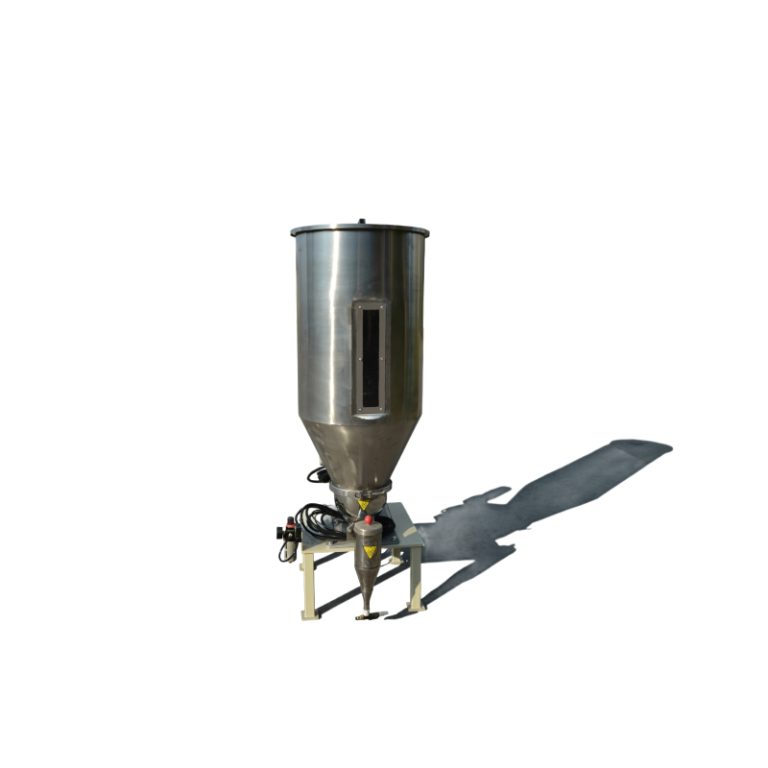
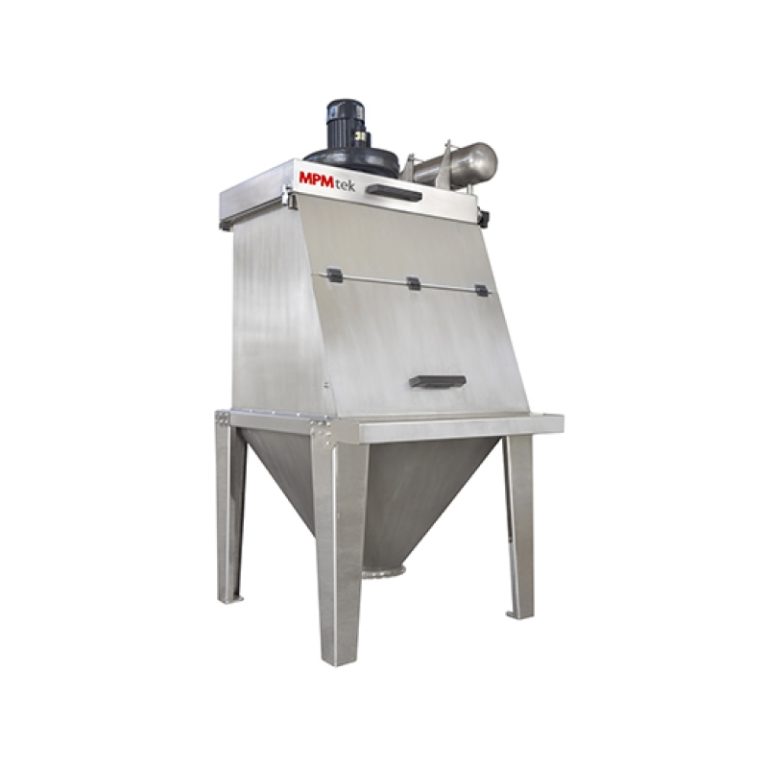
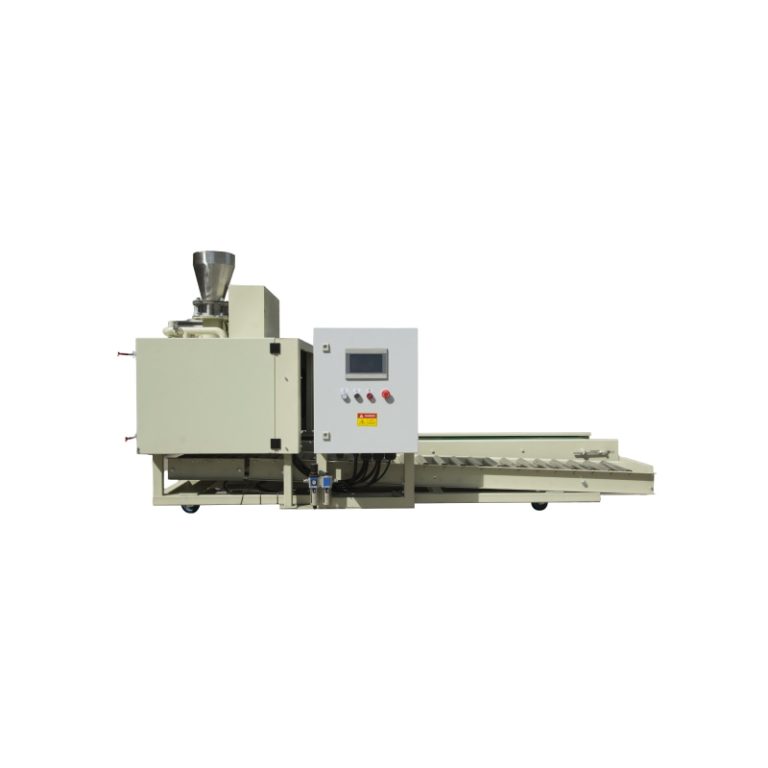
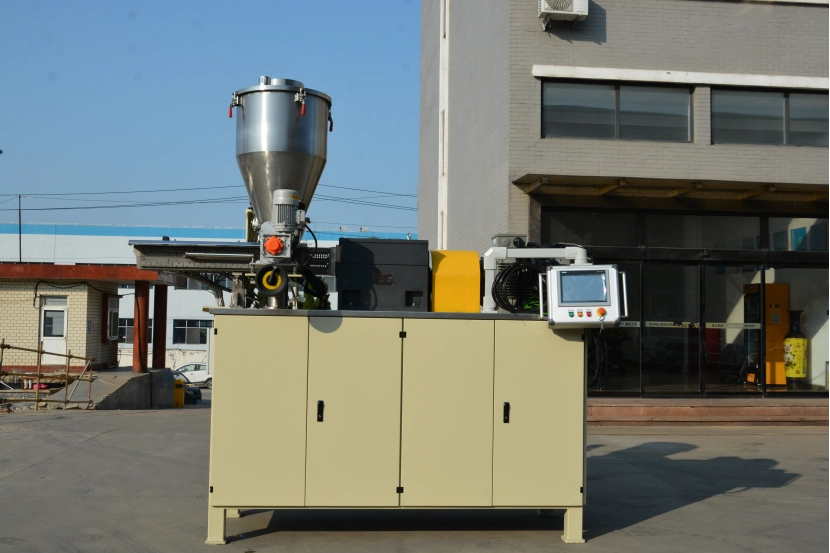
Isıtma oranı içinde toz kaplama ekstrüzyon hammaddelerin ne kadar iyi işlendiğinde, ekipmanın ne kadar sorunsuz çalıştığında ve son ürünün gerekli işaretlere ulaşmasında büyük bir rol oynar. Çok hızlı giderse, hassas katkı maddelerine zarar verebilir veya kimyasal değişikliklere çok erken başlayabilir. Çok yavaş hareket ederse karıştırma ve çıkış seviyelerini karıştırabilir. Sabit, üst düzey toz kaplama sonuçları isteyen üreticiler için, bu ayarı yakalamak ve doğru ayarlamak zorunludur.
Toz Kaplama Ekstrüzyonunda Isıtma Hızının Genel Bakışı
Ekstrüzyon Sürecinde Isıtma Hızının Rolü
Toz kaplama ayarında, ısıtma hızı ekstrüderin ne kadar hızlı olduğu anlamına gelir; s varil hedef sıcaklık noktalarına çarpıyor. Bu, enerji kullanımından eşit bir şekilde yumuşaklaşmaya kadar şeylere dokunuyor. Fabrika toz kaplama işleri genellikle sıkı denetimi gerektirir. Ve ısıtma hızı burada önemli bir parça haline geliyor.
Daha hızlı bir ısıtma hızı çıkışı artırabilir. Bu’ Büyük koşullar için harika. Ama karışımı güvenli tutmak için dikkatle dengelemelisiniz. Öte taraftan, yavaş yavaş ısınma hızı azaltabilir ancak daha eşit bir karışım verebilir.
Ayrıca farklı bitleri ısı altında istikrarlı tutmakta önemli bir rol oynar. Reçineler veya katkı maddeleri gibi şeyler’ t çok sıcaklığı hızlı ısıtma ile bozabilir. Diğerleri, mükemmel zamanda bağlanmaya başlamak için doğru yavaş yükselmeye ihtiyaç duyar.
Isıtma Hızı Seçimini Etkileyen Parametreler
Bir dizi karışım ve makine faktörü en iyi ısıtma oranını seçmeye yardımcı olur:
- Reçine tipi: Epoksi ve polyester reçineleri sıcaklık altında kendi yollarına göre hareket eder.
- Pigmentler ve doldurucular: Çok fazla doldurucu ısının daha yavaş yayılmasını sağlayabilir.
- Ekipman tasarımı: Varil verimli ısıtma / soğutma sistemi ile tasarlanmıştır, birden fazla bölgenin sıcaklıkları ± 2 C içinde tam olarak kontrol edilir.
- Vida yapılandırması: Vida segmentleri ve vidalı mililerdeki yoğurma blokları, toz kaplama işleminin teknoloji gereksinimlerine göre en iyi şekilde yapılandırılabilir.
Sonunda, ürünün ihtiyacı olan şey - parlaklık seviyesi veya nasıl iyileştirdiği gibi - son değişiklikleri şekillendirir.
Karıştırma ve Homojenizasyon Verimliliği Üzerindeki Etkiler
Termal Yumuşatma ve Malzeme Akışı Davranışı
Hammaddenin yumuşatması bile iyi ekstrüzyon için temeldir. Isıtma hızı eşitsiz olursa, bazı parçalar yarı bitmiş kalabilir, diğerleri erken erir. Bu akış desenlerine ve ekstrüderin içindeki karıştırma eylemine ulaşır.
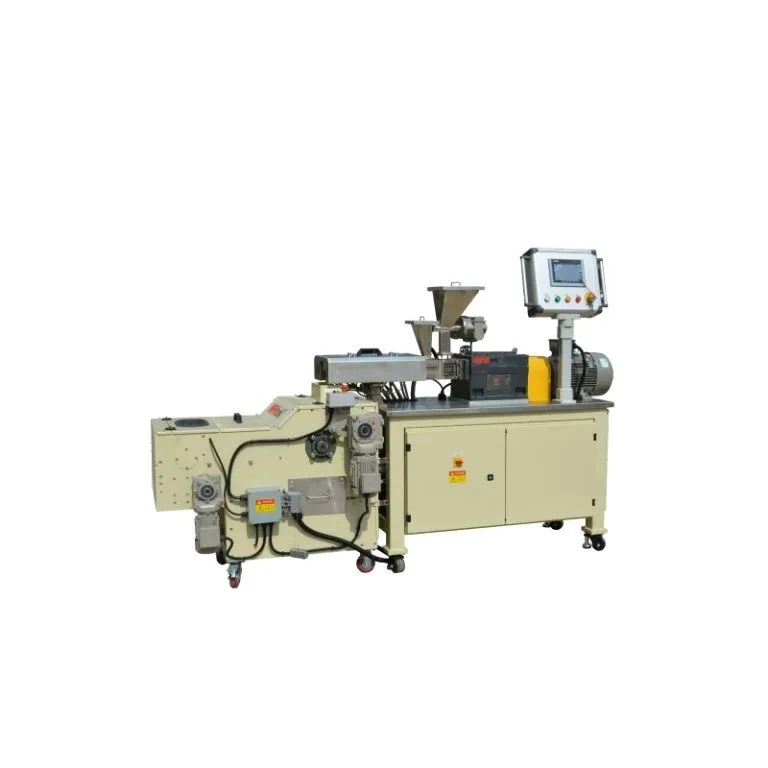
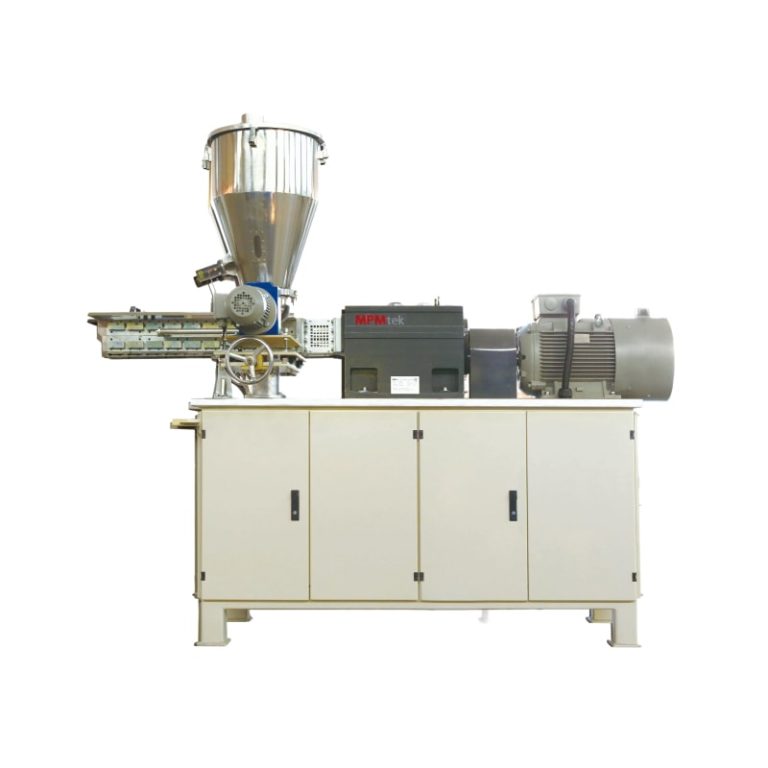
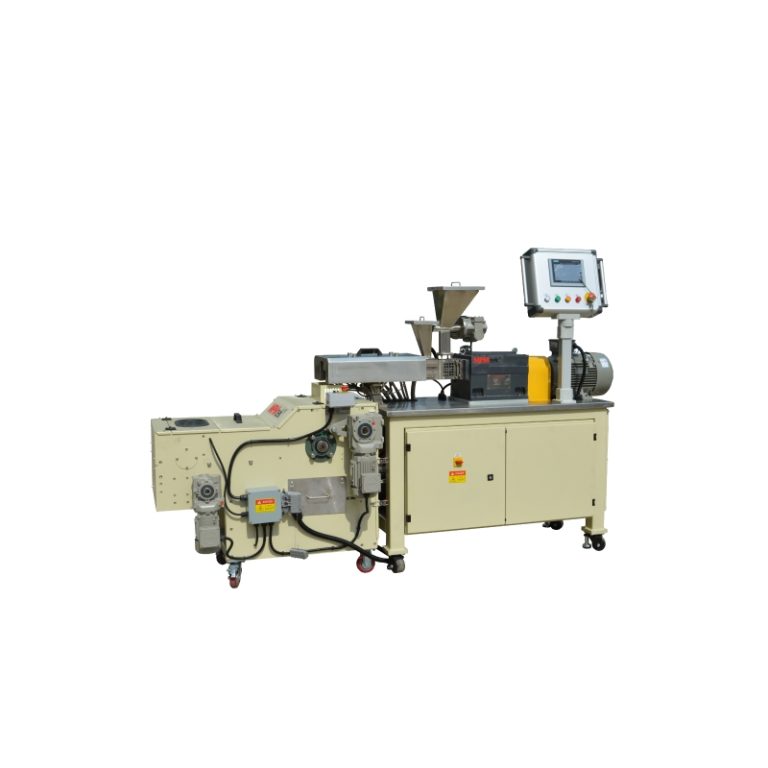
Çift Vidalı Ekstrüder İki birlikte dönen vidalı mili ile tasarlanmıştır, Hammaddeler, varilde yüksek hızla hassas yoğurma elemanları tarafından dağıtılmak ve dağıtılmak için mükemmeldir. Bu ayarlar, her bölgede bu dengeyi tutmak için istikrarlı ısıtmaya güvenir.
Pigment ve katkı dağıtımı üzerindeki etki
Kararlı renk ve kaliteli toz kaplamasında iyi çalışma, pigmentlerin nasıl ıslandığına ve yayıldığına çok bağlıdır. Sabit bir sıcak nokta pigmentlerin kümelenmesini veya katkı maddelerinin bölünmesini engeller.
Isıtma çok hızlı arttığında veya etrafına atladığında, parçalar ayrılabilir - özellikle de fantezi karışımlarda. Yönetilen ısıtma, her parçanın varilden çıkmadan bile yayılmasını sağlar.
Ekstrüzyon sırasında kimyasal reaksiyonlar üzerindeki etkisi
Çapraz Bağlantı Reaksiyonlarının Hızlandırılması veya İnhibisyonu
Birçok toz kaplaması, ekstrüzyon veya daha sonra sertleşme sırasında bağlanan epoksi-polyester karışımları gibi aktif kimyasallara sahiptir. Yüksek bir ısıtma hızı, sertleşme sırasında yerine ekstrüderdeki bu değişiklikleri çok erken başlatabilir. Bu, jellemeye veya düzensiz akışa neden olur.
Öte yandan, sıcaklıklar çok yavaş tırmanırsa, önemli değişiklikler yeterince yakında olmayabilir. Bu nedenle bir ürün’ t doğru tedavi. Isı girişini kontrol altında tutmak çok önemlidir, bu yüzden reaksiyonlar süreçte tam olarak doğru noktalarda vurur.
Yanlış Isıtma Hızlarında Bozulma Riskleri
Çok fazla ısı gerçek tehlikeler getirir. Yüksek sıcaklıklar reçineleri parçalayabilir, koklu gazları çıkarabilir ve pigment renklerini değiştirebilir. Parlaklığı sıkıştırmak veya akışı yumuşatmak gibi katkı maddeleri uzun süre çok fazla ısıyla karşılaşırlarsa çalışmayı bırakabilir.
Vidalı segmentler, yoğurma blokları, astarlar ve miller ısıl işleme ile yüksek kaliteli alaşımlı çelikten yapılmıştır ve tam olarak işlenmiştir. Mükemmel performans ve uzun ömürlü. Bu, kontrollü sıcak akışlardaki riskleri azaltır ancak’ Onları tamamen silmek - ısıyı tam tutmak hala çok önemlidir.
Son Ürünün Fiziksel Özellikleri Üzerinde Etki
Erime Viskozitesi ve Ekstrüdat Tutarlılığı üzerindeki Etkiler
Erime kalınlığı sıcaklıkla değişir. Yani ısıtma hızı, malzemenin ne kadar iyi karıştırıldığında ve kalıplardan geçtiğinde güçlü bir söz konusu. Eşitsiz kalınlık çıkışta yükselişlere ve düşüşlere neden olabilir’ s genişliği, ağırlığı veya eşitliği.
Sabit erime akışı, soğutma veya flaklama gibi sonraki adımların durmadan devam etmesine izin verir. Ayrıca toz takıldıktan ve pişirildikten sonra filmin nasıl oluştuğunu şekillendirir.
Yüzey Bitirmesi ve Mekanik Mukavemeyle İlişki
Ekstrüzyondaki ısı koşulları yüzeyin nasıl göründüğünde gizli ama önemli bir role sahiptir. Çok fazla sıcaklık sarı lekelere veya çarpıcı dokuya neden olabilir. Çok az şey kötü pürüzsüzlüğe yol açabilir.
Ayrıca, vuruşlardan geri sıçrama veya bükme gibi güç özellikleri katı karıştırma ve tam bağlantıya bağlıdır. Isı kontrolünde erken herhangi bir kayma, yapılmış üründe floplara yankılabilir’ S performansı.
Süreç Verimliliği ve Kalite Kontrolü için Isıtma Hızının Optimizasyonu
Ürün Performansı Gereksinimleri ile İletişimi Dengeleme
Yapımcılar genellikle hız ve kalite arasında juggle:
- Yüksek oranlar = daha fazla çıkış ama daha büyük hata olasılığı.
- Düşük oranlar = daha güzel eşitlik ama daha az hız.
Doğru noktaya vurmak, özellikle küçük laboratuvar kurumlarından tam fabrika ölçeklerine giderken tekrarlanan testler gerektirir.
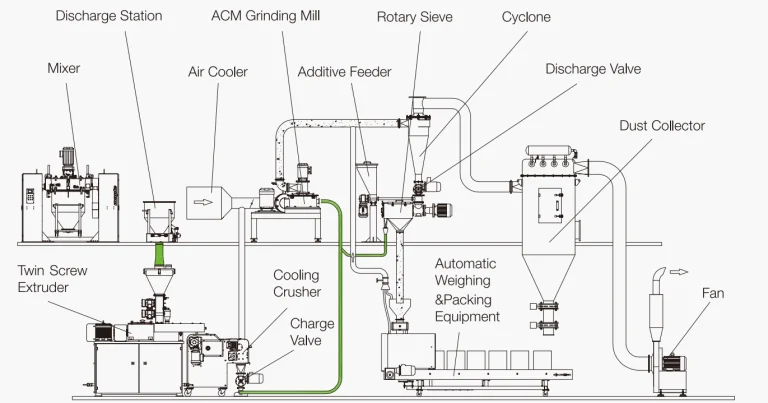
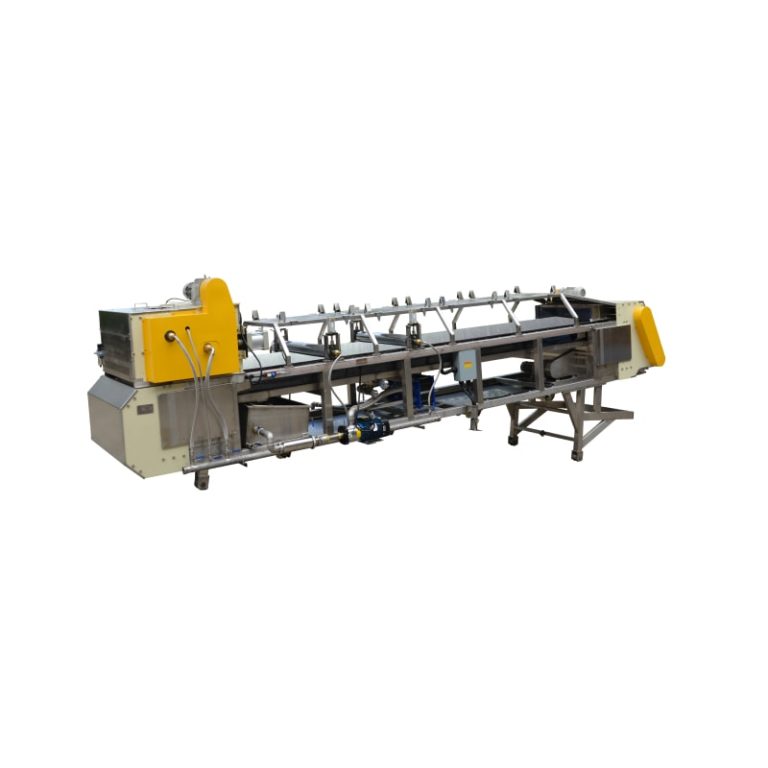
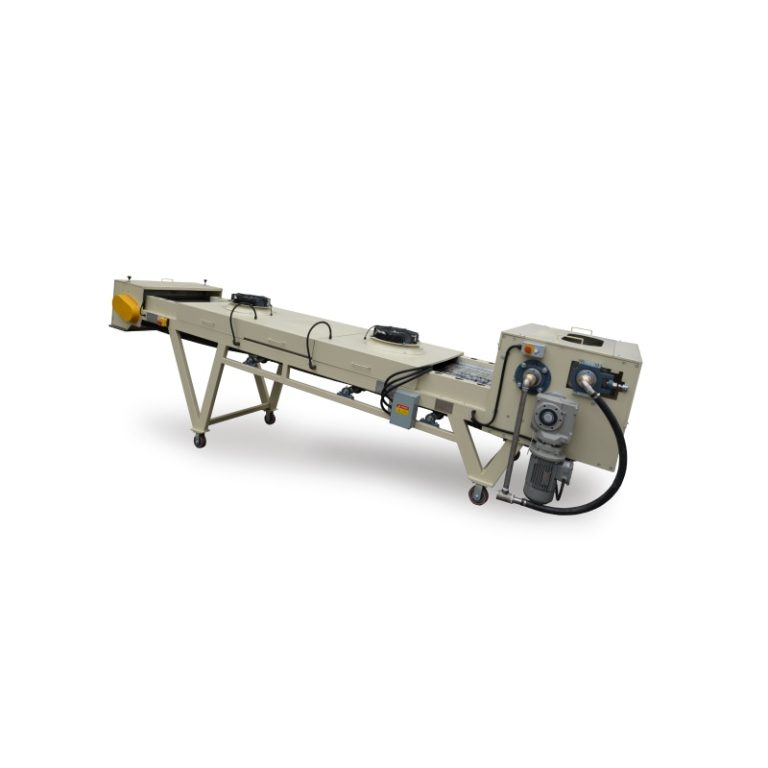
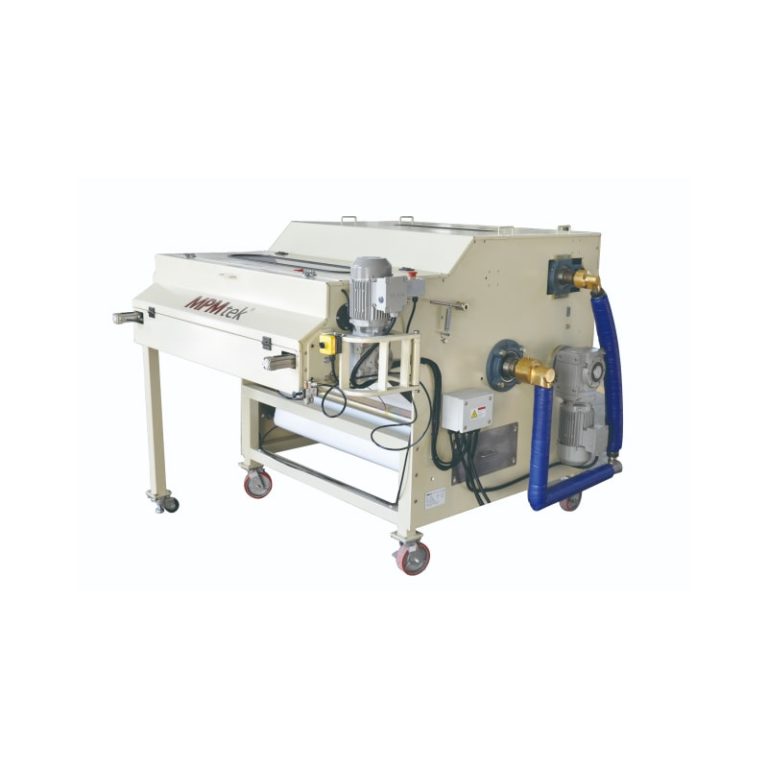
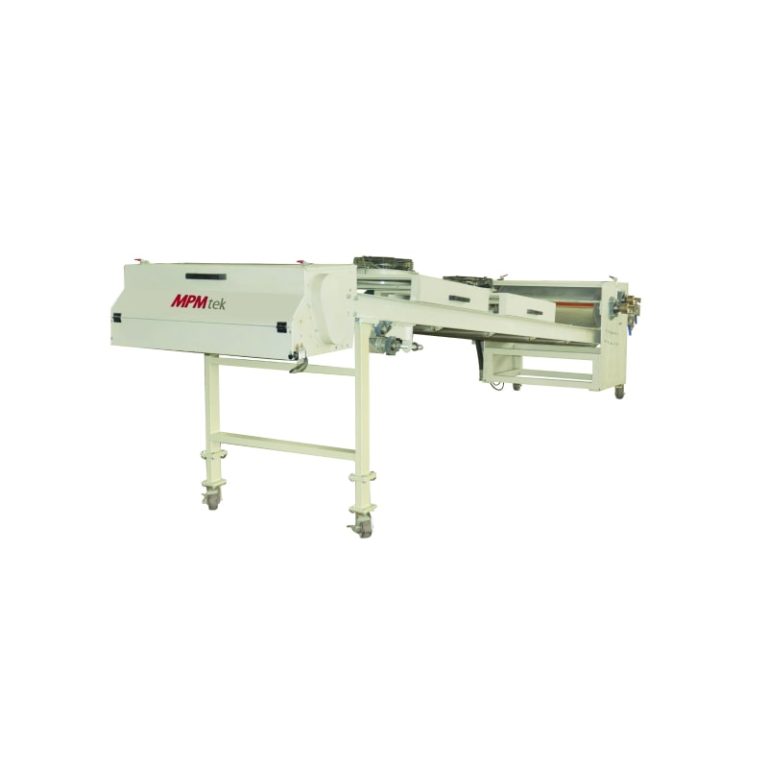
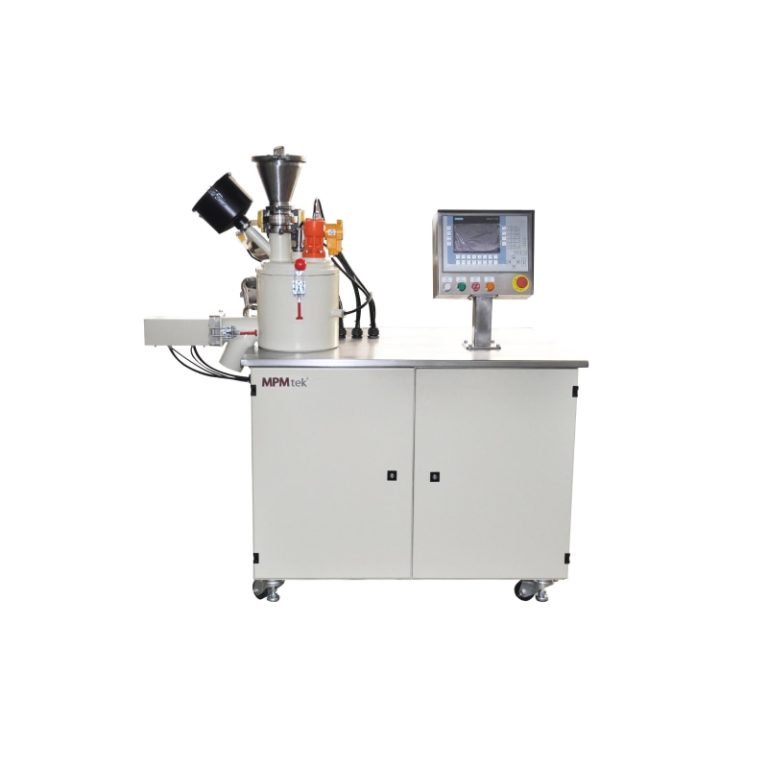
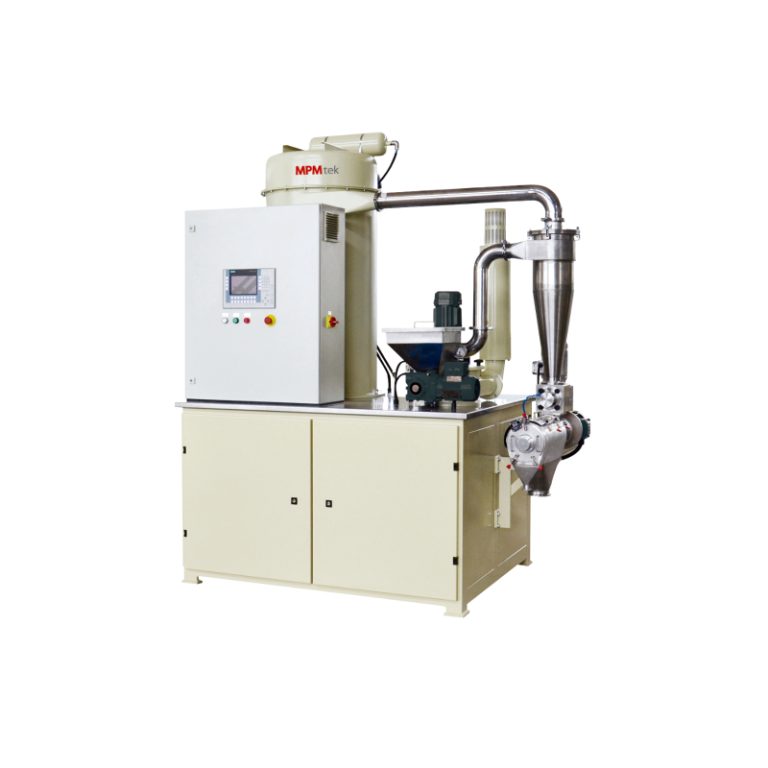
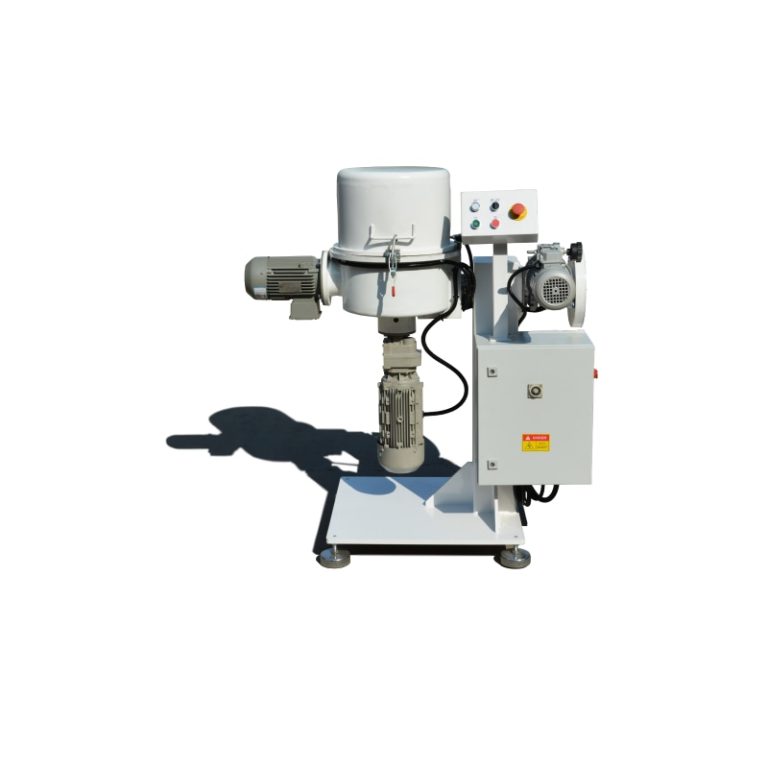
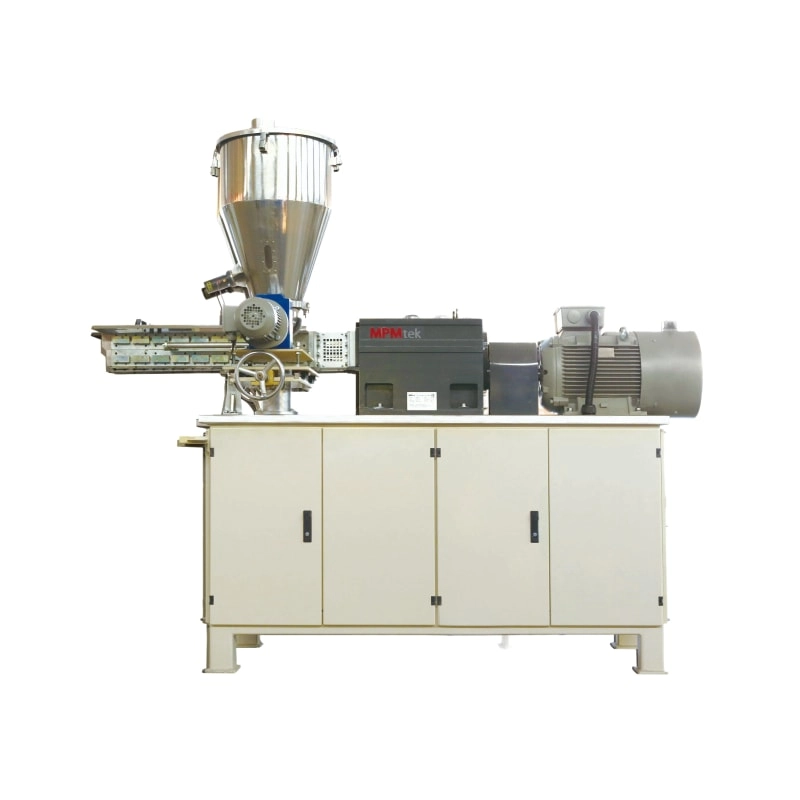
MPMtek'in bir dizi ekstrüder sunar 100-1200 kg / saat kapasiteleri Farklı formülasyonlar için özel ayarlanabilir ısıtma gücü ile. Tüm işleme parametreleri tarif modunda yönetilir (veri depolama, geri çağırma ve değiştirme) ve ofis terminalindeki veya mobil terminalde üretim denetleyicisi tarafından izlenir. Bu, ürünün istediğine göre ayarlanırken partiler arasında şeyleri aynı tutmayı kolaylaştırır.
Endüstriyel Ortamlarda Termal Kontrol İçin İzleme Teknikleri
En iyi izleme araçları bugün için zorunludur’ s ekstrüzyon hatları:
- Her varil bölgesine yerleştirilmiş termokupler
- Gerçek zamanlı yüzey sıcaklığı kontrolleri için kızılötesi sensörler
- Merkezi geri bildirim döngüleri için PLC HMI sistemleri
Bunlar, işçilerin ısı değişimlerini hızlı bir şekilde düzeltmelerine izin verir - ham maddeleri değiştirmekten veya parçalarda aşınmaktan - sonuçların aynı kalmasından emin olmak.
Endüstriyel Toz Kaplama Üreticileri İçin Dikkatler
Uygulama İhtiyaçlarına ve Formülasyonlara Göre Özelleştirme
Çeşitli toz kaplamaları pasla mücadele etmekten güzel görünümlere kadar farklı işler yapar ve her birinin kendi ısı duyarlılığı vardır.
Örneğin:
- Isıya dayanıklı metal kaplamalar daha yavaş rampa hızlarına ihtiyaç duyar
- Hızlı sertleşme primer'leri agresif ilk ısınmadan faydalanır
Özel uyumlar bu çeşitli isteklerde istikrarlı sonuçlar için anahtardır.
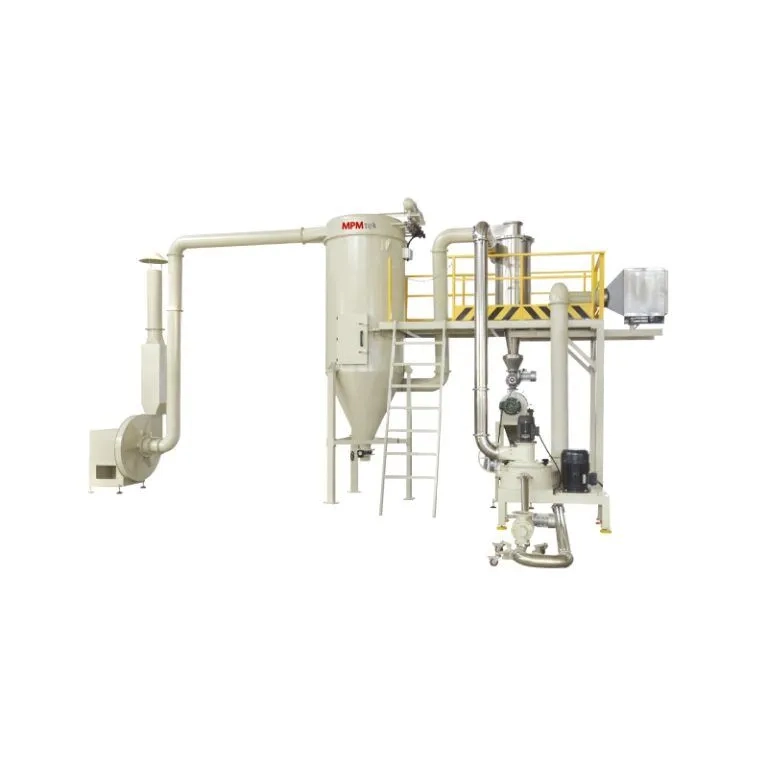
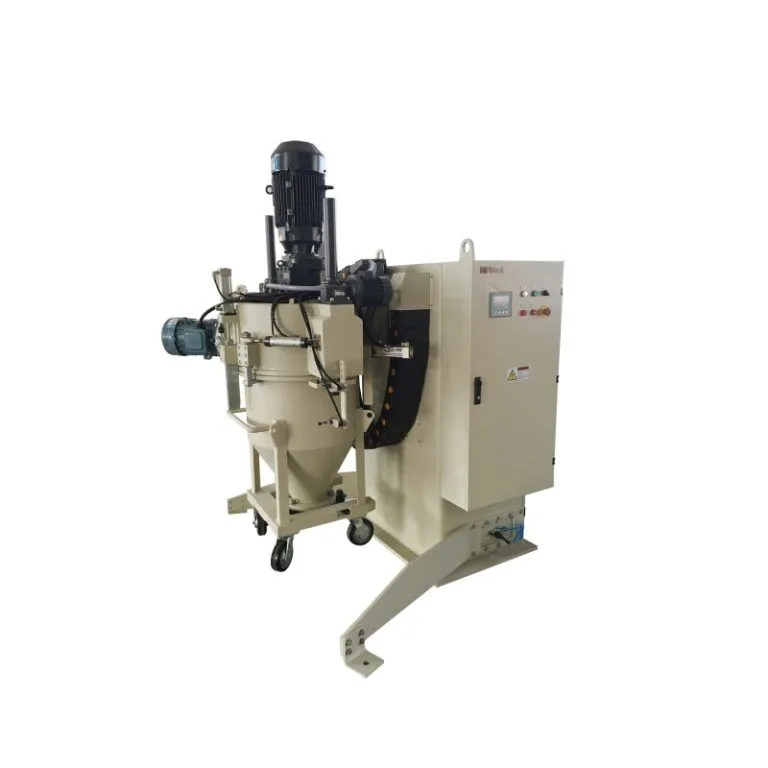
MPMtek, sağlama konusunda uzmanlaşmıştır uçtan uçta ekipman çözümleri Bu çeşitli uygulamalar için tasarlanmıştır. Hassas, akıllı, verimli ve insan dostu toz kaplama üretim ekipmanlarının araştırılması ve geliştirilmesine bağlıdır.
Optimal Isıtma Hızlarını Desteklemede Ekipman Tasarımının Rolü
Makine yapımı, ısı kontrolünü çeşitli yollarla yedekler:
- Daha uzun variller yavaş yavaş sıcaklık bölgelendirmesine izin verir
- Yüksek vidalı hızlar daha düşük sıcaklıklarda karıştırmayı iyileştirir
- Vidalı segmentler ve yoğurma blokları, çalışma sırasında hem iki vidalı mili hem de vidalı mili arasında (radikal, eksenli ve normal olarak) aynı örgü boşluğu olarak tasarlanmış ve üretilmiştir.
Modern çift vidalı ekstrüderler, bu özelliklerle yerleşik olarak gelir ve hem yüksek hızlı üretim hatları hem de özel düşük hacimli çalışmalar için uyarlanabilir hale getirir.
Sık Sorulan Sorular
S: Toz kaplama ekstrüzyonunda ısıtma hızı çok hızlıysa ne olur?
Erken çapraz bağlanmaya neden olabilir veya pigmentler veya katkı maddeleri gibi hassas bileşenleri bozabilir.
S: Isıtma oranı renk tutarlılığını nasıl etkiler?
Kararlı bir hız, pigment dağılımını bile sağlar, çizgiler veya eşitsiz tonlar riskini azaltır.
S: Tüm toz kaplamalar için bir ısıtma profili kullanabilir miyim?
Hayır. Her formülasyonun reçine tipine, katkı maddelerine ve uygulama hedeflerine dayanarak benzersiz termal gereksinimleri vardır.
S: Hangi ekipman özellikleri ısıtma oranını yönetmeye yardımcı olur?
Hassas sıcaklık kontrol sistemlerine sahip çok bölgesel variller, ısıtma profillerini ince ayarlamak için gereklidir.
S: MPMtek ekipmanları özel kaplamalar için uygun mu?
- Evet. - Evet. MPMtek, sıkı termal toleranslı karmaşık formülasyonları destekleyen yüksek hassasiyetli ekstrüderler tasarlar.