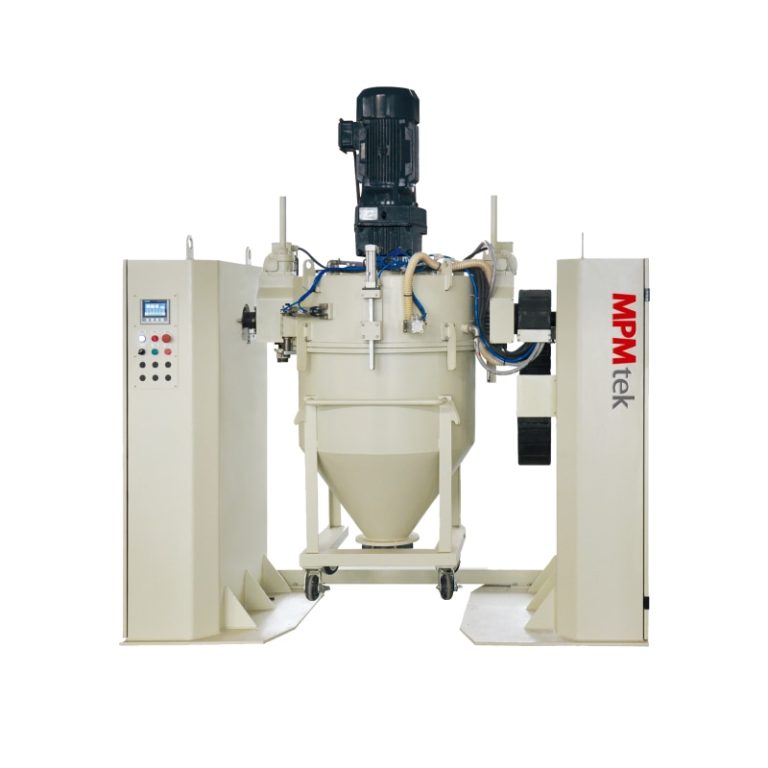
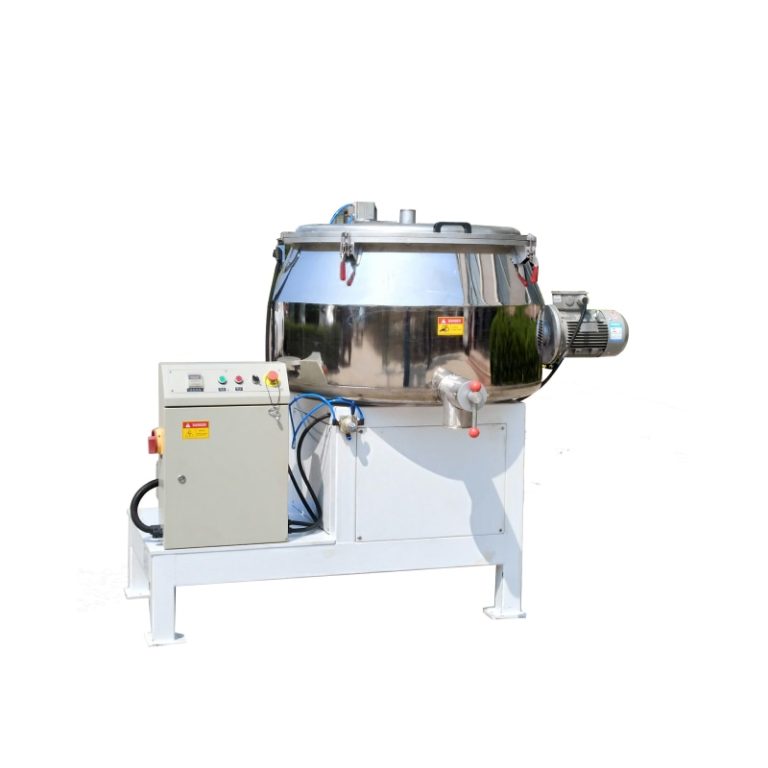
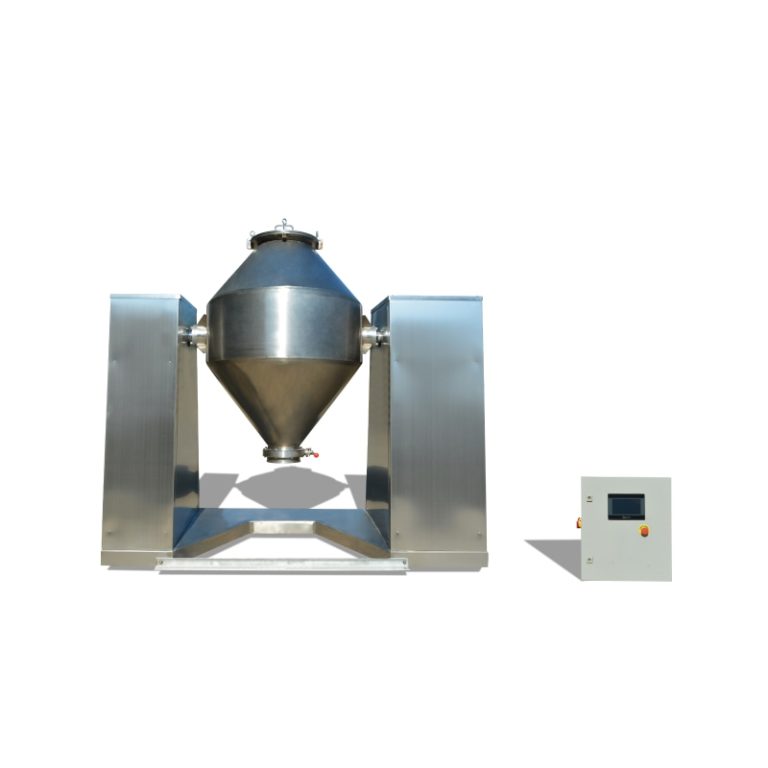
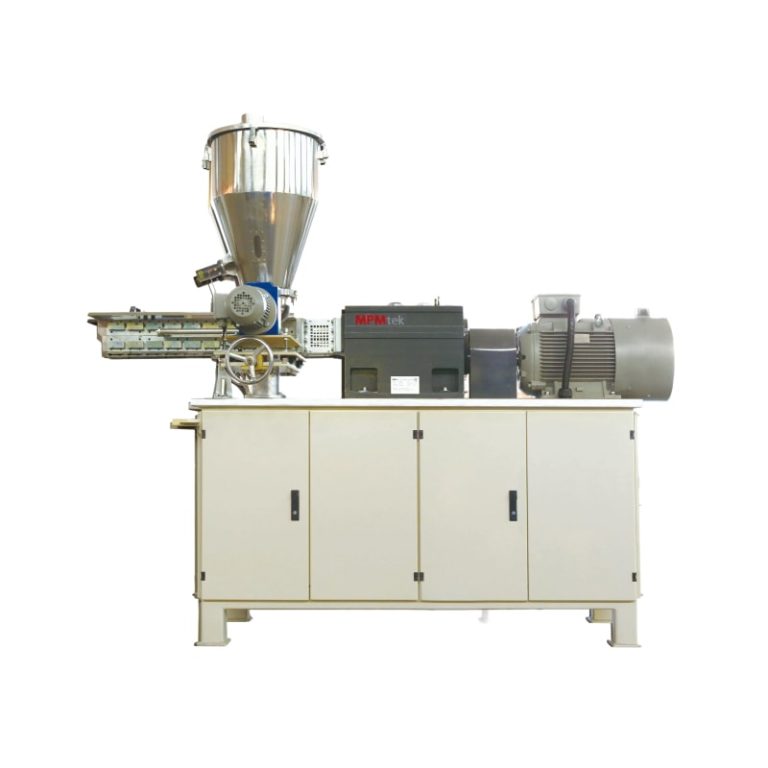
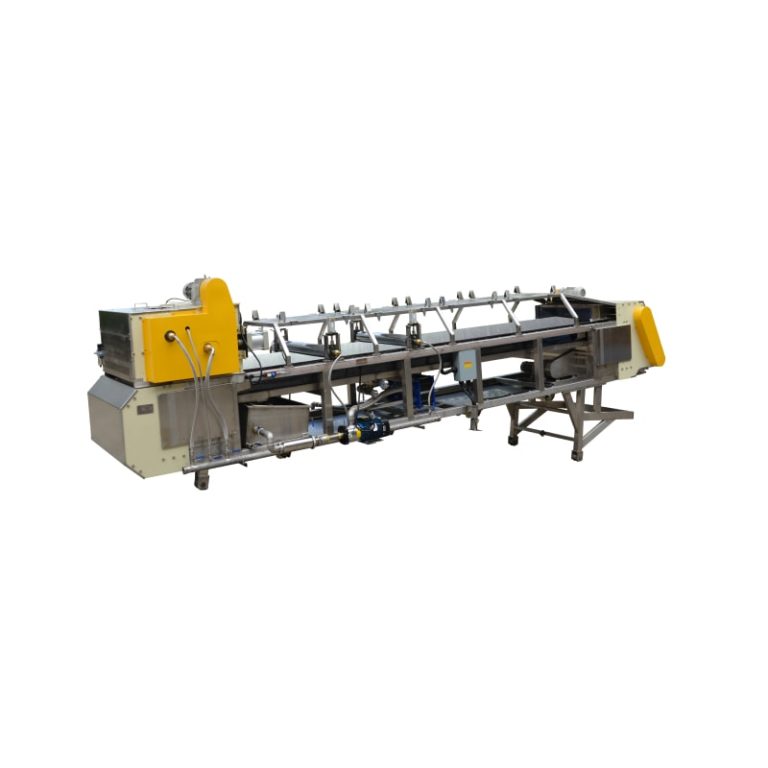
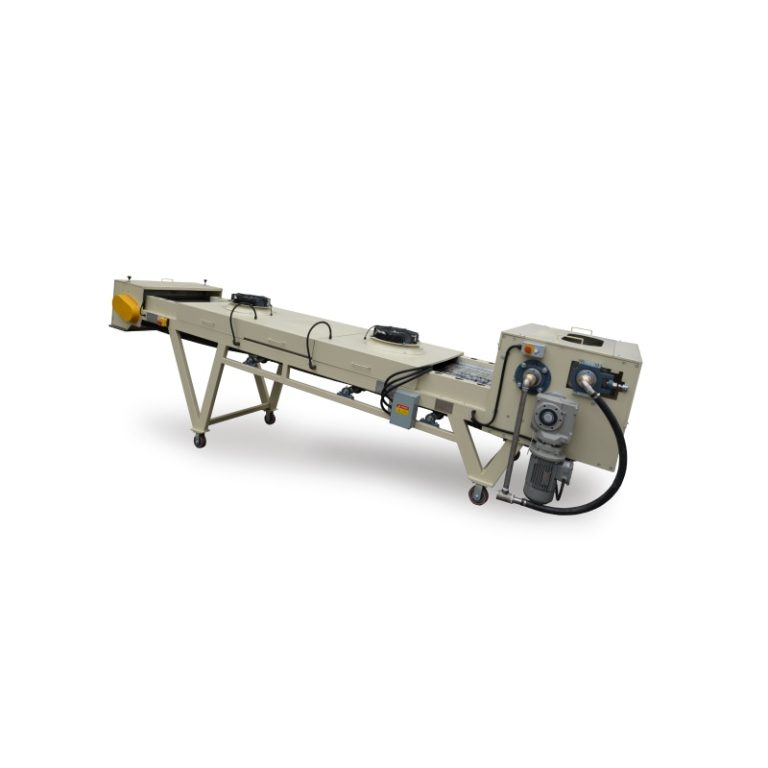
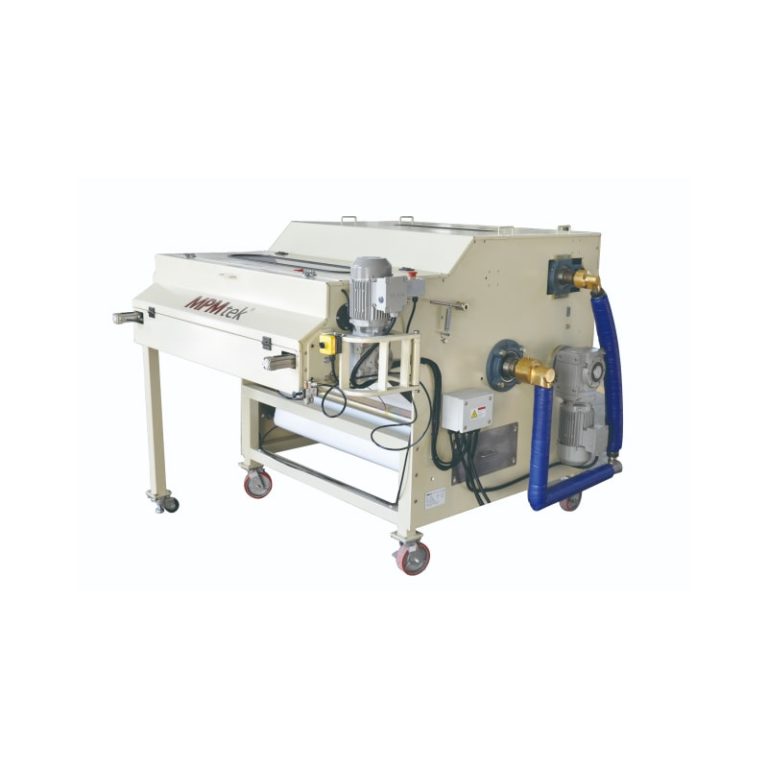
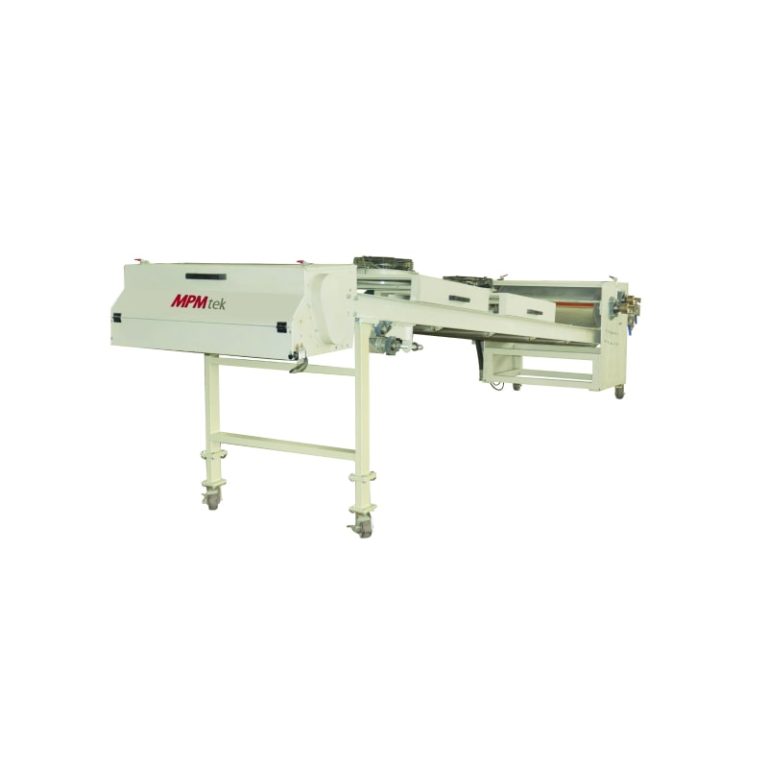
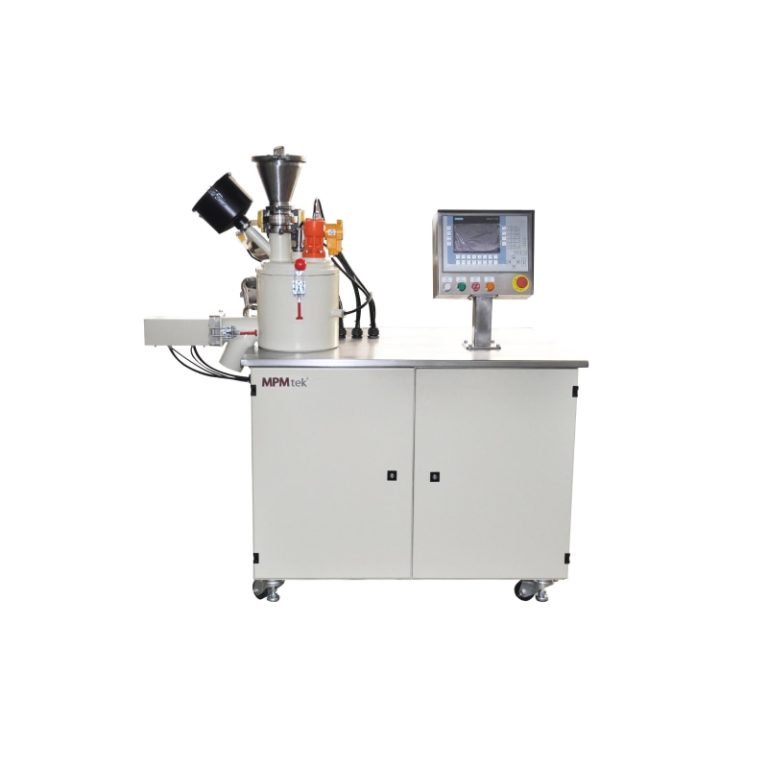
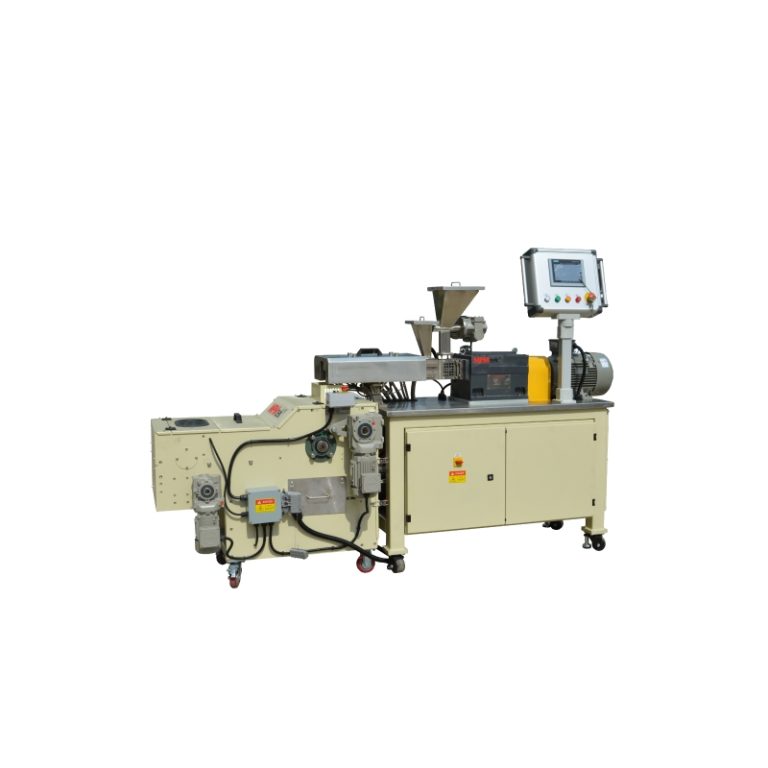
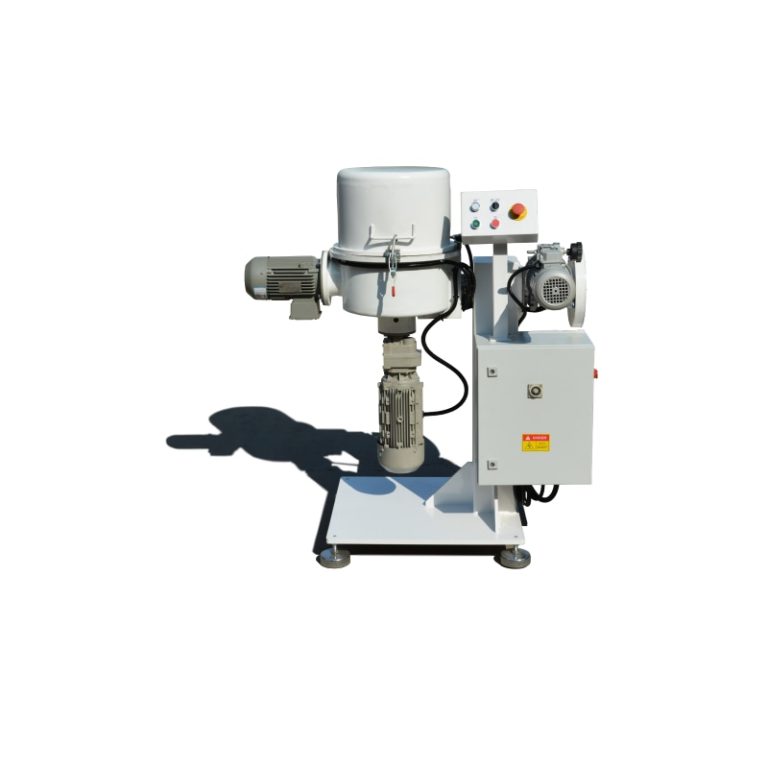
En iyi toz kaplama değirmenini seçmek, sadece bir makineyi mevcut üretim ihtiyaçlarınızla eşleştirmenin ötesine gider. Çeşitli malzemelerin topraklanırken nasıl hareket ettiğini kavramayı içerir. Ayrıca parçacık boyutlarını ne kadar yakından yönetmeniz gerektiğini düşünmeniz gerekir. Ayrıca, ekipmanınızın iş değiştiğinde büyüyebilir veya ayarlanabileceğini düşünün.
Kötü bir seçim, kaplamanın ne kadar iyi çalıştığından güvenlik kurallarını takip etmeye kadar her türlü şeyi etkileyebilir. Belirli malzemelere ve katı toz kaplama sonuçlarına bağlı ihtiyaçlar söz konusu olduğunda, sadece temel ayrıntılardan fazlasına bakmalısınız. Değirmenin tüm kurulumunuza ne kadar iyi uyduğunu düşünün.
Toz Kaplama Değirmeni Seçiminde Anahtar Faktörler
Farklı Kaplama Malzemeleri ile Uyumluluk
Kontrol edilecek ilk şey, değirmenin işinizdeki her türlü malzemeyle başa çıkabileceği konudur. Kaplama malzemeleri çok farklıdır. Termoplastikler, termosertleme tozlarından farklı olarak özel dikkatlere ihtiyaç duyar. Metal katkı maddeleri de ekstra sorunlar getirir.
- Epoksi ve polyester gibi termosabitleyici tozlar ısıya tepki verir. Freze sırasında çok fazla sıcaklık erken sertleşmeye başlayabilir.
- Metallik pigmentler, özellikle alüminyum veya çinkolu olanlar, güvenlik adımları olmadan yanlış kullanılırsa patlama tehlikelerine sahiptir.
- Termoplastikler yumuşak erime noktalarını idare edebilecek değirmenlere ihtiyaç duyar. Mikronizasyonda pürütmeyi veya engellemeyi durdurmalıdır.
Bir başka büyük endişe de toparları karıştırmaktır. Hatlarınız malzeme türlerini değiştiriyorsa, değirmenin iyi temizlemenize izin verdiğinden emin olun. Ya da riskli şeyler için farklı taşlama ayarları var.
Parçacık Boyutu Dağıtım Gereksinimleri
İyi toz kaplaması dar, sabit bir parçacık boyutu yayılmasına dayanır. Eşitsiz boyutlar, çarpıcı film katmanlarına neden olur. Kötü yük tutulmasına ve yüzeylerde kusurlara yol açarlar.
İyi bitirmeler için:
- Hedef parçacık büyüklüğünüzü belirleyin - genellikle yaygın kaplama işleri için 10-100 mikron bölgesinde.
- “Parçacık büyüklüğü dağılımı konsantre, istikrarlı ve ayarlanabilir” ile ünlü değirmenler.
- Sınıflandırıcı ve rotor hızının son inceliğini nasıl değiştirdiğini öğrenin. Canlı saat araçları burada kontrolü artırabilir.
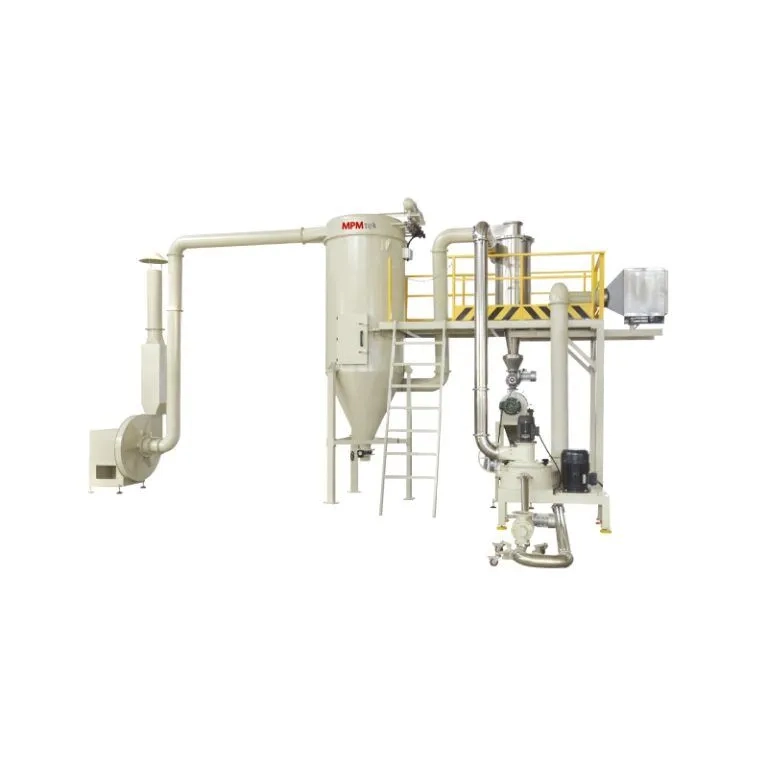
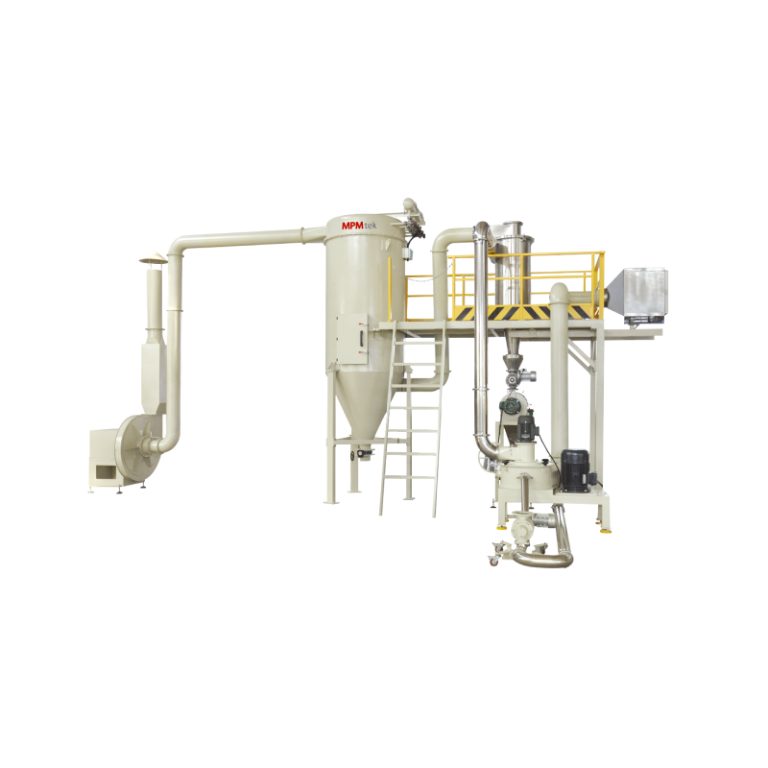
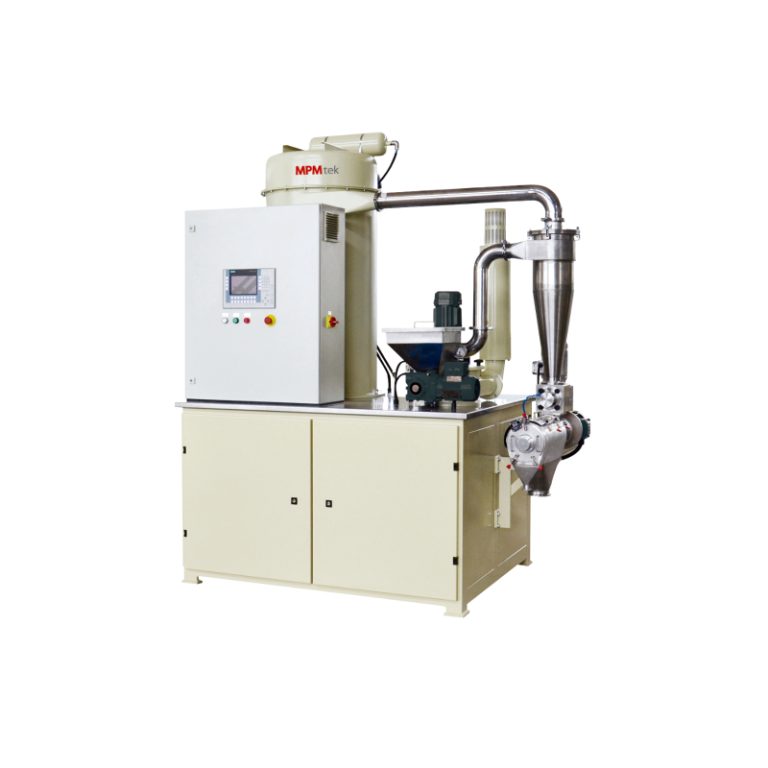
Şu ACM Mikro Taşlama Sistemi Dışarıda duruyor. Hızlı öğütmeyi yerleşik hava sıralaması ile karıştırır. Böylece operatörler parçacık boyutunu doğru hattta ayarlayabilirler, durdurma işi yok.
Üretim Kapasitesi ve İhtiyaçları
Değirmeninizi bağlamak’ Günlük veya saatlik hedefler için verim temeldir. Zayıf değirmenler akışı yavaşlatır. Büyükler gücü ve odayı boşa harcıyor.
Fabrika ACM değirmenleri için normal kapasite 100 kg / h'den 1000 kg / h'e kadar gider. MPMtek'in 100-200KG / H gibi seçenekleri vardır 1000 kg / saat Birçok ihtiyaç seviyesi için ayarlar.
Büyüme potansiyelini unutmayın. Değirmen, daha fazla iş bekliyorsanız sınıflandırıcı boyutunda veya motor gücünde artışları desteklemelidir. Güç kullanımını da kontrol edin - bazı ayarlar güç birimi başına daha güçlü bir çıkış verir.
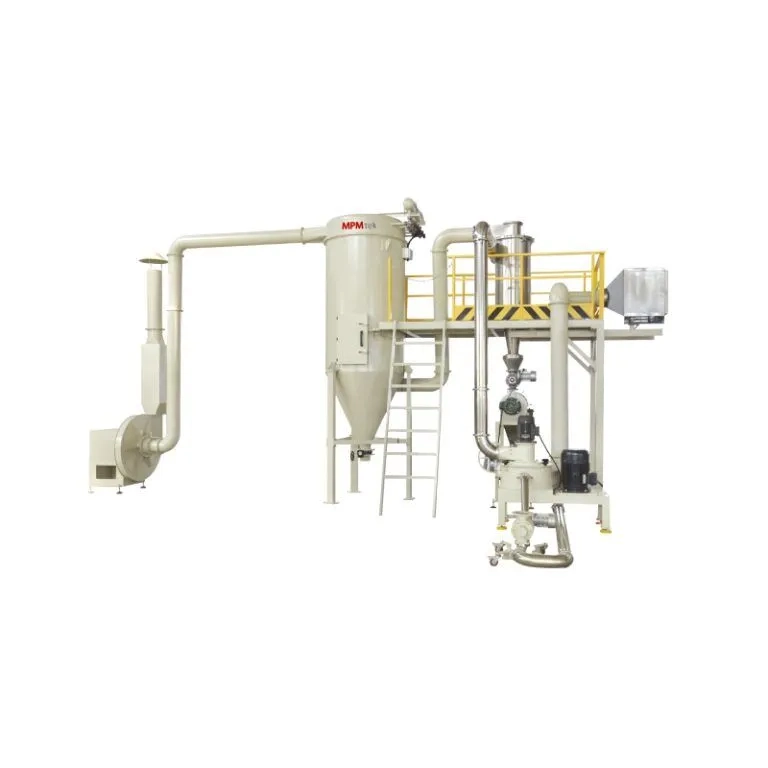
Toz Kaplama Uygulamalarında ACM Değirmenlerinin Performans Özellikleri
Operasyonel Verimlilik ve Enerji Tüketimi
Güç tasarrufu bölünmesi akıllı bir önemli işarettir ACM değirmenleri. Parça aşınmasını ve enerji israfını azaltan el sıralaması değil, iç hava sıralamasını kullanırlar.
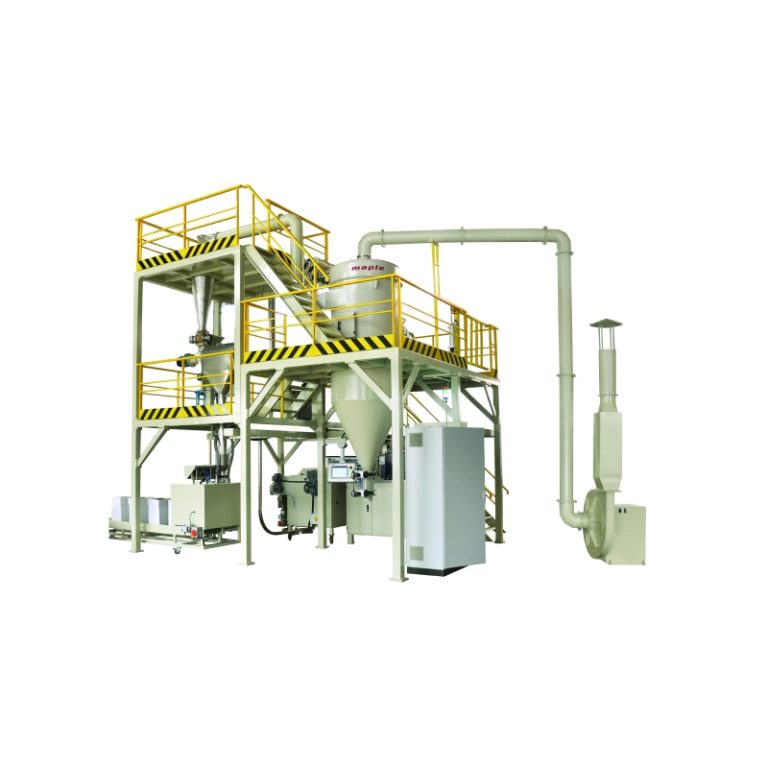
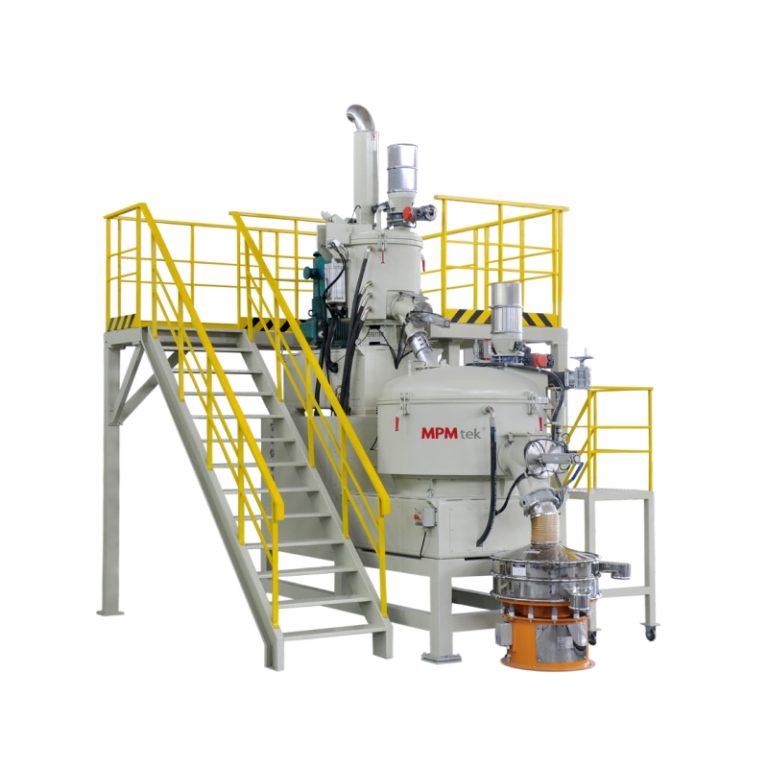
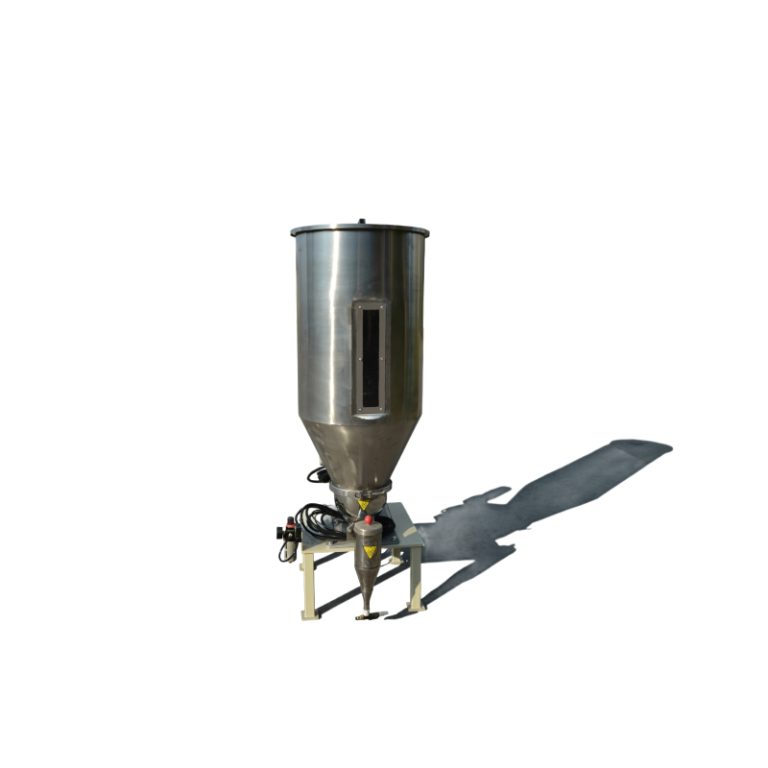
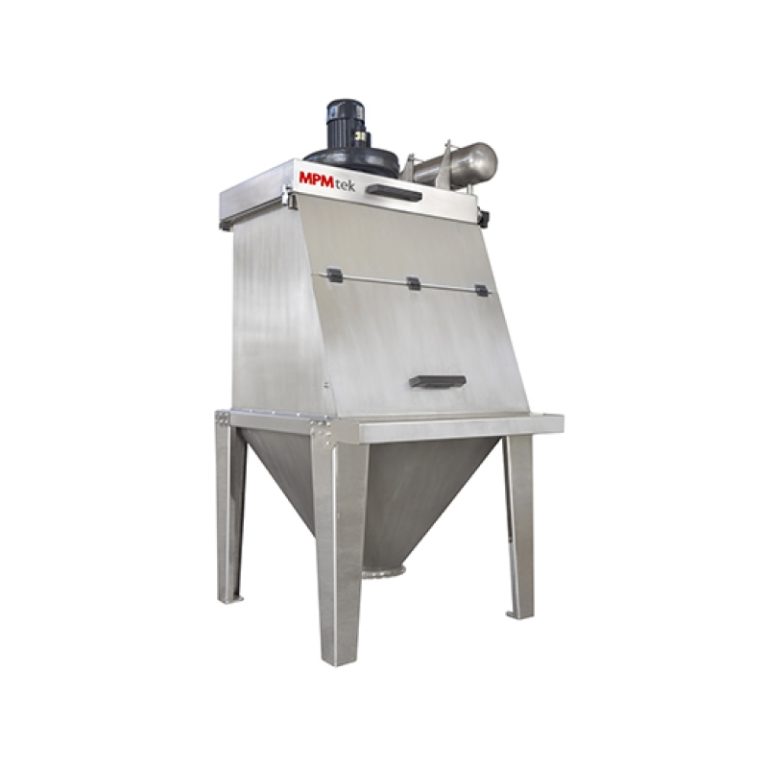
ACM Mikro Taşlama Sistemi, yüksek hızlı hava sınıflandırma değirmeni, siklon, dönen tarama (santrifüj tarama) / titreme tarama, süper ince toz kolektörü ve fandan oluşur.
Soğutma içine yerleştirilmiş, tozu iyi şekilde tutar - ısıdan nefret eden şeyler için hayati önem taşır. Hava akışı ayarı çıkışı etkiler; Kötüler taşlama işini inciten basınç düşüşleri yapar.
Parçacık Boyutu Kontrolünde Hassasiyet
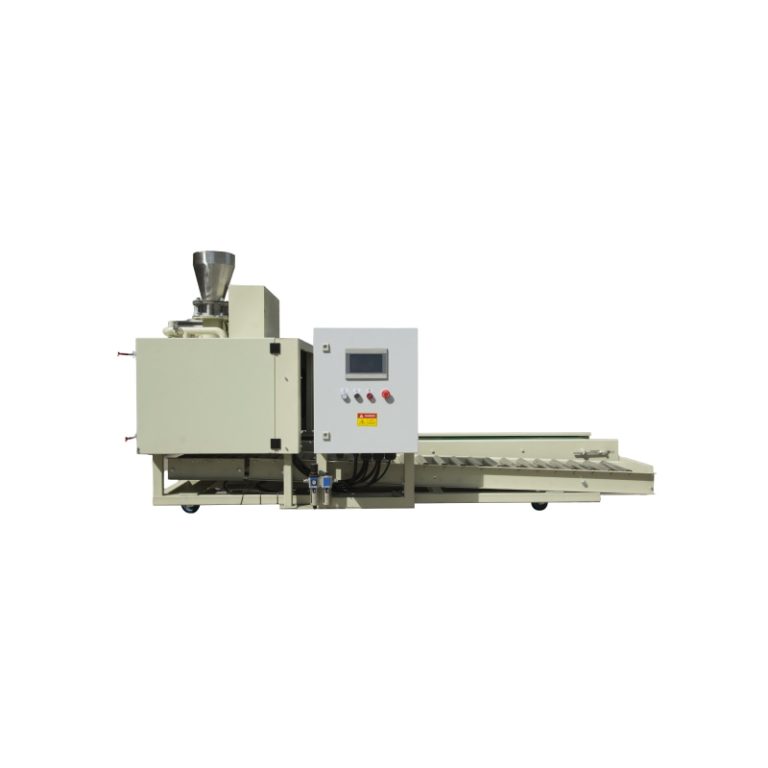
Yeni ACM değirmenleri otomatik özellikler aracılığıyla doğruluk sağlar. Sınıflandırıcı hızı ve rotor RPM, parçacık kesimini doğrudan şekillendirir. Gibi kıyafetler MPMtek'in‘ kullanımı kolay SIEMENS PLC ve HMI kullanın.
Bu, çalışanların ayarlarını yerinde değiştirmelerine izin verir. Toplularda istikrarlı sonuçlar bu teknik kontrollerden gelir. Geçmiş işlerden en iyi ayarları kopyalarlar. Hızlı çalışır ya da sabit akış olsun, böyle bir komut yeniden çalışmayı ve hurdayı atlar.
Bakım ve Durum Durumu Dikkatleri
Durma zamanının her parçası cüzdana çarpıyor. Bir değirmen seçin ve bakımın ne kadar basit olduğunu tartın. İç parçalara alet girişi olmayan değirmenleri arayın. Titanyum dioksit veya metal pigmentler gibi kaba şeyler için aşınma dayanıklılığını test edin.
Bir Değirmen Seçerken Malzeme Özel Dikkatler
Termosurlama Tozları için Freze Gereksinimleri
Termosurlayan tozlar sağlam bir ısı izlemeye ihtiyaç duyar. Erken reaksiyonları tetikleyebilecek ısıyı atlayın. MPMtek’in soğutma tabanlı planları buna yardımcı olur: Değirmendeki sıcaklığın daha az artması epoksi veya karışık tipler için anahtardır. Değirmenin termosetlerde farklı bağlayıcı karışımları ile çalıştığından emin olun.
Metalik Pigmentler ve Katkı Maddeleri İşleme
Metallikler sert noktalar ekler. Flake bükülmesini engelleyen iç şekilleri olan değirmenlere gidin. Metal ve düz partilerin karıştırılmasından kaçınmak için sağlam temiz kurallar belirleyin.
Güvenli çalışma için, ACM PSR serisi PSR11 patlamaya dayanıklı mikro toz tozlama sistemi gibi patlamaya dayanıklı parçaları bulun, PSR11 basınç şok direnci tasarım gücünün ilgili standartlarını karşılar.
Isıya duyarlı veya reaktif malzemelerin işlenmesi
Isıdan kıran veya ateş yakanan şeyler için:
- Soğuk freze veya sıvı azot eklemeniz gerekebilir.
- Soğutma kapakları inşa edilmiş gereklidir.
- Bazı canlı karışımlar pas veya yangını durdurmak için havasız gazda öğütmelidir.
Toz Kaplama Değirmenlerinde Kalite Kontrol Özelliklerinin Değerlendirilmesi
In Line İzleme Sistemleri ve Otomasyon Entegrasyonu
Mevcut toz kaplama işleri anında yanıt dairelerinden kazanır:
- Doğrudan parçacık boyutu kontrolörleri, taşlama ayarlarını hızlı bir şekilde sabitlemeye yardımcı olur.
- SCADA veya MES ayarlarına uygun olmak, birçok hattın üzerindeki ana kontrolü sağlar.
Otomatik çalışma kolaylıktan daha fazlası demektir. Vardiyalar altında sabit malları tutar.
Toz Toplama ve Çevre Güvenliği Önlemleri
Toz kaplama küçük parçalarla ilgilenir. Toz yakalamak ekstra değil—it’ S gerekli:
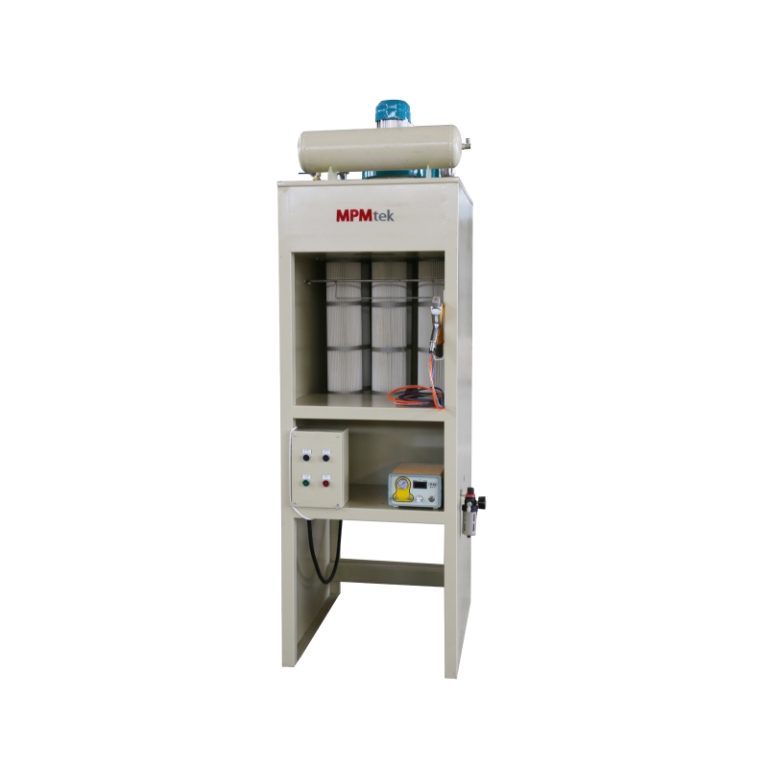
- Güvenlik kuralları için yapılmış toz bölme üniteleri olan değirmenleri bulun.
- Bit sürümlerinde bölge yeşil yasalarla eşleşmeyi kontrol edin.
MPMtek bunu iyi halleder. İlgili AB standartlarının gereksinimlerine uygun sistemler oluştururlar (Düşük Voltaj Elektrik Direktifi 2014/35/AB, Makine Direktifi 2006/42/EC).
Toz Kaplama Ekipmanları Alınımı için Tedarikçi Değerlendirme Kriterleri
Üreticilerden Mevcut Teknik Destek ve Özelleştirme Seçenekleri
Geçmiş vites gerçekleri, yardım sayısı:
- Üretici başlangıçta teknik yardım veriyor mu?
- Garip malzeme istekleri için ayarları ayarlayabilirler mi?
MPMtek, 2006 yılında kurulmuştur ve hassas, akıllı, verimli ve insan dostu toz kaplama üretim ekipmanlarının araştırma ve geliştirilmesine odaklanmıştır. Özel düzeltmelerde yetenekleri onlara dünya alıcıları arasında iyi bir isim kazandı.
Uzun vadeli güvenilirlik ve yedek parça kullanılabilirliği
Satın almadan önce:
- Aynı kullanımlarda geçmiş sabit çalışma hakkında sorun.
- Anahtar parçalar için dünya erişimini kontrol edin. MPMtek gibi ISO9001'ye sahip bir tedarikçi genellikle çalıştıkları üzerinde bile kaliteye sahiptir.
Sık Sorulan Sorular
S1: Kaliteli toz kaplama için optimal parçacık boyutu nedir?
Çoğu uygulama, substrat ve sprey yöntemine bağlı olarak 10-100 mikron hedefliyor.
S2: Hem metal hem de metal olmayan tozlar için bir değirmen kullanabilir miyim?
Evet, ama kirlilikten kaçınmak için partiler arasında iyice temizlemelisiniz.
S3: ACM değirmenleri ısıya duyarlı malzemeler için uygun mu?
Evet, özellikle taşlama sırasında toz sıcaklıklarını düşük tutan entegre soğutma sistemleri olan modeller.
S4: Üretim sırasında parçacık boyutunu nasıl izlerim?
Gelişmiş değirmenler, sınıflandırıcı hız kontrolü ve entegre sensörler aracılığıyla gerçek zamanlı izleme sunar.
S5: Toz kaplama fabrikasında hangi sertifikaları aramalıyım?
CE, ATEX, ISO9001 ve AB makine güvenliği yönergelerine uygunluk arayın.