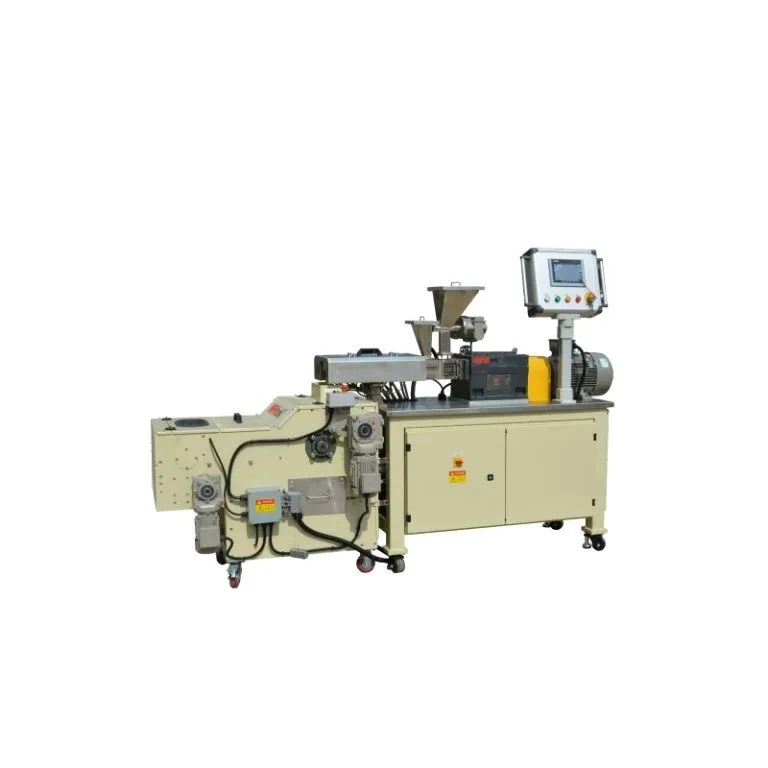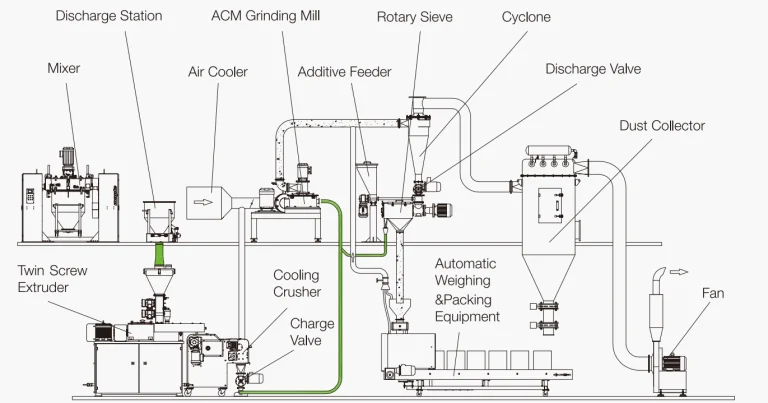
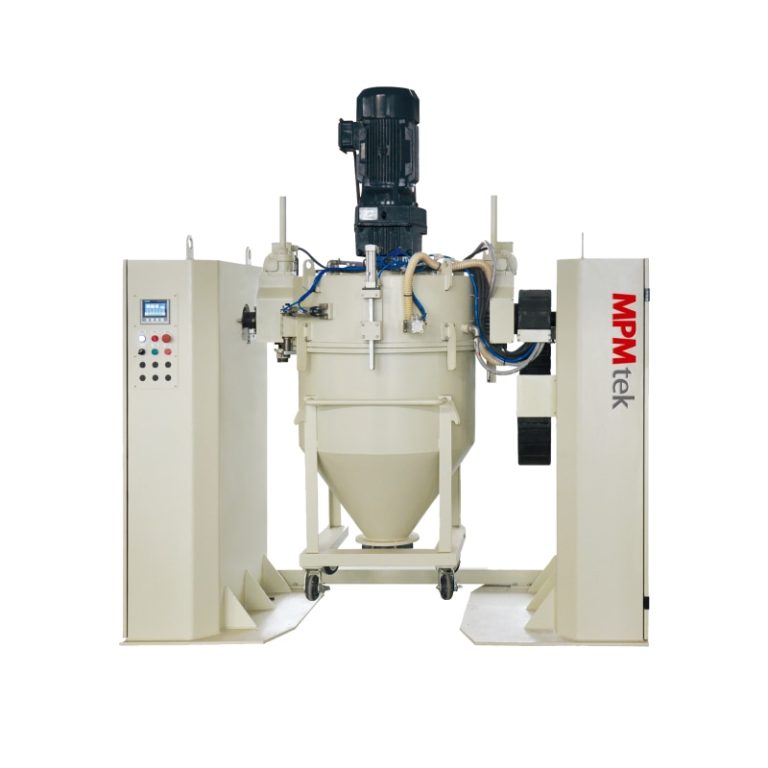
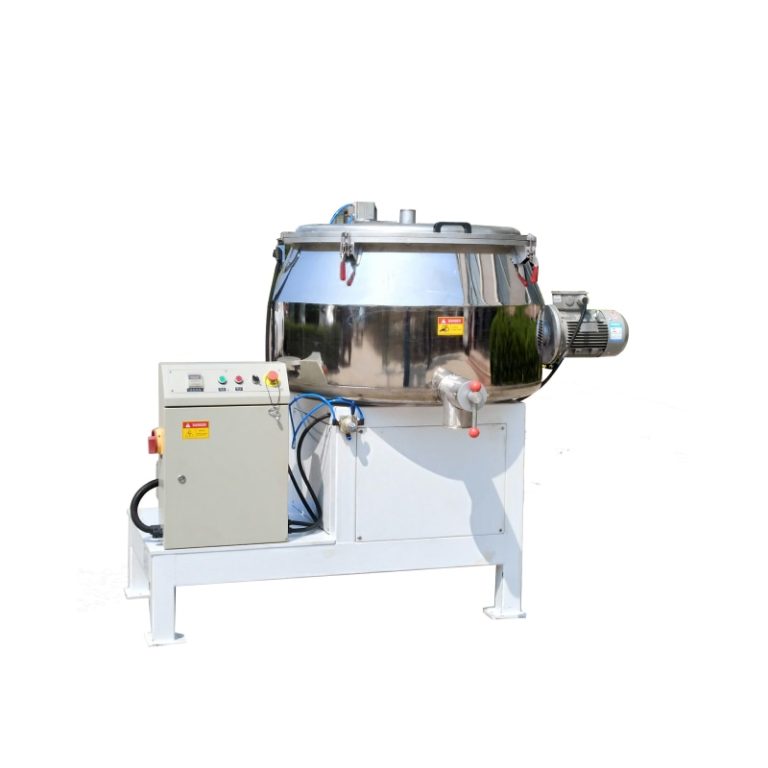
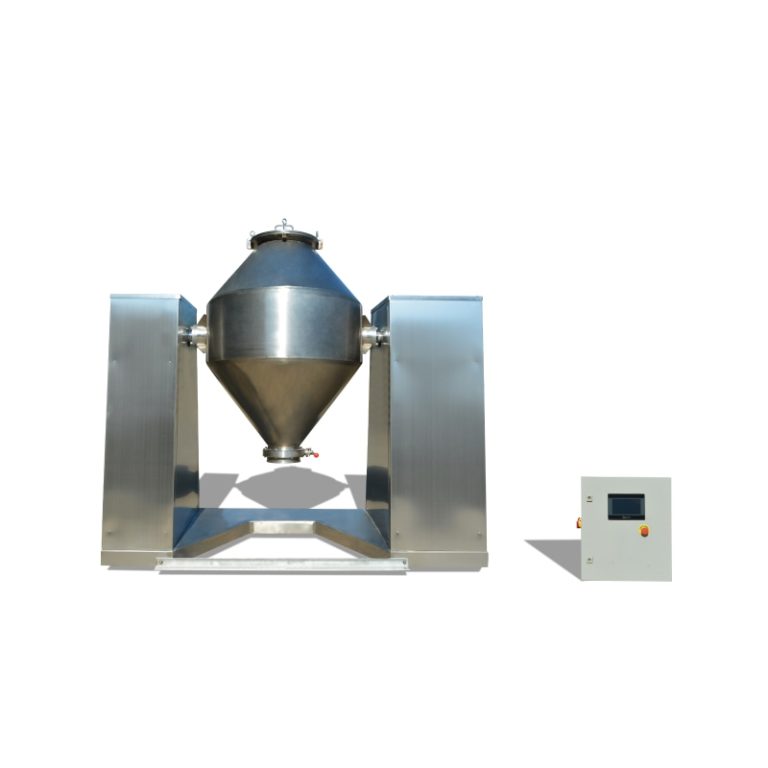
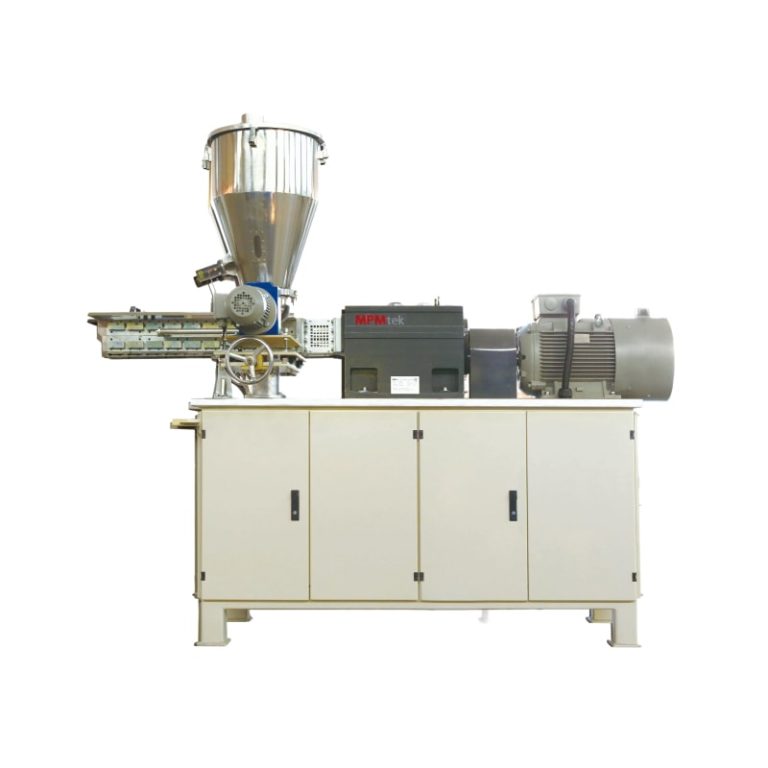
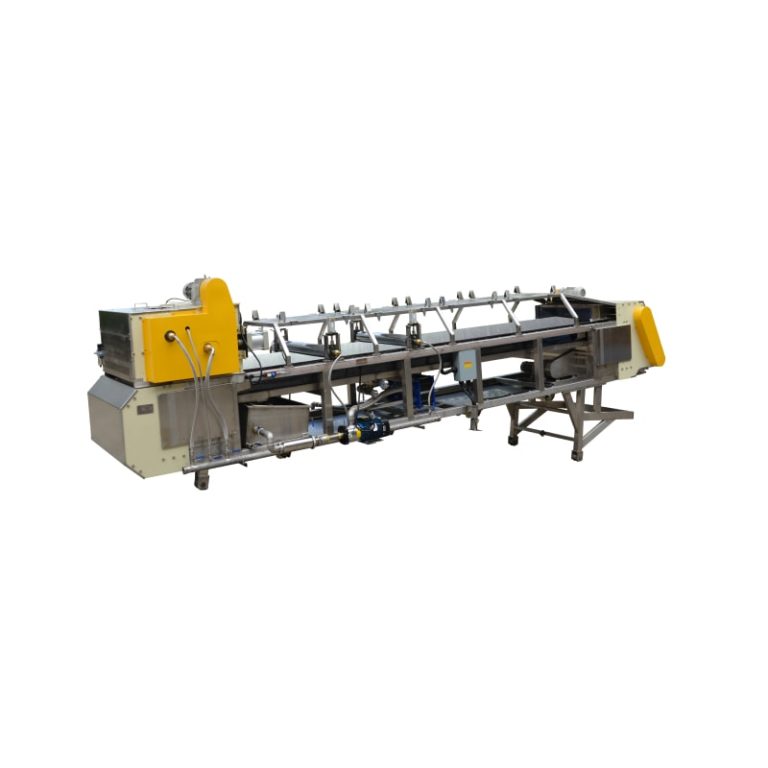
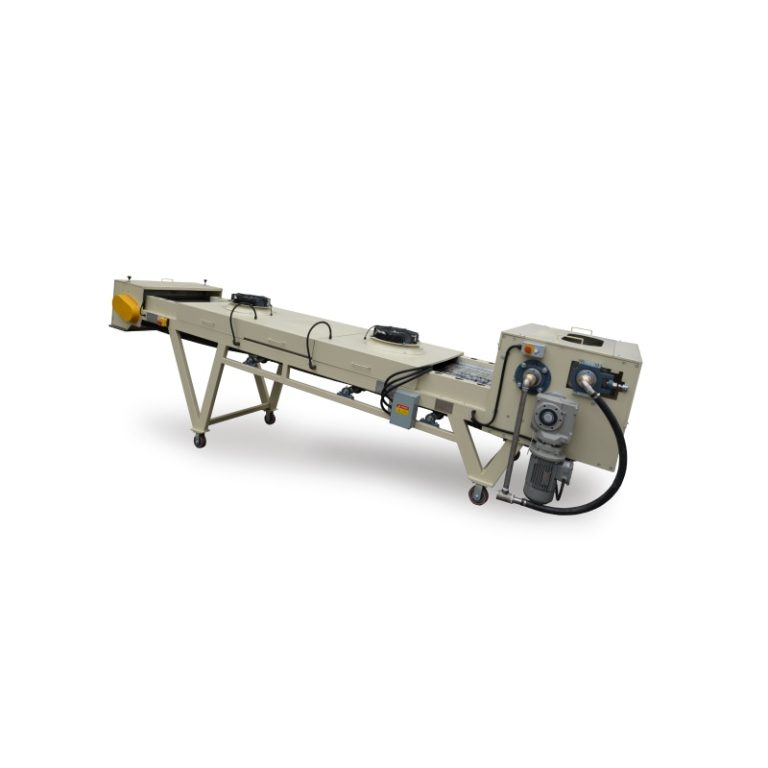
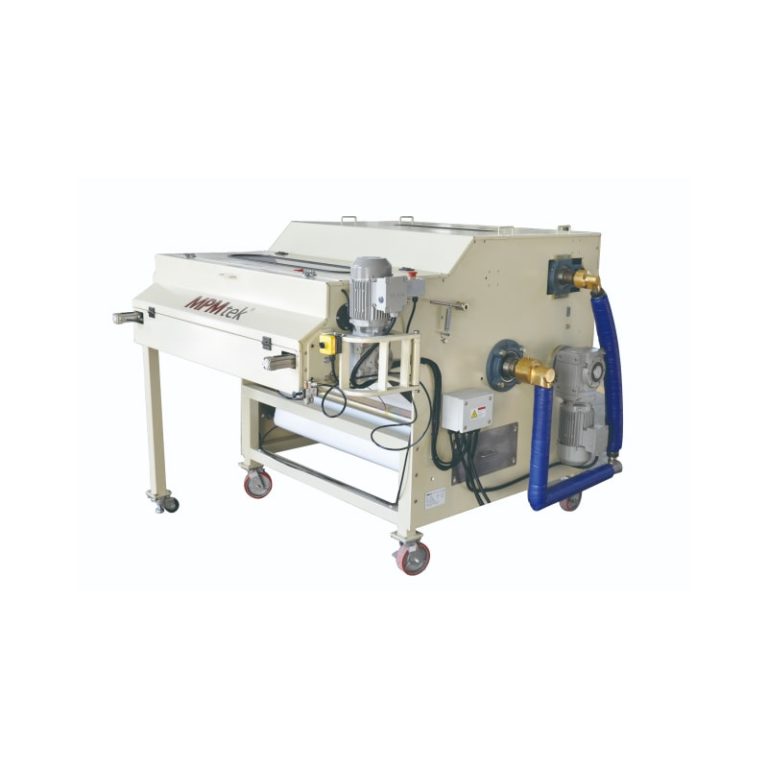
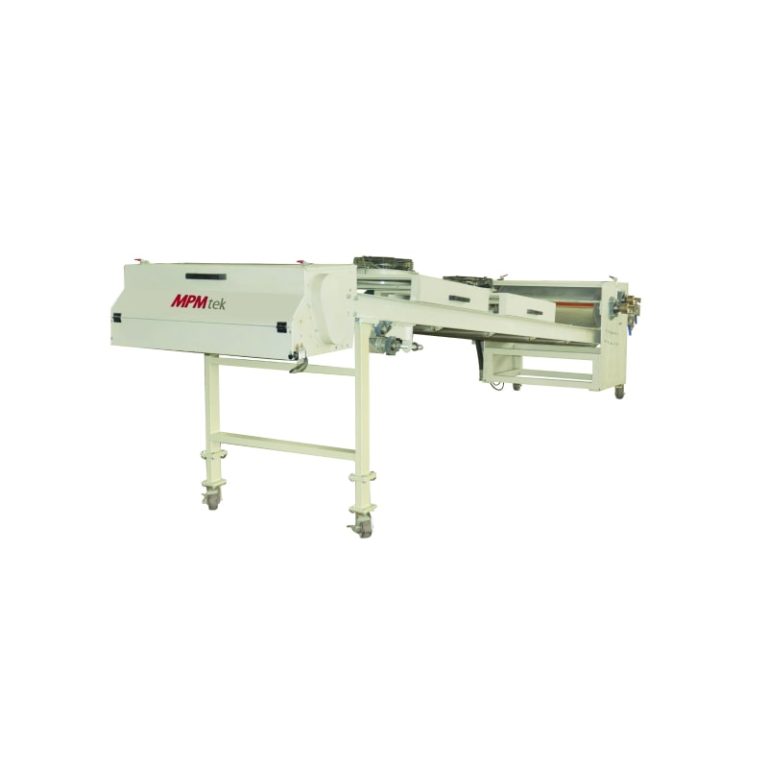
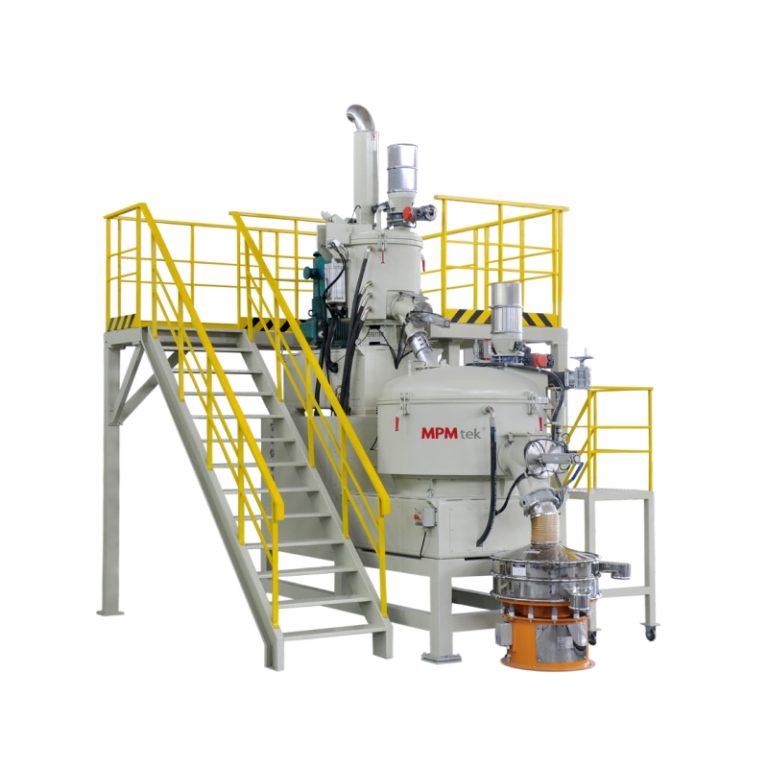
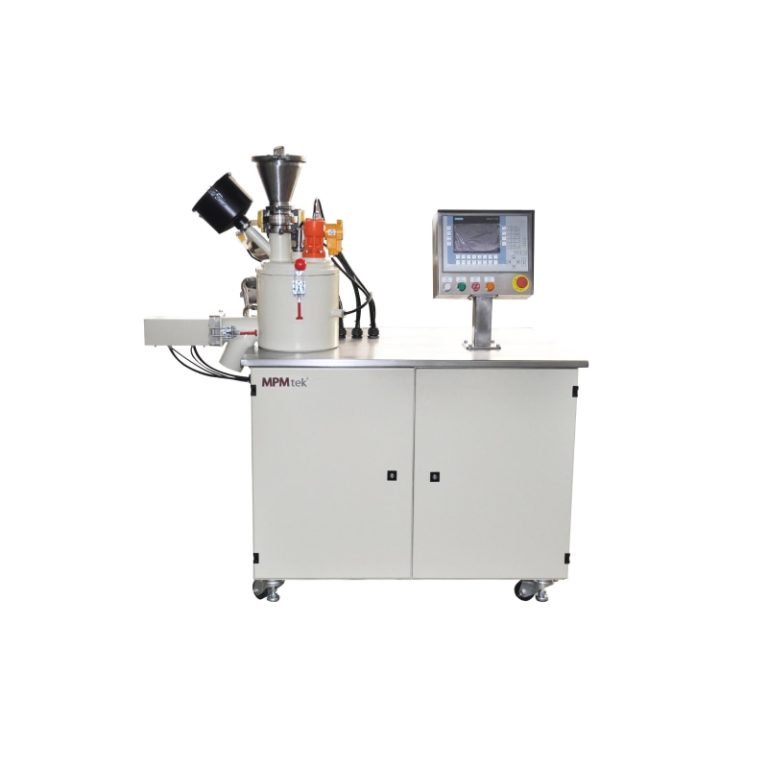
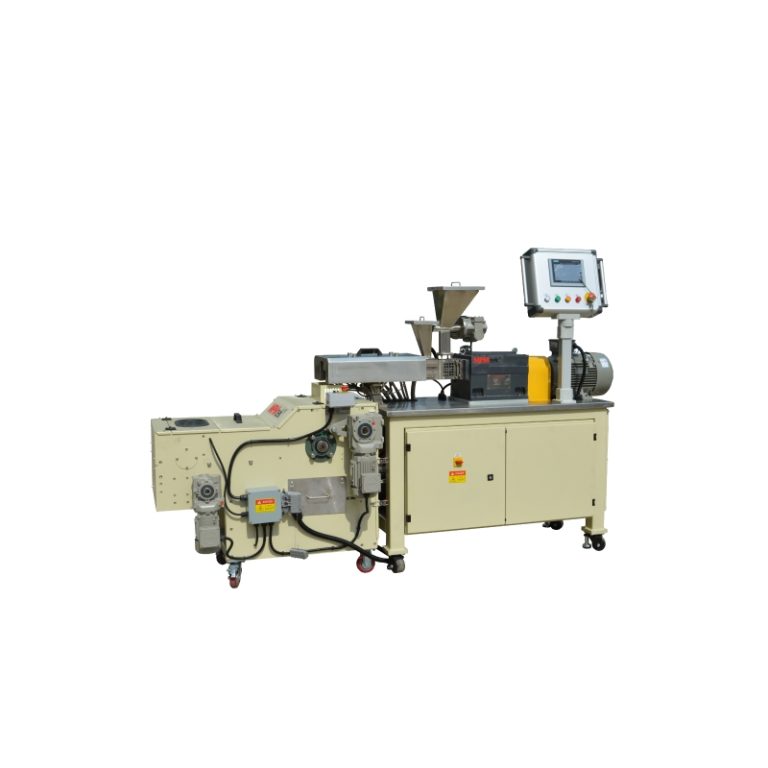
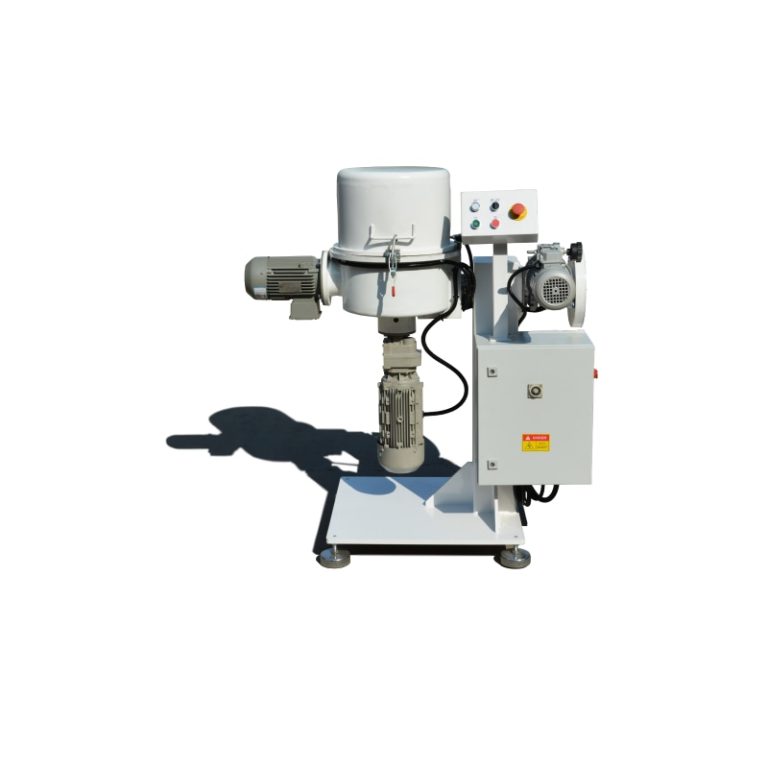
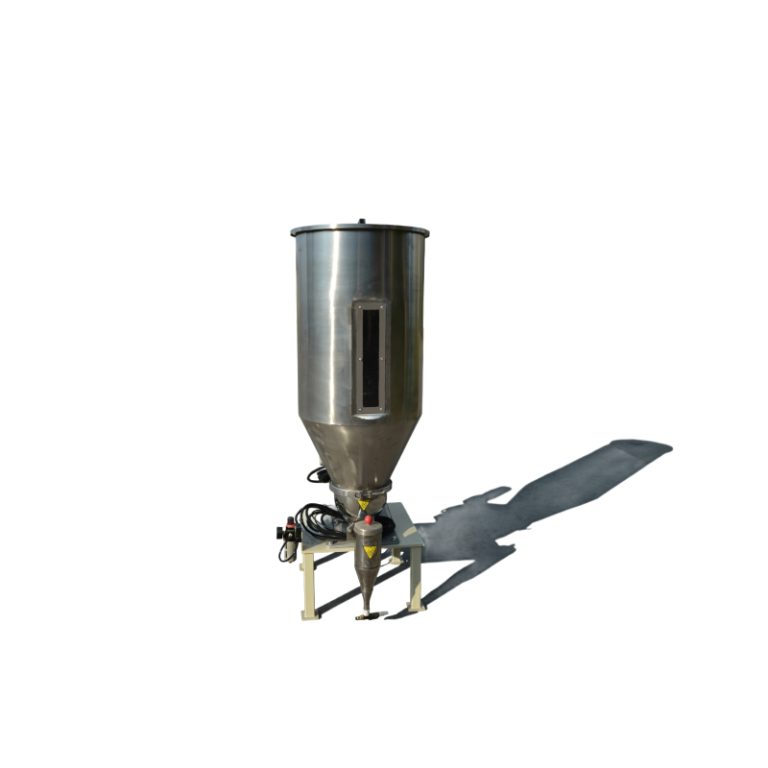
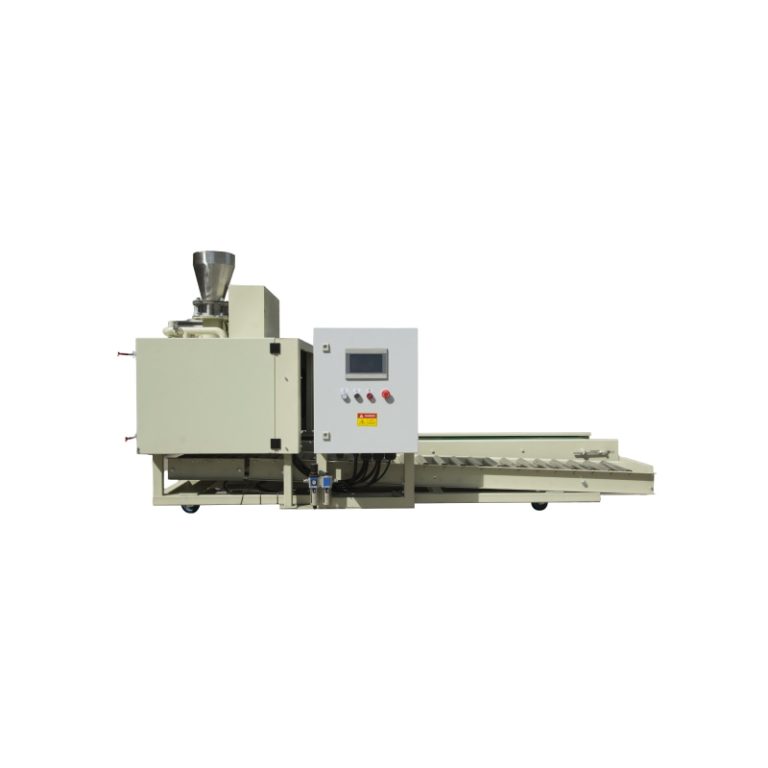
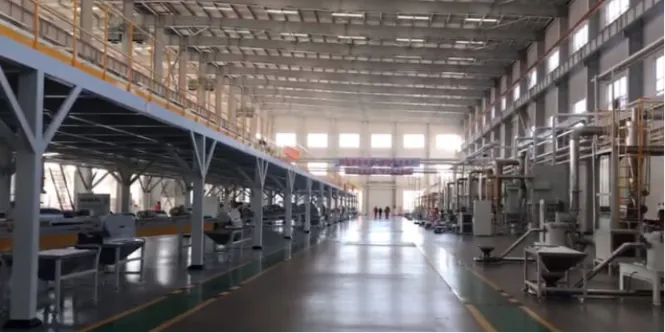
Powder coating production follows a straightforward path: premixing ingredients, extruding the mix, cooling it down, grinding the flakes, sieving for size, and finally packing. Grinding stands out as the step that shapes particle size distribution and spray performance. Many plants stick with traditional setups like hammer mills or pin mills paired with vibratory sieves. But more operations switch to ACM mills these days.
So, what grinding system fits powder coatings best? Does an ACM mill really outshine traditional grinding systems in key ways? Many powder coating plants upgrading from conventional hammer-mill-based systems to ACM micro-grinding systems from MPMtek are facing the same question: is the switch really worth it?
What Do We Mean by “ACM Mill” and “Traditional Grinding Systems”?
What is an ACM mill in a powder coating grinding system? Let’s break it down.
ACM Mill – Integrated Grinding and Air Classification
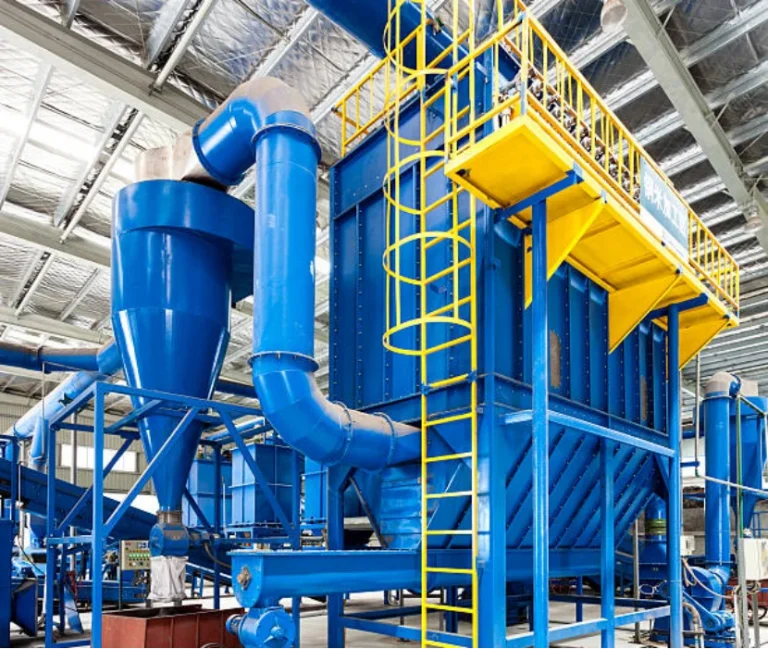
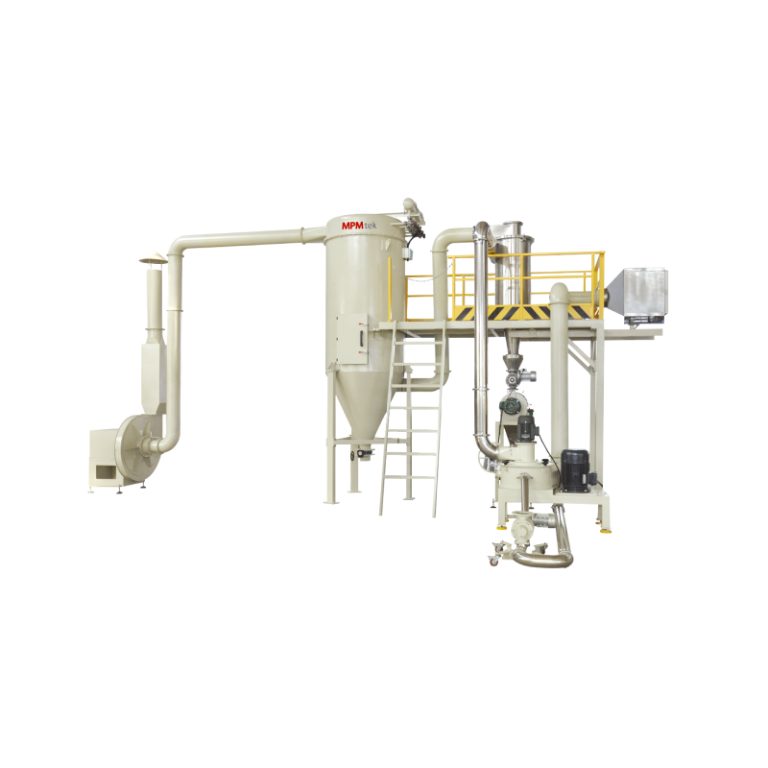
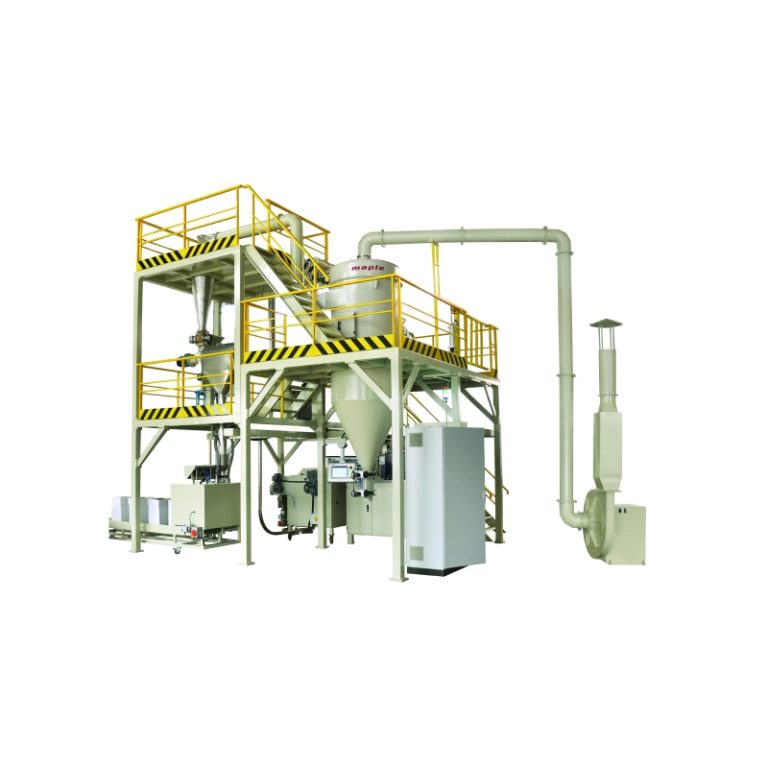
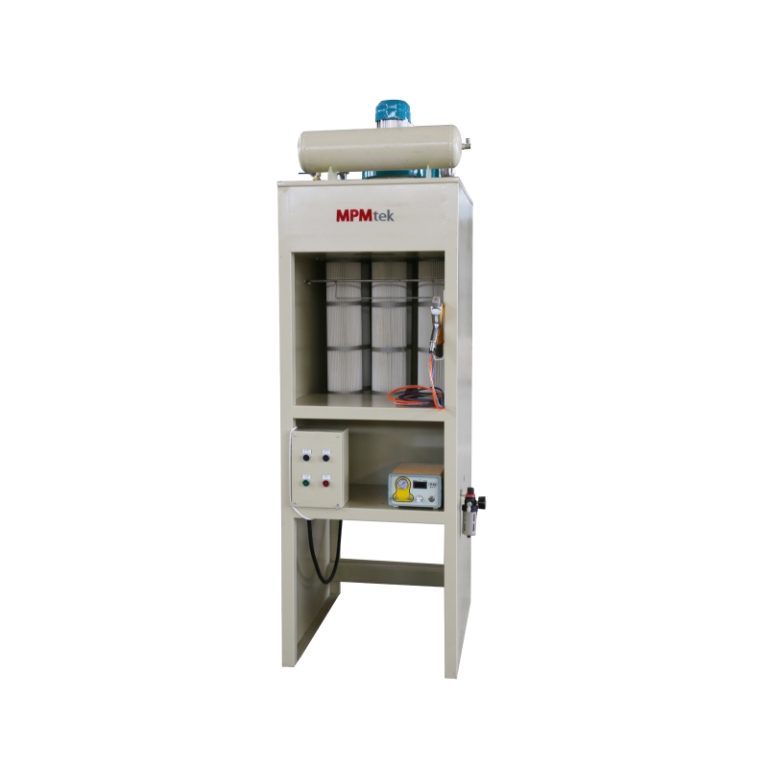
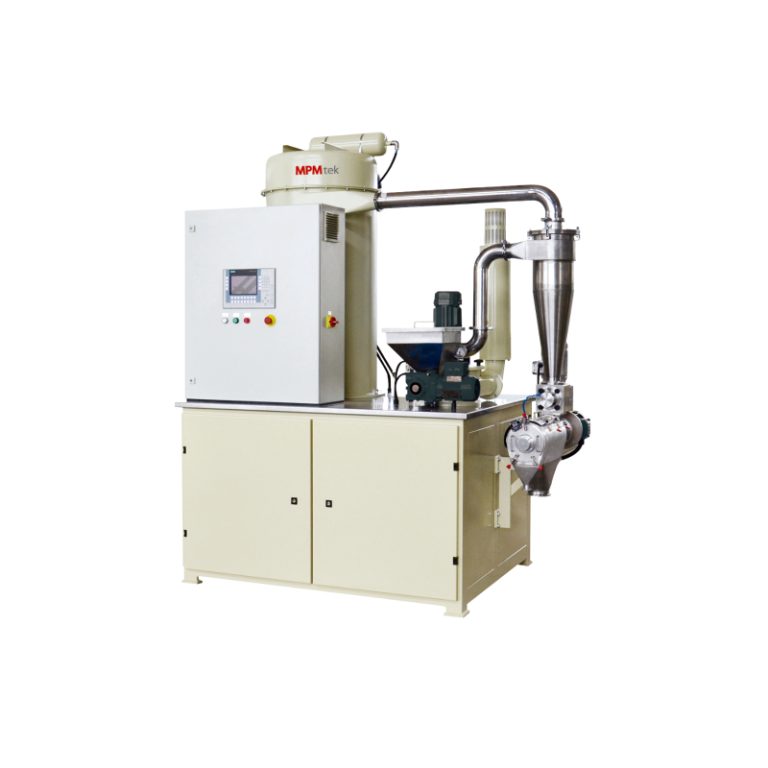
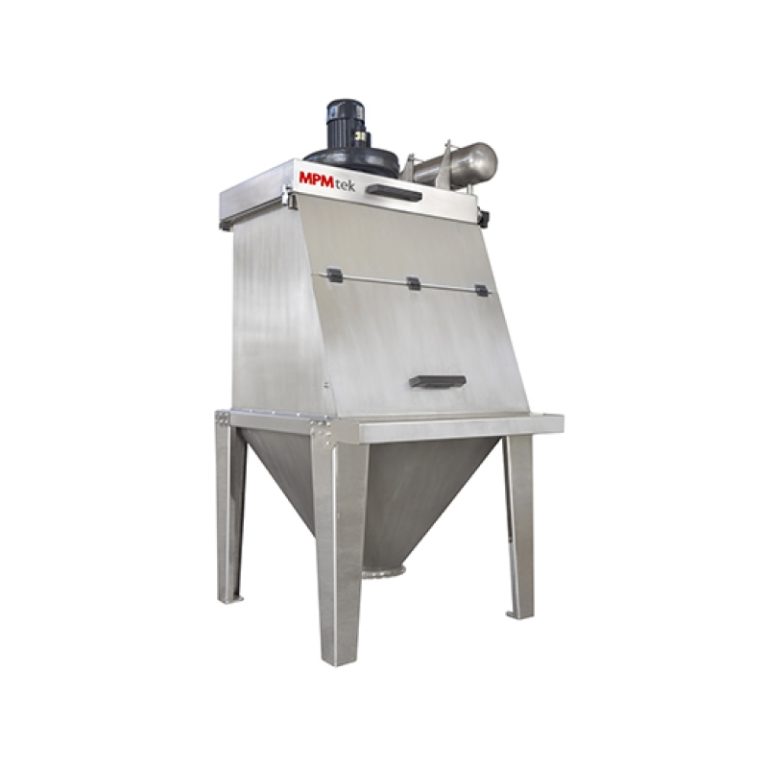
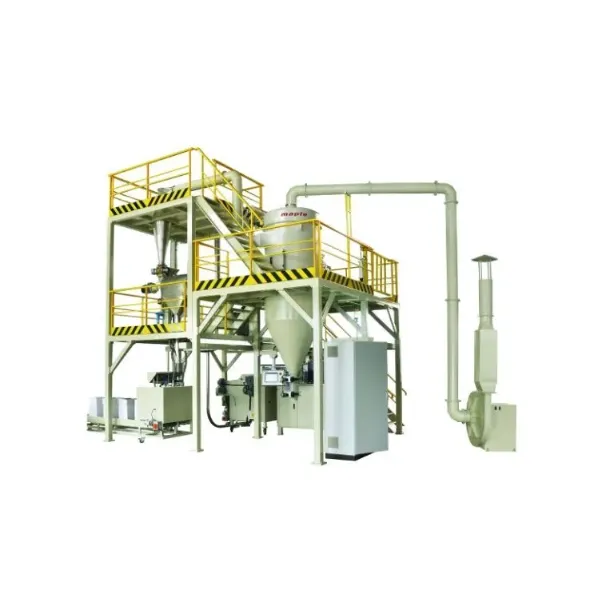
ACM stands for air classifying mill. It combines impact grinding with built-in air classification, airflow transport, and collection all in one unit. A typical ACM setup for powder coatings includes a high-speed mill, cyclone separator, rotary or vibratory sieve, fine powder collector, and fan.
Key perks include concentrated particle size distribution that’s easy to adjust. The system keeps temperatures low and boosts recovery rates. Plus, PLC and HMI controls make operations smooth.
Traditional Grinding Systems in Powder Coating Plants
Traditional setups often mean hammer mills, pin mills, or impact mills hooked up to external sieves and suction systems. Particle control relies mostly on screen sizes or basic classifiers.
These systems are straightforward and cheap to set up. But they tend to produce wider particle spreads with extra fines. Temperatures climb higher, and quality hinges on operator know-how.
Particle Size Distribution – Why ACM Mills Matter for Powder Coatings
Particle size distribution plays a huge role in powder coatings. ACM mill particle size distribution often gives a tighter range compared to others.
PSD Requirements for Powder Coatings (D50, D90 and Fines)
Powder coatings aim for specific D50 and D90 ranges, plus low fines under 10 microns. This affects spray transfer efficiency, surface smoothness without orange peel, flow and coverage, and how well recycled powder performs.
Get it wrong, and coatings look uneven or waste more material.
ACM Mill – Integrated Classification for Narrow PSD
ACM mills use a dynamic classifier wheel inside. This nails a narrow cut point. Particle size distribution is concentrated, stable and adjustable. No wonder air classifying mill for powder coating fineness gets talked about so much.
Traditional Hammer/Pin Mills – Screen-Limited Control
Hammer mills depend on screens for size control. That limits distribution to hole sizes, often leading to too many fines or coarse bits. Powder coating particle size distribution ends up broader than ideal.
Temperature, Color Stability and Gel Time – ACM vs Conventional Mills
Temperature rise in an ACM mill vs traditional grinding systems has a direct impact on powder coating yellowing and gel time. Heat matters a lot here.
Why Grinding Temperature Matters for Powder Coatings
High temps can trigger early resin reactions, cure agents firing off too soon, or degrade flow aids and pigments. Result? Yellowing, poor flow, and shorter gel times.
ACM System – Lower Temperature Rise by Design
ACM designs keep heat in check. Less rising-up of temperature in mill, low temperature of powder. Airflow whisks away heat, and the classifying zone stays cooler than mechanical grinds.
Traditional Grinding Systems – Overheating Risk
Hammer or pin mills heat up under heavy loads or long runs. Material cycles through the chamber multiple times for sizing, building extra heat. Especially tough without advanced cooling.
Recovery Rate, Yield and Operating Cost
Recovery rate and yield tip the scales in grinding choices. ACM mill recovery rate often hits high marks.
ACM Systems – High Recovery and Low Fines Loss
These systems boast over 98% recovery. That means better raw material use, stable recycled powder, and controlled fines to cut waste costs. Powder coating grinding yield stays strong.
Traditional Grinding Systems – Where Material Is Lost
Losses sneak in from clogged screens dumping ultrafines, inefficient dust collectors, or cleanup between equipment swaps. More gear means more spots for waste.
Maintenance, Cleaning and Color Changeovers
Maintenance and cleaning keep lines running. Color changeover in powder coating grinding adds another layer.
ACM Mill Design for Easier Access and Cleaning
ACM mills feature flip-top structures. Classifiers, liners, and rotors come out easy for upkeep. Compact build means low maintenance and noise, great for steady production. In ACM micro-grinding systems from MPMtek, the mill housing and classifier are designed for quick access, which simplifies color changeovers and reduces downtime between powder batches.
Traditional Systems – More Components to Clean
With separate mills, classifiers, and sieves, surfaces multiply. Swapping colors turns into a chore, scrubbing every part.
Safety and Automation Considerations
Safety and automation shape modern grinding lines. ACM mill safety system pairs well with automated powder coating grinding line needs.
Explosion Risk in Organic Powder Coatings
Powder coatings are combustible dusts. Grinding setups must handle explosion risks with proper designs and interlocks.
ACM Systems with Integrated Safety and Control
Look for comprehensive safety protection systems plus Siemens PLC and HMI. Parameters get recipe-managed, alarms are tight, and it fits local regs easier.
Traditional Systems – Simpler, But Less Integrated
Basic hammer or pin mills offer core safeguards. But system-wide safety needs extra work. Manual tweaks rely on operators, which can vary.
When Is an ACM Mill the Best Choice for Powder Coatings?
When to choose an ACM mill for powder coatings? High-decor powders sensitive to defects, complex colors needing steady PSD and low heat, high recycle ratios to minimize fines waste, or big lines craving automation and traceability.
When Traditional Grinding Systems Still Make Sense
When to use hammer mill or pin mill for powder coating? Small-scale ops on tight budgets, looser size needs like industrial primers, or tweaking existing setups with better sieving and dust control first.
Quick Selection Checklist – ACM Mill vs Traditional Grinding Systems
Here’s an ACM mill vs traditional grinding systems checklist to weigh options:
- Target PSD & fines proportion: ACM for tight control; traditional if broad is fine.
- Sensitivity to yellowing/gloss: ACM shines with low heat.
- Expected recovery rate: Aim high? Go ACM.
- Capacity & automation needs: Big automated lines favor ACM.
- Safety & regs: Integrated systems like ACM ease compliance.
Engineering teams often map these criteria against real performance data from MPMtek ACM systems and existing hammer-mill lines to decide the most cost-effective upgrade path.
Matching Your Powder Coating Goals with the Right Grinding System
Choosing the best grinding system for powder coatings means balancing needs with tech. ACM isn’t a cure-all, but for demanding powders, it often proves the smart long-term pick.
Focus on particle distribution, temp control, recovery, upkeep, and safety. Those standards reveal what works best. Sometimes a simple setup does the job, other times upgrading pays off big.
FAQ
Q: What is the difference between an ACM mill and a traditional grinding system?
An ACM mill integrates grinding and air classification to produce narrow particle size distribution, while traditional systems like hammer or pin mills rely on screens and generate broader PSD and higher fines.
Q: Why is an ACM mill better for powder coating production?
ACM mills provide precise particle size control, lower temperature rise, higher recovery rates, and more stable coating performance—critical for gloss, texture and transfer efficiency.
Q: Can traditional hammer or pin mills still be used for powder coatings?
Yes. Traditional mills work for lower-spec or industrial-grade coatings, but may struggle with tight PSD requirements, temperature-sensitive formulations and consistent reclaim performance.
Q: Does an ACM mill reduce yellowing and thermal degradation during grinding?
Yes. ACM mills manage airflow and classification to limit heat build-up, helping prevent resin pre-reaction, pigment yellowing and gloss loss during powder grinding.
Q: How do I choose between an ACM mill and traditional grinding equipment?
Consider target particle size distribution, sensitivity to heat, reclaim powder usage, production capacity, automation needs and long-term operating cost.