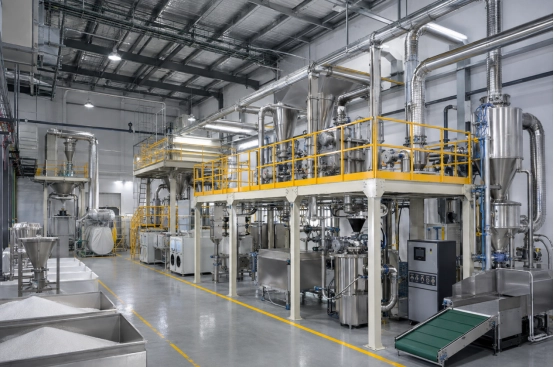
یک کارخانه رنگسازیِ جاافتاده از قبل مزایای مفیدی دارد: ساختمان و انبار. یک خط تولید رنگ پودری را نمیتوان به سادگی در یک گوشه خالی رها کرد. تولید پودر، گرما را با خنکسازی کنترلشده ترکیب میکند. همچنین به سنگزنی دقیق و مدیریت دقیق گرد و غبار بستگی دارد. این تبدیل زمانی مؤثر است که فرآیند با محدودیتهای سایت مطابقت داشته باشد.
آیا میتوان یک کارخانه رنگسازی موجود را به تولید پوشش پودری تبدیل کرد؟
در بسیاری از موارد، بله. آزمایشگاه اغلب میتواند برای آزمایشهای پوشش پودری تطبیق داده شود. ظرفیت الکتریکی نیاز به بررسی دارد. تهویه، هوای فشرده و حفاظت در برابر آتش نیز همینطور.
رنگ مایع و پوشش پودری، کسب و کارهای تولیدی متفاوتی هستند. مخازن حلال و ظروف فرآیند مرطوب به طور خودکار برای تولید پودر مفید نیستند. یک خط تولید پودر به جریان مواد خشک از شارژ مواد اولیه به کیسهها یا جعبههای بسته شده نیاز دارد. قوانین محلی گرد و غبار و آتش، طراحی را شکل میدهند.
قبل از طراحی خط تولید جدید، کارخانه موجود را بررسی کنید
با یک سوال ساده در محل کارخانه قدم بزنید: آیا مواد میتوانند بدون عبور از روی خودشان، در کارخانه حرکت کنند؟ مراحل دریافت و توزین را روی نقشه علامت بزنید. مخلوط کردن و اکستروژن را اضافه کنید. خنک کردن و آسیاب کردن را ادامه دهید. بستهبندی و انبارداری را به ترتیب حرکت واقعی علامت بزنید.
توان نصبشده و ظرفیت اضافی را در تابلو برق اصلی ثبت کنید. فشار هوای فشرده و گزینههای آب خنککننده را بررسی کنید. مسیرهای تهویه را ردیابی کنید. دسترسی لیفتراک و فواصل تعمیر و نگهداری را تأیید کنید.
تناژ ماهانه مورد انتظار و اندازه معمول دسته را تعریف کنید. خانوادههای محصول را ثبت کنید. به فرکانس تغییر رنگ و محدوده اندازه ذرات هدف توجه کنید. ابزارهای آزمایشگاهی را که میتوانند دوباره استفاده شوند شناسایی کنید. بخشهای مفید عملیات قدیمی را نگه دارید، اما اجازه ندهید تجهیزات قدیمی، فرآیند جدید را دیکته کنند.
آشنایی با فرآیند تولید رنگ پودری
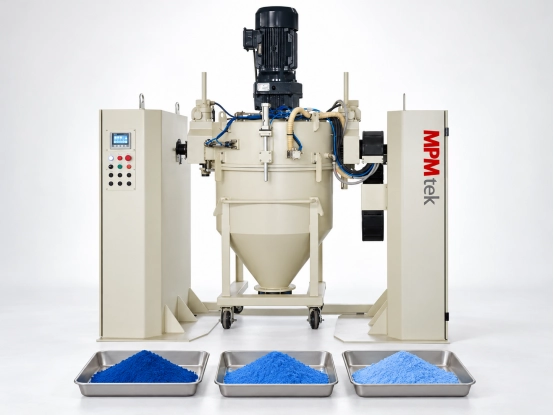
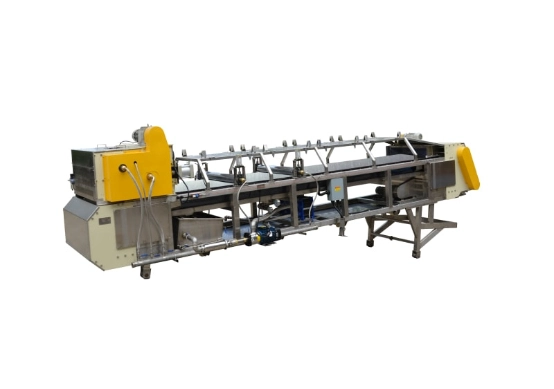
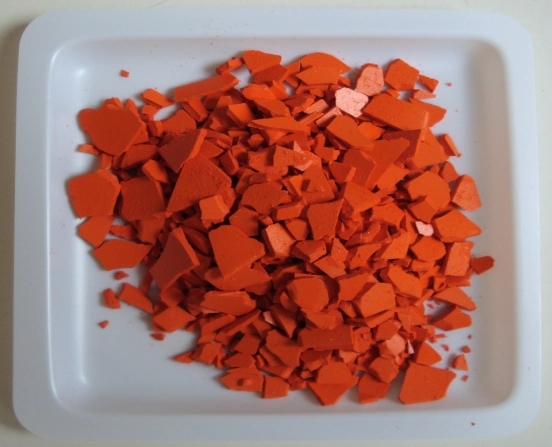
این فرآیند یک زنجیره متصل است. مواد اولیه وزن شده و از قبل مخلوط میشوند. مخلوط وارد یک اکسترودر میشود، جایی که رزین با حرارت و برش به همراه رنگدانهها و افزودنیها پراکنده میشود. ورق داغ خنک شده و به صورت تکههای کوچک خرد میشود. این تکهها از یک پودرکننده و طبقهبندیکننده عبور میکنند تا به توزیع اندازه ذرات مورد نیاز برسند. الک کردن، ذرات بزرگ را حذف میکند. برخی از فرمولاسیونها قبل از بستهبندی به یک ترکیب نهایی نیاز دارند.
- توزین مواد اولیه و پیش اختلاط
- اکستروژن و همگنسازی
- خنک شدن و پوسته پوسته شدن
- خرد کردن یا پیش شکستن
- پودر کردن و طبقهبندی اندازه ذرات
- الک کردن
- ترکیب نهایی، در صورت نیاز
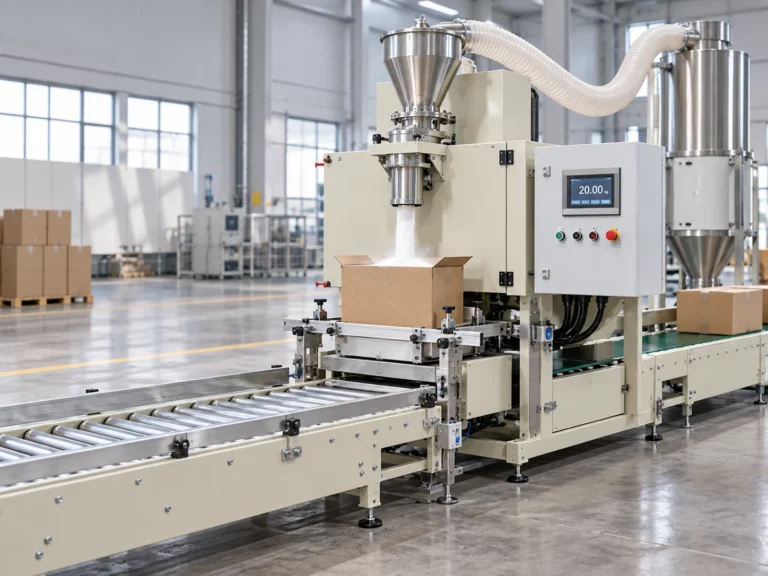
- بسته بندی اتوماتیک یا نیمه اتوماتیک
هر مرحله بر مرحله بعدی تأثیر میگذارد. پیش اختلاط ضعیف باعث ایجاد تنوع رنگ میشود. اکستروژن ضعیف میتواند مواد را ذوب نشده باقی بگذارد. آسیاب ناپایدار باعث پراکندگی زیاد اندازه ذرات میشود. یک روش قابل اعتماد خط تولید پوشش پودر مراحل را متعادل نگه میدارد و تمیز کردن را بین محصولات عملی میکند.
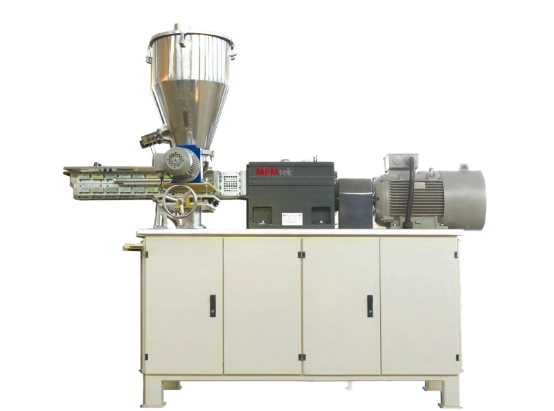
خط تولید را حول ظرفیت و محدوده محصول طراحی کنید
ظرفیت دستگاه باید از برنامه تولید پیروی کند. دو پودر هیبریدی استاندارد به تنظیمات متفاوتی نسبت به دستههای کوچک بسیاری از گریدهای بافتدار نیاز دارند.
میزان تولید هدف را بر حسب تن در ماه تعیین کنید و اندازه معمول بچ را تعریف کنید. سیستمهای رزین و الزامات اندازه ذرات را بررسی کنید. تغییرات را تخمین بزنید. تغییرات مکرر رنگ ممکن است ویژگیهای انتقال و تمیزکاری بهتر را توجیه کند.
خط تولید معمول شامل یک سیستم پیش اختلاط و یک اکسترودر پوشش پودرسپس به تجهیزات خنککننده و پوستهریزی نیاز دارد. بخش پاییندستی از یک پودرکننده و طبقهبندیکننده استفاده میکند. یک الک، مخلوطکن را قبل از ایستگاه بستهبندی تغذیه میکند. در صورت انتظار افزایش تقاضا، جایی برای توسعه در نظر بگیرید.
تصمیم بگیرید که چه چیزی را دوباره استفاده کنید، تطبیق دهید یا جایگزین کنید
استفاده مجدد زمانی ارزشمند است که هزینه را بدون کاهش کنترل محصول کاهش دهد. ساختمان ممکن است همچنان در حال سرویسدهی باشد.
| دارایی کارخانه موجود | رویکرد پیشنهادی |
| ساختمان و انبار | استفاده مجدد پس از ممیزی ساختاری و گردش کار |
| فضای آزمایشگاهی و آزمایشگاهی | سازگاری با آزمونهای کیفیت پوشش پودری |
| سیستمهای الکتریکی و هوای فشرده | ارتقا بر اساس بار خط |
| مخازن رنگ مایع | معمولاً مستقیماً قابل استفاده مجدد نیست |
| جمعآوری گرد و غبار و تهویه | اضافه کردن یا طراحی مجدد |
| بسته بندی و جابجایی پالت | استفاده مجدد در مواردی که بهداشت و ظرفیت کافی باشد |
بپرسید که آیا هر دارایی از کیفیت دستهای مورد نیاز و چرخه تمیز کردن پشتیبانی میکند یا خیر.
طرح بندی، کنترل گرد و غبار و مدیریت کیفیت
از جریان یک طرفه از دریافت مواد اولیه تا ارسال محصول نهایی استفاده کنید. توزین را از بسته بندی جدا کنید. سنگ زنی را از مناطق تمیز انبار و آزمایشگاه دور نگه دارید. دسترسی برای تعویض غربال و تعویض فیلتر را فراهم کنید.
پودر ریز، استاندارد نگهداری را تغییر میدهد. استخراج باید در منبع طراحی شود. اتصال به زمین و محافظت مناسب در برابر آتش ضروری است. اپراتورها به رویههای تمیزکاری واضح بین رنگها و خانوادههای محصول نیاز دارند. گرد و غبار انباشته شده هم از نظر کیفیت و هم از نظر ایمنی خطرناک است.
بررسیهای کیفیت باید توزیع اندازه ذرات و زمان ژل شدن را پوشش دهند. براقیت و تفاوت رنگ را نیز اضافه کنید. چسبندگی و عملکرد پخت را بررسی کنید. یک آزمایشگاه تبدیلشده میتواند بخش زیادی از این کار را پس از بهروزرسانی رویهها انجام دهد. پوشش پودر آسیاب باید با محدوده فرمولاسیون مطابقت داشته باشد. یک تنظیم برای هر سیستم رزینی مناسب نیست.
یک نقشه راه پیادهسازی مرحلهای را دنبال کنید
پروژه را به عنوان مجموعهای از تصمیمات در نظر بگیرید. بررسی امکانسنجی، محل و ظرفیت هدف را تأیید میکند.
- ارزیابی امکانسنجی
- تأیید ظرفیت و فرآیند
- طراحی چیدمان کارخانه و تاسیسات
- انتخاب تجهیزات و ساخت
- نصب و راه اندازی
- تولید آزمایشی و اعتبارسنجی فرمولاسیون
- آموزش و تحویل اپراتور
- پشتیبانی فنی پس از فروش
تولید رنگ مایع موجود همیشه نیازی به توقف ندارد. انبار موقت و نصب مرحلهای میتواند بخشی از کارخانه را فعال نگه دارد. زمانی را برای آزمایشهای تمیزکاری و تنظیمات فرمولاسیون در نظر بگیرید. آن ساعات آرام اغلب چیزی بیش از یک بروشور براق تجهیزات را آشکار میکنند.
هزینه تبدیل و بازگشت سرمایه بالقوه را تخمین بزنید
هزینه سرمایه به خروجی و اتوماسیون بستگی دارد. ظرفیت آسیاب کردن مهم است. کنترل گرد و غبار نیز مهم است. کار ساختمانی به هزینهها میافزاید. بستهبندی و نصب نیز هزینههای بیشتری را به همراه دارد. ارتقاء تأسیسات میتواند هزینهای بیشتر از حد انتظار باشد، زمانی که کارخانه قدیمی فضای الکتریکی محدودی دارد.
گزینه بازسازی را با گزینه ساخت جدید مقایسه کنید. هزینه نیروی کار و انرژی را نیز در نظر بگیرید. هزینه تعمیر و نگهداری و ضایعات را نیز اضافه کنید. تغییرات محصول و ارزش فضای انبار موجود را نیز در نظر بگیرید. یک تخمین بازگشت سرمایه باید به جای ظرفیت اسمی دستگاه، از میزان استفاده واقعبینانه استفاده کند. یک تأمینکننده میتواند پس از بررسی طیف محصولات و شرایط کارخانه، یک تخمین مفید تهیه کند. خط رنگ پودری کلید در دست نقطه شروعی برای آن بحث است.
چرا یک تامین کننده تجهیزات پوشش پودری آماده به کار را انتخاب کنیم؟
یک تأمینکنندهی آماده به کار، مسئولیت طراحی فرآیند و تطبیق تجهیزات را بر عهده دارد. این امر باعث کاهش شکافها در مراحل مختلف فرآیند میشود.
تمرکز MPMtek بر تجهیزات پوشش پودری و راهکارهای کامل خط تولید است. آیا تأمینکننده میتواند جریان مواد و تقاضای آب و برق برای این کارخانه را توضیح دهد؟ دادههای فنی تأیید شده را درخواست کنید. درخواست ارجاع به پروژهها و طرح پشتیبانی کنید.
سوالات متداول: تبدیل یک کارخانه رنگ به تولید پوشش پودری
سوال: آیا میتوان از تجهیزات رنگ مایع برای تولید پوشش پودری دوباره استفاده کرد؟
برخی از زیرساختها میتوانند دوباره مورد استفاده قرار گیرند. ساختمانها و تأسیسات از جمله گزینههای رایج هستند. انبارها و آزمایشگاهها نیز همینطور. مخازن حمل حلال و تجهیزات فرآیند مرطوب نیاز به ارزیابی جداگانه دارند. استفاده مجدد تنها زمانی معقول است که دارایی الزامات بهداشتی و ظرفیت را برآورده کند.
سوال: تبدیل کارخانه چقدر طول میکشد؟
این برنامه به ظرفیت خط و زمان تحویل تجهیزات بستگی دارد. تغییرات ساختمانی و راهاندازی، زمان را افزایش میدهند. یک طرحبندی واضح و اطلاعات مربوط به تاسیسات، مهندسی را کوتاه میکند. تولید آزمایشی به جای اینکه یک کار اضطراری باشد، در برنامه قرار دارد.
سوال: هنگام درخواست نقل قول، چه اطلاعاتی باید ارائه دهم؟
ظرفیت مورد نظر و انواع پودر را ارائه دهید. محدوده فرمولاسیون و اندازه بچ را اضافه کنید. فضای موجود و منبع تغذیه محلی را ذکر کنید. انتظارات اتوماسیون و تاریخ تحویل را نیز ذکر کنید. طرح کارخانه به شناسایی محدودیتها قبل از نهایی شدن قیمتگذاری کمک میکند.
نتیجه گیری
افزودن تولید پودر به یک کارخانه رنگ موجود میتواند یک توسعه کنترلشده باشد. با ممیزی سایت شروع کنید. محصولات را تعریف کنید. خط مشی را حول این حقایق بسازید.
آیا قصد دارید تولید پوشش پودری را به کارخانه رنگ فعلی خود اضافه کنید؟
ارسال MPMtek ظرفیت مورد نظر، محدوده محصول و طرح کارخانه شما. تیم مهندسی ما میتواند به ارزیابی محل کمک کند و یک خط تولید پوشش پودری مناسب را پیشنهاد دهد.