فرمول پوشش پودری میتواند روی ... پایدار به نظر برسد. اکسترودر آزمایشگاهی و در خط تولید دردسرساز میشوند. رزین و رنگدانه بدون تغییر باقی میمانند، اما ممکن است محصول نهایی تیرهتر، صافتر، ناهموارتر یا دارای ذرات ژلی باشد.
افزایش مقیاس یک تمرین ضرب نیست. وظیفه واقعی، بازتولید تاریخچه حرارتی و مکانیکی ماده در حالی است که هندسه مارپیچ، خروجی، شرایط خنککاری و بار سنگزنی همگی تغییر میکنند.
قبل از مقیاسبندی یک فرمول آزمایشگاهی، چه مواردی باید تعریف شوند؟
قبل از تماس با خط تولید، نمونه آزمایشگاهی را فریز کنید. بیش از درصد فرمولاسیون صرفهجویی کنید.
گریدهای مواد اولیه، ترتیب پیش اختلاط، پیکربندی مارپیچ، نرخ تغذیه، سرعت مارپیچ، تنظیمات سیلندر، دمای مذاب و نقطه نمونهبرداری را ثبت کنید. پنل تایید شده را در کنار پنلهای آزمایشی نگه دارید.
معیار باید شامل موارد زیر باشد:
- رنگ و جلا
- زمان ژل شدن یا جریان مذاب
- ظاهر فیلم
- برنامه درمانی
- توزیع اندازه ذرات
- آزمایشهای مکانیکی مورد نیاز
در طول یک آزمایش، تأمینکننده، سطح افزودنی و تنظیمات اکستروژن را تغییر ندهید. این کار دادهها را ایجاد میکند، اما شواهد مفید کمی دارد.
چرا نمیتوان فرمول پوشش پودری را تنها با اندازه دستهای مقیاسبندی کرد؟
بزرگتر اکسترودر یک دستگاه آزمایشگاهی با قیف بزرگتر نیست. قطر مارپیچ، حجم آزاد، انتقال حرارت و زمان اقامت تغییر میکند.
به همین دلیل است که کپی کردن با سرعت ۴۵۰ دور در دقیقه و دمای یکسان سیلندر اغلب با شکست مواجه میشود. مقادیر نمایش داده شده مطابقت دارند اما پودر مطابقت ندارد.
یک فرمول پلیاستر مشکی زمانی در آزمایشگاه به خوبی کار میکرد، اما در تولید کمی ریختهگری برنزی ایجاد کرد. این فرمول مقصر شناخته شد. علت اصلی، دمای مذاب بالاتر ناشی از برش اضافی در توان تولید بود. کاهش اندک سرعت ماردان و تغذیه یکنواختتر، این تغییر را از بین برد.
وضعیت فرآیند را مقیاسبندی کنید، نه شماره پنل کنترل را.
کدام پارامترهای اکستروژن باید در تجهیزات آزمایشگاهی و تولیدی مطابقت داشته باشند؟
پایداری خوراک، بار موتور، وضعیت مذاب و خروجی معمولاً بیش از یک لیست طولانی از نقاط تنظیم دما را نشان میدهد.
نرخ تغذیه، سرعت پیچ و سطح پر شدن
نرخ تغذیه و سرعت ماردون به هم وابسته هستند. سرعت بالا با تغذیه خیلی کم میتواند باعث کاهش غلظت مخلوط شود. تغذیه بیش از حد میتواند گشتاور را به سمت بالا هدایت کند و تخلیه را ناپایدار کند.
با ظرفیتی کمتر از ظرفیت هدف شروع کنید. پس از اینکه دستگاه به حالت سکون درآمد، در گامهای اندازهگیری شده، میزان خروجی را افزایش دهید. تغذیهکننده را از نزدیک زیر نظر داشته باشید؛ پل زدن یا ضرباندار شدن قیف میتواند مانند یک نقص در اکستروژن به نظر برسد.
عملکرد پایدار، حرکت گشتاور باریک، حتی اکسترود شده و بدون افزایش مکرر را نشان میدهد.
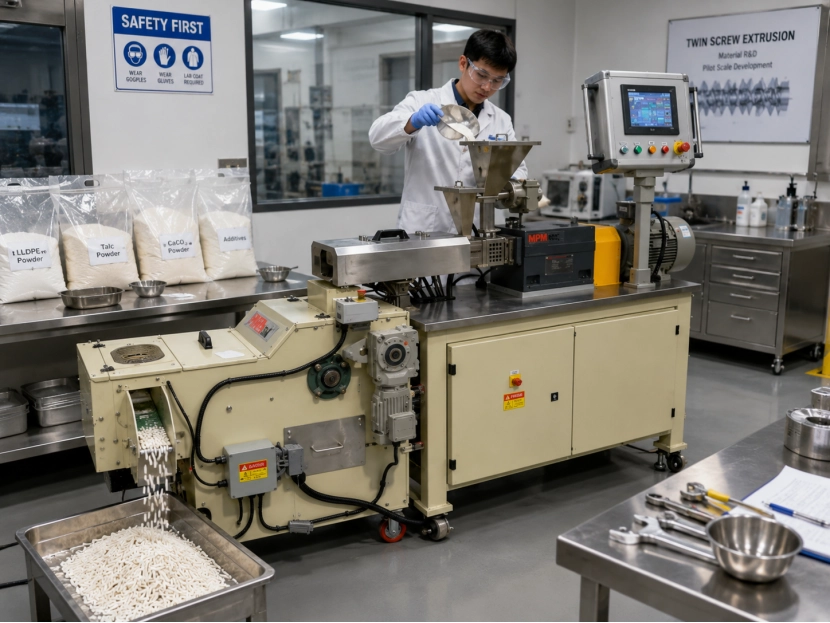
img.Twin Screw Extruder.webp
دمای ذوب و زمان ماندگاری
دمای سیلندر، دمای ذوب نیست. رزین از گرمکنها و کار مکانیکی درون مارپیچها گرما دریافت میکند.
سابقه گرمای بیش از حد میتواند باعث واکنش زودرس، حرکت رنگ، از بین رفتن براقیت یا پایداری کمتر در انبار شود. گرمای ناکافی ممکن است باعث خیس شدن ضعیف رنگدانه و توزیع ناقص افزودنی شود. هر دو میتوانند تراشههای با ظاهر قابل قبول تولید کنند. پنل پوشش داده شده کمتر قابل بخشش است.
دمای مذاب را در یک نقطه ثابت اندازهگیری کنید و فقط پس از تهنشین شدن آن نمونهبرداری کنید.
گشتاور، برش و انرژی ورودی ویژه
گشتاور یک شاخص مفید برای افزایش مقیاس است زیرا نشان میدهد که مواد چگونه پیچها را بارگذاری میکنند. هنوز به زمینه نیاز دارد: اندازه موتور، نرخ تغذیه و خروجی.
بین اکسترودرهای غیرمرتبط، درصد گشتاور یکسانی را دنبال نکنید. در صورت امکان، یک بازه زمانی پایدار پیدا کنید و انرژی ورودی به ازای واحد خروجی را مقایسه کنید.
هر بار یک متغیر اصلی را تغییر دهید. سه تنظیم همزمان ممکن است یک پنل خوب ایجاد کند، اما هیچ کس نمیداند کدام تنظیم مؤثر بوده است.
چگونه باید قبل از تولید کامل، یک نسخه آزمایشی (پایلوت) برنامهریزی کنید؟
با پایلوت به عنوان یک مطالعه کوتاه تولید رفتار کنید.
- قبل از آزمایش، مرجع آزمایشگاه را تأیید کنید.
- با تنظیمات تولید محافظهکارانه شروع کنید.
- تا زمانی که گشتاور، دمای مذاب و خروجی تثبیت شود، اجرا کنید.
- مطالب مربوط به شروع کار را از ارزیابی حذف کنید.
- نمونهها را در مراحل برنامهریزیشدهی عملیاتی جمعآوری کنید.
- هر نمونه را تحت شرایط یکسان آسیاب و اسپری کنید.
- قبل از ادامه، هر تغییر را ثبت کنید.
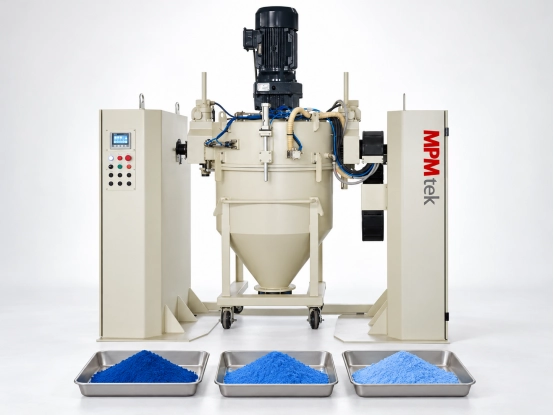
تداوم تجهیزات کمک میکند. MPMtek تی اس ای-۲۶C دوقلوی آزمایشگاهی اکسترودر پیچی میتواند ضمن شبیهسازی اکسترودرهای تولیدی خود، فرمول و پارامترهای تولید را به دست آورد. این کار، کار آزمایشی را حذف نمیکند، اما میتواند حدس و گمان را کاهش دهد.
چگونه خنک شدن، پوسته پوسته شدن، آسیاب کردن و طبقه بندی بر رسوب گذاری تأثیر می گذارد نتایج بالا؟
اکستروژن بیشترین توجه را به خود جلب میکند. بخش پاییندستی، پودر را بیسروصدا تغییر میدهد.
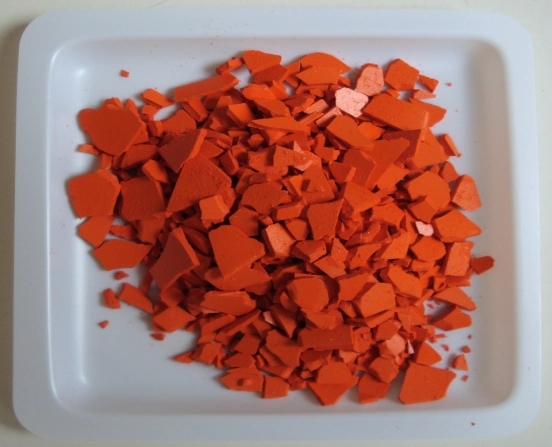
یک ورق اکسترود شده ضخیمتر، آهستهتر خنک میشود. تراشههای گرم ممکن است در آسیاب نرم شوند؛ تراشههای شکننده ممکن است ذرات ریزتری ایجاد کنند. سرعت طبقهبندی کننده و جریان هوا، توزیع اندازه ذرات را حتی زمانی که ماده اکسترود شده صحیح است، تغییر میدهند.
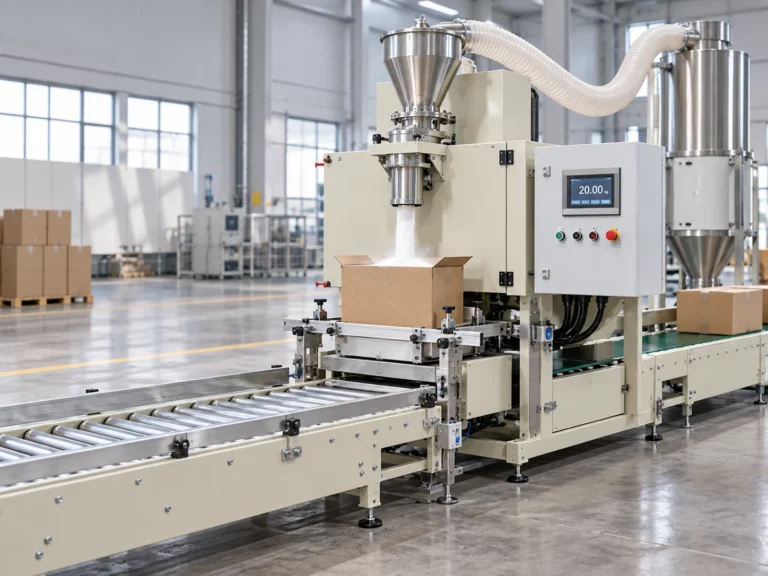
ضخامت ورق، دمای براده، نرخ تغذیه آسیاب، جریان هوا و تنظیمات طبقه بندی کننده را بررسی کنید. یک خط کامل، مخلوط کردن، اکستروژن، خنک سازی، سنگ زنی، طبقه بندی و بسته بندی را به هم متصل می کند، بنابراین اختلالات به سمت پایین دست حرکت می کنند.
گاهی اوقات «جریان ضعیف» به فرمول نسبت داده میشود. سپس آنالیز الک نشان میدهد که آسیاب تولیدی، ذرات بسیار ریزتری نسبت به آسیاب آزمایشگاهی تولید میکند.
چه دادههایی باید بین دستههای آزمایشگاهی و تولیدی مقایسه شوند؟
تأیید به دادههای پردازش و نتایج پنل پوشش داده شده نیاز دارد.
| پارامتر کیفیت | معیار آزمایشگاهی | نتیجه تولید | مبنای تصمیم |
| تفاوت رنگ | استاندارد تایید شده | نمونه آزمایشی | محدودیت داخلی یا مشتری |
| براقیت | خواندن آزمایشگاهی | خواندن تولید | مشخصات محصول |
| زمان ژل شدن یا جریان مذاب | مقدار مرجع | مقدار آزمایشی | محدوده کنترل |
| توزیع اندازه ذرات | پودر آزمایشگاهی | پودر تولیدی | الزامات برنامه |
| ظاهر فیلم | پنل مرجع | هیئت محاکمه | استاندارد بصری |
| خواص مکانیکی | آزمون تایید شده | آزمایش تولید | مشخصات محصول |
فرم را به اندازه کافی کوتاه نگه دارید تا یک اپراتور بتواند در یک شیفت شلوغ آن را تکمیل کند.
رایجترین مقیاسها کدامند؟ شکستهای ناگهانی و اقدامات اصلاحی آنها؟
خطاهای رایج تمایل به تکرار دارند:
- رانش رنگ یا براقیت:قبل از تغییر رنگدانه، دمای مذاب و زمان ماند را بررسی کنید.
- ذرات ژل:گرمای بیش از حد، نواحی راکد و برش بیش از حد را بررسی کنید.
- پراکندگی ضعیف:پیکربندی مارپیچ، سطح پر شدن و پایداری تغذیه را بررسی کنید.
- گشتاور ناپایدار:جریان پیش مخلوط، کالیبراسیون تغذیه کننده و پل زدن قیف را بررسی کنید.
- فیلم خشن:توزیع اندازه ذرات و ضخامت فیلم اسپری را مقایسه کنید.
- جریمههای سنگین:دمای براده، جریان هوای آسیاب و سرعت طبقه بندی کننده را بررسی کنید.
- آزمایشگاه موفق میشود، تولید شکست میخورد:تأیید کنید که نمونهبرداری پس از حالت پایدار شروع شده است.
تغییر فرمول وسوسهانگیز است. اغلب فرآیند در حال تغییر است و از شیمی خواسته میشود که آن را جبران کند.
چگونه میتوانید تنظیمات نهایی را به یک SOP تولید تکرارپذیر تبدیل کنید؟
شرط مورد تایید باید یک پنجره باشد، نه یک عدد مقدس.
محدودههای مربوط به نرخ پیشروی، سرعت ماردون، گشتاور، دمای مذاب، شرایط خنکسازی، بار آسیاب، جریان هوا و اندازه ذرات را ثبت کنید. قوانین مربوط به ضایعات راهاندازی و نقطه نمونهبرداری معتبر را نیز ذکر کنید.
همچنین واکنش اپراتور را هنگام افزایش گشتاور یا کاهش دمای مذاب مستند کنید. یک برگه تنظیمات بدون دستورالعمل واکنش، تنها نیمی از یک SOP است.
MPMtek تجهیزات آزمایشگاهی را در کنار پیکربندیهای خط تولید از ۱۰۰ تا ۲۰۰ کیلوگرم در ساعت تا ۱۰۰۰ کیلوگرم در ساعت ارائه میدهد. این محدوده، ارزش عملی برنامهریزی برای افزایش مقیاس را به عنوان یک مسیر تجهیزات متصل به هم، به جای پرش بین ماشینهای غیرمرتبط، نشان میدهد.
سوالات متداول
سوال: آیا اکسترودر تولیدی میتواند از همان تنظیمات دمایی اکسترودر آزمایشگاهی استفاده کند؟
از آنها به عنوان مرجع شروع استفاده کنید، نه به عنوان تنظیم نهایی خودکار. دمای واقعی مذاب و بار موتور بیش از تطبیق مقادیر نمایش داده شده در سیلندر اهمیت دارند.
سوال: چقدر مواد برای ترازو لازم است محاکمه؟
برای رسیدن به عملکرد پایدار، حذف مواد اولیه و جمعآوری چندین نمونه معرف کافی است. این مقدار به اندازه اکسترودر و احتباس مواد در پاییندست بستگی دارد.
سوال: آیا باید فرمول در طول اولین آزمایش تولید تنظیم شود؟
معمولاً نه. قبل از تغییر شیمی، یا مخلوط شدن فرمولاسیون و اثرات فرآیند، فرآیند را تثبیت و مستند کنید.
سوال: قویترین نشانهی آن مقیاس چیست؟ بالا کار میکند؟
تکرارپذیری. یک پنل خوب دلگرمکننده است. چندین نمونهی سازگار در طول یک دورهی آزمایشی پایدار - و یک سری آزمایش سازگار دیگر - قانعکننده هستند.