Raised particles on a coated product detract from the smoothness and appearance of the coating. It is essential that you distinguish between partly cured resin, unmelted resin, pigment clusters and other contaminants and treat them individually. Defects can be prevented by controlling the melt temperature, by mixing the raw materials thoroughly before extrusion, by feeding them constantly and evenly to the extruder and by proper maintenance of all components of the extrusion line. Keep suspect samples beside the relevant batch records.
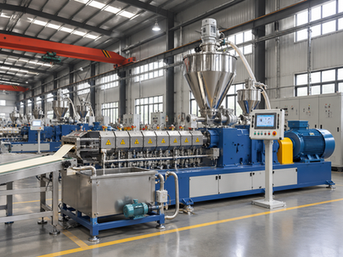
What Are Gel Particles in Powder Coating Extrusion?
The term ‘gel’ refers to resin that has partially crosslinked and cured too early. A thermosetting powder coating material is expected to cure during the coating process bake cycle. Partly cured gel particles will not melt and level normally with the surrounding powder.
Each foreign object, agglomerate of resin or poorly dispersed pigment is a different kind of fault and has to be treated differently. To establish the root cause of a surface defect it is necessary to have a retained sample to examine.
What Causes Gel Particles During Powder Coating Extrusion?
1. Incorrect Extrusion Temperature Profile
Premature crosslinking can also occur when the material is exposed to excessive heat (and hence higher melt temperature than intended) and/or shear. The setpoints for extrusion temperature may not necessarily reflect the actual melt temperature.
2. Excessive Material Residence Time
Material which is held at high temperature during idle periods has more time to react. For fast-curing materials, hot hold time during stoppages can be critical and must be kept to a minimum.
3. Improper Screw Speed and Feed Rate
High screw speeds can add shear heat. Feed rate variations cause periodic changes to the material in the barrel. These variations can result in alternate phases of full and empty sections of the barrel, which alter the material’s mixing and thermal history in the extruder.
4. Inadequate Premixing and Pigment Dispersion
Inadequate premixing of raw materials creates imbalances of critical raw materials in the extruder. Thus large agglomerates of pigments that do not melt may cause problems that resemble gel particles in the finished powder coating without any gel particles having been produced.
5. Equipment Contamination and Material Buildup
In addition, aged material on screws, barrel faces, exit faces and at discharge points can break off in huge lumps or small fines depending on material cure or degradation stage and also cause problems. Effective changeover cleaning must occur to prevent cross contamination of different colors.
How to Prevent Gel Particles in Powder Coating Extrusion
1. Optimize Barrel Temperature Control
Use a formulation-specific zone temperature profile. Monitor melt temperature using an appropriate instrument and ensure that all heating/cooling and mechanical sections are operating correctly to avoid overheating or incomplete melting.
2. Improve Raw Material Premixing and Feeding
All raw materials are to be checked for weight and identity before being added to the container. This must also be recorded. The proper mixing time for the specific raw material formula must also be adhered to as well as the correct mélangeur de revêtement en poudre being used. Also, during refilling of raw material hoppers, check for any bridging and surging of material.
3. Balance Screw Speed and Extrusion Throughput
Use a table to record the feed rate vs. screw speed and monitor the required process parameters such as torque, actual melt temperature and production output. Allow adequate time for the system to return to a stable operating condition before comparing coated samples.
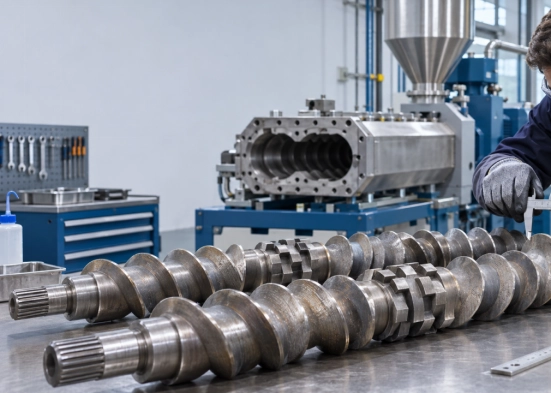
4. Optimize Twin Screw Configuration
Conveying elements and kneading elements have to be selected in accordance with the respective formulation and production quantity. Even with self-wiping geometry, check for worn clearances and remaining deposits.
5. Implement Regular Extruder Cleaning and Maintenance
Your extruder’s screws, barrel liners, and outlet need to be cleaned and inspected on a regular basis during planned cleanouts. All deposits found must be removed in a controlled manner and cleanliness verified. Temperature sensors, as well as heating and cooling systems, must also be checked.
6. Standardize Production Parameters
Save the zone settings, the actual melt temperature, feed rate, screw speed, and torque for each formulation revision. For unexpected stops or other incidents on the coating line record whether or not the required material properties were achieved for startup samples and also for material that was re-started after a longer break.
How to Troubleshoot Gel Particle Problems in Powder Coating Production
Isolate affected batches and check raw materials, production data and the machine. Appearance suggests a check, not a diagnosis.
|
Observed Problem |
Possible Cause |
Recommended Check |
|---|---|---|
|
Dark or yellow particles |
Thermal degradation |
Melt temperature and residence time |
|
Hard, pale particles |
Incomplete melting or agglomeration |
Premixing and temperature profile |
|
Repeated gel streaks |
Premature crosslinking or buildup |
Thermal history and screw deposits |
|
Random foreign particles |
Equipment contamination |
Material handling and cleaning |
All variables are to be changed one at a time and a new coated panel to be tested after a change in parameters has taken effect and all other variables have stabilized.
How Does the Right Extruder Design Help Prevent Gel Particles?
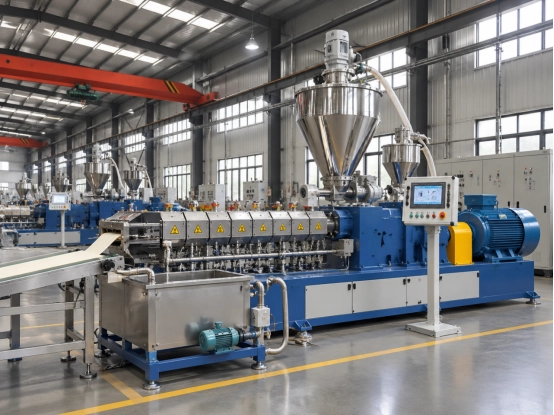
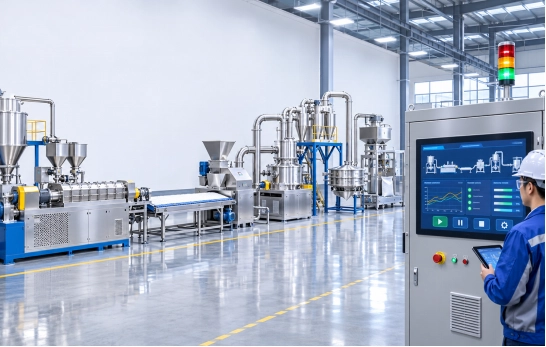
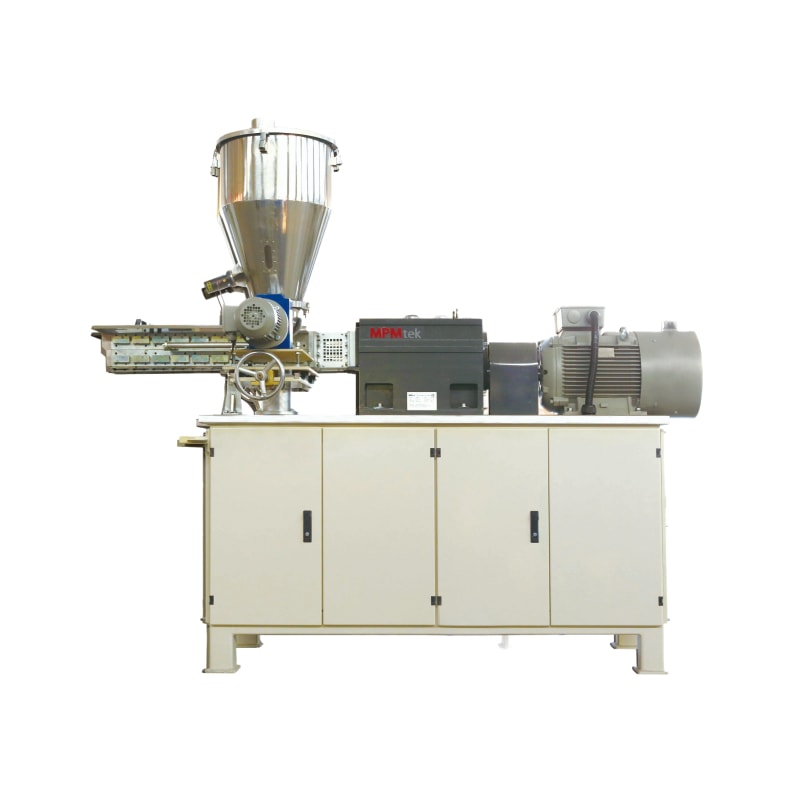
Try a trial run with an Extrudeuse à double vis MPMtek and your desired formula. A twin screw extruder has configurable kneading elements in order to better disperse the pigment. Self-wiping screws help to reduce material retention. Control of multi-zone heating/cooling allows you to better control melt temperature. Recipes are stored on the PLC with full HMI control for easy repeat running of formulations. Verify melt temperature, coated panels and ease of cleaning of the extruder.
Frequently Asked Questions About Gel Particles in Powder Coating Extrusion
1. What Is the Main Cause of Gel Particles in Powder Coating Extrusion?
Crosslinking of powder leading to gel formation is generally caused by excess heat in the extruder, long hot residence time, and retained material in the extruder. Dispersion of ingredients and contamination issues can cause other ‘gel-like’ particles within the powder.
2. Can Increasing Extrusion Temperature Eliminate Gel Particles?
By raising the temperature within approved limits of the extrusion process for the particular formulation under evaluation, it is possible to melt some unmelted resin. However, it will not remelt crosslinked gels and may make a bad situation worse. Identify the particle first.
3. How Does a Twin Screw Extruder Help Reduce Gel Formation?
A twin-screw extruder conveys and mixes material, while kneading elements aid pigment dispersion. A stable feeding system, a precise control of the barrel heating and cooling and of the processing temperature help maintain consistent processing conditions.
4. How Often Should a Powder Coating Extruder Be Cleaned?
Recommended cleaning frequency is based upon the formula, color changes, operating hours and residue found at inspections. The schedule must be reviewed if material build up occurs prior to planned cleaning. Also, verify the effectiveness of the cleaning process.
Conclusion: Achieve More Consistent Powder Coating Extrusion with MPMtek
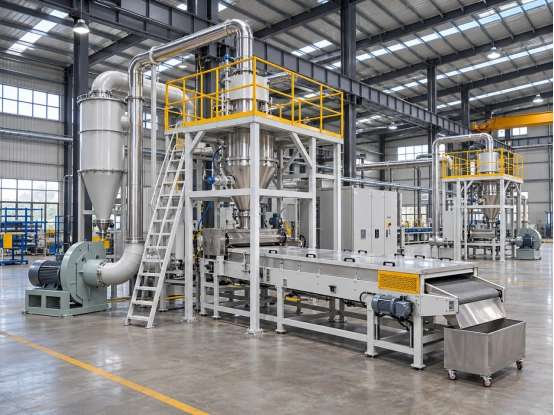
Ensure correct control of temperature, of dispersion and of extrusion with the correct equipment and recorded operating settings. Contactez MPMtek to discuss a twin screw extruder or complete powder coating line for your formulation and production capacity requirements.