
What a Compact Cooling Crusher Actually Does in a Powder Coating Line
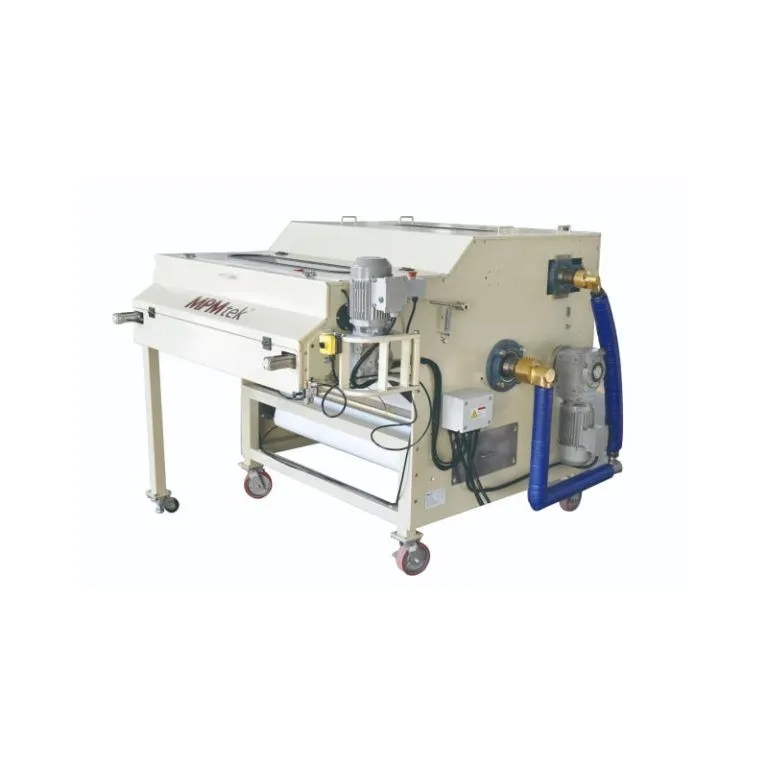
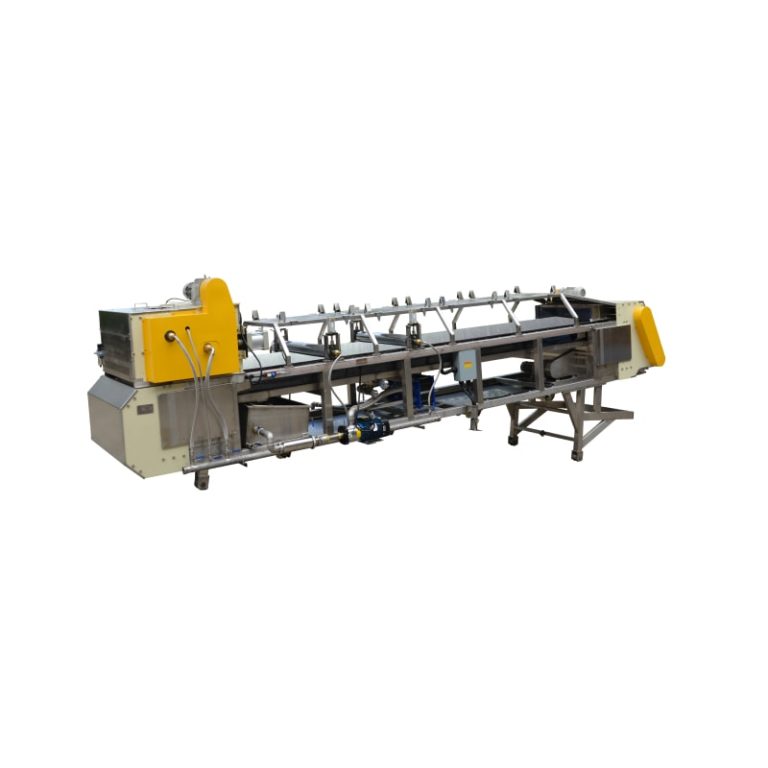
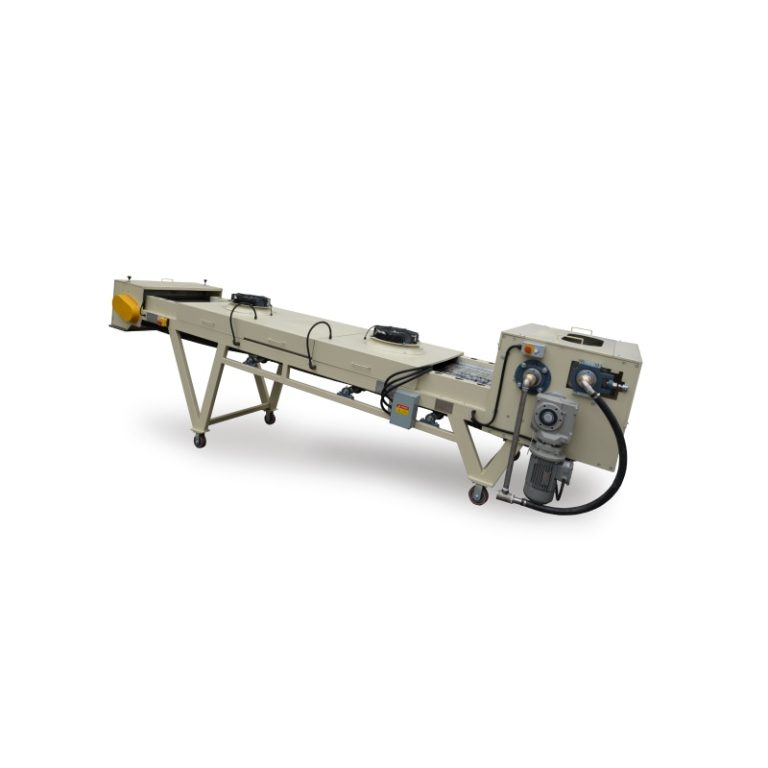
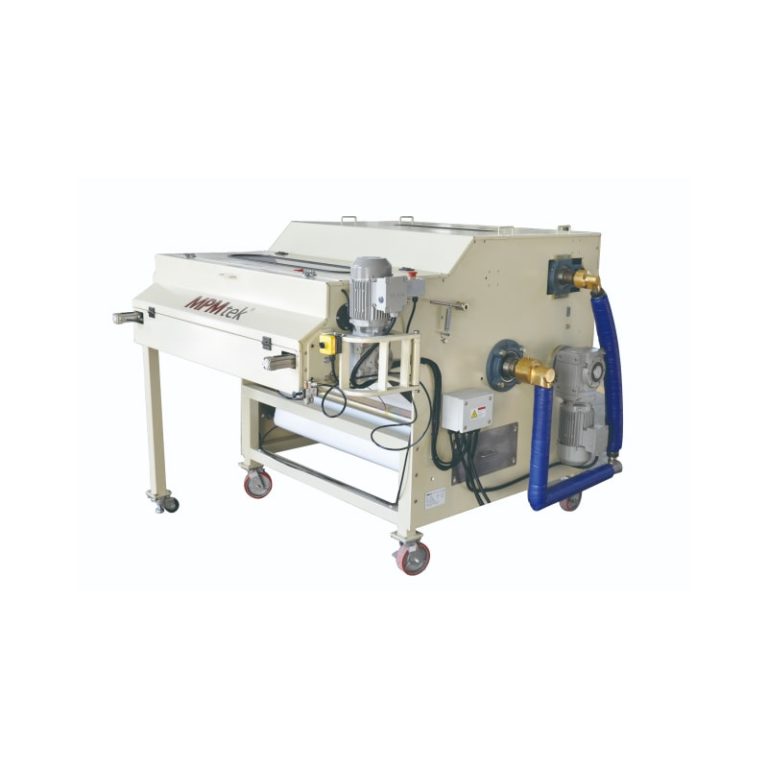
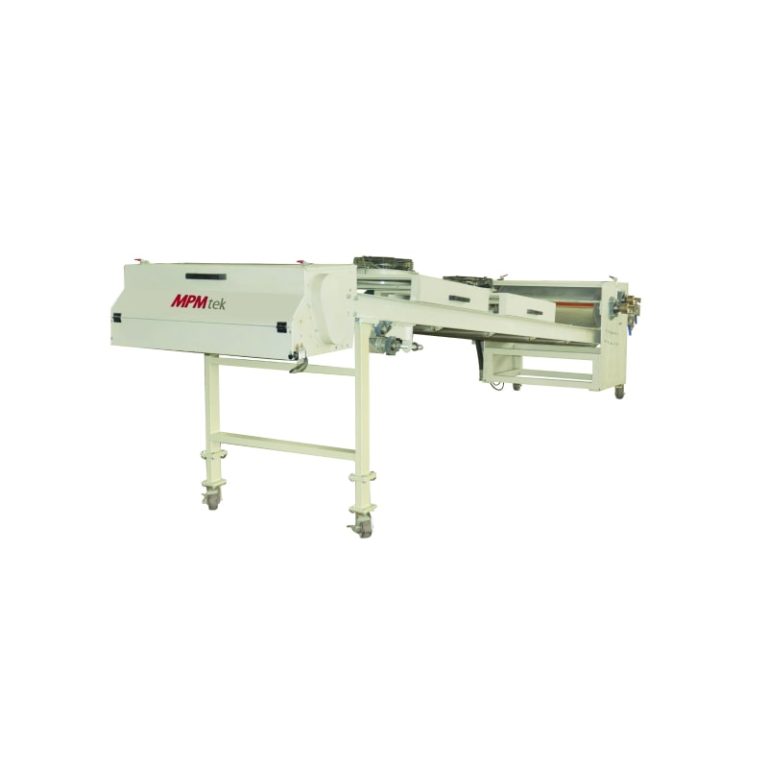
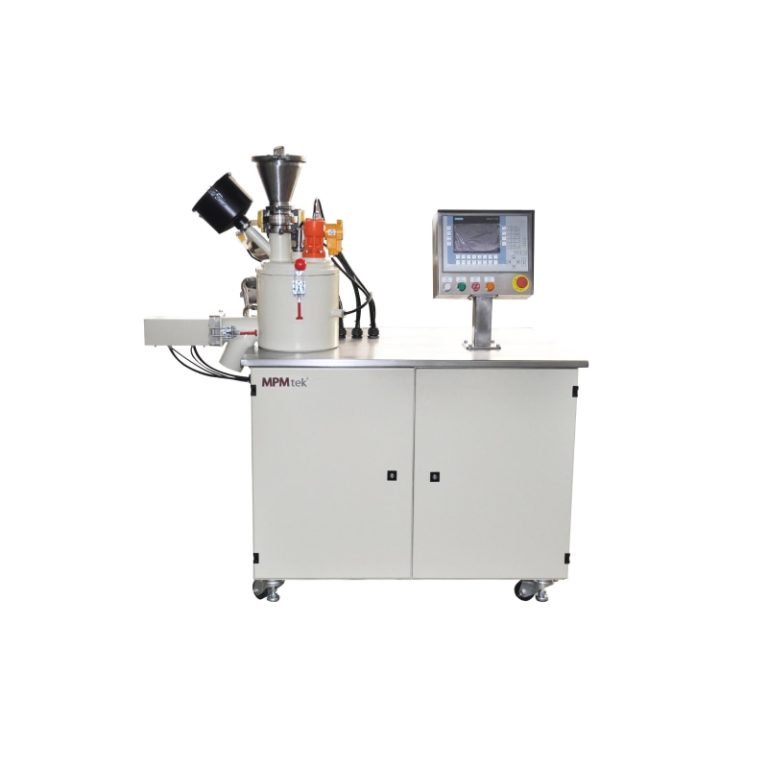
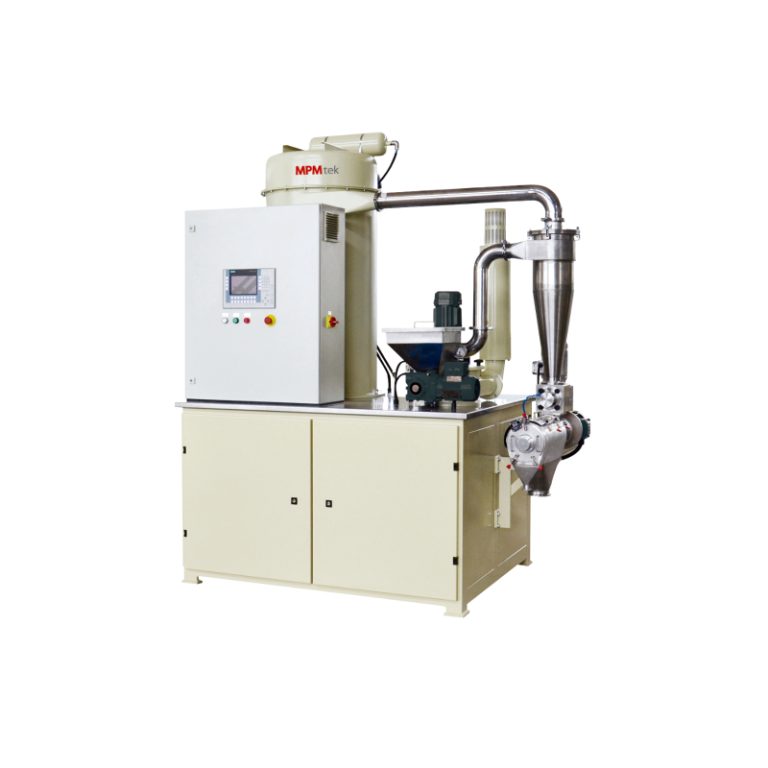
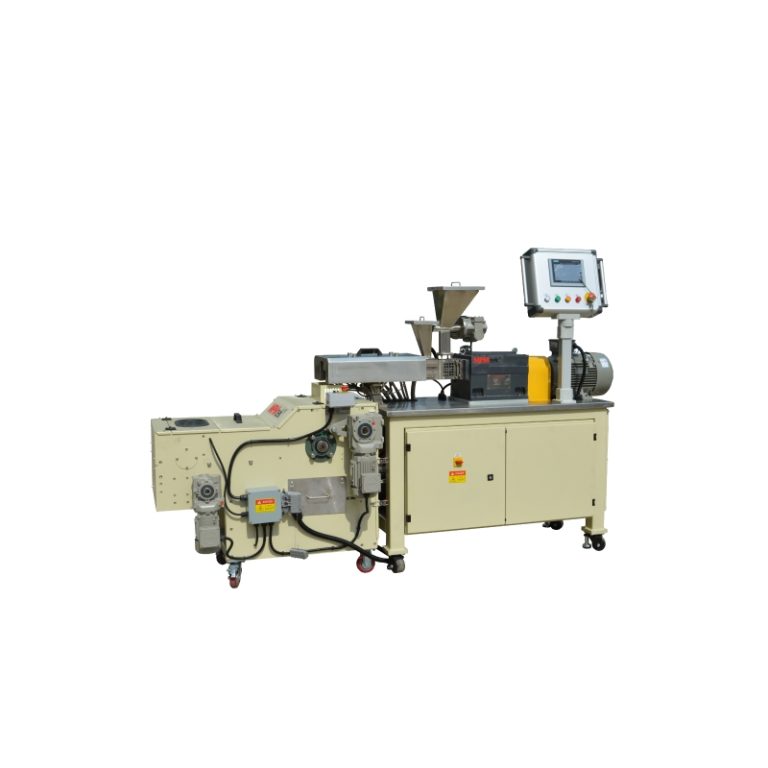
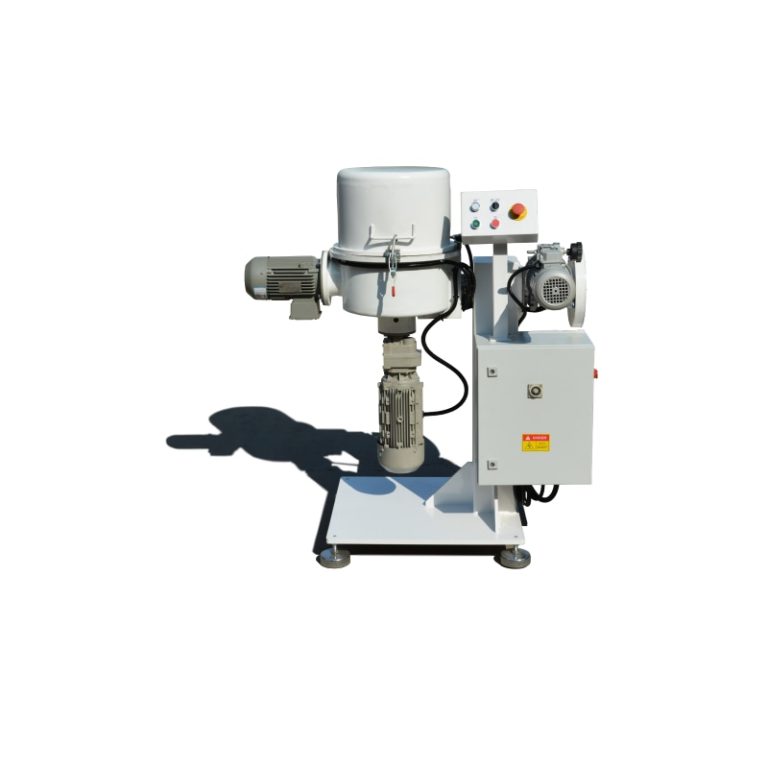
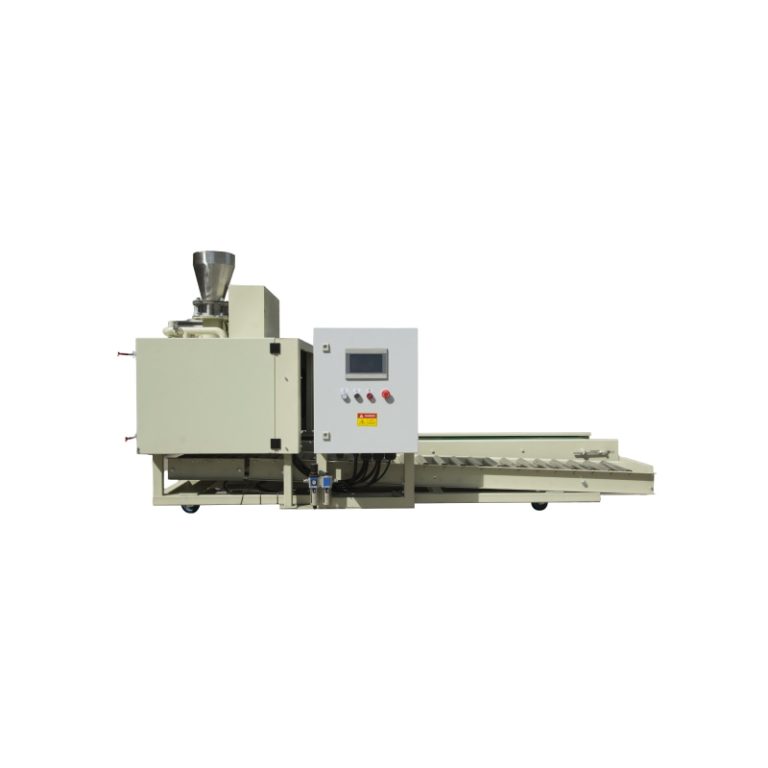
A typical compact cooling crusher for powder coating handles the hot strips from the extruder. Cooling rollers or drums paired with high-temperature belts chill the material fast.
Then, a scraper peels off the cooled sheets. They head straight into the crushing area. Out come uniform chips, perfect for the next step.
Compare this to older systems. Traditional long cooling belts plus separate crushers eat up floor space. They’re less integrated. Switching recipes means more hassle.
The compact version saves room. It streamlines the process. Less equipment to manage, fewer points of failure.
How compact cooling crushers work after a powder coating extruder? They turn molten output into cool, crushable pieces efficiently. That’s the basics.
Cooling and crushing system like this boosts uptime. Operators appreciate the simplicity.
From projects MPMtek has supported, undersized cooling crushers are one of the most common reasons for bottlenecks in powder coating lines. It’s a lesson learned the hard way in many setups.
Key Factors That Determine the Required Cooling Crusher Capacity
Several elements shape what capacity you need. Get these right, and your line hums along.
1. Extruder Throughput and Duty Cycle
Start with the extruder’s output. For a 300 kg/h line, the cooling crusher should match or exceed that. Same for 500 kg/h or 1000 kg/h setups.
Factor in real-world loads. Lines often run at 70-90% capacity. Shift schedules matter too. Peak hours push limits.
Powder coating extruder capacity sets the baseline. Cooling crusher capacity matching keeps things synced.
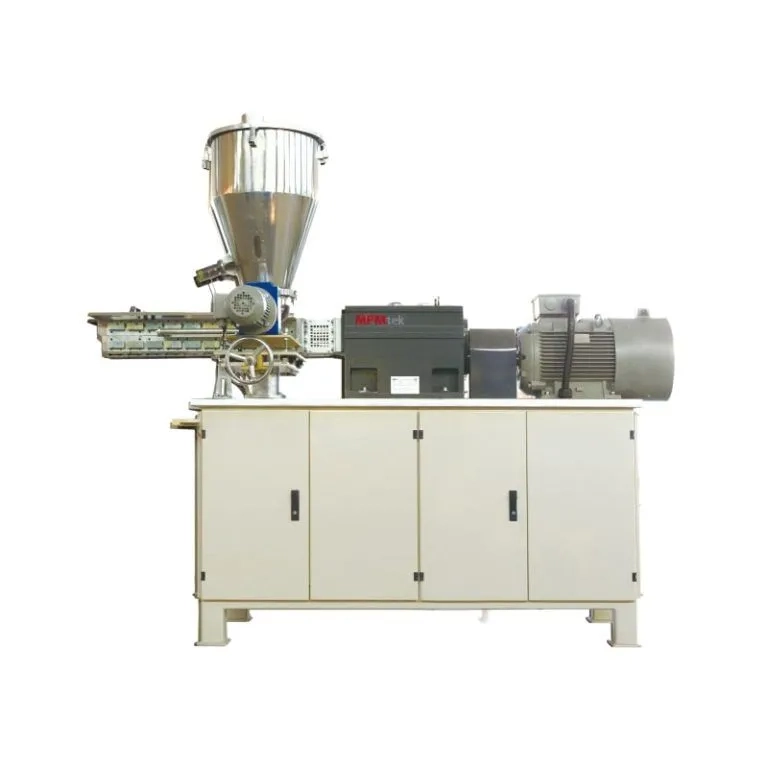
Match compact cooling crusher capacity to twin screw extruder output. It’s not just numbers; it’s about daily ops.
2. Product Type and Resin System
Different powders behave differently post-extrusion. Epoxy types cool one way. Polyester another. Hybrids vary too.
Some formulas, like high-gloss or thick-coat ones, need extra cooling time. Higher temperatures or stickiness demand more surface area or dwell time.
This affects throughput. Same kg/h, but certain resins slow the pace. Plan for that.
Powder coating resin type influences everything. Epoxy polyester powder cooling isn’t uniform across batches.
How powder coating formulation affects cooling crusher sizing? It can bump up requirements unexpectedly. Test runs help spot this.
3. Desired Chip Thickness and Target Temperature
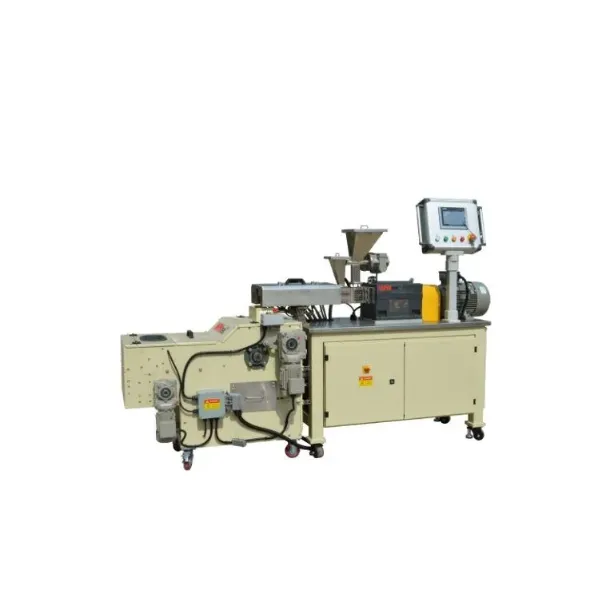
Thinner chips mean more cooling surface. Lower target temps extend the process. Both bump up needs.
This ties into roller diameter and width. Belt speed adjusts accordingly. Slower speeds for tougher cooling jobs limit overall throughput.
Powder coating chip size matters for milling quality. Cooling temperature before grinding prevents issues downstream.
Target chip size and outlet temperature for powder coating cooling crushers guide the specs. Aim low on temp for better results, but watch capacity drop.
4. Integration with Grinding Mill and Upstream/Downstream Equipment
Don’t isolate the crusher. Look at the grinding mill’s ability. If crushing outpaces milling, add buffer silos. Too much downtime anywhere tanks overall efficiency. Balance the line for steady flow.
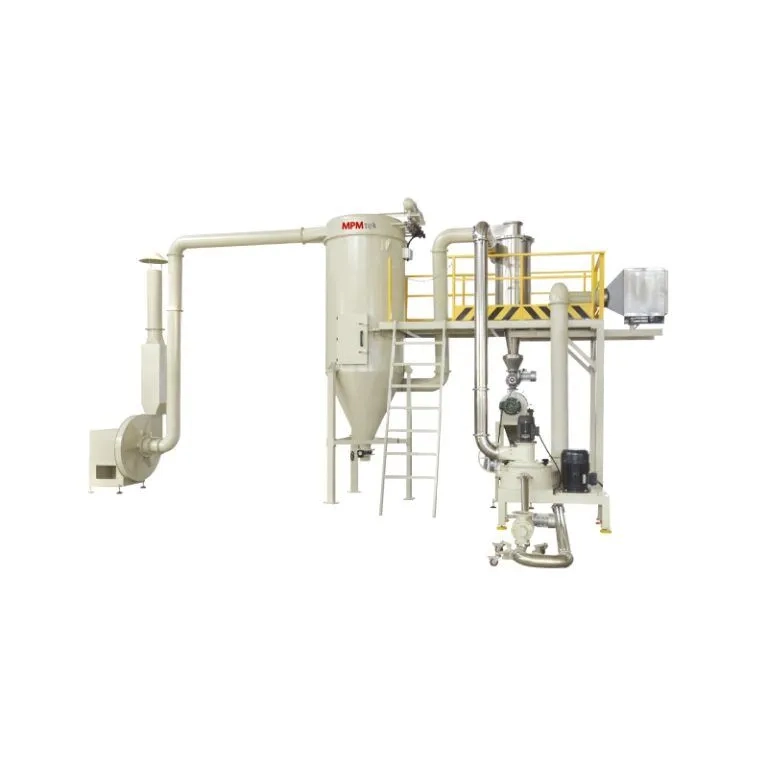
Integrate cooling crusher with grinding mill properly. Powder coating line balancing avoids piles of waiting material.
Balancing compact cooling crusher and grinding mill capacity? It’s like tuning an engine. All parts must mesh.
Step-by-Step Approach to Choosing Compact Cooling Crusher Capacity
Follow these steps to nail the selection. It builds from basics to details.
Step 1 – Start from Your Target Line Capacity
Begin with finished powder output in kg/h. Factor in waste rates. Back-calculate to extruder load, then crusher needs. This ensures the compact cooling crusher fits the big picture. Choose cooling crusher capacity based on that. Powder coating line capacity drives the decision.
How to calculate compact cooling crusher capacity for a powder coating line? Reverse engineer from end goals. Simple math, big impact.
Step 2 – Apply a Safety Margin for Peaks and Future Growth
Add 10-20% extra capacity over current extruder max. Handles fluctuations in recipes or ops. It preps for upgrades too. No need to swap units later. Cooling crusher safety margin cushions surprises. Future expansion planning pays off long-term.
How much safety margin to add when sizing a cooling crusher? Enough to grow without headaches.
Step 3 – Consider Footprint and Layout Constraints
Compact designs shine in tight spaces. Traditional belts sprawl out. If your shop’s crammed, prioritize footprint over max redundancy. Compact cooling crusher footprint saves real estate. Space-saving cooling solution fits modern factories.
Compact cooling crusher for limited factory space? Ideal choice when square footage is premium.
Step 4 – Validate with Real-World Operating Examples
Talk to suppliers. Ask about models for 300, 500, or 800 kg/h lines. Hear about actual run rates and bottlenecks. Real feedback trumps specs sheets.
For example, MPMtek typically recommends a cooling crusher rated slightly above the extruder’s maximum output on 300–500 kg/h lines, based on feedback from existing installations. It’s practical advice from the field.
Example Configurations for Different Powder Coating Line Sizes
Tailor setups to scale. Here’s how it breaks down.
Compact Cooling Crusher for 100–200 kg/h Lab or Small Production Lines
These suit R&D labs or niche runs. Focus on versatility. Quick cleanups for color changes. Compact cooling crusher 100 kg/h handles small batches well. Easy to tweak.
Compact Cooling Crusher for 300–500 kg/h Standard Production Lines
Mid-size ops thrive here. Match capacity closely. Allow for multiple extruders or mills. Powder coating line examples show this as sweet spot for many plants.
Compact cooling crusher for 300 kg/h powder coating line? Standard pick. Best cooling crusher configuration for 500 kg/h powder plant adds that margin.
Cooling Crusher Considerations Above 800 kg/h
Big lines might need dual units or parallels. Buffers and auto conveyors smooth flow. Compact cooling crusher 500 kg/h scales up, but over 800 demands extras.
When comparing different models, many engineers work with manufacturers like MPMtek to review not only capacity, but also cleaning, energy use, and long-term maintenance. It’s a holistic check.
Common Mistakes When Choosing Cooling Crusher Capacity
Avoid these pitfalls. Don’t judge by motor power or price alone. Check real throughput curves. Basing on easiest recipes ignores sticky or special color runs. Forgetting mill capacity or extruder utilization leads to mismatches.
Skipping future growth buffer? Regret sets in quick. Cooling crusher sizing mistakes trip up newbies. Powder coating equipment selection errors cost big.
Common mistakes when sizing a compact cooling crusher for powder coatings? They’re avoidable with planning.
Sizing Your Compact Cooling Crusher with a Line-Level View
Right capacity comes from viewing the full powder coating line. Match rhythms: extruder to cooling, crushing to milling. Add that safety buffer.
Before buying, map current and next 3-5 years’ plans. Recipes, volumes – all of it. Team up with suppliers for the fit.
Choose the right compact cooling crusher capacity that way. Powder coating line design flows better.
How to choose the right compact cooling crusher capacity for your powder coating line? Whole-line thinking wins every time.
FAQ
Q: How do I choose the right compact cooling crusher capacity?
Match the crusher capacity with your extruder output, product type, and desired cooling time, leaving a 10–20% safety margin.
Q: Should the cooling crusher be larger than the extruder?
Yes. A cooling crusher should typically exceed extruder throughput to prevent bottlenecks and ensure stable downstream flow.
Q: What factors affect cooling crusher capacity?
Key factors include resin type, chip thickness, target outlet temperature, line layout, and grinding mill capacity.
Q: Can a cooling crusher impact powder coating quality?
Yes. Proper cooling prevents sticking, clumping, uneven chips, and improves consistency before grinding.
Q: What happens if the cooling crusher is undersized?
The line may experience blockages, overheating, inconsistent chip size, and reduced overall production efficiency.