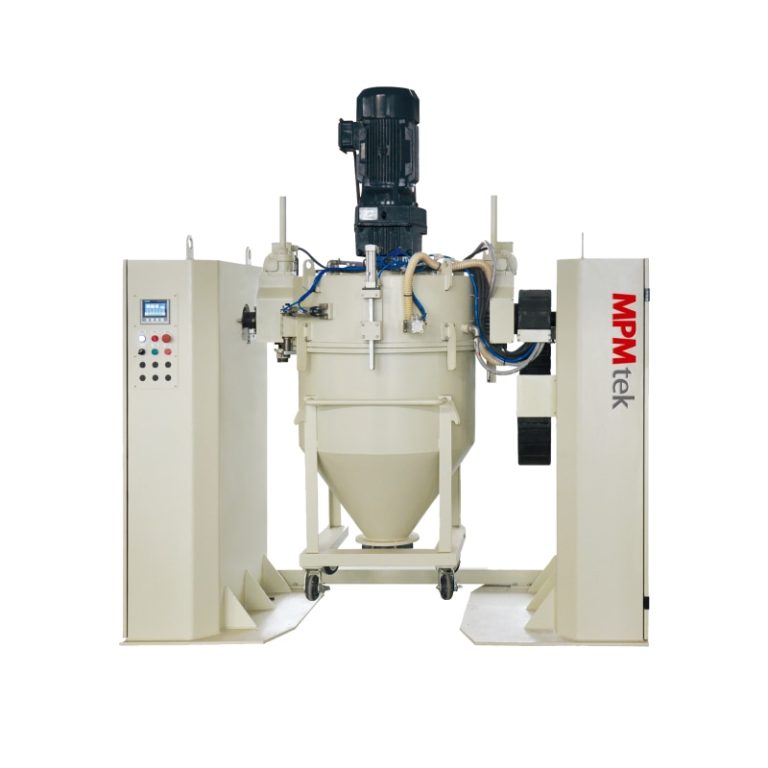
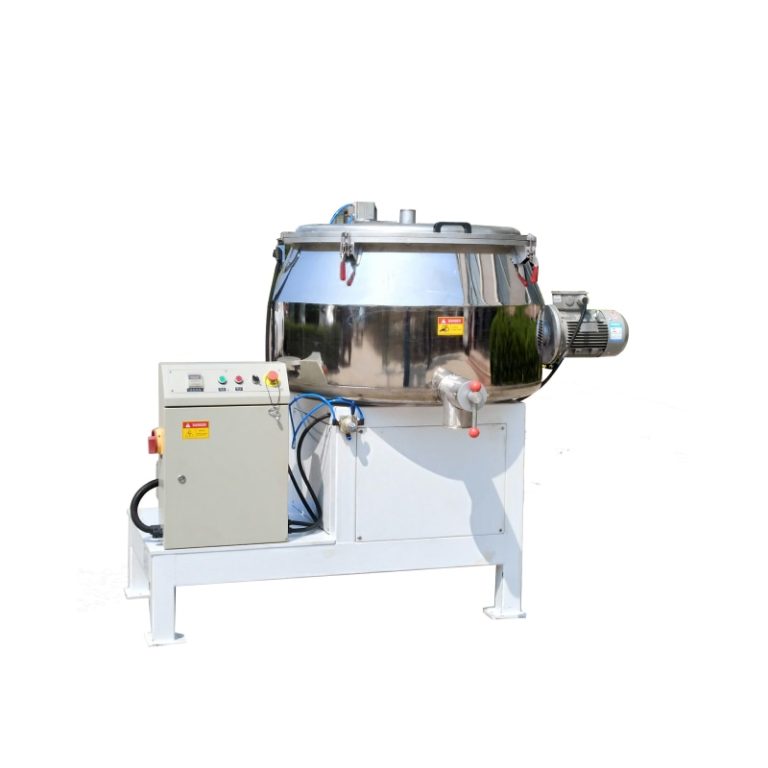
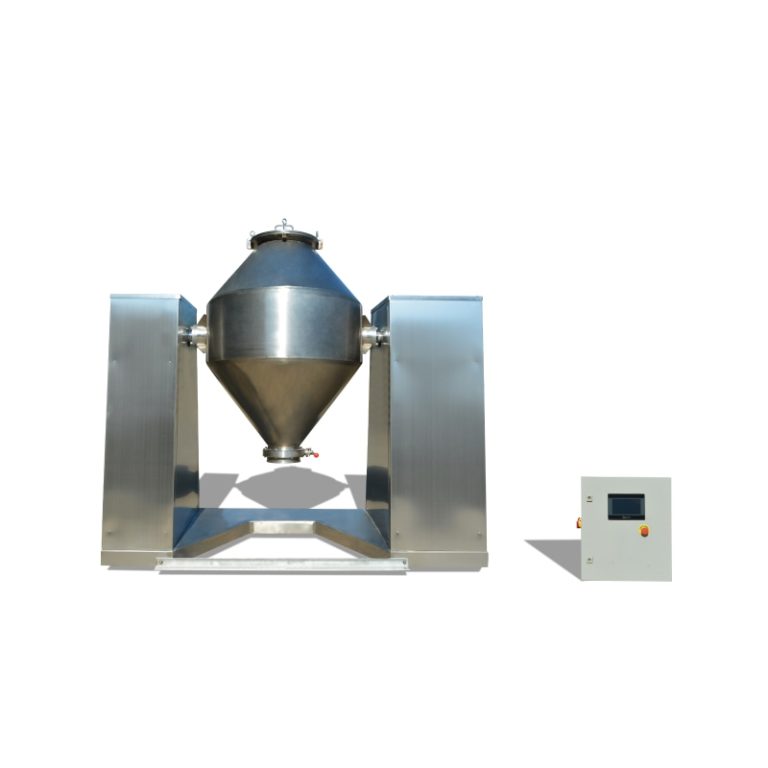
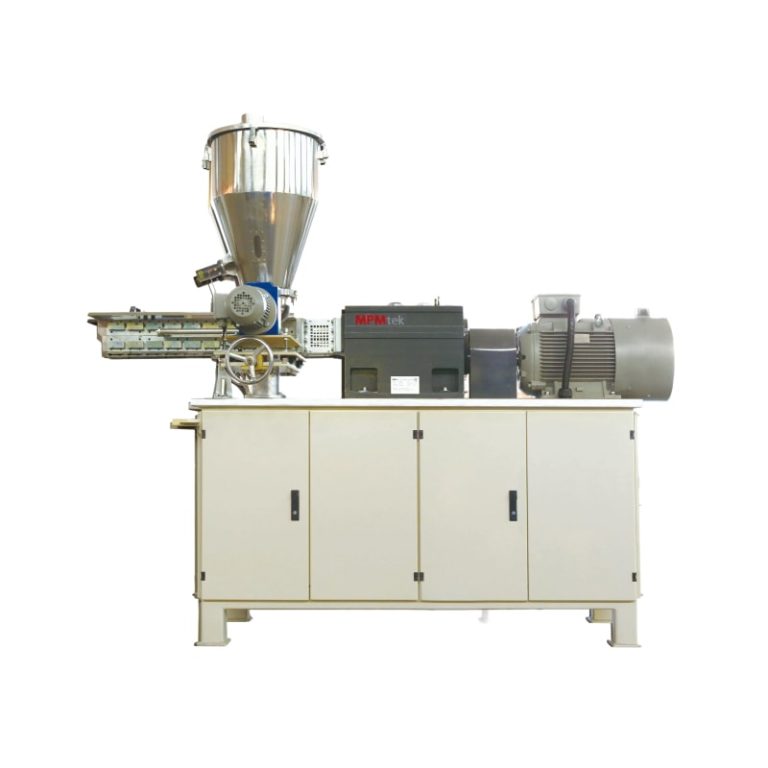
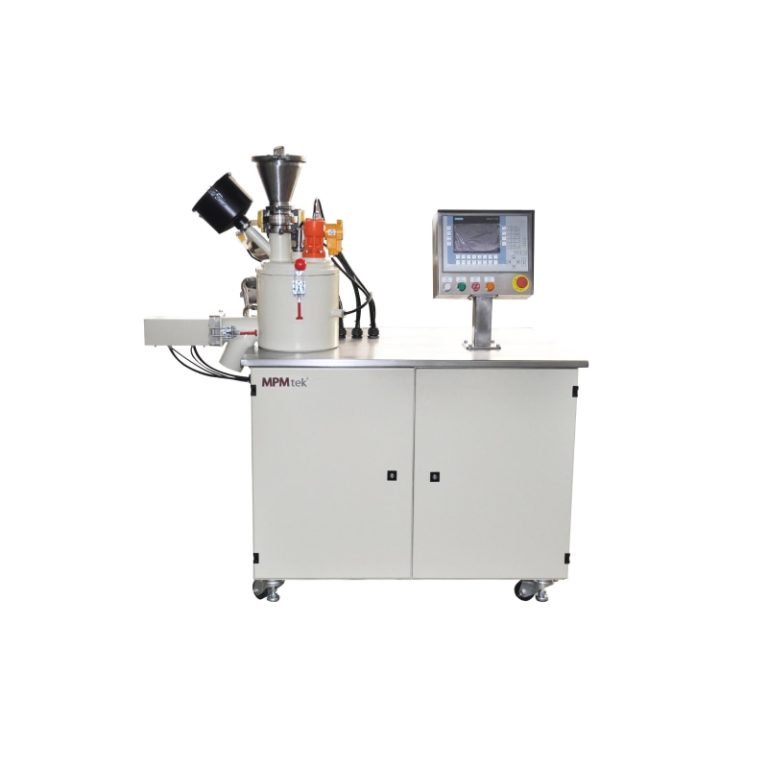
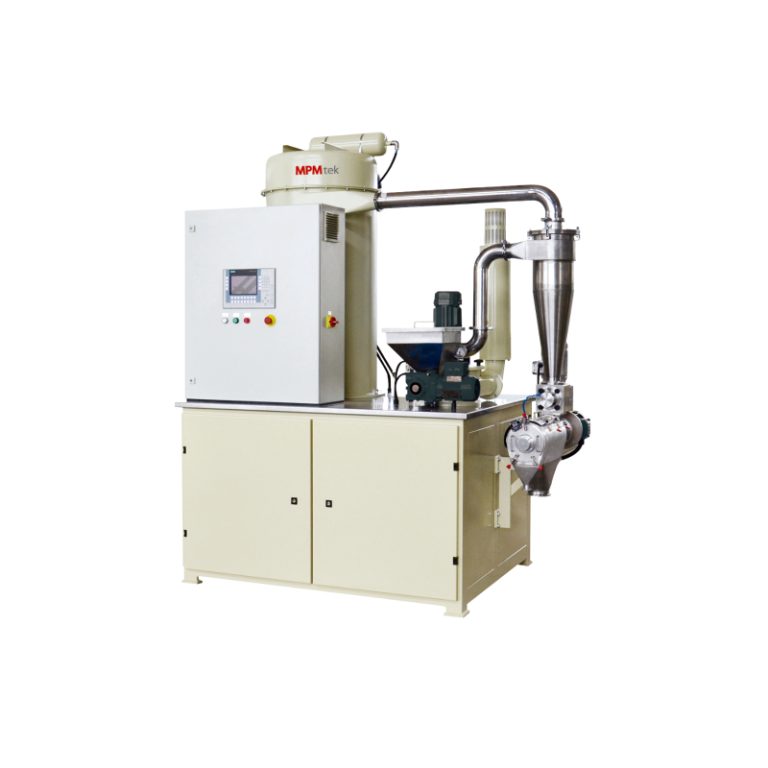
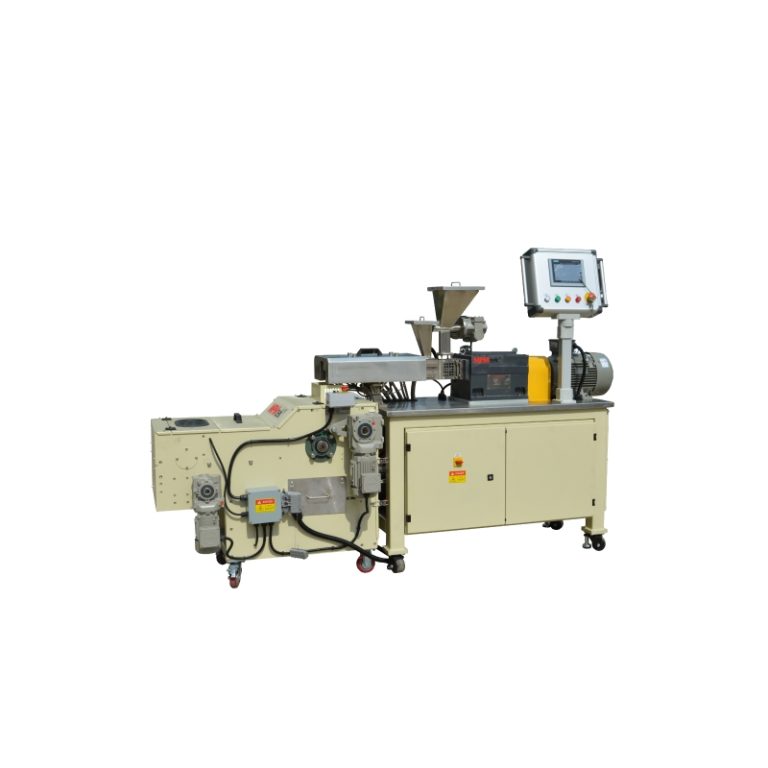
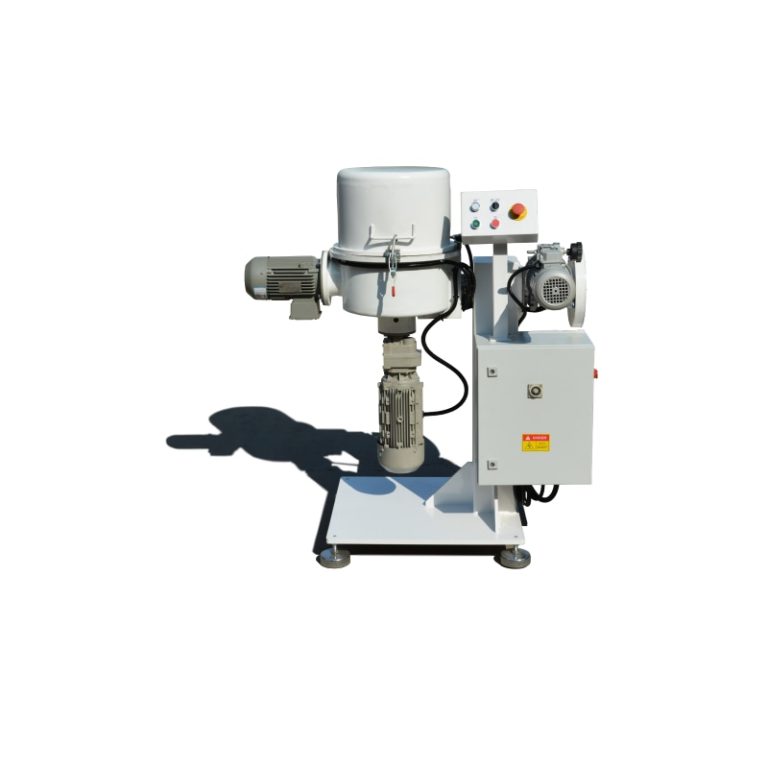
Achieving the correct filling ratio in a double cone mixer is essential for consistent, high quality blending results. Too much or too little material inside the mixer can lead to poor homogeneity, extended mix times, or even equipment strain. So, what’s the right fill level? Typically, the optimal filling ratio for a double cone mixer falls between 35% and 70% of its total volume, but determining the exact ratio depends on multiple factors—from material properties to production goals and equipment design.
Overview of the Double Cone Mixer
Structural Features and Operating Principles
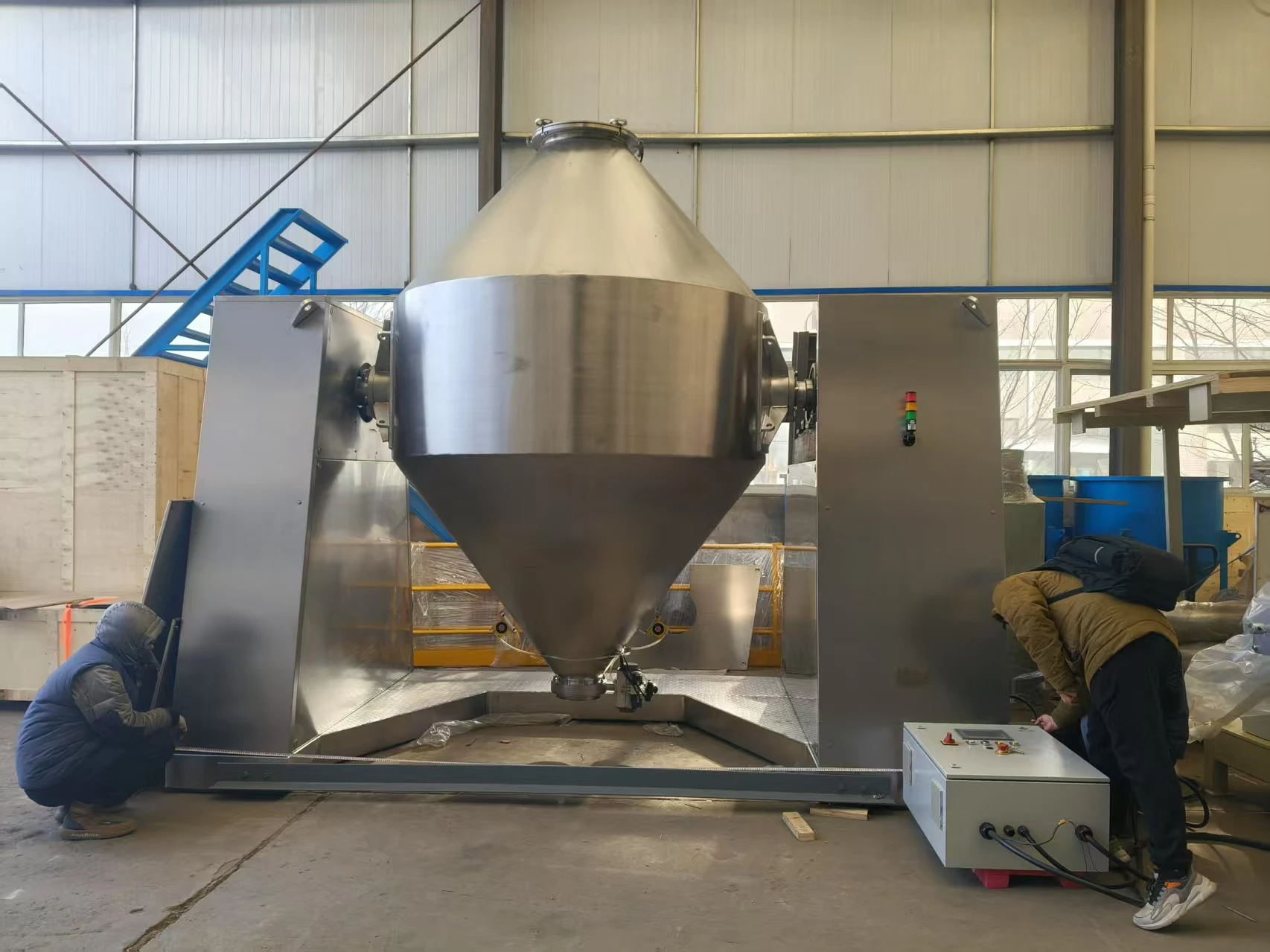
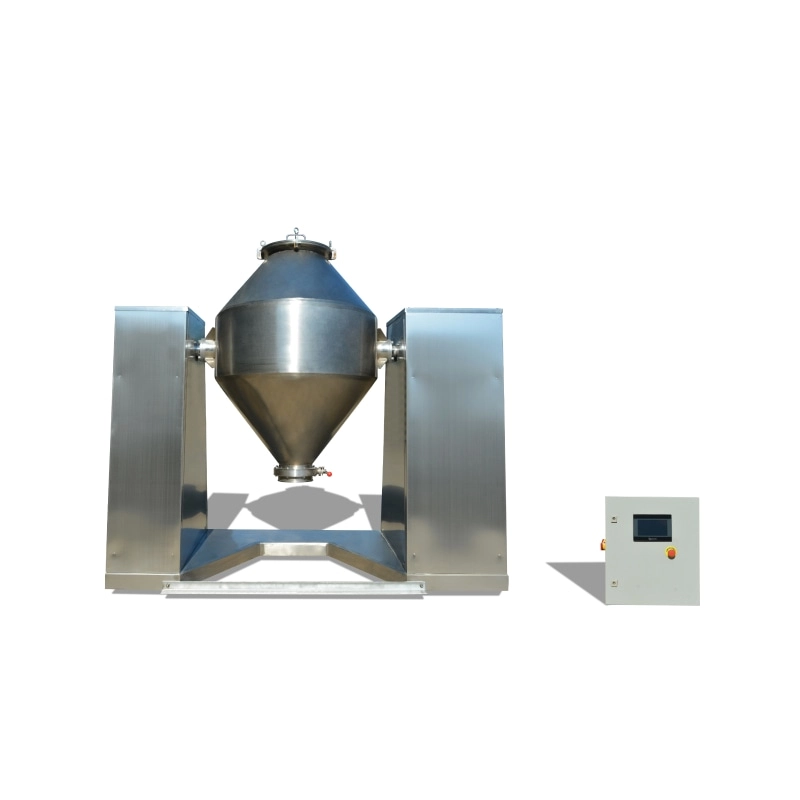
The double cone mixer is distinguished by its symmetrical conical geometry, which allows powders to tumble smoothly as the vessel rotates. This tumbling action—rather than aggressive agitation—creates a gentle yet effective mixing process. One of its main strengths lies in its ability to handle free flowing, fragile, or heat sensitive materials without damaging them.
Double Cone Blender can mix crisp, ductile, loose and light materials and it is widely used in industries such as powder coating, medical, dye, fine chemical, fine ceramics, etc. Its design features include radial/axes and side mixing, a tank that can rotate, and touch screen PLC control for automation. Short mixing time and sufficient mixing are also key benefits.
Common Industrial Applications
Double cone mixers are widely used in:
- Pharmaceutical manufacturing for blending active ingredients with excipients
- Chemical and cosmetic sectors for mixing powders and granules
Double Cone Blender can mix crisp, ductile, loose and light materials, making it ideal for operations where minimal shear is essential to prevent product degradation or undesired particle size changes.
Key Factors Influencing the Filling Ratio
Physical Characteristics of the Material
The filling ratio is highly influenced by the bulk density of the product. Low density materials take up more space and may require lower fill percentages to ensure proper movement within the mixer.
- Materials with a wide particle size distribution may segregate more easily during mixing.
- Poorly flowing or highly cohesive powders tend to form dead zones if overfilled.
Thus, understanding the physical traits—like flowability and particle cohesion—is crucial before setting batch sizes.
Mixing Objectives and Processing Goals
If your objective is tight blend uniformity (e.g., RSD < 5%), you’ll need to optimize fill volume accordingly. Heat sensitive or friable materials benefit from lower fill levels to avoid excessive friction or particle breakage during prolonged operation. Batch size requirements must also align with the mixer’s working volume for production efficiency without compromising blend quality.
Mixer Capacity and Geometric Design Parameters
It’s important to differentiate between total volume and working volume. The working volume—often 35% to 70% of total capacity—is where effective mixing occurs.
Other design aspects matter too:
- Cone angles affect how powders cascade.
- Narrow vessels may impede tumbling at higher fill ratios.
- Motor torque and rotation speed place practical limits on how much weight can be mixed without overloading the system.
Techniques for Determining the Optimal Filling Ratio
Empirical Evaluation Through Pilot Testing
A reliable approach is trial and error using pilot scale mixers. You can test different fill levels while monitoring:
- Mixing time required to achieve blend uniformity
- Degree of segregation on discharge
- Material residue inside the vessel
Sampling during these trials helps verify consistency before scaling up to full production.
Analytical Approaches Using Modeling Tools
Start with basic calculations:
| Parameter | Value |
| Total Volume | 1000 L |
| Recommended Fill Range | 350–700 L (35%–70%) |
| Bulk Density | 0.5 g/cm³ |
| Max Batch Weight | 175–350 kg |
This gives you a range within which optimal performance is likely.
Advanced users may apply discrete element modeling (DEM) to simulate how particles behave inside the rotating cone—identifying potential dead zones or overfill risks.
Reference to Industry Norms and Practical Experience
Most equipment manufacturers provide fill guidelines based on extensive testing. These should be your starting point. Operators with years of experience in similar applications often develop intuitive knowledge of what works best under specific conditions.
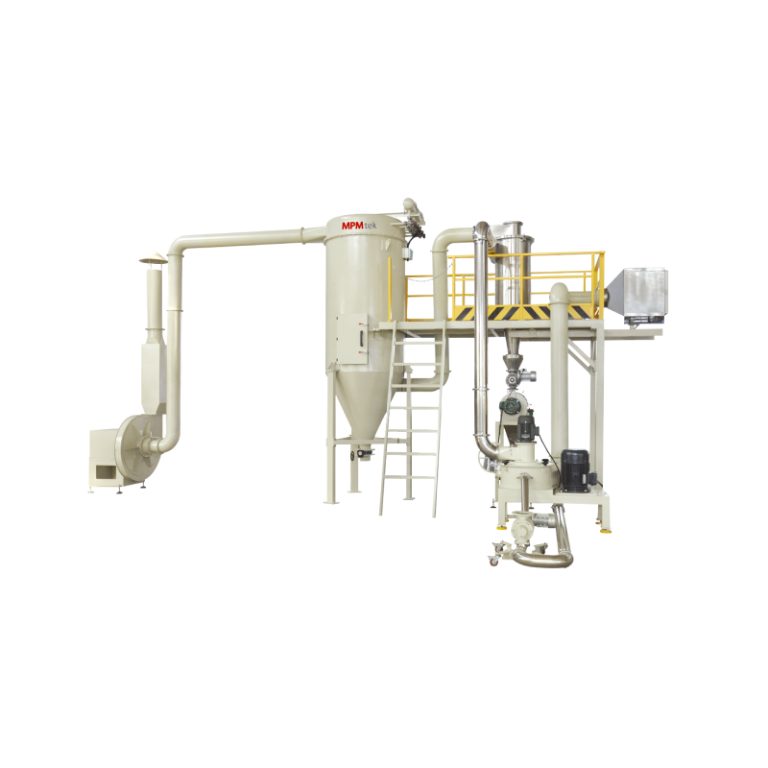
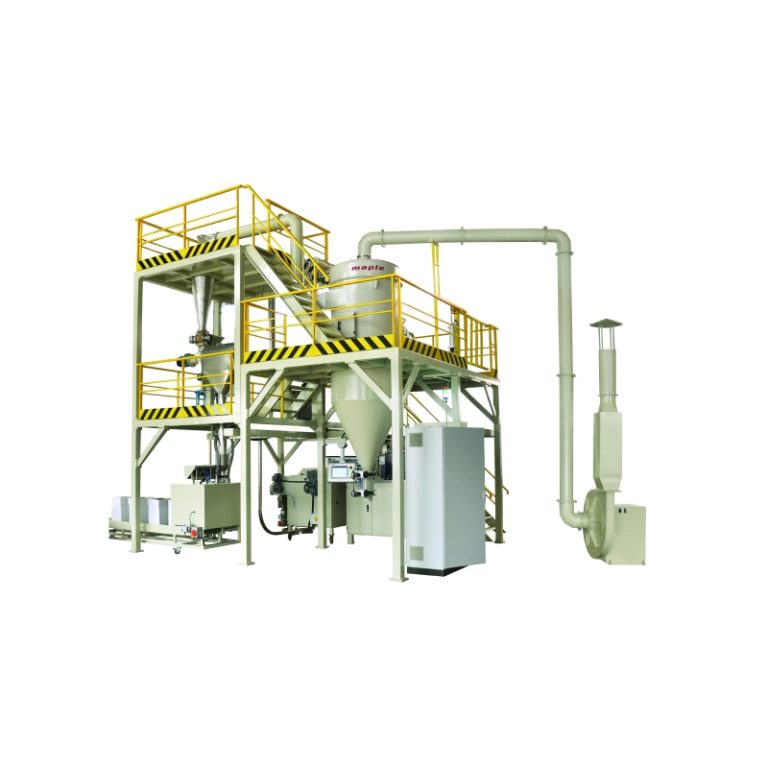
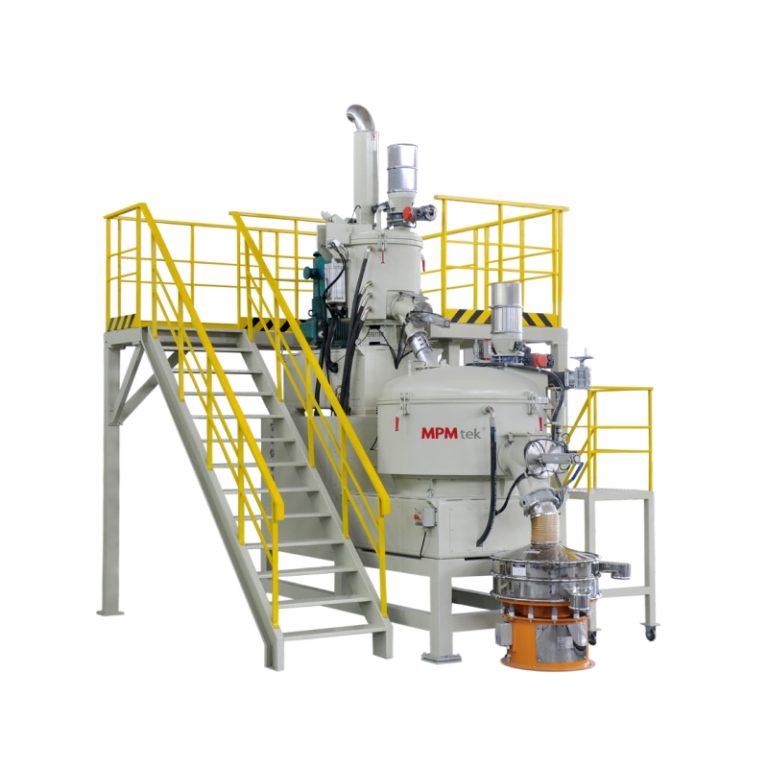
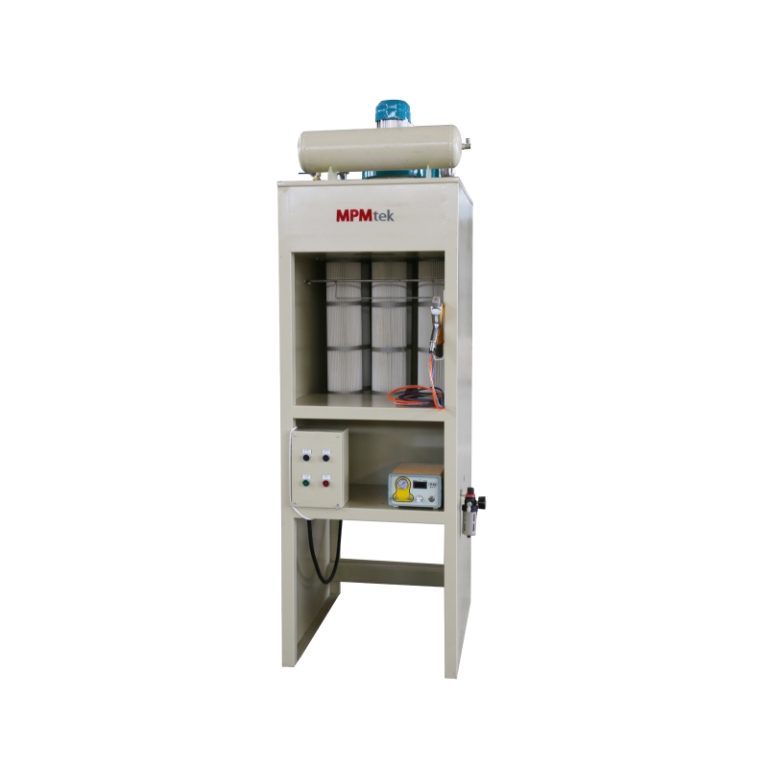
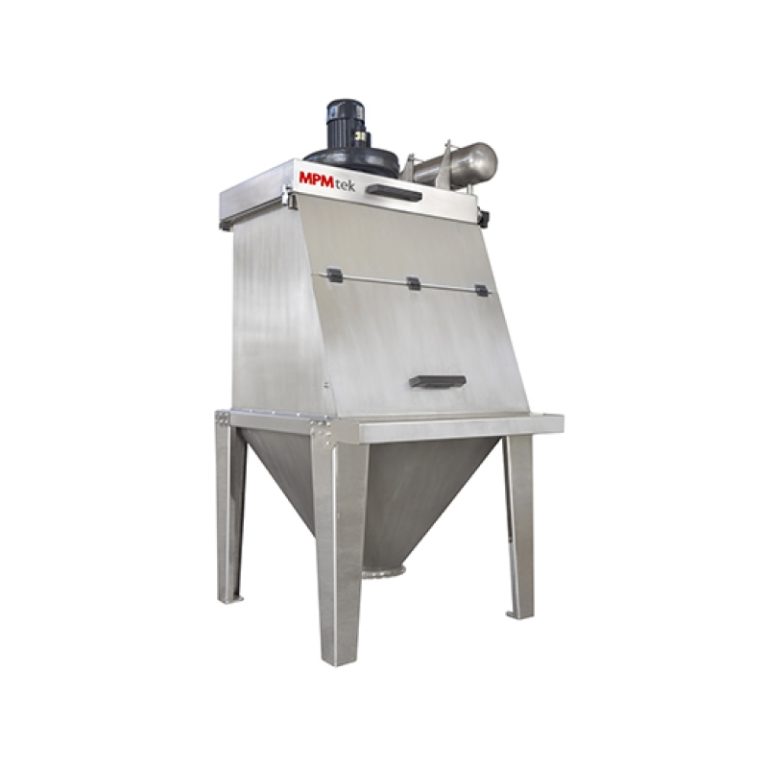
MPMtek—a trusted powder coating production equipment supplier—often works closely with clients during commissioning to help fine tune mixer load strategies based on real world observations.
Operational Considerations During Mixer Loading
Loading Sequence and Material Introduction Techniques
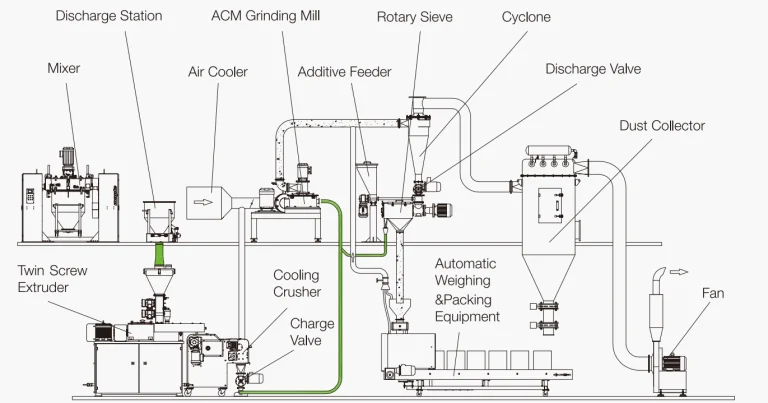
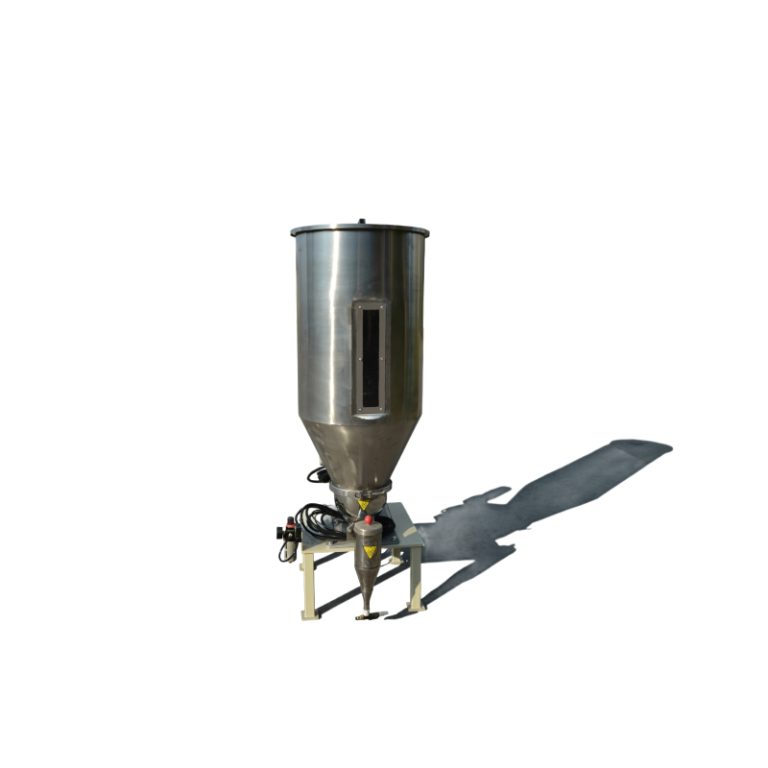
Air entrapment or uneven loading can disrupt mixing efficiency. It’s best to introduce materials slowly using controlled feeding systems like an additive feeder. One stirrer installed inside of hopper for easy flow of additive.
Layering materials haphazardly may cause local concentration issues. Instead, aim for even distribution by feeding lighter components first followed by denser ones or pre blending them if needed.
Monitoring Performance During Operation
Signs that your mixer is improperly filled include:
- Unusual noise or vibration
- Inconsistent power draw
- Uneven discharge or blend separation
Sampling ports should be used regularly to collect material for analysis throughout mixing cycles—especially when scaling up from lab batches to production runs.
Comparing Filling Ratios Across Different Mixer Types
Contrasts with V Blenders, Ribbon Blenders, and Plough Shear Mixers
Each mixer type has its own optimal filling range due to its mechanical mixing method:
| Mixer Type | Typical Fill Ratio | Mixing Mechanism |
| Double Cone Mixer | 35–70% | Gentle tumbling |
| V Blender | 40–60% | Similar tumbling action |
| Ribbon Blender | 50–80% | Mechanical agitation with paddles |
| Plough Shear Mixer | 60–90% | High shear, aggressive blending |
High shear mixers like plough shear can handle higher fill levels but may damage delicate particles. Tumbling mixers like double cone types require space for the material to move freely and avoid dead zones.
For powder coating applications where gentle handling and homogeneity matter most, double cone blenders strike a balance between performance and preservation of material integrity—one reason why MPMtek recommends them in various turnkey systems.
MPMtek specializes in the research and manufacturing of powder coating production lines, serving all stages from material preparation to final product packaging.
FAQs
Q1: What is the ideal filling ratio for a double cone mixer?
Typically between 35%–70% of the total volume depending on material characteristics and process goals.
Q2: Why does bulk density matter when determining fill level?
Because it affects how much weight fits into a given volume—lower density materials occupy more space.
Q3: Can I fill a double cone mixer more than 70%?
Not recommended—this limits tumbling action and may compromise blend quality.
Q4: How do I know if my mixer is underfilled or overfilled?
Watch for irregular mixing behavior like noise, power spikes, or poor uniformity in samples.
Q5: Are double cone mixers suitable for all types of powders?
They work best with free flowing, non cohesive materials needing gentle blending without high shear.