Lubrication has a big part in making powder coating extruders run smooth and effective. Without right lubrication, even the top built systems can deal with wear, extra heat, and uneven product results. To keep good quality in jobs with resin powder, polyester powder coating, and epoxy coating, getting and using a strong lubrication plan is key.
Importance of Lubrication in Powder Coating Extruders
Role of Lubrication in Enhancing Equipment Efficiency
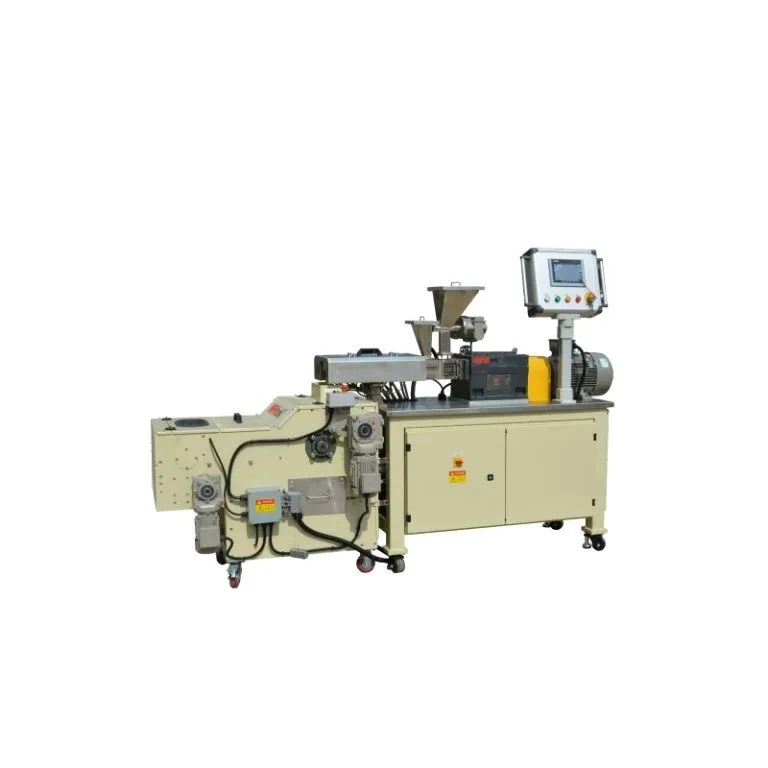
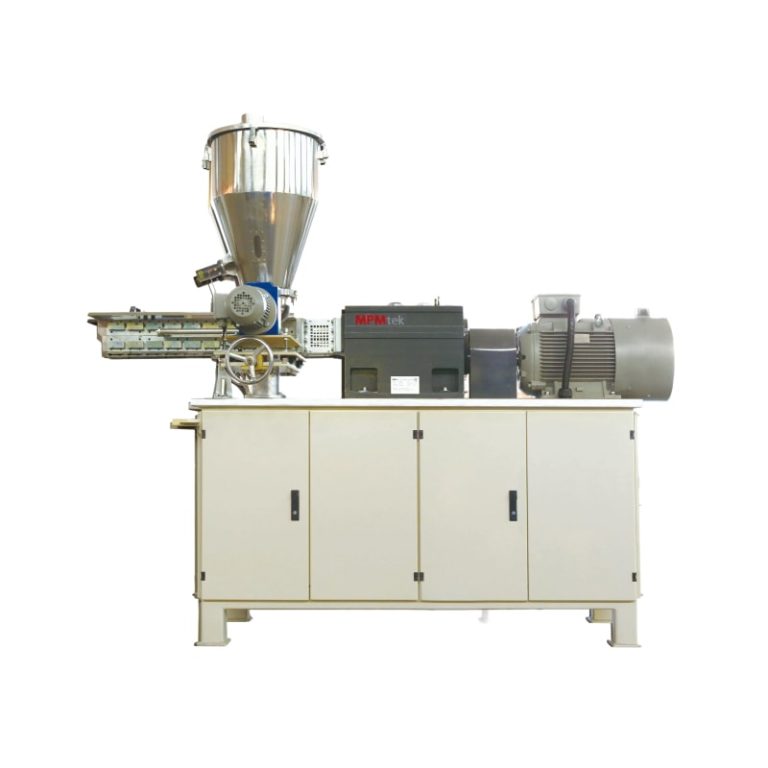
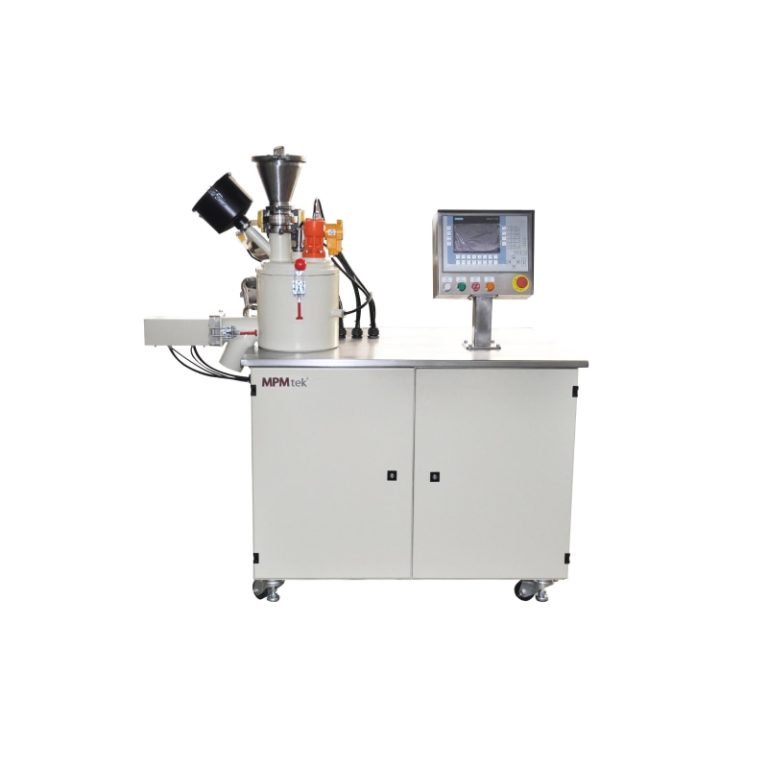
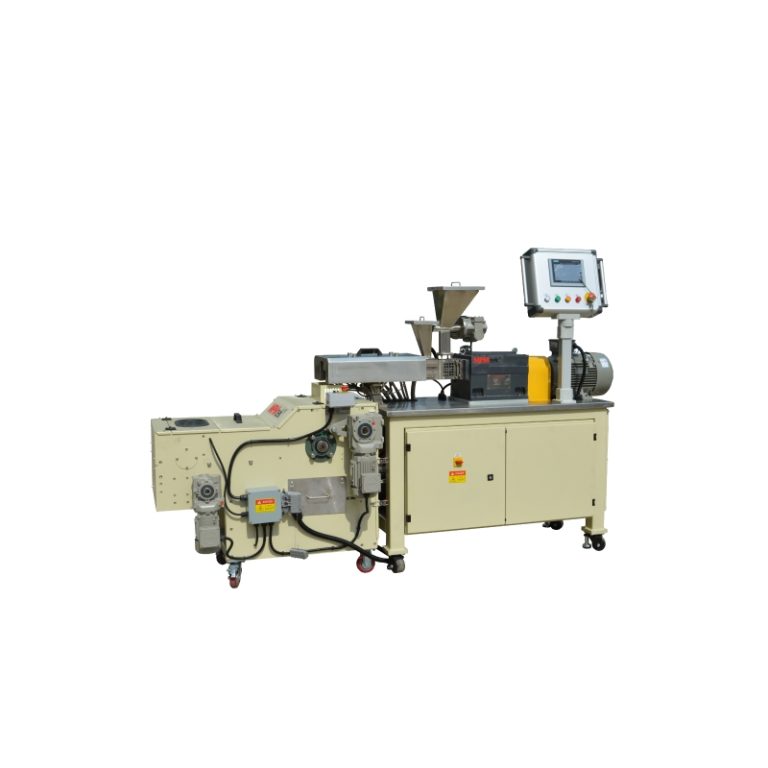
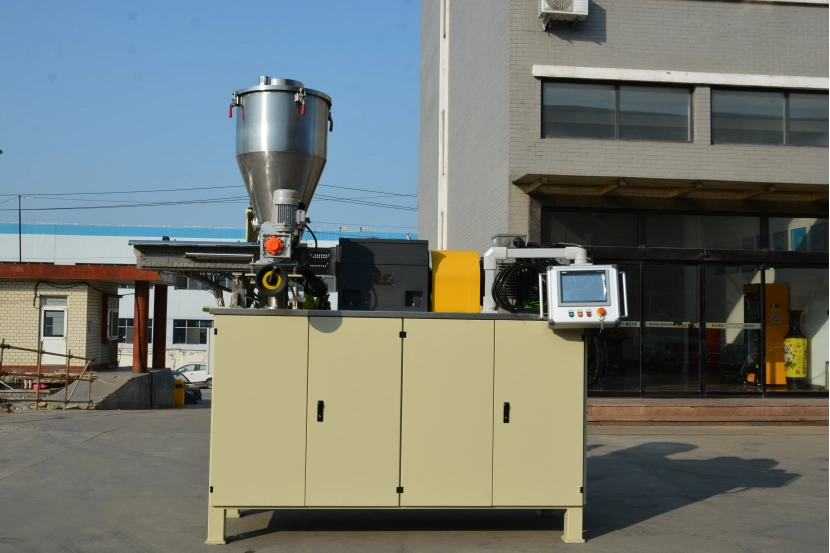
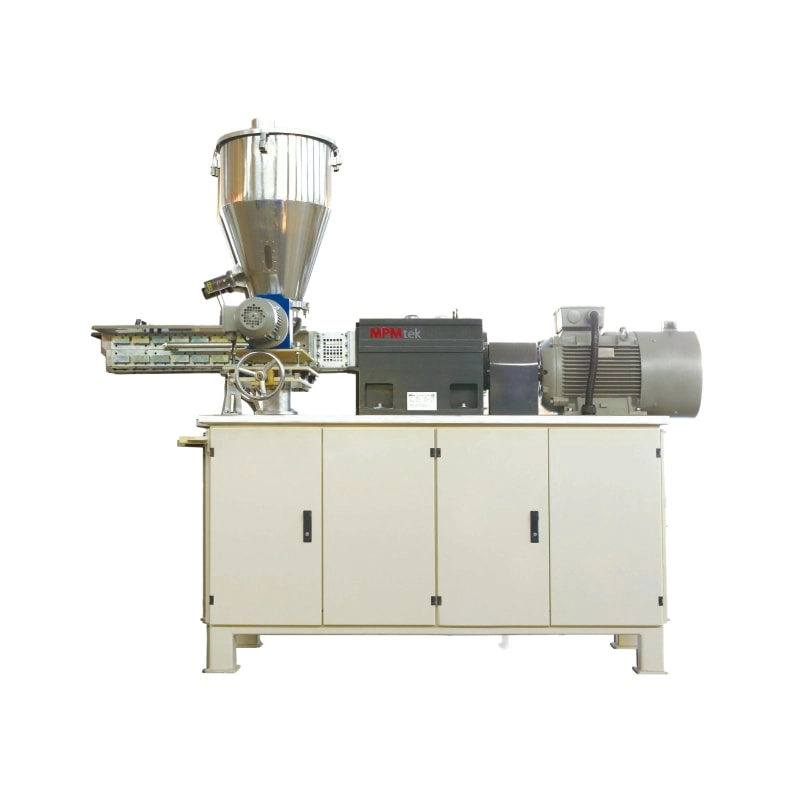
Extrusion tools like twin screw extruders work under heavy mechanical loads and high temps. Lubrication cuts metal on metal touch. It lowers friction and stops parts from breaking down too early. This is vital in machines like MPMtek’s Twin Screw Extruder. There, “screw segments, kneading blocks, liners and shafts are made of high quality alloy steel with heat treatment and precisely machined”—materials that need steady lubrication to work their best.
Plus, steady lubrication helps make the processing area stable for resin powders. It makes sure the extruder keeps even torque levels and heat patterns. This lets you control mixing and flow well. In turn, energy use goes down. The machine also lasts longer.
Impact on Product Quality and Process Stability
In powder coating jobs, exactness means a lot. A system with weak lubrication can cause dirt from wear. Metal bits or scraps from worn parts can get into polyester powder coating or epoxy coating mixes. That messes up their look and how they work.
Good lubrication also helps keep heat steady through production runs. The barrel is designed with efficient heating/cooling system, Temperatures of multiple zones are precisely controlled within ±2°C. Even heat means smooth extrusion without clumps or shifts in flow speed.
Key Components That Require Lubrication
Gearbox and Drive Assembly
The gearbox runs the screws and kneading bits under big torque. Gear box is designed with high torque, low noise, with torque limiter Centralized lubricating and oil temperature control / alarm system. Using tough synthetic lubricants here stops gear wear, too much heat, and possible breaks.
Bearings and Shafts
Bearings hold the turning motion of shafts under constant pressure. Without routine lubrication, they could overheat or stick. This matters most in twin screw systems where screw segments and kneading blocks are designed and manufactured to be uniform meshing clearance. during operation by 3D-CAD & CAM, making exact movement crucial.
Feed Zone and Barrel Sections
These spots face high temps and material scrape. Special greases for hot areas are needed here. They stop resin powder from piling up or blocking, specially with hard to flow stuff like epoxy coating blends.
Selecting Appropriate Lubricants for Extrusion Equipment
Criteria for Choosing Lubricants in High Temperature Environments
Lubricants need to hold their thickness and steadiness during long heat times. They must not react with the materials in process—resin powder, polyester powder coating, or epoxy compounds. This prevents bad reactions or dirt.
Types of Lubricants Used in Powder Coating Extruders
- Synthetic gear oils: Ideal for gearboxes operating under heavy load
- Hightemperature greases: Applied to bearings near heat zones
- Foodgrade or non toxic variants: In case of indirect contact with coatings
MPMtek focuses on machine life by adding central lubrication systems in their extruders. This way ensures even use and cuts down time off.
Step by Step Lubrication Procedure
Pre Lubrication Checks and Preparations
Before you add lubricant:
- Inspect seals for leaks or damage
- Check lubricant levels
- Confirm that all moving parts show no signs of excessive wear
- Shut down machinery completely to avoid accidents
Application Techniques for Different Components
Use hand grease guns for small bearings or fittings. For gearboxes or big areas, an auto central system makes sure of even spread. Put lubricant on evenly to skip dry areas. But do not add too much—extra can pull in powder build up.
Post Lubrication Inspections and Function Testing
Once put back together:
- Monitor temperature readings
- Listen for abnormal sounds
- Check vibration levels
- Look for leaks or splatter during startup
These steps help check if lubrication got to important spots well.
Establishing a Maintenance Schedule for Consistent Lubrication
Frequency Guidelines Based on Operating Conditions
There’s no single rule for how often. Instead:
- Increase frequency for highoutput machines like the TSE–70D (1200 kg/h output)
- Reduce frequency in lowload lab scale systems
- Adjust based on ambient conditions—hotter environments may require more frequent checks
Always match with maker rules made for your model.
Documentation and Monitoring Practices
Keep full notes:
- Date of lubrication
- Type and amount of lubricant used
- Observed machine conditions
Tools for checking like infrared thermometers or vibration checkers give early signs before problems hit.
Identifying and Resolving Common Lubrication Issues
Symptoms of Inadequate or Improper Lubrication
Look for:
- Screeching or grinding noises
- Sudden increase in power consumption
- Inconsistent extrusion output
- Early failure of screws or barrels from dry running
These signs point to not enough lubricant or bad quality choice.
Corrective Measures to Restore Optimal Functioning
Move fast:
- Drain contaminated lubricants
- Flush components if necessary
- Switch to highergrade lubricants if problems persist in specific zones like feed sections or hot barrels
Check again your lubrication times or ways if troubles come back.
Safety Considerations During the Lubrication Process
Risk Prevention While Handling Industrial Lubricants
Lubricants can be risky:
- Always wear gloves and goggles
- Allow components to cool before touching
- Work in wellventilated areas, especially around heated barrels or motors
Industrial greases near epoxy coatings can give off fumes if handled wrong—be careful.
Environmental Compliance in Waste Management
Used lubricants should never go into drains or mix with powder coating stuff. Stick to local throw away rules. Make sure your work spot has ways to stop spills from dirtying resin powders or polyester coatings.
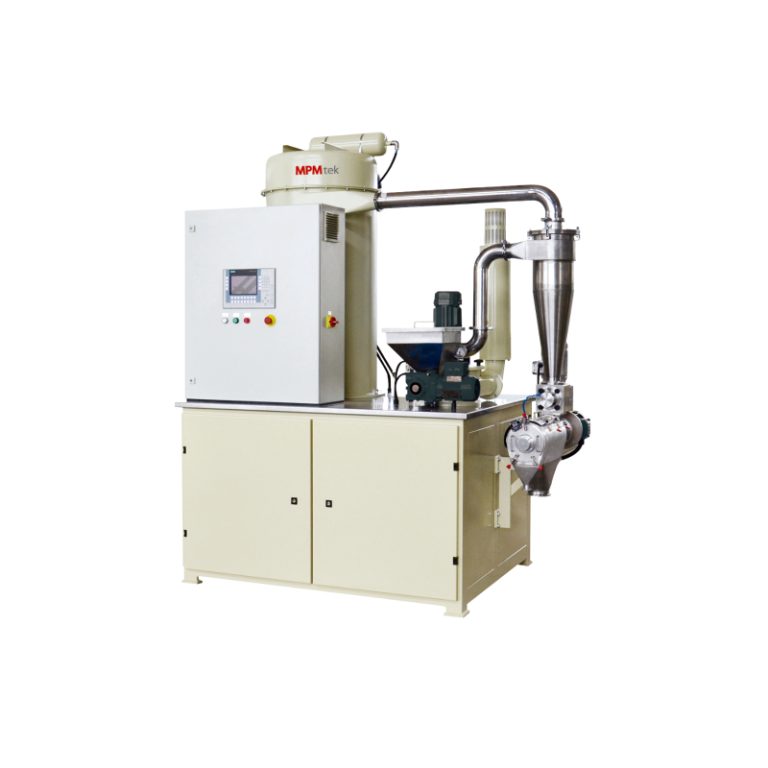
MPMtek, as a specialist supplier of powder coating production equipment, integrates safety and maintenance features into its systems—from centralized oil control to easy clean design—which helps operators comply with both safety standards and environmental rules.
FAQ
Q1: How often should I lubricate my twin screw extruder?
A1: Frequency depends on usage intensity, but always refer to your machine’s manual for tailored intervals.
Q2: Can I use food grade lubricants in an industrial extruder?
A2: Only if there’s a risk of indirect contact with coating powders; otherwise, use high performance industrial types.
Q3: What happens if I over lubricate a bearing?
A3: Over lubrication can cause overheating due to fluid drag or lead to grease leakage into the material zone.
Q4: How do I know if lubricant has degraded?
A4: Changes in color, smell, viscosity, or performance (e.g., rising noise levels) are key indicators.
Q5: Is it necessary to flush old lubricant before adding new?
A5: Yes, especially when switching types or after contamination—flushing avoids chemical incompatibilities.