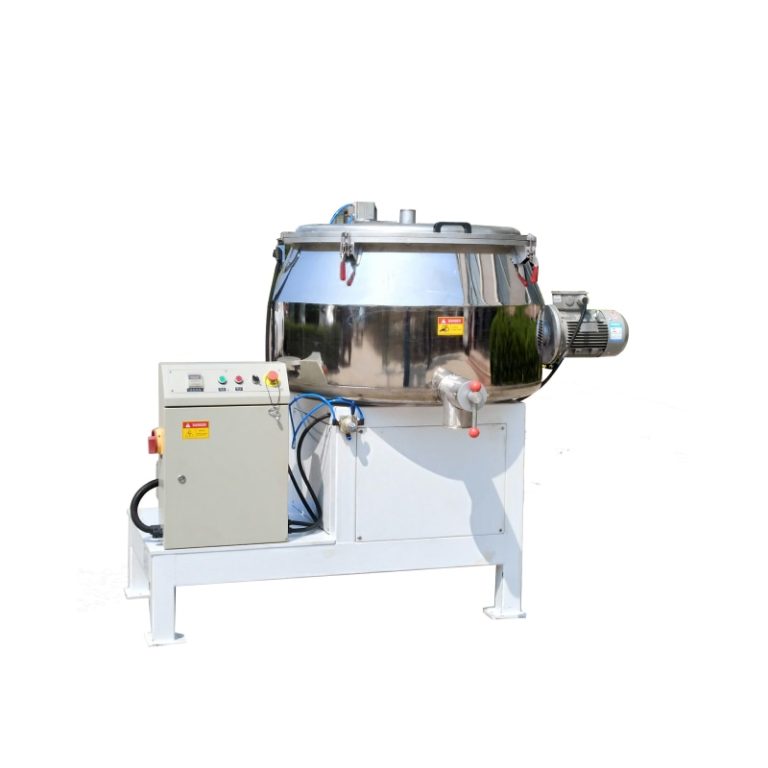
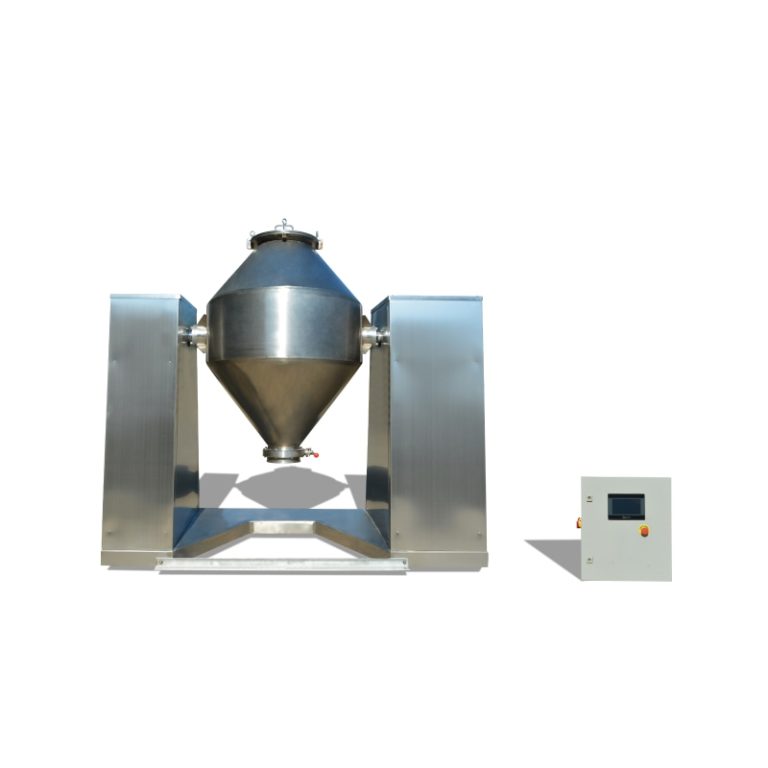
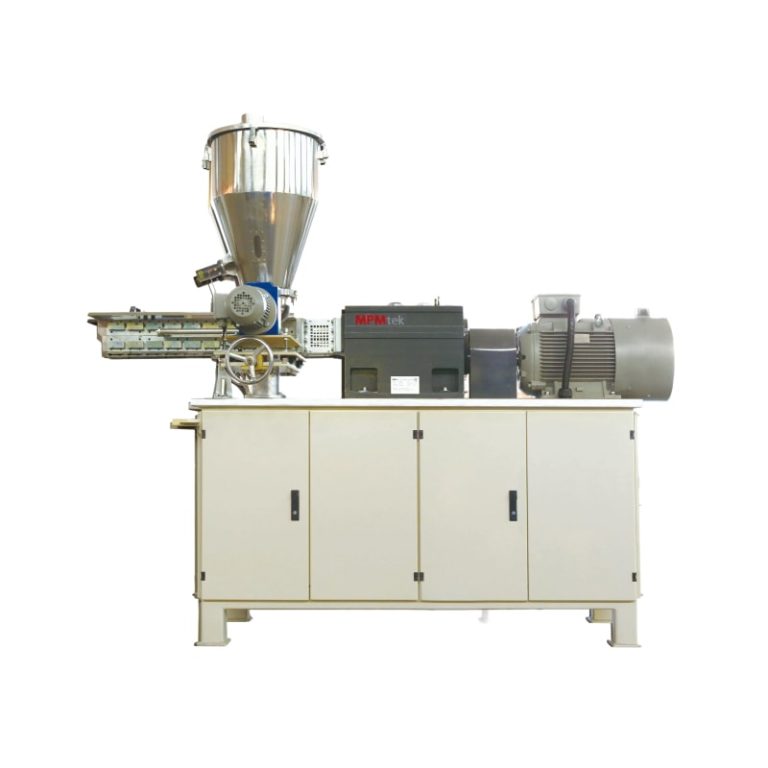
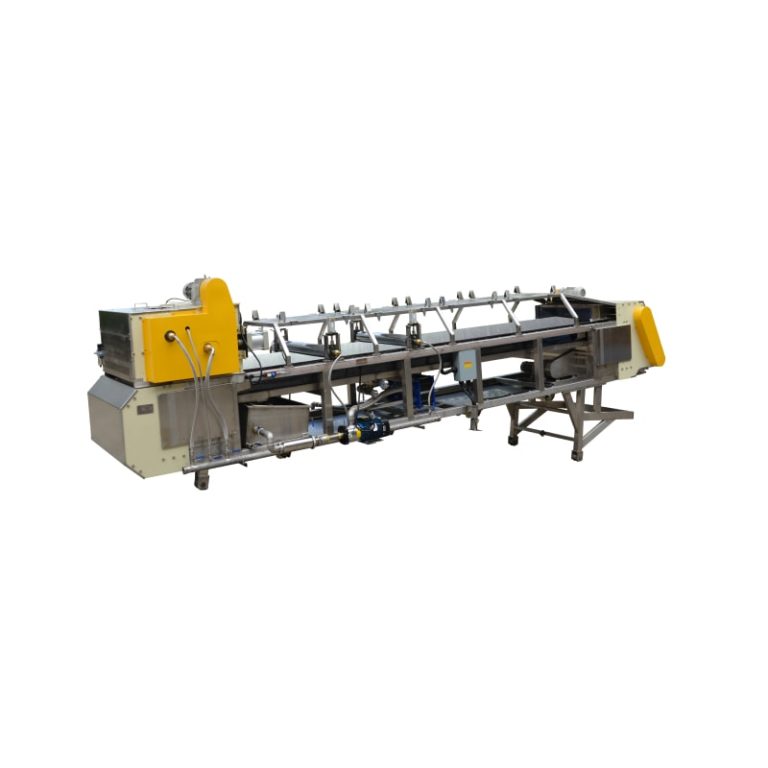
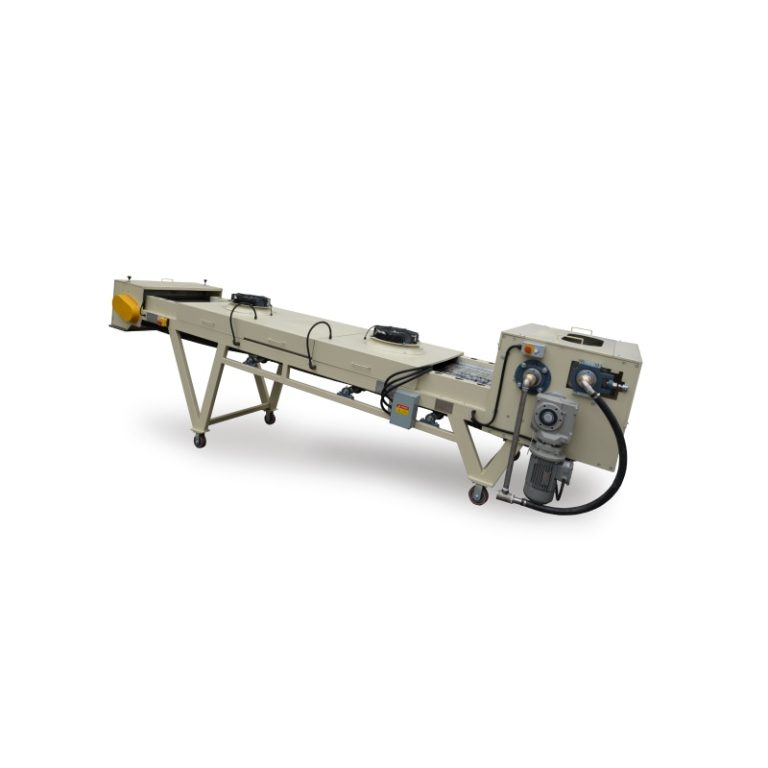
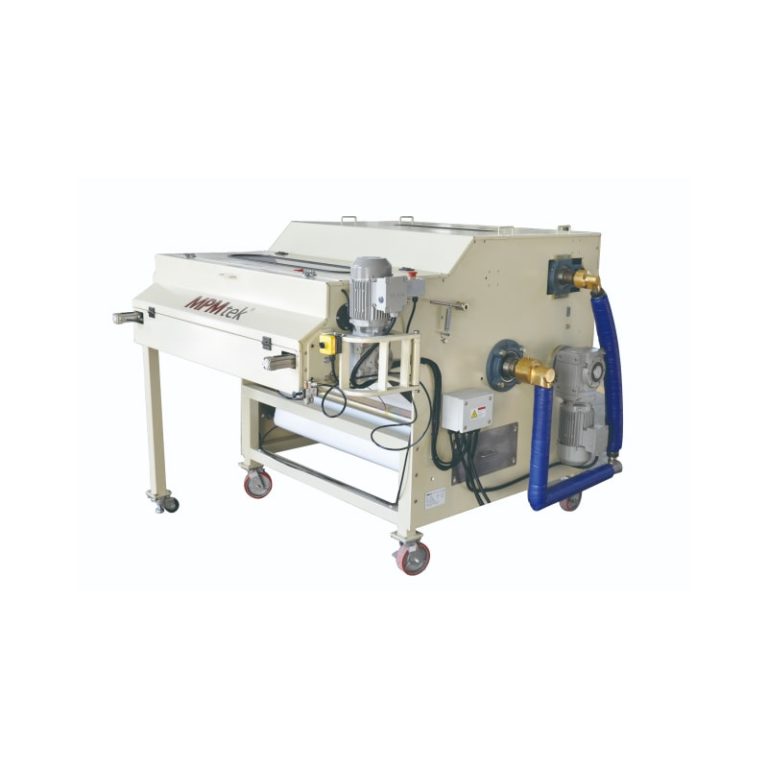
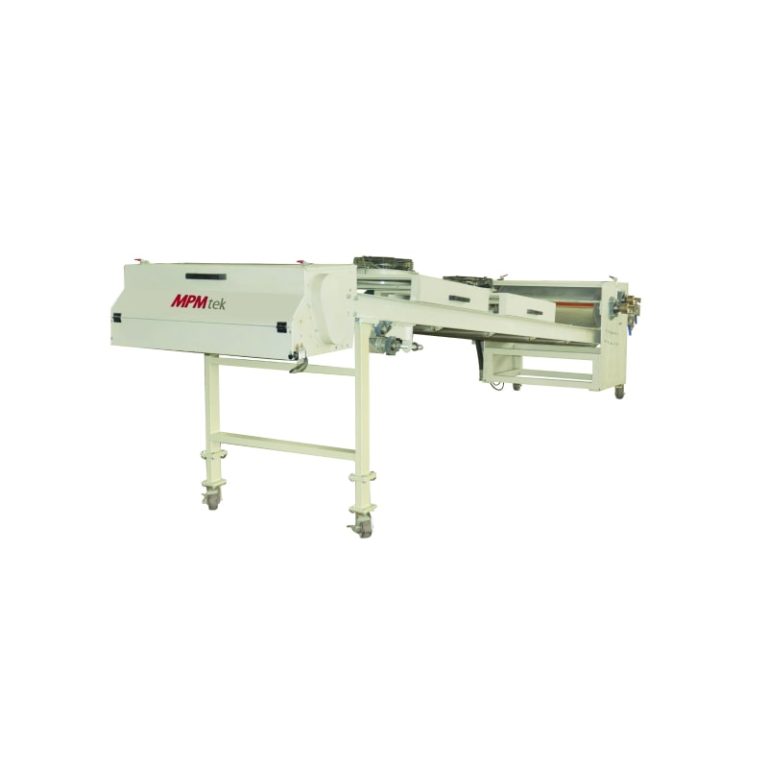
Keeping a container mixer in good shape goes beyond just cleaning. It focuses on steady performance, safety, and long life. A properly cared-for mixer delivers even mixing outcomes. It also stops expensive stoppages. This holds true whether you handle a pre-mixer for powder coating items or a big container mixer. Sticking to a clear maintenance plan brings real benefits.
Regular Cleaning
Cleaning stands as the top and most common job for your powder coating mixer. Do it before lubrication or checks. A spotless machine stops dirt from spreading. It keeps each batch steady in quality.
Steps for Effective Cleaning
First, clear out all leftover stuff from the mixer. Leftover powder might stiffen up with time. That leads to dirt or machine troubles down the line. Pick cleaning agents that fit your stuff well. They avoid bad reactions or leftover gunk. After you clean, make sure every part dries fully before putting it back together. Wetness might spark rust or mess with powder movement.
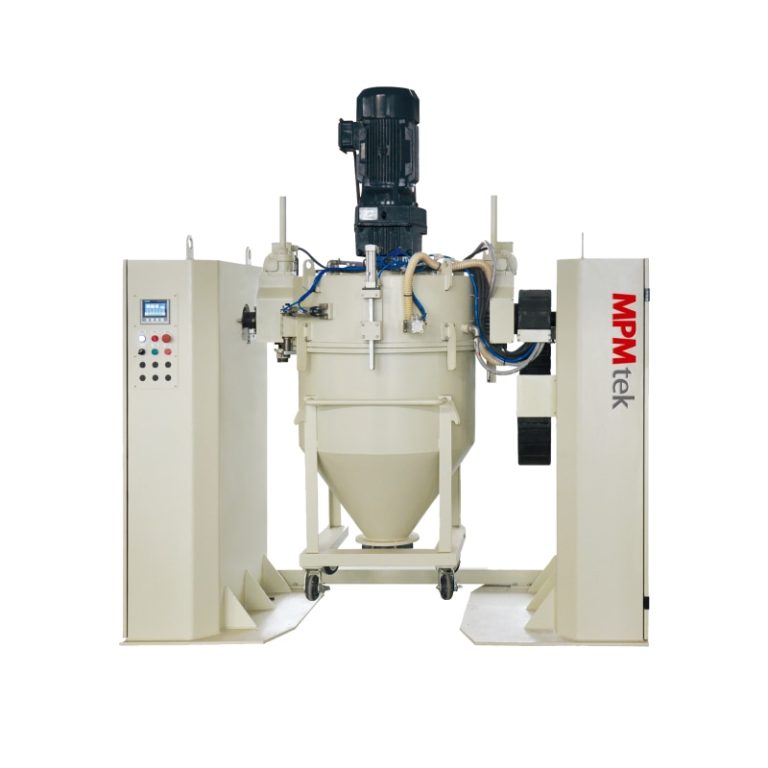
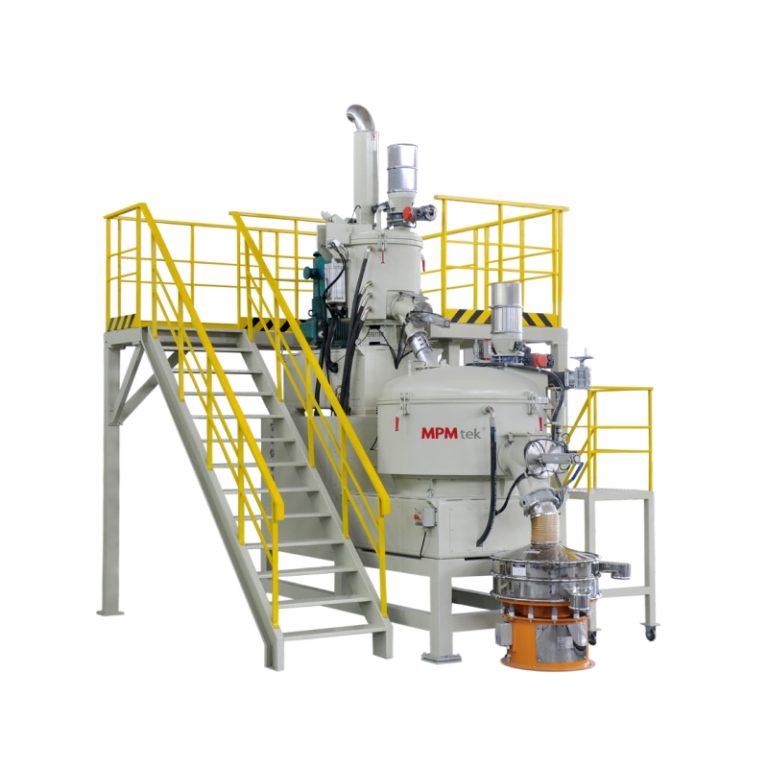
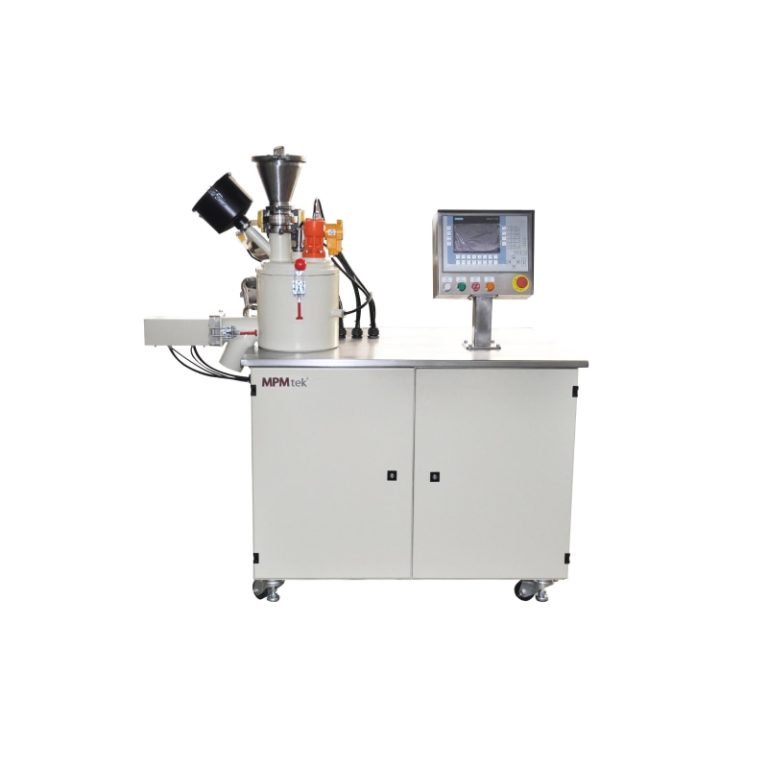
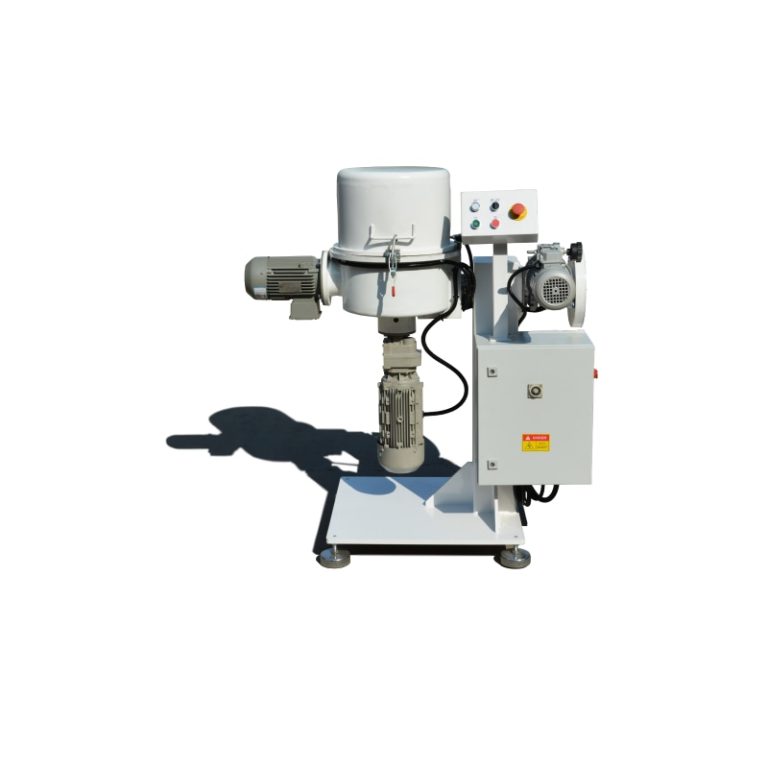
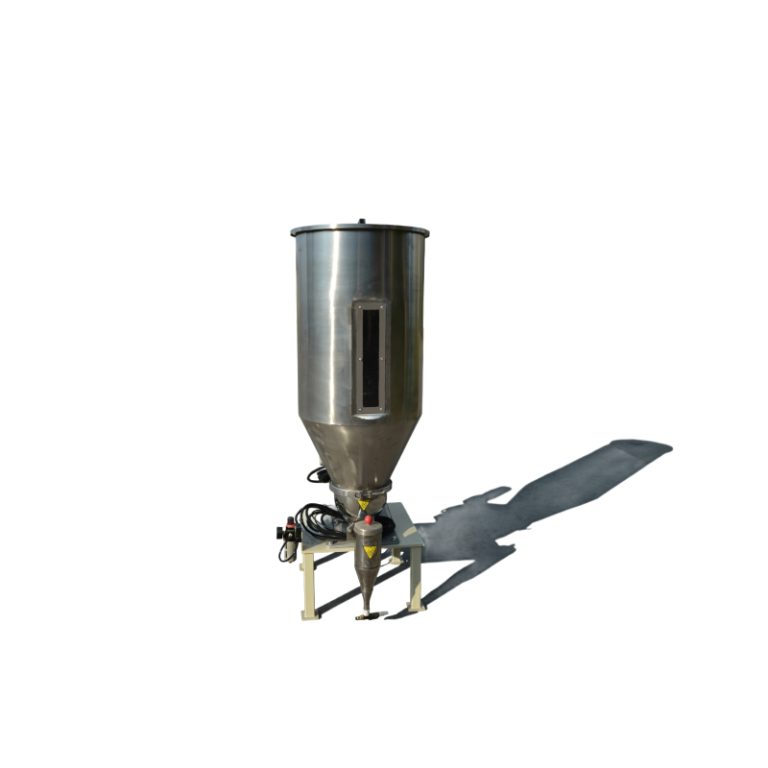
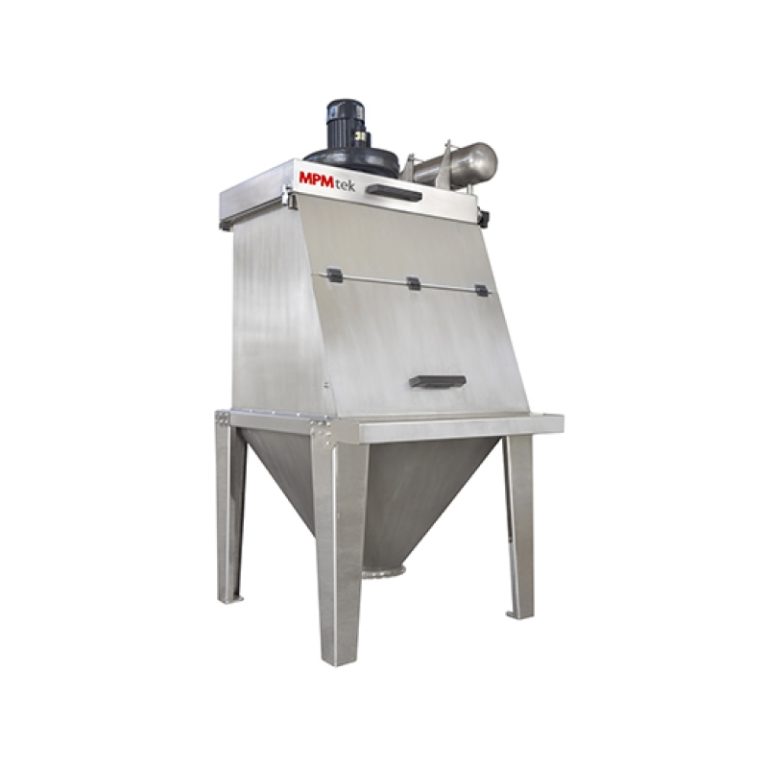
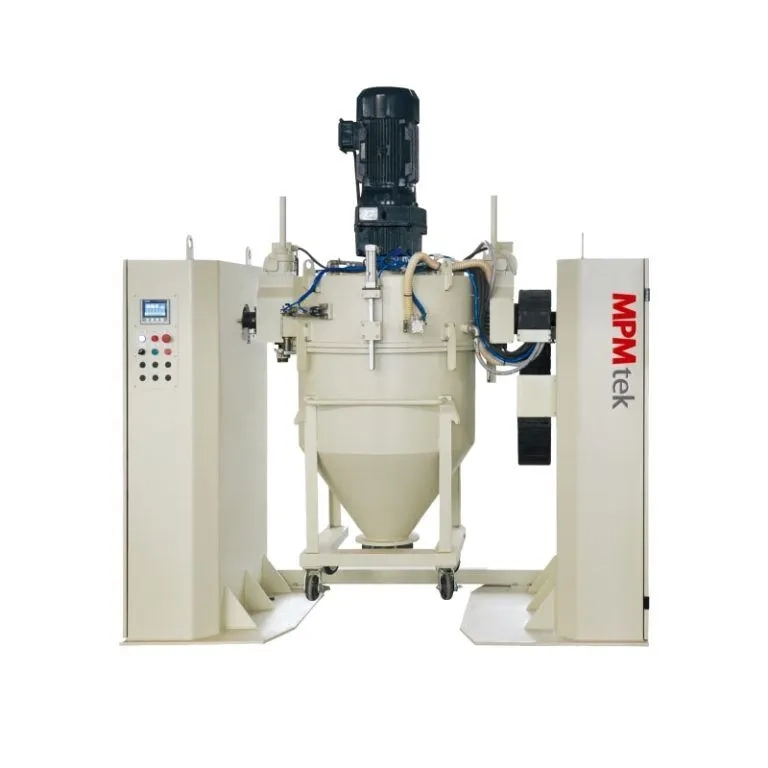
Container Mixer works as an offline mixing device with movable containers. It blends raw materials. This setup lets you pull off containers easily for separate cleaning and color switches. Since it mixes well and evenly, plus it’s simple to clean, workers can uphold clean standards without long waits.
Lubrication
With your container mixer clean, move to lubrication next. Folks often skip it. But it’s key for lasting work.
Importance of Proper Lubrication
Good lubrication cuts down wear on parts that move, like shafts and bearings. It makes running smoother. It lessens damage from rubbing. When things glide well, you use less power too. Plus, it lengthens the life of main parts. For mixers with fast crushers or tilt parts, steady lubrication keeps them straight and quick to respond.
Inspection of Parts
After cleaning and lubrication, do checks often. They spot early wear signs. This stops small issues from growing big.
Key Components to Inspect
Look closely at blades and seals. These spots wear fast from touching raw stuff all the time. Hunt for breaks, blunt edges, or stiff gunk on blades. Seals need to stay bendy. If they crack or let powder leak, swap them out right away. Check the container body too. Watch for rust or bumps that might harm tight seals while running.
Double-seals for shaft, no powder leakage, no solidified particle — this feature shows how modern designs like those from MPMtek cut down maintenance needs. They stop leaks right at the start.
Electrical System Check
Mixers mainly deal with mechanics. But electrical steadiness supports safe work.
Ensuring Electrical Safety and Functionality
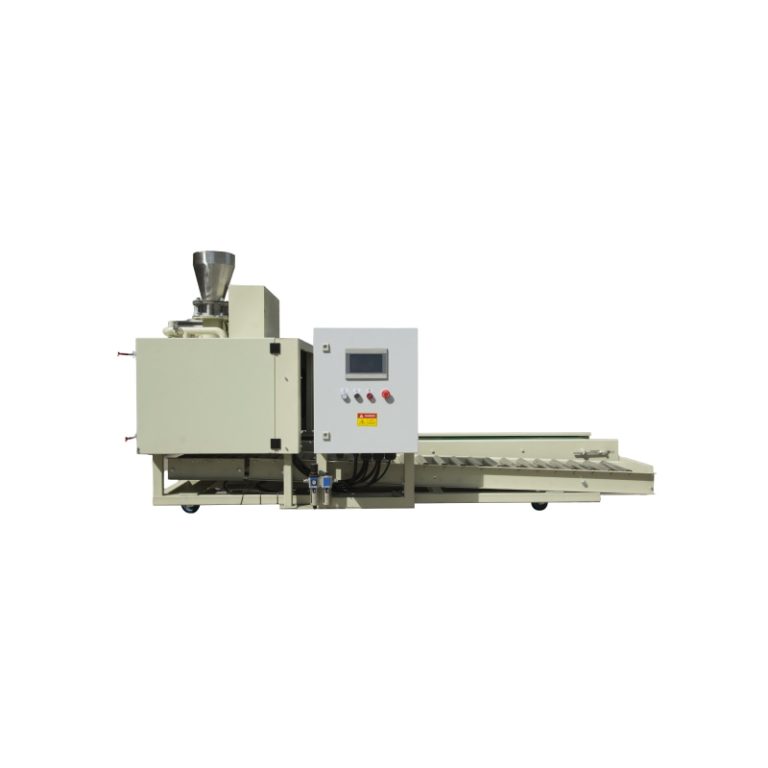
Always confirm wiring looks whole and links stay firm. Wires that wiggle can cause spotty problems or short circuits. Test control panels and switches now and then. A slow reply might mean dust inside or tired contacts. Most new mixers use auto setups — The container mixer is automatically controlled by PLC & HMI. — So, make sure these screens work right. That’s vital for steady processes.
Calibration
A container mixer’s strong work depends on exactness. Calibration makes sure each batch hits your goals.
Maintaining Accuracy in Mixing Processes
Steady calibration holds output the same over runs. During checks, use basic weights and sizes. Verify rotation speed and time settings. For top models tied to auto lines, tiny errors can grow big in huge batches. So, plan this step often.
Safety Precautions
Maintenance has built-in dangers if you skip safety.
Essential Safety Measures During Maintenance
Before any work, cut all power fully. Don’t just trust the control panel off switch. Put on right gear like gloves, eye covers, and anti-static outfits when dealing with powders or cleaners. Lots of machines have safety built in. Comprehensive safety protection system keeps workers safe in operation and fixes.
Storage
For long breaks without use, right storage keeps your gear in fine form between jobs.
Best Practices for Storing a Container Mixer
Keep the unit in a neat, dry spot. This stops rust on metal or wet harm to electric bits. Cover the mixer to block dust that might sneak into seals or bearings later. In places with many colors or mixes, set up special storage areas. They help keep things clean between runs. Multi-containers used to operation, easy to clean and change color allows flexible production scheduling.
Troubleshooting
With careful upkeep, problems pop up now and then. Spotting them fast saves effort.
Common Issues and Solutions
If odd sounds come during mixing, halt the machine at once. Look for loose bolts or off blades. Motor glitches often link to bad wire links or worn brushes. Check those before thinking it’s a big fix. For PLC setups with error codes, look at logs via the HMI screen. Then restart.
Importance of Maintenance
All these actions point to one clear fact. Steady care brings steady results. Normal upkeep boosts work flow. It cuts stoppages from surprise breaks. It stretches gear life a lot too. That lowers costs for new parts. Meanwhile, it holds mixing quality for years. A well-kept container mixer guards your spend. It also shields your work plan.
Contact MPMtek Today for Expert Container Mixer Solutions
MPMtek’s machines earn praise for “High reliability” from solid build ways. That firm eyes smart powder coating systems trusted around the world. MPMtek puts safety first in its products. It’s part of their build approach: “Safety, automation, efficiency and environmental protection are the tenets of MPMtek’s product development.” Keep your container mixer running smoothly with the best spare parts and maintenance practices. Contact us today to learn how our innovative designs and reliable parts can help enhance your operations and keep your container mixers in top condition.
FAQs
Q: How often should I clean my container mixer?
Clean after every batch change or at least once daily during continuous operation to avoid cross-contamination.
Q: What lubricant type works best?
Use manufacturer-recommended industrial-grade lubricants suitable for food-safe or chemical-resistant environments depending on application needs.
Q: How do I know when recalibration is needed?
If output consistency drifts beyond acceptable tolerance levels or after any major mechanical adjustment.
Q: Can I perform electrical checks myself?
Basic visual inspections are fine but leave detailed diagnostics to qualified technicians familiar with PLC systems.