Reducing fines in powder coating grinders is one of those subtle process tweaks that can transform production quality and efficiency. Excessive fines—those ultra-small particles that result from over-grinding—can cause uneven coatings, clog spray guns, and waste valuable material. The key lies in maintaining optimal particle size distribution through precise milling control and equipment design.
What Are Fines in Powder Coating?
In powder coating, “fines” refer to the smallest fraction of powder particles generated during grinding. These tiny particles often behave unpredictably during electrostatic spraying, leading to inconsistent coverage or poor adhesion. When fines accumulate, they can overload filters and create dusting issues that affect both safety and finish quality.
Excessive fines tend to clog spray guns, disrupting atomization and causing uneven powder flow. Operators might notice irregular spray patterns or frequent maintenance stops—classic signs of high fine content. In production environments where consistency is everything, these small deviations can quickly scale into major inefficiencies.
Why Reducing Fines Matters for Production Efficiency
Reducing fines improves how the powder flows through both manual and automated systems. Better flow means fewer clogs and smoother coating application across complex surfaces such as powder coating stainless steel components. Optimized particle size distribution also enhances coating uniformity, giving a more even gloss and texture.
Moreover, minimizing fines directly translates into cost savings:
- Less waste from overspray or filter loss.
- Higher recovery rates from reclaim systems.
- Reduced downtime due to cleaning or part rework.
A well-controlled fine content ensures stable operation throughout the entire automated powder coating line.
Common Causes of Excessive Fines in Powder Grinders
Before exploring solutions, it’s useful to understand why fines occur in the first place.
Over-Grinding During the Milling Process
Over-grinding is often caused by incorrect rotor speed or classifier settings. When the classifier wheel spins too slowly, it allows smaller particles to remain in circulation longer than necessary. Inconsistent feed rates can also create pressure spikes inside the mill, crushing material beyond the desired size range.
Worn grinding components further distort particle size distribution over time. As blades lose sharpness or liners wear down, they produce more frictional heat and excessive impact energy—both contributing factors to fine formation.
Equipment Design and Maintenance Factors
Some older mill designs lack precise control mechanisms for airflow or classification. Without proper separation efficiency, fine particles are repeatedly recirculated instead of being collected at the right stage.
Poor air classification systems worsen this problem by failing to distinguish between usable powder and fines. Regular maintenance becomes critical; neglecting it leads to unbalanced rotors or blocked sieves that intensify over-grinding conditions.
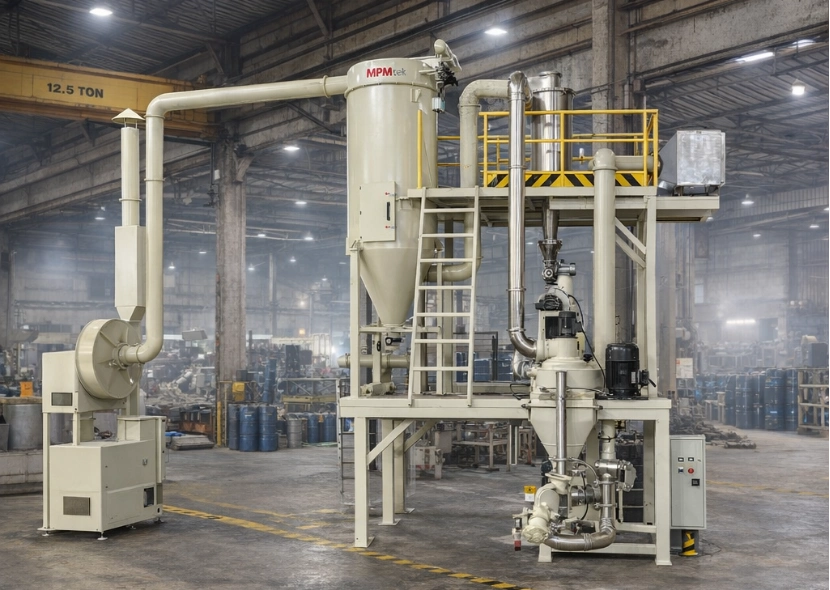
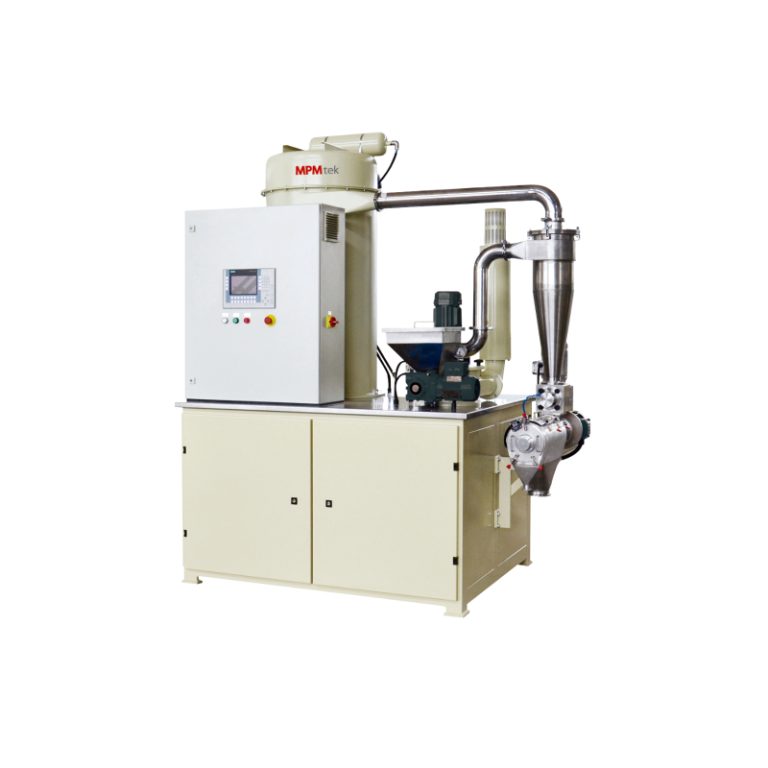
How MPMtek’s ACM Mill Minimizes Fine Generation
To counter these challenges, advanced grinding systems like MPMtek’s ACM Mill incorporate intelligent design features that prevent unnecessary fine formation while maintaining high throughput.
Anti-Overgrinding Design Features
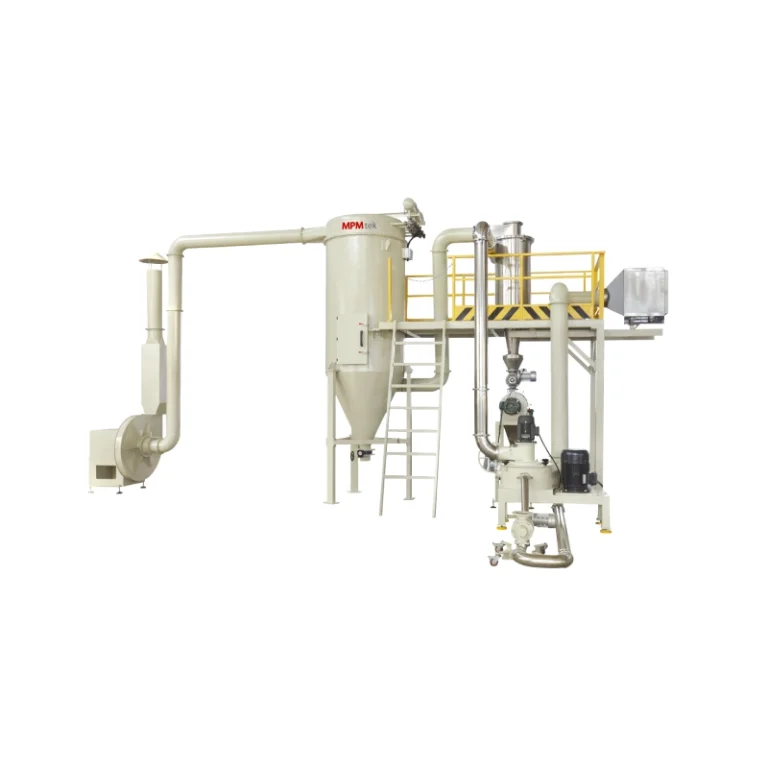
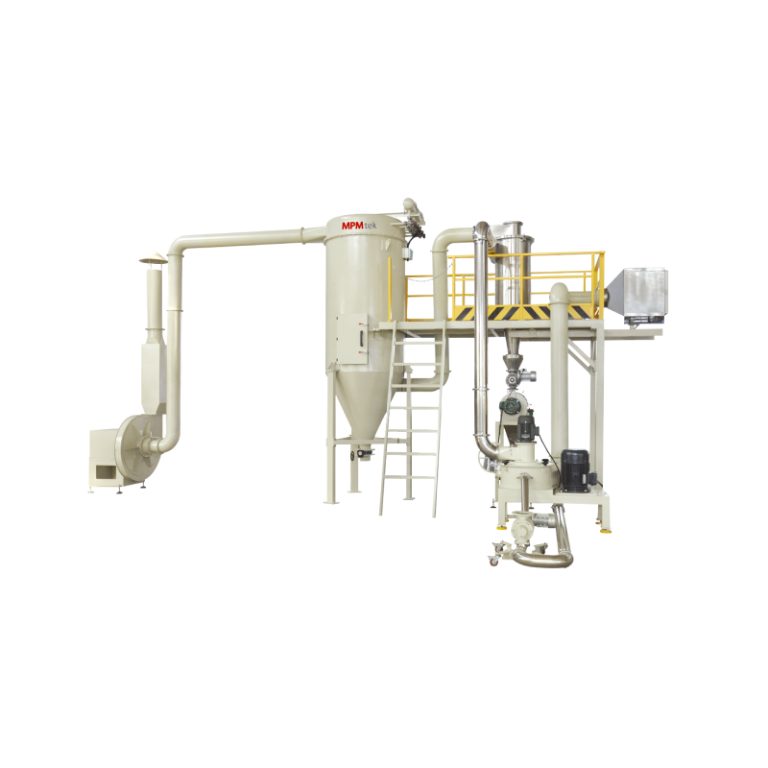
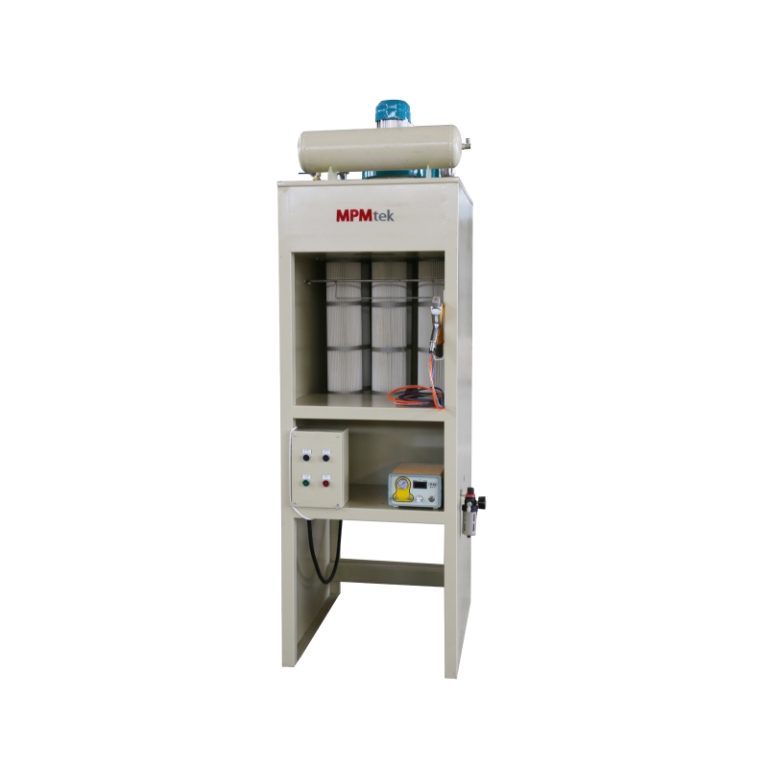
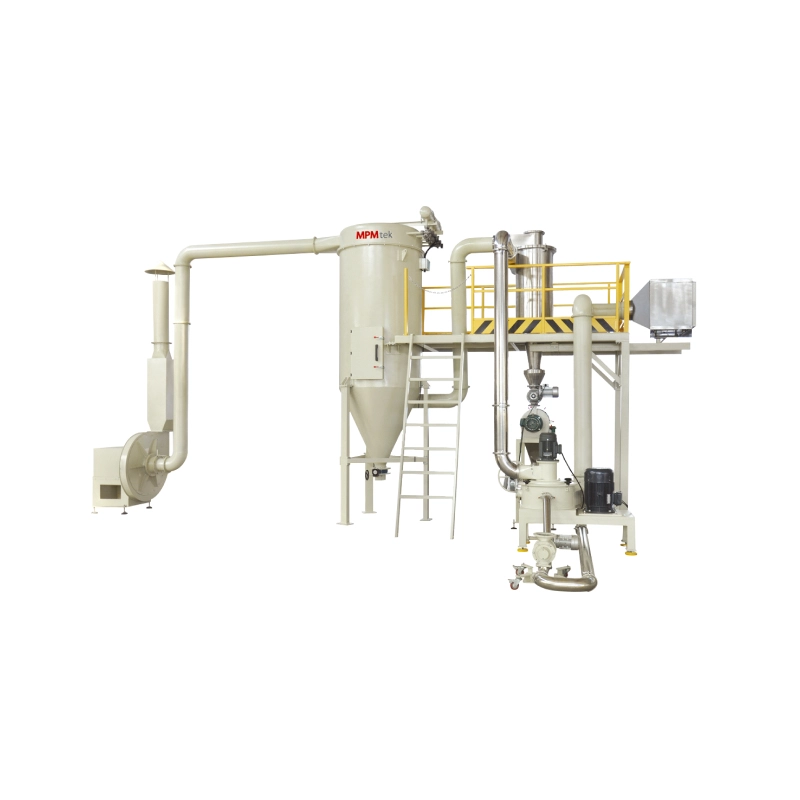
ACM Micro-Grinding System is composed of high speed air classifying mill, cyclone, rotating sieve (centrifugal sifter)/vibrate sieve, super-fine powder collector and fan. This integrated structure ensures that each stage—from impact grinding to separation—is tightly controlled.
The raw material is ground to fine powders by high-speed impacting, particle size classifying in mill, cyclone separating and super-fine powder collecting. Because airflow paths are optimized within the chamber, material passes efficiently through controlled grinding zones without excessive residence time.
Temperature stability is another advantage. Less rising-up of temperature in mill, low temperature of powder keeps resin-based powders from softening prematurely—a common cause of agglomeration that leads to irregular particle sizes.
Advanced Classifier Wheel Technology
The classifier wheel plays a decisive role in regulating final particle size distribution. Particle size distribution is concentrated, stable and adjustable, allowing operators to fine-tune parameters based on specific coating requirements.
Adjustable speed settings make it possible to maintain consistent cut points even under fluctuating feed conditions. This stability minimizes re-circulation of fines back into the system while ensuring uniform output quality across batches.
Comparing Fine Content Before and After Optimization
When production lines switch from conventional mills to optimized models like MPMtek’s ACM Mill, measurable improvements appear almost immediately.
| Parameter | Conventional Mill | MPMtek ACM Mill |
| Fine rate (%) | 25–30% | 10–15% |
| Recovery rate | 90–92% | >98% |
| Temperature rise | High (causing softening) | Low |
| Gun clogging frequency | Frequent | Rare |
High recovery rate(>98%) means nearly all usable material returns into circulation with minimal waste. The result is smoother coatings with fewer surface defects—a clear sign of better particle uniformity.
Impact on Overall Production Line Efficiency
With fewer interruptions for cleaning or adjustments, operators experience more stable throughput across automated powder coating lines. Energy efficiency also improves since less reprocessing is required to correct off-spec batches. Over time, these incremental gains add up to substantial productivity increases across multi-shift operations.
Preventing Future Fine Generation in Powder Coating Lines
Even with advanced equipment installed, maintaining control over fine generation demands disciplined process management.
Best Practices for Process Control and Monitoring
Regularly verify classifier speed settings against target specifications. Monitor airflow pressure differentials between cyclone separators and collection filters to ensure balanced performance. Automated sensors can provide real-time tracking of temperature rise or vibration levels—early indicators of potential over-grinding conditions.
Operator training remains essential; understanding how minor parameter changes influence output helps prevent gradual drift toward excessive fine production during long runs.
Maintenance Tips for Long-Term Stability
Scheduled inspection routines keep mills performing consistently:
- Check grinding pins and liners for wear.
- Clean sieves and ducts to prevent buildup.
- Replace worn classifier wheels promptly before imbalance occurs.
Following these steps extends component life while preserving optimal particle control throughout the system’s service cycle.
Enhancing Your Powder Coating Line with MPMtek Solutions
MPMtek stands out as a specialist supplier dedicated to precision-engineered powder mills equipment designed for modern coating plants.
Why Choose MPMtek Equipment for Powder Mills and Coating Lines
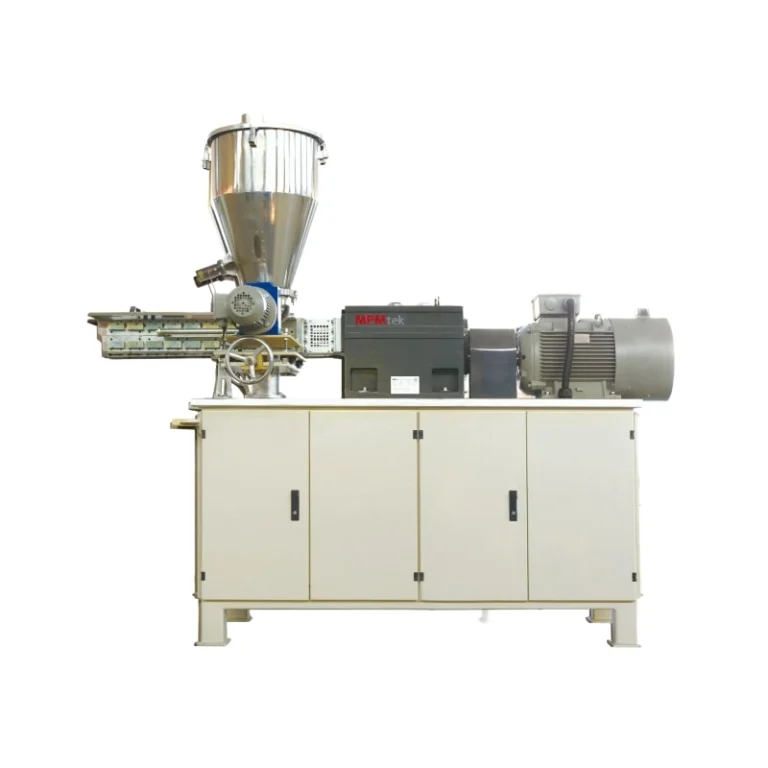
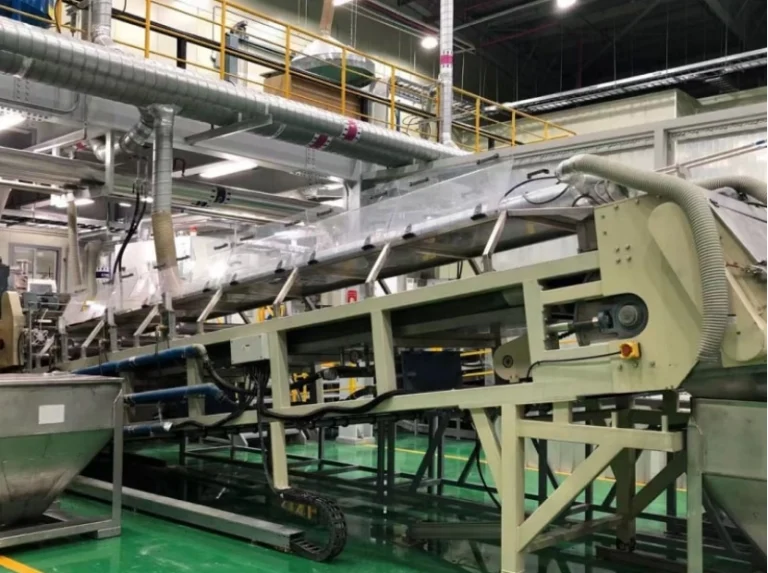
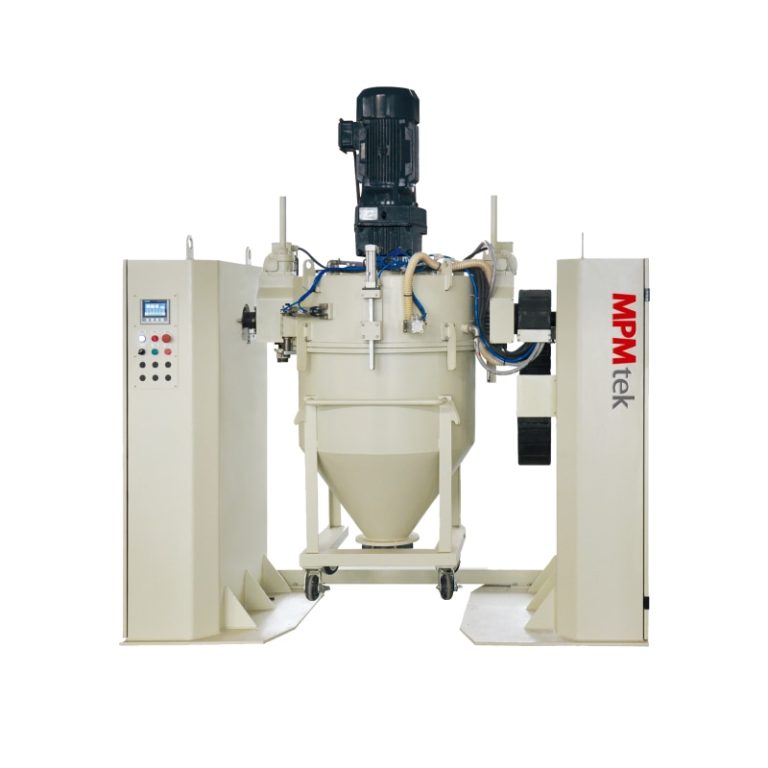
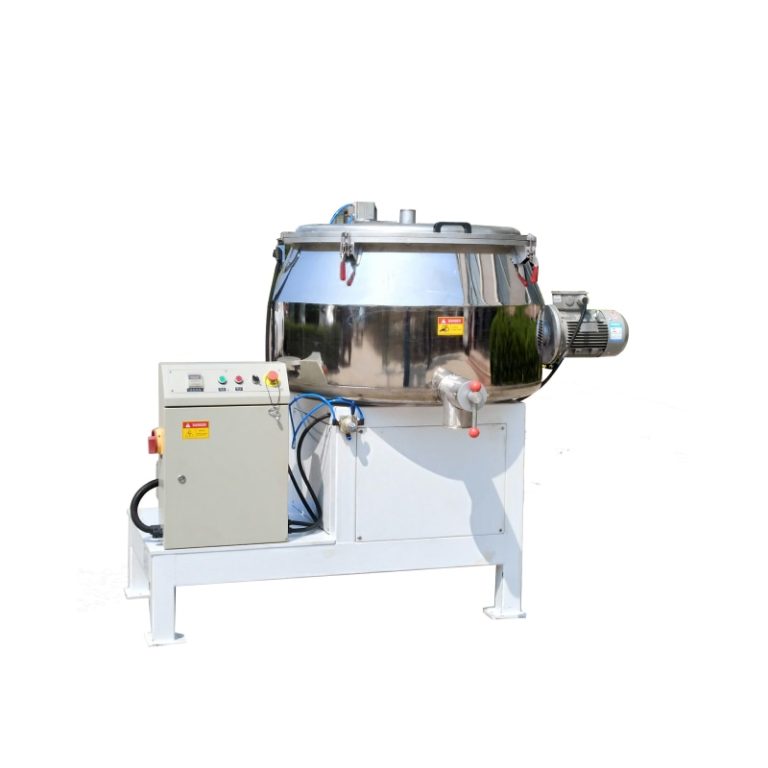
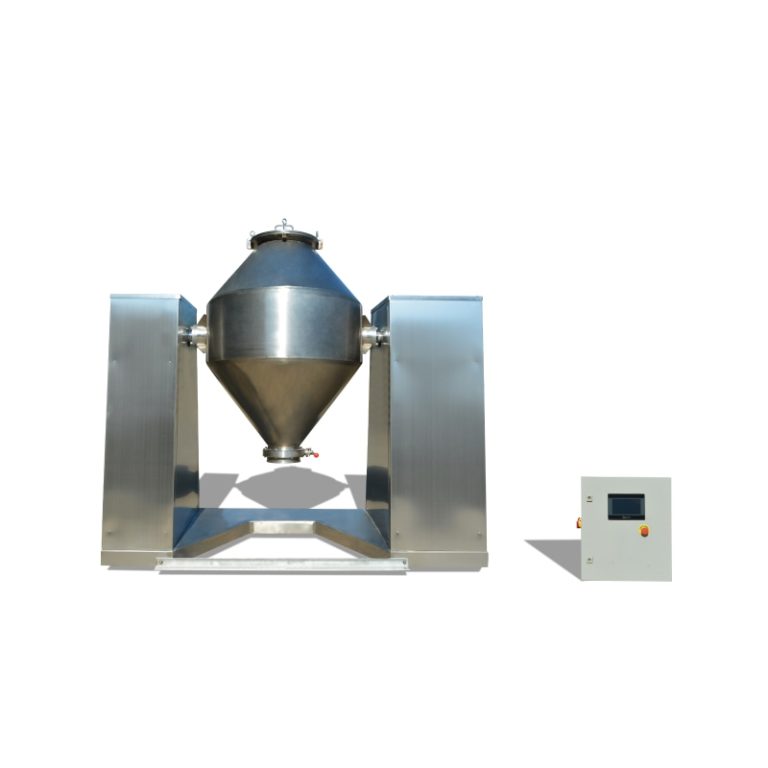
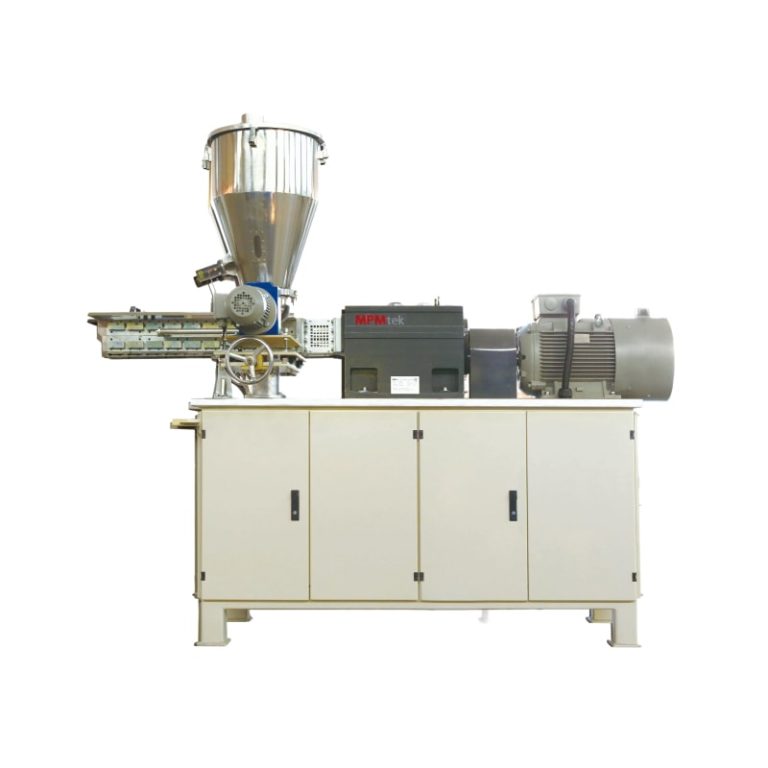
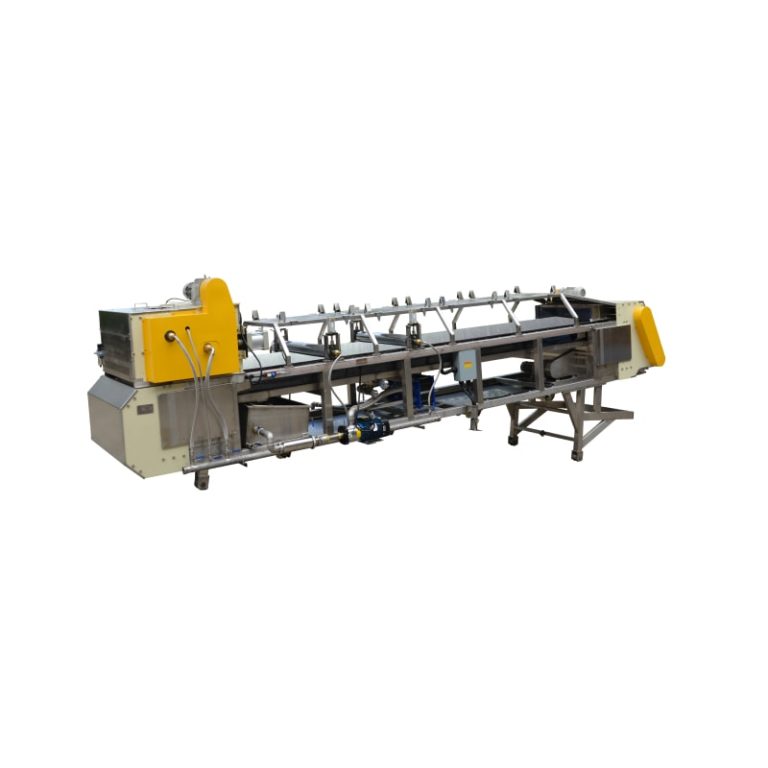
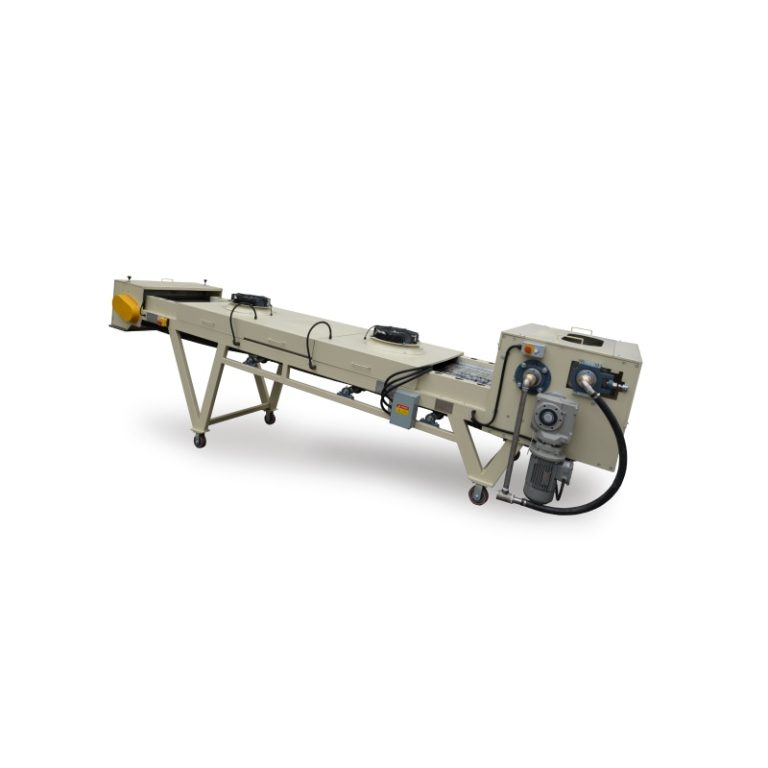
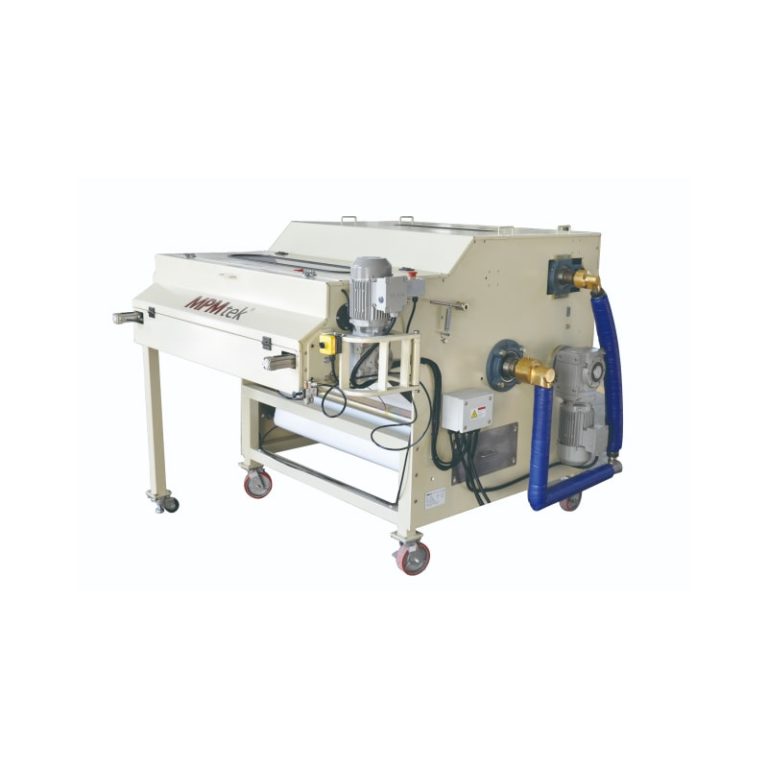
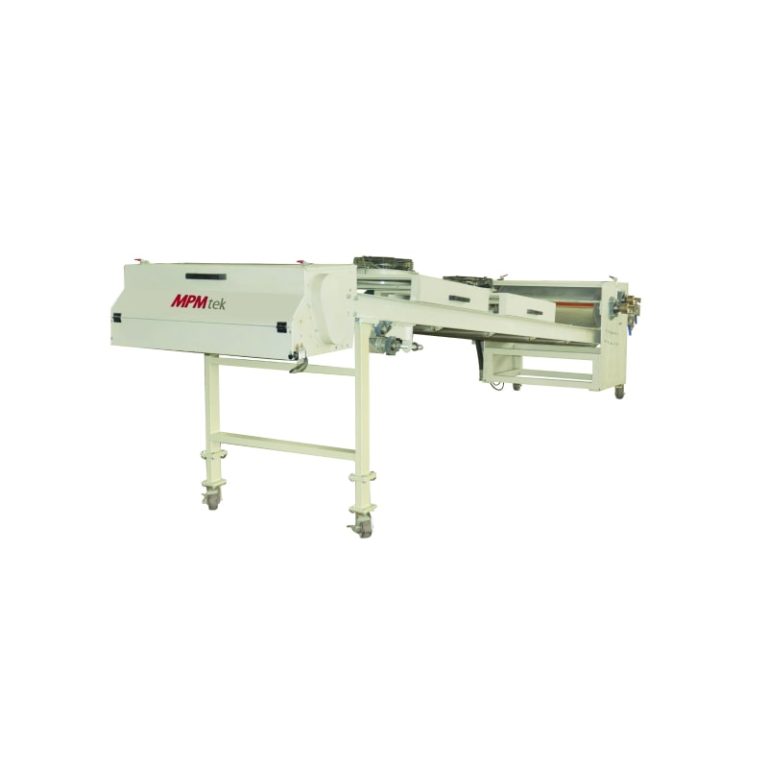
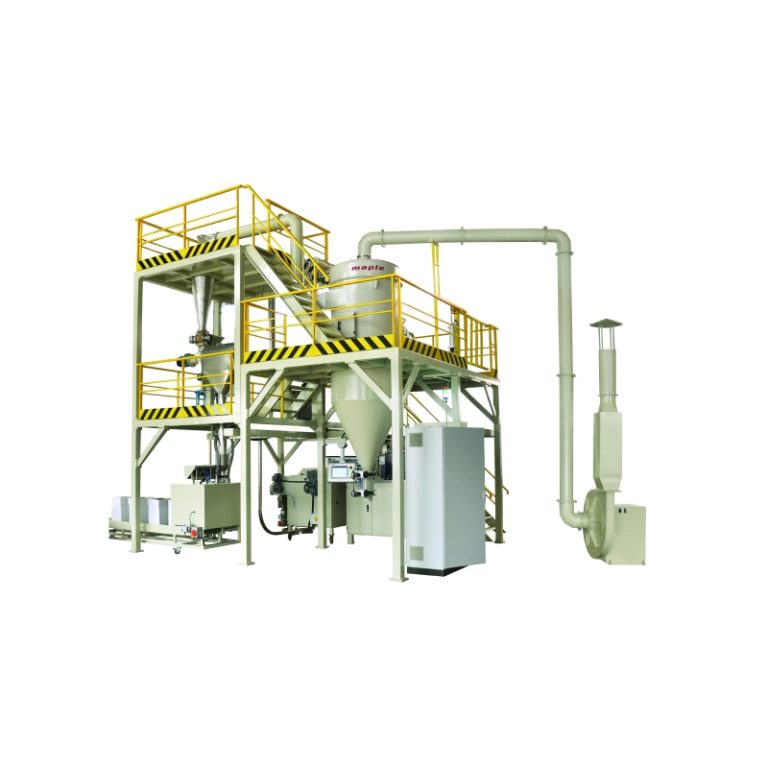
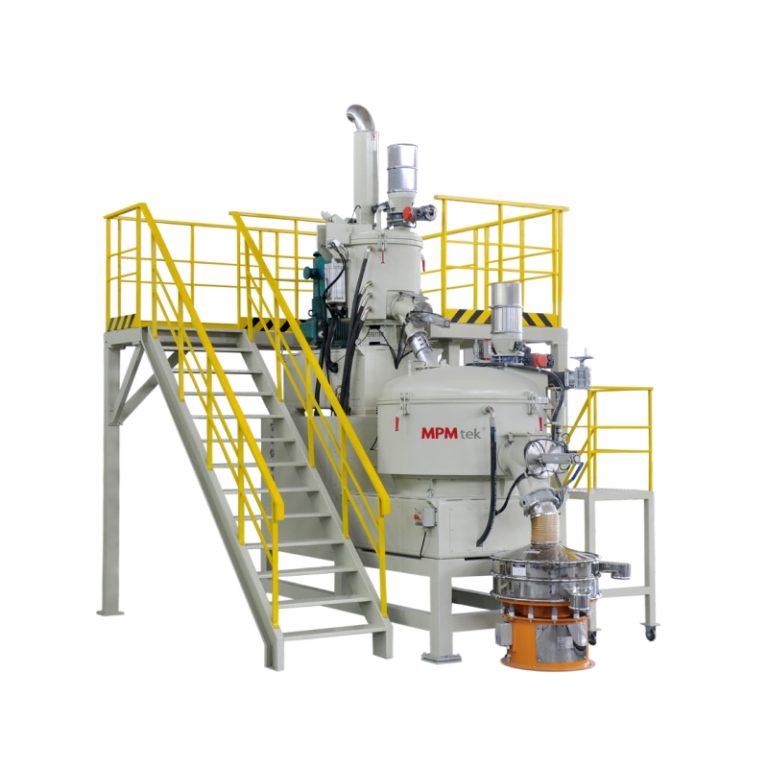
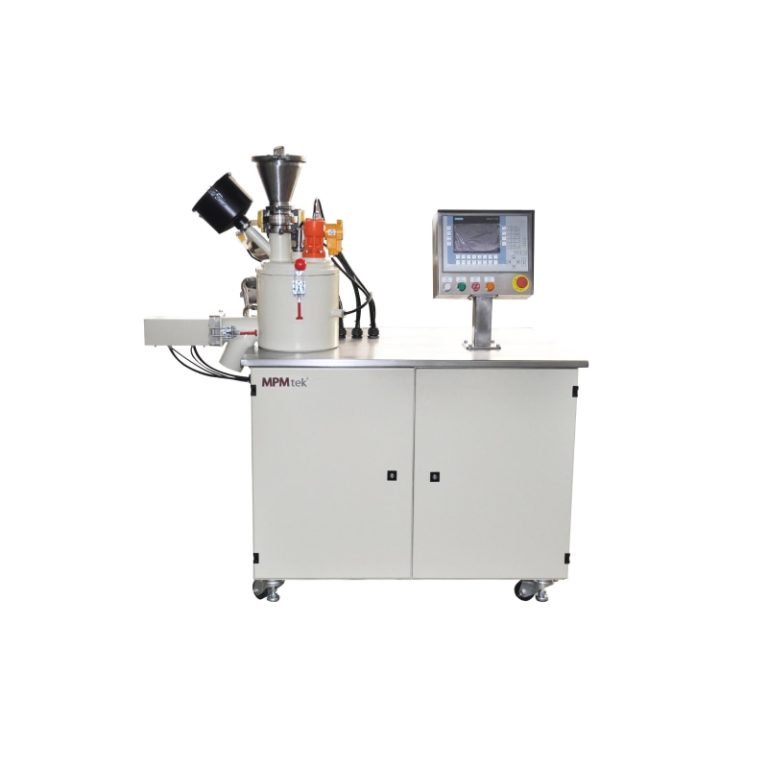
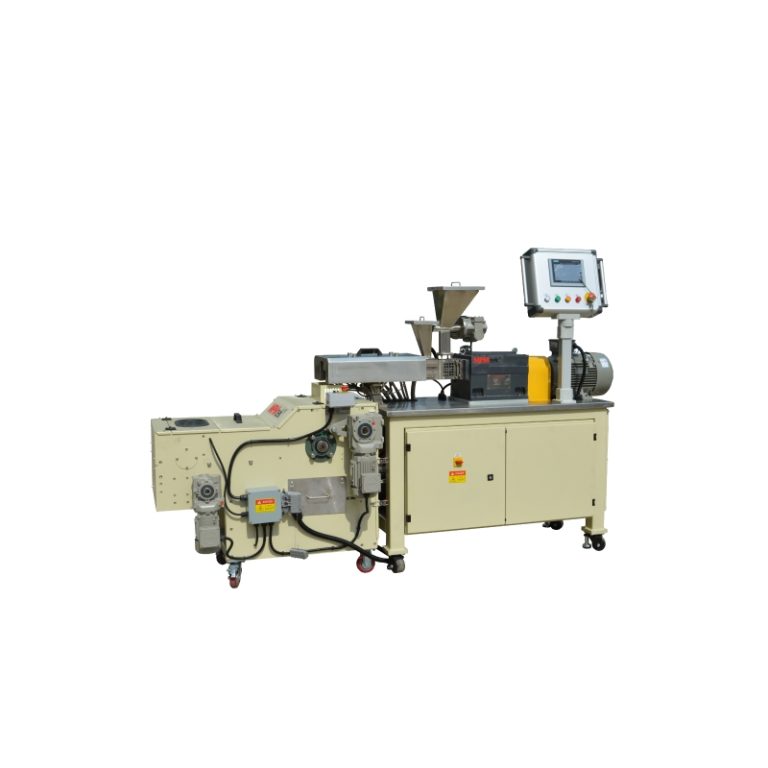
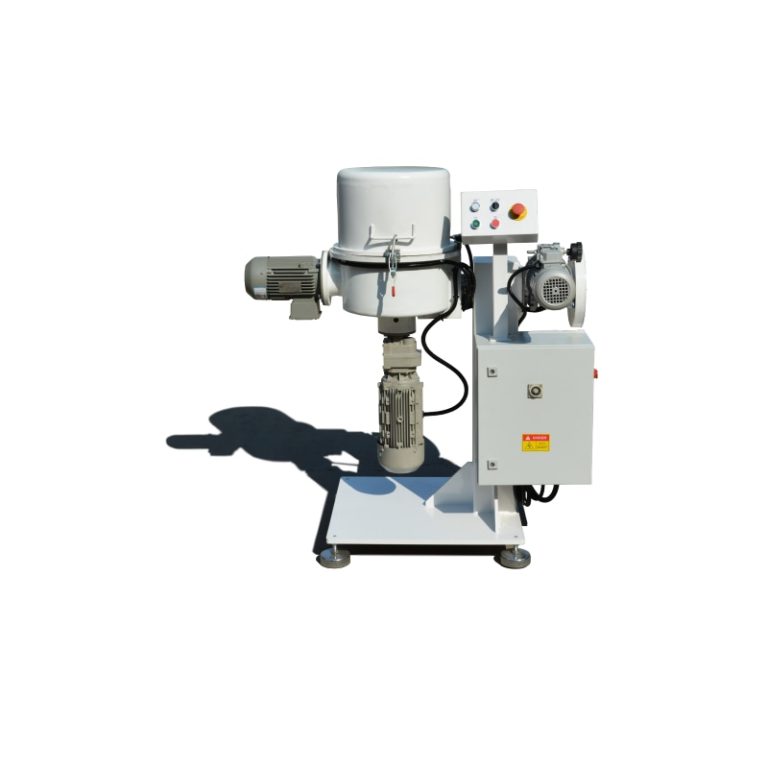
It is committed to the research and development of precise, intelligent, efficient, and human-friendly powder coating production equipment. The ACM Mill integrates seamlessly with other process modules such as mixers, extruders, cooling conveyors, and bonding machines within a complete system layout aimed at high efficiency manufacturing environments.
Compatibility with automated powder coating line setups ensures flexibility whether producing small lab batches or scaling up full industrial runs at capacities ranging from 100 kg/h up to 1500 kg/h depending on model configuration listed on their site (100-200KG/H 1000KG/H).
Take the Next Step Toward Efficient Powder Grinding
Contact MPMtek directly. Request tailored consultation for integrating advanced milling technology into existing powder coating production lines today.
FAQs
Q1: What causes excessive fines in a powder coating grinder?
Common causes include incorrect rotor speed settings, worn grinding parts, poor air classification design, or inconsistent feed rates during milling operations.
Q2: How do fines affect spray gun performance?
Fines tend to clog nozzles and disrupt consistent atomization patterns during electrostatic spraying, leading to uneven coatings or reduced transfer efficiency.
Q3: Can adjusting classifier speed reduce fines?
Yes. Properly tuning classifier wheel speed helps maintain optimal cut points between coarse particles and fines, improving overall product uniformity.
Q4: What maintenance routine helps prevent over-grinding?
Regular inspection of grinding pins, liners, classifier wheels, plus cleaning sieves prevents buildup that could alter airflow dynamics inside the mill chamber.
Q5: How does temperature control influence fine generation?
Stable low-temperature milling avoids resin softening or melting inside the grinder—conditions that often lead to agglomeration and excess fine formation.