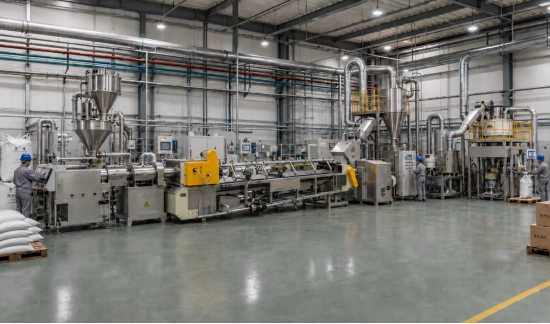
Peralihan dari cat cair ke pelapis bubuk mengubah pabrik lebih dari yang diperkirakan banyak tim proyek. Bangunannya mungkin tetap sama. Namun, logika produksinya berubah.
Cat cair dicampur dalam bentuk cairan. Pelapisan bubuk dimulai dengan padatan kering, kemudian melalui proses pemanasan, pendinginan, dan penggilingan terkontrol. Lini produksi yang tampak memadai dalam penawaran harga masih dapat mengalami masalah dengan ukuran partikel atau waktu pergantian. Pertanyaan praktisnya adalah bagaimana setiap mesin sesuai dengan keseluruhan proses.
Apa saja perubahan yang terjadi ketika Anda beralih dari cat cair ke pelapis bubuk?
Perbedaannya bersifat praktis. Jalur produksi cairan mengatur viskositas dan dispersi. Jalur produksi bubuk menciptakan lelehan, kemudian mengubahnya menjadi bubuk dengan distribusi ukuran partikel yang terkontrol.
Cat Cair Menggunakan Penanganan Berbasis Pelarut atau Berbasis Air
Pabrik cat cair biasanya berpusat pada tangki penyimpanan, pendispersi, pencampur, dan peralatan pengisian. Pompa dan pipa memindahkan produk antar tahapan. Produk pelarut juga memerlukan ventilasi dan pengendalian kebakaran.
Keakraban tersebut dapat menyebabkan asumsi yang salah selama konversi: blender kering yang lebih besar akan menggantikan sistem lama. Itu tidak benar.
Pelapisan Serbuk Membutuhkan Proses Termal dan Mekanis
Bahan-bahan pelapis bubuk ditimbang dan dicampur kering. Campuran tersebut masuk ke dalam ekstruder di mana resin dan aditif meleleh dan menyebar di bawah panas yang terkontrol. Material panas keluar sebagai pita atau lembaran, kemudian konveyor pendingin membawanya ke suhu penggilingan.
yang extruder lapisan bubuk Ini lebih dari sekadar sekrup pemanas. Konfigurasi sekrup, zona suhu, dan kapasitas produksi memengaruhi waktu pembentukan gel, kilap, dan performa lapisan film. Pergeseran suhu mungkin tidak terlihat sampai pelanggan menyemprotkan seluruh batch.
Aset mana yang masih bisa dimanfaatkan?
Pabrik yang sudah ada dapat memberikan aset yang bermanfaat. Struktur bangunan, gudang, laboratorium, dan beberapa infrastruktur pengemasan dapat tetap beroperasi. Kapasitas listrik dan air pendingin perlu ditinjau ulang.
Tangki penyimpanan cairan jarang menggantikan peralatan untuk bubuk. Ruang pelarut lama mungkin bukan lokasi yang tepat untuk penggilingan atau pengemasan. Ekstraksi debu, pelepas tekanan, dan akses perawatan harus ada di tata letak baru. Kunjungan lapangan sering kali mengungkap kendala yang tersembunyi dalam denah lantai.
Mulailah dengan Audit Pabrik dan Produk
Pemilihan peralatan harus dimulai dengan produk dan jadwal kerja. Catat target output dalam kondisi operasi nyata, bukan hanya angka pada label. Satu formula poliester standar memiliki prioritas yang berbeda dari batch metalik dan bertekstur yang sering diproduksi.
Konfirmasikan sistem resin, lapisan akhir, ukuran partikel, ukuran batch, dan frekuensi pergantian. Ukur tinggi bersih dan luas lantai. Periksa daya listrik, udara tekan, air pendingin, dan pengendalian debu.
MPMtek menawarkan berbagai pilihan lini pelapisan bubuk mulai dari 100–200 kg/jam hingga 1000 kg/jam. Kapasitas produksi aktual bergantung pada formulasi dan jam operasional.
Peralatan Penting dalam Lini Produksi Pelapisan Serbuk
Setiap tahapan memiliki tugas yang jelas. Satu tahapan yang lemah dapat membatasi kinerja setiap mesin di hilir.
1. Pemberian Bahan Baku dan Premixer
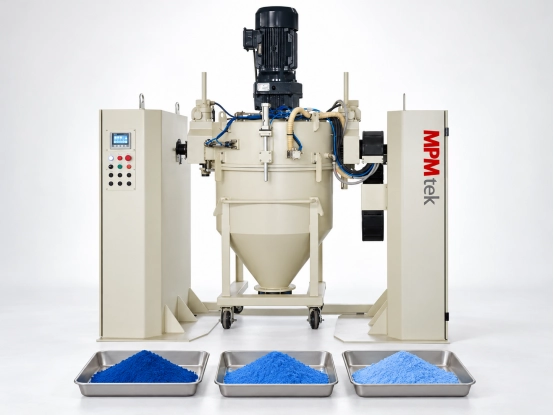
Bahan baku membutuhkan pemasukan yang akurat. Resin, pigmen, pengisi, dan aditif harus masuk ke dalam campuran dengan rasio yang dapat diulang. Sistem yang andal sangat penting. pencampur lapisan bubuk mendistribusikan bahan-bahan sebelum ekstrusi.
Pencampuran awal memengaruhi konsistensi warna dan kinerja dispersi di dalam ekstruder. Pabrik yang memproduksi banyak warna akan lebih menghargai akses dan prosedur peralihan yang praktis daripada volume pencampuran.
2. Ekstruder Pelapis Serbuk
Ekstruder melelehkan dan mendispersikan premix. Kontrol suhu harus stabil di seluruh laras. Desain sekrup harus sesuai dengan formulasi.
Pemanasan berlebih dapat disebabkan oleh pemberian bahan baku yang berlebihan, pendinginan yang buruk, atau suhu proses yang terlalu tinggi. Akibatnya dapat terjadi pengeringan dini atau serpihan yang tidak stabil. Operator membutuhkan kontrol yang mudah digunakan dan titik peringatan yang jelas.
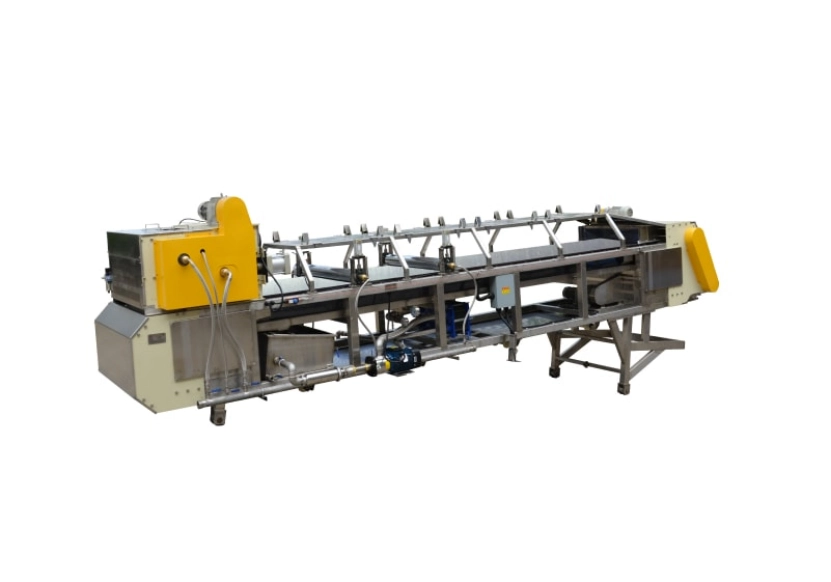
3. Konveyor Pendingin dan Sistem Pembuatan Serpihan
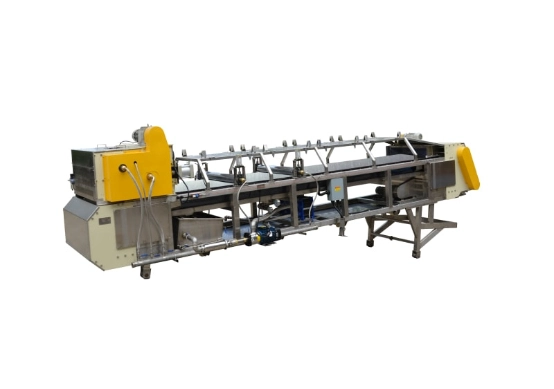
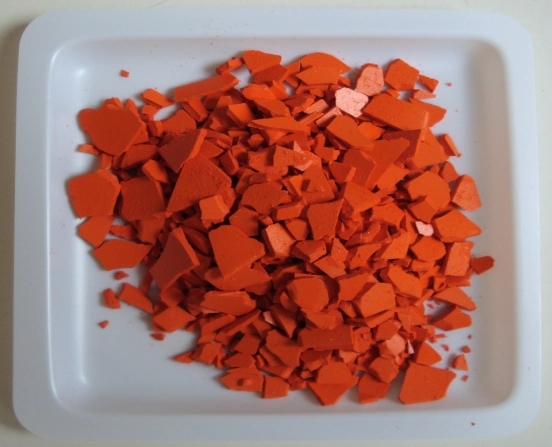
Material yang baru diekstrusi masih lunak dan panas. Konveyor pendingin menghilangkan panas dan membentuk serpihan yang mudah diolah. Kecepatan pendinginan dan ketebalan serpihan memengaruhi pengumpanan ke mesin penggiling.
Jika serpihan tetap hangat, serpihan tersebut dapat menempel di penggiling. Jika bentuknya tidak beraturan, pengumpanan menjadi tidak teratur. Selama pengoperasian awal, perhatikan apakah pita yang keluar dari konveyor konsisten.
4. Sistem Penggilingan dan Klasifikasi ACM
Penggiling mengubah serpihan menjadi bubuk yang dapat digunakan. Sebuah Mesin penggiling bubuk ACM Menggabungkan penggilingan tumbukan dengan klasifikasi udara untuk mengontrol rentang ukuran partikel hasil akhir.
Ukuran partikel memengaruhi efisiensi transfer, tampilan, dan perilaku daur ulang. Bubuk halus dan bertekstur mungkin memerlukan pengaturan yang berbeda. Suhu yang berlebihan dapat merusak material atau mengubah alirannya.
5. Penyaringan, Pengumpulan Siklon, dan Pemulihan Bubuk
Setelah penggilingan, jalur tersebut memisahkan bubuk yang sesuai dari partikel berukuran besar. Penyaringan dan pengumpulan siklon mendukung kualitas, sementara pemulihan mengurangi limbah. Jalur pengumpulan yang bersih lebih mudah dipelihara daripada selang improvisasi.
6. Mesin Perekat untuk Bubuk Logam dan Bubuk Efek Khusus
Produk metalik dan efek khusus seringkali membutuhkan pengikatan. Mesin pengikat menempelkan pigmen efek ke bubuk dasar untuk penyemprotan yang lebih konsisten. Hal ini masuk akal ketika spesifikasi pelanggan mensyaratkan bubuk yang telah diikat.
7. Otomasi, Pengemasan, dan Peralatan Pembantu
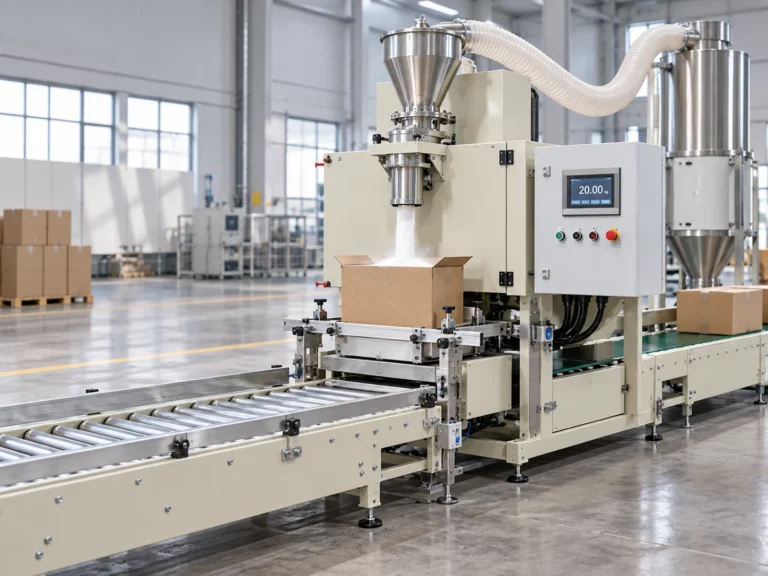
Otomatisasi menghubungkan penimbangan, pengangkutan, kontrol, pengumpulan debu, dan pengemasan. Tingkat yang tepat bergantung pada biaya tenaga kerja, frekuensi batch, dan rencana pertumbuhan. Peralatan bantu penting ketika operator memperbaiki masalah pakan.
Untuk pengaturan yang terkoordinasi, tinjau panduan MPMtek. jalur pelapisan bubuk otomatis pilihan di samping masing-masing mesin.
Pilih Kapasitas yang Tepat untuk Pabrik Anda
Kapasitas harus mengikuti rencana penjualan dan campuran formulasi. Laboratorium atau lini percontohan mendukung pengembangan produk dan sampel. Lini industri yang lebih kecil cocok untuk banyak batch pendek. Lini kontinu yang lebih besar sesuai untuk permintaan yang stabil dan pergantian yang terbatas.
Jangan hanya mempertimbangkan kapasitas produksi puncak. Sertakan biaya pembersihan, penyiapan, penggantian ayakan, dan perawatan. Lini produksi 600 kg/jam mungkin menghasilkan lebih sedikit selama pergantian warna.
Tata Letak Pabrik, Fasilitas, dan Persyaratan Keselamatan
Pisahkan aliran material ke dalam zona pengumpanan bahan baku, ekstrusi, pendinginan, penggilingan, pengumpulan, dan pengemasan. Sisakan ruang untuk inspeksi dan pengambilan komponen. Akses perawatan melindungi kapasitas produksi.
Tinjau beban listrik dan kebutuhan pendinginan secara bersamaan. Sistem penghisap debu harus mencakup titik pengisian, penggilingan, dan pengemasan. Perlindungan terhadap ledakan dan pelepasan tekanan harus mengikuti peraturan setempat dan dokumentasi peralatan. MPMtek mengembangkan peralatan yang berfokus pada keselamatan, otomatisasi, efisiensi, dan kinerja lingkungan, dengan persyaratan terkait ISO9001, CE, dan ATEX yang ditangani di seluruh produk yang relevan.
Cara Memilih Pemasok Peralatan Pelapisan Serbuk
Pemasok harus membahas keseluruhan proses, bukan hanya mesin-mesin yang terpisah. Tanyakan bagaimana mixer memberi makan ekstruder dan bagaimana pendinginan melindungi mesin penggiling. Mintalah tata letak yang menunjukkan akses, pengumpulan debu, dan perluasan.
MPMtek menyediakan mixer, ekstruder, konveyor pendingin, penggiling, mesin pengikat, peralatan laboratorium, dan lini otomatis. Luasnya cakupan tersebut sangat penting ketika proyek konversi membutuhkan satu pemilik proses. Pemasok harus meninjau formula, target kapasitas, dan kendala pabrik sebelum merekomendasikan konfigurasi.
Pertanyaan yang Sering Diajukan (FAQ): Peralatan Konversi Cat Cair ke Pelapis Bubuk
Bisakah pabrik cat cair diubah menjadi pabrik pelapis bubuk?
Ya. Bangunan dan fasilitas tertentu dapat digunakan kembali, tetapi zona proses, pengendalian debu, dan peralatan inti harus didesain ulang untuk pencampuran kering, ekstrusi, pendinginan, dan penggilingan.
Mesin apa yang paling penting dalam produksi pelapisan bubuk?
Tidak ada satu mesin pun yang menentukan hasilnya. Pencampuran awal, ekstrusi, pendinginan, dan penggilingan harus bekerja sebagai sistem yang selaras. Ekstruder yang kuat tidak dapat memperbaiki masalah pengumpanan yang buruk.
Bagaimana cara memilih kapasitas lini produksi pelapisan bubuk yang tepat?
Ambil keputusan berdasarkan pesanan aktual, jumlah formulasi, pola kerja shift, waktu peralihan, dan rencana ekspansi. Bagikan detail ini sebelum membandingkan harga.
Kesimpulan
Konversi ke pelapis bubuk merupakan proyek rekayasa proses. Bagikan target kapasitas, rentang produk, dan tata letak pabrik Anda kepada kami. Tim teknik MPMtek untuk konfigurasi yang dibangun sesuai dengan pabrik Anda.