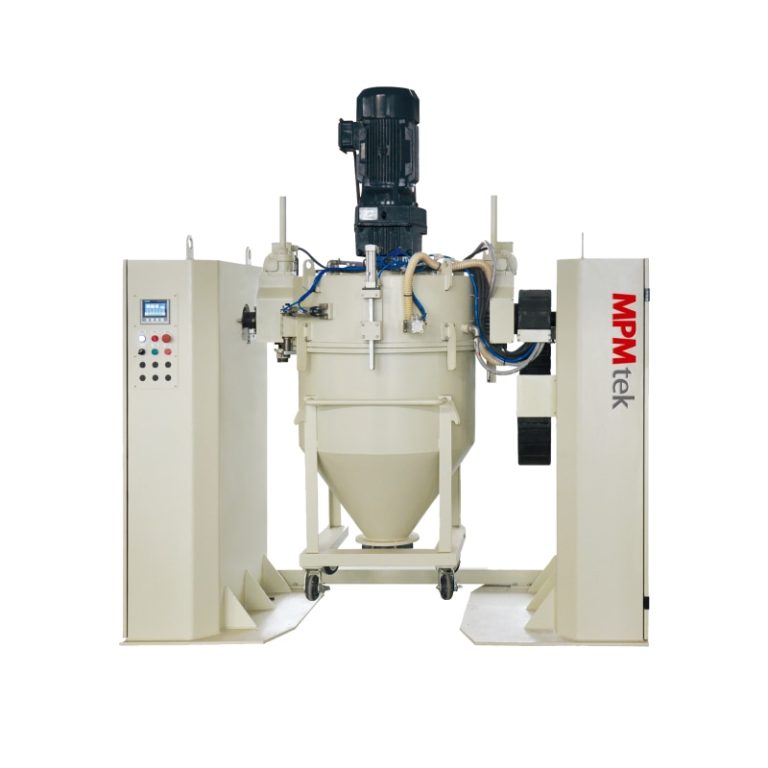
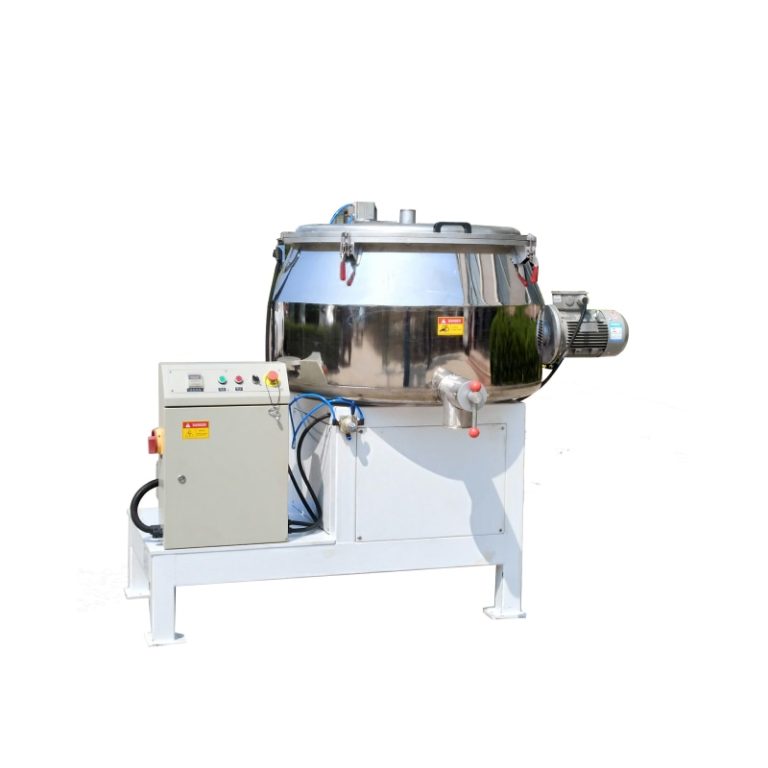
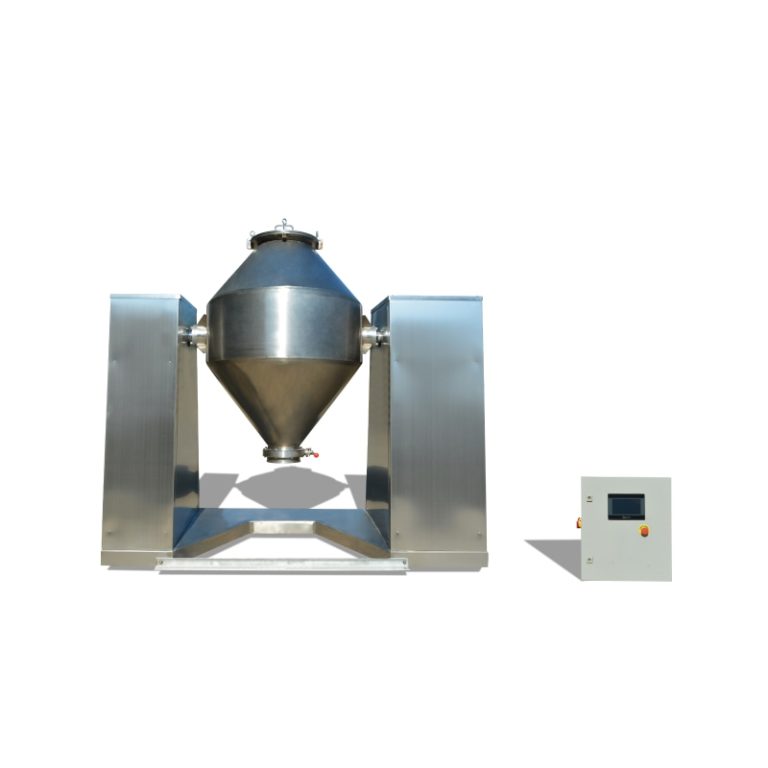
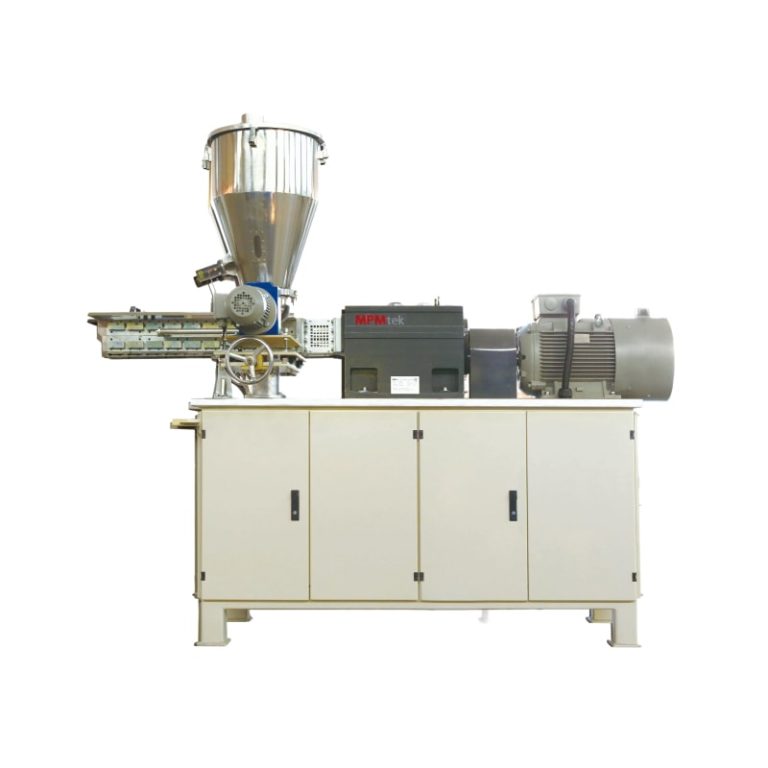
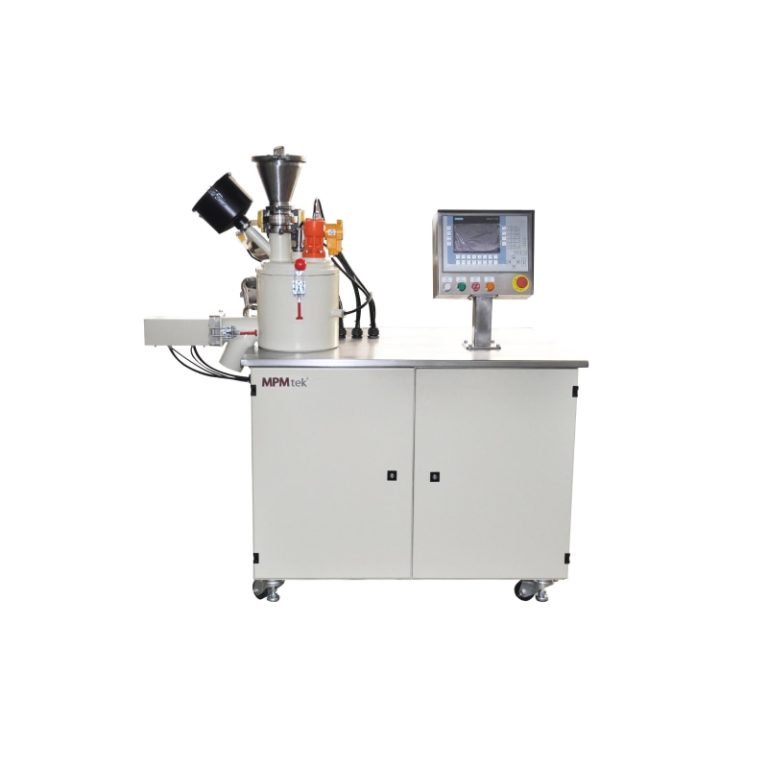
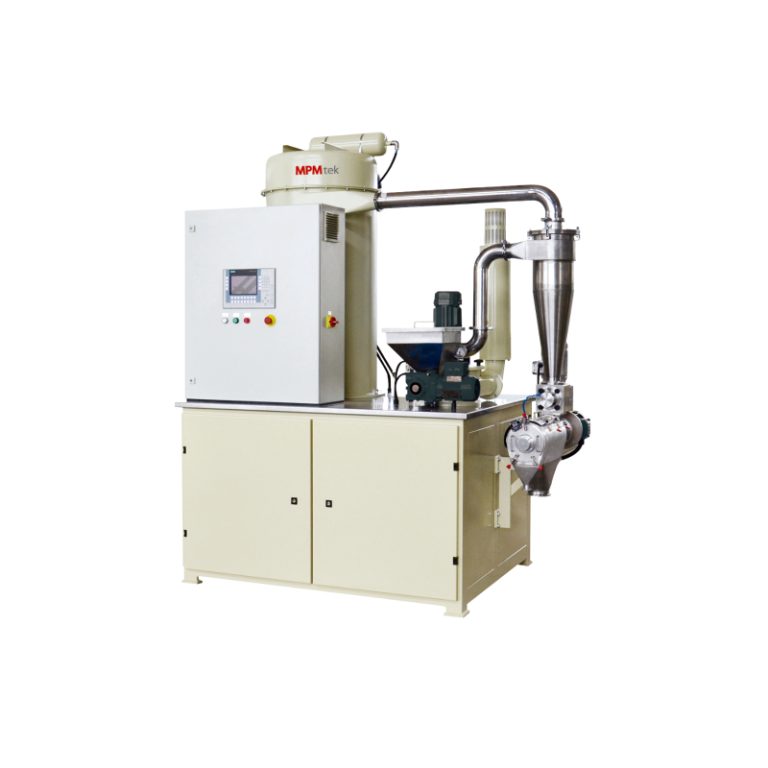
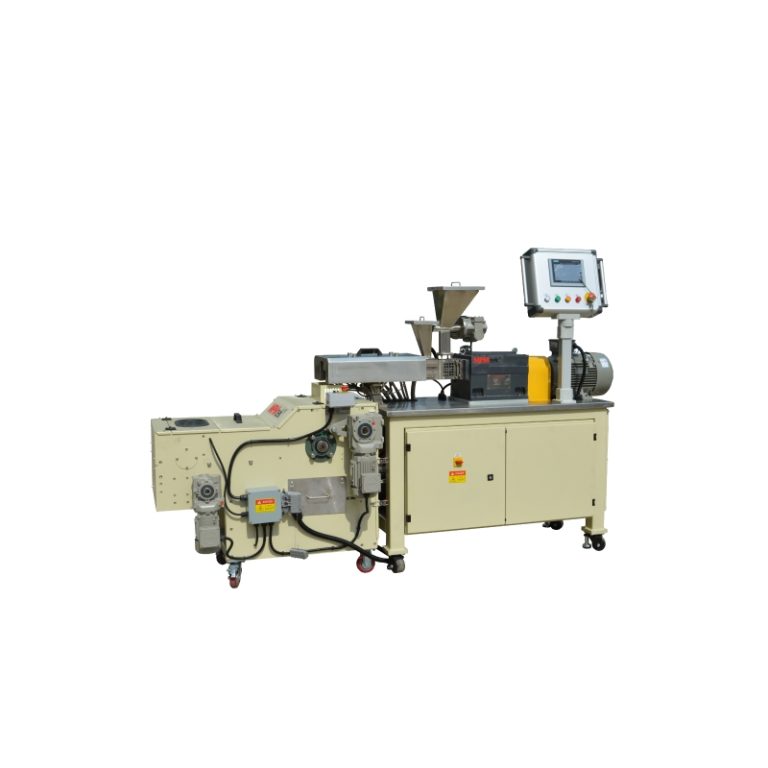
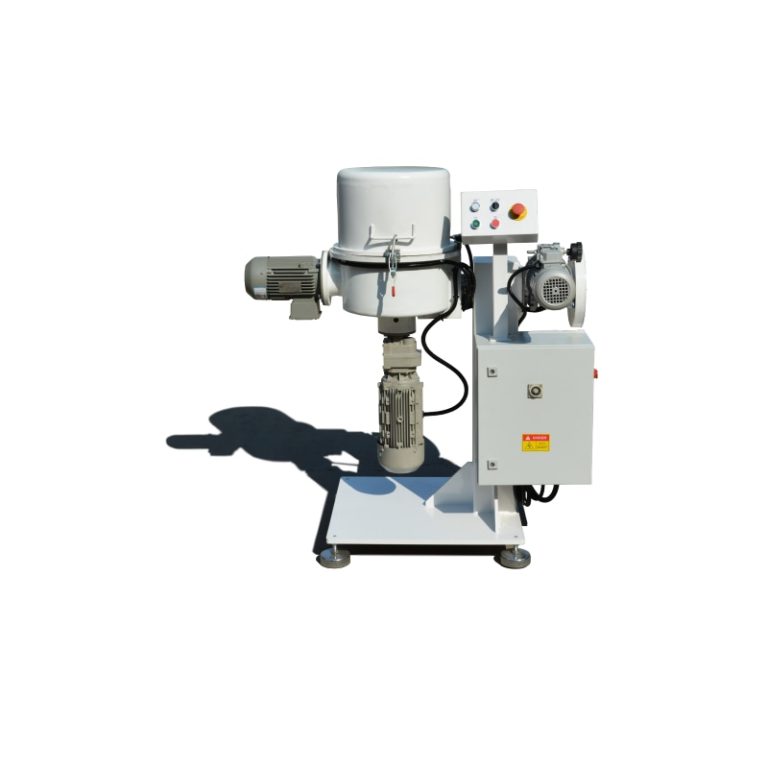
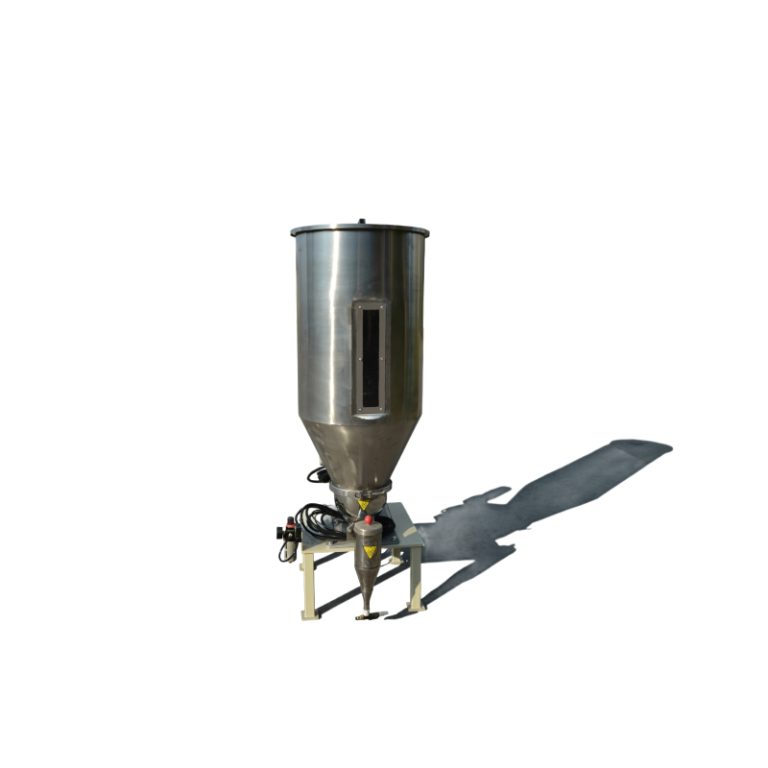
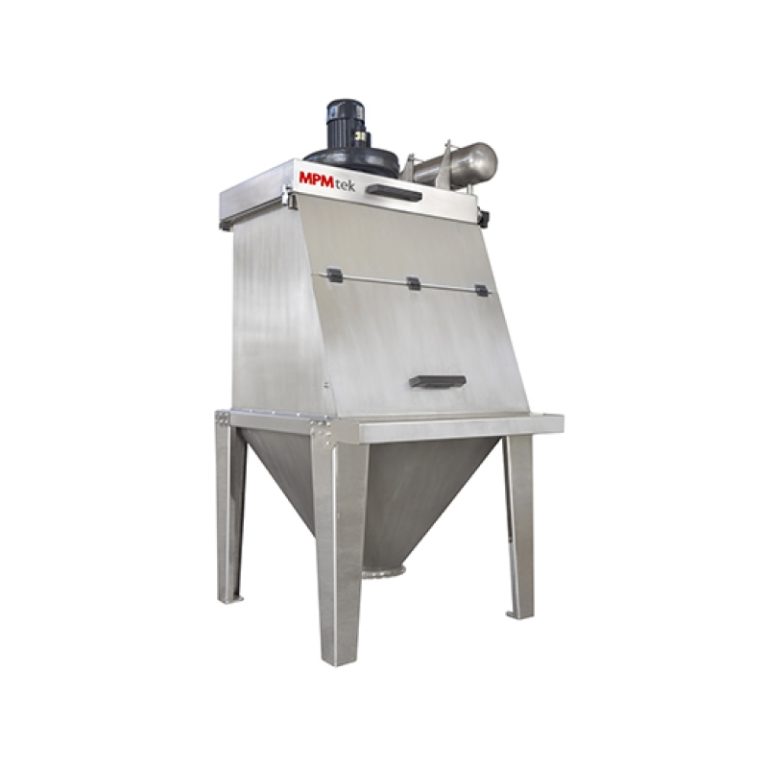
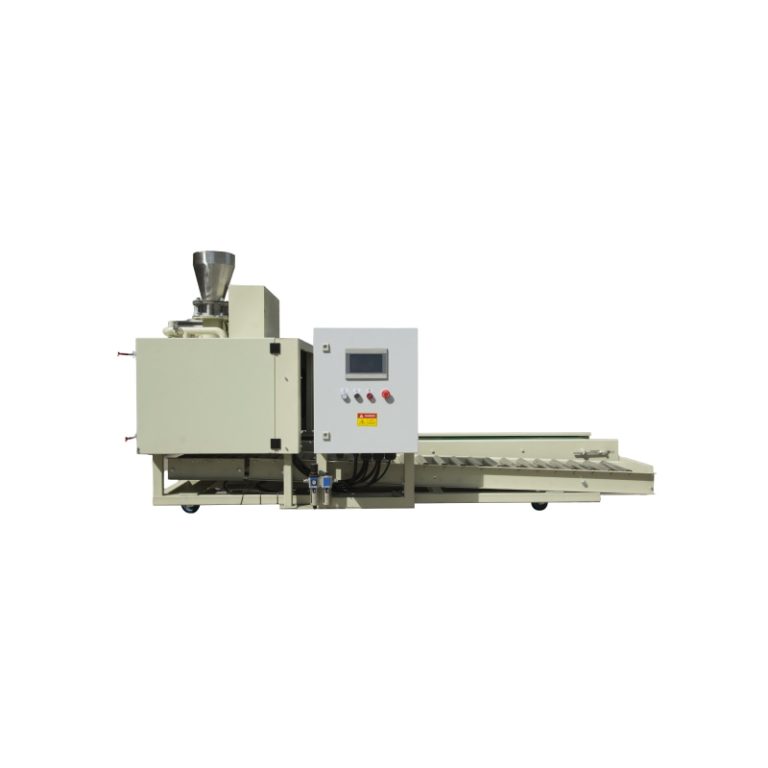
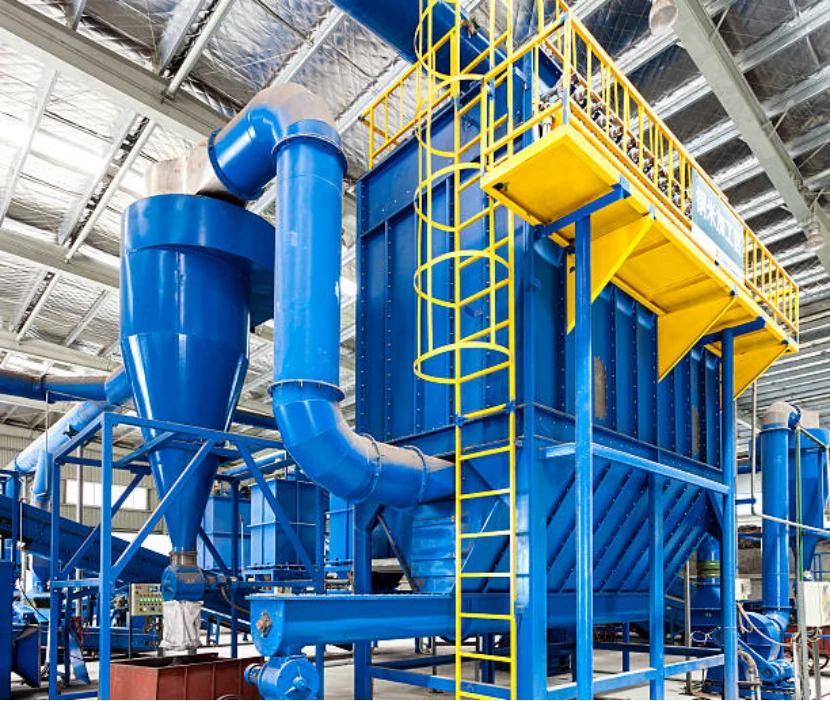
Sebuah powder coating grinding mill machine operates under continuous stress, and its efficiency depends heavily on the condition of its spare parts. The essential components—rollers, blades, belts, bearings, and electrical units—must function in harmony to maintain consistent powder quality and prevent costly downtime. Regular inspection and timely replacement of these parts are key to sustaining high performance in any air classifying mill used for powder milling.
Essential Spare Parts for a Powder Coating Grinding Mill
The core mechanical parts of a powder coating grinding mill determine its stability and output quality. Each component contributes to the precise control of particle size and temperature during the milling process.
Grinding Rollers and Rings
Grinding rollers and rings form the heart of the grinding chamber. They are responsible for crushing material through impact and friction, directly influencing fineness and uniformity. Over time, constant abrasion leads to surface wear that reduces grinding efficiency. Regular replacement ensures stable output and prevents uneven pressure distribution that can damage other internal parts.
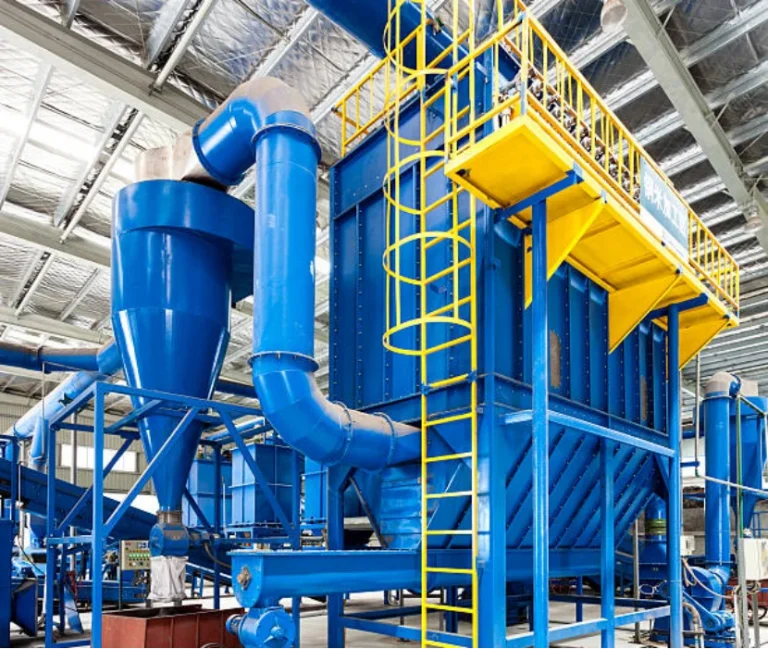
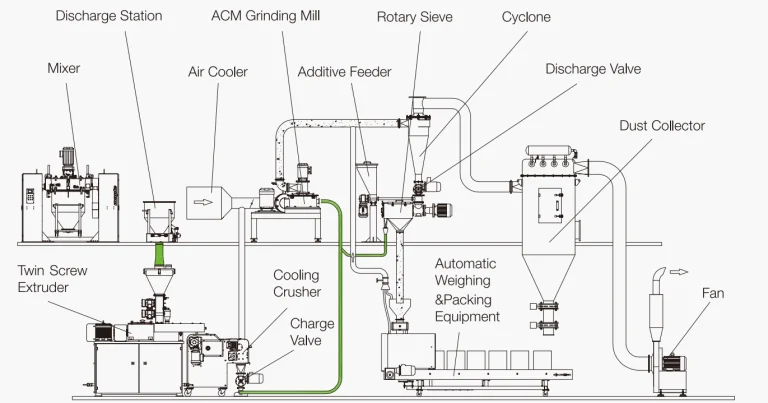
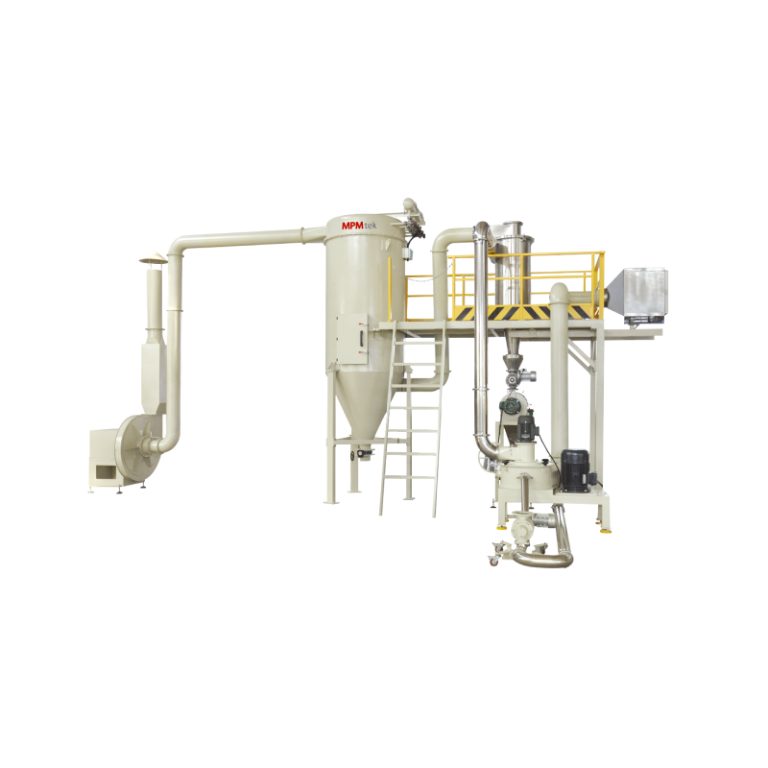
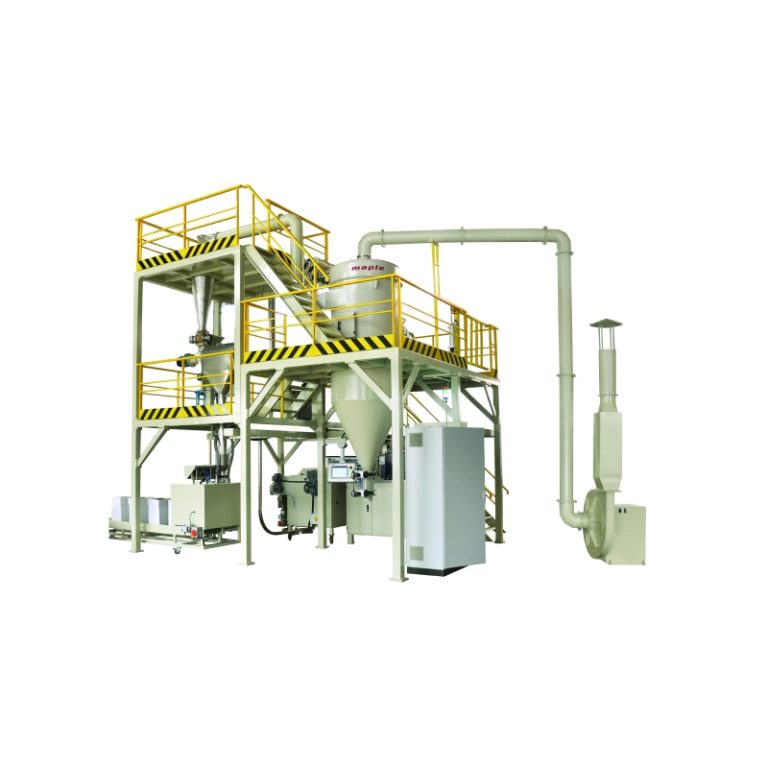
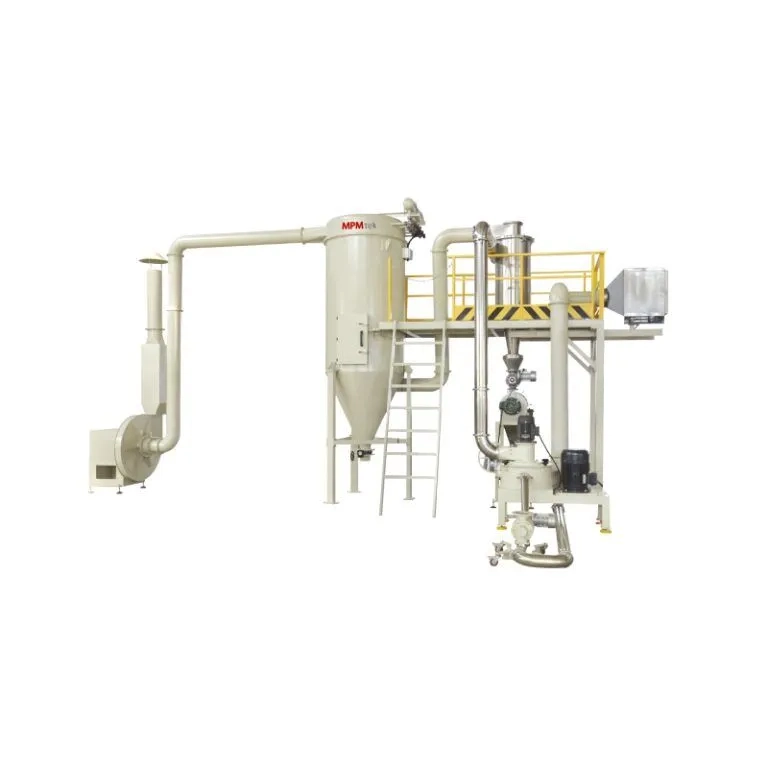
Sistem Penggilingan Mikro ACM is composed of high speed air classifying mill, cyclone, rotating sieve (centrifugal sifter)/vibrate sieve, super fine powder collector and fan. This design emphasizes how critical it is that rollers and rings maintain their geometry; even slight wear can disrupt air flow balance within the system.
Blades and Liners
Blades handle high speed material impact, while liners protect the inner wall from erosion. Both are vital for maintaining consistent grinding conditions. When blades become dull or liners thin out, operators may notice increased vibration or irregular particle distribution—clear signs that replacement is due.
MPMtek’s ACM systems are designed with less rising up of temperature in mill, low temperature of powder, which helps extend blade life by reducing thermal stress. However, even under ideal conditions, periodic checks are necessary to prevent contamination from worn metal fragments entering the final product.
Belt and Belt Tensioners
Belts transfer power from the motor to the grinding mechanism. If they lose tension or develop cracks, rotational speed fluctuates, affecting throughput consistency. Belt tensioners play a crucial role in maintaining proper alignment.
To extend lifespan:
- Keep belts clean from dust accumulation.
- Check tension monthly.
- Replace immediately if slippage occurs under load.
The ACM micro-grinding system’s low maintenance design makes belt inspection straightforward—an advantage when uptime matters most.
Classifier Wheels
Classifier wheels define particle size distribution by separating fine particles from coarse ones using centrifugal force. Their precision determines final powder quality. As wear progresses on wheel edges or vanes, classification accuracy declines.
A perfect particle size distribution of powder coating can be obtained by regulating the running parameters of Sistem ACM. This means even minor imbalance in classifier wheels can alter product uniformity. Routine balancing checks help sustain optimal performance.
Additional Components for Optimal Operation
Supporting components like bearings and seals often receive less attention but are just as crucial for smooth operation.
Bantalan
Bearings support rotational motion throughout the grinding mill machine. When lubrication degrades or contamination enters, bearings generate heat and noise—early warnings of failure. Vibration analysis is an effective method to detect issues before catastrophic breakdowns occur.
For operators using MPMtek equipment, reliability is enhanced because Safety, automation, efficiency and environmental protection are the tenets of MPMtek’s product development. This philosophy extends to their bearing housings designed for easy maintenance access.
Seals and Gaskets
Seals prevent leakage of fine powders while gaskets ensure airtight connections between sections such as cyclones or collectors. Damaged seals lead to dust escape or contamination inside electrical enclosures—both safety hazards.
Regular inspection should include:
- Checking for cracks or hardening.
- Replacing after every scheduled shutdown cycle.
- Ensuring compatibility with temperature range of operation.
Maintaining integrity here supports both cleanliness and energy efficiency across the system.
Electrical Components Critical to Functionality
Electrical reliability underpins every automatic control function within modern mills.
Key Electrical Parts to Monitor
Essential electrical components include PLCs (Programmable Logic Controllers), sensors monitoring airflow or temperature, motor drives, and circuit protection devices. SIEMENS PLC and HMI are used for control with friendly interface, easy to operate—a hallmark of MPMtek systems that simplifies troubleshooting when anomalies arise.
Common issues involve loose wiring connections causing intermittent faults or sensor drift leading to inaccurate readings. Keeping terminals tight and recalibrating sensors quarterly helps avoid production interruptions.
Importance of Using Genuine Spare Parts
Quality spare parts ensure compatibility with original design tolerances—a factor often overlooked until problems occur.
Benefits of Genuine Parts Over Generic Alternatives
Genuine components preserve mechanical balance and airflow dynamics established during factory calibration. MPMtek’s products have successfully passed ISO9001, CE, Atex and other certifications, ensuring each part meets strict safety standards required for industrial environments dealing with fine powders.
While generic alternatives may appear cost saving initially, they often lead to premature wear or reduced energy efficiency. Investing in authentic parts maintains machine longevity and consistent output quality—ultimately more cost effective over time.
Contact MPMtek Today
MPMtek was founded in 2006 as a high end customized series under Yuanli MPM Machinery (Yantai) Co., Ltd., focusing on precise powder coating production equipment used globally across various industries. Their experience demonstrates why genuine engineering matters when operating complex systems like an air classifying mill designed for precision powder milling applications.
Contact MPMtek today to get a quote and learn how our top-tier spare parts can improve your production process and reduce downtime. Let us be your trusted partner in maintaining peak performance.
Pertanyaan FAQ
Q: How often should grinding rollers be replaced?
Typically after 1–2 years depending on material hardness and usage frequency.
Q: What causes classifier wheel imbalance?
Accumulated dust deposits or uneven wear on vanes can create imbalance during rotation.
Q: Are generic seals safe for use?
Not always; improper sealing materials may fail under heat or chemical exposure common in powder coating mills.
Q: How can I detect bearing failure early?
Listen for unusual noise or monitor vibration amplitude increases beyond normal operating levels.