A 150 La linea di produzione di rivestimenti a polvere kg/h pone spesso la domanda: è sufficiente per un nuovo produttore? Per molte startup, la risposta è sì. Trova un buon equilibrio tra costi ragionevoli e prestazioni solide. Questo livello di output consente alle aziende di sperimentare ricette, gestire ordini modesti e creare forti controlli di qualità prima di crescere.
Cosa fa una linea di produzione di rivestimento a polvere
Una linea di produzione di rivestimenti a polvere trasforma resine di base, colori e extra in polveri pronte all'uso. Queste polveri proteggono e abbelliscono superfici in campi come automobili, elettrodomestici, edifici e lavorazioni metalliche quotidiane.
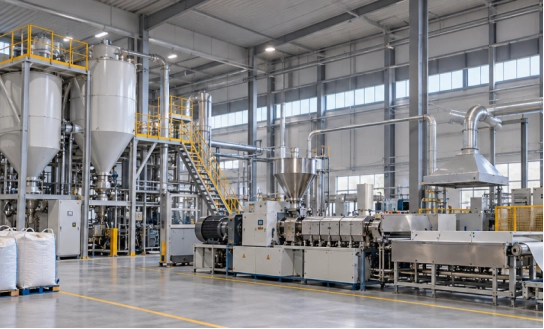
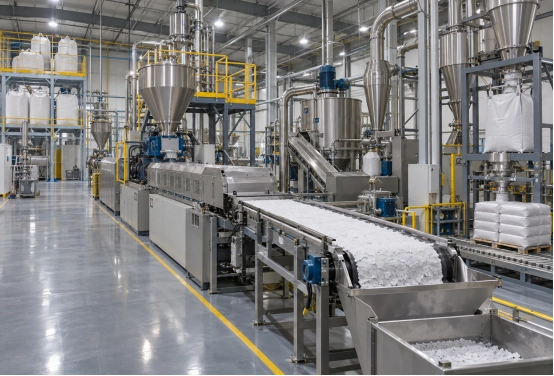
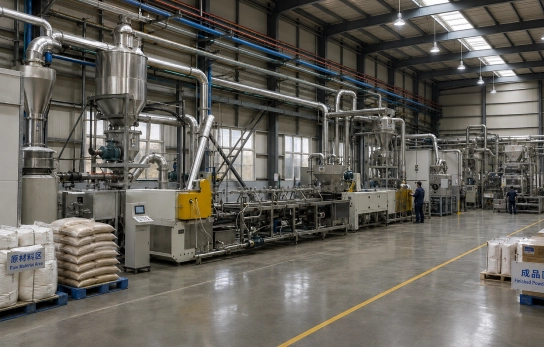
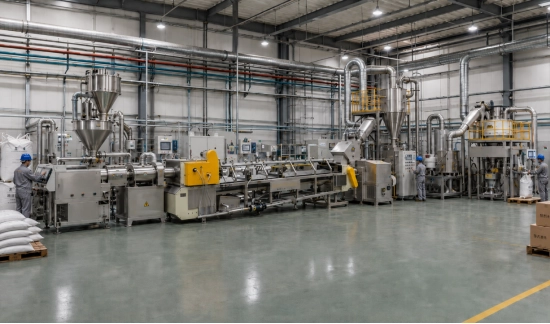
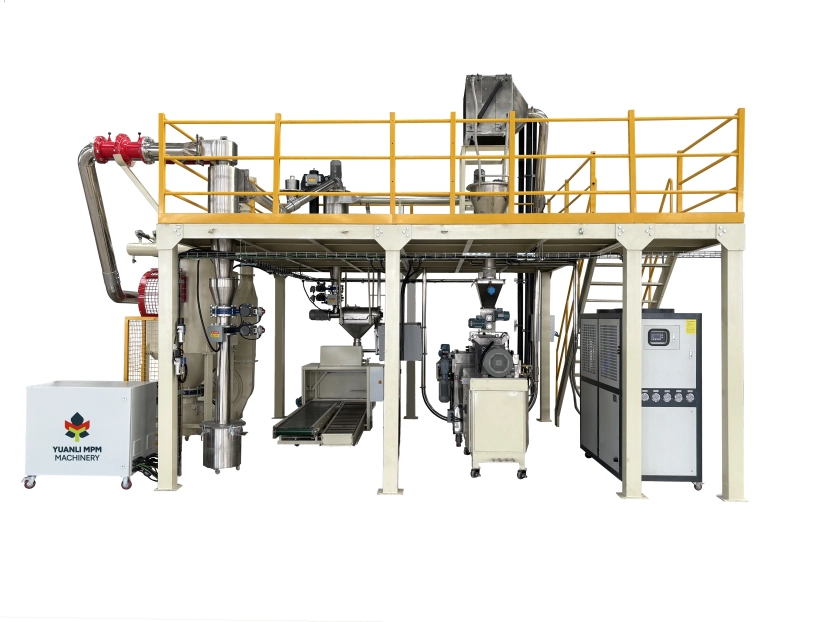
I passaggi comprendono miscelazione, fusione, raffreddamento, fresatura e selezione. Creano polveri uniformi e minuscole adatte alla spruzzatura elettrica. Le parti chiave presentano un miscelatore di contenitori, estrusore a doppia vite, trasportatore a nastro di raffreddamento ad aria con trituratore, mulino ACM (macinatore) e classificatore.
Significato di 150 kg/h Capacità
Una linea “150 kg/h” consegna circa 150 chilogrammi di rivestimento in polvere finale ogni ora. In pratica, la quantità reale varia a seconda dei dettagli della ricetta e dei tratti materiali. Prendiamo questi esempi:
| Fattore | Influenza sulla produzione |
| Tipo di resina | Epossi vs. poliestere influenza il flusso di fusione |
| Rapporto additivo | Un alto contenuto di riempimento può ridurre il flusso |
| Abilità dell'operatore | Impatto sulla coerenza di alimentazione ed estrusione |
| Efficienza di raffreddamento | Determina quanto velocemente si solidifichi l'estrudato |
A questa dimensione, gli articoli comuni includono rivestimenti per piccoli pezzi di metallo o lotti di prova in laboratori di ricerca. Molti produttori iniziano con questi come impostazioni di prova prima di passare a 300-500 kg/h.
Valutazione dei 150 kg/h Linea per i nuovi partecipanti
Per le aziende che entrano nel campo o provano miscele fresche, i sistemi compatti offrono vantaggi chiari.
Perché i principianti scelgono linee di capacità più piccole
A 150 Il sistema kg/h offre questi vantaggi:
- Meno spesa iniziale rispetto alle linee medie o grandi
- Controlli semplici per piccoli team
- Setup più veloce grazie alle sue esigenze di spazio ridotto
- Tasche di manutenzione più semplici
Questi punti si adattano bene alle startup o ai negozi di lavoro. Essi aiutano a dimostrare le idee senza legare troppi soldi. Le scuole o i punti di ricerca spesso li scelgono anche per i test di ricetta.
Limiti da considerare prima di investire
Tuttavia, pensate a questi svantaggi:
- Limita la crescita se gli ordini aumentano rapidamente
- Potresti aggiungere linee extra o tweaks lungo la strada
- Esegue un po 'meno efficiente sulla potenza di grandi impostazioni sintonizzate
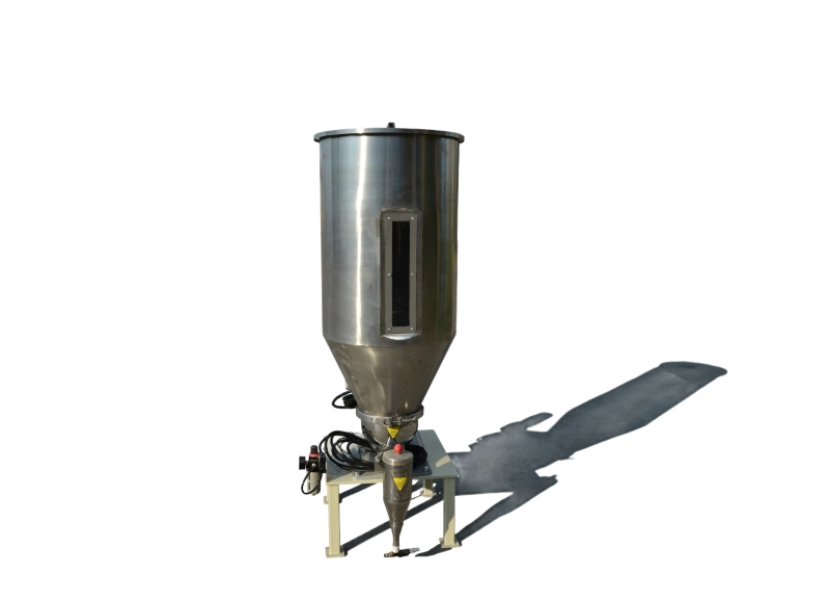
Consumo di energia legami a ingranaggi laterali come alimentatori o cinture. Il tvincere alimentatore a vite gestisce input additivo. Si trova su un telaio con ruote per semplici pulizie e riparazioni. Gli add-on intelligenti riducono gli sprechi e aumentano l'uniformità.
Componenti chiave in un 150 kg/h Linea di produzione di rivestimento in polvere
Ogni parte della linea determina quanto il prodotto risulti uniforme e quanto si ottiene.
Sistema di miscelazione ed estrusione
La miscelazione diffonde i colori uniformemente prima dello scioglimento. Si miscela perfettamente e completamente. Diversi contenitori ti consentono di lavorare, pulire e cambiare le tonalità facilmente. Una buona miscelazione riduce le differenze di tonalità nelle fasi successive.
L'estrusore a doppia vite riscalda le miscele di resina. Diffonde i colori bene in aree di calore impostate. Il barile ha una forte configurazione di riscaldamento / raffreddamento. Il calore in varie zone rimane esatto entro ±2 °C. Questa precisione mantiene lo spessore costante durante la lavorazione. Ciò è importante anche per le dimensioni delle particelle in futuro.
Unità di raffreddamento, macinazione e classificazione
Dopo che i fogli caldi usciscono dal barile, hanno bisogno di un raffreddamento rapido. Il materiale morbido dal calore dell'estrusore si rotola in 1-2 lastre mm da rulli di raffreddamento. Si raffredda a temperatura ambiente sul trasportatore a catena in acciaio inossidabile con aria fresca. Il raffreddamento giusto ferma il raggruppamento o la durezza irregolare prima della fresatura.
In unità di fresatura come Mulini ACMle esplosioni d'aria fanno polveri fini. La materia prima si macina in minuscole polveri attraverso impatti rapidi. Ottieni una dimensione spot-on per il rivestimento a polvere regolando le impostazioni ACM. Quindi i classificatori estraggono i pezzi grandi da quelli più piccoli. Ciò garantisce anche spray durante l'uso.
Confrontando 150 kg/h Linee con sistemi di maggiore capacità
Quando la tua attività prende piedi, devi pesare come funzionano le diverse dimensioni.
Differenze in Output e Equipment Scale
Le impostazioni medie (300-500 kg/h) spingono fuori due o tre volte di più. Ma prendono più spazio e aspirano più elettricità. I lavoratori richiedono competenze più profonde a causa degli strati tecnologici aggiuntivi.
| Parametri | 150 kg/h Linea | 300–500 kg/h Linea |
| Output all'ora | ~150 kg | ~300–500 kg |
| Requisito di potenza | Basso-moderato | Alto |
| Spazio necessario | Compatto (<30) m²) | Più grande ( > 50) m²) |
| Operatori richiesti | 1-2 persone | 3-4 persone |
I sistemi più grandi aumentano il lavoro, ma all'inizio costano di più e richiedono impostazioni di potenza migliori.
Costo e ritorno sugli investimenti
Spese spesso cresce in modo ineguale. Raddoppiare l'output non’ t doppia il prezzo, grazie al risparmio in parti tecniche. Anche la manutenzione differisce: le linee piccole hanno meno pezzi, ma potrebbero spingere più forte quando sono occupate.
L'accesso ai ricambi conta. MPMtek si impegna a sviluppare attrezzature precise, intelligenti, efficienti e facili da usare per la produzione di rivestimenti a polvere. Offriamo parti standard in varie dimensioni per garantire una fornitura stabile.
Scegliere la linea di produzione di rivestimento a polvere giusta per la tua attività
Scegli l'attrezzatura che si adatta ai tuoi obiettivi, non solo le specifiche spettacolari come la scala.
Valutare gli obiettivi di produzione e la domanda del mercato
Calcola il tuo output necessario da ordini fissi o previsioni di vendite nel corso di un semestre. Se si occupano di piccole serie speciali o spesso cambiano colori, una linea compatta riduce i tempi di attesa tra i lavori. Per grandi ordini costanti, tuttavia, pianificare i componenti aggiuntivi in anticipo per evitare i blocchi in seguito.
Partenariato con produttori di attrezzature affidabili come MPMtek
Un fornitore’ s know-how modella le vostre vittorie in corso. MPMtek offre una manipolazione semplice, affidabile e piacevole per i migliori clienti in tutto il mondo. I nostri ingegneri personalizzano le configurazioni dalle dimensioni del laboratorio (100-200 kg/h) a livello di fabbrica (1000 kg/h).
La struttura del pre-miscelatore e dell'estrusore segue le norme dell'UE (direttiva elettrica a bassa tensione 2014/35/UE). Il supporto dopo l'acquisto comprende l'assistenza all'installazione, la formazione dei lavoratori e i controlli a distanza tramite pannelli PLC / HMI. Questo facilita l'avvio per i nuovi arrivati.
Consigli pratici per iniziare con un 150 kg/h Linea
Buone abitudini immediatamente mantenere il vostro output costante.
Ottimizzare l'efficienza produttiva fin dal primo giorno
Attenersi a standard di materie prime costanti. Gli spostamenti portano a difetti superficiali nei controlli di cura. Pulire spesso per evitare confusioni di colori, soprattutto con scambi rapidi di ricette. Controllare regolarmente gli alimentatori per un dosaggio preciso. Piccoli errori possono gettare via la lucentezza nei rivestimenti finali.
Pianificazione per espansioni o aggiornamenti futuri
Disponi del tuo spazio con spazio per più parti, come estrusori o mulini in più, per saltare grandi cambiamenti in seguito. Le costruzioni modulari semplificano la crescita: collegare un'altra linea corrispondente a una doppia produzione senza molto riqualificamento.
Quando superi i test e punti a corse di massa (300-400 kg/h), le competenze si trasferiscono facilmente. Le parti dai miscelatori per contenitori ai mulini ACM rimangono le stesse in MPMtek’ lineup, tutti sotto metodi di controllo condivisi. Un intelligente 150 La linea di produzione di rivestimento in polvere kg/h funge da campo di addestramento e base per lavori di fabbrica più grandi.
Domande frequenti
Q1: Cosa significa “150 kg/h” in una linea di rivestimento a polvere?
Indica che il sistema può produrre circa 150 chilogrammi di polvere finita all'ora in condizioni di lavoro normali.
Q2: È un 150 linea kg/h adatta per uso commerciale?
Sì, è ideale per piccole fabbriche o R & amp; D centri che producono esecuzioni limitate o testano nuove formulazioni prima di scalare.
Q3: Quali apparecchiature fanno parte di una tale linea?
In genere include un miscelatore di contenitori, estrusore a doppia vite, trasportatore a nastro raffreddante ad aria con trituratore, macinatrice ACM e unità classificatrice.
Q4: Come posso ampliare la capacità in seguito?
Scegli progetti modulari che consentano l'aggiunta di linee parallele o l'aggiornamento di singole macchine senza sostituire l'intera configurazione.
Q5: Perché scegliere MPMtek come fornitore?
Combiniamo competenze ingegneristiche con certificazioni internazionali come ISO9001 e CE, offrendo al contempo un forte supporto post-vendita in tutto il mondo attraverso la nostra struttura con sede a Yantai