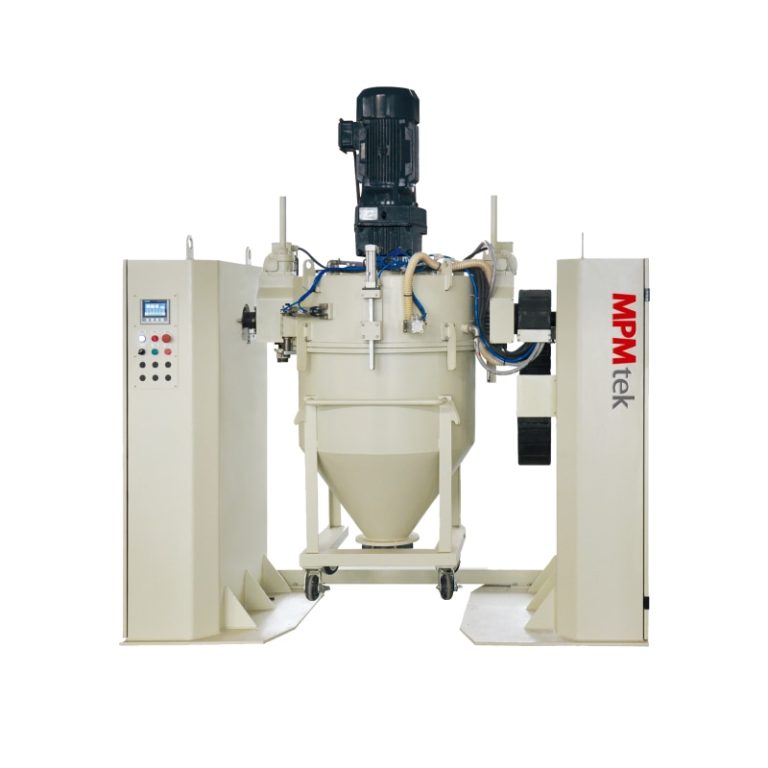
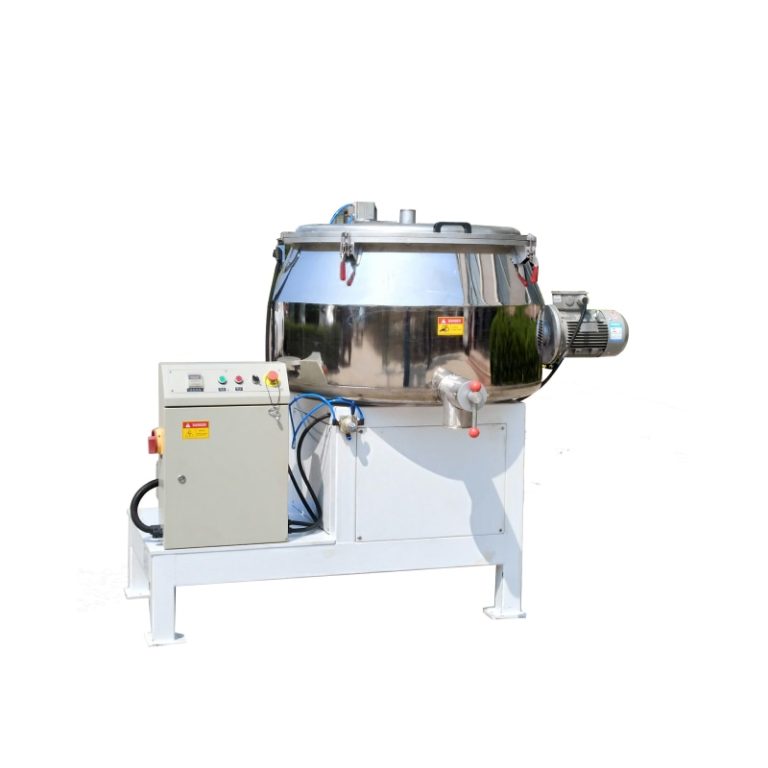
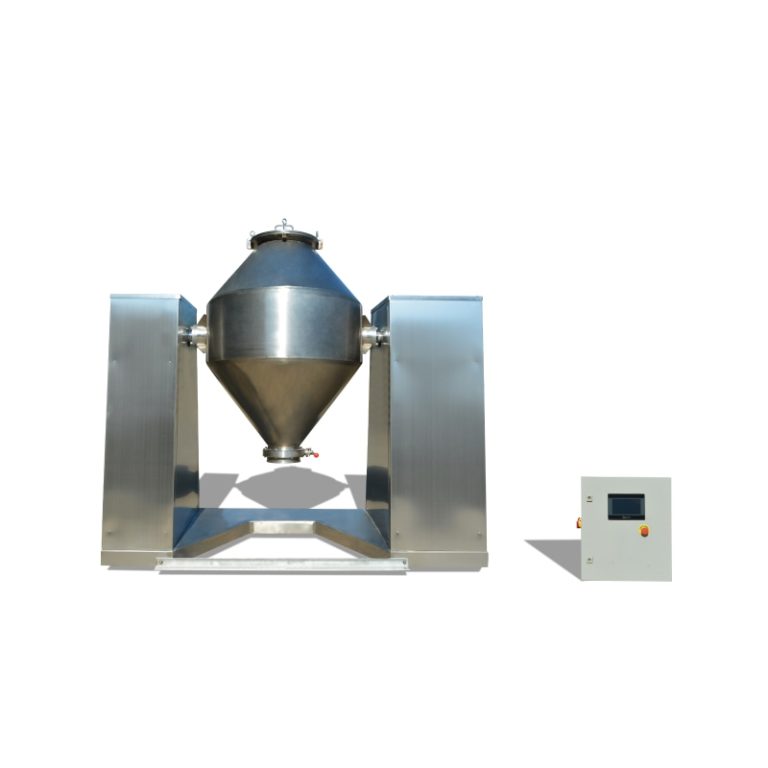
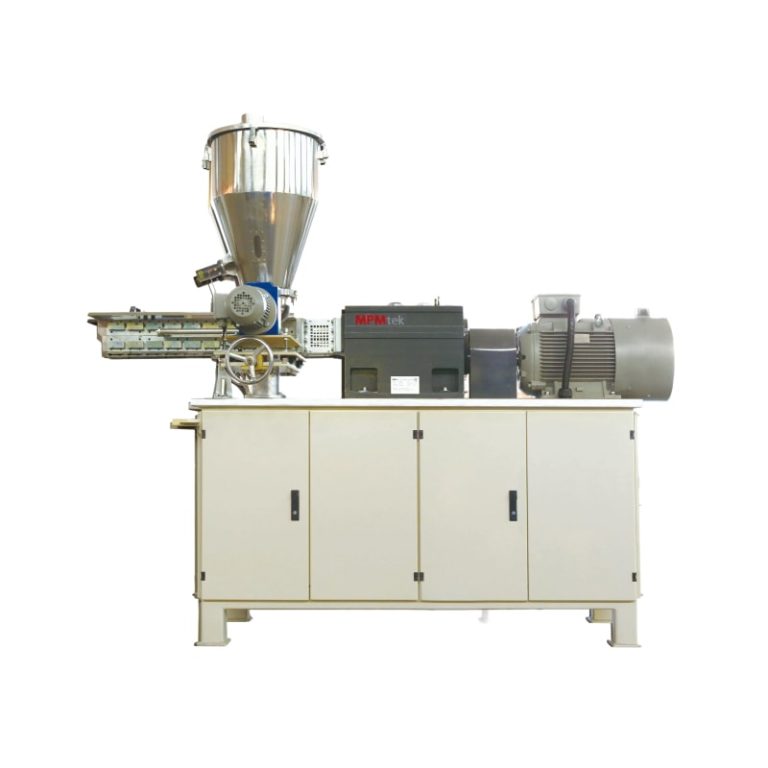
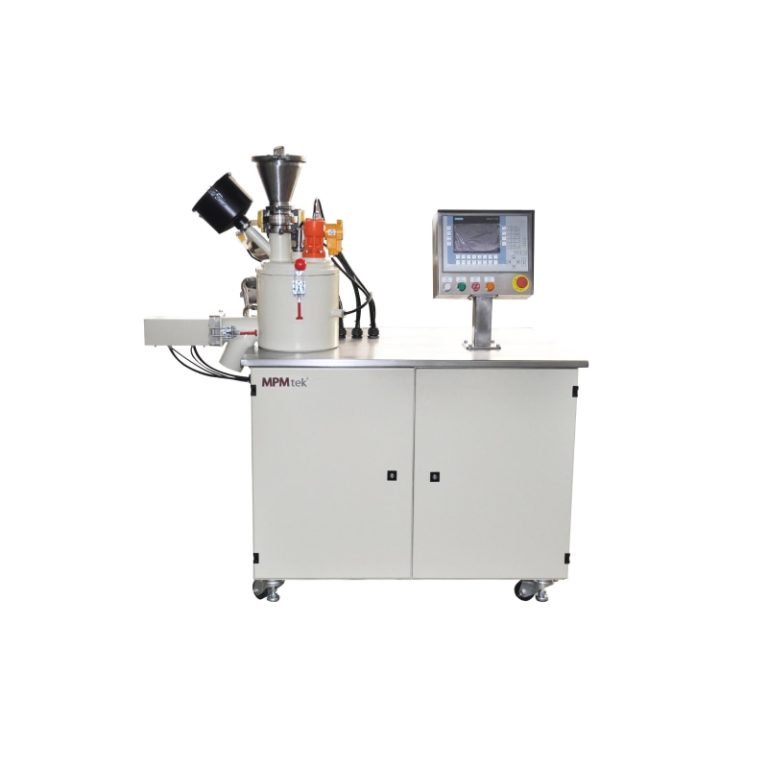
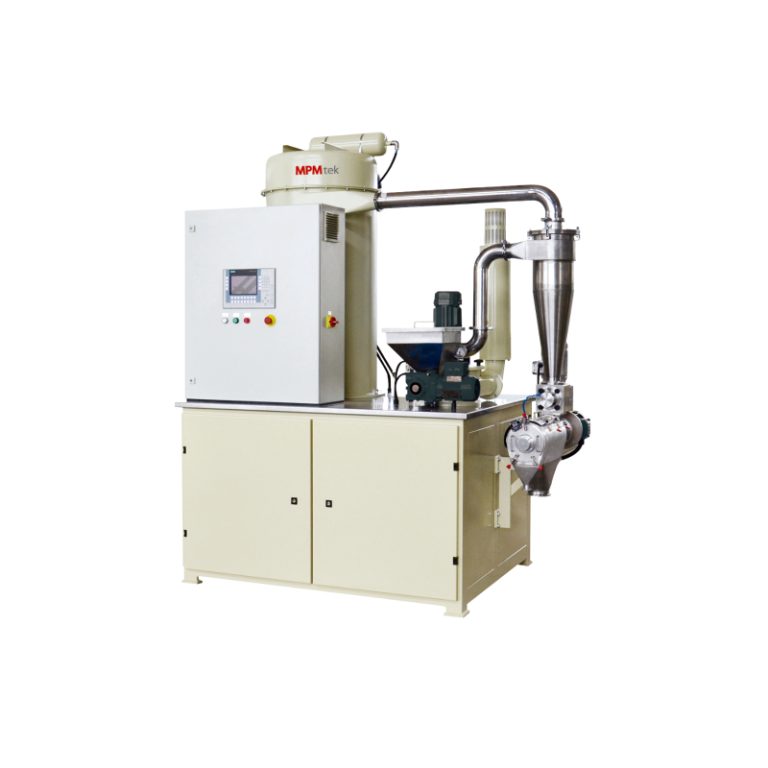
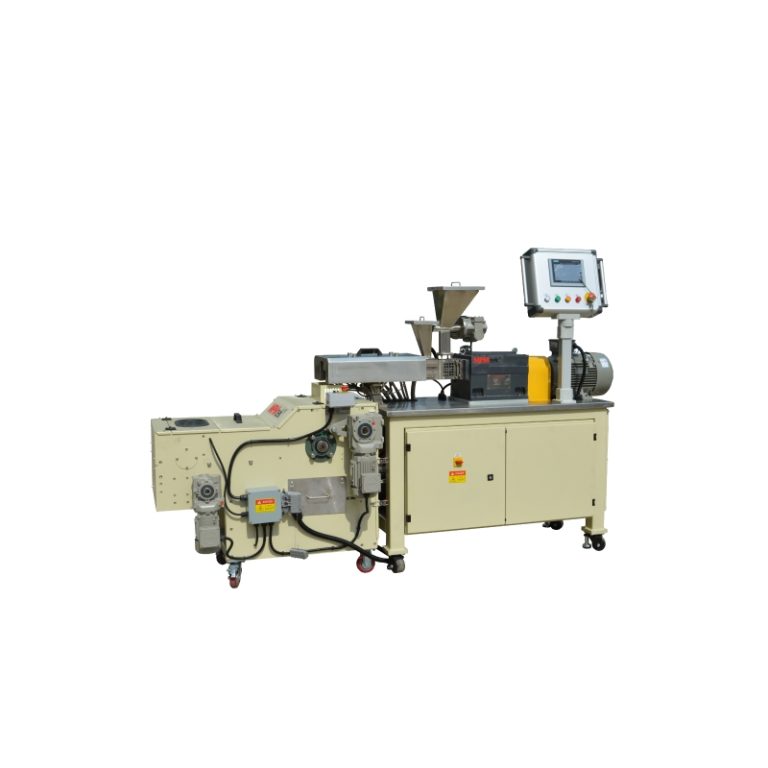
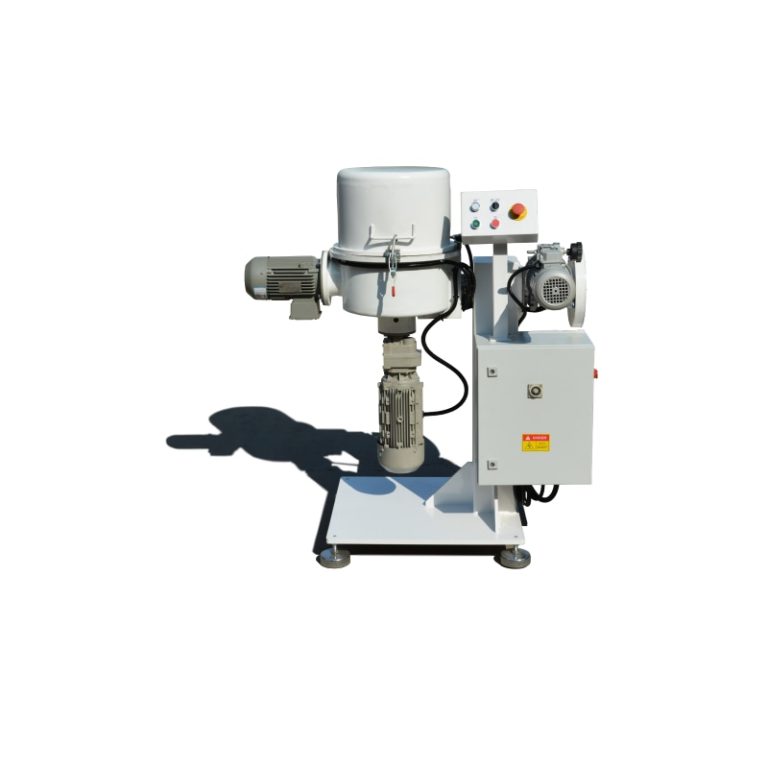
High speed powder mixers play a key role in industries like powder coatings, plastic powders, and chemical powders. They blend materials fast and efficiently.
But heat build up in high speed powder mixers can cause big problems, such as powder caking and yellowing. Batches start to climb in temperature, leading to powders that clump or stick to walls. Color pigments and resins overheat, turning yellow or losing gloss.
Process engineers using high speed mixers from MPMtek often ask: how hot is too hot for my powder? This article provides a practical framework to answer that question.
Why High Speed Powder Mixers Generate Heat
High speed powder mixers convert mechanical energy into heat through intense agitation. That’s the core of their working principle. Blades spin fast, creating friction among particles.
Mechanical Energy → Friction and Impact
Impellers or stirring tools in these mixers hit linear speeds of 20–50 m/s. Particles collide and rub fiercely. All that mechanical energy turns into heat. It’s like revving an engine without a cooling system. Over time, the batch warms up.
Sometimes folks overlook how blade design affects this. Sharper edges might mix better but generate more friction too.
Temperature Profiles During a Typical Premix Batch
In a standard batch, temperature starts at loading level. Then it rises quickly during the high shear phase. Eventually, it plateaus if mixing continues.
Larger batches mean deeper material layers. Longer run times build more heat in the core. Picture a big pot on the stove—the center gets hottest. That’s why monitoring is crucial; uneven heating sneaks up.
Why Heat Matters for Thermosetting and Thermoplastic Powders
For powder coatings or thermosetting resins, high temperatures approach the resin’s melting or glass transition point. This sparks early reactions or crosslinking. The result? Poor melt performance and color shifts.
Thermoplastics aren’t immune either. They soften too much, leading to quality dips. It’s a fine line between thorough mixing and thermal trouble.
How Heat Build Up Leads to Powder Caking in Dry Systems
Temperature induced caking in dry powders ruins flowability. Heat softens particles, and pressure does the rest.
Softening, Sintering and Solid Bridges
Under heat and stress, contact points between particles soften and fuse. They “weld” together. Once cooled, solid bridges form. This is a main mechanism for powder caking mechanisms in dry powders.
It happens fast in high shear environments. Particles don’t just sit; they’re slammed around.
Role of Particle Size, Distribution and Shape
Small particles pack tighter. Wide size distributions fill gaps, making dense structures. Flaky or needle like shapes interlock easily under pressure and heat.
All this amps up caking tendencies. Mixes with uniform spheres fare better, but real world powders vary. That’s life in the plant.
Consolidating Pressure and Time at Rest
If batches aren’t discharged promptly, material sits in the mixer or silo. Gravity and stack pressure increase contact areas. More time means stronger sintering and bridges.
Even a short delay can turn a good batch bad. Operators know to keep things moving.
How Excessive Mixing Temperature Triggers Yellowing and Quality Loss
Yellowing during high speed mixing signals degradation. It’s not just cosmetic; it affects performance.
Thermal Degradation of Resins and Additives
In thermosetting powders, resins and curing agents activate at certain temperatures. Prolonged heat causes local pre curing. Organic pigments and additives break down under heat and shear, showing as yellowing, gloss loss, or poor leveling.
It’s sneaky. A batch might look okay at first glance, but issues pop up downstream.
Local Hot Spots in High Speed Mixers
Near the high speed impeller or against machine walls, friction creates hotspots. These areas run much hotter than the average batch temperature.
They match up with localized caking and yellowing spots. Spotting them early saves headaches.
Process Control: How to Limit Heat Build Up in High Speed Powder Mixers
To control temperature in high speed mixer and reduce heat in powder mixing, start with basics. Adjust how you run the machine.
Optimize Batch Size and Fill Level
Aim for fill volumes at 60–80% of working capacity. This balances shear efficiency against heat buildup. Too full, and heat traps inside. Too empty, mixing suffers.
Trial runs help find the sweet spot for specific powders.
Adjust Impeller Speed and Mixing Time
Try staged speeds: high for initial dispersion, then medium for homogenization. Set a max allowable temperature. If it nears the threshold, slow down or stop for cooling.
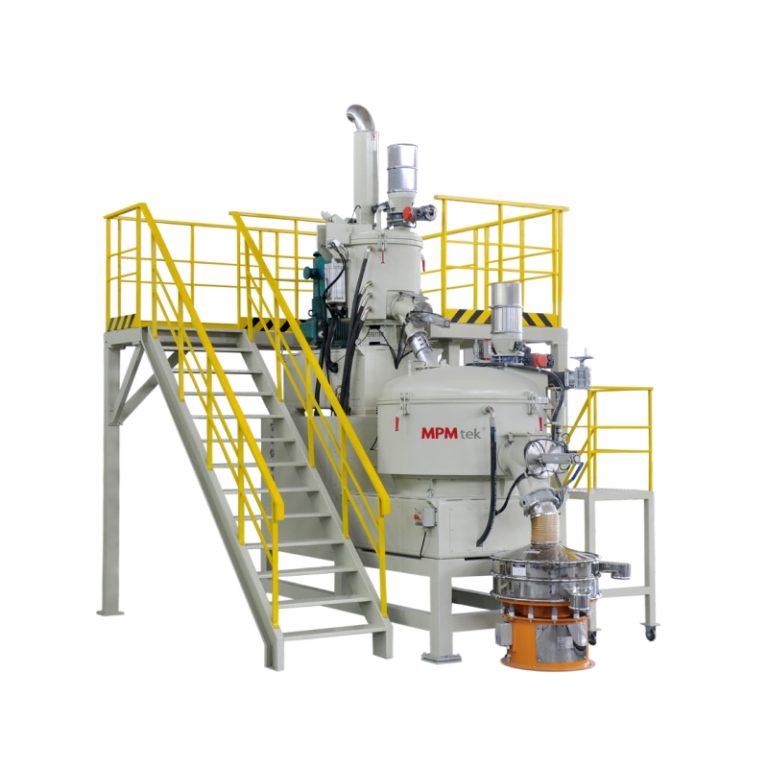
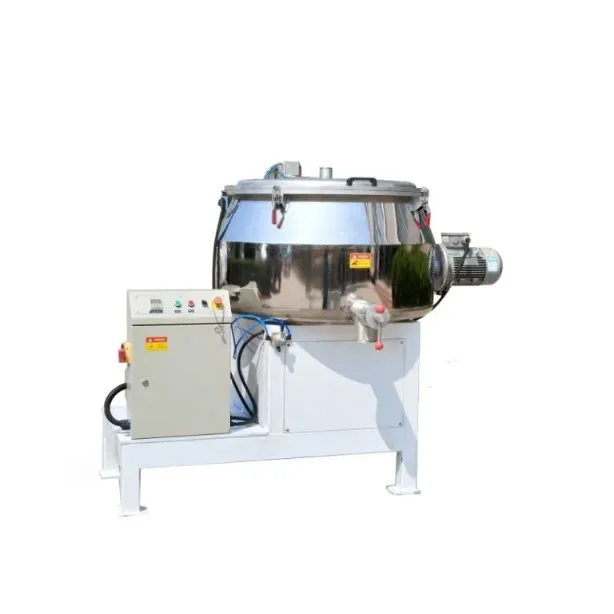
High speed mixers from MPMtek can be equipped with temperature probes and batch timers, allowing operators to stop or slow the mixer automatically once the powder approaches a critical temperature window.
Use Cooling and Heat Dissipation Options
Jacket cooling circulates coolant around the vessel. Forced ventilation pulls hot air out. Link to downstream coolers for seamless transfer.
These add ons pay off in consistent batches. Don’t skimp if heat’s a repeat offender.
Formulation Strategies: Using Anti Caking and Flow Aids in Dry Powders
Anti caking agents for dry powder mixing boost resistance. They tweak particle interfaces.
How Surface Coatings Help Prevent Caking Without Moisture
Fine silica or metal oxides coat particle surfaces thinly. This cuts real contact area and friction. Flow improves, caking drops.
In dry systems, it’s all about physical barriers. No water involved, just smart additives.
Selecting the Right Anti Caking Agent for High Shear Mixing
Pick agents that withstand mixing temperatures without melting or degrading. Ensure chemical compatibility with resins and pigments—no color drifts or strength losses.
Fine particle size matters for even distribution in high shear.
Dosage and Addition Point
Add anti caking or flow aids early, like in the premix step or with fillers. This ensures full dispersion.
Start low on dosage; test up as needed. Overdoing it wastes material.
Operational Best Practices to Avoid Caking and Yellowing
Best practices for high speed powder mixing include an avoid caking in powder mixer checklist. Track key metrics.
Monitor and log peak temperature and mixing time per batch. Build a process window from the data.
Don’t let mixed powder linger in a hot mixer. Discharge quick.
Check impellers and liners regularly for wear. Metal flakes or extra friction spike heat.
Design downstream silos and packaging to minimize compaction. Less static caking that way.
Many plants standardize these checks as part of their operating procedures when running MPMtek high speed powder mixers, which makes it easier to keep batch temperatures and product quality under tight control.
Controlling Heat Is the Key to Free Flowing, Color Stable Powders
Managing heat build up in high speed powder mixers is essential to avoid caking and yellowing. Heat in high speed dry powder mixing can’t be eliminated, but it can be managed.
From equipment tweaks to process adjustments and formulation aids, tackle it on all fronts. Link max mixing temperatures to caking or yellowing complaints. Analyze and refine parameters ongoing.
That approach yields powders that flow free and hold color. Production runs smoother overall.
FAQ
Q: What causes heat build-up in high-speed powder mixers?
Heat increases due to mechanical energy, friction and particle impact at high impeller speeds. Larger batch volumes and longer mixing times also raise temperature.
Q: How does heat lead to powder caking during dry mixing?
High temperature softens particle surfaces, allowing them to form solid bridges under pressure. When the powder cools, these bridges harden and create caking.
Q: Why does powder yellowing occur during high-speed mixing?
Yellowing results from thermal degradation of resins, pigments or additives. Local hot spots near impellers accelerate this effect.
Q: How can I reduce heat build-up in a high-speed mixer?
Use optimized batch fill levels, adjust mixing speed and time, implement staged mixing, or add cooling options such as jackets or airflow systems.
Q: What are effective ways to prevent caking in dry powder mixing?
Control mixing temperature, avoid long residence times, improve particle flow with suitable anti-caking agents and monitor batch hot spots.