Механизмы точного разделения в линиях порошковой окраски
Точность в производстве порошковой окраски — это не просто роскошь; это основа стабильной производственной линии. Когда мы говорим о разделении, мы на самом деле говорим о возможности точно определить, что попадает в коробку, а что отправляется на доработку.
Чем отличается классификация воздуха от традиционного скрининга?
Традиционные вибрационные грохоты по сути являются фильтрами, работающими за счет силы тяжести и физической сетки. Если размер отверстия составляет 40 микрон, все, что меньше, проваливается сквозь него. Но в реальных условиях производства порошковых покрытий частицы липкие, накапливают статическое электричество и забивают сетку. Центробежная сила и динамика воздушного потока заменяют механические ограничения сетки в воздушном классификаторе. Вместо того чтобы надеяться, что частица провалится сквозь отверстие, мы используем высокоскоростной ротор для создания сбалансированного силового поля. Воздух притягивает частицы в одном направлении, а центробежная сила ротора отбрасывает их в другом.
Высокоскоростные роторы позволяют точно регулировать точку среза в диапазоне мелкодисперсных порошков простым изменением частоты вращения. Вам не нужно останавливать линию для замены сита; достаточно просто отрегулировать частотный привод. Это колоссальный сдвиг в работе. Непрерывная обработка исключает простои, связанные с засорением или закупоркой сит, а это значит, что линия продолжает работать даже при затвердевании порошка или повышении влажности.
Повышение чистоты продукта за счет контроля распределения частиц по размерам.
В данном контексте чистота — это не просто предотвращение загрязнения; речь идёт о «плотности» распределения частиц по размерам (РЧД). Если РЧД сильно хаотично, покрытие будет выглядеть как апельсиновая корка.
Устранение крупных частиц и загрязнений
Строгий контроль верхнего предела предотвращает образование «зародышей» и дефектов поверхности в готовых покрытиях. Одна-единственная частица размером 100 микрон в партии порошка с размером частиц 30 микрон будет бросаться в глаза, как бельмо на глазу, как только попадет в печь для отверждения. Чувствительность к воздушному потоку удаляет загрязнения низкой плотности, которые могут быть пропущены механическими ситами. Представьте себе ворсинки или легкую пластиковую стружку; они могут быть достаточно длинными и тонкими, чтобы пройти через сито, но воздушный классификатор видит их плотность и отбрасывает их. Постоянная геометрия частиц обеспечивает равномерное плавление и образование пленки во время отверждения, что является единственным способом получить то самое «классное» покрытие, к которому всегда стремятся специалисты автомобильной промышленности.
Может ли экстракция мелкодисперсных частиц улучшить стабильность результатов применения?
Мелкие частицы — враг чистой покрасочной камеры. Удаление «сверхмелких частиц» уменьшает пылевые облака и повышает эффективность загрузки порошка в покрасочных камерах. Когда частиц меньше 5 или 10 микрон слишком много, они плохо заряжаются и просто плавают, покрывая стенки камеры, а не деталь. Контролируемое распределение предотвращает проблемы с флюидизацией в бункере — слишком много мелких частиц приводит к «вулканизации» порошка или его слипанию. Оптимизированный размер частиц обеспечивает более стабильную и предсказуемую эффективность переноса для конечного пользователя, что означает, что он использует меньше порошка для покрытия той же площади поверхности.
Устойчивое производство: сокращение отходов материалов и затрат на переработку.
В производстве порошковой окраски отходы обычно представляют собой просто нецелевую прибыль. Если не контролировать процесс разделения, приходится выбрасывать вполне пригодную смолу, поскольку она смешана с некондиционными примесями. Системы замкнутого цикла позволяют немедленно реинтегрировать пригодный материал обратно в поток сырья. Точное разделение уменьшает объем «некондиционных» партий, отправляемых на свалку, что является как экологической, так и финансовой выгодой. Эффективная классификация максимизирует выход высококачественного порошка из каждой тонны сырья.
Интеграция воздушных классификаторов в контур измельчения и помола.
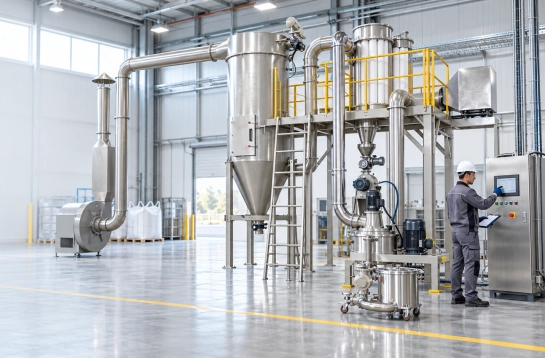
Классификатор не должен быть второстепенным элементом; он должен быть сердцем фрезерного станка.
Оптимизация взаимодействия между измельчителем и классификатором.
Разделение этапов фрезерования и калибровки позволяет повысить производительность установки ACM.Классификационная мельница воздухаКогда мельнице не приходится «бороться» с классификатором, оба устройства могут работать с максимальной эффективностью. Корректировки в реальном времени компенсируют колебания температуры и изменения влажности. Если в помещении становится жарко и порошок начинает размягчаться, можно оперативно регулировать соотношение воздуха и материала, чтобы предотвратить его накопление.
Почему воздушная классификация необходима для получения высокоэффективных тонкопленочных покрытий?
Для нанесения тонких пленок требуется гораздо более узкое распределение частиц по размерам (PSD), чем для стандартных покрытий. Вы пытаетесь нанести слой толщиной всего 1,0–1,5 мил; это невозможно сделать с широкой колоколообразной кривой распределения. Классификаторы позволяют производить специализированные порошки с «узкой» колоколообразной кривой, удаляя крупные частицы и пыль. Сокращение отходов от распыления делает производство высококачественных тонкопленочных покрытий более экономически выгодным для производителей, позволяя им конкурировать на рынках, которые ранее были слишком дорогими для выхода.
Эксплуатационная долговечность и эффективность технического обслуживания для промышленных производителей
Скрытые затраты связаны с техническим обслуживанием. Классификатор, который легко чистить и который трудно сломать, на вес золота. Износостойкие керамические или карбидные вольфрама компоненты продлевают срок службы ротора классификатора, особенно при работе с абразивными пигментами, такими как диоксид титана. Оптимизированная внутренняя конструкция обеспечивает более быструю смену цвета и предотвращает перекрестное загрязнение — это очень важно при переходе от темной архитектурной бронзы к глянцевому белому. Автоматизированные системы управления снижают зависимость от ручного отбора проб и вмешательства оператора. Вместо того чтобы оператор проверял сито каждый час, система просто поддерживает заданную точку.
Готовы повысить чистоту порошка, увеличить выход продукции и сократить количество отходов на вашей производственной линии по нанесению покрытий?
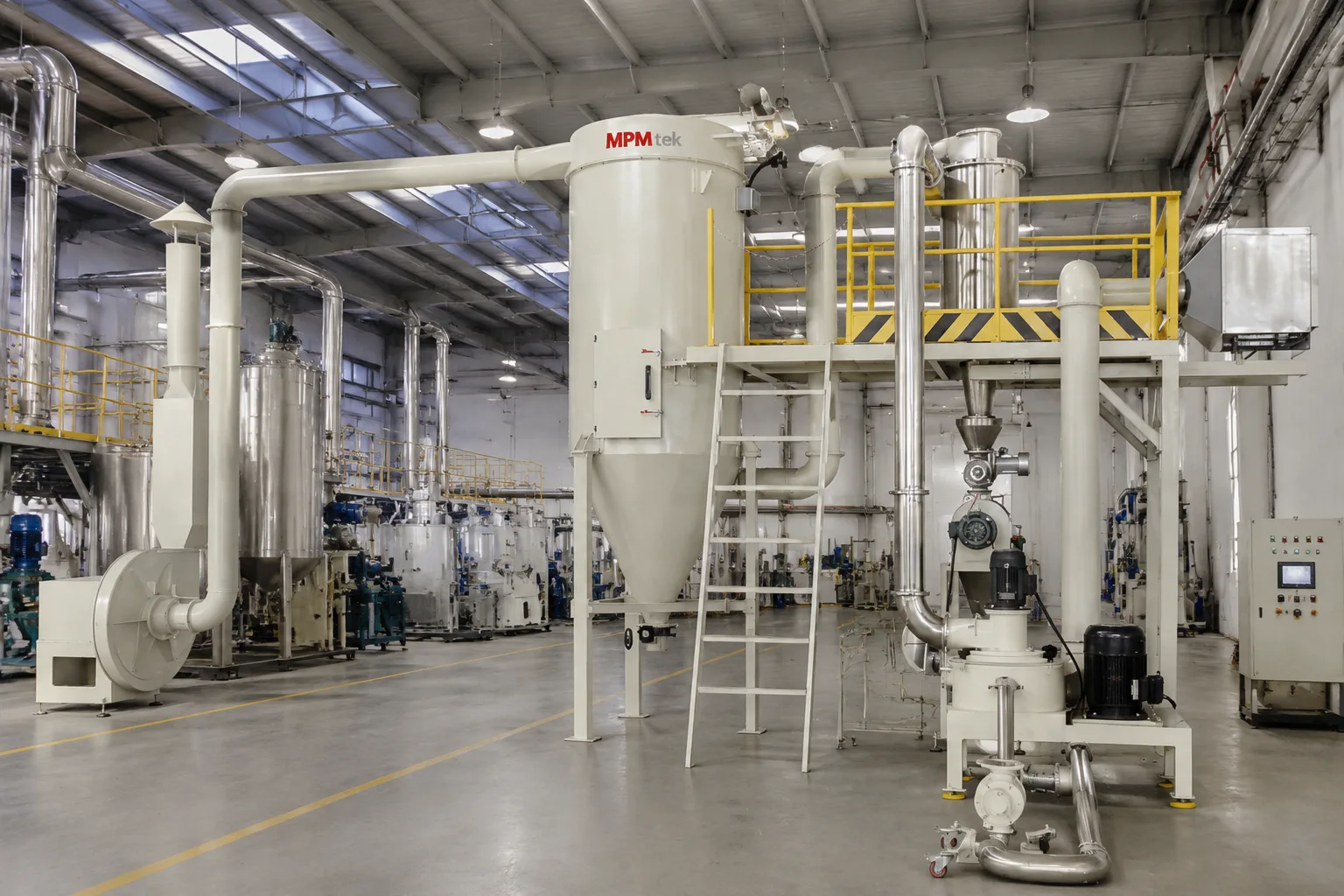
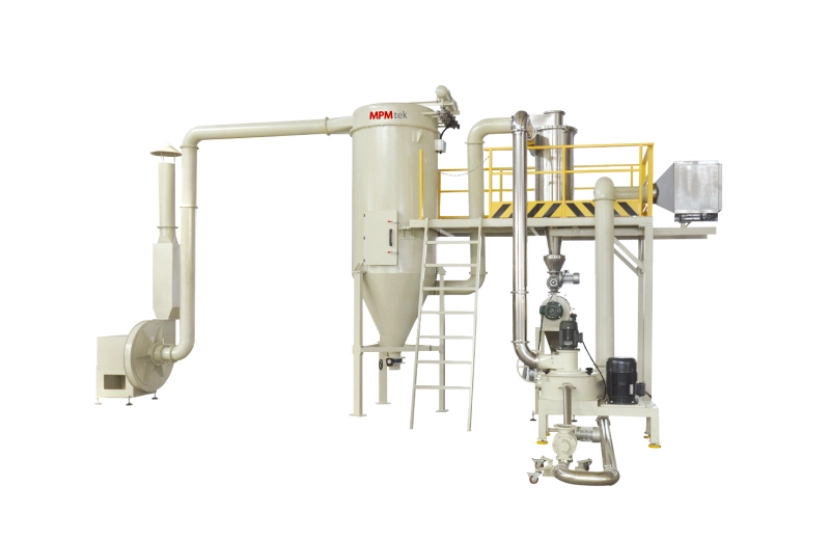
МПМтекпродвинутый мельницы ACM Решения для классификации материалов с помощью воздуха разработаны для точного контроля размера частиц, стабильной непрерывной работы и высокоэффективного извлечения материала. Благодаря коэффициенту извлечения более 98%, MPMtek помогает производителям извлекать больше полезного порошка из каждой партии, минимизируя при этом количество некондиционного материала, время простоя и производственные потери.
Свяжитесь с нами Узнайте сегодня, как наше оборудование для порошковой окраски и комплектные технологические линии могут помочь вам добиться более чистого разделения, большей однородности продукции и более устойчивых производственных показателей.
Часто задаваемые вопросы
В: Подходит ли воздушная классификация для всех типов порошковой химии?
В целом, да. Будь то эпоксидная смола, полиэфир или гибриды, физические принципы плотности и сопротивления остаются неизменными. Однако для очень «липких» порошков может потребоваться нанесение специальных покрытий на внутренние поверхности классификатора.
В: Сколько энергии потребляет воздухоклассификатор по сравнению с сеткой?
Действительно, этот метод потребляет больше энергии, поскольку перемещается воздух и вращается ротор на высоких скоростях. Но если учесть увеличенный выход готовой продукции и отсутствие простоев на очистку сита, общая стоимость одного фунта готового порошка почти всегда оказывается ниже.
В: Можно ли установить воздухоклассификатор в существующую трубопроводную линию?
Это возможно, но нужно учитывать поток воздуха. Воздушные классификаторы являются частью пневматической системы, поэтому для их эффективной работы необходима соответствующая мощность вентилятора и система пылеудаления. Это не просто замена сита.