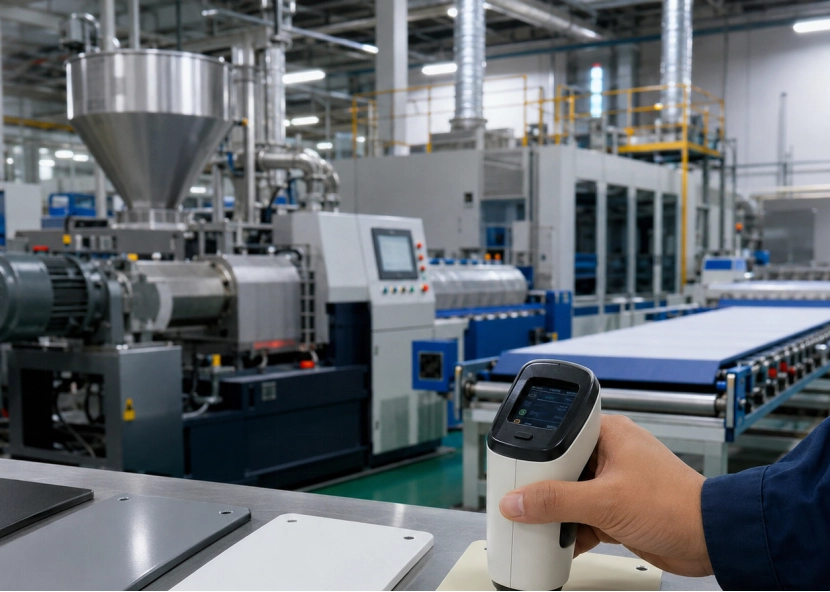
Да, смола желтеет со временем, особенно при воздействии тепла, солнечного света или химических загрязнений в процессе обработки. В производстве порошковой окраски даже небольшое изменение оттенка может негативно сказаться как на эксплуатационных характеристиках, так и на внешнем виде. Необходимо понимать, что вызывает это изменение цвета и как с этим справляться на производственной линии порошковой окраски. Таким образом, вы обеспечите стабильное качество и довольных клиентов.
Что такое пожелтение смолы и почему это важно в производстве порошковой окраски?
Пожелтение смолы — это медленное изменение цвета полимерных смол, используемых для порошковых покрытий. Обычно цвет меняется от прозрачного или белого до желтоватого оттенка. Это изменение происходит из-за изменений на молекулярном уровне в структуре смолы. Часто это происходит из-за таких факторов, как окисление или термическое разложение. Эти реакции повреждают полимерные цепи или добавляют светопоглощающие группы, которые изменяют свойства материала в отношении видимого света.
Последствия выходят далеко за рамки простого внешнего вида. Пожелтевшие покрытия могут демонстрировать более слабую защиту от ультрафиолетового излучения или меньшую механическую прочность. Производителям бытовой техники, мебели или строительных отделочных материалов необходимо контролировать пожелтение, чтобы обеспечить долговечность и стабильность бренда. На крупной линии порошковой покраски даже небольшие ошибки могут привести к дорогостоящему ремонту или браку.
Распространенные типы смол, используемых в порошковых покрытиях.
Порошковые покрытия изготавливаются из различных типов смол — в основном полиэфирных, эпоксидных и их смесей. Полиэфирные смолы отличаются прочностью при использовании на открытом воздухе и стойкостью цвета. Эпоксидные смолы обеспечивают надежное сцепление, но быстрее желтеют под воздействием солнечного света. Смешанные смолы сочетают в себе эти свойства, но требуют грамотного смешивания.
В таблице ниже приведены данные об обычной устойчивости к пожелтению:
| Тип смолы | Устойчивость к УФ-излучению | Термостойкость | Типичное применение |
| Полиэстер | Высокий | Умеренно-высокий | Наружные покрытия |
| Эпоксидная смола | Низкий | Высокий | Внутренняя отделка металлическими элементами |
| Гибридный (полиэфир/эпоксидная смола) | Средний | Средне-высокий | Общее промышленное применение |
Выбор оптимального типа смолы определяет, насколько хорошо покрытие сохранит свой цвет с течением времени.
Причины пожелтения смолы в процессе порошковой покраски
Пожелтение смолы может происходить по многим причинам — от хранения сырья до экструзии и обжига. Эти причины можно разделить на проблемы, связанные с перегревом, внешние факторы и химические взаимодействия.
Термические факторы, влияющие на стабильность цвета смолы.
Избыточная температура является одной из главных причин изменения цвета. экструзия При нагревании или запекании высокие температуры могут вызвать окисление полимеров или разрушение защитных покрытий. Даже постоянное нагревание в течение длительного времени ускоряет эти изменения.
Чтобы снизить опасность:
- Внимательно следите за температурой отверждения.
- Сокращение времени работы экструдеров.
- Применяйте системы охлаждения, которые быстро снижают температуру расплава.
Точная настройка температурных режимов на линии порошковой окраски позволяет сохранить прочность смолы и одновременно обеспечить бесперебойный поток готовой продукции.
Воздействие ультрафиолетового излучения и влияние окружающей среды
Солнечный свет запускает процесс окисления, который разрывает полимерные связи. В результате образуются карбонильные группы, придающие смолам желтоватый оттенок. Условия хранения также играют роль. Влага и воздух могут привести к преждевременному старению смол еще до их смешивания.
Этого можно избежать, выполнив следующие действия:
- Храните смолы в темных емкостях, вдали от прямых солнечных лучей.
- Используйте сухие складские помещения с низкой влажностью.
- Для работы с чувствительными материалами следует использовать защитные покрытия из инертного газа.
Подобные действия позволяют сохранить базовую смолу в твердом состоянии вплоть до начала производства.
Химические реакции в процессе обработки
Некоторые отвердители, в основном содержащие амины, могут усиливать пожелтение. Они вступают в побочные реакции с красителями или добавками. Остаточные металлические катализаторы, оставшиеся после производства смолы, могут ускорять изменения свойств при нагревании.
Высокая чистота сырья значительно снижает эти риски. Контроль качества на этапе поставки. Примеси, добавленные на ранних этапах, сохраняются и на более поздних стадиях.
Управление рисками пожелтения на линии порошковой окраски
Для предотвращения пожелтения необходимы грамотные технологические корректировки и надежное оборудование на каждом этапе производства.
Оптимизация процесса для обеспечения стабильности цвета
Рабочие тщательно регулируют параметры экструзии:
- Сбалансируйте скорость вращения шнека, чтобы избежать накопления тепла от сдвига.
- Отслеживайте температуру расплава с помощью постоянно действующих датчиков.
- После экструзии установите постоянную скорость охлаждения. Это зафиксирует молекулярную структуру до начала её разрушения.
Современные системы управления собирают данные в режиме реального времени и автоматически вносят корректировки. Они играют решающую роль в обеспечении высокого качества результатов от запуска к запуску.
Вопросы выбора оборудования для снижения случаев пожелтения кожи
Конструкция оборудования имеет огромное значение для равномерного нагрева и качественного перемешивания на производственной линии.
Экструзионные системы и технологии охлаждения
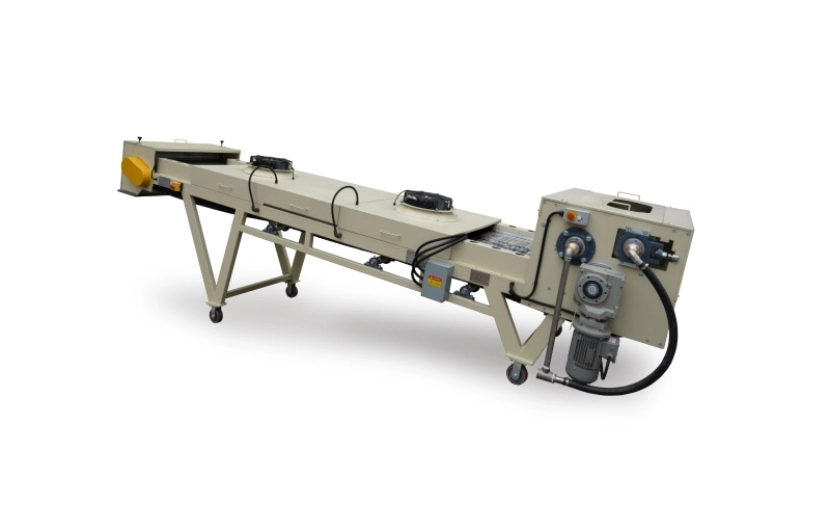
Двухвинтовые экструдеры Они работают лучше всего. Они поддерживают стабильную температуру по всей длине ствола и хорошо перемешиваются. Рубашки водяного охлаждения или ремни воздушного охлаждения Сразу после экструзии сохраняется стабильность смолы. Температура быстро снижается, прежде чем начнутся интенсивные реакции запекания.
Проектирование оборудования для смешивания и диспергирования
Равномерное распределение пигментов без дополнительного нагрева имеет значение. Неравномерные смеси часто демонстрируют пятнистые изменения цвета из-за плохого распределения добавок. Новые линии порошковой окраски, например, от... МПМтекВключает в себя зоны точного смешивания с автоматическим управлением. Они поддерживают стабильный уровень температуры на протяжении всего процесса смешивания.
Стратегии разработки материалов для борьбы с пожелтением
Корректировка технологического процесса помогает, но выбор рецептуры определяет стойкость цвета и устойчивость к внешним воздействиям.
Выбор смол с повышенной термической стабильностью
Высококачественные полиэстеры с более прочной цепной структурой лучше противостоят разрывам звеньев при термических циклах, чем обычные. Полиэстеры, стабилизированные солнцем, еще больше замедляют разрушение под воздействием света. При выборе поставщика обращайте внимание на полную информацию о стабильности. Это включает графики теплопотерь и результаты быстрого старения. Не стоит полагаться только на общие характеристики.
Добавки, улучшающие стойкость цвета.
УФ-абсорбенты и светостабилизаторы
Эти дополнительные элементы обеспечивают защиту, поглощая вредные солнечные лучи до того, как они достигнут полимерных цепей. Или же они успокаивают возбужденные состояния, вызванные воздействием света. Они продлевают срок службы на открытом воздухе, где солнце светит интенсивно.
Антиоксиданты и термостабилизаторы
Антиоксиданты нейтрализуют свободные радикалы, образующиеся на этапах термической обработки, таких как экструзия или обжиг. Фосфитные защитные вещества хорошо сочетаются с блокированными фенолами. Вместе они блокируют окислительные процессы, которые впоследствии приводят к появлению желтоватых оттенков.
Подбор пигментов для повышения устойчивости к обесцвечиванию.
Неорганические красители, такие как диоксид титана (в форме рутила), лучше переносят высокие температуры, чем органические, которые могут тускнеть под воздействием внешних факторов. Для получения ярких оттенков, требующих использования органических красителей, методы окрашивания с использованием пленочных пигментов обеспечивают более надежную защиту от окисления при запекании.
Методы контроля качества для выявления ранних признаков пожелтения
Системы мониторинга выявляют небольшие изменения до того, как дефекты проявятся в конечной продукции.
Методы мониторинга производственных линий в режиме реального времени
Цветометры или анализаторы освещенности, установленные на конвейерных лентах, отслеживают значения ΔE в режиме реального времени. Это число показывает отклонение цвета от заданных целевых значений. Установите четкие пределы ΔE. Они позволяют быстро устранять отклонения при их возникновении.
Методы лабораторных испытаний
Тесты на ускоренное старение
Эти модели имитируют многолетнюю эксплуатацию при постоянном солнечном свете или высоких температурах. Они прогнозируют поведение покрытия в течение месяцев или лет в реальных условиях. Используйте их для проверки продукции перед продажей.
Анализ термической деградации
Такие инструменты, как термогравиметрический анализ (ТГА), позволяют определить места падения веса, связанные с точками разрушения. Дифференциальная сканирующая калориметрия (ДСК) определяет температуры сдвига, при которых структурные изменения влияют на внешний вид.
Практические рекомендации для заводов, использующих оборудование MPMtek.
Внедрение строгих технологических проверок в ежедневную работу повышает стабильность на всех этапах — от подачи сырья до просеивания и упаковки.
Интеграция систем управления технологическими процессами с производственными линиями MPMtek.
Автоматизированные системы связывают скорость экструзии, нагрузку и мощность охлаждения с данными, поступающими от датчиков. Такая точность исключает колебания, вызывающие скачки температуры и искажение цвета. Анализ данных выявляет закономерности. Затем операторы корректируют состав смесей заранее, а не просто исправляют дефекты на более поздних этапах производства.
Процедуры технического обслуживания, обеспечивающие стабильность качества продукции.
Регулярно очищайте цилиндры экструдера, смесители, фильтры и охлаждающие элементы. Это предотвратит скопление грязи, которая может вызвать реакции, приводящие к появлению желтых пятен. Регулярно проверяйте настройки. Это обеспечивает стабильную работу между партиями. Это ключ к достижению жестких ограничений ΔE, необходимых клиентам для идеального внешнего вида круглый год.
Часто задаваемые вопросы
В1: Желтеет ли смола со временем?
Да, большинство смол постепенно желтеют под воздействием тепла, света или кислорода, если их не стабилизировать соответствующими добавками или не обрабатывать в контролируемых условиях.
В2: Что вызывает изменение цвета порошкового покрытия во время отверждения?
Перегрев во время циклов отверждения часто приводит к окислению полимерных цепей или пигментов, что вызывает появление видимых желтых оттенков на покрытых поверхностях.
В3: Как предотвратить пожелтение смолы при хранении?
Храните материалы в прохладном, сухом месте, вдали от прямых солнечных лучей; при необходимости используйте герметичные контейнеры с осушителями для уменьшения впитывания влаги и контакта с кислородом.
Вопрос 4: Полиэфирные смолы более устойчивы, чем эпоксидные?
В целом, да — полиэфиры обладают лучшей устойчивостью к ультрафиолетовому излучению, в то время как эпоксидные смолы, как правило, быстрее темнеют под воздействием солнечного света, хотя и сохраняют термостойкость в помещении.
Вопрос 5: Какие методы тестирования позволяют выявить ранние признаки пожелтения?
Колориметрический метод измерения ΔE в процессе производства в сочетании с ускоренными испытаниями на старение обеспечивает надежное раннее выявление потенциальных проблем, связанных с долговременным изменением цвета.