Reçine zamanla sararır mı? Evet, özellikle ısıya, güneş ışığına veya işleme sırasında kimyasal kirleticilere maruz kaldığında. Toz boya üretiminde, renk tonundaki küçük bir değişiklik bile hem performansı hem de görünümü olumsuz etkileyebilir. Bu renk değişimine neyin neden olduğunu ve toz boya üretim hattında nasıl ele alınacağını anlamanız gerekir. Bu sayede istikrarlı kaliteyi ve memnun müşterileri koruyabilirsiniz.
Reçine Sararması Nedir ve Toz Boya Üretiminde Neden Önemlidir?
Reçine sararması, toz boyalarda kullanılan polimer reçinelerin yavaş renk değişimini ifade eder. Genellikle şeffaf veya beyazdan sarımsı bir tona dönüşür. Bu değişim, reçine yapısındaki moleküler düzeydeki değişikliklerden kaynaklanır. Oksidasyon veya ısı bozulması gibi tetikleyiciler sıklıkla buna neden olur. Bu reaksiyonlar polimer zincirlerine zarar verir veya malzemenin görünür ışığı nasıl işlediğini değiştiren ışık emici gruplar ekler.
Etkileri sadece görünümle sınırlı kalmaz. Sararmış kaplamalar daha zayıf UV koruması veya daha düşük mekanik dayanıklılık gösterebilir. Ev aletleri, mobilya veya bina kaplamaları üreticileri için, uzun ömürlü sonuçlar ve istikrarlı marka imajı sağlamak için sararmayı kontrol etmek şarttır. Büyük bir toz boya üretim hattında, küçük hatalar pahalı onarımlara veya hurdaya yol açabilir.
Toz Boyalarda Kullanılan Yaygın Reçine Türleri
Toz boyalar, çoğunlukla polyester, epoksi ve bunların karışımları olmak üzere çeşitli reçine türlerine bağlıdır. Polyester reçineler, dış mekan dayanıklılığı ve kalıcı renkleri ile öne çıkar. Epoksi reçineler sağlam bir tutuş sağlar ancak güneş ışığı altında daha çabuk sararır. Karışım reçineler bu özellikleri bir araya getirir ancak akıllıca karıştırma gerektirir.
Aşağıdaki tabloda genellikle görülen sararma direnci özetlenmiştir:
| Reçine Tipi | UV Direnci | Termal Kararlılık | Tipik Uygulama |
| Polyester | Yüksek | Orta-Yüksek | Dış cephe kaplamaları |
| Epoksi | Düşük | Yüksek | İç mekan metal kaplamaları |
| Hibrit (Polyester/Epoksi) | Orta | Orta-Yüksek | Genel endüstriyel kullanım |
En uygun reçine türünü seçmek, kaplamanızın zaman içinde rengini ne kadar iyi koruyacağını belirler.
Toz Boya Üretiminde Reçinenin Sararmasının Nedenleri
Reçine sararması, ham maddelerin depolanmasından ekstrüzyon ve fırınlamaya kadar birçok aşamada ortaya çıkabilir. Bu nedenleri ısı sorunları, dış etkenler ve kimyasal etkileşimler olarak sınıflandırabilirsiniz.
Reçine Renk Stabilitesini Etkileyen Termal Faktörler
Aşırı ısı, renk değişimlerinin en önemli nedenlerinden biridir. ekstrüzyon Fırınlama veya yüksek sıcaklıklar, polimer oksidasyonuna veya koruyucu tabakaların bozulmasına neden olabilir. Zamanla sürekli ısı bile bu değişiklikleri hızlandırır.
Tehlikeyi azaltmak için:
- Kürleme sıcaklığını yakından takip edin.
- Ekstrüderlerdeki çalışma süresini kısaltın.
- Erime sıcaklığını hızla düşüren soğutma sistemleri uygulayın.
Toz boya üretim hattında sıcaklık yollarının hassas ayarlanması, reçinenin dayanıklılığını korur. Aynı zamanda, üretim akışının sorunsuz devam etmesini sağlar.
UV Maruziyeti ve Çevresel Etkiler
Güneş ışığı, polimer bağlarını koparan oksidasyonu başlatır. Bu, sarı tonlar oluşturan karbonil parçacıkları meydana getirir. Depolama da rol oynar. Nem ve hava, reçineleri karıştırmadan önce bile erken yaşlanmalarına neden olabilir.
Bunu şu adımlarla önleyebilirsiniz:
- Reçineleri karanlık kaplarda, doğrudan güneş ışığından uzakta saklayın.
- Nem oranı düşük, kuru depolama alanları kullanın.
- Hassas malzemeler için inert gaz örtüleri ekleyin.
Bu tür işlemler, üretim başlangıcına kadar temel reçinenin katı halde kalmasını sağlar.
İşleme Sırasında Kimyasal Reaksiyonlar
Bazı sertleştiriciler—özellikle amin içerenler—sararmayı hızlandırabilir. Renklerle veya ilave maddelerle yanal reaksiyona girerler. Reçine üretiminden kalan metal katalizörler, ısı altında meydana gelen değişimleri hızlandırabilir.
Hammaddelerdeki yüksek saflık bu olasılıkları büyük ölçüde azaltır. Kalite kontrolü tedarikçi aşamasında yapılmalıdır. Erken aşamada eklenen safsızlıklar sonraki aşamalarda da kalır.
Toz Boya Üretim Hattında Sararma Risklerinin Yönetimi
Sararmayı azaltmak, üretim sürecinin her aşamasında akıllı süreç iyileştirmeleri ve güvenilir ekipman gerektirir.
Renk Kararlılığı için Proses Optimizasyonu
İşçiler ekstrüzyon ayarlarını özenle yapıyorlar:
- Aşırı ısı birikimini önlemek için vida hızını dengeleyin.
- Sürekli çalışan sensörler aracılığıyla erime sıcaklığını takip edin.
- Ekstrüzyondan sonra sabit soğutma hızları ayarlayın. Bu, parçalanma başlamadan önce moleküler yapıyı sabitler.
Modern kontrol sistemleri, canlı verileri toplar ve otomatik olarak ayarlamalar yapar. Bu sistemler, her seferinde aynı kalitede sonuçlar elde etmek için hayati önem taşır.
Sararma Olaylarını Azaltmaya Yönelik Ekipman Hususları
Üretim hattında eşit ısı dağılımı ve iyi karıştırma için makine tasarımı büyük önem taşır.
Ekstrüzyon Sistemleri ve Soğutma Teknolojisi
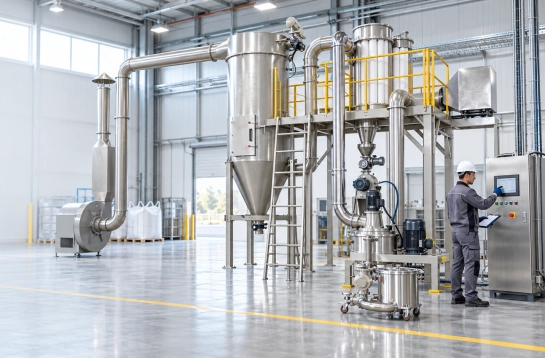
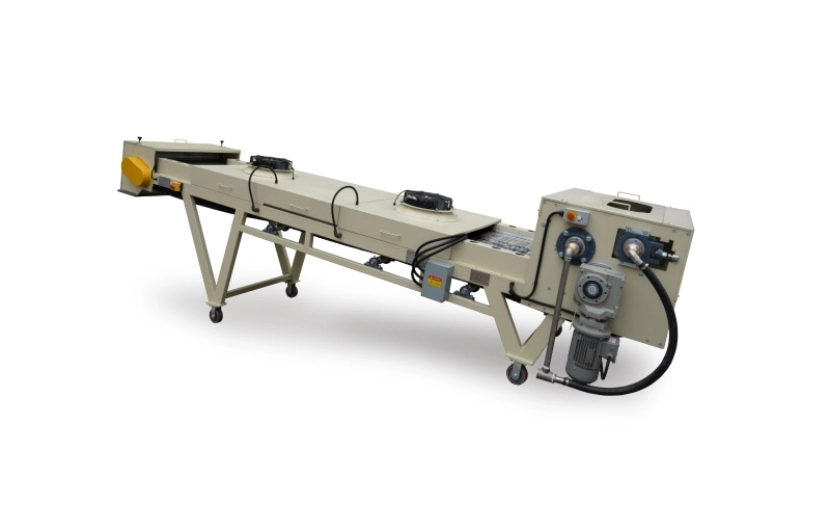
Çift vidalı ekstrüderler En iyi sonucu verirler. Namlu boyunca sabit sıcaklık sağlarlar ve iyi karışırlar. Su soğutma ceketleri veya hava soğutma kayışları Ekstrüzyondan hemen sonra reçine stabilitesini korurlar. Pişirme reaksiyonları güçlenmeden önce sıcaklığı hızla düşürürler.
Karıştırma ve Dağıtım Ekipmanları Tasarımı
Pigmentlerin ekstra kesme ısısı olmadan eşit şekilde dağılması önemlidir. Eşit olmayan karışımlar, katkı maddelerinin yetersiz dağılımından dolayı genellikle benekli renk değişiklikleri gösterir. Yeni toz boya serileri, örneğin şu firmalarınkiler gibi, MPMtek'inBunlara otomatik kontrollere sahip hassas karıştırma alanları dahildir. Bu alanlar, tüm karıştırma işlemleri boyunca sabit ısı seviyelerini korur.
Sararmayı Önlemek İçin Malzeme Formülasyon Stratejileri
İşlemdeki ufak tefek ayarlamalar yardımcı olur, ancak tarif seçimleri kalıcı renk tutunmasını sağlar ve dış etkenlere karşı dayanıklılığı artırır.
Geliştirilmiş Isıl Kararlılığa Sahip Reçinelerin Seçimi
Daha güçlü zincir yapısına sahip üstün kaliteli polyesterler, ısı döngülerinde bağlantı kırılmalarına temel polyesterlerden daha iyi direnç gösterir. Güneşe dayanıklı türler, ışığa bağlı bozulmayı daha da yavaşlatır. Tedarikçileri kontrol ederken, tam stabilite bilgilerine bakın. Bu, ısı kaybı grafiklerini ve hızlı yaşlanma sonuçlarını içerir. Sadece genel özelliklere güvenmeyin.
Renk Kalıcılığını Artırıcı Katkı Maddeleri
UV Emiciler ve Işık Stabilizatörleri
Bu ek özellikler, zararlı ışınları polimer zincirlerine ulaşmadan önce emerek koruma sağlar. Ya da ışık hasarından kaynaklanan aşırı uyarılmış durumları yatıştırır. Güneşin yoğun vurduğu dış mekanlarda kullanım ömrünü uzatır.
Antioksidanlar ve Isı Dengeleyiciler
Antioksidanlar, ekstrüzyon veya fırınlama gibi ısıl işlemler sırasında oluşan serbest radikalleri durdurur. Fosfit koruyucular, bloke edilmiş fenollerle iyi bir uyum sağlar. Birlikte, daha sonra sarı tonlara neden olan oksidatif kesilmeleri engellerler.
Renk Solmasına Karşı Daha İyi Direnç İçin Pigment Seçimi
Titanyum dioksit (rutil formu) gibi inorganik renkler, stres altında solabilen organik türlere göre ısıya daha iyi dayanır. Organik maddeler gerektiren canlı tonlar için, sarılmış pigment yöntemleri fırınlamada oksidasyona karşı daha güçlü koruma sağlar.
Sararma Belirtilerinin Erken Tespitine Yönelik Kalite Kontrol Uygulamaları
İzleme sistemleri, nihai ürünlerde kusurlar ortaya çıkmadan önce küçük değişiklikleri tespit eder.
Üretim Hatlarında Hat İçi İzleme Teknikleri
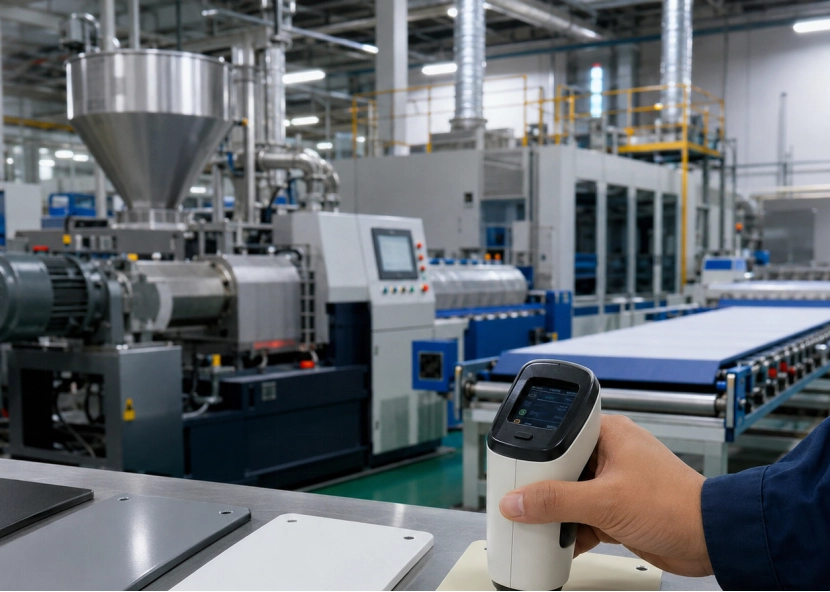
Bantlara yerleştirilen renk ölçerler veya ışık analizörleri, ΔE değerlerini canlı olarak izler. Bu sayı, belirlenen hedeflerden renk farkını ölçer. Net ΔE limitleri belirleyin. Bu limitler, değişimler meydana geldiğinde hızlı düzeltmeleri tetikler.
Laboratuvar Test Yöntemleri
Hızlandırılmış Yaşlanma Testleri
Bunlar, güneş ışığına veya yüksek ısıya maruz kalmanın yıllar süren etkilerini taklit eder. Gerçek ortamlarda aylarca veya yıllarca kaplama davranışını tahmin ederler. Satış öncesinde ürünleri kontrol etmek için kullanın.
Termal Bozunma Analizi
Termogravimetrik analiz (TGA) gibi araçlar, ağırlık düşüşünü bozulma noktalarıyla ilişkilendirir. Diferansiyel tarama kalorimetrisi (DSC) ise yapısal değişikliklerin meydana geldiği kayma sıcaklıklarını bulur.
MPMtek Ekipmanlarını Kullanan Fabrikalar İçin Pratik Öneriler
Günlük çalışmalara güçlü süreç kontrolleri eklemek, ham maddeden eleme ve paketlemeye kadar olan süreçte istikrarı artırır.
Proses Kontrol Sistemlerinin MPMtek Üretim Hatlarıyla Entegrasyonu
Otomatik sistemler, ekstrüzyon hızını, yük gerilimini ve soğutma gücünü sensör girişine bağlar. Bu hassasiyet, ısı artışlarına ve renk kaymalarına neden olan dalgalanmaları azaltır. Veriler, desenleri tespit eder. Operatörler daha sonra karışımları önceden ayarlayarak, sadece hat üzerindeki hataları düzeltmekle kalmazlar.
Ürün Tutarlılığını Destekleyen Bakım Rutinleri
Ekstrüder namlularını, karıştırıcıları, filtreleri ve soğutma parçalarını sık sık temizleyin. Bu, sarı lekelere yol açabilecek reaksiyonları tetikleyebilecek kir birikimini önler. Ayarları düzenli olarak kontrol edin. Bu, partiler arasında istikrarlı bir çalışma sağlar. Bu, müşterilerin yıl boyunca mükemmel görünüm için istediği sıkı ΔE sınırları için çok önemlidir.
Sık Sorulan Sorular
S1: Reçine zamanla sararır mı?
Evet, çoğu reçine, uygun katkı maddeleriyle stabilize edilmedikçe veya kontrollü koşullar altında işlenmedikçe, ısıya, ışığa veya oksijene maruz kaldığında kademeli olarak sararır.
S2: Toz boyanın kürleme sırasında renk değişimine ne sebep olur?
Kürleme döngüleri sırasında aşırı ısınma, genellikle polimer zincirlerini veya pigmentleri oksitleyerek kaplanmış yüzeylerde görünür sarı tonlara yol açar.
S3: Reçinenin depolama sırasında sararmasını nasıl önleyebilirim?
Malzemeleri serin, kuru ve doğrudan güneş ışığından uzak yerlerde saklayın; gerekirse nem emilimini ve oksijenle teması azaltmak için kurutucu madde içeren kapalı kaplar kullanın.
S4: Polyester reçineler epoksi reçinelerden daha mı dayanıklıdır?
Genel olarak evet; polyesterler daha iyi UV stabilitesi gösterirken, epoksiler güneş ışığı altında daha hızlı kararma eğilimindedir, ancak iç mekanlarda termal olarak dayanıklıdırlar.
S5: Hangi test yöntemleri sararmanın erken belirtilerini tespit eder?
Üretim sırasında ΔE ölçümü için kolorimetri yönteminin hızlandırılmış yaşlandırma testleriyle birleştirilmesi, potansiyel uzun vadeli renk bozulması sorunlarının güvenilir bir şekilde erken tespitini sağlar.