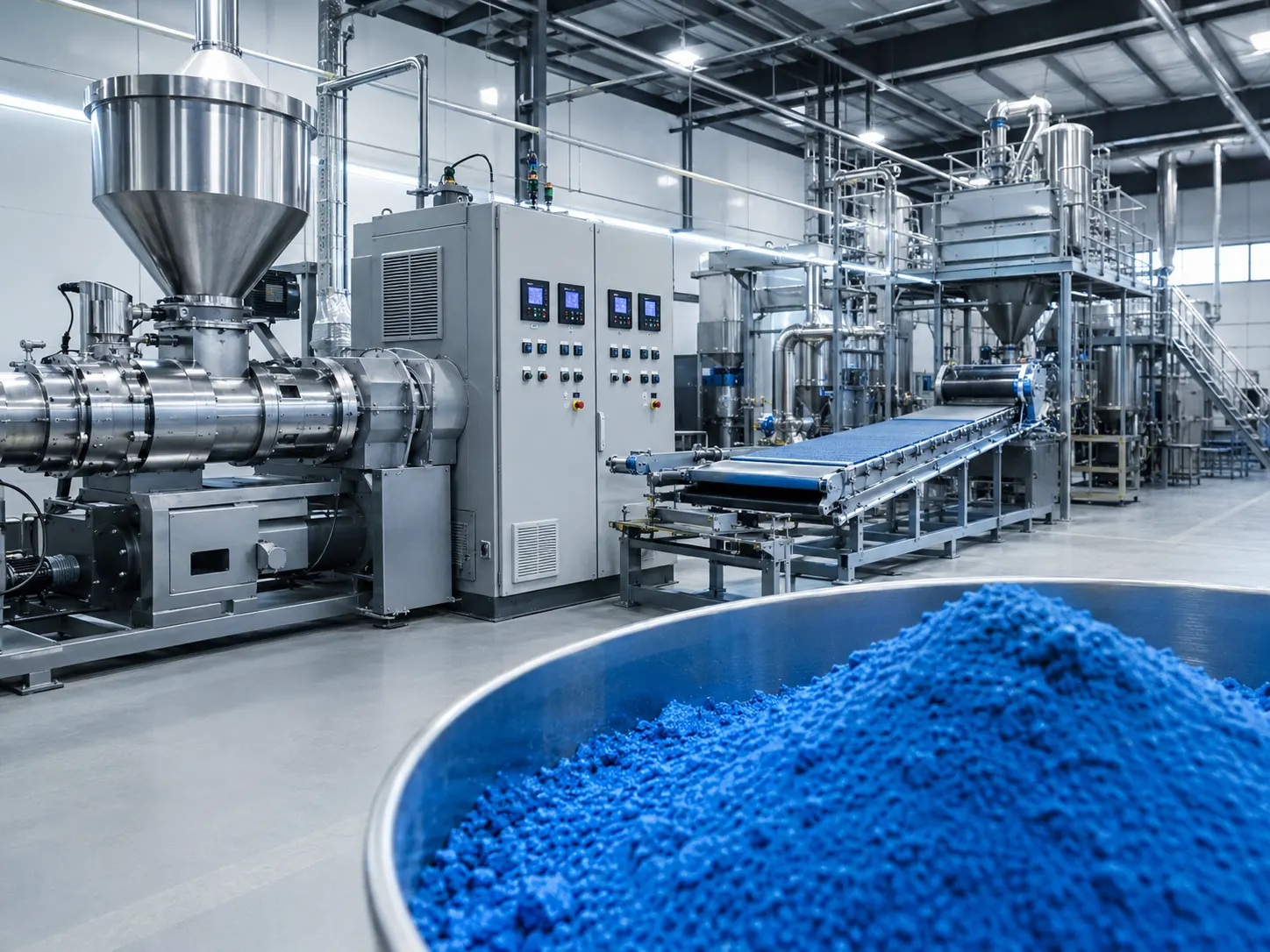
Enerji fiyatları sürekli yükseliyor. Tasarruf edilen her bir enerji miktarı hızla artıyor. Uzun üretim hatlarına veya büyük fırınlara sahip tesisler, kürleme sıcaklığını 20-30°C düşürdüklerinde belirgin kazanımlar elde ediyorlar. Aynı zamanda, yeşil hedefler firmaları karbon hedeflerine uygun araçlar seçmeye itiyor.
2026 Toz Boya Haftası, düşük sıcaklıkta kürlenen tozların nasıl daha temiz ve pürüzsüz kaplama sonuçları elde edebileceğini inceledi. Bu tozlar, plastikler, kompozitler, orta yoğunluklu lif levha (MDF) ve bazı alaşımlar gibi ısıya duyarlı yüzeyler için uygundur. Bu, geleneksel tozların bulunmadığı yeni pazarların kapısını açmaktadır. Birçok üretici artık düşük sıcaklıkta kürleme sistemlerini toz boya endüstrisindeki büyümenin anahtarı olarak görmektedir.
TDüşük Kürleme Formülasyonlarının Bilimsel Temeli
Formülasyon uzmanları, daha düşük ısıda tam kürleşmeyi sağlamak için daha iyi reçine ve çapraz bağlayıcı karışımları kullanırlar. Bunlar genellikle, daha düşük ısıda çalışmaya başlayan katalizörlerle birlikte değiştirilmiş polyester veya epoksi reçinelerine dayanır. Reaksiyon hızı, standart karışımlardan farklıdır. Zincir hareketi ve çapraz bağ yoğunluğu, yetersiz kürleşmeyi veya zayıf noktaları önlemek için dikkatli bir denge gerektirir.
İyi bir düşük kürleme karışımı, sadece daha düşük bir fırınlama ayarından daha fazlasını gerektirir. Akışkanlık, parlaklık ve mukavemetin sıkı kontrolünü gerektirir. Oranlardaki veya zamanlamadaki küçük değişiklikler pürüzsüzlüğü veya dayanıklılığı etkileyebilir. Bu nedenle, büyük ölçekli üretimden önce gerçek üretim koşulları altında yapılan testler önemlidir.
Düşük Kürleme Süresine Sahip Toz Üretiminde Temel Üretim Hususları
Düşük kürleme oranına sahip tozların üretimi, ekstra özen gerektirir. Reaktif kısımlar, işleme sırasında ısıya maruz kaldıklarında alışılmadık şekillerde davranabilir. Ekstrüzyondan öğütmeye kadar her aşama, normal tozlara göre daha sıkı ısı kontrolü gerektirir.
Formülasyon İşleminde Ekstrüzyon Sıcaklığı Yönetimi
Ekstrüzyonda en büyük risklerden biri erken çapraz bağlanmadır. Daha düşük kürlenme hızına sahip reçineler, daha yüksek namlu ısısında daha hızlı tepki verir. Bölgeler arası sabit sıcaklık ayarları hayati önem taşır. Operatörler genellikle ısıtmayı kendi kontrollerine sahip ayrı bölgelere ayırırlar.
İyi bir sıcaklık kontrolü, pigmentlerin ve katkı maddelerinin eşit şekilde yayılmasını sağlarken jel oluşumunu da önler. Modern çift vidalı ekstrüderler Canlı sensörler sayesinde ekipler tork ve ilerleme hızlarını anında ayarlayabilirler.
Öğütme ve Tozlaştırma Sırasında Isı Kontrolü
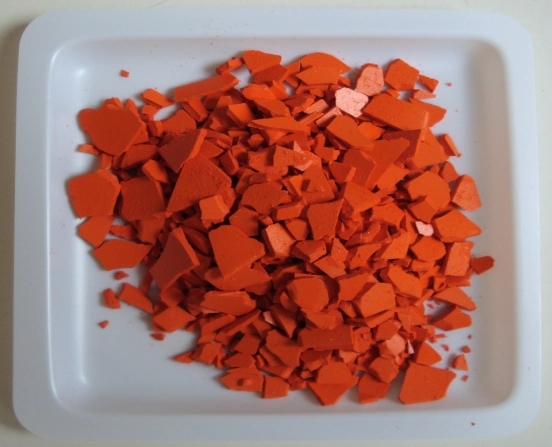
Ekstrüzyondan sonra, soğutulmuş pullar öğütme işlemine geçer. Bu adım, dikkat edilmezse malzemenin aşırı ısınmasına neden olabilir. Çok fazla sürtünme ısısı parçacıkları yumuşatır veya topaklanmalara yol açar. Bu da düzensiz boyutlara neden olur.
Birçok tesis, soğutmayı doğrudan değirmenlere entegre eder. Hava soğutmalı veya kriyojenik sistemler, ısıyı yumuşama noktasının altında tutar. Ekipler, daha sonraki püskürtme işlemlerini olumsuz etkileyebilecek erime sorunları olmadan istikrarlı bir üretim sağlamak için hava akışını, sınıflandırıcı hızını ve değirmen ısısını izler.
Parçacık Boyutu Dağılımının İstikrarlılığının Sağlanması
Parçacık boyutunun eşit dağılımı, elektrostatik püskürtme sırasında düzgün filmler oluşmasına yardımcı olur. Eşit olmayan boyutlar, film kalınlığında değişikliklere ve garip kürlenme sonuçlarına neden olur.
Üreticiler ince eleme veya hava sınıflandırması Partiden partiye PSD'yi sabit tutmak için. Sınıflandırıcılar ve besleyiciler arasındaki otomatik geri bildirim, boyutlar değiştiğinde gerçek zamanlı düzeltmelerin yapılmasını sağlar.
| Süreç Aşaması | Anahtar Kontrol Parametresi | Yanlış yönetilirse ortaya çıkabilecek potansiyel sorun |
| Ekstrüzyon | Varil sıcaklığı | Erken çapraz bağlama |
| Bileme | Değirmen sıcaklığı | Topaklanma / yumuşama |
| Sınıflandırma | Hava akışı ve tekerlek hızı | Düzensiz PSD |
Düşük Kürlemeli Toz Üretimini Destekleyen Ekipman Tasarım Özellikleri
Ekipman geliştirmeleri, düşük kürleme gerektiren tozun fabrika ölçeğinde kullanılmasını kolaylaştırdı.
Ekstrüderlerde Hassas Termal Kontrol Sistemleri
Yeni ekstrüderler, bölünmüş ısıtma bölgeleri kullanır. Operatörler, namlu boyunca farklı ısı seviyeleri ayarlayabilir. Bu, reçineleri ve katkı maddelerini iyi bir şekilde karıştırırken yerel sıcak noktaları önler. Vida şekilleri de rol oynar. Ağır kesme kuvveti yerine eşit yayılmaya odaklanan tasarımlar, reaktif parçaları ısı hasarından korurken yine de homojen karışımlar sağlar.
Ekstrüzyon Sonrası İşleme için Entegre Soğutma Çözümleri
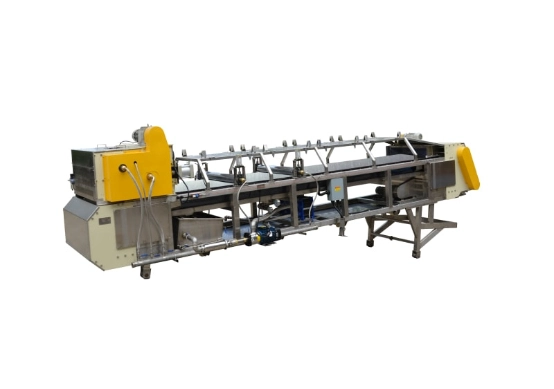
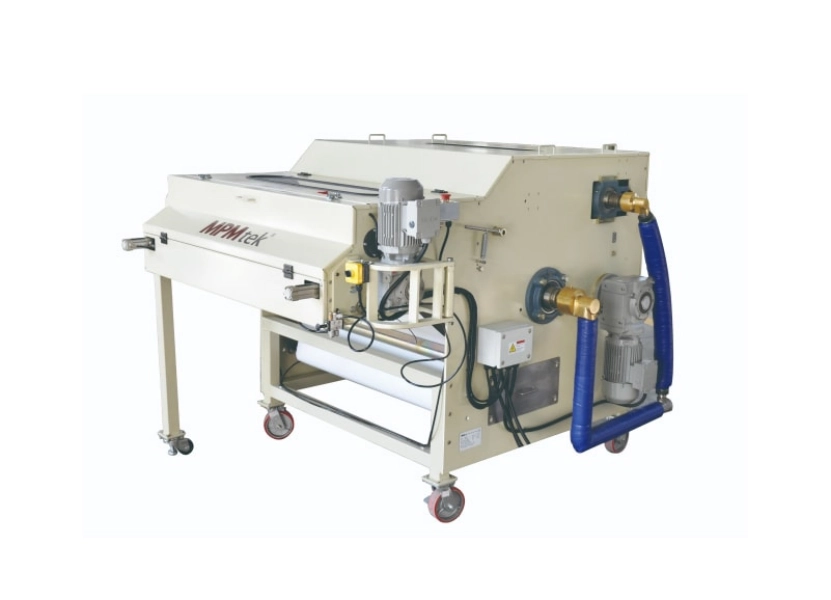
Pulların ekstrüzyondan hemen sonra hızlı bir şekilde soğutulması gerekir. Bu, öğütme işlemine başlamadan önce kalan herhangi bir reaksiyonu durdurur. Soğutma kayışları Veya soğutma silindirleri ısıyı hızla uzaklaştırır ve pulları daha sonra daha kolay işlenebilir hale getirmek için düzleştirir.
Otomatik sistemler, pul kesme hızını soğutma bandı hızlarıyla eşleştirir. Bu, partilerin homojen kalmasını sağlar; bu da düşük sıcaklıkta kürlenen tozların ölçeklendirilmesinde önemlidir, çünkü küçük sapmalar fırındaki tepkilerini değiştirebilir.
Isıya Duyarlı Tozlar İçin Optimize Edilmiş Öğütme ve Sınıflandırma Teknolojileri
Sıvı azot veya özel hava soğutmalı değirmenlerle yapılan kriyojenik öğütme, öğütücüdeki ısı birikimini sınırlandırır. Ayarlanabilir sınıflandırıcı tekerlekler, ekiplerin püskürtme akışını olumsuz etkileyebilecek çok fazla ince parçacık oluşturmadan hassas kesim noktaları belirlemesine olanak tanır.
Düşük türbülans için tasarlanmış toz toplama sistemleri, iyi verim sağlarken ince parçacıkları da muhafaza eder. Bu aynı zamanda ince toz boyalar için güvenlik gereksinimlerini de karşılar.
Kalite Kontrol ve Süreç Optimizasyon Stratejileri
Düşük kürleme oranına sahip karışımlar, çalışma aralıkları standart karışımlara göre daha dar olduğu için yakından izlenmelidir. Hat içi boyut analizörleri, sapmaları erken tespit ederek, kötü toz paketleme hattına ulaşmadan önce düzeltmelerin yapılmasını sağlar. İstatistiksel proses kontrolü, stabilitedeki yavaş sapmaları belirler.
Bitmiş Tozların Performans Özelliklerinin Test Edilmesi
Son işlem görmüş tozlar, kuruma aralıklarına uygun yüzey testlerinden geçirilir.
- Jel süresi reaktiviteyi kontrol eder.
- Akış testleri, seviyelemeyi inceler.
- Parlaklık ölçümleri yüzeyin görünümünü doğrular.
- Mekanik çekme testleri, düşük fırınlama ısısında bile yapışmayı test eder.
Diferansiyel taramalı kalorimetre, ısı davranışı hakkında hala net veriler vermektedir. Kürleme işleminin eski 180°C–200°C aralığı yerine 140°C–160°C aralığında tamamlanıp tamamlanmadığını göstermektedir.
Sonuç
Düşük kürleme süreli toz boyalar artık sadece özel yüzeyler için niş bir seçenek olmaktan çıktı. Enerji kullanımını azaltmak, kaplama esnekliğini artırmak ve daha katı sürdürülebilirlik hedeflerine ulaşmak isteyen üreticiler için pratik bir tercih haline geliyorlar. Bu formülasyonların büyük ölçekte çalışması için istikrarlı ekstrüzyon kontrolü, verimli soğutma, hassas öğütme ve güvenilir parçacık boyutu yönetimi gereklidir.
Doğru ekipman kurulumuyla, düşük sıcaklıkta kürlenen tozlar daha temiz üretim, daha iyi kaplama kalitesi ve daha güçlü pazar rekabet gücü sağlayabilir. Toz boya üretim hattınızı düşük kürleme formülasyonları için yükseltmeyi planlıyorsanız, bize Ulaşın Süreç ihtiyaçlarınıza uygun ekipman çözümü hakkında görüşmek üzere.
Sık Sorulan Sorular
Q1. Düşük sıcaklıkta kürlenen tozlar nelerdir?
Bunlar, standart toz boyalara göre çok daha düşük fırın sıcaklığında tam çapraz bağlanmaya ulaşmak üzere üretilmiş toz boyalardır.
Q2. Üreticiler neden düşük kürleme gerektiren sistemlere geçiyor?
Enerji tasarrufu, daha düşük karbon emisyonu ve ısıya duyarlı tabanları kaplama yeteneği, onları modern ürün gamına uygun hale getiriyor.
Q3. Ekstrüzyon sırasında erken kürleşmeyi nasıl önlersiniz?
Bölünmüş ısıtıcılar ve canlı sensörler ile ekstrüder bölgelerinde uygulanan sıkı ısı kontrolü işi hallediyor.
Q4. Daha düşük sıcaklıklarda doğru kürleşmeyi hangi test yöntemleri doğrular?
Jel süresi kontrolleri ve diferansiyel taramalı kalorimetre, hedef ısı aralığı içinde doğru reaktiviteyi doğrular.
Q5. Mevcut toz boya üretim ekipmanları düşük kürlenme oranına sahip formülasyonları işleyebilir mi?
Evet, daha iyi soğutma, daha sıkı ısı kontrolü ve hassas karışımlar için tasarlanmış vida düzenekleri gibi geliştirmelerle birleştirildiğinde.