
A high torque twin screw extruder’s output isn’t determined by a single component, but rather by the collective influence of screw design, motor capacity, material behavior, and operating settings. When these elements are aligned and optimized, the machine can deliver excellent throughput, mixing quality, and stability. But when one factor is off—say, incompatible screw sizes or an overloaded motor—the entire process can suffer. Let’s break down how each of these critical factors influences performance.
Key Factors Influencing the Output of a High Torque Twin Screw Extruder
The Role of Screw Design in Output Performance
The screw design plays a central role in determining how efficiently material is processed. The geometry of the screws—pitch, diameter, and flight depth—directly affects both the conveying speed and shear forces.
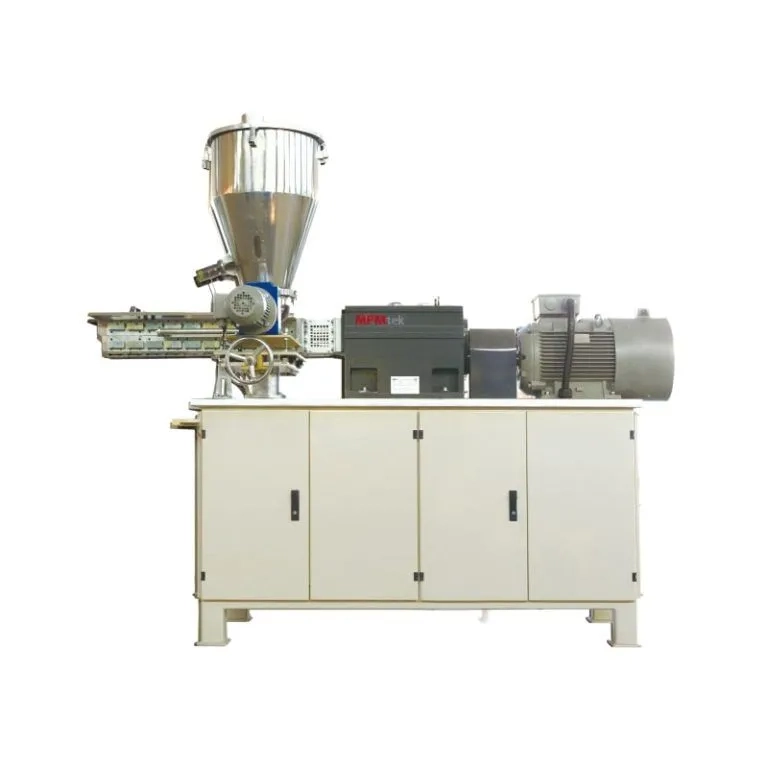
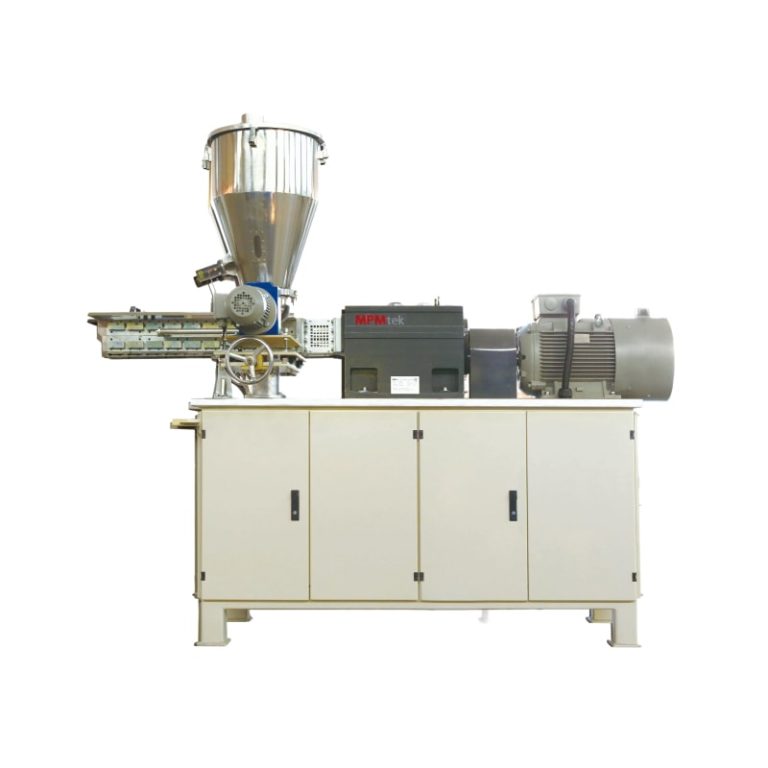
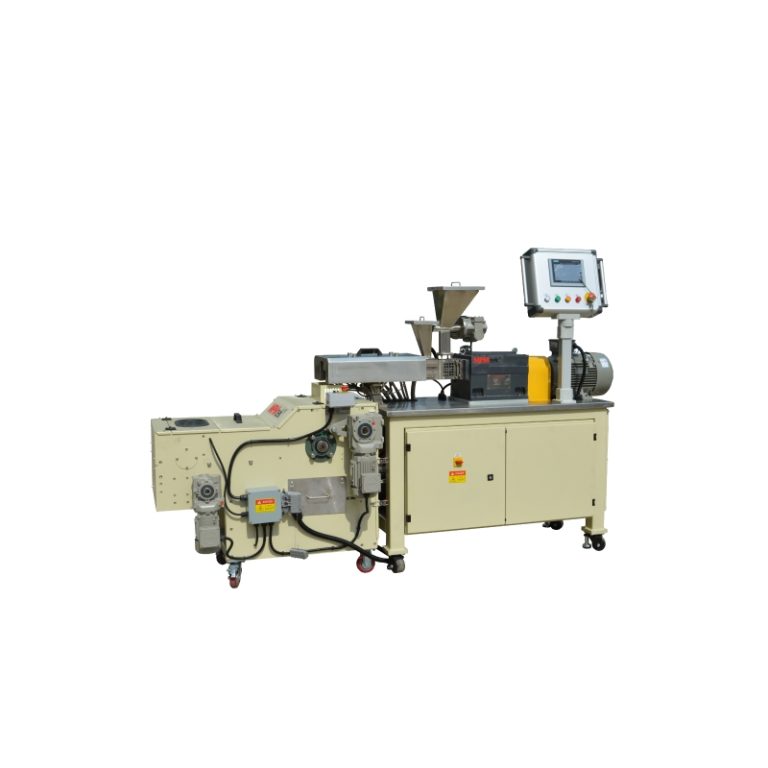
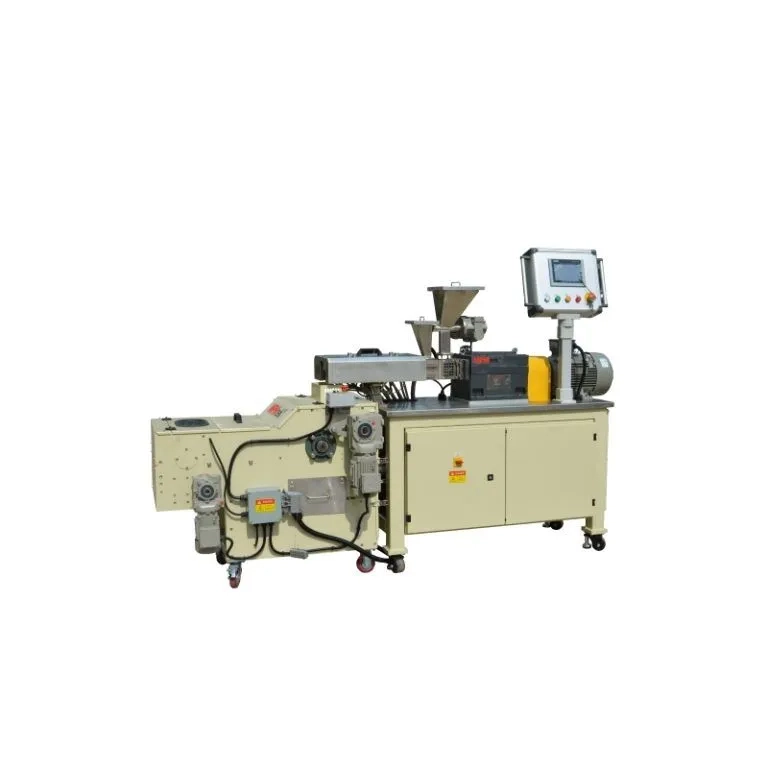
Screw segments and kneading blocks on screw shafts could be configured optimally according to technology requirements of powder coating processing. This configurability allows manufacturers to tailor the setup depending on the material type and desired final product characteristics.
Different screw elements—such as conveying, kneading, and reverse elements—support various processing needs. For example, kneading elements help increase residence time for better dispersion, while conveying elements push material forward faster.
Furthermore, screw segments and kneading blocks are designed and manufactured to be uniform meshing clearance (radically, axially and normally) between both two screw shafts and screw shafts to barrel during operation, which supports homogeneous mixing and prevents material buildup.
How Motor Power Impacts Extruder Output
Motor power isn’t just about speed—it’s about torque. A high torque motor enables greater force to be applied to high viscosity materials or formulations with heavy fillers.
More torque allows the extruder to push through resistance without stalling, enabling higher throughput. That said, motor efficiency also matters. If the motor draws excessive power without converting it effectively into mechanical energy, energy costs rise without a corresponding increase in output.
Proper motor sizing ensures stable operation under load. Undersized motors can overheat or fail under pressure, while oversized ones may add unnecessary cost without real benefit. A good rule of thumb: match the motor to the expected torque demands of your specific formulation and throughput goal.
The Effect of Material Properties on Output Capacity
No matter how well the machine is built, it still has to handle the raw materials fed into it. Materials with high viscosity slow down flow rates and require more energy to process.
Fillers, additives, and especially moisture content can complicate extrusion. Too much moisture? You risk venting issues or poor quality output. Too many abrasive fillers? You’ll wear out screws faster and possibly reduce output consistency.
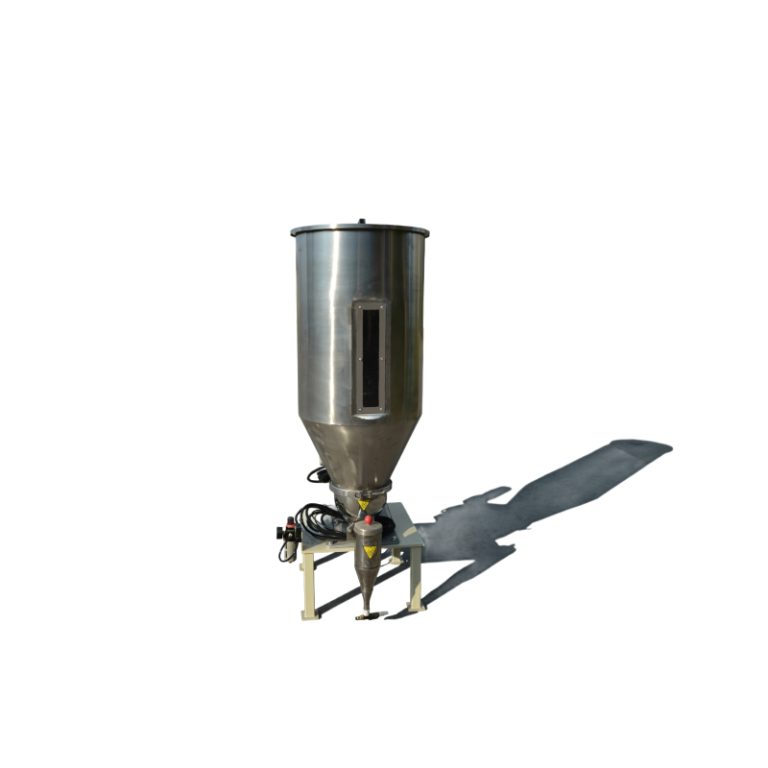
Material compatibility with screw design is also essential. For example, recycled powders or light density materials often need forced feeding mechanisms. Twin screw feeder is forced to feeding materials of bad fluidity and low specific gravity, like recycle powders, beyond other kinds of feeding.
Operating Conditions That Influence Output Rates
Temperature is one of the most critical operational variables. If melt temperature is too low, material may not plasticize properly; too high, and you risk degradation.
The barrel is designed with efficient heating/cooling system, Temperatures of multiple zones are precisely controlled within ±2 C. This level of control allows operators to fine tune melting behavior across zones.
Consistent feed rate ensures that material input matches extrusion speed. Fluctuations here lead to unstable pressure and inconsistent product quality.
Pressure control also matters—especially when dealing with formulations that require tight dimensional tolerances.
Typical Output Ranges for High Torque Twin Screw Extruders
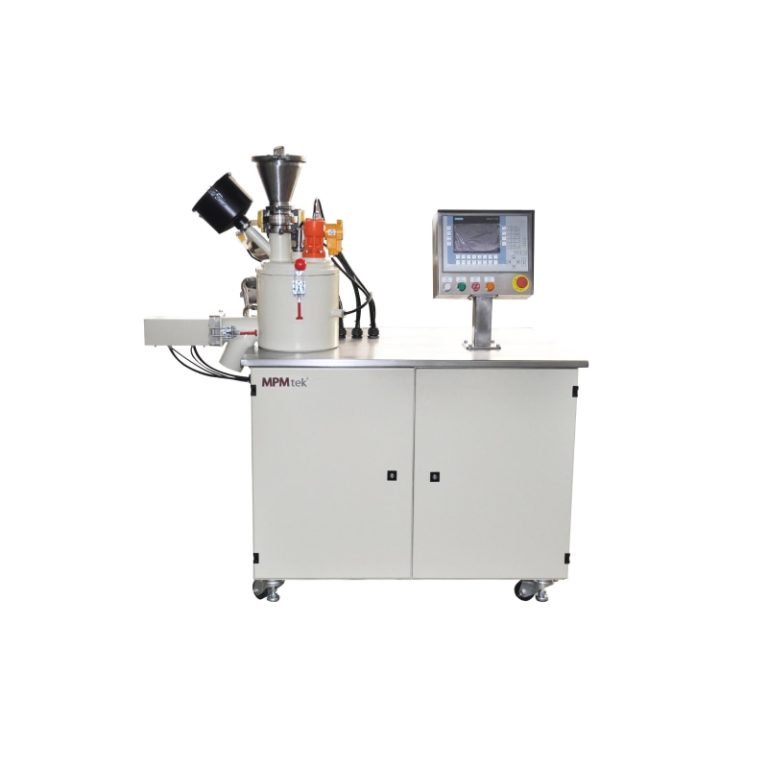
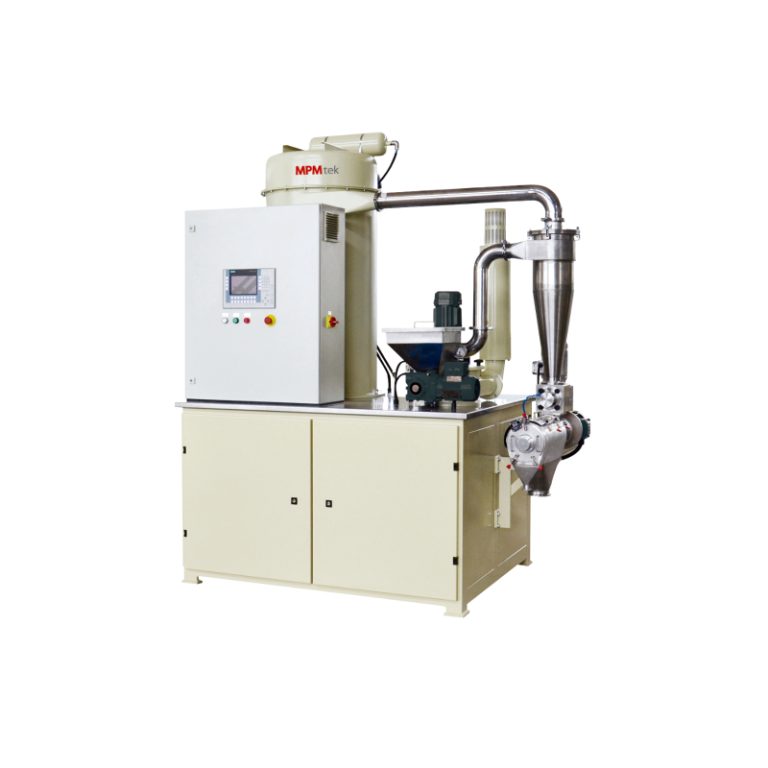
MPMtek offers a range of twin screw extruders with different throughput capacities designed for varied scales of production:
| Machine Size | Throughput Range | Typical Use Case |
| Lab Scale | 100–200 kg/h | R&D or pilot testing |
| Medium Scale | 300–600 kg/h | Batch production |
| Industrial Scale | 700–1000+ kg/h | Continuous manufacturing |
Small scale extruders are ideal for formulation trials or product development in labs. Medium sized machines balance flexibility with solid output for commercial scale batches. For mass production environments, large industrial models are essential to maintain continuous throughput without interruptions.
Strategies to Maximize the Output of Twin Screw Extruders
Optimizing Screw Configuration and Machine Setup
To get the most out of your twin screw extruder, start with tailoring your screw design. As mentioned earlier, screw segments and kneading blocks on screw shafts could be configured optimally according to technology requirements of powder coating processing. So if you’re working with a filler heavy formulation, prioritize strong conveying elements upfront and intensive mixing zones downstream.
Adjusting barrel temperature zones is also key—some formulations melt quickly but require long mixing times; others need gradual heating to avoid scorching.
MPMtek, a specialist in powder coating production equipment based in Yantai, China, incorporates advanced thermal control systems in their extruders that ensure precise temperature regulation across multiple barrel zones.
Maintaining Equipment and Monitoring Performance Metrics
Regular maintenance is often overlooked but critical. Worn screws or misaligned barrels can drastically reduce throughput and increase energy consumption.
Monitoring metrics like torque, pressure, and melt temperature helps detect inefficiencies early. All processing parameters are recipe mode managed (data storage, recall and modify), and monitored by the production controller in office terminal or mobile terminal.
Staying proactive with system diagnostics not only preserves machine life but also maintains consistent product quality—essential in powder coatings where precision matters.
MPMtek’s systems include integrated PLC and HMI interfaces that make monitoring accessible even from remote locations—a helpful feature for high volume production lines that can’t afford downtime.
To achieve the best output from your high torque twin screw extruder, it’s essential to optimize screw design, motor power, and operational conditions. Visit MPMtek today to explore our cutting-edge twin screw extruders!
FAQs
Q1: What’s the ideal screw configuration for powder coatings?
It depends on your formulation, but a combination of conveying and kneading blocks optimized for distribution mixing is commonly used.
Q2: How does high torque improve extrusion?
High torque allows better handling of viscous materials and increases throughput without motor overload.
Q3: Can I use the same extruder for different materials?
Yes, but you may need to change screw elements or adjust operating conditions depending on the material’s behavior.
Q4: What happens if barrel temperatures fluctuate?
You’ll likely see inconsistent melting and poor dispersion, which affects final product quality.
Q5: Is preventive maintenance really necessary for extruders?
Absolutely. It helps avoid mechanical failures and ensures long term stable output.