يبدأ إطلاق مصنع طلاء مسحوق بسؤال رئيسي واحد: كم من خطوط الإنتاج ستكون كافية للوصول إلى أهدافك دون إهدار المال؟ الاستجابة تعتمد على الناتج المطلوب، ومجموعة متنوعة من المنتجات، والمساحة التي لديك. العديد من الشركات الجديدة تبدأ مع خط إنتاج طلاء مسحوق واحد فقط. وهذا يسمح لهم باختبار الوصفات ومعرفة كيفية رد فعل السوق. من ناحية أخرى ، غالباً ما يحتاج المصنعون الأكبر إلى عدة خطوط. يستخدمون هذه للحفاظ على الإنتاج المستمر والتكيف بسهولة.
ما هو خط إنتاج طلاء مسحوق؟
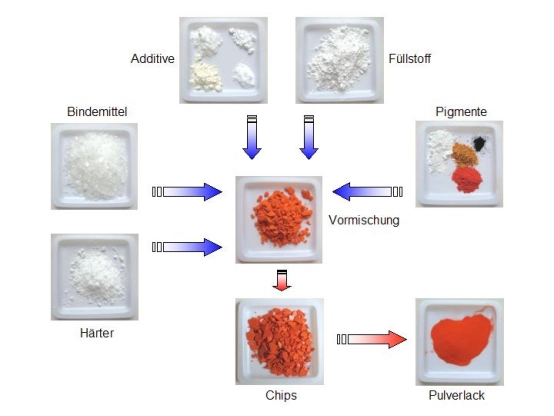
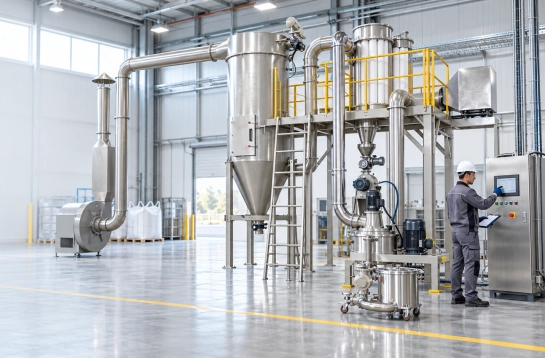
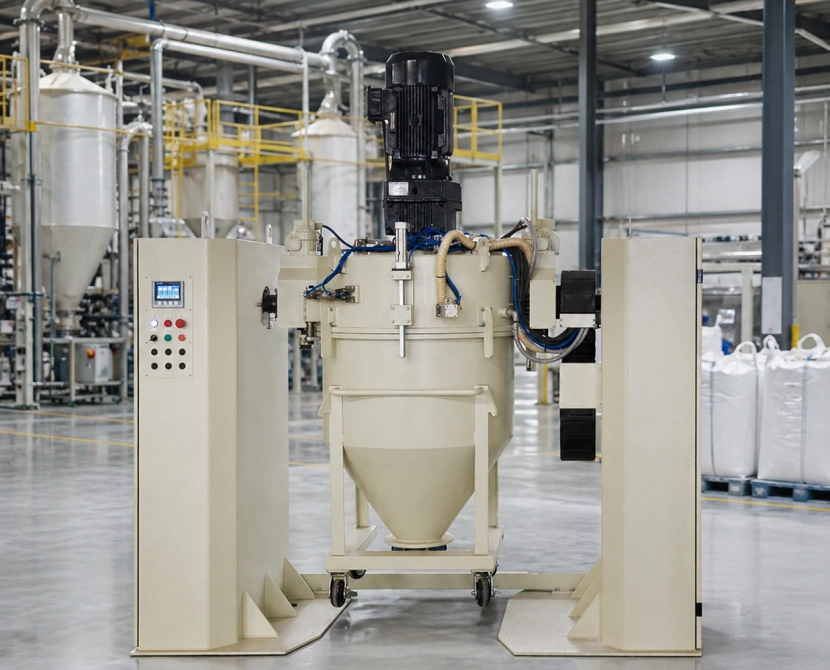
خط إنتاج طلاء مسحوق يعمل كإعداد كامل. يحول المكونات الخام إلى طلاء مسحوق منتهي من خلال سلسلة من الخطوات. عادة ما تغطي هذه الخلط والطرد والتبريد والطحن والتعبئة والتغليف. كل جزء يلعب دورا واضحا. خلط يخلط الصبغات والراتنجات بالتساوي. التسخين يخلط الدفعة بشكل جيد. التبريد يحدد المواد. الطحن ينقسمها إلى جزيئات دقيقة. التعبئة والتغليف يجعلها جاهزة للتسليم أو التخزين.
هذا الإعداد يشارك بعض الأفكار مع خطوط الطلاء القديمة. ومع ذلك ، فهي تميز بسبب طريقتها الجافة. طلاء مسحوق يتجاوز المذيبات أو القواعد السائلة. بل تعتمد على الحرارة والقوة الميكانيكية. ونتيجة لذلك، تحصل على انبعاثات أقل. المواد تستمر لفترة أطول، و it’ أسهل لاستعادة الرذاذ الإضافي أثناء الاستخدام.
لماذا خطوط الإنتاج ضرورية لمصنع طلاء مسحوق
خط إنتاج صلب يرسخ أي مصنع طلاء مسحوق. يحافظ على جودة المنتج ثابتة من خلال إدارة الحرارة ونسبة الخليط وأحجام جسيمات المسحوق في كل خطوة. يمكنك’ t تتجاهل الجودة الثابتة. يضمن حتى الألوان في دفعات ، والتي يحظى العملاء بجائزة في أشياء مثل طلاء البناء أو التشطيبات السيارات.
الخطوط الآلية تعزز الكفاءة أيضا. إنهم يقللون من العمل اليدوي ويقللون مصاريف العمالة. بالإضافة إلى ذلك ، إنهم يتركون العمليات تنمو. عند التقاط الطلبات، يمكنك إضافة خطوط مطابقة. هذا won’ t تعطيل الإعداد الحالي. في جوهرها، توفر هذه الخطوط موثوقية ومساحة للمناورة في مساحات التصنيع الكبيرة.
العوامل التي تحدد عدد خطوط الإنتاج المطلوبة
تقرير عدد الخطوط هو’ t عشوائي. ويتطلب التخطيط الذكي بناءً على أهداف الإنتاج وأنواع المنتجات وحدود الإعداد.
تقدير احتياجات القدرة الإنتاجية
أولاً، حدد إنتاجك المتوقع كل شهر أو سنة، مقاساً بالطن.
| نوع المصنع | الناتج المستهدف (طن/سنة) | سعة الخط النموذجي (كجم / ساعة) | الخطوط الموصى بها |
| الشركات الناشئة الصغيرة | 300–500 | 250–400 | 1 |
| مصنع متوسط | 1,000–3,000 | 400–800 | 2-3 |
| مصنع كبير | 5,000+ | 800–1,200 | 4+ |
اقترن أهدافك بما يمكن لكل خط التعامل معه. وهذا يمنع التباطؤ أو المعدات غير المستخدمة. فكر في النمو أيضًا. اترك مساحة لمزيد من الخطوط. بهذه الطريقة ، يمكنك تجنب النفقات الكبيرة في وقت لاحق. ويتجاهل الكثير من المستثمرين هذا في المراحل المبكرة.
مجموعة المنتجات وتنوع الصياغة
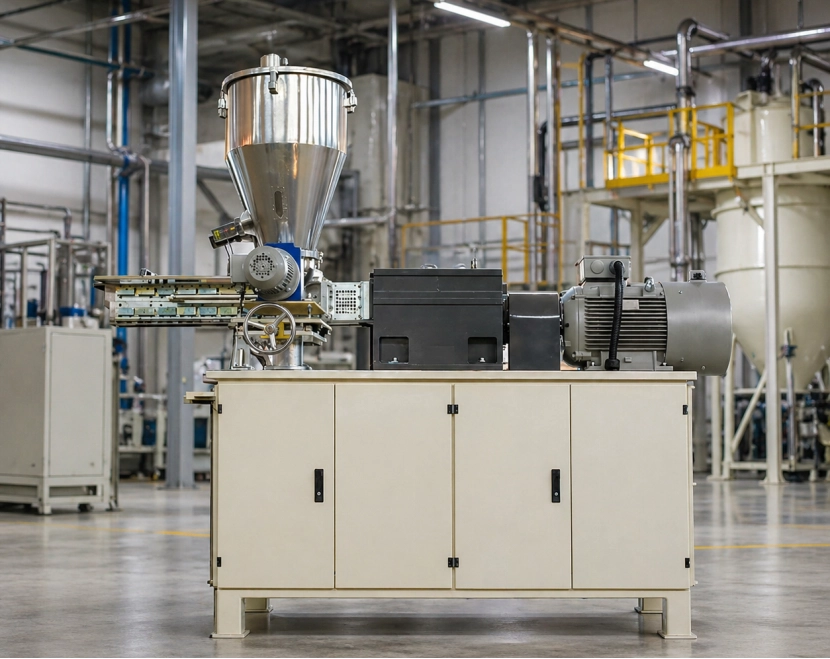
افترض أن مصنعك سيصنع مساحيق مختلفة. على سبيل المثال ، أنواع الإيبوكسي للتطبيقات الداخلية أو البوليستر لمقاومة الطقس. في هذه الحالة، قد ترغب في خطوط مختلفة لكل نوع. تغيير أنواع الراتنج يتطلب تنظيف عميق. هذا يتجنب الاختلاطات ولكن يأكل في وقت التشغيل إذا كنت تغير في كثير من الأحيان.
تغيرات الألوان تجلب مشاكل مماثلة. أدوات التنظيف مثل الطاردات أو طاحونات بين الألوان يمكن أن تستمر ساعات. إذا كانت بعض الألوان تبيع بشكل جيد، تكرس خطوط لهم. أو وضع خطوط جانبا لأنواع الراتنج الرئيسية. هذا يقلل من فترات الخمول. يحافظ على تدفق الإنتاج بسلاسة ، حتى مع أوامر متنوعة.
الاعتبارات المتعلقة بالفضاء والميزانية والبنية التحتية
يجب أن تتناسب أفكارك الأكثر جرأة مع القيود الحقيقية ، مثل مساحة الأرض وتوافر الطاقة. كل خط إنتاج طلاء مسحوق يتطلب تدفق هوائي جيد. هذا يتعامل مع الحرارة من البثق والطحن. كما يحتاج إلى كهرباء موثوقة للآلات الثقيلة ، مثل طاردات أو تصفية.
أمور المال تشكل الخيارات أيضا. تقدم العديد من الخطوط الأصغر خيارات ، لكنها تكلف أكثر من وحدة قوية واحدة. تهدف إلى التوازن. اختر المعدات التي تنمو معك. قطع وحدات تسمح لك بتوسيع قليلاً بقليل. لقد فازت ’ t تحتاج إلى إصلاح المصنع بأكمله أسفل الخط.
التكوينات النموذجية لمصانع طلاء مسحوق جديدة
تتطلب أحجام الأعمال المختلفة ترتيبات مختلفة. إذا كنت’ إعادة بدء عملية اختبار أو الهدف إلى المبيعات العالمية، ومعرفة الإعدادات القياسية يضع الآمال المناسبة للنفقات والعوائد.
الشركات الناشئة على نطاق صغير أو المصانع التجريبية
المشاريع الجديدة غالبا ما تذهب مع خط إنتاج كامل واحد. يدير كل شيء من الخلط الأولي إلى التعبئة والتغليفهذا يناسب الشركات التي تحاول الوصفات الطازجة أو تستهدف الأسواق الصغيرة. هنا، تبقى الدفعات متواضعة، ولكن الدقة تحسب كثيرا. خط واحد يسهل تدريب الموظفين والصيانة. كما يقلل من تكاليف البدء.
مصانع متوسطة الحجم تستهدف إنتاج مستقر
العمليات المتوسطة الحجم تبحث عن إمدادات موثوقة. عادة ما تستخدم خطين أو ثلاثة خطوط إنتاج طلاء مسحوق. وهذا يسمح لهم بتشغيل راتنجات مختلفة في وقت واحد. صورة خط واحد للإيبوكسي واثنين للبوليستر. لا خطر التلوث. الخطوط الإضافية تضيف النسخ الاحتياطي أيضا. إذا كان أحد يحتاج إلى تنظيف أو إصلاح ، فإن الباقي يستمر. لقد وصلت إلى المواعيد النهائية بدون ضغط.
المصانع الصناعية الكبيرة ذات الطلب الكبير
المرافق الكبيرة تزود مصنعي السيارات أو البائعين في جميع أنحاء العالم. يديرون أربعة خطوط آلية أو أكثر دون توقف. تعتمد هذه البقع على التحكم الذكي. تتبع الحرارة وسرعات الآلة لضمان أعلى جودة في دفعات ضخمة تتجاوز آلاف الأطنان سنويا. هذه النباتات تزدهر على مسارات ثابتة. أي توقف يضر بالدخل. لذلك ، تصبح الأتمتة ضرورية.
التخطيط للعدد المناسب من الخطوط لإعداد المصنع الخاص بك
إن التوازن بين الإنفاق المبكر والاحتياجات المستقبلية يشكل مكاسب دائمة في هذا المجال.
موازنة الاستثمار الأولي مع توقعات طلب السوق
ابدأ متواضع. تثبيت القدرة للطلبات الصلبة الآن. بناء في الفضاء لتنمو مع بناء العملاء أو ظهور صفقات جديدة. إجراء أبحاث قوية حول الاتجاهات المحلية. هذا يبقي أموالك حرة حتى تبدأ المبيعات حقا.
أهمية تصميم التوسع الوحدي
اختر المعدات التي تناسب الترقيات في وقت لاحق. يوفر الجهد والمال عندما تقوم بتوسيع نطاق الطلبات أو الطلاءات الخاصة. فكر في أنواع مضادة للصدأ. يمكنك فتحها في الإعداد الخاص بك دون توقف العمل بالكامل.
كيف يدعم MPMtek إعداد المصنع وتخطيط التوسع
بعد أن تخطط، ابحث عن شركاء موثوقين. تقدم هندسة مخصصة تناسب نموذجك بالضبط. تخطي مجموعات عامة تفتقر إلى المرونة. MPMtek يوفر إعدادات خط إنتاج طلاء مسحوق مخصصة لمطابقة ما يريده العملاء. نحن نتعامل مع تصميم التخطيط ومساعدة الإعداد وتدريب الموظفين.
خبرائنا يعملون جنبا إلى جنب في كل مرحلة. هذا يضمن بدء التشغيل السهل الذي يصل إلى أهداف الإنتاج الخاصة بك. لا حاجة إلى إصلاحات مكلفة بعد ذلك. نحن نساعد في تعديل الخطوط الحالية لإنتاج أفضل أو وصفات جديدة. تتابع أبحاثنا التحولات في الصناعة والمواد الجديدة. التحقق الروتيني من طرق التحسين. هذا يعزز الممارسات الخضراء والأرباح على المدى الطويل.
الأسئلة الشائعة
Q1: كم من خطوط إنتاج طلاء مسحوق أحتاج لمصنع صغير؟
عادة ما يعمل خط كامل في البداية. ما لم يكن عليك التعامل مع عدة أنواع من المنتجات في نفس الوقت.
Q2: هل يمكنني توسيع مصنعي في وقت لاحق دون استبدال الآلات القديمة؟
أجل التصاميم الموحدة تسمح لك بإضافة وحدات خطوة بخطوة. بدون تغييرات كبيرة في التخطيط.
Q3: ما هو متوسط السعة لكل خط طلاء مسحوق قياسي؟
تنتج النماذج المتوسطة الحجم الشائعة حوالي 400-800 كيلوغرام في الساعة. يختلف مع تفاصيل الوصفة.
Q4: كم من المساحة يجب تخصيصها لكل خط إنتاج؟
خطط حوالي 200-300 متر مربع لكل خط كامل. تضمين مناطق حركة المواد.
Q5: هل تحتاج الألوان المختلفة إلى خطوط طلاء مسحوق منفصلة؟
ليس دائماً لكن تغيير الألوان غالبا ما يبطئ الأمور بسبب التنظيف. الخطوط المخصصة للألوان الرئيسية تزيد من الكفاءة. قم بذلك عندما تجعل الأوامر ذلك يستحق.