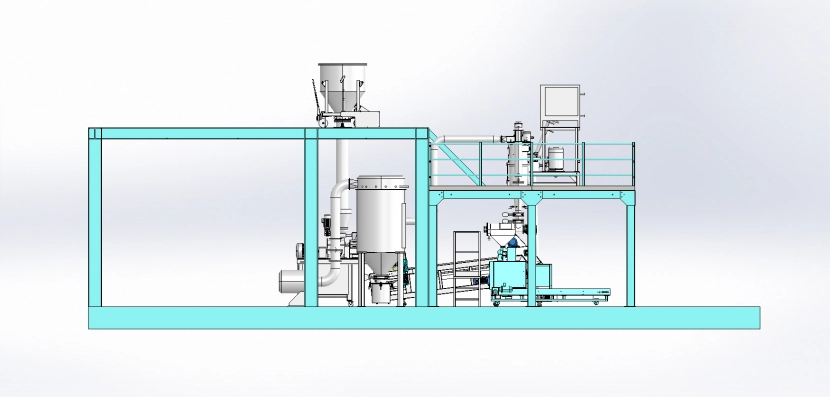
الاختيار بين خط إنتاج طلاء مسحوق أوتوماتيكي ومفصل يتجاوز مجرد الأتمتة. ويتضمن ذلك مطابقة التكنولوجيا المناسبة لأهدافك الإنتاجية المحددة وحدود الميزانية ومتطلبات المرونة. الشركات المصنعة التي تستهدف نتائج ثابتة وكميات كبيرة تجد الخطوط التلقائية مفيدة للغاية. ومع ذلك ، إذا كانت التعديلات السريعة ومفاتيح الألوان المتكررة هي المفتاح ، فإن الترتيبات المستقلة غالبا ما تثبت أنها أكثر حكمة.
ما هو خط إنتاج طلاء مسحوق
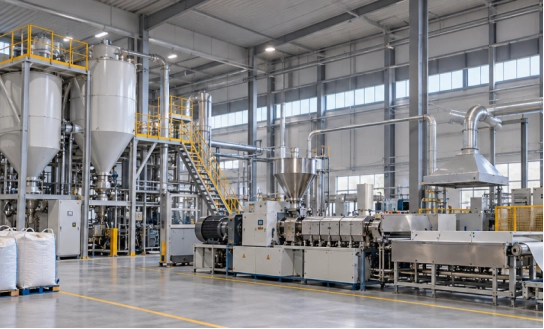
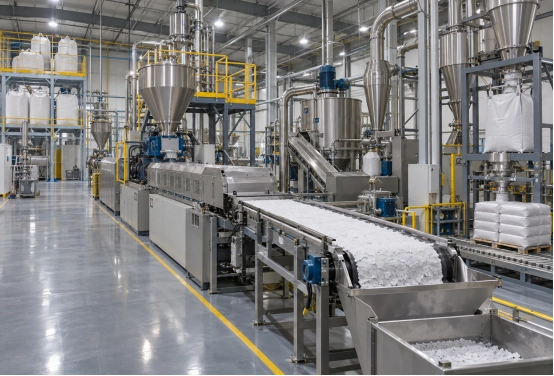
خط إنتاج طلاء مسحوق كامل يحول المكونات الأساسية إلى مسحوقات جاهزة للاستخدام عن طريق عدة خطوات رئيسية: الخلط والذوبان والتبريد والطحن. تتعامل الآلات المتخصصة مع كل مرحلة لتقديم جودة متساوية.
خلاط الحاويات يضمن الخلط الكامل قبل البثق. تتبع مرحلة الطرد. يذوب ويتساوي الخليط تحت إعدادات الحرارة والضغط الدقيقة. ثم ، تنتقل المادة الدافئة إلى معدات التبريد. بعد أن يبرد إلى رقائق ثابتة ، يتم مسحوقها إلى جزيئات دقيقة بأدوات مثل نظام الطحن الدقيق ACM.
تلعب الأتمتة الآن دورا أكبر في هذا التدفق. تعقب إعدادات PLC المركزية مناطق الحرارة ودورات المسمار وسرعات الإدخال. إنهم يبقون الدفعات موحدة ويقللون من العمل العملي.
أهمية اختيار خط الإنتاج المناسب
خط طلاء مسحوق ’ تخطيط الأشكال موثوقية المنتج والحجم والتحكم في النفقات. التصميم المرتبط بذكاء يقلل من أخطاء العمال ويضمن حتى الانتشار في البثق. قد تؤدي الخطط المفكرة بشكل سيء إلى تأخير أو تصلب ملحوظ في الاستخدامات اللاحقة.
نوع الإعداد يتأثر أيضًا بنفقات العمالة. الخطوط التلقائية تقلل من أدوار العمال ، في حين تتطلب الخطوط المستقلة المزيد من النقل اليدوي بين الخطوات. أشياء مثل مساحة الأرضية المفتوحة ، وأنواع المنتجات المصنوعة (مثل المعادن مقابل المساحيق العادية) ، وبساطة الإصلاح كل دليل أي خيار يناسب المصنع ’ العمل اليومي الأفضل.
خطوط إنتاج طلاء مسحوق تلقائية
الإعدادات التلقائية تمثل ذروة العمليات المرتبطة في اليوم’ صنع طلاء مسحوق.
الميزات الرئيسية لخط طلاء مسحوق تلقائي
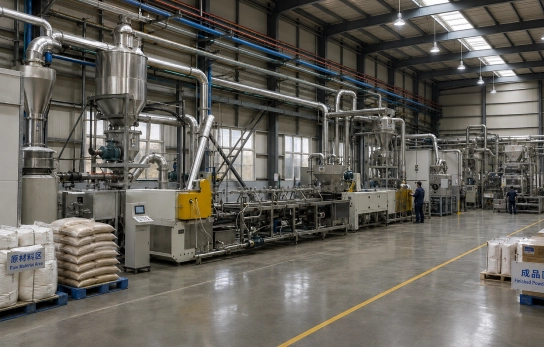
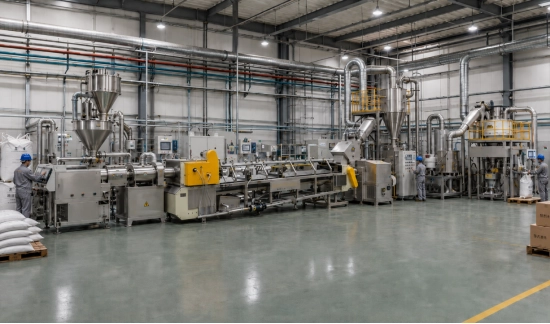
خط طلاء مسحوق تلقائي يربط كل خطوة معا - من الخلط إلى الطحن - مع الأحزمة وحدات التحكم الذكية. يتضمن صناديق التغذية التلقائية التي تقيس المضافات بدقة ؛ على سبيل المثال، تغذية المسمار المزدوج للتغذية الإضافية. يضمن تدفق مستقر حتى مع المواد ذات الكثافة المنخفضة.
مزامنة PLCs المركزية المهام عبر الخلاطات والطاردات وأحزام التبريد والمطاحون لتحويل سلس بين الوظائف. يعزز التتبع المباشر الدقة ويقلل الاختلافات عبر الجري.
مزايا الأنظمة الآلية
الأتمتة تجلب العديد من المكاسب:
- تقليل الحاجة إلى العمال بسبب استمرار المدخلات والمنتجات.
- جودة ثابتة من إدارة الحرارة القائمة على ردود الفعل.
- محاصيل أكبر، مثالية للنباتات الكبيرة التي تنتج مئات الكيلوغرامات في الساعة.
ربط البيانات يسمح لك بتخزين الوصفات لسهولة الوصول. يتم إدارة جميع معايير المعالجة في وضع الوصفة (تخزين البيانات واستدعائها وتعديلها) ، ويتم مراقبتها من قبل وحدة التحكم في الإنتاج في محطة المكتب أو المحطة المحمولة. هذا يعزز تعقب الدفعات.
القيود المحتملة للخطوط الآلية
ومع ذلك ، فإن الأتمتة لها عيوب:
- ترتيبات الأنابيب الصعبة تزيد تكاليف بدء التشغيل.
- تحتاج إلى خبراء مدربين لإصلاح PLCs أو محركات سيرفو.
- تغيير الألوان أو الخلاطات يستغرق وقتًا أكبر لأن الأجزاء المرتبطة تتطلب تنظيفًا دقيقًا.
قد تجد الشركات التي تصنع الكثير من النغمات المخصصة أو الكثير الصغير كل يوم أن هذه الصلابة تعوق الإنتاج ، حتى مع كفاءة تشغيل أفضل.
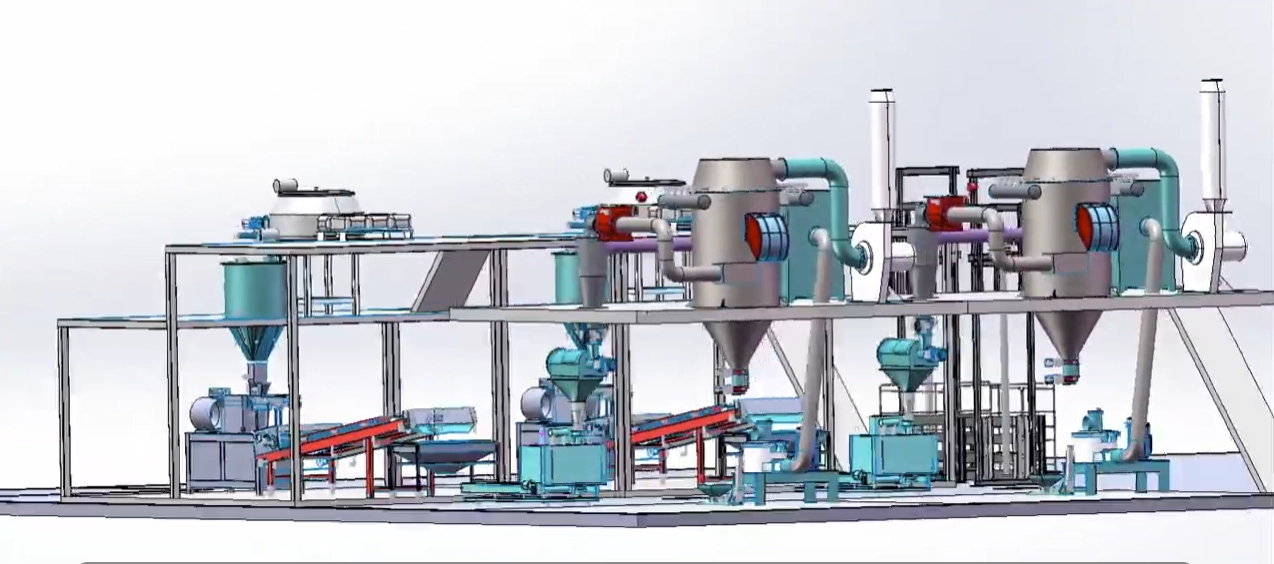
خطوط إنتاج طلاء مسحوق منفصلة
تبقى التصاميم المستقلة شائعة للصانعين القابلين للتكيف الذين يقدرون النطاق على الوتيرة.
ما الذي يحدد إعداد خط إنتاج منفصل
في الإعدادات المستقلة، كل عملية تعمل بنفسها. وحدات الخلط تحصل على تغذية يدويا في الطاردات. الشرائح المبردة تتحرك عبر العمال إلى الطاحونات. يتيح لك هذا النهج قطعة بعد قطعة ضبط كل جزء حسب احتياجات الوصفة أو أنواع الألوان.
فوائد تكوينات خطوط منفصلة
خطوط مستقلة تقدم:
- قابلية التكيف الأفضل لجريات صغيرة أو ألوان متنوعة.
- تنظيف أبسط ، حيث يمكنك عزل كل آلة.
- أسعار مقدمة أرخص من خطوط الأنابيب المرتبطة بالكامل.
غالبا ما يختار صانعو اختبار الوصفات الطازجة أو تشغيل مصانع الاختبار هذا الأسلوب. يسمح بتعديلات منتظمة دون وقف المهام الأخرى.
التحديات المرتبطة بخطوط منفصلة
المشكلة الرئيسية هي مطالب العمالة الثقيلة. تحرك اليد عائدات بطيئة وتعزيز تكاليف التشغيل على المدى الطويل. يمكن أن يؤدي التعامل غير المتساوي إلى تنوع أحجام الشرائح أو انتشار حبوب المسحوق ، على عكس الإعدادات الآلية حيث يكون توزيع حجم الجسيمات مركزا ومستقرا وقابلا للتعديل. مع نمو الإنتاج، يصبح الحفاظ على التكافؤ أصعب.
مقارنة التلقائي مقابل خطوط إنتاج طلاء مسحوق منفصلة
إن النظر إلى كلا النظامين يسلط الضوء مباشرة على ثغرات الأداء الواضحة.
مقارنة الكفاءة والنتائج
توفر الخطوط التلقائية العائدات دون توقف ، وتناسب بقع صنع الكتلة بأكثر من 1000 كجم / ساعة باستخدام نماذج مثل TSE-70C. خطوط مستقلة تناسب بشكل أفضل عندما تنوع يتفوق حجم.
| ميزة | خط تلقائي | خط منفصل |
| قدرة الإنتاج | عالية (حتى 1200 كجم / ساعة) | معتدل |
| المرونة | المحدودة | عالية |
| وقت التنظيف | أطول | أقصر |
| متطلبات العمل | منخفض | عالية |
اعتبارات التكلفة مع مرور الوقت
تتطلب الأنظمة الآلية المزيد من الأموال الأولية بسبب الأحزمة المدمجة و PLCs. ومع ذلك، فإنها تخفض تكاليف العمال المستمر كثيرا. يعمل استخدام الطاقة بشكل أكثر سلاسة ، حيث تعمل المحركات عند ذروة الأحمال. هذا يتناقض مع الإعدادات اليدوية التي لا تعمل بين الكتيرات.
الصيانة والتنظيف وعوامل التوقف
الخطوط التلقائية تتطلب فحوصات روتينية. لكنهم يقللون من انزلاق العمال عن طريق التنبيهات الرقمية ، مثل نظام التحكم في درجة حرارة الزيت / الإنذار. الخطوط المستقلة تسهل التنظيف ولكن غالبا ما تضرب توقف أثناء تبادل الألوان. هذا’ لأنك يجب أن تفصل كل جزء باليد.
العوامل الرئيسية التي يجب مراعاتها عند الاختيار بين النظامين
الاختيار بين هذه الخيارات يعتمد على الأهداف الأساسية ، وليس فقط التكنولوجيا.
تقييم حجم الإنتاج واحتياجات تنوع المنتج
المصانع الكبيرة التي تصنع المساحيق الروتينية تستفيد الأكثر من الأتمتة ’ زيادة السرعة. قد تميل المحلات التجارية الأصغر التي تصنع التشطيبات الخاصة إلى تصاميم وحدات. هذه تسمح بتبديلات أسرع دون مخاطر الخلط.
تقييم المساحة المتاحة ومهارات العمالة وقيود الميزانية
تحتاج خطوط الأنابيب الآلية إلى استخدام مساحة مدروسة للأحزام والكابلات. وتأخذ الأنظمة المستقلة مساحات أصغر لكنها تتطلب أماكن عمل إضافية. الموظفين المدربين يثبتون أهمية حيوية للتعامل مع أجهزة الطرد التي تديرها PLC ، مثل تلك التي تضم PLC & يتم استخدام واجهة HMI للتحكم مع واجهة ودية، وضمان التشغيل المتسق عبر المناوبات.
أهداف الأعمال على المدى الطويل وخطط التوسع
غالبا ما يذهب المصنعون البعيدين النظر إلى نهج مختلط. تبدأ مع قطع تلقائية جزئيا التي تربط في إعدادات كاملة في وقت لاحق مع ارتفاع الناتج. وزن إمكانات النمو أثناء الشراء يتجنب التحديثات المكلفة في الأسفل.
كيف تدعم MPMtek أهداف إنتاج طلاء المسحوق
MPMtek يقدم مساعدة كاملة المجموعة مجهزة على احتياجات الإنتاج الآلي والمستقل. ملتزمة MPMtek ببحث وتطوير معدات إنتاج طلاء مسحوق دقيقة وذكية وفعالة وصديقة للإنسان. تشمل مجموعة الخلاطات ، والطاردات المزدوجة المسمار ، وأحزام التبريد من الفولاذ المقاوم للصدأ ، ومطاحن ACM. تتبع جميع معايير توجيه الآلات في الاتحاد الأوروبي للسلامة والموثوقية على مصنعك ’ الحياة.
حلول مخصصة لاحتياجات التصنيع المختلفة
سواء كنت تريد وحدات مختبر صغيرة أو خطوط صناعية كاملة تصل إلى طن واحد في الساعة ، فإن السلامة والأتمتة والكفاءة وحماية البيئة هي مبادئ تطوير منتجات MPMtek. يتعاون المهندسون مع العملاء لصياغة الإعدادات التي تزن احتياجات العائد ضد آمال التكيف.
الدعم الفني وخدمة ما بعد البيع
تغطي مساعدة الإعداد تدريب العمال على شاشات PLC بالإضافة إلى مساعدة إصلاح ثابتة للأحمولة المختلفة. تتمتع سلسلة MPMtek بسمعة عالية بين العملاء المحليين والأجانب لأدائها الممتاز ، مما يعطي المصنعين الثقة في أن استثماراتهم ستؤدي إلى نتائج متسقة سنة بعد سنة.
الأسئلة الشائعة
Q1: ما هو نطاق القدرة النموذجي لخط طلاء مسحوق تلقائي؟
تتراوح معظم الخطوط الآلية الصناعية من 300 كيلوغرام في الساعة إلى أكثر من 1200 كيلوغرام في الساعة اعتمادا على حجم نموذج الطاردة.
س2: كم من المرات يجب أن يتم إجراء الصيانة على نظام تلقائي؟
الصيانة الوقائية كل بضع مئات من ساعات التشغيل تبقي أجهزة الاستشعار معايرة وتزيين المحامل بشكل صحيح.
Q3: هل خطوط منفصلة مناسبة لطلاء مسحوق معدني؟
نعم، فهي تسمح بتنظيف أسهل بين الصبغات المعدنية مما يساعد على منع التلوث عبر الألوان.
Q4: هل يمكن ترقية المعدات اليدوية القديمة إلى نظام تلقائي؟
يمكن تجهيز العديد من المكونات مثل المغذيات أو الناقلات تدريجيا نحو الأتمتة الكاملة إذا تم تصميمها بشكل وحدات في وقت الشراء.
س5: ما هي العوامل الأكثر تأثيرا على اتساق المنتج في طلاء مسحوق؟
نوعية خلط موحدة قبل البثق بالإضافة إلى التحكم الدقيق في درجة الحرارة أثناء العجن تحديد مباشرة استقرار توزيع الجسيمات النهائية.