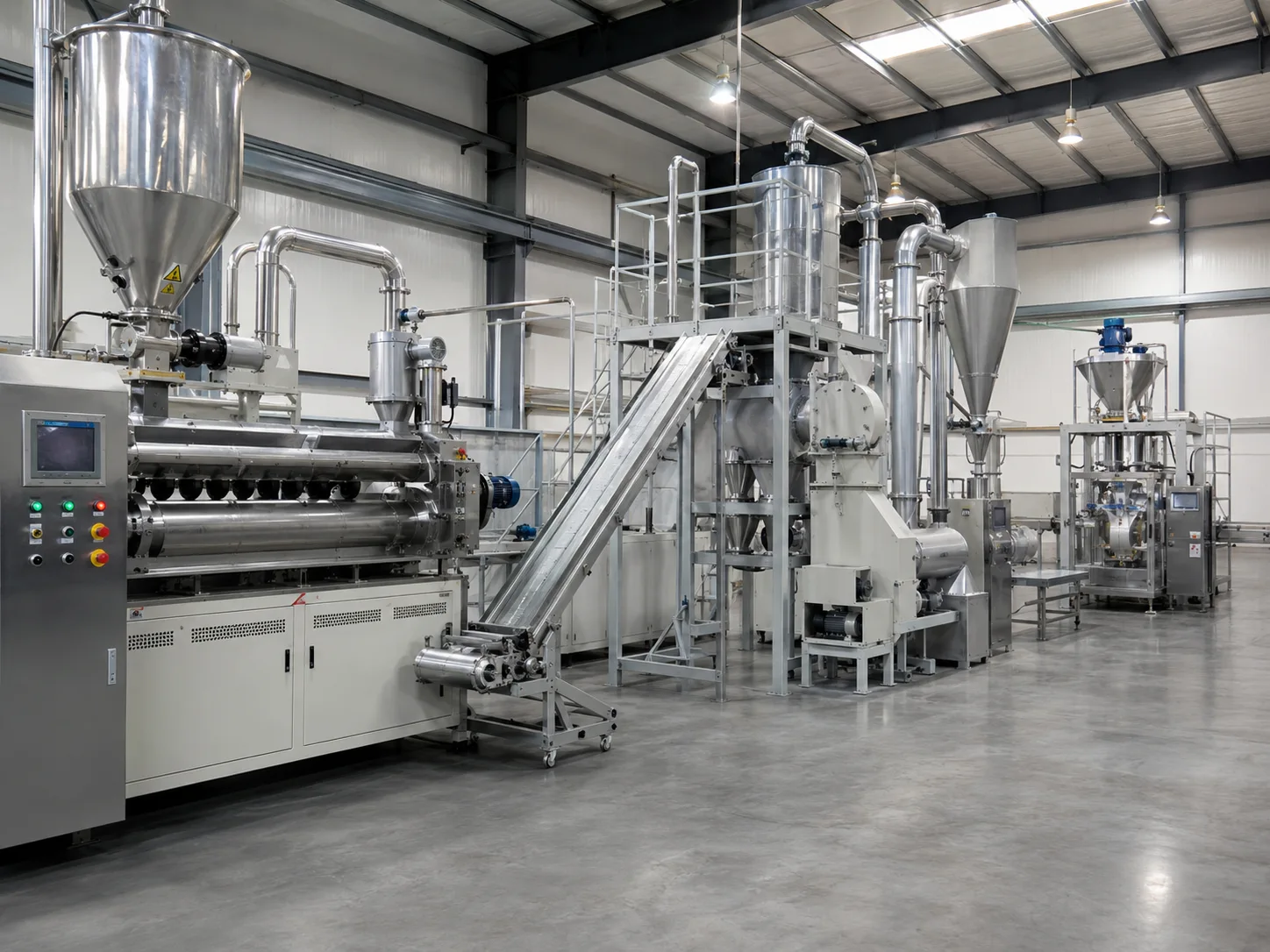
خطوط تولید پوشش پودری پلیاستر در هسته عملیات پرداخت سطوح امروزی قرار دارند. آنها به تولیدکنندگان کمک میکنند تا پوششهایی ایجاد کنند که استحکام، محافظت در برابر زنگزدگی و ظاهر زیبا را ارائه میدهند - در حالی که نیازی به حلال ندارند. موفقیت چنین خطی به خواص رزینهای پلیاستر و دقت در هر مرحله، از ترکیب مواد اولیه تا بستهبندی نهایی، بستگی دارد.
خط تولید پوشش پودری پلی استر چیست؟
خط تولید پوشش پودری پلیاستر یک مجموعه کامل را تشکیل میدهد. این خط، رزینهای پایه، رنگها و مواد اضافی را به پوششهای پودری آماده استفاده تبدیل میکند. این خطوط برای ساخت پوششهای قوی که در برابر زنگزدگی، مواد شیمیایی مضر و آسیبهای ناشی از نور خورشید مقاوم هستند، بسیار مهم هستند.
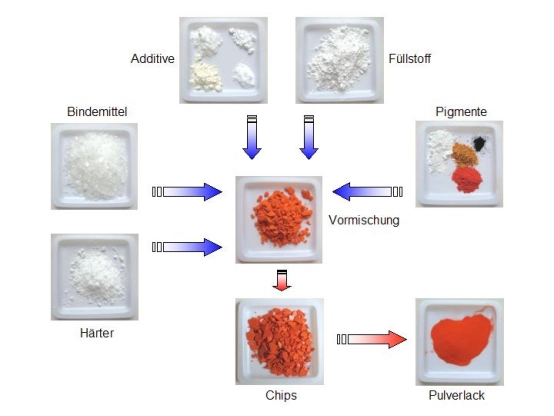
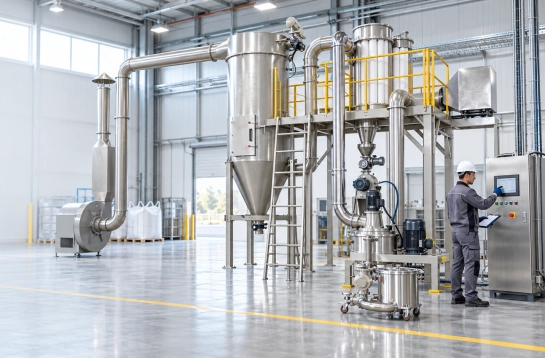
این خط تولید در قلب خود، چندین واحد کلیدی را به هم متصل میکند. این واحدها شامل آمادهسازی مواد اولیه، اکسترود کردن، خنکسازی، آسیاب کردن، دستهبندی، غربالگری و بستهبندی میشوند. هر واحد به دستیابی به اندازه ذرات یکنواخت و ترکیب شیمیایی قابل اعتماد کمک میکند. محصول نهایی یک پوشش پودری پلیاستر با استحکام بالا و مقاومت پایدار در برابر آب و هوا است.
ویژگیهای کلیدی پوششهای پودری پلیاستر
پودرهای پلیاستر به دو گروه اصلی تقسیم میشوند: هیبریدهای اپوکسی پلیاستر و انواع پلیاستر ساده.
- پودرهای هیبریدی اپوکسی پلی استردوام را با دفاع در برابر مواد شیمیایی ترکیب میکنند. این برای مکانهای داخلی مانند میزهای اداری یا جعبههای کنترل مناسب است.
- پوششهای پلیاستر خالصمقاومت درجه یک در برابر اشعه ماوراء بنفش نشان میدهند. این کیفیت آنها را برای کارهای فضای باز مانند قطعات ساختمانی یا ابزار حیاط مناسب میکند.
بسیاری از صنایع برای لوازم خانگی، قطعات خودرو، صندلیهای فلزی و مصالح ساختمانی به این پوششها متکی هستند. ویژگیهای کلیدی شامل استحکام زیاد در طول زمان، چسبندگی محکم به پایههای فلزی، مقاومت در برابر تغییر رنگ در نور شدید و محافظت در برابر آب یا نمک است.
تجهیزات اصلی در خط تولید پوشش پودری پلی استر
یک خط تولید هوشمندانه، تنظیمات اختصاصی مختلفی را گرد هم میآورد. آنها به صورت یک تیم به طور روان کار میکنند. هر منطقه نیاز به کنترل دقیق بر روی مواردی مانند سطح گرما، نسبتهای ترکیب و ظرافت پودر دارد.
سیستم آماده سازی مواد اولیه
این مرحله از میکسرها، تغذیهکنندهها و ترازوها برای بدست آوردن مخلوطهای دقیق مواد تشکیلدهنده استفاده میکند. یکنواختی در این مرحله، چگونگی عملکرد پوشش را در ادامهی خط تولید تعیین میکند. پخش یکنواخت مواد اولیه، ذوب تمیز در اکسترودر را تضمین میکند. همچنین از ایجاد نقص در محصول نهایی جلوگیری میکند.
سیستم اکستروژن
در اکسترودر دو مارپیچه به عنوان محرک اصلی عمل میکند. رزینها را به همراه رنگها و پرکنندهها در مناطق حرارتی تنظیمشده، گرم و هم میزند. یک چیدمان خوب مارپیچ، همه چیز را به طور کامل مخلوط میکند. در عین حال، از آسیب رساندن به مواد حساس به گرما جلوگیری میکند. خروجی یکنواخت از اکستروژن منجر به پخش یکنواخت رنگ و استحکام محکم در تراشههای خنکشده میشود.
واحد خنککننده و پوستهریزی
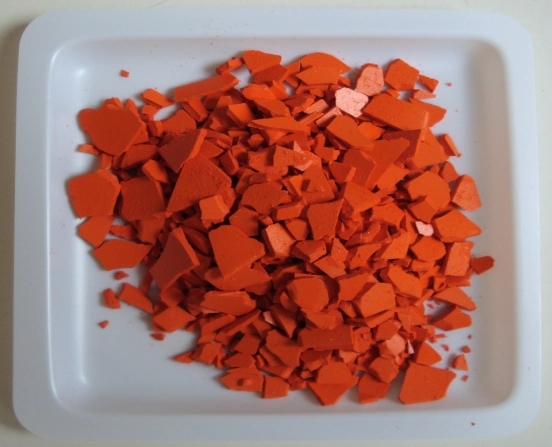
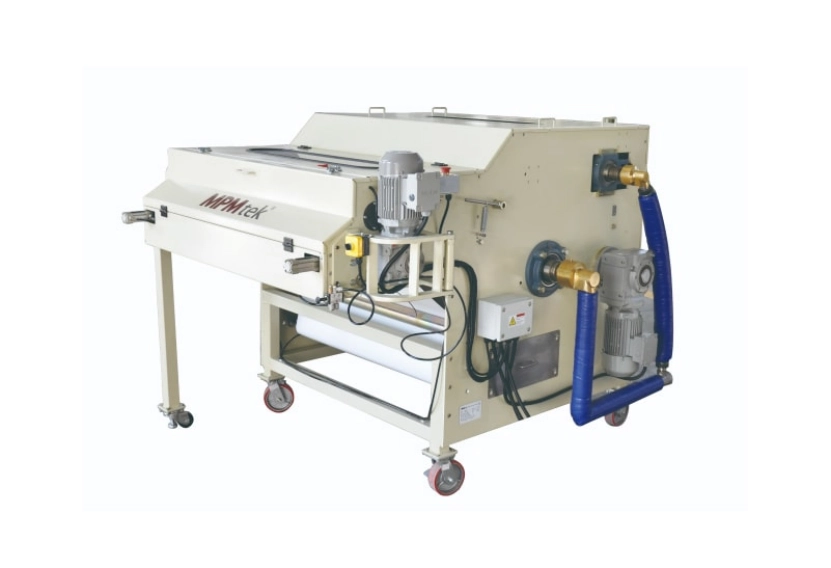
پس از اکسترود شدن، مخلوط داغ به چیپسهای سخت تبدیل میشود. سیستمهایی مانند تسمههای خنککننده یا رولهای خنککننده این کار را انجام میدهند. خنکسازی سریع از جمع شدن جلوگیری میکند و مرحله بعدی آسیاب کردن را آسانتر میکند. اگر چیپسها خیلی نرم بمانند یا به طور ناهموار خنک شوند، ممکن است در آسیابها گیر کنند. این میتواند بعداً منجر به اندازههای ناهموار پودر شود.
| روش خنک کننده | کاربرد معمول | مزایای |
| کمربند خنک کننده | خطوط پیوسته در مقیاس بزرگ | ضخامت یکنواخت پوسته |
| چیل رول | تنظیمات جمع و جور | انجماد سریع |
سیستم سنگ زنی و طبقه بندی
سنگزنی، تراشهها را با ابزارهایی مانند آسیابهای سوزنی یا ... به گرد و غبار ریز تبدیل میکند. ACM (آسیابهای طبقهبندی هوا). حتی اندازه ذرات نیز بسیار مهم است. آنها بر میزان پاشش پودر روی فلز و پخت آن به صورت یک لایه صاف تأثیر میگذارند. تجهیزات جداسازی، ذرات بزرگ را بیرون میکشند. فقط پودر با اندازه مناسب به جلو حرکت میکند.
بخش غربال و بسته بندی
الک کردن، کثیفی یا قسمتهای زبری را که ممکن است هنگام استفاده به سطح آسیب بزنند، پاک میکند. سپس، دستگاههای بستهبندی خودکار، کیسهها یا بشکهها را پر میکنند. آنها این کار را در حالی انجام میدهند که گرد و غبار و رطوبت را دور نگه میدارند. کار دقیق در اینجا، محصول را در انبار و حمل و نقل ثابت نگه میدارد.
سیستمهای پشتیبانی برای عملکرد کارآمد
گذشته از تجهیزات اصلی، سیستمهای پشتیبان، عملکرد ایمن و قابل اعتماد را در کل فرآیند تضمین میکنند.
سیستمهای جمعآوری گرد و غبار و تصفیه هوا
آسیاب کردن و الک کردن ذرات ریز را در هوا پخش میکند. برای ایمنی کارگران باید آنها را مدیریت کنید. گردگیرها هوا را تمیز نگه میدارند. آنها همچنین از مخلوط شدن بین دستهها جلوگیری میکنند - به خصوص هنگام تغییر از مخلوط اپوکسی پلیاستر به مخلوط پلیاستر خالص.
راهکارهای کنترل فرآیند و اتوماسیون
خطوط جدیدتر اغلب با اتوماسیون PLC کار میکنند. این سیستم الگوهای حرارتی، سرعت پیچ، فشارها و نرخ جریان را فوراً ردیابی میکند. چنین تنظیماتی باعث افزایش یکنواختی دسته به دسته میشوند. به علاوه، آنها مصرف انرژی را کاهش میدهند که از عادات تولید سبز پشتیبانی میکند.
انواع پوششهای پودری پلیاستر تولید شده در خط
هر نوع مخلوط بر اساس پایه رزینی خود، نیازهای خاصی را برآورده میکند.
پودرهای هیبریدی اپوکسی پلی استر
این مخلوطها ترکیبی خوب از استحکام فیزیکی و دفاع شیمیایی ارائه میدهند. با این حال، مقاومت آنها در برابر اشعه ماوراء بنفش کم است. مردم آنها را برای کالاهای داخلی مانند قفسهها یا پوششهای برقی انتخاب میکنند، جایی که نور خورشید زیاد به آن نمیرسد.
پوششهای پودری پلیاستر خالص
پلیاسترهای صاف در محیطهای بیرونی میدرخشند. قدرت بالای آنها در حفظ رنگ و محافظت در برابر اشعه ماوراء بنفش در طول سالها باقی میماند. آنها از چیزهایی مانند قابهای آلومینیومی پنجرهها، نردهها، چراغهای خیابانی یا تجهیزات کشاورزی در برابر نور مستقیم خورشید محافظت میکنند.
پوششهای پودری پلیاستر مقاوم در برابر خوردگی
رنگها یا پرکنندههای مخصوص ضد زنگ مانند نسخههای فسفات روی، این پوششها را تقویت میکنند. آنها محافظهای بهتری در برابر هوای مرطوب یا غبار نمک ایجاد میکنند. این برای ساختمانهای ساحلی یا زیرسازی خودروها که با خطر بالای زنگزدگی مواجه هستند، به خوبی عمل میکند.
ملاحظات طراحی هنگام راهاندازی خط تولید
ساخت یک خط تولید پوشش پودری پلیاستر مؤثر به معنای تطبیق اهداف تولید با قوانین زیستمحیطی است.
برنامهریزی ظرفیت بر اساس تقاضای بازار
تولیدکنندگان باید با نگاه به مناطق هدف، تولید سالانه را اندازهگیری کنند. به عنوان مثال، قطعات خودرو اغلب به حجم بیشتری نسبت به مصالح ساختمانی لوکس نیاز دارند.
بهرهوری انرژی و انطباق با محیط زیست
اکسترودرهایی که از گرما دوباره استفاده میکنند، کل نیاز به برق را کاهش میدهند. سیستمهای گرد و غبار بسته، میزان انتشار ذرات را کاهش داده و مطابق با قوانین محلی در مورد خروجی ذرات عمل میکنند.
بهینهسازی چیدمان تجهیزات برای افزایش بهرهوری گردش کار
طراحی قوی کارخانه، جابجایی بین واحدها را کوتاه میکند. شیفتهای کمتر به معنای ضایعات کمتر و تعویض سریعتر دستهها است. نظم واضح همچنین باعث میشود کارگران راحتتر مراحل را از اکستروژن تا بستهبندی مشاهده کنند.
چگونه MPMtek از تولیدکنندگان پوشش پودری پلیاستر پشتیبانی میکند
حرکت از ایده تا اجرای کامل اغلب نیازمند کمک مهندسی ماهر است. اینجاست که ارائه دهندگان خدمات متمرکز وارد عمل میشوند.
راهکارهای تجهیزات کلید در دست از مواد اولیه تا محصول نهایی
MPMtek طرحهای کامل خط تولید را ارائه میدهد. این طرحها شامل مخلوط کردن، اکستروژن، آسیاب کردن، مرتبسازی، الک کردن، بستهبندی و کنترلها میشوند. روش جامع آنها تضمین میکند که قطعات به خوبی با هم کار میکنند. این امر باعث حفظ کیفیت پایدار در مخلوطهای مختلف پوشش پودری اپوکسی پلیاستر یا انواع پلیاستر خالص میشود.
گزینههای سفارشیسازی با توجه به نیازهای فرمولاسیون محصول
هر تولیدکنندهای بر اساس سهم رزین یا الگوهای پخت، دستورالعملهای خاص خود را دنبال میکند. MPMtek تنظیمات را برای انواع رزین یا مشخصات پوشش (هیبرید اپوکسی پلیاستر یا پلیاستر خالص) تنظیم میکند. این سازگاری به تولیدکنندگان اجازه میدهد تا دقیقاً به سطح درخشندگی یا حسی که مشتریان میخواهند، دست یابند.
خدمات پس از فروش و پشتیبانی فنی توسط کارشناسان MPMtek
کمک فنی قوی فراتر از راهاندازی است. MPMtek مشاوره نصب، آموزش کارگران، موجودی قطعات و راهنمایی مداوم را ارائه میدهد. همه اینها توقفها را کاهش میدهد و به حفظ کیفیت محصول حتی در طول زمان کمک میکند.
سوالات متداول
Q1: مزایای اصلی استفاده از پوششهای پودری پلیاستر چیست؟
آنها دوام قوی، پایداری در برابر اشعه ماوراء بنفش، محافظت در برابر زنگ زدگی و روشهای بدون حلال سبز را نسبت به رنگهای مایع ارائه میدهند.
Q2: یک هیبرید اپوکسی پلیاستر چه تفاوتی با پلیاستر خالص دارد؟
هیبریدها، دفاع شیمیایی اپوکسی را با قابلیت خم شدن پلیاستر ترکیب میکنند. اما در مقایسه با پلیاسترهای خالص برای کاربردهای بیرونی، در مقاومت در برابر اشعه ماوراء بنفش عقبتر هستند.
Q3: چرا کنترل اندازه ذرات در تولید پوشش پودری مهم است؟
اندازههای یکنواخت، تشکیل لایه یکنواخت در هنگام اسپری کردن و پوشش کامل بدون نقص روی سطح را تضمین میکنند.
Q4: چه عواملی بر بهرهوری انرژی در یک خط تولید تأثیر میگذارند؟
ساختارهای هوشمند اکسترودر، طرحبندیهایی که حرکت مواد را کوتاه میکنند و کنترلهای خودکار، همگی نقشهای بزرگی ایفا میکنند.
Q5: پوششهای پودری پلیاستر مقاوم در برابر خوردگی چگونه کار میکنند؟
آنها شامل پرکنندههای ضد زنگ هستند که مانعی در برابر ورود آب ایجاد میکنند - عالی برای محیطهای دریایی یا کارخانهای.