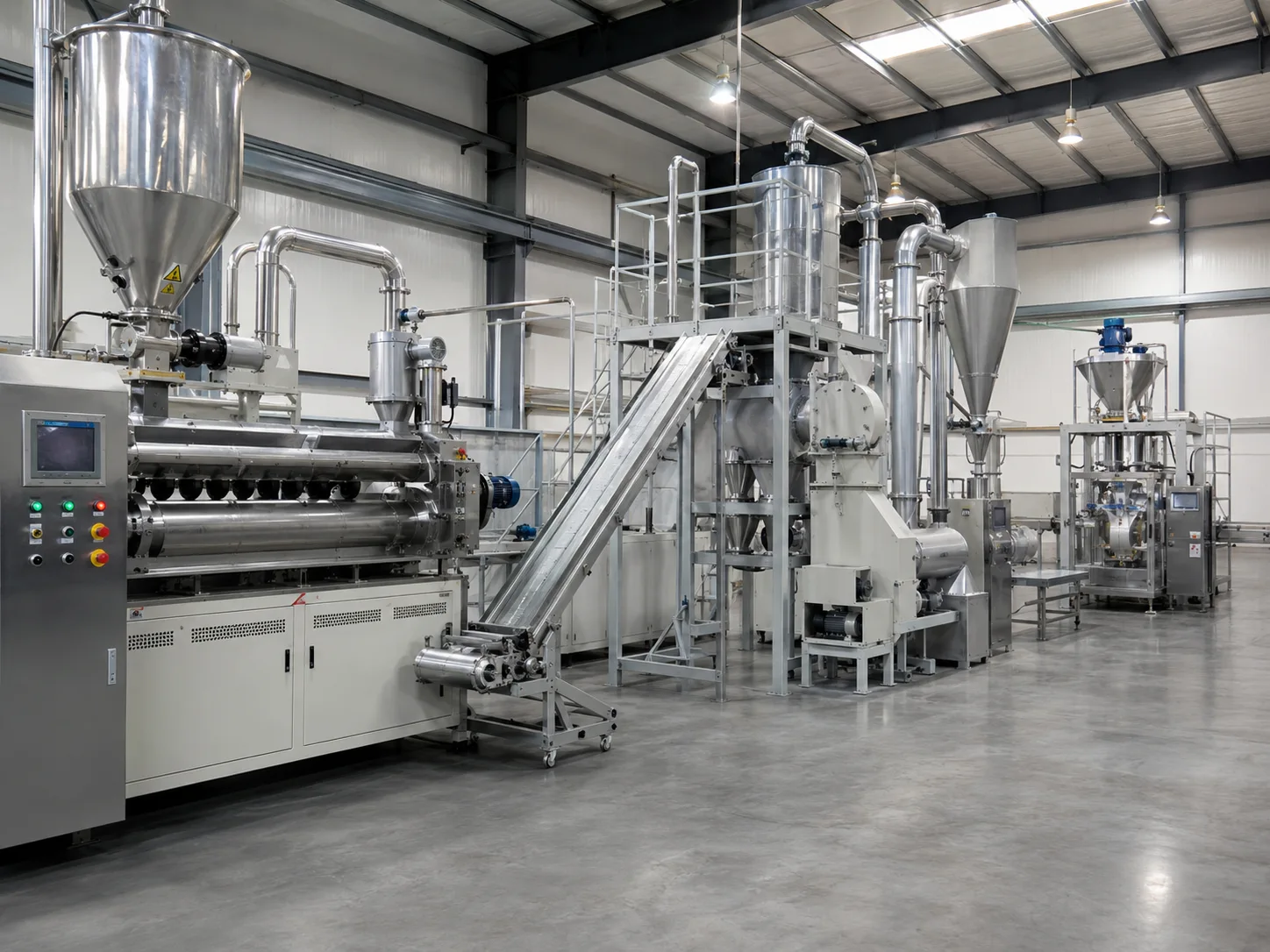
Ekstruder pelapis bubuk merupakan mesin kunci dalam setiap lini produksi pelapis bubuk. Mesin ini berpengaruh langsung pada seberapa baik material menyebar, seberapa merata warna, tingkat kilap, dan kinerja pelapisan akhir. Pemanasan berlebih jarang hanya terbatas pada suhu saja. Tabung yang semakin panas, torsi yang berputar tidak stabil, atau motor yang menanggung beban aneh sering menunjukkan bahwa ada sesuatu dalam proses produksi yang tidak seimbang.
Dalam pekerjaan sehari-hari, masalah-masalah ini biasanya muncul selama proses produksi normal. Operator melihat tekanan lelehan mulai meningkat. Lembaran hasil ekstrusi terlihat tidak rata. Atau sistem pendingin terus berjalan tetapi gagal menurunkan suhu.
Sebagai produsen peralatan pelapis bubuk profesional, MPMtek berfokus pada kinerja ekstrusi yang stabil melalui kontrol suhu yang presisi, desain sekrup yang dioptimalkan, dan solusi lini produksi yang andal. Menemukan alasan sebenarnya lebih membantu daripada sekadar menurunkan pengaturan suhu. Ekstruder pelapis bubuk membutuhkan keseimbangan yang tepat antara panas yang menumpuk dan panas yang dihilangkan.
Bagaimana Cara Kerja Mesin Ekstruder Pelapis Serbuk?
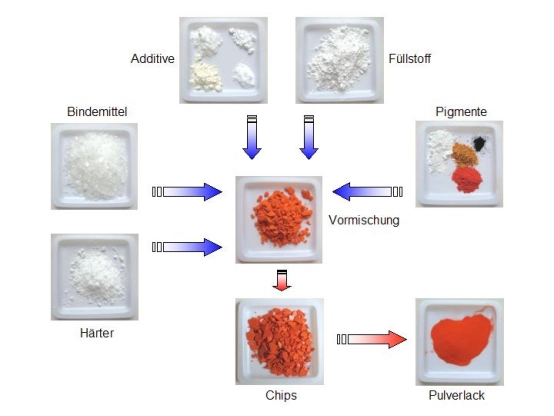
Ada baiknya mengetahui dari mana panas berasal sebelum Anda memperbaiki masalah panas berlebih. Ekstruder pelapis bubuk menangani campuran resin, pigmen, pengisi, dan aditif. Proses ini melewati beberapa tahapan.
Bahan baku pertama-tama memasuki zona pengumpanan. Bahan baku tersebut bergerak sepanjang sekrup. Kemudian bahan baku tersebut meleleh dan tercampur. Akhirnya bahan baku tersebut keluar dari mesin sebagai material ekstrusi yang seragam.
Sebuah sekrup kembar extruder Menghasilkan panas dengan dua cara.
- Pemanasan eksternal dari pemanas barel
- Panas internal yang disebabkan oleh gesekan dan gaya geser
Selama pengoperasian normal, kedua sumber panas ini harus tetap terkendali. Suhu laras, kecepatan sekrup, laju pengumpanan, dan sistem pendingin semuanya bekerja bersama-sama.
Proses ekstrusi yang stabil bukan berarti berjalan pada kecepatan tertinggi. Artinya menjaga material pada kondisi pemrosesan yang tepat. Ambil satu contoh. Meningkatkan kecepatan sekrup dapat meningkatkan output. Namun, hal itu juga menambah panas geser. Dalam beberapa pengaturan produksi, perubahan kecepatan kecil dapat menciptakan perbedaan suhu yang jelas.
Penyebab Umum Ekstruder Pelapis Serbuk Terlalu Panas
Beberapa faktor dapat menyebabkan ekstruder pelapis bubuk beroperasi lebih panas dari yang diharapkan. Beberapa berkaitan dengan pengaturan mesin. Yang lainnya berasal dari bahan atau kondisi perawatan.
Pengaturan Suhu yang Salah
Pengaturan suhu yang salah merupakan salah satu penyebab paling umum terjadinya panas berlebih.
Sebuah extruder lapisan bubuk Biasanya memiliki beberapa zona pemanas. Setiap zona memiliki tujuan yang jelas. Jika salah satu zona terlalu tinggi atau profil suhu tidak sesuai dengan formulasi, panas berlebih dapat menumpuk.
Kesalahan umum yang sering terjadi adalah menggunakan pengaturan suhu yang sama untuk setiap formulasi pelapis bubuk. Sistem berbasis poliester dan formulasi pengeringan suhu rendah khusus seringkali membutuhkan kondisi pemrosesan yang sangat berbeda.
Solusi sebenarnya bukan hanya menurunkan semua suhu. Sebaliknya, periksa setiap zona pemanasan. Pastikan sensor membaca dengan benar. Kemudian sesuaikan profil suhu sesuai dengan perilaku material tersebut.
Sensor suhu yang mengirimkan umpan balik yang salah juga dapat menyebabkan masalah. Pengontrol mungkin terus menambahkan panas karena menerima data yang tidak akurat.
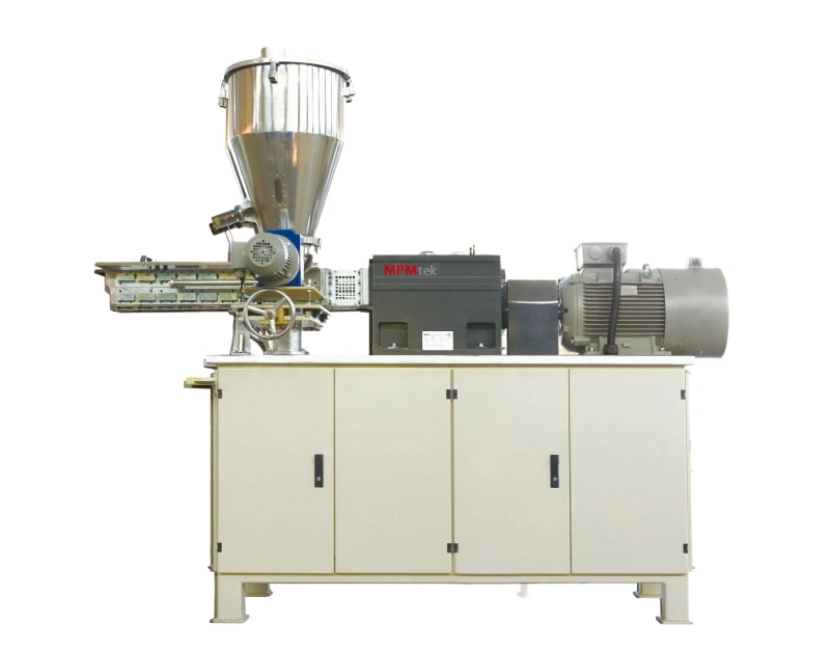
Kecepatan Sekrup yang Berlebihan atau Torsi Tinggi
Kecepatan putaran sekrup berhubungan langsung dengan produksi panas.
Ketika sekrup berputar terlalu cepat, material mengalami gaya geser yang lebih tinggi. Hal ini menciptakan panas gesekan tambahan di dalam tabung. Pada saat yang sama, torsi meningkat. Motor membutuhkan lebih banyak daya untuk mendorong material ke depan. Tanda khasnya adalah peningkatan torsi yang tiba-tiba diikuti oleh keluaran ekstrusi yang tidak stabil.
Selama pergantian shift produksi, operator mungkin menaikkan kecepatan putaran sekrup untuk mendapatkan kapasitas lebih. Output meningkat untuk sementara waktu. Namun setelah beberapa menit, suhu ekstruder mulai naik dan kualitas produk menjadi tidak stabil.
Mengurangi kecepatan sekrup sedikit dan menjaga laju pengumpanan tetap stabil seringkali dapat mengatasi masalah tersebut.
Performa Sistem Pendingin yang Buruk
Ekstruder membutuhkan kontrol pemanasan dan pendinginan. Masalah pendinginan terkadang terabaikan. Operator cenderung fokus pada sistem pemanasan. Saluran pendingin yang tersumbat, aliran air pendingin yang rendah, atau perawatan sistem pendingin yang kurang baik dapat menghentikan mesin dari menghilangkan panas berlebih.
Masalah ini menjadi lebih jelas selama proses produksi yang panjang. Mesin mungkin berjalan dengan baik saat dinyalakan. Namun, mesin dapat mengalami panas berlebih secara bertahap setelah beberapa jam. Inspeksi rutin terhadap sirkulasi air pendingin, komponen pengontrol suhu, dan pipa pendingin dapat mencegah situasi ini.
Sistem pendinginan yang dirancang dengan baik memiliki kepentingan khusus untuk produksi pelapisan bubuk kontinu.
Kondisi Pemberian Pakan yang Tidak Tepat
Masalah pemberian makan juga dapat menyebabkan kepanasan.
Ketika pemasukan material tidak stabil, sekrup mungkin tidak terisi dengan benar. Hal ini mengubah kondisi tekanan dan gesekan di dalam tabung. Terlalu sedikit material meningkatkan gesekan antara sekrup dan tabung. Terlalu banyak material membebani motor dan meningkatkan torsi.
Pemeriksaan kalibrasi pengumpan, kelancaran aliran bahan baku, dan kecepatan pengumpanan menjadi perlu ketika terjadi panas berlebih bersamaan dengan perubahan output.
Ekstruder tidak bekerja sendiri. Sistem pengumpanan dan sistem ekstrusi harus berjalan sebagai satu proses.
Masalah Formulasi Material
Terkadang peralatannya berfungsi dengan benar. Namun, material itu sendiri menimbulkan terlalu banyak hambatan.
Resin dengan viskositas tinggi, pelapis bubuk efek khusus, atau formulasi dengan kandungan pengisi tinggi mungkin memerlukan parameter ekstrusi yang berbeda. Perubahan kecil dalam formula dapat memengaruhi perilaku ekstrusi secara signifikan.
Dalam kondisi produksi sebenarnya, panas berlebih sering muncul setelah pelanggan mengganti pemasok bahan baku atau mengubah formula. Mesinnya tetap sama. Namun, karakteristik pemrosesannya telah berubah.
Penyesuaian kecepatan sekrup, zona suhu, atau konfigurasi sekrup mungkin diperlukan.
Cara Mengatasi Ekstruder Pelapis Bubuk yang Terlalu Panas
Ketika ekstruder terlalu panas, penyesuaian acak biasanya membuang waktu produksi. Inspeksi langkah demi langkah bekerja lebih baik. Mulailah dengan memeriksa sistem kontrol suhu. Verifikasi sensor suhu, elemen pemanas, dan pengontrol. Umpan balik suhu yang tidak akurat dapat menyebabkan pemanasan yang tidak perlu.
Selanjutnya, tinjau data operasional.
- Kecepatan sekrup
- Nilai torsi
- Arus motor
- Tingkat pemberian pakan
- Suhu barel sebenarnya
Angka-angka ini sering kali menunjukkan masalah lebih cepat daripada pemeriksaan visual.
Komponen mekanis juga perlu diperiksa. Sekrup yang aus, bantalan yang rusak, atau masalah pada gearbox dapat meningkatkan hambatan dan menghasilkan panas berlebih.
Setelah menemukan penyebabnya, sesuaikan parameter pengoperasian dengan hati-hati. Perubahan kecil biasanya lebih efektif daripada perubahan besar. Ekstrusi pelapisan bubuk termasuk proses yang sensitif.
Bagaimana Cara Mencegah Ekstruder Pelapis Bubuk Terlalu Panas?
Mencegah panas berlebih terbukti lebih mudah daripada menghentikan produksi setelah terjadi kegagalan.
Perawatan rutin harus mencakup pengecekan sensor suhu, pembersihan sistem pendingin, pemeriksaan sekrup dan laras, serta pemantauan perubahan torsi yang tidak normal. Parameter produksi juga harus dicatat. Log operasi sederhana dapat mengungkapkan tren sebelum masalah serius muncul.
Pemilihan peralatan juga penting. Ekstruder pelapis bubuk yang dirancang dengan benar dengan kontrol suhu yang akurat dan konfigurasi sekrup yang sesuai akan memberikan lingkungan produksi yang lebih stabil.
MPMtek Mengembangkan mesin ekstrusi pelapis bubuk dan lini produksi lengkap dengan memperhatikan stabilitas pemrosesan, efisiensi energi, dan pengoperasian jangka panjang.
Mengapa Memilih Ekstruder Pelapis Serbuk MPMtek?
Memilih mesin ekstruder melibatkan lebih dari sekadar kapasitas mesin. Peralatan tersebut harus sesuai dengan proses produksi, persyaratan formulasi, dan rencana ekspansi di masa mendatang.
MPMtek mengkhususkan diri dalam desain dan pembuatan peralatan pelapisan bubuk. Perusahaan ini menyediakan ekstruder dan solusi produksi pelapisan bubuk lengkap untuk berbagai aplikasi industri. Dengan konfigurasi yang disesuaikan, sistem kontrol yang presisi, dan pengalaman teknik, MPMtek membantu produsen meningkatkan konsistensi produksi dan mengurangi waktu henti yang tidak terduga.
Ekstruder yang stabil berarti lebih sedikit gangguan produksi, kualitas pelapisan yang lebih baik, dan kinerja manufaktur yang lebih mudah diprediksi.
Hubungi MPMtek untuk solusi ekstrusi pelapisan bubuk yang disesuaikan dan meningkatkan efisiensi produksi Anda.
FAQ (Pertanyaan umum)
T: Apa yang menyebabkan ekstruder pelapis bubuk menjadi terlalu panas?
Penyebab umum meliputi pengaturan suhu yang salah, kecepatan sekrup yang berlebihan, kinerja pendinginan yang buruk, pengumpanan yang tidak stabil, dan parameter pemrosesan yang tidak sesuai.
T: Bagaimana cara menurunkan suhu ekstruder?
Periksa zona suhu, optimalkan kecepatan sekrup, tingkatkan kinerja pendinginan, dan pertahankan pengumpanan material yang stabil.
T: Seberapa sering mesin ekstruder pelapis bubuk perlu dirawat?
Frekuensi perawatan bergantung pada jam produksi dan kondisi pengoperasian. Inspeksi rutin disarankan untuk mengidentifikasi masalah sebelum memengaruhi produksi.
T: Dapatkah ekstruder yang disesuaikan meningkatkan produksi pelapisan bubuk?
Ya. Desain ekstruder yang disesuaikan dapat lebih sesuai dengan formulasi spesifik, persyaratan kapasitas produksi, dan kondisi pemrosesan.