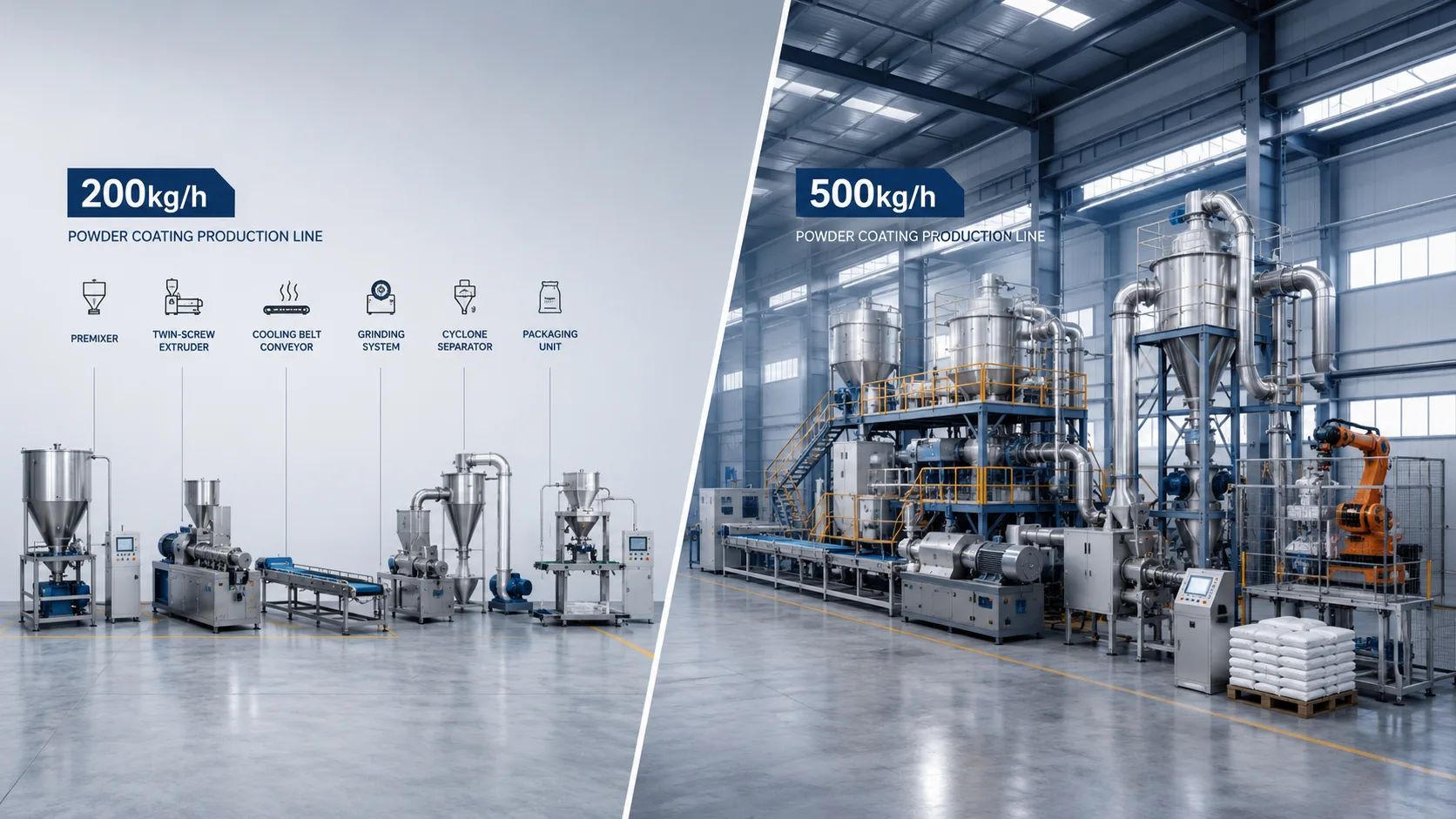
A escolha entre uma linha de produção de pintura a pó de 200 kg/h e uma de 500 kg/h pode realmente direcionar todo o planejamento de produção da sua empresa. A melhor opção depende dos níveis de produção, das limitações de orçamento, das necessidades de automação e dos objetivos futuros. Empresas menores geralmente se beneficiam mais da adaptabilidade de uma configuração de 200 kg/h. Já as operações maiores ganham velocidade e economia com uma configuração de 500 kg/h.
O que é uma linha de produção de cobertura de pó
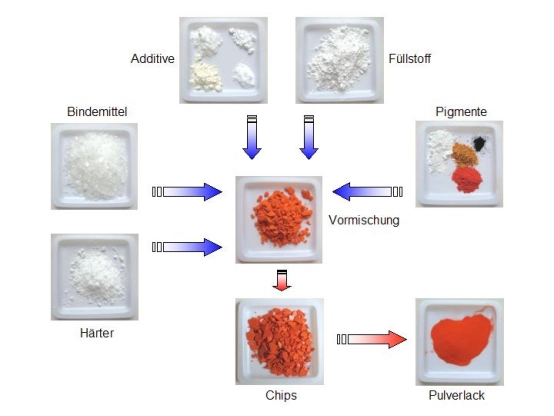
Esta linha de produção configura um sistema completo para fabricação de revestimentos em pó. Ela abrange etapas como alimentação de matéria-prima, extrusão, resfriamento, moagem e embalagem. Cada componente garante que resinas, pigmentos, aditivos e agentes de cura se transformem em partículas de pó uniformes, prontas para uso.
Por que a capacidade é importante na fabricação de revestimento em pó?
A capacidade define a eficiência com que sua loja processa os pedidos sem que os custos disparem. A produtividade em kg por hora influencia seu cronograma, consumo de energia e devoluções. Considere estes casos.
- A Linha de 200 kg/h Ideal para lojas ou laboratórios de testes de pequeno ou médio porte.
- A Linha de 500 kg/h Funciona para configurações estáveis ou com foco no exterior.
Ajuste a capacidade de produção ao tamanho da sua operação. Isso evita máquinas ociosas ou gastos extras.
Comparação de linhas de pintura a pó de 200 kg/h e 500 kg/h
Entenda as diferenças técnicas entre esses tamanhos. Isso ajudará a definir qual deles atende às suas necessidades.
Visão geral das especificações técnicas
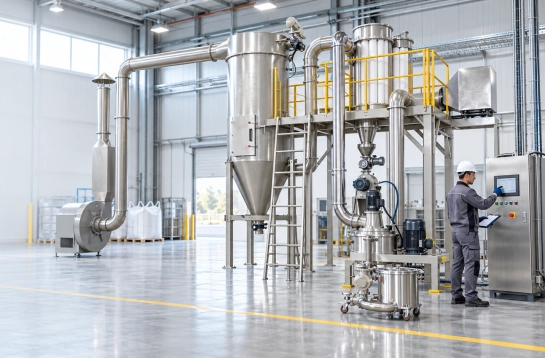
Ambas compartilham componentes principais: pré-misturador, extrusora de dupla rosca, esteira transportadora de resfriamento, moinho ACM ou moinho de pinos para moagem, separador ciclônico com classificador e unidade de embalagem. Mas os detalhes variam em escala e consumo de energia.
| Especificação | Linha de 200 kg/h | Linha de 500 kg/h |
| Taxa de transferência | 200 kg/hora | 500 kg/hora |
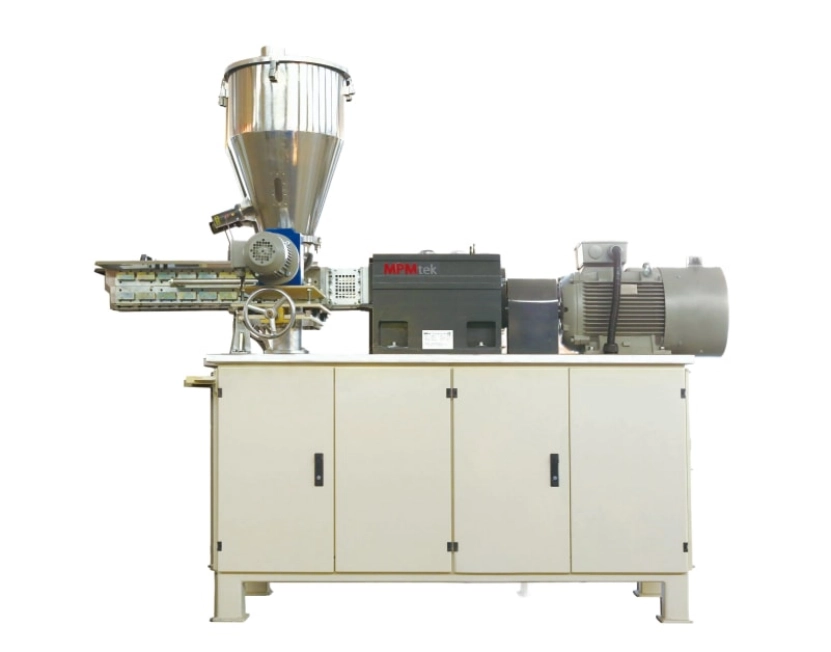
| Extruder | TSE-48D | TSE-58D |
| Cinturão de Enfriamento | CCD-300 | CCB-600 |
| Sistema de moagem | ACM-20 | ACM-30 |
| Compatibilidade com Automação | Semiautomática ou automática | Preferência por modo totalmente automático |
A maior delas consome mais energia. Além disso, precisa de automação precisa para manter tudo funcionando de forma estável durante os turnos.
Diferenças de desempenho e produtividade
Uma linha de produção de 500 kg/h fabrica cerca de 4 toneladas por turno. Compare isso com as 1,6 toneladas produzidas por uma linha de 200 kg/h em oito horas. Esse aumento de velocidade ajuda a atender grandes pedidos rapidamente.
Imagine tiragens pequenas com muitas trocas de cores. Nesse caso, uma linha compacta economiza tempo na limpeza. Para fábricas que operam sem interrupções, linhas maiores reduzem o tempo de espera entre as cargas.
Avaliação das Considerações Orçamentárias e de Investimento
As decisões financeiras são tão importantes quanto as decisões sobre os tamanhos.
Comparação de custos iniciais de equipamentos
Uma linha de produção de pintura a pó de 200 kg/h começa mais barata. Sua construção modesta e automação básica ajudam nesse sentido. Um sistema de 500 kg/h exige um investimento inicial maior. Considere motores maiores, correias mais longas, configurações de CLP inteligentes e, às vezes, peças personalizadas.
Os custos dependem destes fatores.
- Nível de automação (manual vs totalmente automático)
- Sofisticação do sistema de controle
- Confiabilidade da marca
- Personalização para formulações específicas ou normas ambientais
Custos operacionais e consumo de energia
Os custos diários aumentam com o tamanho, mas não de forma linear. Sistemas maiores consomem menos energia por tonelada. Eles lidam melhor com o calor na extrusão e na moagem.
Os padrões de manutenção variam. Linhas de produção pequenas exigem ajustes manuais regulares. As maiores dependem de leituras automáticas, mas as peças custam mais. A longo prazo, linhas de produção maiores e completas reduzem o preço por quilo.
Avaliação das necessidades de mão de obra e da complexidade operacional
Planeje sua equipe de acordo com o tamanho e o estilo de automação.
Necessidades de pessoal para diferentes capacidades
Uma linha de 200 kg/h funciona sem problemas com duas pessoas. Uma cuida da alimentação e extrusão, enquanto a outra se encarrega da moagem e embalagem. Uma linha de 500 kg/h exige de três a quatro pessoas por turno. O maior volume de manuseio e verificação de materiais demanda essa operação.
Sua equipe precisa de conhecimento mecânico básico. Facilite o processo com telas de CLP (Controlador Lógico Programável) quando a automação entrar em ação.
Nível de automação e seu impacto na eficiência da mão de obra
A automação facilita o trabalho manual na precisão da alimentação, nas configurações de temperatura e nos controles de qualidade. Sistemas completos com CLPs reduzem erros e monitoram o processo em tempo real. Os sistemas semiautomáticos ainda exigem intervenção humana, mas são flexíveis para ajustes ou testes de receitas.
Planejamento e layout do espaço da oficina
As limitações de espaço muitas vezes são um fator decisivo, assim como o orçamento.
Requisitos de espaço para cada nível de capacidade
Uma linha de pintura a pó de 200 kg/h ocupa de 80 a 100 metros quadrados. Uma versão de 500 kg/h, dependendo do layout, ocupa de 150 a 180 metros quadrados. Bons projetos posicionam a alimentação perto das áreas de estoque. Eles alinham a extrusão ao resfriamento em linha reta para facilitar a movimentação do material.
Considerações sobre a infraestrutura para a instalação.
Ambas as máquinas precisam de uma alimentação estável de 380V/50Hz. Instale aberturas de ventilação para reter poeira e controlar a temperatura nos pontos de extrusão. Planeje para o crescimento futuro, como a adição de mais esmerilhadeiras ou lixadeiras. Isso evita grandes reparos posteriormente.
Como escolher o nível de automação certo para sua operação
A automação molda sua produção e segurança na fábrica.
Sistemas manuais, semiautomáticos e totalmente automáticos
As linhas manuais economizam dinheiro, mas precisam de profissionais; elas são adequadas para trechos pequenos ou locais de teste.
Misturas semiautomáticas controlam o preço e a produção, ajustando automaticamente as misturas ou temperaturas, deixando o restante para ser feito manualmente. Já as máquinas totalmente automáticas integram sensores de alimentação, verificações de torque da extrusora e peneiramento pós-moagem — tudo controlado por CLPs principais — para um trabalho constante em altas velocidades.
Integração com Sistemas de Manufatura Inteligente
As novas conexões digitais permitem monitorar tudo de forma inteligente através do SCADA conectado aos PLCs. Obtenha dados em tempo real para detectar problemas como refrigeração irregular ou sobrecarga do motor antes que a qualidade caia. Essas conexões possibilitam a manutenção preditiva, reduzindo paradas inesperadas em oficinas de todos os portes.
Como escolher a linha certa entre 200 kg/h e 500 kg/h
Com os detalhes técnicos bem definidos, você os integra aos planos de negócios com mais facilidade.
Adequar a capacidade de produção aos objetivos de negócios
Uma linha de produção de pintura a pó de 200 kg/h é ideal para empresas que buscam aplicações especiais ou ajustes de cor, onde a flexibilidade é mais importante do que o volume. Centros de P&D adoram essa linha pela rapidez nas mudanças de fórmula, sem gerar grandes quantidades de material desperdiçado. Já uma linha de pintura a pó de 500 kg/h atende grandes fabricantes dos setores automotivo ou de eletrodomésticos que precisam de produção constante para atender a grandes encomendas.
Fatores estratégicos a considerar antes da compra
Antes de investir recursos, verifique os pedidos atuais e os aumentos de vendas nos próximos três a cinco anos. Isso ajudará a determinar as reais necessidades de produção. Compare os gastos iniciais com as expectativas de retorno do investimento. Calcule os ganhos de potência por tonelada em diferentes ritmos de produção.
Fornecedores confiáveis oferecem dicas de configuração, treinamento para a equipe, acesso a peças e reparos remotos. Eles garantem um lançamento tranquilo e operações estáveis, semelhante ao suporte comprovado dos principais fabricantes de equipamentos do mundo.
Construa a linha de pintura a pó ideal com a MPMtek.
A escolha entre uma linha de produção de pintura a pó de 200 kg/h e 500 kg/h consiste, em última análise, em adequar as necessidades de produção atuais aos planos de crescimento futuros. Seja qual for a necessidade da sua fábrica, desde uma linha compacta e flexível até um sistema automatizado de maior capacidade, nossa equipe pode ajudá-lo a avaliar a capacidade, o layout, o nível de automação e os custos operacionais a longo prazo. Contacte-nos Para discutir seus objetivos de produção e encontrar uma solução de linha de pintura a pó sob medida para o seu negócio.
FAQ
P1: O que está incluído em uma linha de produção padrão de pintura a pó?
Geralmente inclui pré-misturador, extrusora, esteira transportadora de resfriamento, sistema de moagem ou moinho com classificador, conjunto de separador ciclônico, unidade coletora de pó, peneira e estação de embalagem.
Q2: De quanto espaço no chão é necessária uma linha típica de 500 kg/h?
Aproximadamente 150 a 180 metros quadrados, dependendo da otimização do layout e da localização dos equipamentos auxiliares.
P3: Posso atualizar meu sistema existente de 200 kg/h posteriormente?
Sim, muitos fabricantes projetam sistemas modulares que permitem a adição de extrusoras ou moinhos para aumentar a produção gradualmente, sem a necessidade de substituição completa.
Q4: Que tipo de fonte de alimentação é necessária?
A maioria das linhas industriais opera em trifásico 380V/50Hz, embora possam ocorrer variações regionais dependendo das normas locais.
Q5: Com que frequência a manutenção deve ser realizada?
Recomenda-se a realização de verificações preventivas mensais; a manutenção preventiva geralmente ocorre a cada seis meses, dependendo da intensidade de uso e das condições ambientais.