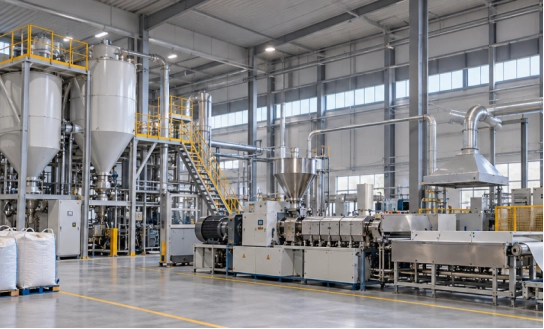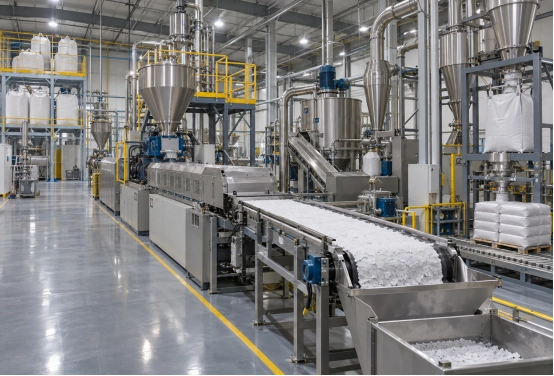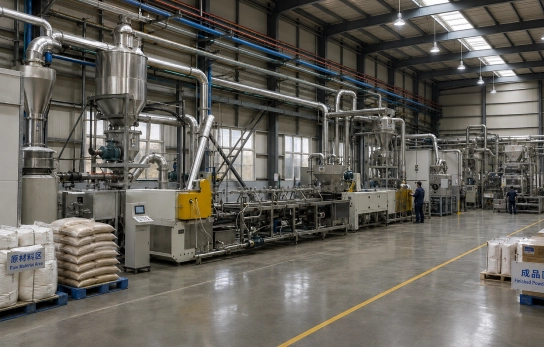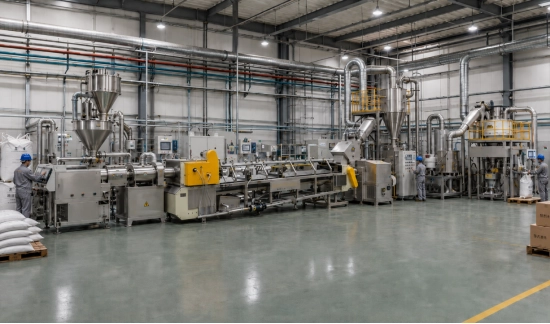
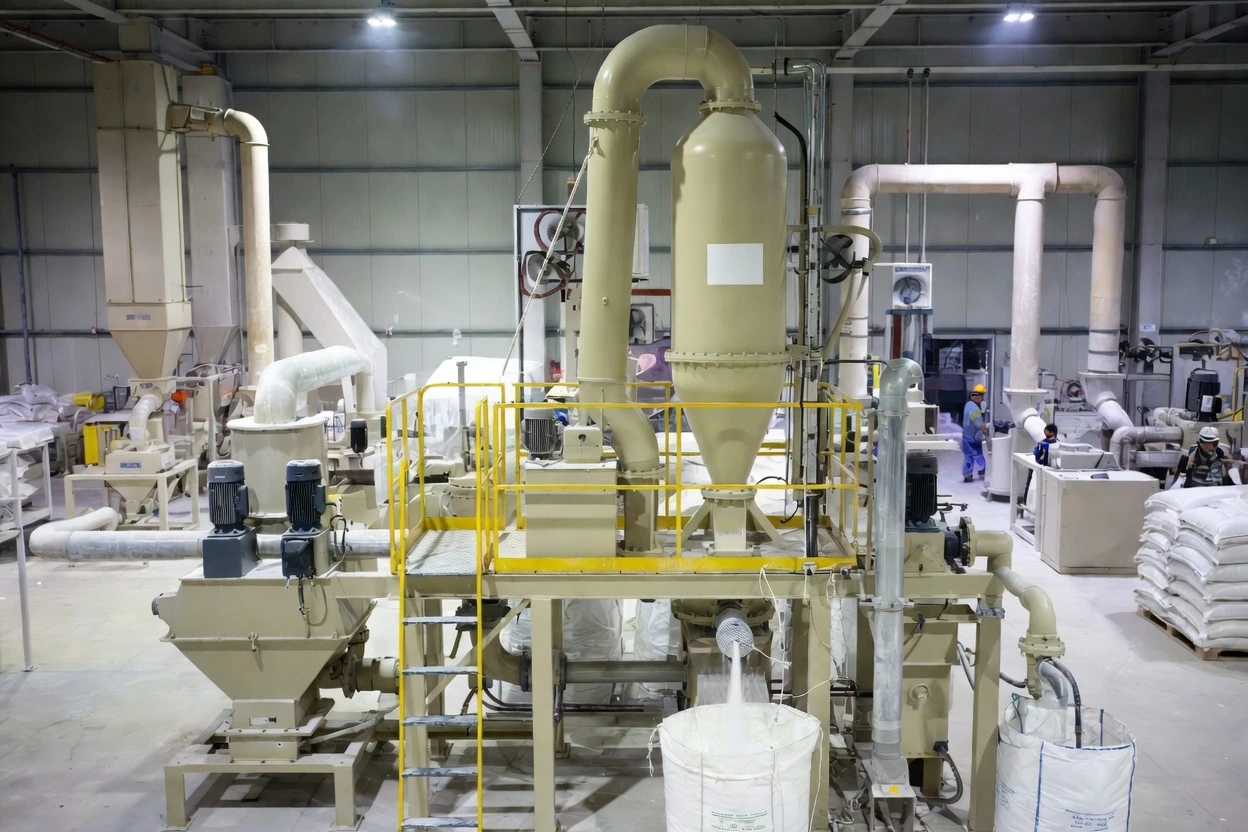
A velocidade do classificador é um dos parâmetros que define silenciosamente todo o comportamento de um moinho ACM. Não se trata apenas de um botão para ajustar a finura; é o coração do controle do pó. Quando os operadores falam sobre consistência, rendimento e suavidade do revestimento, muitas vezes estão se referindo à precisão do ajuste do classificador.
Qual a função do classificador em uma fábrica de ACM?
Dentro de um Sistema de micro-moagem ACMO classificador separa partículas finas e grossas durante a moagem. Este não é um processo passivo, mas sim dinâmico. As lâminas rotativas criam um campo centrífugo que determina quais partículas são finas o suficiente para sair e quais devem retornar para sofrer impacto adicional. Essa separação garante uma distribuição granulométrica consistente do pó, essencial para pós de revestimento de alta qualidade usados em aplicações eletrostáticas. O ajuste da velocidade do classificador influencia diretamente a finura e o rendimento do produto; se for muito rápida, a produção diminui; se for muito lenta, as partículas grossas passam.
Como a velocidade do classificador interage com o fluxo de ar e o projeto do rotor
A velocidade do classificador não funciona sozinha. O volume de ar e o design do rotor formam um delicado equilíbrio com ela. Velocidades mais altas aumentam a força centrífuga, empurrando as partículas maiores de volta para a zona de moagem. Mas o fluxo de ar deve ser suficiente para transportar as partículas finas através do classificador sem turbulência ou refluxo. A configuração do rotor — número de lâminas, ângulo e condição de desgaste — altera a eficiência desse processo. Um ajuste inadequado pode levar a tamanhos de partículas irregulares ou redução da eficiência, algo frequentemente percebido como espessura de revestimento inconsistente ou comportamento de carregamento inadequado na linha de produção.
Como a velocidade do classificador influencia a distribuição do tamanho das partículas
A relação entre a velocidade do classificador e o tamanho das partículas é direta, mas não linear. Cada formulação responde de maneira diferente.
Por que o aumento da velocidade do classificador produz um pó mais fino?
Com o aumento da velocidade do classificador, a precisão da separação melhora. A força centrífuga torna-se mais forte, permitindo a passagem apenas de partículas menores e rejeitando as maiores para posterior moagem. Isso produz um pó mais fino com valores D97 mais baixos — essencial para obter acabamentos lisos em revestimentos de poliéster ou híbridos. No entanto, há uma contrapartida: velocidades mais altas reduzem a produtividade, pois mais material circula dentro do moinho em vez de sair. A velocidade ideal depende do tipo de resina, da carga de pigmento e da finura desejada. Na prática, os operadores ajustam a velocidade em pequenos incrementos, monitorando os dados de partículas em tempo real.
O que acontece quando o classificador funciona muito lentamente?
Um classificador lento permite que partículas maiores escapem da classificação. O resultado é visível durante a aplicação — superfícies ásperas ou efeito casca de laranja devido à formação irregular da película. A carga eletrostática torna-se menos estável porque partículas maiores conduzem a carga de forma diferente das partículas menores. Embora velocidades mais baixas possam melhorar ligeiramente a eficiência energética, reduzindo a carga do motor, a qualidade do produto sofre consideravelmente. Em linhas de produção contínua, onde a consistência é mais importante do que pequenas economias de energia, esse compromisso raramente compensa.
Equilibrando Eficiência e Qualidade em Linhas de Produção de Pintura a Pó
Encontrar o equilíbrio entre eficiência e qualidade define uma boa prática de moagem. Cada tipo de pó se comporta de maneira diferente sob tensão mecânica.
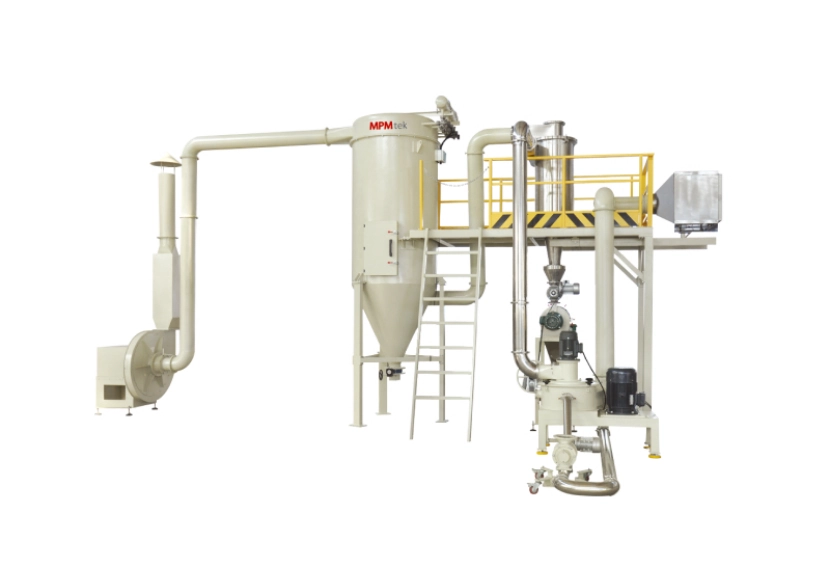
Encontrando a velocidade ideal do classificador para diferentes tipos de pó
Os pós epóxi geralmente toleram distribuições mais grosseiras porque fluem bem durante a cura, enquanto os sistemas de poliéster exigem um controle mais rigoroso da aparência da superfície. Os pós híbridos situam-se em algum ponto intermediário. Os ajustes devem levar em consideração a carga do moinho e a taxa de alimentação — alimentação em excesso pode sobrecarregar até mesmo um classificador perfeitamente ajustado — e o controle da temperatura dentro da câmara é importante, pois o calor afeta o amolecimento da resina e as características de fluxo durante a moagem. Testes consistentes entre lotes geram reprodutibilidade que os clientes percebem imediatamente.
A relação entre a velocidade do classificador e o consumo de energia.
Velocidades mais altas do classificador exigem mais potência tanto dos motores quanto dos sistemas de fluxo de ar. O ventilador precisa vencer uma resistência maior, pois a rotação acelera a circulação das partículas. Eficiente Fabricante ACM O design minimiza a perda de energia por meio de canais de ar otimizados e componentes de baixo atrito, mantendo a precisão da classificação. Os sistemas modernos integram controles inteligentes capazes de ajustar automaticamente a velocidade do classificador com base em sensores de feedback que medem o tamanho das partículas ou a queda de pressão na câmara — um passo prático rumo à produção com consciência energética, sem sacrificar a qualidade.
Dicas práticas para operadores que ajustam as configurações do moinho ACM
Na prática, ajustar a velocidade do classificador é em parte ciência e em parte experiência.
Como otimizar a velocidade do classificador durante as execuções de produção
Os operadores normalmente começam com parâmetros básicos recomendados pelos fornecedores de equipamentos, tais como: MPMtek ou fabricantes similares conhecidos por seus sistemas de moagem de precisão. A partir daí, ajustes incrementais são feitos enquanto se monitora os analisadores de tamanho de partículas online ou os resultados da peneiração em testes de amostras. O registro de cada alteração cria um banco de dados interno — uma referência viva que ajuda as configurações futuras a funcionarem melhor quando as formulações mudam ou novos pigmentos são introduzidos.
Problemas comuns ao alterar a velocidade do classificador e como resolvê-los
Saída de tamanho de partícula inconsistente
Quando a produção oscila apesar das configurações estáveis, lâminas classificadoras desgastadas ou fluxos de ar desequilibrados são as causas mais comuns. O desgaste das lâminas altera a folga da ponta e reduz a eficiência da separação; a substituição delas restaura a consistência rapidamente.
Geração excessiva de calor na câmara de moagem
Se a temperatura subir acentuadamente após o aumento da velocidade, as perdas por atrito podem ser muito altas ou o fluxo de ar insuficiente para o resfriamento. Reduzir ligeiramente a velocidade do classificador ou melhorar a distribuição do ar geralmente estabiliza as condições sem grandes interrupções.
Redução da produtividade apesar da boa qualidade de saída.
Às vezes, tudo parece perfeito, exceto que o rendimento cai significativamente. Isso geralmente indica classificação excessiva: muitas partículas finas sendo recirculadas desnecessariamente. Verificar a uniformidade da taxa de alimentação ou a condição do rotor ajuda a restabelecer o equilíbrio entre rendimento e finura.
Aprimorando a qualidade da pintura a pó com tecnologia avançada de moinho ACM
A tecnologia agora permite que as fábricas se autoajustem onde antes era necessária supervisão manual constante. MPMtek's classificadores de alta velocidade Empregam um controle preciso de frequência. Sistemas de monitoramento integrados acompanham o consumo de corrente, a temperatura e a pressão diferencial para manter a estabilidade mesmo durante longos ciclos de produção. Esses projetos priorizam a confiabilidade — fundamental quando as fábricas operam continuamente em vários turnos, produzindo lotes de cores diferentes com o mínimo de tempo de inatividade.
Por que o controle adequado da velocidade do classificador é importante para os objetivos do seu negócio
A estabilidade do tamanho das partículas se traduz diretamente em maior eficiência de aplicação: menos rejeições devido a defeitos superficiais e uma cobertura de revestimento mais uniforme por quilograma aplicado. A moagem otimizada também reduz o desperdício de material fora das especificações — um custo oculto que muitas fábricas subestimam até começarem a monitorá-lo de perto. Para fabricantes que competem globalmente em mercados de revestimentos em pó, onde as margens se tornam cada vez menores, investir em tecnologia avançada de moagem ACM não se trata apenas de precisão — trata-se de manter a viabilidade por meio de um controle de processo mais inteligente.
FAQ
Q1: Como a experiência do operador influencia o ajuste ideal do classificador?
Operadores experientes reconhecem sinais sutis, como mudanças no som ou flutuações na pressão do ar, que indicam desequilíbrio muito antes que os instrumentos o detectem.
Q2: Existe um valor D97 ideal para todos os revestimentos em pó?
Não existe um valor fixo que se aplique a todas as formulações; a resina epóxi pode ter como meta 35 µm, enquanto o poliéster de alto brilho pode precisar de 25 µm, dependendo dos requisitos de acabamento.
P3: O controle automatizado pode substituir completamente o ajuste manual?
A automação lida bem com a estabilidade, mas a calibração inicial ainda se beneficia do julgamento humano baseado na inspeção visual do comportamento do pó durante os testes de cura.
Q4: Qual prática de manutenção afeta mais a precisão da classificação?
A limpeza regular das pás e dos dutos evita o acúmulo de resíduos que distorcem os padrões de fluxo de ar — algo frequentemente negligenciado, mas crucial para um desempenho consistente em todas as operações.