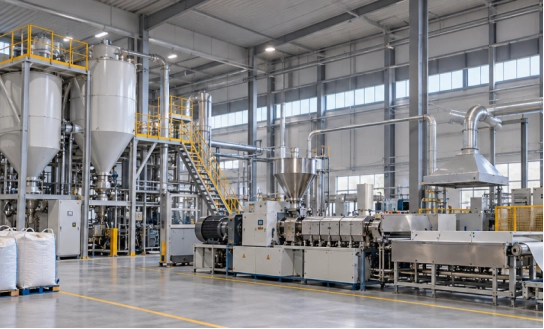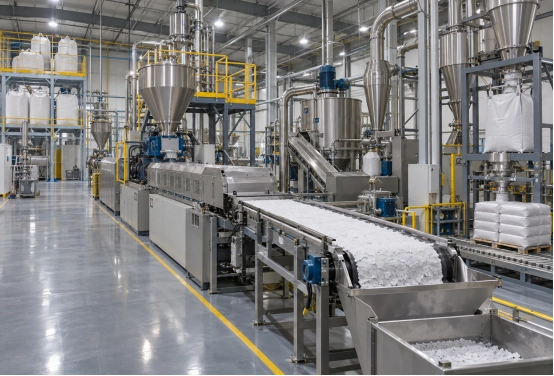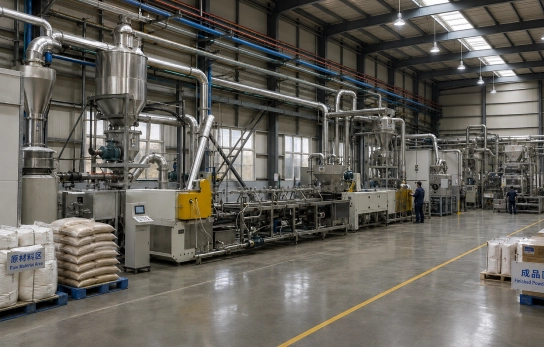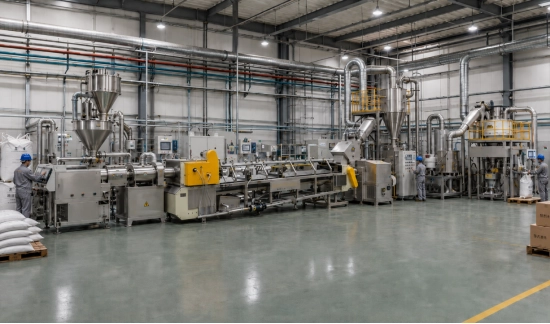
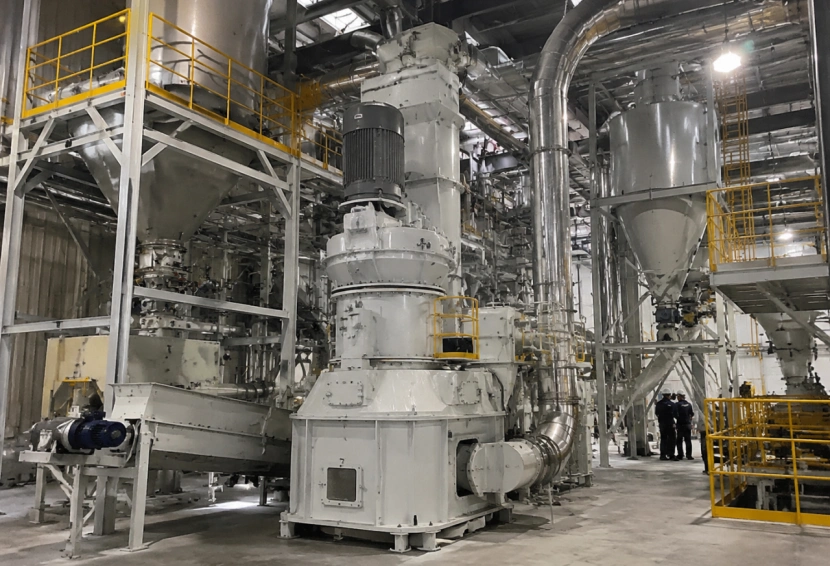
Bir ACM değirmeninin tasarımı, toz boya hattının tüm performansını şekillendirir. Mühendisler genellikle yapının ne kadar fark yarattığı konusunda tartışırlar, ancak pratikte ürün tutarlılığından bakım sıklığına kadar her şeyi belirler. İyi tasarlanmış bir ACM değirmeni sadece öğütme yapmaz; üretimi stabilize eder, ısıyı yönetir ve uzun çalışma süreleri boyunca operatörlerin akıl sağlığını korur.
ACM Frezesi Nedir ve Tasarımı Neden Önemlidir?
ACM (Hava Sınıflandırma Değirmeni), toz boya üretim hatlarında temel öğütme ekipmanıdır. Bu makinenin içinde, mekanik darbe ve hava akımı sınıflandırması aynı anda gerçekleşir. Tasarım, ürün inceliğini, partikül dağılımını ve enerji verimliliğini doğrudan etkiler. Sınıflandırıcının geometrisi veya soğutma yolu değiştiğinde, nihai tozun dokusu ve parlaklık seviyesi de değişir. Doğru tasarım seçimi, istikrarlı çalışma, kolay bakım ve endüstriyel kaplama standartlarını karşılayan tutarlı toz kalitesi sağlar.
ACM Freze Makinesinin Başlıca Fonksiyonel Bileşenleri
Bir ACM değirmeni Dikkat edilmesi gereken üç alan vardır: öğütme haznesi, sınıflandırıcı tekerlek ve soğutma sistemi. Öğütme haznesi, mekanik darbenin reçine parçacıklarını parçaladığı ve havanın ince parçacıkları yukarı taşıdığı yerdir. Sınıflandırıcı tekerlek, kabul edilebilir ince parçacıkları, daha fazla öğütme için geri dönen kaba malzemeden ayırır. Genellikle hafife alınan soğutma sistemi, hazne içinde reçinenin erimesine veya topaklanmasına neden olabilecek aşırı ısınmayı önler. Sürekli çalışmada, birkaç derecelik sıcaklık artışı bile akışkanlığı veya renk tonunu değiştirebilir.
Açık Bölmeli Gövde Tasarımı: Yapısı ve Avantajları
ACM freze tezgahlarının farklı gövde tipleri arasında, bölünmüş açık gövde, esnek üretim hatları için en çok tercih edilen model haline gelmiştir.
Yarıklı gövdeli ACM freze tezgahı nasıl çalışır?
Şu ACM değirmenini ikiye ayırdı Bu yapı, değirmen gövdesinin iç muayene ve temizlik için kendi ekseni boyunca açılmasına olanak tanır. Operatörler, kanalları veya tahrik sistemlerini sökmeden pimlere, astarlara ve sınıflandırıcı bıçaklara erişmek için gövdenin bir yarısını kabuk gibi kaldırabilirler. Bu yapı, öğütme bölgesine erişimi kolaylaştırırken, tekrar kapatıldığında hizalamayı da korur.
Toz Boya Hatlarında Açık Bölmeli Tasarımın Faydaları
Bu tasarım, temizlik ve bakım işlemleri için gereken arıza süresini azaltır. Ayrıca, ağır sökme işlemine gerek kalmadığı için astar veya aşınmış pimlerin değiştirilmesini de hızlandırır. Örneğin, bir gün beyaz epoksi, ertesi gün metalik gümüş gibi birden fazla renk üreten tesisler için, partiler arasında kapsamlı temizlik yapabilme özelliği, bitmiş parçalarda kirlenme izlerinin oluşmasını önler. Her yüzeye agresif çözücüler veya uzun süreli durdurmalar kullanmadan ulaşılabildiği için hijyen kontrolü de iyileşir.
Ne zaman yarık açık tip ACM frezeleme makinesi seçmelisiniz?
Açık tasarımlı bölmeler, birçok renk değişikliği veya küçük partiler halinde özel sipariş alan üreticiler için uygundur. Sık temizlik döngülerinin günlük rutinin bir parçası olduğu durumlarda, erişilebilirlik, biraz daha yüksek başlangıç maliyetinden daha önemlidir. Sınırlı personele sahip küçük atölyeler genellikle bu konfigürasyonu tercih eder çünkü bakım, dışarıdan teknisyenler yerine operatörler tarafından yapılabilir.
Sandviç Tipi Gövde Tasarımı: Yapı ve Performans Özellikleri
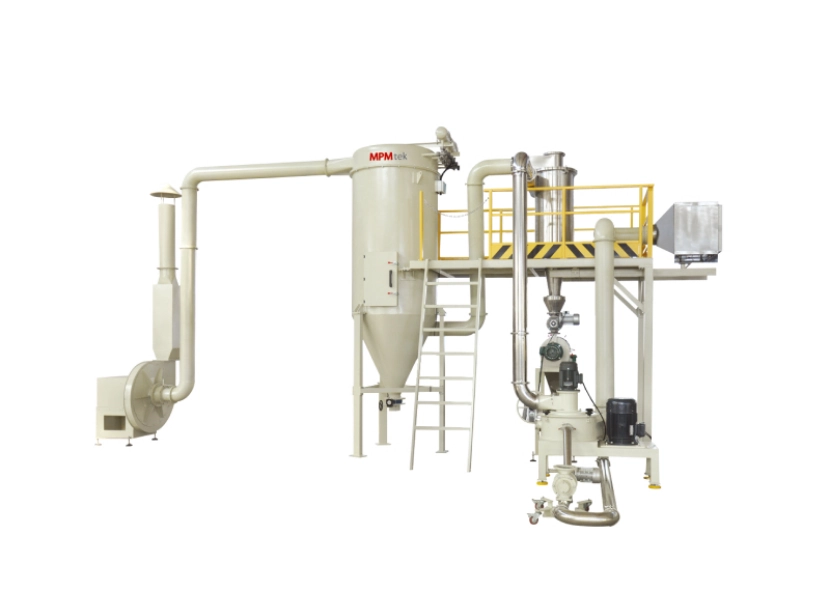
Şu sandviç tipi gövde Bu, başka bir mühendislik felsefesini temsil eder: esneklik yerine sürekli yük altında istikrar.
ACM Fabrikalarında Sandviç Tipi Gövdeyi Ne Tanımlar?
Bu tip, iç kısımda bir öğütme haznesi ve onu çevreleyen dış kısımda bir soğutma ceketi yapısından oluşur. İkisinin arasında, işlem bölgesinden ısıyı verimli bir şekilde uzaklaştıran soğutulmuş hava veya su akar. Çift katmanlı gövde, soğutma performansını artırır ve reçine akışının yüksek olduğu yüksek yük altında çalışma sırasında bile malzeme sıcaklıklarını sabit tutar.
Sandviç Tipi Yapının Teknik Avantajları
Üstün ısı dağılımı, daha yüksek üretim hızlarında tutarlı ürün kalitesini korur. İç parçalar üzerindeki termal gerilim azaldığı için, özellikle sıcak hava akımlarına maruz kalan rulmanlar ve astarlar için bileşen ömrü belirgin şekilde uzar. Bu yapılandırma, duruşların maliyetli olduğu ve sıcaklık kontrolünün saatler boyunca hassas kalması gereken sürekli üretim ortamları için uygundur.
Sandviç Tipi Değirmenlerin Üstün Performans Gösterdiği Uygulamalar
Stabil formülasyonlara sahip büyük ölçekli toz boya tesisleri, sandviç tipi değirmenlerden en çok fayda görür. Bu değirmenler, sık müdahale gerektirmeden uzun saatler boyunca çalışabilir. Örneğin, vardiya başına binlerce kilogram tek renk polyester toz üreten bir fabrika, daha az aşınma ve hazne içindeki reçinenin yumuşama riskinin azalması nedeniyle bu tasarımın zaman içinde daha ekonomik olduğunu görecektir.
Gerçek Üretim Senaryolarında Bölünmüş Açık ve Sandviç Tipi Tasarımların Karşılaştırılması
Bu iki tasarım arasında seçim yapmak, hangisinin "daha iyi" olduğuyla ilgili değil, hangisinin operasyonel alışkanlıklara daha uygun olduğuyla ilgilidir.
Hangi ACM freze tasarımı daha iyi bakım verimliliği sunar?
Açılır kapanır tipteki değirmenler, temizlik veya parça değişimi için daha hızlı erişim sağladıkları için bakım verimliliği açısından açıkça avantajlıdır. Buna karşılık, sandviç tipi değirmenler, servis gerektiğinde kısmi sökme gerektirir, ancak sağlam yapıları sayesinde daha az sıklıkla sökülme gerektirerek bu dezavantajı telafi ederler.
Soğutma verimliliği ve ürün kalitesi arasındaki fark nedir?
Sandviç tipi gövdeler daha güçlü soğutma kapasitesi sunar; bu, ısıya duyarlı malzemelerin (örneğin, ısı altında topaklanma eğiliminde olan hibrit reçineler) işlenmesinde çok önemlidir. Açık bölmeli tipler ise esas olarak iç kanallardan geçen hava akışına dayanır; orta düzey yükler için yeterlidir, ancak büyük ölçekli işlemler sırasında sürekli ısıyı dağıtmada daha az etkilidir.
İki tasarım arasında seçim yaparken maliyet hususlarını göz önünde bulundurmak
İlk yatırım maliyetleri farklılık gösterir: Sandviç tipi değirmenler karmaşık imalat nedeniyle daha yüksek başlangıç maliyetine sahipken, bölünmüş açık versiyonlar mekanik olarak daha basittir. Ancak zaman içinde işletme maliyetleri parti çeşitliliğine ve temizleme sıklığına bağlıdır. Hızlı renk değişimine odaklanan tesisler, bölünmüş açık modellerle daha hızlı yatırım getirisi elde ederken; homojen üretim yapanlar ise sandviç tipi konfigürasyonlarda dayanıklılık ve enerji tasarrufu sayesinde yatırımlarını geri kazanırlar.
Toz Boya Hattınız İçin Doğru ACM Freze Konfigürasyonunu Seçmek
Herhangi bir ACM freze makinesi satın almadan önce, karar vericiler yalnızca kapasiteyi değil, aynı zamanda iş akışı alışkanlıklarını da değerlendirmelidir: renklerin ne sıklıkla değiştirildiği, makinelerin etrafında bakım erişimi için ne kadar alan bulunduğu, tesiste halihazırda ne tür bir soğutma altyapısının çalıştığı gibi faktörler göz önünde bulundurulmalıdır.
Alıcılar karar vermeden önce nelere dikkat etmelidir?
Üretim kapasitesi motor boyutunu belirler; renk değiştirme sıklığı erişilebilirlik ihtiyaçlarını belirler; mevcut alan, yatay açma mekanizmalarının düzgün bir şekilde yerleşip yerleşmeyeceğini etkiler; bakım kaynakları, şirket içi personelin servis işlemlerini yapıp yapamayacağını veya düzenli olarak üretici desteğine ihtiyaç duyulup duyulmayacağını belirler. Toplam yaşam döngüsü maliyetlerini değerlendirmek, yalnızca satın alma fiyatlarını karşılaştırmaktan daha gerçekçi bir tablo sunar.
MPMtek Özel ACM Freze Çözümlerini Nasıl Destekliyor?
MPMtek'in Belirli toz özelliklerine ve üretim gereksinimlerine göre uyarlanmış tasarımlar sunuyoruz. Mühendislik desteğimiz, farklı toz boyama hatlarında optimum performans istikrarını sağlamak için konsept modellemesinden devreye alma aşamalarına kadar uzanmaktadır. Yaklaşımımız, mekanik hassasiyeti ve süreç uyarlanabilirliğini birleştirerek müşterilerin ekipman davranışını teorik özellikler yerine gerçek dünya üretim koşullarıyla eşleştirmelerini sağlar. Bize ulaşın Bugün, benzersiz üretim ihtiyaçlarınıza göre uyarlanmış ACM çözümlerini keşfedin.
Sık Sorulan Sorular
S1: Her iki tasarım da benzer parçacık boyutu dağılımı elde edebilir mi?
Evet, her ikisi de hava sınıflandırma prensiplerini kullanır; ancak sıcaklık kararlılığı uzun vadede sınıflandırma doğruluğunu etkiler.
S2: Hangi tür daha fazla enerji tüketir?
Sandviç tipi değirmenler, aktif soğutma sistemleri nedeniyle biraz daha fazla güç tüketebilir ancak çıktı kalitesi üzerinde daha hassas kontrol sağlarlar.
S3: Yarıklı açık değirmenler otomatik temizleme sistemleri için uygun mudur?
Yarı otomatik temizleme özelliklerini entegre edebilirler ancak açıkta kalan vücut bölgeleri nedeniyle yine de büyük ölçüde manuel denetime bağımlıdırlar.
S4: Bölünmüş açık bir değirmende renk değiştirmek ne kadar sürer?
Operatörün beceri seviyesine bağlı olarak, sökme, temizleme, kurutma ve yeniden montaj dahil olmak üzere genellikle iki saatten az sürer.
S5: Sandviç tipi yapı gürültüyü azaltır mı?
Evet, çift katmanlı gövde, tek katmanlı yapılara göre titreşimi daha iyi sönümleyerek büyük tesislerde daha sessiz çalışmaya katkıda bulunur.