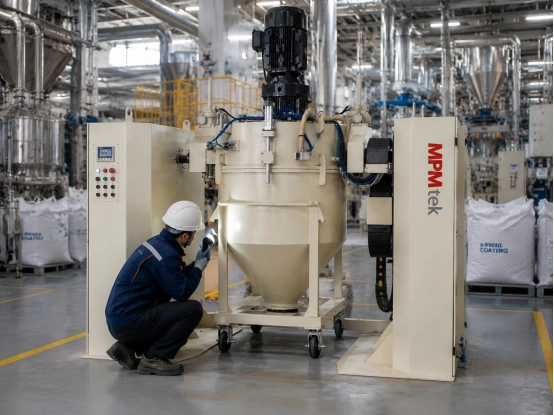
Bir toz kaplama karıştırıcı Nadiren dramatik bir arıza ile başlar. İlk belirti genellikle şaft muhafazasının altında ince bir toz çizgisi, tahliye vanasının etrafında toz veya konteyner bağlantısının altında küçük bir yığın olur.
Önemsiz gibi görünüyor. Genellikle conta aşınması, basınç dengesizliği veya mekanik hareketin işaretidir. Faydalı soru, sızdırmazlık sisteminin neden çalışmayı durdurduğudur.
Toz Boya Karıştırıcısındaki Sızıntıyı Neden Hemen Onarmalısınız?
İnce toz, çerçevelere, motorlara, kablolara ve zeminlere yayılır. Renk değiştirme alanında, yanlış yerde bulunan birkaç gram koyu pigment, açık renkli bir partiyi bozabilir.
Sızıntılar da zamanla büyür. Toz, aşınmış bir sızdırmazlık boşluğuna girer, aşındırıcı görevi görür ve boşluğu daha da büyütür. Yakındaki cıvataları sıkmak, tozu bir vardiya boyunca gizleyebilirken, altındaki contayı deforme edebilir.
Malzeme kaybı önemlidir. Temizlik süresi, kirlenme ve plansız duruşlar da öyle. Mikser hala normal ses çıkarırken küçük bir sızıntı bile dikkat gerektirir.
Mikserden toz genellikle nereden sızar?
Sık rastlanan sızıntı noktaları arasında karıştırıcı ve doğrayıcı şaft contaları, mikser kapağı, erişim kapağı, boşaltma vanası, çıkış flanşı, muayene portları ve hareketli kap ile karıştırma başlığı arasındaki bağlantı bulunur.
Görünen yığının gerçek kaynağı işaret ettiğini varsaymayın. Toz, bir braket, kablo veya eğimli panel boyunca hareket edebilir. Makineyi temizleyin, kontrollü bir parti çalıştırın ve yeni malzemenin nerede göründüğünü gözlemleyin.
Toz Boya Karıştırıcılarında En Sık Görülen Sızıntı Nedenleri Nelerdir?
Birçok arıza aynı tozlu zemine neden olur. Mil hareketini, basıncı ve temas yüzeylerini kontrol etmeden contayı değiştirmek, birçok sızıntının tekrar etmesinin nedenidir.
Aşınmış veya Hasar Görmüş Mil Keçeleri
Mil keçeleri dönme hareketine, aşındırıcı toza, ısıya ve tekrarlanan temizliğe maruz kalır. Kenarları sertleşir, çatlar, düzleşir veya düzensiz bir şekilde aşınır.
Kullanılmış bir conta, makinenin yanında kabul edilebilir görünebilir. Hafif bir parlatma, temas basıncını azaltabilir. Yanlış boyutlar veya kötü uyum, kullanım ömrünü daha da kısaltır.
Şaft Hizalama Hatası ve Aşırı Titreşim
Yeni bir conta, milin yana doğru hareketini telafi edemez. Aşınmış yataklar, gevşek bağlantılar, karıştırıcı dengesizliği veya kötü hizalama, contanın bir tarafına daha fazla yük bindirir.
Mikser yük altında hafifçe daha pürüzlü ses çıkarabilir. Düzensiz conta aşınması da bir diğer ipucudur. Sadece contayı değiştirirseniz sızıntı genellikle geri döner.
Yanlış Montaj veya Bağlantı Elemanı Torku
Contaların eşit şekilde sıkıştırılması gerekir. Çok az tork boşluklara neden olur; çok fazla tork ise contayı dışarı doğru sıkıştırabilir veya ince bir flanşı deforme edebilir.
O-ringler bükülebilir, sıkışabilir veya yanlış yerleştirilebilir. Özellikle aceleyle yapılan bakım sonrasında kapaklar ve tahliye vanaları etrafındaki düzensiz sıkma sıkça görülür.
Toz Birikimi ve Aşırı İç Basınç
Mil contası etrafında sıkışan toz, conta dudağını kaldırabilir veya tahliye yolunu tıkayabilir. Tıkalı bir havalandırma deliği, kısıtlı vakum hattı, aşırı yüklenmiş parti veya agresif karıştırma döngüsü iç basıncı artırabilir.
Boşken temiz kalan ancak yüksek hızda karıştırma sırasında sızıntı yapan bir mikserin, daha fazla dış sızdırmazlık malzemesine değil, basınç ve hava akışı kontrolüne ihtiyacı vardır.
Uyumsuz Conta Malzemeleri veya Çalışma Sıcaklıkları
Sızdırmazlık malzemesi, formülasyon ve sıcaklıkla uyumlu olmalıdır. Aşındırıcı metalik tozlar, bazı katkı maddeleri, temizlik kimyasalları ve karıştırma ısısı, elastomerin ömrünü kısaltabilir.
Depoda bulunan en yakın contayı kullanmak pratiktir. Ancak nadiren ekonomiktir.
Hasarlı Bağlantı Yüzeyleri
Yeni bir conta, eğilmiş bir flanşa, çizilmiş bir mil kovanına, aşınmış bir yuvaya veya hasar görmüş bir valf yüzeyine karşı sızdırmazlık sağlayamaz. Sızdırmazlık yüzeyleri arasında sıkışan toz da aynı soruna neden olur.
Parçaları temizleyin ve iyi bir ışık altında inceleyin. Bir cetvel, başka bir denemeden daha fazla bilgi verebilir.
Su sızıntısının kesin kaynağını nasıl tespit edebilirsiniz?
Mikseri durdurun, enerji kaynaklarını ayırın ve dış yüzeyi temizleyin. Eski toz, yeni bir sızıntının yolunu gizler.
Malzemenin kuru toz mu, yağlayıcı mı yoksa her ikisi birden mi olduğunu kontrol edin. Milin yakınındaki yağlı toz, rulman veya şanzıman kirlenmesine işaret edebilir. En üstteki taze birikintiyi bulun ve yukarı doğru ilerleyin.
Son değişiklikleri gözden geçirin: daha büyük partiler, yeni bir formülasyon, daha yüksek hız veya yakın zamanda yapılan conta değişimi. İzin verilen yerlerde, mili manuel olarak döndürün ve yanal hareketi kontrol edin. Bağlantı elemanlarını, contaları, kelepçeleri, havalandırma hatlarını ve vakum bağlantılarını inceleyin.
Az miktarda ve kontrollü bir şekilde üretim yapın ve sızıntının ne zaman başladığını gözlemleyin. Hızlanma sırasında sızıntı hareket olduğunu gösterirken, tam yük altında sızıntı basınç veya aşırı doldurmayı gösterebilir.
Sızdıran Toz Boya Karıştırıcısı Nasıl Tamir Edilir?
Onarım, arızaya uygun olmalıdır. Doğaçlama dolgu, aşırı cıvata torku ve kirli yüzeylere uygulanan sızdırmazlık malzemesi tozu kısa süreliğine azaltabilir. Ancak nadiren sorunun nedenini ortadan kaldırırlar.
Sorunu Kök Nedenine Göre Çözün
- Aşınmış contaları doğru profil, boyut ve malzemeye sahip olanlarla değiştirin.
- Yeni contaları takmadan önce her iki temas yüzeyini de temizleyip inceleyin.
- Kapakları ve flanşları belirtilen sıraya göre eşit şekilde sıkın.
- Sızdırmazlık contalarının içindeki sıkışmış tozu temizleyin ve geçiş yollarını boşaltın.
- Tıkalı havalandırma veya vakum hatlarını temizleyin ve hava akışının istikrarlı olduğundan emin olun.
- Yeni bir conta takmadan önce şaft salınımını, aşınmış yatakları, gevşek bağlantıları veya karıştırıcı dengesizliğini düzeltin.
- Çizilmiş burçları, deforme olmuş flanşları ve hasar görmüş valf yuvalarını onarın.
Tamir işleminden sonra mikseri boş çalıştırın, ardından küçük bir parti kullanın. Karıştırma ve boşaltma işlemleri boyunca temiz kaldığından emin olduktan sonra tam üretime devam edin.
Sızıntının tekrar oluşmasını nasıl önleyebilirsiniz?
Sızıntı önleme, büyük ölçüde disiplinli bakımla sağlanır.
- Mil contalarını, vanaları ve konteyner bağlantılarını belirli bir programa göre kontrol edin.
- Renk veya formül değişikliklerinden sonra sızdırmazlık yüzeylerini temizleyin.
- Sızıntı yerlerini ve conta değiştirme tarihlerini kaydedin.
- Üretim partilerini önerilen çalışma kapasitesi sınırları içinde tutun.
- Yeni titreşim, ısı veya gürültü belirtilerini erken aşamada araştırın.
- Doğru contaları ve keçeleri stoklayın.
Altı ay içinde aynı şafttan üç kez tekrarlanan sızıntı genellikle mekanik veya tasarım sorunundan kaynaklanır, şanssızlıktan değil.
Mikseri Ne Zaman Tamir Ettirmelisiniz ve Ne Zaman Yükseltmelisiniz?
Hasarlı bir conta, aşınmış bir keçe veya gevşek bir bağlantı genellikle onarımı gerektirir. Tekrarlanan şaft hareketi, yetersiz toz kontrolü, zor bakım erişimi ve sürekli ayar gerektiren keçeler daha kapsamlı bir incelemeyi hak eder.
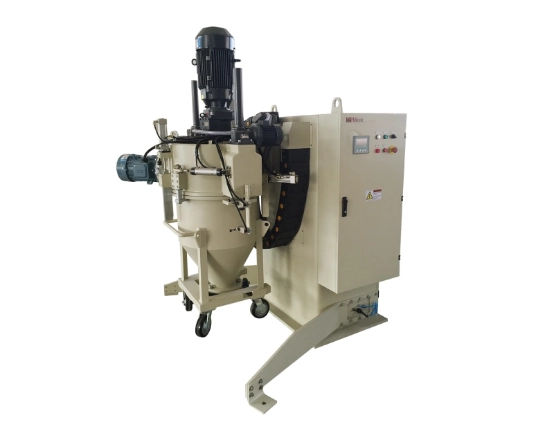
Bir noktada, bakım maliyeti bir tasarım sorunu haline gelir. Çift şaft sızdırmazlığı, güvenilir konteyner kilitleme, toz emme ve erişilebilir servis noktaları, geçici çözümleri azaltır. MPMtek'in konteyner karıştırıcı Hareketli konteyner tasarımına sahip olan bu ürün, çift şaft contaları, otomatik toz vakumu ve kolay bakım gibi ürün özelliklerini sunmaktadır. Yeni bir hat veya eski bir mikser için, MPMtek'in Üretim sürecinin daha geniş bir parçası olarak sızıntı değerlendirmesi yapılabilir.
Sonuç
Toz sızıntısı kanıt niteliğindedir, asıl neden değildir. Makineyi temizleyin, yeni sızıntıyı bulun, hareketi ve basıncı kontrol edin, ardından hasarlı parçayı onarın. Conta önemlidir. Ancak çevresindeki koşullar daha da önemlidir.
Tekrarlayan sızıntılar genellikle aşınmış bir contadan daha fazlasına işaret eder. MPMtek, güvenilir sızdırmazlık, toz kontrolü ve pratik bakım erişimi sağlayan toz boya karıştırıcıları ve komple üretim hatları tasarlar ve üretir. MPMtek ile iletişime geçin Malzeme, proses koşulları ve ekipman gereksinimlerinizi görüşmek üzere.
Sık Sorulan Sorular
S: Toz boya karıştırıcısında küçük bir sızıntı olsa bile çalışmaya devam edebilir mi?
Çalışmaya devam edebilir, ancak toz rulmanlara girebilir, partileri kirletebilir ve sızdırmazlık boşluğunu genişletebilir. Kontrollü bir durdurma, genellikle daha büyük bir arızayı beklemekten daha ucuzdur.
S: Yeni takılan şaft keçesi neden tekrar sızdırmaya başlar?
Olası nedenler arasında şaft hizalama hatası, aşınmış yataklar, uygun olmayan conta malzemesi, hasarlı kovan, kötü montaj veya aşırı iç basınç yer almaktadır.
S: Sızdırmazlık macunu, musluk flanşındaki sızdırmayı onarabilir mi?
Sadece ekipman üreticisi tarafından onaylanan uygulamalarda kullanılmalıdır. Sızdırmazlık macunu, doğru bir contanın, düz temas yüzeylerinin ve hatta cıvata sıkıştırmasının yerini almamalıdır.
S: Mikser contaları ne sıklıkla kontrol edilmelidir?
Bu, çalışma saatlerine, tozun aşındırıcılığına, sıcaklığa ve temizleme sıklığına bağlıdır. Planlı bakım sırasında ve yeni toz, titreşim veya gürültü ortaya çıktığında bunları kontrol edin.