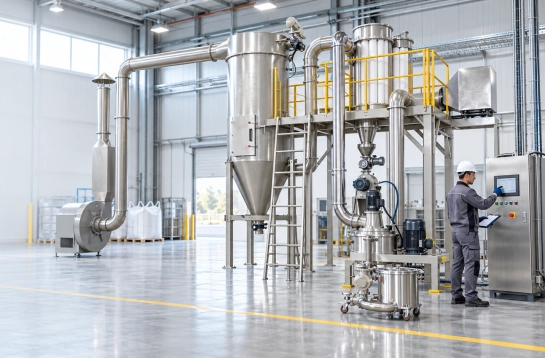

Mesin penggiling ACM mungkin tampak stabil di HMI, tetapi hasil penyaringan menunjukkan sebaliknya. Kapasitas produksi dapat diterima, beban motor stabil, namun fraksi halus terus meningkat.
Dalam produksi pelapis bubuk, partikel halus yang berlebihan dapat merusak pemulihan, perilaku pengisian, efisiensi transfer, dan distribusi ukuran partikel pelapis bubuk stabilitas. Penyebabnya jarang dramatis. Biasanya keseimbangan penggilingan dan klasifikasi telah bergeser, atau kondisi hulu telah berubah tanpa disadari siapa pun.
Apa Arti "Terlalu Banyak Denda" di Pabrik ACM?
“Terlalu banyak partikel halus” harus dinilai berdasarkan distribusi ukuran partikel target, bukan nilai mikron universal. Satu formulasi mungkin mentolerir lebih banyak material di bawah 10 μm daripada formulasi lainnya.
D10, D50, dan D90 Memang membantu, tetapi D50 saja dapat menyembunyikan masalah tersebut. Satu batch dapat mempertahankan ukuran median yang dapat diterima sementara bagian bawah PSD menjadi jauh lebih berat.
Pertanyaan praktisnya sederhana: berapa banyak bubuk yang masih berada di dalam rentang ukuran yang bermanfaat?
6 Alasan Umum Mengapa Pabrik ACM Menghasilkan Terlalu Banyak Serbuk Halus
Sebagian besar kasus bermuara pada kecepatan pengklasifikasi, kecepatan rotor, laju umpan, aliran udara, kondisi serpihan, atau keausan mesin. Variabel-variabel ini saling berinteraksi, sehingga penyesuaian secara acak biasanya membuat diagnosis menjadi lebih sulit.
1. Kecepatan Klasifikasi Terlalu Tinggi
Kecepatan pengklasifikasi yang lebih tinggi menghasilkan titik potong yang lebih halus. Partikel harus menjadi lebih kecil sebelum dapat keluar dari ruang penggilingan.
Jika pengaturan lebih tinggi dari yang dibutuhkan produk, material yang sudah dapat diterima tetap beredar dan menerima lebih banyak benturan. Fraksi halus meningkat, sementara hasil yang dapat digunakan mungkin menurun.
Salah satu ciri yang umum adalah D90 yang sedikit lebih baik tetapi terlihat lebih banyak debu yang menempel.
Kurangi kecepatan pengklasifikasi secara bertahap. Biarkan sistem stabil, ambil sampel lagi, dan bandingkan seluruh PSD, bukan hanya satu angka.
2. Kecepatan Rotor Penggiling Terlalu Tinggi
Kecepatan rotor yang lebih tinggi berarti intensitas benturan yang lebih tinggi. Dengan serpihan lapisan bubuk yang rapuh, hal itu dapat dengan cepat menyebabkan penggerindaan berlebihan.
Hal ini sering muncul setelah perubahan formulasi. Pengaturan rotor lama tetap ada dalam resep, tetapi sistem resin baru jauh lebih mudah rusak.
Pengurangan kecepatan rotor yang moderat dapat mengurangi partikel halus tanpa membuat produk menjadi terlalu kasar. Kapasitas produksi dan beban motor harus dipantau secara bersamaan.
3. Laju Umpan Terlalu Rendah atau Tidak Stabil
Mesin penggiling yang kekurangan material tidak berperilaku seperti mesin penggiling yang terisi material dengan benar. Dengan lebih sedikit material di zona penggilingan, partikel dapat menerima energi tumbukan yang lebih efektif.
Pemberian makan yang tidak stabil bahkan lebih jelas terlihat. Prosesnya berayun antara beban ringan dan berat, dan PSD mengikutinya.
Penyumbatan pada hopper, perubahan kepadatan curah serpihan kayu, atau pengumpan yang tidak konsisten semuanya dapat menyebabkan hal ini. Sebelum menyesuaikan RPM lagi, periksa apakah pengumpanan benar-benar stabil.
4. Aliran Udara Tidak Seimbang dengan Baik
Aliran udara mengontrol pengangkutan partikel dan mendukung klasifikasi. Jika aliran udara efektif menurun, material dapat tetap berada di sirkuit penggilingan lebih lama dan menerima benturan berulang.
Pengaturan kipas mungkin tampak tidak berubah sementara aliran udara sebenarnya telah bergeser. Filter yang tersumbat, penyempitan saluran udara, penumpukan siklon, atau kebocoran udara adalah penyebab umum.
Ketika sebuah pabrik mulai menghasilkan lebih banyak serbuk halus dengan "pengaturan yang sama," kondisi tekanan dan hambatan aliran udara perlu diperiksa sejak dini.
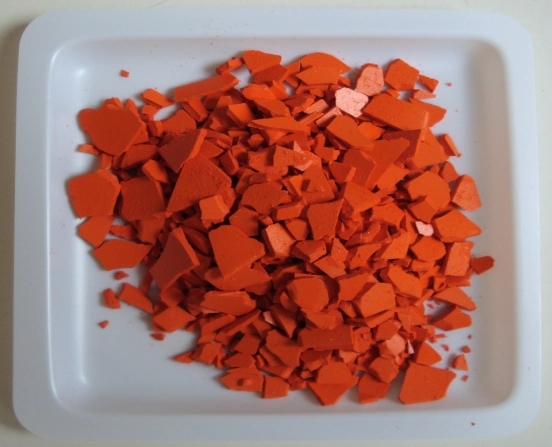
5. Serpihan Pakan Terlalu Kecil atau Terlalu Rapuh
yang Pabrik ACM Hanya berfungsi dengan apa yang diberikan oleh proses hulu.
Ekstrudat yang terlalu dingin, hasil penghancur yang sangat kecil, atau formulasi yang lebih rapuh mungkin memerlukan energi penggilingan yang jauh lebih sedikit. Dua warna dapat diproses pada jalur yang sama dengan pengaturan penggiling yang identik dan tetap menghasilkan fraksi halus yang sangat berbeda.
Itu tidak selalu berarti penggilingnya tidak stabil. Kemampuan penggilingan berubah.
Periksa ukuran serpihan, suhu, dan kerapuhan sebelum melakukan beberapa penyesuaian pada mesin penggiling sekaligus.
6. Komponen Internal yang Aus atau Tidak Sesuai
Keausan biasanya muncul sebagai hilangnya kemampuan untuk memprediksi kinerja, bukan kegagalan mendadak.
Keausan pada pengklasifikasi, elemen penggiling yang rusak, jarak bebas yang tidak tepat, atau kebocoran udara dapat memperlebar PSD (Distributed Pulse Distribution). Operator kemudian terus mengubah kecepatan untuk mendapatkan kembali hasil sebelumnya, tetapi responsnya menjadi tidak konsisten.
Jika perubahan parameter normal tidak lagi berperilaku seperti yang diharapkan, periksa mesin tersebut. Kondisi mekanis mungkin menjadi batasan sebenarnya.
Cara Menyesuaikan Mesin Penggiling ACM untuk Mengurangi Serbuk Halus
- Ukur PSD saat ini — terutama D10, D50, D90 dan pecahan halus.
- Periksa konsistensi pakan. sebelum mengubah pengaturan penggilingan.
- Kurangi sedikit kecepatan pengklasifikasi. dan mengambil sampel lain.
- Evaluasi kecepatan rotor jika denda tetap berlebihan.
- Periksa aliran udara dan kondisi tekanan.
- Periksa ukuran serpihan dan kerapuhannya.
- Periksa keausan dan celah mekanis.
- Mengubah satu parameter dalam satu waktu dan catat hasilnya.
Jangan hanya mengejar target D50 saja. Tujuannya adalah distribusi ukuran partikel yang stabil dan cukup sempit dengan ukuran partikel halus dan besar yang dapat diterima.
Mengapa Mengurangi Partikel Halus Tidak Berarti Membuat Bubuk Menjadi Lebih Kasar
Ada koreksi berlebihan yang mudah dilakukan: kurangi kecepatan pengklasifikasi, lihat lebih sedikit denda, dan anggap pekerjaan sudah selesai. Kemudian, ukuran yang melebihi batas mulai meningkat.
Targetnya bukanlah bubuk kasar. Yang diinginkan adalah distribusi ukuran partikel (PSD) yang berguna dan cukup sempit dengan ukuran partikel halus, ukuran lebih besar, kapasitas produksi, dan kinerja aplikasi yang dapat diterima.
Aspek ekonomi produksi sangat penting di sini. Kurva laboratorium yang bagus pada kapasitas rendah belum tentu merupakan proses yang lebih baik.
Ketika Masalahnya Adalah Pabrik—dan Ketika Masalahnya Adalah Jalur Produksi
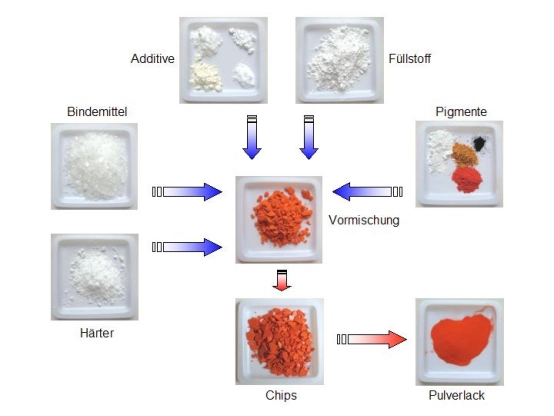
Performa penggilingan terkait dengan keseluruhan proses pelapisan bubuk.
Ekstrusi memengaruhi konsistensi material. Pendinginan mengubah kerapuhan. Penghancuran menentukan ukuran serpihan. Pemberian umpan mengontrol pemuatan penggiling. Penggiling ACM menerima hasil dari keempat faktor tersebut. Jika muncul serbuk halus yang berlebihan setelah perubahan bahan baku, penyesuaian pendinginan, atau perawatan penghancur, periksa apa yang berubah di hulu sebelum menyalahkan penggiling.
Pada suatu lini produksi pelapisan bubuk lengkapMenelusuri proses ke belakang seringkali menemukan penyebabnya lebih cepat daripada melakukan perubahan RPM putaran berikutnya.
Kesimpulan — Kendalikan Denda dengan Menyeimbangkan Seluruh Proses ACM
Serbuk halus yang berlebihan biasanya menunjukkan energi penggilingan yang berlebihan, pengaturan pengklasifikasi yang terlalu halus, pengumpanan yang tidak stabil, aliran udara yang buruk, perubahan kondisi serpihan, atau keausan mekanis.
Metode penyesuaian yang bermanfaat itu sederhana: satu perubahan, satu sampel, satu perbandingan.
MPMtek Sistem penggilingan ACM dirancang untuk kontrol ukuran partikel yang dapat disesuaikan dan stabil dalam produksi pelapis bubuk. Jika lini penggilingan Anda menghasilkan partikel halus yang berlebihan atau PSD (ukuran partikel yang dapat disesuaikan) yang tidak stabil, MPMtek dapat membantu mengevaluasi konfigurasi penggiling dan parameter pengoperasian untuk formulasi dan kapasitas produksi Anda.
FAQ (Pertanyaan umum)
T: Bagaimana cara mengurangi partikel halus di pabrik ACM?
Periksa kecepatan pengklasifikasi, kecepatan rotor, stabilitas umpan, dan aliran udara. Lakukan perubahan kecil dan verifikasi setiap hasilnya dengan data PSD daripada mengubah beberapa parameter sekaligus.
T: Apakah kecepatan pengklasifikasi yang lebih tinggi membuat bubuk menjadi lebih halus?
Secara umum, ya. Kecepatan pengklasifikasi yang lebih tinggi menciptakan titik potong yang lebih halus, sehingga partikel tetap berada dalam sirkulasi sampai ukurannya cukup kecil untuk melewati pengklasifikasi.
T: Apakah laju umpan yang rendah dapat menyebabkan terlalu banyak partikel halus?
Ya. Umpan yang rendah atau tidak stabil dapat meningkatkan intensitas penggilingan efektif dan mengubah perilaku waktu tinggal, terutama dengan serpihan pelapis bubuk yang rapuh.
T: Mengapa formulasi yang berbeda menghasilkan ukuran partikel yang berbeda pada pengaturan yang sama?
Jenis resin, kandungan pengisi, pigmen, kondisi ekstrusi, suhu serpihan, dan kerapuhan semuanya memengaruhi kemampuan penggilingan. Pengaturan mesin yang identik tidak menjamin PSD (Phase Size Distribution) yang identik.
T: Apakah D50 harus menjadi target utama saat menyesuaikan mesin penggiling ACM?
Nomor D50 harus ditinjau bersama dengan D10, D90, fraksi halus, persentase ukuran berlebih, kapasitas produksi, dan kinerja pelapisan aktual.